
Sector News in Welding & Cutting: What Buyers Should Watch in Supply and Pricing





In welding and cutting, sector news has become a working tool rather than background reading. Shifts in steel, copper, energy, freight, compliance, and equipment adoption now move costs quickly, often before contracts or catalog prices fully adjust.
That matters across fabrication, construction, automotive repair, shipbuilding, machinery assembly, and maintenance. A small delay in reading the market can lead to thinner margins, unstable supply, or stock that no longer matches current process requirements.
For that reason, the most useful sector news is specific. It connects market signals with sourcing decisions, supplier choices, inventory timing, and the growing role of safety, metrology, and intelligent tool standards.
Why welding and cutting news is affecting buying decisions faster
The welding and cutting chain is unusually exposed to upstream cost pressure. Base metals, industrial gases, power electronics, motors, abrasives, and packaging all influence landed price.
Unlike some industrial categories, many welding products also face frequent specification shifts. Standards, safety labeling, cable quality, torch durability, and power efficiency can change buying priorities within one quarter.
Recent sector news often combines three forces at once: raw material volatility, export control adjustments, and faster adoption of newer tools such as handheld laser systems and brushless equipment.
This is where market intelligence platforms such as GPTWM have practical value. Their strength is not only reporting events, but linking pricing signals with manufacturing behavior at the last mile of industrial execution.
What sector news really means in this market
In this context, sector news is not limited to company updates or trade headlines. It includes data that changes sourcing logic.
That may involve rising copper costs for cables and windings, new export documentation, changes in CE or other certification expectations, or stronger demand from construction and aerospace maintenance.
It also includes technology signals. If handheld laser welding is entering wider use, buying teams must watch not only machine pricing, but shielding components, safety accessories, operator training, and replacement part availability.
In other words, good sector news reduces blind spots. It helps separate a temporary price spike from a structural shift in demand, regulation, or process preference.
The supply and pricing signals worth tracking now
Raw materials and energy pressure
Steel and alloy movements still shape consumables, fixtures, clamps, and machine frames. Copper remains especially important for cables, transformers, motors, and conductivity-related components.
Energy costs matter twice. They affect factory production costs and also influence the economics of energy-intensive fabrication sectors, which then changes demand patterns downstream.
Export restrictions and compliance revisions
A pricing issue is not always a factory issue. Sometimes it begins with customs checks, certification renewals, origin documentation, or product labeling gaps.
Sector news about export standard restrictions can therefore be as important as mill pricing. A low quotation loses value if shipment timing becomes uncertain.
Technology migration in tools and systems
Brushless motors, inverter platforms, digital control modules, and IoT-based torque systems are changing total cost calculations. The purchase price is only one part of the equation.
Durability, maintenance intervals, power efficiency, and calibration stability now influence value more directly, especially in high-frequency use environments.
Where these shifts show up in daily business
The effects are visible across both heavy and precision applications. General fabrication watches machine uptime and filler cost. Field service pays closer attention to portability, replacement parts, and delivery reliability.
Automotive and aerospace maintenance add another layer. Here, metrology, repeatability, and documentation can be as important as weld speed or cutting power.
That broader view reflects GPTWM’s industry positioning. By combining sector news with precision measurement and industrial tool intelligence, it becomes easier to judge whether a product fits real operating conditions.
A cheaper option may still be expensive if calibration drifts, torch components fail early, or safety requirements trigger unplanned accessory spending after installation.
How to read supplier quotes more carefully
When sector news points to instability, quote comparison needs more than unit price review. The hidden differences usually sit in lead time discipline, specification consistency, and support after delivery.
- Check whether price validity is realistic under current metal and freight conditions.
- Confirm the exact grade, duty cycle, motor type, and cable or torch specification.
- Review certification, testing records, and packaging suitability for the destination market.
- Ask how spare parts, wear items, and consumables will be supported over time.
- Compare total replacement risk, not only initial invoice value.
This is especially relevant in periods when sector news suggests rapid substitution between product tiers. Lower-cost alternatives often enter the market quickly, but quality consistency may lag behind price appeal.
Why safety and intelligent controls now influence price decisions
A notable trend in recent sector news is the connection between safety expectations and commercial value. Handheld laser welding is a clear example.
As adoption expands, pricing cannot be assessed in isolation. Protective systems, operator protocols, enclosure choices, and local compliance requirements affect the true landed cost.
The same logic applies to smart torque control and digitally monitored tools. Better data can improve productivity, but only if integration, training, and maintenance are properly understood.
This is where evolutionary trend reporting becomes useful. It helps identify whether a technology is moving from niche adoption into mainstream buying relevance.
A practical framework for judging the next move
Not every headline deserves an immediate change in sourcing strategy. The better approach is to filter sector news through a short commercial framework.
- Is the signal temporary, seasonal, or structural?
- Does it affect only price, or also lead time and compliance?
- Which SKUs are exposed first: machines, consumables, accessories, or measuring tools?
- Can current suppliers explain the impact with evidence?
- Would earlier stocking or dual sourcing reduce risk without overcommitting cash?
Used consistently, this kind of review turns sector news into a decision aid. It supports steadier margins and fewer reactive purchases.
What to monitor over the next quarter
The next phase will likely be shaped by three overlapping themes. First, upstream input costs may remain uneven rather than uniformly high or low.
Second, standards and export procedures will keep influencing shipment reliability. Third, intelligent and safety-linked tool categories will gain more influence in quote evaluation.
That makes regular sector news review a practical habit. The strongest results usually come from combining market reporting, supplier validation, and close reading of end-use demand in construction, transport, repair, and precision assembly.
A sensible next step is to map the most exposed product lines, define acceptable pricing bands, and watch which market signals genuinely change buying timing. That creates a clearer basis for action than reacting to headlines alone.
Related News

How Procurement Teams Can Map the Industrial Value Chain to Reduce Supply Risk
Industrial value chain procurement helps teams map hidden dependencies, qualify resilient sources, and reduce supply risk before disruptions stop production.

How Specification-Driven Articles Improve Precision Measurement System Selection
Specification-oriented articles precision measurement guidance helps teams compare accuracy, repeatability, environment, and data needs to select reliable systems with confidence.

How to Evaluate a Technology Integration Service Provider for Complex Projects
Technology integration service provider selection guide: evaluate interface ownership, delivery discipline, scalable architecture, and risk control for complex projects.
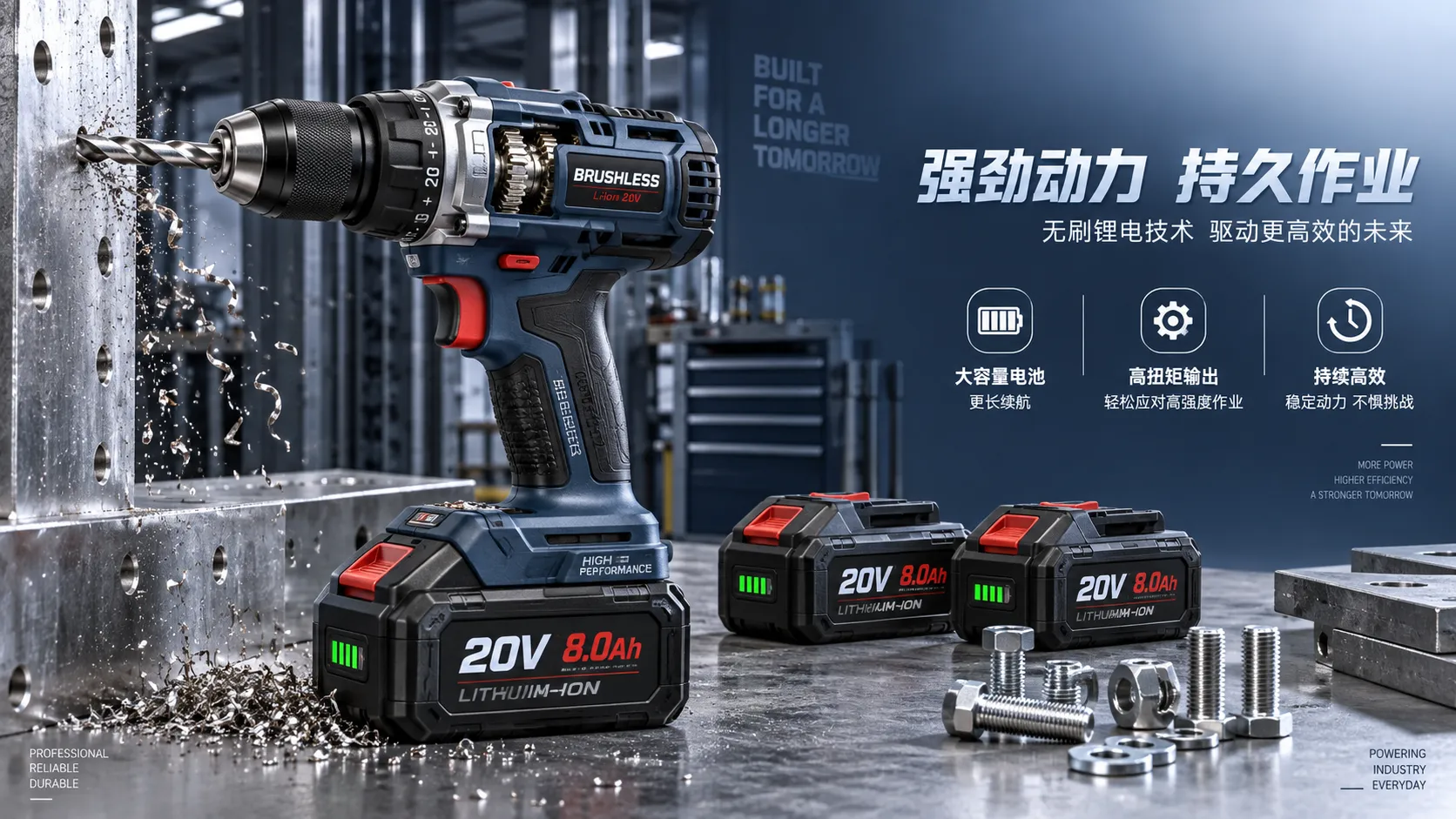
How Battery, Torque, and Duty Cycle Affect Cordless Power Tool Efficiency
Cordless power tool efficiency depends on battery output, torque, and duty cycle. Learn how to match tools to demanding jobs for stronger runtime and productivity.

Product Comparison Resources for Component Compatibility and Lifecycle Risk
Product comparison resources for components: evaluate compatibility, interfaces, service support, and lifecycle risk to reduce downtime, avoid redesigns, and make confident sourcing decisions.

How to Select Vernier Precision Calipers for Tight-Tolerance Machining Inspection
Vernier precision calipers for tight-tolerance machining: learn how to select the right range, jaw design, accuracy, and verification process for reliable inspection.

Product Comparison Resources in Europe: How Buyers Can Verify Specs and Suppliers
Product comparison resources Europe: learn how to verify industrial specs, compliance claims, supplier credibility, and delivery risk for smarter purchasing decisions.

How to Evaluate an Industrial Metrology Solution Manufacturer for Production Use
Industrial metrology solution manufacturer evaluation guide for production: compare accuracy, traceability, automation, software, service, and acceptance testing to reduce risk.

Which ISO Standards Matter Most for Precision Engineering Quality Control?
Precision engineering ISO standards explained: discover how ISO 9001, ISO/IEC 17025, ISO 10012, GPS, and ISO 3834 strengthen quality control, traceability, and compliance.
Related News
- 00
0000-00
How Procurement Teams Can Map the Industrial Value Chain to Reduce Supply Risk - 00
0000-00
How Industry Category Guides Help Global Sourcing Teams Compare Suppliers Faster - 00
0000-00
Intelligent Tools in Southeast Asia: Key Market Trends, Buyers, and Supply Chain Shifts - 00
0000-00
Industrial Value Chain Europe: Where Sourcing Risks and Lead-Time Pressure Are Rising - 00
0000-00
North America's Industrial Value Chain: Key Shifts in Sourcing, Labor, and Logistics
Dr. Alistair Vaughn
Weekly Insights
Stay ahead with our curated technology reports delivered every Monday.