
Sector News in Advanced Manufacturing: 5 Supply Chain Shifts Buyers Should Track





Sector news has become a working input for sourcing decisions, not a background read for later. In advanced manufacturing, small external changes can quickly affect landed cost, delivery confidence, compliance exposure, and equipment uptime.
That is especially true in assembly, metal joining, precision measurement, and maintenance-heavy operations. A shift in steel pricing, a new export rule, or wider adoption of connected tools can alter supplier choices faster than annual contracts can respond.
Seen this way, sector news is less about headlines and more about signal quality. The useful question is not what happened, but what the change means for lead times, specifications, substitution options, and total procurement risk.
Why sector news matters in the last mile of manufacturing
Advanced manufacturing often depends on components and tools that look ordinary until supply tightens. Welding torches, torque systems, metrology devices, hydraulic equipment, motors, and consumables all sit close to production reality.
When disruption reaches this last mile, the effect is immediate. Inspection slows, maintenance schedules drift, rework increases, or a line waits for a part that seemed easy to replace.
This is where GPTWM’s perspective is useful. Its Strategic Intelligence Center tracks raw material movements, export standard restrictions, intelligent tool adoption, and commercial demand patterns across construction, automotive, aerospace, and industrial service chains.
For decision making, that blend matters. Technical product knowledge alone is not enough, and macro news alone is too broad. Effective sector news connects market movement with tool performance, specification risk, and buying timing.
Five supply chain shifts now shaping sourcing decisions
1. Raw material volatility is moving beyond price into availability
Steel, copper, aluminum alloys, rare earth inputs, and industrial gases remain highly exposed to energy costs, regional policy, and freight conditions. Price changes are only the first visible layer.
The deeper issue is allocation. Suppliers may protect strategic accounts, reduce customization, or lengthen confirmation cycles for items tied to fluctuating material inputs.
In practical terms, sector news should be read alongside bill-of-material exposure. A modest commodity move can have an outsized effect on calibrated instruments, brushless tools, precision fixtures, or welding systems with specialized assemblies.
2. Export controls and standards are changing supplier geography
Trade restrictions no longer affect only flagship machinery. Testing devices, electronics inside smart tools, laser-related safety components, and dual-use industrial items increasingly face documentation and destination scrutiny.
That means a technically qualified source may still become commercially difficult. Certification delays, customs review, missing declarations, or localized compliance updates can interrupt otherwise stable flows.
Reliable sector news helps identify where sourcing maps need revision. It also highlights which product families deserve secondary qualification before a restriction becomes a daily operational problem.
3. Smart tools are creating a new sourcing layer around software and data
Connected torque tools, IoT-based control systems, and digitally monitored welding equipment promise traceability and higher consistency. Yet buying them is different from buying conventional hardware.
The physical tool is only one part of the decision. Firmware support, data compatibility, cybersecurity practice, sensor calibration, and service access now influence total value.
This is why sector news around intelligent tooling deserves close attention. Adoption trends reveal whether a category is becoming standard practice, or whether buyers are still carrying integration risk that suppliers cannot fully support.
4. Safety-driven upgrades are changing demand for joining equipment
Handheld laser welding is a strong example. Interest is growing because it can improve speed, finish quality, and labor flexibility in certain applications.
At the same time, wider adoption depends on safety systems, operator training, local rules, and the availability of approved protective accessories. Those details shape whether demand grows smoothly or in stop-start phases.
Sector news around safety requirements is therefore commercially important. It signals which regions are ready for expansion, which suppliers are building compliant bundles, and where hidden implementation cost may emerge.
5. Demand is becoming more uneven across end-use sectors
Construction, automotive, aerospace maintenance, and industrial repair do not move in sync. One segment may slow on capital equipment while another expands spending on inspection tools, hydraulics, or repair consumables.
That unevenness creates supply distortions. Some SKUs face tight lead times because maintenance demand surges, while other categories stay price-competitive because project starts remain weak.
Commercial intelligence becomes more useful here than generic market commentary. GPTWM’s industry lens is valuable because it links product families to downstream demand shifts, not just headline manufacturing sentiment.
How to read sector news without overreacting
Not every market update deserves a sourcing change. The discipline is to separate noise from a signal that affects specification, continuity, or cost structure.
A practical reading framework helps:
- Check whether the news affects a raw material, a finished part, or a compliance requirement.
- Estimate time horizon: immediate disruption, quarterly pressure, or long-term structural change.
- Map the impact to critical SKUs, approved suppliers, and substitute options.
- Review technical dependencies such as calibration, software, safety accessories, or certification records.
- Compare market information with actual supplier behavior, not only public commentary.
Usually, the best response is not dramatic switching. It is earlier visibility, selective buffering, and clearer segmentation between strategic items and routine replenishment.
Where these shifts show up first
The effect of sector news is rarely uniform. Some categories absorb disruption better than others because technical substitution is easier or stock coverage is deeper.
This kind of view turns sector news into a sourcing dashboard. It also helps explain why broad market calm can hide pressure inside narrow but essential industrial categories.
What deserves attention over the next two quarters
Three themes are likely to stay important. The first is supplier resilience below the top tier, especially where smaller specialists support precision work or repair-intensive industries.
The second is the cost of compliance. Export documents, safety validation, and digital tool support are becoming part of procurement economics, even when unit prices appear stable.
The third is data trust. As more equipment becomes intelligent, sector news should be read for clues about interoperability, service ecosystems, and lifecycle support, not just purchase price.
A practical next step
A useful next move is to review the ten to twenty most operationally sensitive items and tag each one by material exposure, compliance exposure, and digital dependency.
Then compare that list with recent sector news, supplier notices, and regional demand shifts. Patterns usually appear quickly, especially around precision tools, joining systems, and metrology assets.
When market intelligence is tied to specific categories and real buying decisions, sector news stops being passive reading. It becomes a practical way to protect continuity, improve timing, and source with more confidence.
Related News
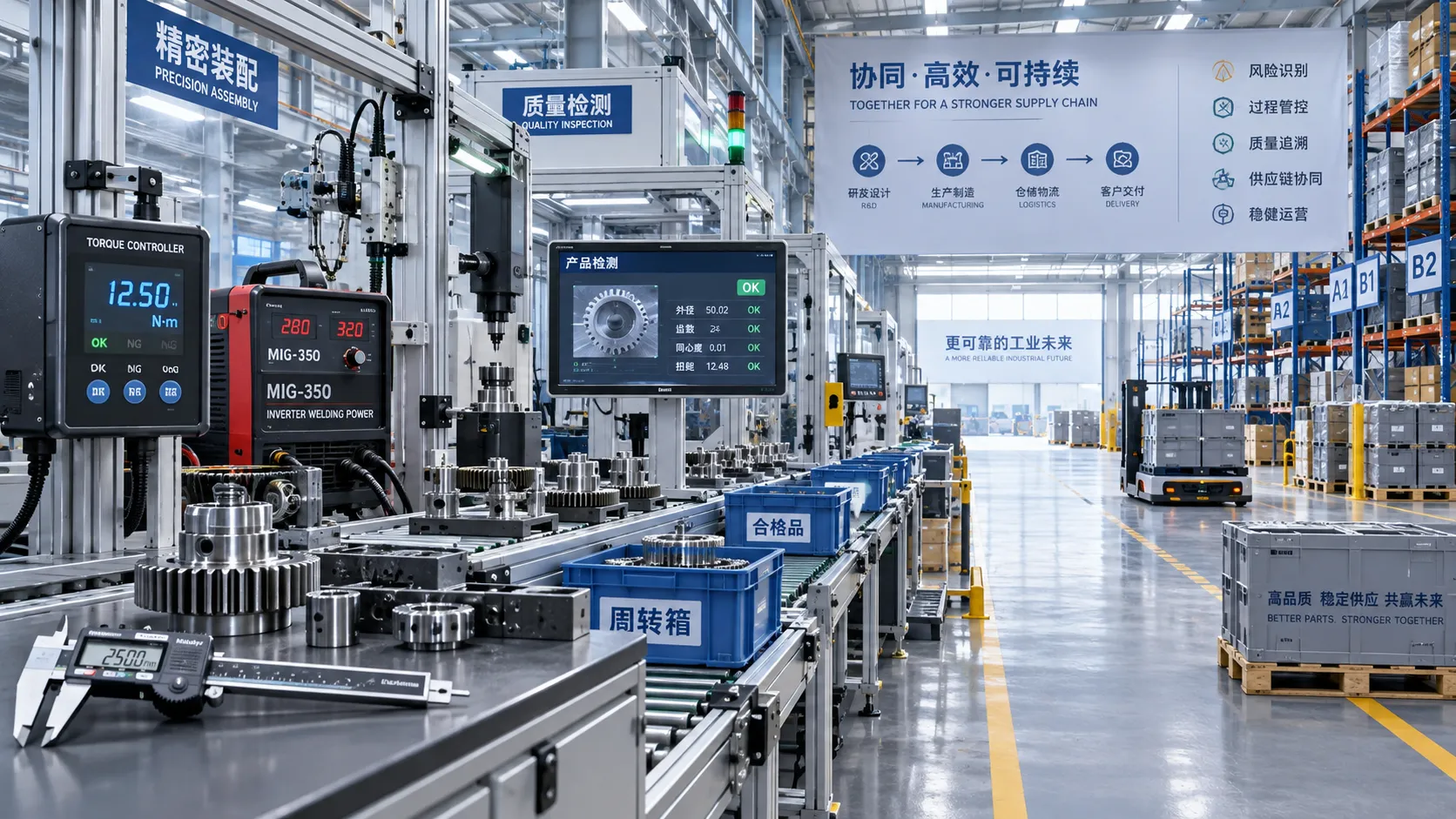
How Procurement Teams Can Map the Industrial Value Chain to Reduce Supply Risk
Industrial value chain procurement helps teams map hidden dependencies, qualify resilient sources, and reduce supply risk before disruptions stop production.

How Specification-Driven Articles Improve Precision Measurement System Selection
Specification-oriented articles precision measurement guidance helps teams compare accuracy, repeatability, environment, and data needs to select reliable systems with confidence.

How to Evaluate a Technology Integration Service Provider for Complex Projects
Technology integration service provider selection guide: evaluate interface ownership, delivery discipline, scalable architecture, and risk control for complex projects.
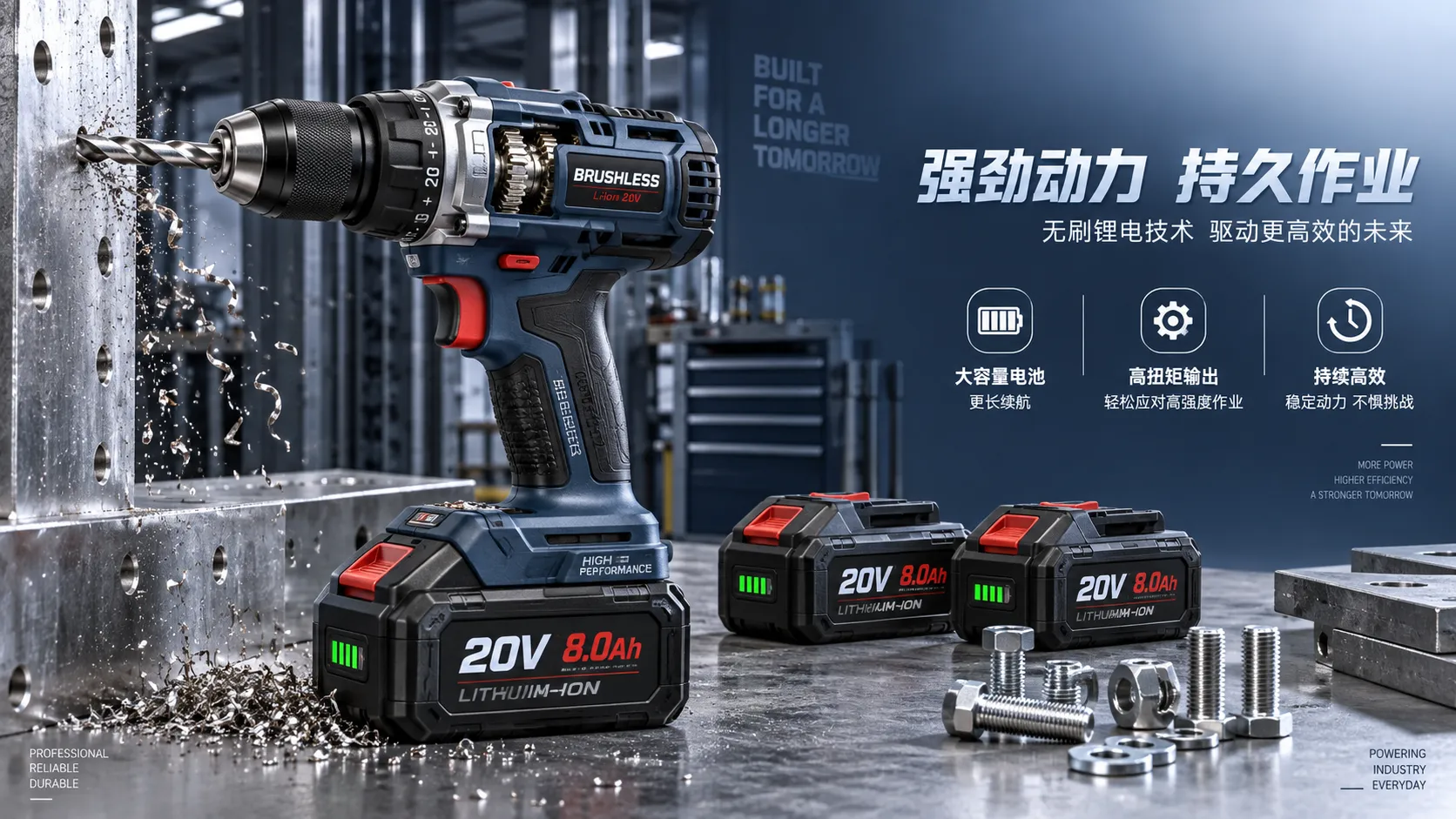
How Battery, Torque, and Duty Cycle Affect Cordless Power Tool Efficiency
Cordless power tool efficiency depends on battery output, torque, and duty cycle. Learn how to match tools to demanding jobs for stronger runtime and productivity.

Product Comparison Resources for Component Compatibility and Lifecycle Risk
Product comparison resources for components: evaluate compatibility, interfaces, service support, and lifecycle risk to reduce downtime, avoid redesigns, and make confident sourcing decisions.

How to Select Vernier Precision Calipers for Tight-Tolerance Machining Inspection
Vernier precision calipers for tight-tolerance machining: learn how to select the right range, jaw design, accuracy, and verification process for reliable inspection.

Product Comparison Resources in Europe: How Buyers Can Verify Specs and Suppliers
Product comparison resources Europe: learn how to verify industrial specs, compliance claims, supplier credibility, and delivery risk for smarter purchasing decisions.

How to Evaluate an Industrial Metrology Solution Manufacturer for Production Use
Industrial metrology solution manufacturer evaluation guide for production: compare accuracy, traceability, automation, software, service, and acceptance testing to reduce risk.

Which ISO Standards Matter Most for Precision Engineering Quality Control?
Precision engineering ISO standards explained: discover how ISO 9001, ISO/IEC 17025, ISO 10012, GPS, and ISO 3834 strengthen quality control, traceability, and compliance.
Related News
- 00
0000-00
How Procurement Teams Can Map the Industrial Value Chain to Reduce Supply Risk - 00
0000-00
How Industry Category Guides Help Global Sourcing Teams Compare Suppliers Faster - 00
0000-00
Intelligent Tools in Southeast Asia: Key Market Trends, Buyers, and Supply Chain Shifts - 00
0000-00
Industrial Value Chain Europe: Where Sourcing Risks and Lead-Time Pressure Are Rising - 00
0000-00
North America's Industrial Value Chain: Key Shifts in Sourcing, Labor, and Logistics
Dr. Alistair Vaughn
Weekly Insights
Stay ahead with our curated technology reports delivered every Monday.