
Raw Material Fluctuations Explained: What Drives Cost Changes in Industrial Supply Chains





Raw material fluctuations rarely announce themselves with a single dramatic event. More often, they move through industrial supply chains in layers, altering input costs, lead times, contract terms, and inventory choices. For companies tied to assembly, welding, metrology, and equipment maintenance, those shifts can reshape margin assumptions long before finished-product prices visibly change.
That is why the topic deserves close attention now. Energy volatility, freight bottlenecks, policy intervention, and uneven global demand have made cost movement less predictable. In sectors where steel, copper, aluminum, specialty alloys, electronics, and industrial gases influence performance and pricing, understanding raw material fluctuations is no longer a narrow procurement issue. It is a broader evaluation task linked to commercial risk, operational resilience, and strategic timing.
What raw material fluctuations really mean in industrial markets
At a basic level, raw material fluctuations describe the ongoing rise and fall of input costs across commodities and semi-processed materials. These movements may be sharp or gradual. They may come from physical shortages, cost inflation, speculative trading, or changes in industrial demand patterns.
In practice, the term covers more than commodity quotations. A mill price increase is one part of the story. Energy surcharges, packaging costs, refining constraints, conversion fees, and transport premiums often matter just as much.
For industrial supply chains, the key issue is transmission. A rise in copper may affect cable assemblies, motor components, metrology devices, and power tool systems at different speeds. The same market signal can therefore create very different cost outcomes.
Why cost changes have become harder to read
Cost changes used to be tracked mainly through broad commodity cycles. That model is still useful, but it is less complete today. Many industrial inputs are exposed to a tighter mix of geopolitics, compliance rules, logistics capacity, and technology substitution.
This is especially visible in the “last mile” of manufacturing. Components for welding systems, precision measuring tools, handheld equipment, and hydraulic assemblies depend on stable upstream supply. When material inputs become unstable, pricing pressure can emerge in tooling, spare parts, and maintenance operations even if end-market demand looks healthy.
Intelligence platforms such as GPTWM track this interaction closely because it sits between macro signals and workshop reality. A policy change affecting export standards may seem distant at first. Yet it can quickly influence sourcing choices for alloy parts, electronic modules, or calibrated instruments.
The main forces behind raw material fluctuations
Most pricing shifts come from several forces acting together, not one isolated trigger. Reading them in combination gives a more reliable picture.
Energy and processing costs
Metals and industrial chemicals are energy-intensive. When electricity, natural gas, or fuel prices rise, smelting, refining, machining, and transport all become more expensive. Even when ore supply is stable, finished input prices may still move upward.
Freight and logistics disruption
Port congestion, container shortages, route diversions, and insurance costs can distort delivered prices. In some cases, the material itself is available, but the landed cost changes enough to alter supplier competitiveness.
Policy, tariffs, and export controls
Trade restrictions can tighten regional supply overnight. Tariffs, sanctions, environmental compliance rules, and export licensing may push buyers toward alternative sources, often at higher conversion or qualification cost.
Demand cycles across industries
Construction, automotive, aerospace maintenance, electronics, and infrastructure do not peak at the same time. When several sectors compete for the same inputs, raw material fluctuations become more severe and less synchronized.
Currency movement and financing conditions
Materials traded in major currencies can become more expensive in local terms even without a commodity rally. Higher interest rates also increase inventory holding costs, making purchasing decisions more sensitive to timing.
How these shifts affect industrial categories differently
Not every industrial category reacts in the same way. Some products are material-heavy. Others are more exposed to electronics, calibration, certification, or specialized assembly.
This category view matters because raw material fluctuations often appear unevenly. A distributor may see stable pricing in one line while another line experiences margin compression for the same quarter.
What deserves attention in current market conditions
Several signals now deserve closer reading than headline commodity charts alone. The first is the gap between spot prices and contract prices. A supplier with older inventory may hold pricing steady for a period, then adjust sharply after replenishment.
The second is specification sensitivity. High-precision instruments, safety-rated welding systems, and export-compliant assemblies cannot always switch materials or vendors easily. Qualification barriers reduce flexibility and can amplify raw material fluctuations.
The third is technology transition. The spread of handheld laser welding, brushless motor platforms, and IoT-enabled torque control adds dependence on electronic subsystems. That creates a second layer of volatility beyond basic metals.
This is where sector intelligence becomes valuable. GPTWM’s coverage of evolutionary trends and commercial demand patterns helps connect macro cost movement with actual exposure in construction, automotive service, aerospace maintenance, and industrial distribution.
How to interpret raw material fluctuations in business evaluation
The most useful approach is to treat raw material fluctuations as a chain of questions rather than a single percentage change. Price movement alone does not reveal how serious the impact will be.
- Check material intensity: determine how much of product cost comes from the affected input.
- Review pass-through timing: identify whether suppliers adjust monthly, quarterly, or on reorder.
- Map substitution limits: assess whether technical standards allow alternative grades or sources.
- Compare regional exposure: one supply route may be stable while another faces freight or compliance pressure.
- Examine inventory position: high stock can delay impact, while lean stock makes exposure immediate.
This method is especially helpful when evaluating suppliers that serve multiple industrial segments. A company may appear diversified, yet share the same vulnerable input across several product families.
Practical scenarios where judgment often improves outcomes
Consider a precision tool line with moderate steel exposure but high dependence on imported sensor modules. If steel eases while chips tighten, the headline material trend may look favorable, but delivered product cost may still rise.
Or take welding consumables in a period of stable demand. Rising industrial gas and freight costs can still reduce margin, especially when customer contracts limit short-term repricing.
In another case, export standard changes may force requalification of components. The direct material increase may be modest, but the indirect effect on lead time, testing, and documentation can be much larger.
These examples show why raw material fluctuations should be read together with technical constraints and market access conditions. Cost signals become more meaningful when tied to actual product architecture and route-to-market reality.
A more disciplined way to monitor the next move
A useful monitoring framework combines external data with internal commercial evidence. External data may include commodity indices, freight rates, policy updates, and energy costs. Internal evidence includes supplier notices, quote validity periods, backlog behavior, and margin changes by category.
Simple dashboards are often more effective than complex forecasting models. What matters is whether the dashboard shows transmission speed, affected product groups, and decision points for repricing or resourcing.
Over time, this discipline improves judgment. It helps separate temporary noise from structural cost movement, and it supports better decisions on contract duration, sourcing diversification, and inventory posture.
The next step is not to predict every swing in raw material fluctuations. It is to build a clearer map of exposure, sensitivity, and response options. With that foundation, market signals become easier to interpret, and industrial supply chain decisions become far more precise.
Related News
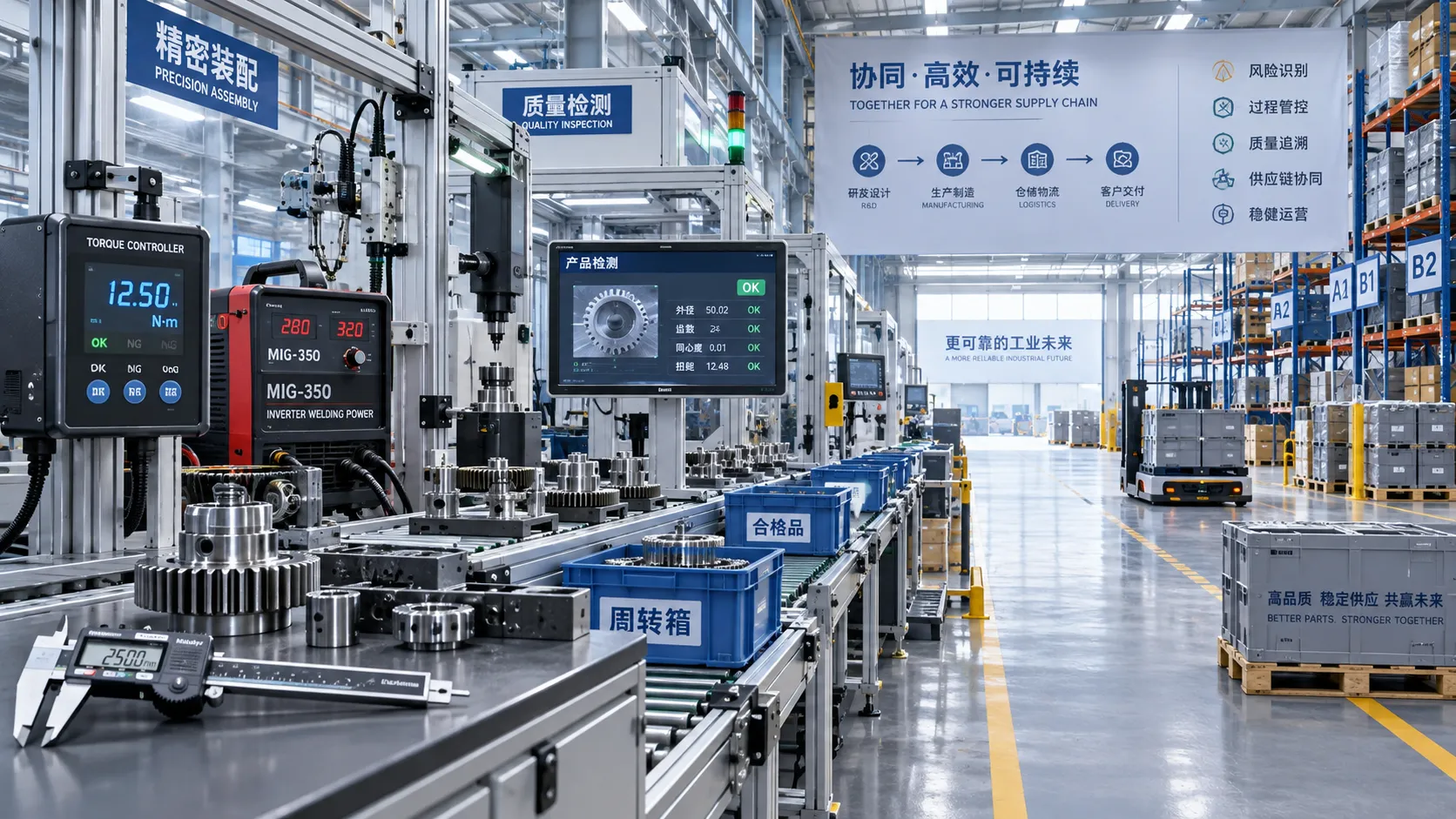
How Procurement Teams Can Map the Industrial Value Chain to Reduce Supply Risk
Industrial value chain procurement helps teams map hidden dependencies, qualify resilient sources, and reduce supply risk before disruptions stop production.

How Specification-Driven Articles Improve Precision Measurement System Selection
Specification-oriented articles precision measurement guidance helps teams compare accuracy, repeatability, environment, and data needs to select reliable systems with confidence.

How to Evaluate a Technology Integration Service Provider for Complex Projects
Technology integration service provider selection guide: evaluate interface ownership, delivery discipline, scalable architecture, and risk control for complex projects.

How Battery, Torque, and Duty Cycle Affect Cordless Power Tool Efficiency
Cordless power tool efficiency depends on battery output, torque, and duty cycle. Learn how to match tools to demanding jobs for stronger runtime and productivity.

Product Comparison Resources for Component Compatibility and Lifecycle Risk
Product comparison resources for components: evaluate compatibility, interfaces, service support, and lifecycle risk to reduce downtime, avoid redesigns, and make confident sourcing decisions.

How to Select Vernier Precision Calipers for Tight-Tolerance Machining Inspection
Vernier precision calipers for tight-tolerance machining: learn how to select the right range, jaw design, accuracy, and verification process for reliable inspection.
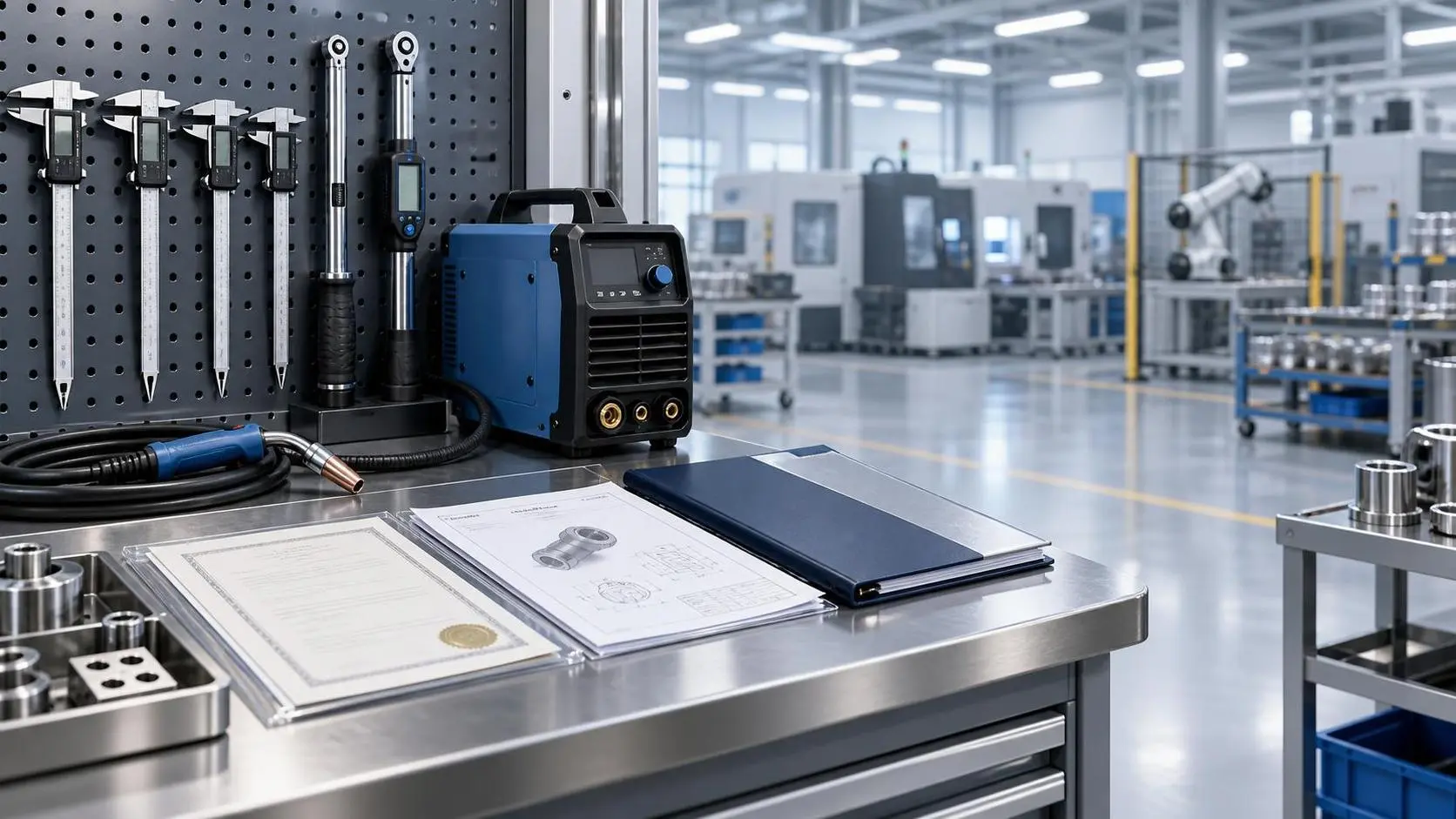
Product Comparison Resources in Europe: How Buyers Can Verify Specs and Suppliers
Product comparison resources Europe: learn how to verify industrial specs, compliance claims, supplier credibility, and delivery risk for smarter purchasing decisions.

How to Evaluate an Industrial Metrology Solution Manufacturer for Production Use
Industrial metrology solution manufacturer evaluation guide for production: compare accuracy, traceability, automation, software, service, and acceptance testing to reduce risk.

Which ISO Standards Matter Most for Precision Engineering Quality Control?
Precision engineering ISO standards explained: discover how ISO 9001, ISO/IEC 17025, ISO 10012, GPS, and ISO 3834 strengthen quality control, traceability, and compliance.
Related News
- 00
0000-00
How Procurement Teams Can Map the Industrial Value Chain to Reduce Supply Risk - 00
0000-00
How Industry Category Guides Help Global Sourcing Teams Compare Suppliers Faster - 00
0000-00
Intelligent Tools in Southeast Asia: Key Market Trends, Buyers, and Supply Chain Shifts - 00
0000-00
Industrial Value Chain Europe: Where Sourcing Risks and Lead-Time Pressure Are Rising - 00
0000-00
North America's Industrial Value Chain: Key Shifts in Sourcing, Labor, and Logistics
Dr. Alistair Vaughn
Weekly Insights
Stay ahead with our curated technology reports delivered every Monday.