
How to Choose Brushless Motors for Industrial Equipment: Key Specs and Trade-Offs





Choosing brushless motors for industrial equipment is rarely a simple power comparison. Real selection depends on how torque, speed, heat, control behavior, and lifetime cost interact under actual operating conditions. In assembly, metal joining, precision measurement, and adjacent industrial tasks, that balance has become more important as equipment grows lighter, smarter, and more tightly connected to performance data. For platforms such as GPTWM, which track the last mile of manufacturing efficiency, brushless motors are not just components. They are decision points that affect uptime, process stability, ergonomic design, and long-term competitiveness.
Why brushless motors matter more now
Industrial equipment is under pressure from several directions at once. Energy costs remain volatile. Export standards continue to evolve. End users expect more compact tools and more predictable output.
That makes brushless motors attractive because they usually deliver higher efficiency, reduced maintenance demand, and better controllability than brushed alternatives. In many systems, they also support cleaner integration with digital controls.
The shift is visible across portable power tools, automated fastening systems, compact pumps, conveyor modules, inspection devices, and welding-related support equipment. More capable electronics have made advanced motor control economically practical.
At the same time, selection mistakes have become more expensive. A motor that looks efficient on paper may overheat in a sealed enclosure, lose torque at the wrong speed band, or create unwanted complexity in the drive system.
Start with the load, not the catalog
The best way to evaluate brushless motors is to begin with the duty profile. That means understanding what the equipment actually asks the motor to do over time.
Continuous rotation, repeated starts, short bursts of peak torque, holding force, and direction changes create very different thermal and control demands. A nameplate rating alone cannot capture that.
For example, a torque tool may need fast acceleration and precise speed recovery. A metrology axis may value smoothness and low vibration more than maximum output. A feeder or pump may prioritize efficiency during long steady runs.
This is where many industrial evaluations go wrong. The motor is selected around peak output, while the equipment spends most of its life in a different operating zone.
Questions that define the real duty profile
- What torque is required at startup, during normal running, and at overload?
- How long does each load state last during a production cycle?
- What speed range matters most for process quality?
- Is the motor exposed to dust, heat, vibration, or restricted airflow?
- How critical are acoustic noise, positional accuracy, and response time?
The core specifications behind selection
Several specifications deserve close attention because they shape how brushless motors behave in practical equipment, not just in a test environment.
Torque and speed relationship
Peak torque looks impressive, but continuous torque usually matters more. If a motor can produce short bursts yet cannot sustain the required thermal load, reliability will suffer.
Speed should also be evaluated together with torque. Many brushless motors lose useful torque as speed increases, especially when drive voltage or controller limits become restrictive.
Efficiency across the operating range
A quoted efficiency number can be misleading if it only reflects one ideal point. Industrial equipment often runs across several load states, so a broader efficiency map is more valuable.
Higher efficiency reduces heat, lowers energy use, and may shrink cooling requirements. In battery-supported or portable systems, it also extends practical operating time.
Thermal performance
Thermal behavior is one of the most underestimated factors in brushless motors. Windings, magnets, bearings, and electronics all respond to heat differently.
A motor in open air may pass testing, then fail in a compact housing near a welding source or hydraulic unit. Temperature rise, thermal resistance, and cooling path deserve early review.
Control compatibility
Brushless motors only perform as intended when the controller, sensors, and power stage are correctly matched. Sensorless designs can reduce complexity, but they may struggle at very low speeds or under difficult starts.
Hall sensors, encoders, and more advanced feedback options improve control precision, yet they add cost and integration effort. The correct choice depends on the application’s tolerance for error and response lag.
Typical trade-offs in industrial evaluation
Selecting brushless motors usually means accepting trade-offs rather than chasing a perfect specification sheet. The right balance depends on process priorities.
In practical terms, a compact handheld industrial tool may accept shorter thermal headroom to achieve better ergonomics. A fixed production module may do the opposite and prioritize stable continuous duty.
Application context changes the answer
Brushless motors are used across very different industrial contexts, so the same specification can have different importance depending on the machine role.
Assembly and fastening systems
These applications often prioritize repeatable torque delivery, fast cycle times, and compatibility with intelligent control systems. Response speed and controller quality can be more decisive than raw output.
Metal joining support equipment
In welding-adjacent tools, contamination resistance, thermal robustness, and enclosure design become critical. Nearby heat sources and dust can quickly expose weak thermal assumptions.
Precision metrology devices
Measurement equipment tends to value smooth motion, low vibration, and predictable control over aggressive acceleration. Here, brushless motors are judged by stability as much as by efficiency.
Hydraulic and fluid-handling auxiliaries
Pumps, fans, and support modules usually emphasize continuous efficiency, bearing life, and resistance to load variation. Energy savings may accumulate significantly over the equipment lifetime.
Beyond performance: lifecycle and supply considerations
Motor choice should not stop at electromechanical performance. Supply resilience, certification pathways, and serviceability often influence total value more than small differences in nominal efficiency.
This is especially relevant in global industrial markets, where raw material price shifts, export restrictions, and regional standards can affect sourcing strategy. GPTWM’s broader intelligence perspective is useful here because component decisions increasingly connect to market structure.
A lower-cost motor can become expensive if controller substitutions are limited, maintenance documentation is weak, or spare parts lead times interrupt production continuity.
Useful checkpoints for lifecycle review
- Expected bearing life under real radial and axial loads
- Availability of replacement controllers and feedback devices
- Compliance with regional electrical and safety requirements
- Field diagnostics, fault logging, and condition monitoring support
- Sensitivity to magnet material cost and supply volatility
A practical way to compare brushless motors
A strong evaluation process usually combines three layers. First, confirm the load profile and environmental limits. Second, compare brushless motors and controllers as a system. Third, test the leading options in realistic operating conditions.
Bench tests should include thermal rise, low-speed behavior, repeated cycle stress, and recovery after load changes. If the equipment supports digital monitoring, collect data early instead of relying on catalog assumptions.
It is also helpful to rank criteria rather than treat all specifications equally. For one machine, torque ripple may be critical. For another, enclosure temperature or energy draw may decide the outcome.
Where to focus next
The most reliable brushless motors selection starts with a realistic view of the machine, not a preference for the highest rating. Torque density, efficiency, thermal margin, and control architecture all matter, but not in the same proportion for every application.
A useful next step is to translate the equipment cycle into a decision sheet that includes load states, speed bands, ambient conditions, integration limits, and expected service life. From there, comparisons become sharper and less vulnerable to marketing noise.
As industrial tools and systems become more intelligent, brushless motors will remain central to lightweight design, stable output, and connected performance control. Better decisions come from linking component data with process reality, exactly where industrial intelligence delivers the most value.
Related News
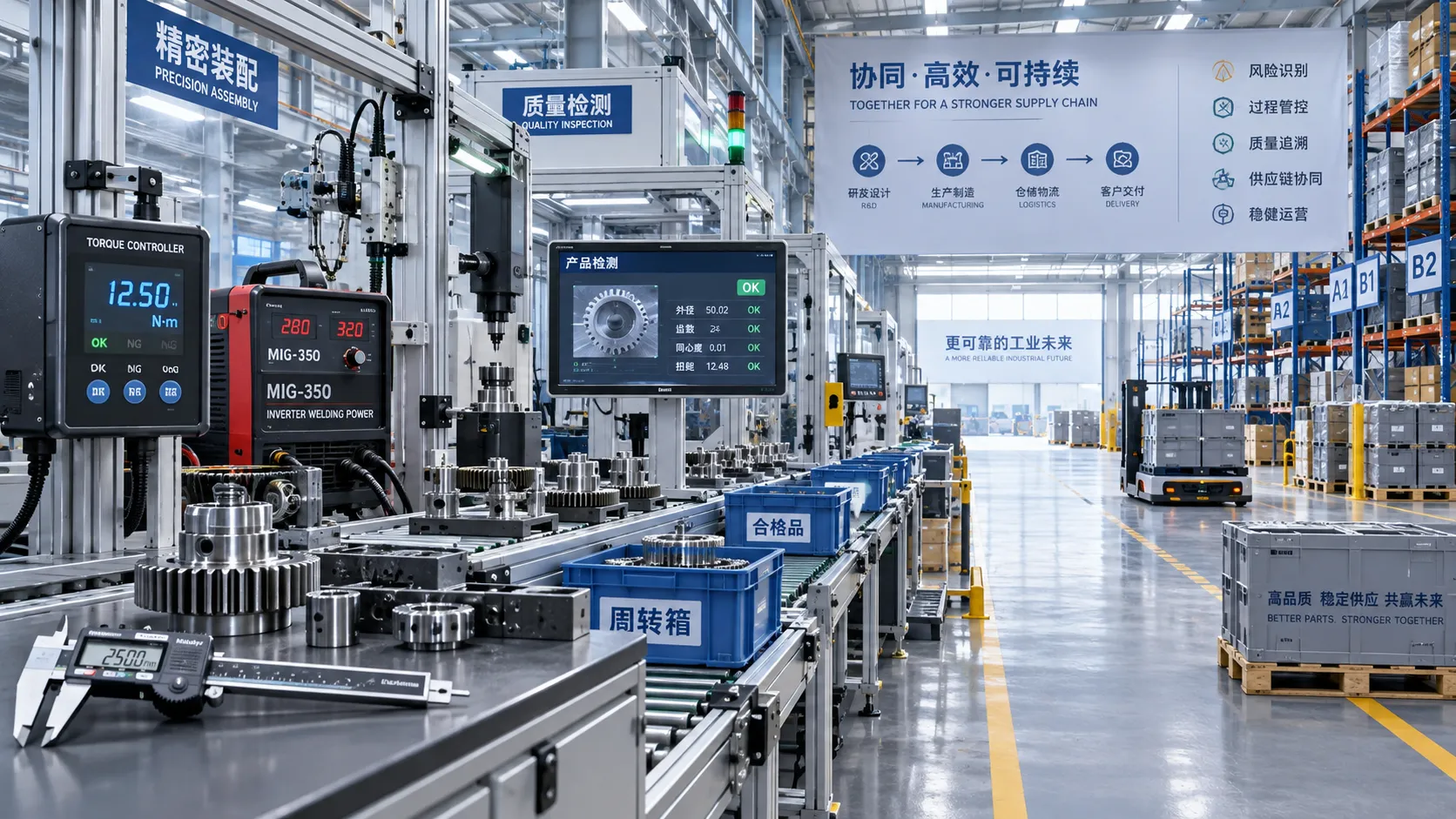
How Procurement Teams Can Map the Industrial Value Chain to Reduce Supply Risk
Industrial value chain procurement helps teams map hidden dependencies, qualify resilient sources, and reduce supply risk before disruptions stop production.

How Specification-Driven Articles Improve Precision Measurement System Selection
Specification-oriented articles precision measurement guidance helps teams compare accuracy, repeatability, environment, and data needs to select reliable systems with confidence.

How to Evaluate a Technology Integration Service Provider for Complex Projects
Technology integration service provider selection guide: evaluate interface ownership, delivery discipline, scalable architecture, and risk control for complex projects.
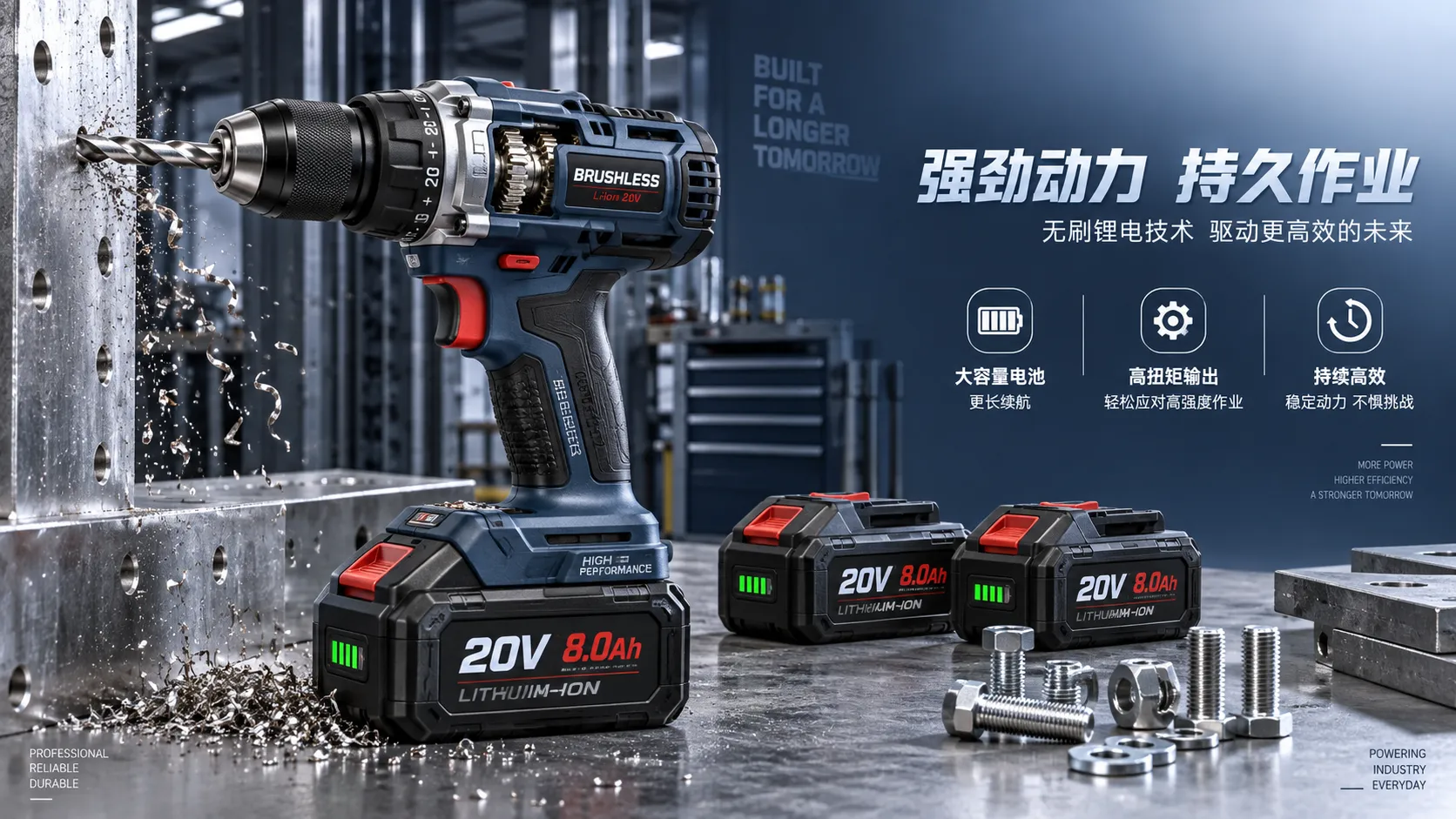
How Battery, Torque, and Duty Cycle Affect Cordless Power Tool Efficiency
Cordless power tool efficiency depends on battery output, torque, and duty cycle. Learn how to match tools to demanding jobs for stronger runtime and productivity.

Product Comparison Resources for Component Compatibility and Lifecycle Risk
Product comparison resources for components: evaluate compatibility, interfaces, service support, and lifecycle risk to reduce downtime, avoid redesigns, and make confident sourcing decisions.
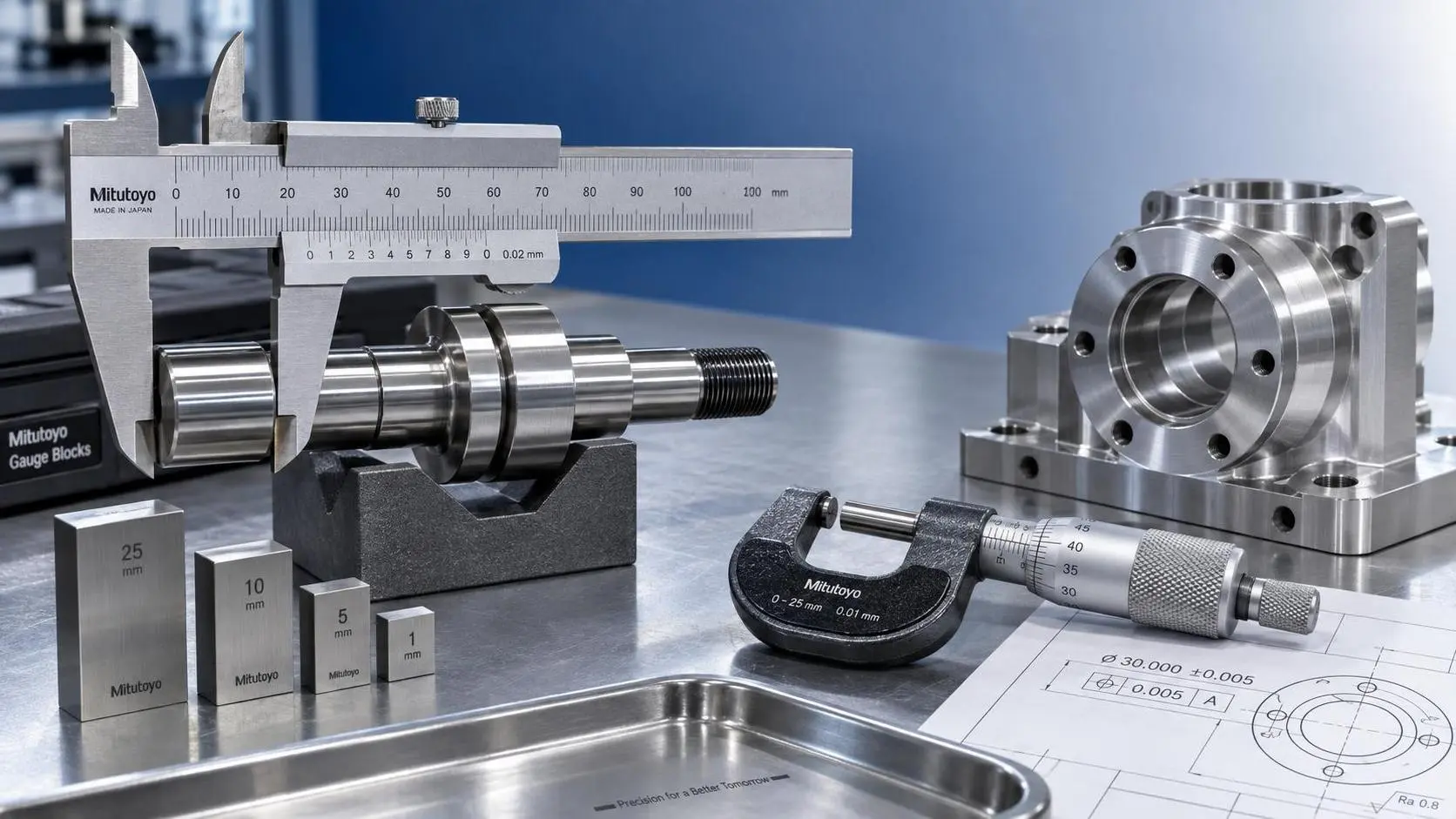
How to Select Vernier Precision Calipers for Tight-Tolerance Machining Inspection
Vernier precision calipers for tight-tolerance machining: learn how to select the right range, jaw design, accuracy, and verification process for reliable inspection.
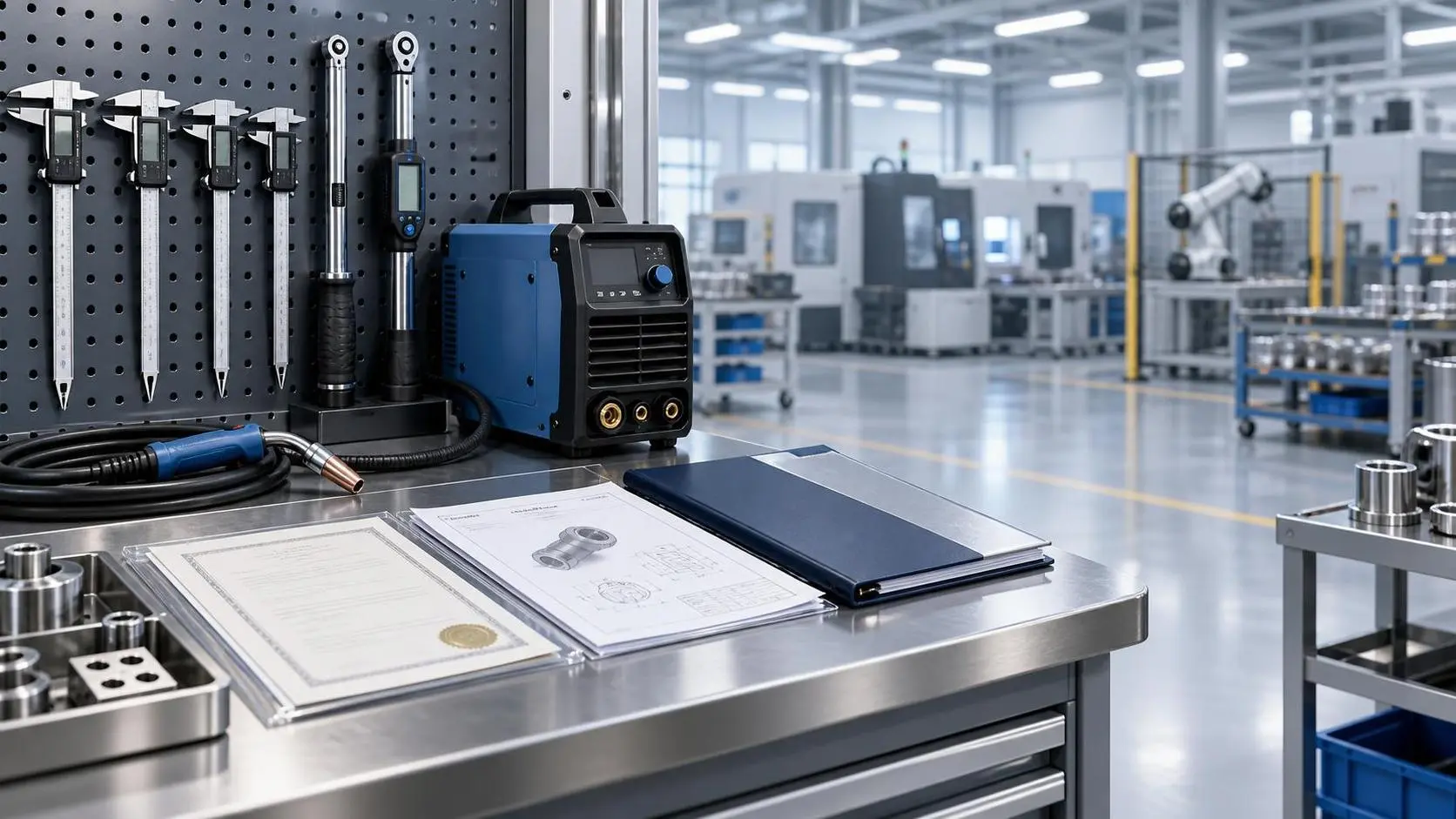
Product Comparison Resources in Europe: How Buyers Can Verify Specs and Suppliers
Product comparison resources Europe: learn how to verify industrial specs, compliance claims, supplier credibility, and delivery risk for smarter purchasing decisions.

How to Evaluate an Industrial Metrology Solution Manufacturer for Production Use
Industrial metrology solution manufacturer evaluation guide for production: compare accuracy, traceability, automation, software, service, and acceptance testing to reduce risk.
Which ISO Standards Matter Most for Precision Engineering Quality Control?
Precision engineering ISO standards explained: discover how ISO 9001, ISO/IEC 17025, ISO 10012, GPS, and ISO 3834 strengthen quality control, traceability, and compliance.
Related News
- 00
0000-00
How Specification-Driven Articles Improve Precision Measurement System Selection - 00
0000-00
Product Comparison Resources for Component Compatibility and Lifecycle Risk - 00
0000-00
Which ISO Standards Matter Most for Precision Engineering Quality Control? - 00
0000-00
Selecting Metal Joining Methods for Aluminum-to-Steel Assemblies - 00
0000-00
How to Evaluate Industrial Manufacturing Systems for Throughput, Flexibility, and ROI
Prof. Marcus Chen
Weekly Insights
Stay ahead with our curated technology reports delivered every Monday.