
How to Evaluate Industrial Automation for Small Production Lines: ROI, Downtime, and Integration Factors





How to Evaluate Industrial Automation for Small Production Lines: ROI, Downtime, and Integration Factors
For small production lines, industrial automation is no longer optional for only large factories. It has become a strategic decision about fit, timing, and operational impact.
The real question is not whether industrial automation sounds advanced. The real question is whether it improves output, protects uptime, and supports growth without creating new bottlenecks.
That is especially true for smaller lines. Budgets are tighter, changeovers are frequent, and one failed integration can disrupt the entire operation.
A practical evaluation should focus on three core issues: ROI, downtime risk, and integration complexity. When these are examined together, industrial automation becomes easier to assess and justify.
Start with the Process, Not the Technology
Many automation projects struggle because the team starts with machines instead of workflows. That usually leads to overbuying, underusing, or solving the wrong problem.
Begin by mapping the production line in detail. Look at cycle time, changeover frequency, scrap points, manual handoffs, inspection delays, and operator fatigue.
In many cases, the strongest industrial automation opportunity sits in repetitive handling, torque control, in-line inspection, or traceability capture.
This also helps separate true constraints from visible symptoms. A slow line may not need a robot first. It may need smarter sequencing or better quality feedback.
- Identify the station with the highest lost minutes per shift.
- Measure defect causes before selecting any automation platform.
- Separate labor-heavy tasks from skill-dependent tasks.
- Check whether variability comes from materials, tooling, or methods.
Calculate ROI Beyond Simple Labor Savings
ROI is often the first filter in any industrial automation discussion. Yet many evaluations stay too narrow and focus only on headcount reduction.
That approach misses the broader value. On small production lines, ROI often comes from consistency, reduced rework, lower scrap, and faster throughput.
It can also come from better delivery performance. If industrial automation shortens lead times, the business may win more orders or keep higher-margin customers.
A realistic model should include direct and indirect gains. It should also include implementation costs that are usually ignored in early proposals.
Payback period still matters, but it should not be the only metric. A slightly longer payback may be smarter if it lowers quality risk and supports future line expansion.
In practice, the best industrial automation investments are usually the ones with clear operational visibility, not just attractive spreadsheet assumptions.
Treat Downtime Risk as a Financial Variable
Downtime is where many small-line automation projects succeed or fail. One unplanned stop can erase expected productivity gains for weeks.
This matters even more when a line has little redundancy. If one station is automated and no bypass exists, the whole process can become more fragile.
A strong industrial automation evaluation should estimate both implementation downtime and ongoing downtime exposure. These are different risks and need separate controls.
Questions that reduce hidden downtime
- Can the station run manually during a system fault?
- Are spare parts available locally and quickly?
- Does the supplier provide remote diagnostics and response commitments?
- How long will commissioning interrupt current production?
- Can maintenance staff troubleshoot the controls without outside support?
The more obvious signal today is that uptime planning must begin before purchase approval. That means failure modes, backup procedures, and training plans should be defined early.
When industrial automation is evaluated this way, downtime becomes manageable rather than surprising. That changes the quality of the entire decision.
Check Integration Fit with Existing Equipment
Integration is often underestimated because hardware looks straightforward during demos. Real factory conditions are less forgiving.
Small production lines usually contain mixed-age equipment, manual fixtures, custom work instructions, and process knowledge that lives in operator habits.
That means industrial automation must fit current controls, part flow, data capture, safety layout, and maintenance capability. If not, complexity rises quickly.
Key integration factors to verify
- PLC, sensor, and communication compatibility.
- Space limits around guarding, loading, and service access.
- Part variation and fixture repeatability.
- Data exchange with MES, ERP, or quality systems.
- Safety validation, lockout procedures, and compliance requirements.
A good supplier should explain where integration risk sits, not hide it inside general promises. Straight answers about interfaces, timing, and ownership are a positive sign.
This also means digital readiness matters. Even basic industrial automation works better when traceability, alarms, and performance data are visible in simple dashboards.
Match the Automation Level to Product Mix
Not every small production line needs full automation. In fact, partial industrial automation often delivers better returns when product mix changes frequently.
A fixed, highly specialized cell may work well for stable volumes. It may perform poorly when batches shrink or variants multiply.
Flexible solutions often make more sense. These may include collaborative handling, smart torque tools, machine vision checks, or semi-automated inspection steps.
The best choice depends on how often parts change, how much precision is required, and how costly errors are in downstream processes.
- High mix, low volume usually favors flexible industrial automation.
- Stable product families support dedicated automation more easily.
- Frequent engineering changes require simple reprogramming and modular fixtures.
- Tight tolerances increase the value of automated verification.
Evaluate Supplier Capability, Not Just Equipment Specs
Industrial automation success depends as much on the integrator as on the equipment. This is especially true for smaller lines with limited internal engineering bandwidth.
A capable partner should understand process flow, risk points, ramp-up pressure, and post-installation support. A catalog alone is not enough.
Ask for examples from similar production environments. Look for proof of stable performance after installation, not just successful acceptance testing.
Supplier evaluation checklist
- Process knowledge in assembly, joining, or inspection applications.
- Clear project ownership across design, installation, and validation.
- Training plans for operators, technicians, and supervisors.
- Service response structure and spare-part support.
- Willingness to define measurable success criteria before launch.
In practical terms, reliable industrial automation usually comes from transparent collaboration, disciplined commissioning, and realistic scope control.
Use a Simple Decision Framework Before Approval
Before approving capital spending, compare each industrial automation option using a consistent framework. This keeps emotion and vendor pressure out of the final decision.
If one option scores well on speed but poorly on resilience, it may not be the right move. Small production lines need balance more than maximum technical ambition.
That balance is where good industrial automation decisions are made. It is also where long-term competitiveness becomes more practical and less risky.
For organizations tracking manufacturing trends through platforms like GPTWM, the most valuable insight is often not the newest machine. It is the clearest fit between process need and automation design.
Industrial automation delivers its best results when it is measured against real production constraints, real downtime costs, and real integration conditions.
A smart next step is simple: audit one line, rank one bottleneck, and test one automation case with full ROI, downtime, and integration assumptions before scaling further.
Related News
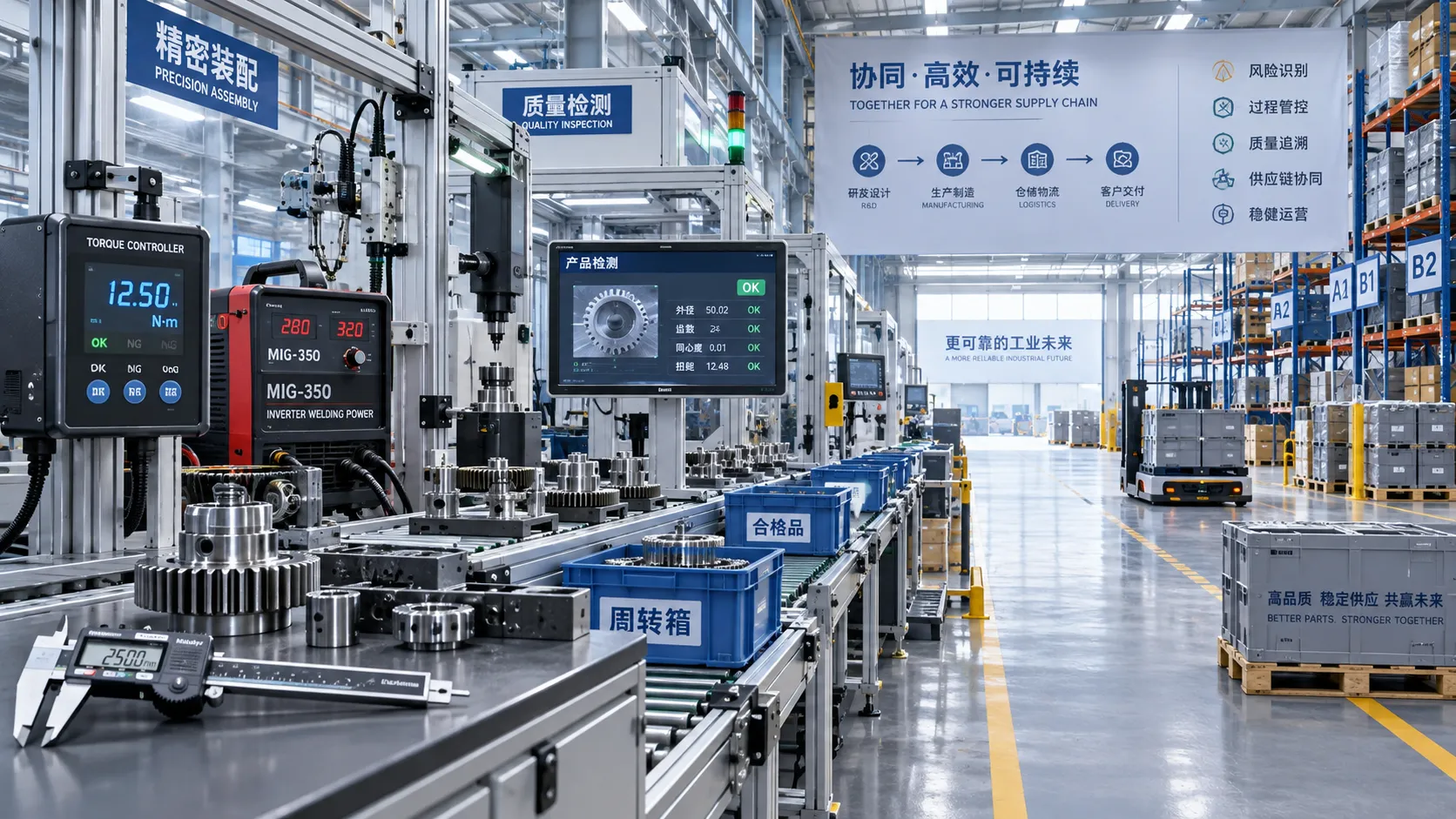
How Procurement Teams Can Map the Industrial Value Chain to Reduce Supply Risk
Industrial value chain procurement helps teams map hidden dependencies, qualify resilient sources, and reduce supply risk before disruptions stop production.
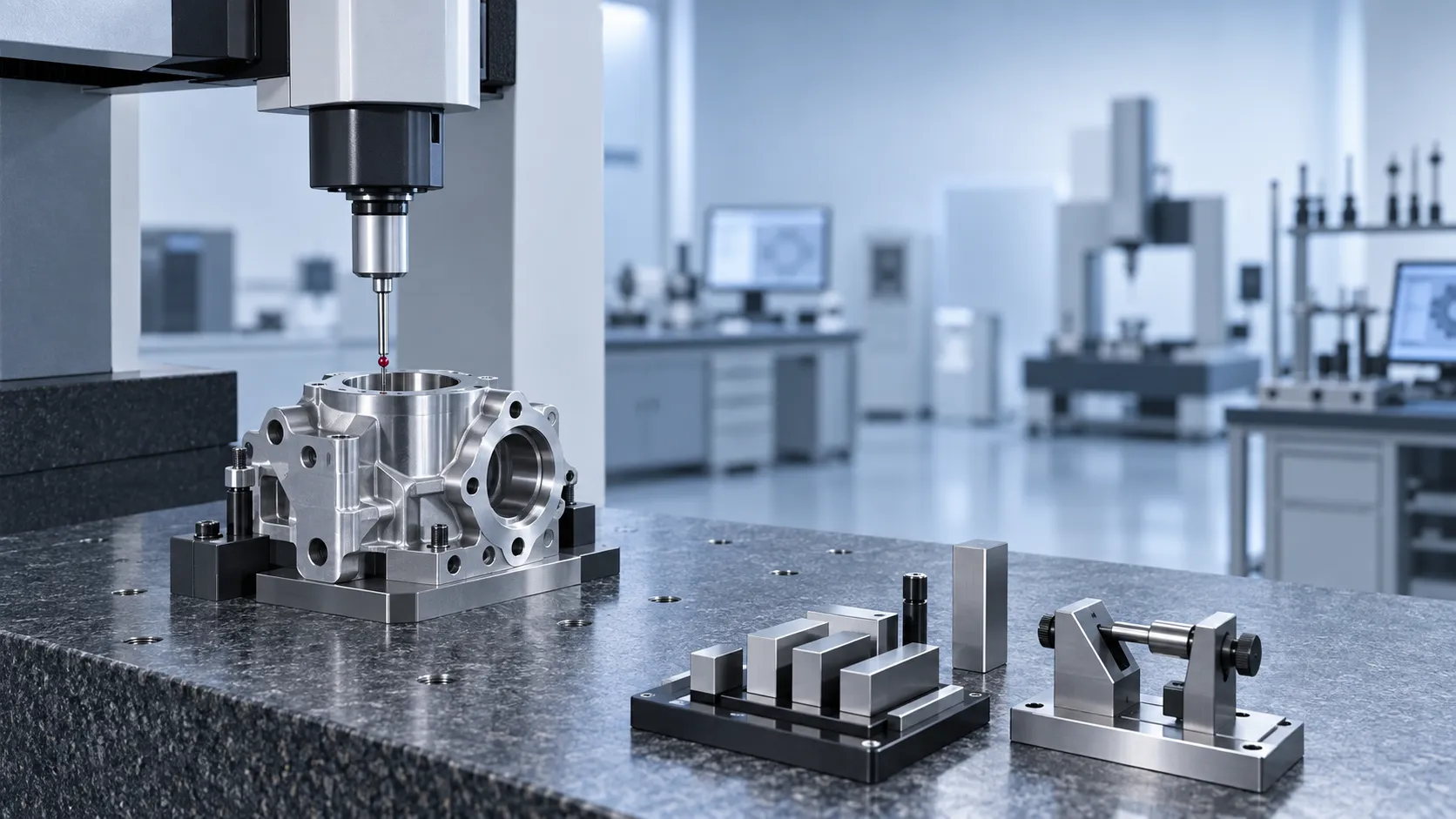
How Specification-Driven Articles Improve Precision Measurement System Selection
Specification-oriented articles precision measurement guidance helps teams compare accuracy, repeatability, environment, and data needs to select reliable systems with confidence.
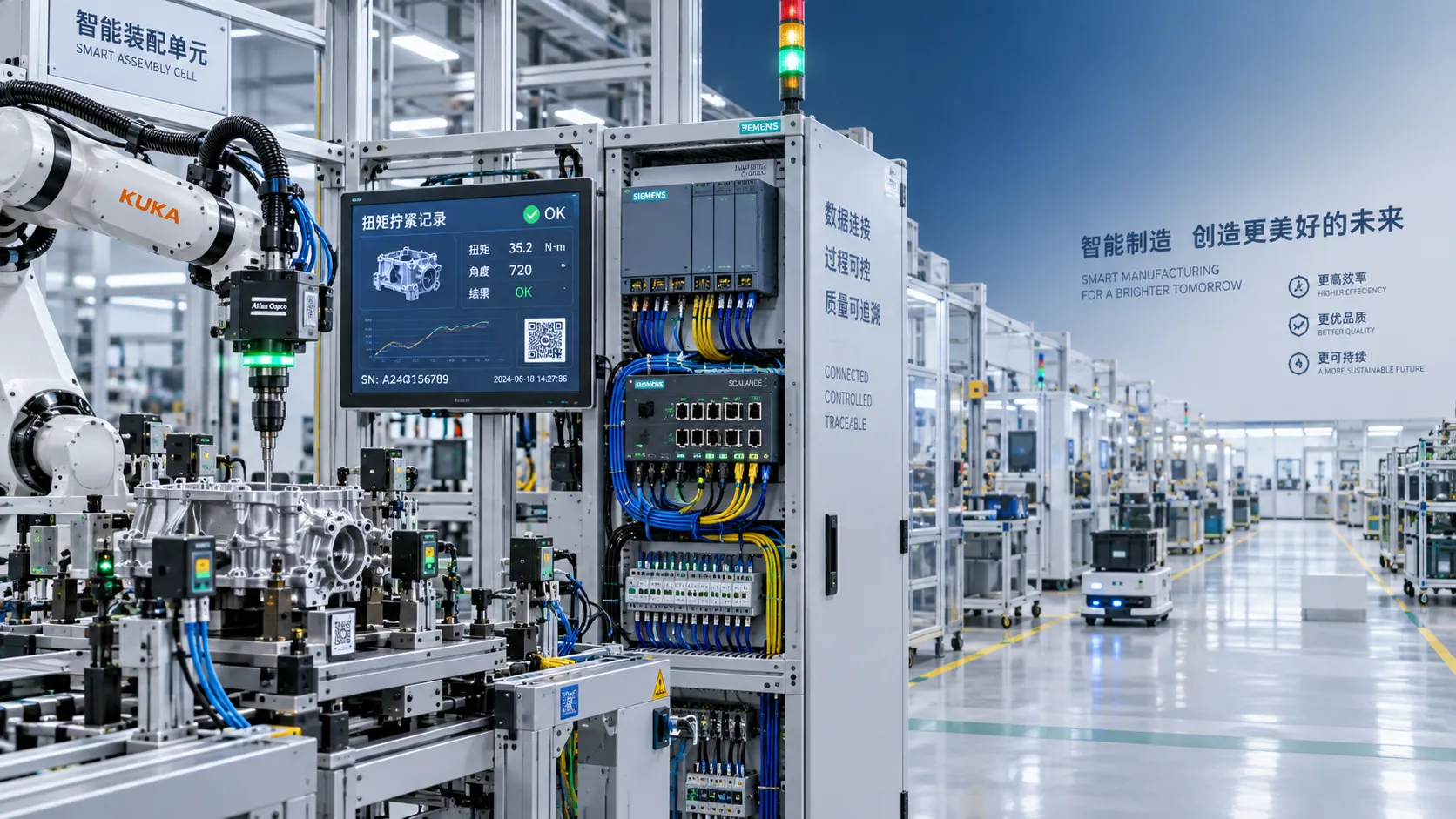
How to Evaluate a Technology Integration Service Provider for Complex Projects
Technology integration service provider selection guide: evaluate interface ownership, delivery discipline, scalable architecture, and risk control for complex projects.
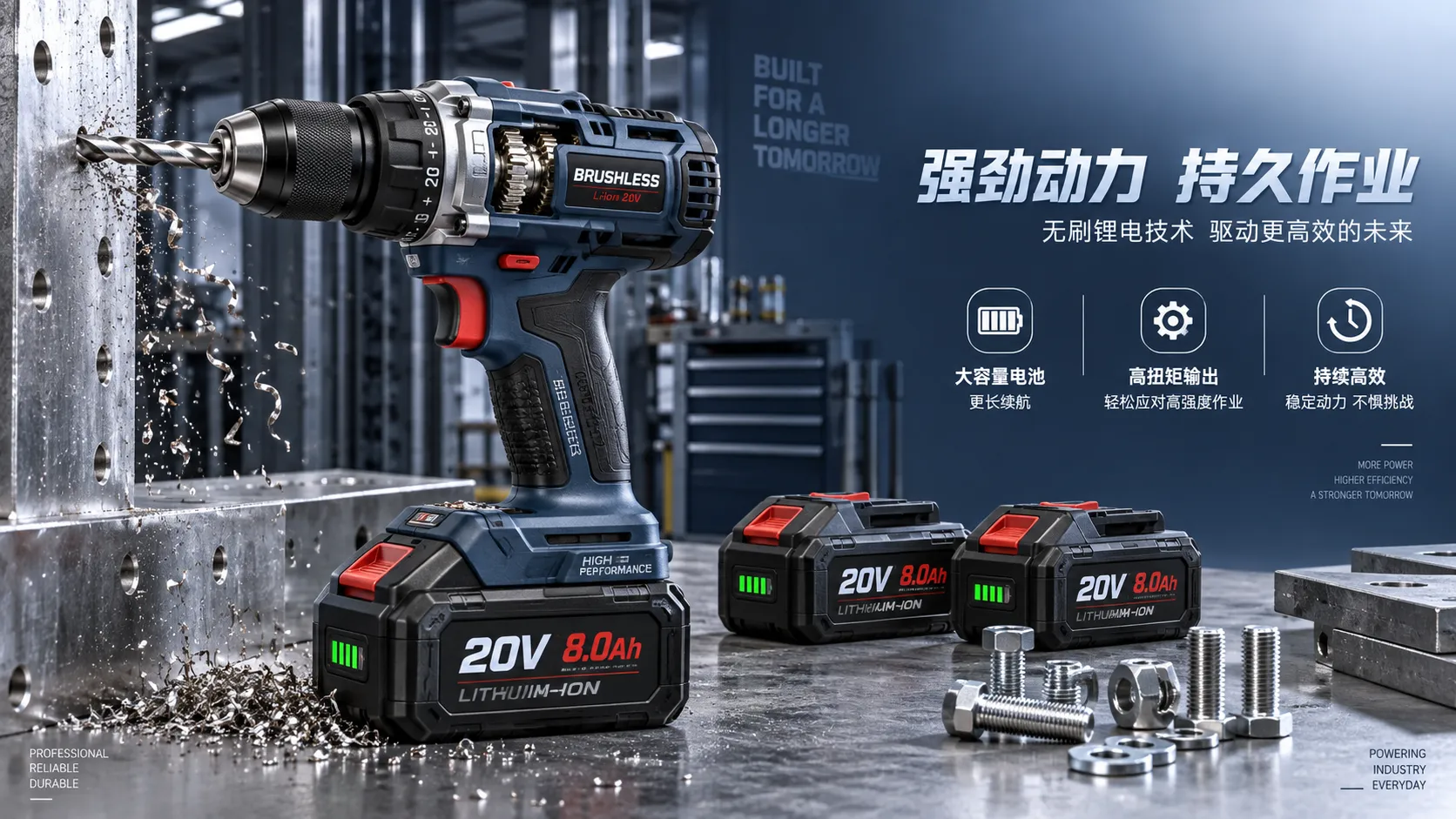
How Battery, Torque, and Duty Cycle Affect Cordless Power Tool Efficiency
Cordless power tool efficiency depends on battery output, torque, and duty cycle. Learn how to match tools to demanding jobs for stronger runtime and productivity.
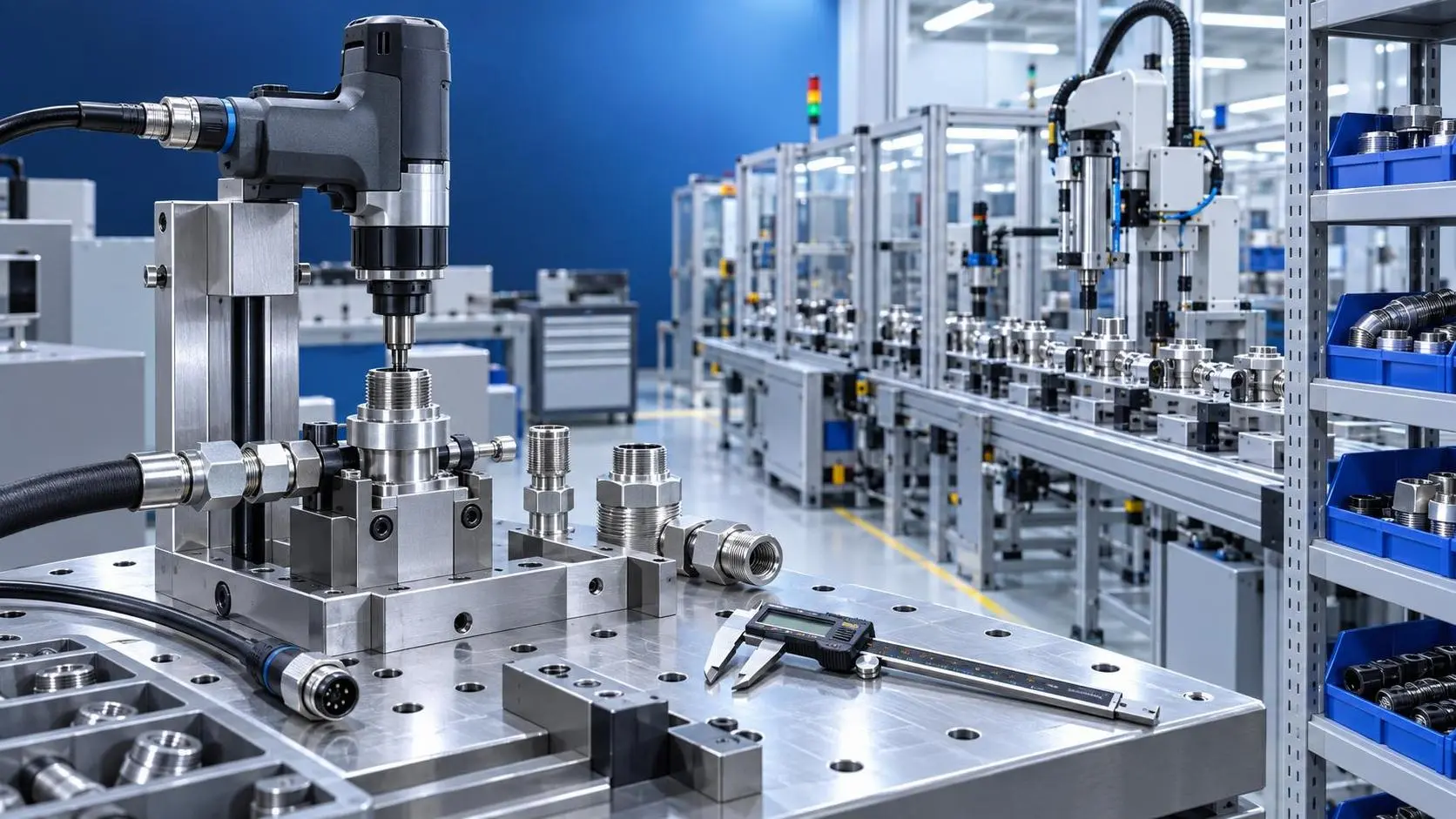
Product Comparison Resources for Component Compatibility and Lifecycle Risk
Product comparison resources for components: evaluate compatibility, interfaces, service support, and lifecycle risk to reduce downtime, avoid redesigns, and make confident sourcing decisions.
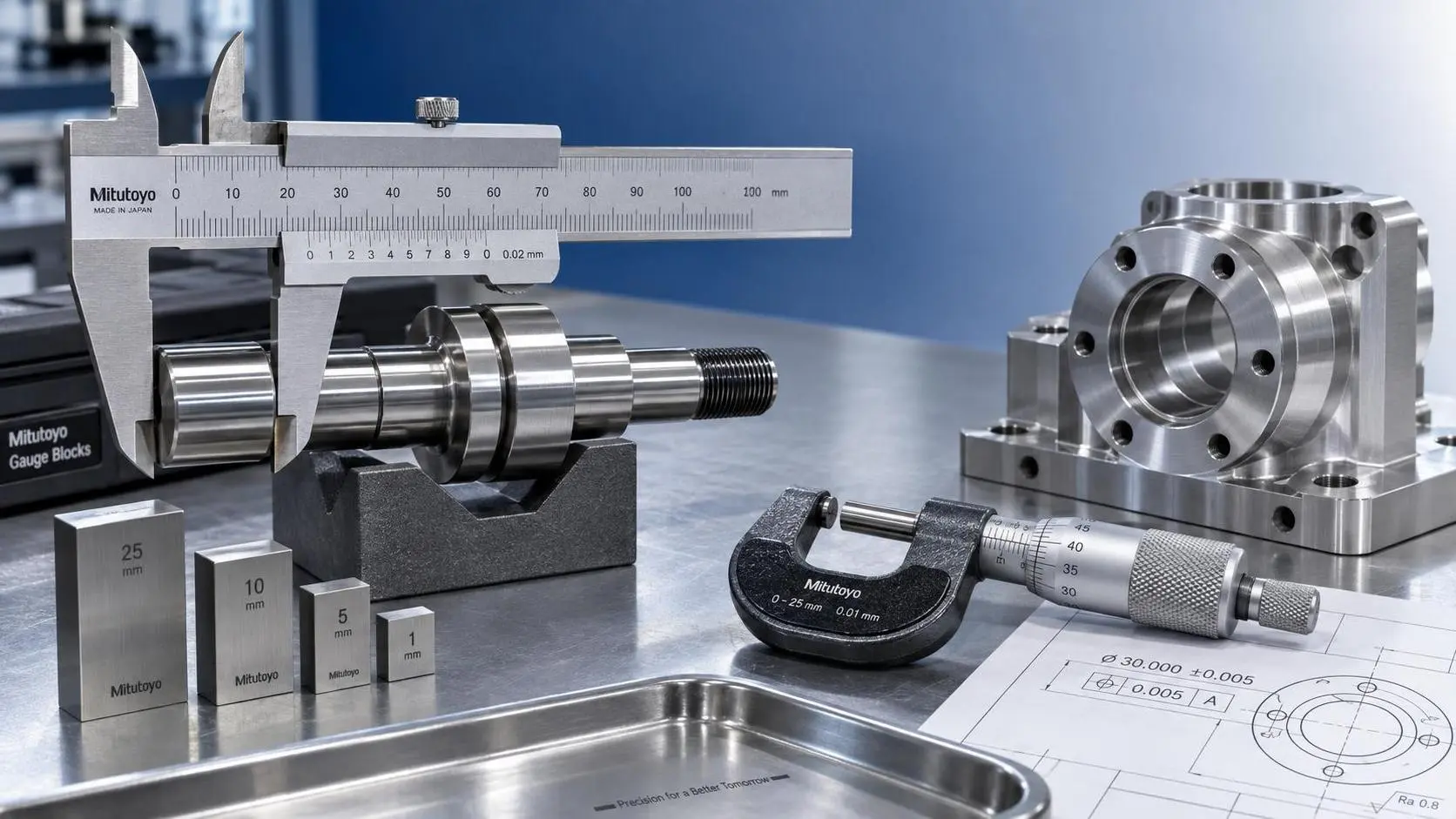
How to Select Vernier Precision Calipers for Tight-Tolerance Machining Inspection
Vernier precision calipers for tight-tolerance machining: learn how to select the right range, jaw design, accuracy, and verification process for reliable inspection.
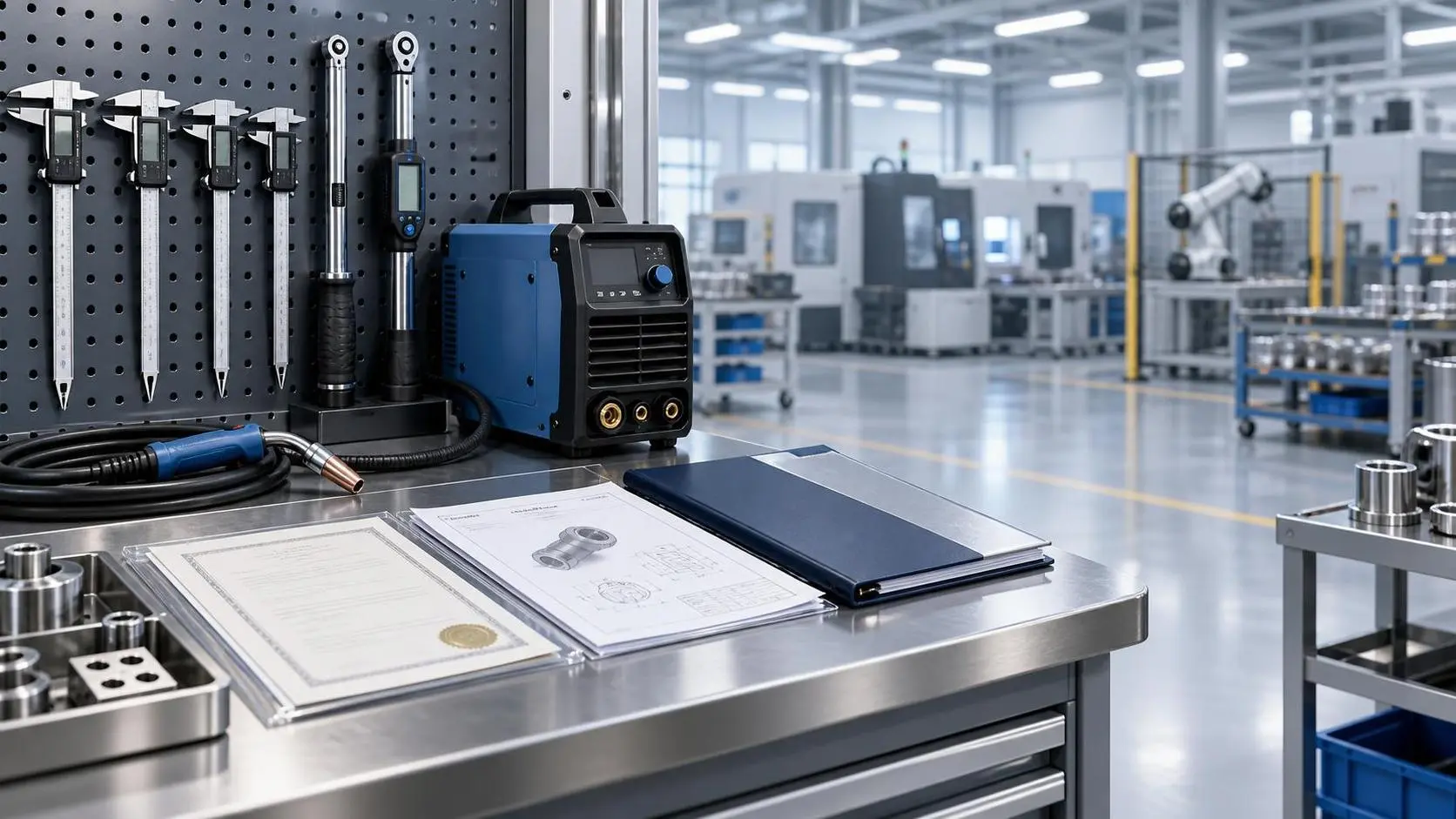
Product Comparison Resources in Europe: How Buyers Can Verify Specs and Suppliers
Product comparison resources Europe: learn how to verify industrial specs, compliance claims, supplier credibility, and delivery risk for smarter purchasing decisions.

How to Evaluate an Industrial Metrology Solution Manufacturer for Production Use
Industrial metrology solution manufacturer evaluation guide for production: compare accuracy, traceability, automation, software, service, and acceptance testing to reduce risk.
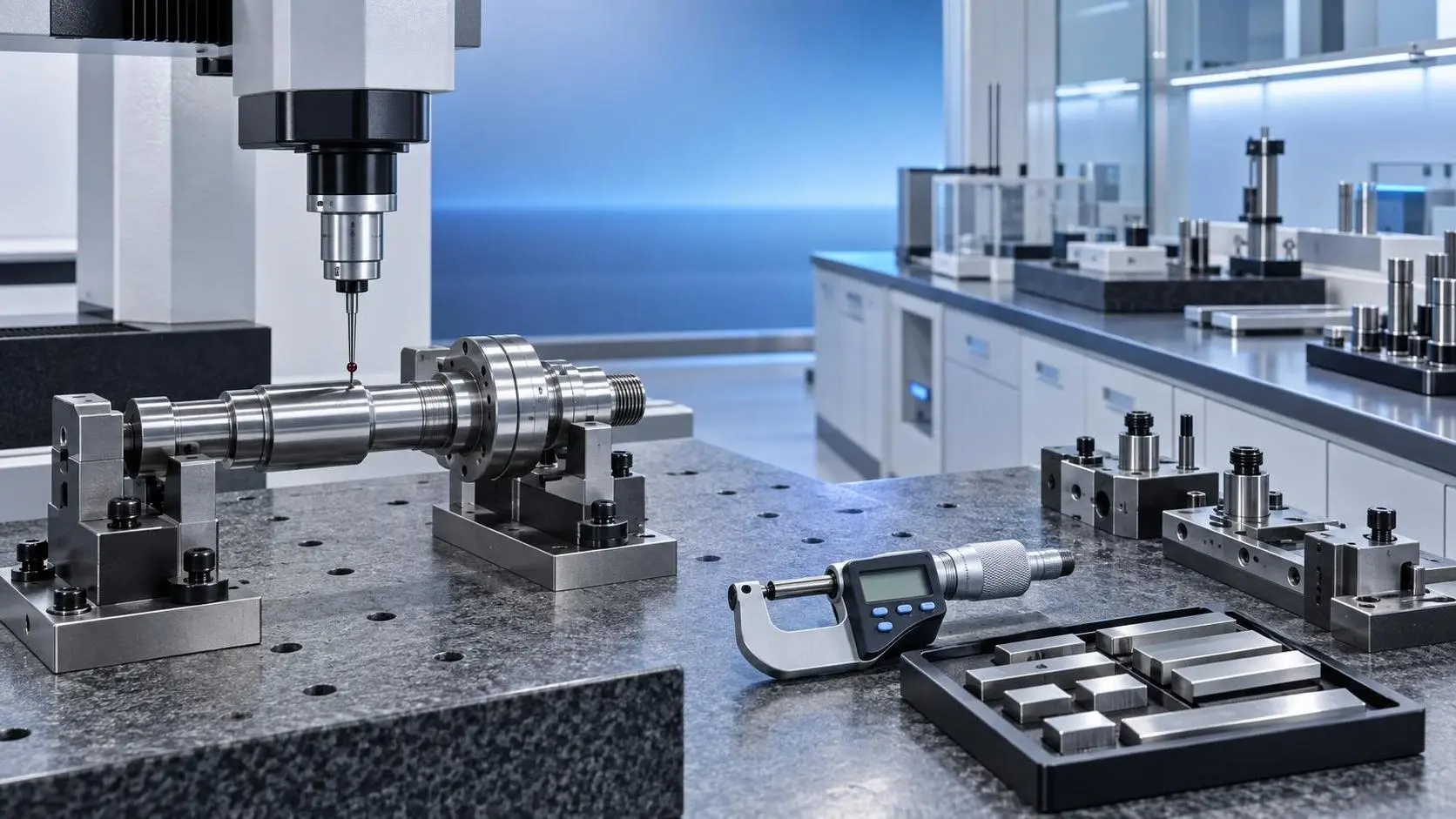
Which ISO Standards Matter Most for Precision Engineering Quality Control?
Precision engineering ISO standards explained: discover how ISO 9001, ISO/IEC 17025, ISO 10012, GPS, and ISO 3834 strengthen quality control, traceability, and compliance.
Related News
- 00
0000-00
How Specification-Driven Articles Improve Precision Measurement System Selection - 00
0000-00
Product Comparison Resources for Component Compatibility and Lifecycle Risk - 00
0000-00
Which ISO Standards Matter Most for Precision Engineering Quality Control? - 00
0000-00
Selecting Metal Joining Methods for Aluminum-to-Steel Assemblies - 00
0000-00
How to Evaluate Industrial Manufacturing Systems for Throughput, Flexibility, and ROI
Prof. Marcus Chen
Weekly Insights
Stay ahead with our curated technology reports delivered every Monday.