
Is advanced manufacturing ready for smaller production runs?





As demand shifts toward customization, faster delivery, and tighter cost control, advanced manufacturing is being pushed beyond the logic of mass production. For project managers and engineering leaders, the key question is no longer whether smaller production runs are possible, but whether they can be delivered with consistent quality, efficiency, and profitability. This article explores what readiness really means in today’s industrial landscape.
For most industrial firms, the short answer is yes—but only partially. Advanced manufacturing is increasingly capable of supporting smaller production runs, yet readiness depends less on machines alone and more on process design, digital control, supply chain flexibility, and quality discipline.
That distinction matters for project managers and engineering leaders. Many organizations have invested in automation, robotics, inspection systems, or connected tools, but still struggle when batch sizes shrink. The bottleneck often moves from production capacity to changeover time, planning complexity, traceability, and cost visibility.
If you are evaluating whether your operation can profitably handle low-volume, high-mix work, the right question is not “Do we have advanced equipment?” It is “Can our full manufacturing system absorb variation without losing speed, quality, or margin?”
What users really mean when they ask whether advanced manufacturing is ready
Search intent around advanced manufacturing and smaller production runs is usually practical, not theoretical. Readers are trying to judge whether modern factories can economically support customization, prototyping, regional demand shifts, aftermarket service, and more frequent product updates.
For project leaders, this question often sits inside a larger business decision. Should a plant accept more low-volume programs? Should a team reconfigure lines for mixed production? Should capital be directed toward flexible automation, metrology, software integration, or welding upgrades?
In other words, readiness is not about technical possibility alone. It is about operational viability. Can the factory quote accurately, launch quickly, maintain repeatability, and avoid hidden costs that erase the business case for shorter runs?
Why smaller production runs are becoming a strategic requirement
Smaller production runs are no longer limited to niche sectors. They are becoming a mainstream requirement because customers expect faster iteration, localized variants, shorter product life cycles, and tighter alignment between demand and inventory.
In industrial equipment, buyers increasingly want options rather than standard packages. In automotive and aerospace support markets, service parts and retrofit components often require precise, low-volume output. In construction and maintenance channels, regional specifications also create fragmented demand patterns.
There is also a financial reason behind the shift. Large inventories tie up cash, carry risk, and become harder to justify when demand is volatile. Smaller runs allow manufacturers to reduce overproduction, respond faster to changes, and align output more closely with confirmed orders.
From a project management perspective, this changes success criteria. Efficiency can no longer be measured only by peak throughput. It must also include responsiveness, changeover performance, quality stability across product variants, and the ability to scale up or down without disruption.
Where advanced manufacturing is already strong in low-volume production
Advanced manufacturing has made real progress in supporting smaller batches. Flexible CNC systems, collaborative robots, modular fixturing, additive manufacturing, digital work instructions, and connected metrology tools have all reduced the friction of switching between products.
Automation is also becoming less dependent on long, stable runs. Modern robotic cells can be reprogrammed more quickly, while vision systems and sensor-based process control help compensate for variation. This is especially important in assembly and metal joining, where repeatability drives quality outcomes.
Precision measurement has become a major enabler. Faster inspection feedback, portable metrology, and in-process verification reduce the risk of producing an entire small batch incorrectly. For low-volume work, where every part carries more cost weight, early detection matters even more.
Digital manufacturing platforms have improved visibility as well. Production scheduling, tool life tracking, torque data capture, welding parameter recording, and serialized traceability can now be connected in ways that make mixed-volume environments more manageable than in the past.
Why many factories are still not truly ready
Despite these advances, many facilities are not fully ready for smaller production runs because their operating model is still optimized for scale, not flexibility. Equipment may be modern, but supporting systems often remain fragmented or manually coordinated.
The first weakness is changeover discipline. If fixtures, tooling, machine programs, inspection routines, and operator instructions are not standardized, small batches quickly become expensive. A technically capable line can still underperform if every switch requires excessive adjustment and verification.
The second weakness is planning complexity. High-mix environments multiply scheduling decisions, material staging risks, and engineering revision exposure. Without reliable digital control, the factory spends too much time chasing status, resolving confusion, and protecting against avoidable errors.
The third weakness is quality consistency. Smaller runs often involve more variants, more setup events, and more opportunities for deviation. If process capability depends heavily on individual expertise rather than controlled systems, variation rises as batch size falls.
The fourth weakness is cost accounting. Many firms underestimate the true cost of low-volume work because they track unit production cost but not engineering touch time, setup losses, inspection overhead, requalification effort, or procurement inefficiency.
What project managers and engineering leaders should assess first
For decision-makers, readiness should be evaluated through a structured lens. The most useful starting point is not technology inventory, but constraint mapping. Identify what breaks first when order size drops: scheduling, setup, quality, supplier response, labor utilization, or margin control.
A practical readiness review should begin with setup time. If changeovers consume too much labor or machine availability, smaller runs will remain unprofitable. Measure actual time between last good part of one batch and first approved part of the next.
Next, examine engineering release control. Frequent product variation requires strong version management, accessible work instructions, and clear process ownership. If operators, programmers, and quality teams do not share one reliable source of truth, errors multiply quickly.
Then review inspection strategy. In low-volume manufacturing, quality cannot rely only on end-of-line checks. Teams need faster feedback loops, risk-based first article methods, and metrology systems that can validate small batches without creating bottlenecks.
Finally, assess supplier flexibility. Internal agility means little if purchased components, consumables, welded subassemblies, or precision tooling still depend on long lead times and rigid minimum order quantities.
The business case: when smaller runs make economic sense
Smaller production runs do not automatically improve performance. They make sense when they reduce inventory exposure, support premium pricing, improve service responsiveness, or unlock market opportunities that mass production cannot capture effectively.
For example, low-volume output can be attractive when products have many configurable features, when replacement parts carry high urgency, or when regional compliance creates specialized demand. In such cases, responsiveness can generate more value than pure scale efficiency.
However, the economics fail when setup losses are high, engineering revisions are poorly controlled, or quality events consume disproportionate effort. A plant may win orders by promising flexibility, then lose margin through unmanaged complexity.
This is why project leaders should model contribution margin at the batch-family level, not only at the SKU level. Products that appear profitable individually may become unattractive when they repeatedly trigger setup, inspection, and coordination overhead.
Technologies that matter most for smaller production runs
Not every advanced manufacturing investment has equal value in a low-volume environment. The best returns usually come from technologies that reduce transition costs, compress feedback loops, and improve repeatability across product changes.
Flexible automation is one priority. Robotic systems, programmable fastening tools, and modular welding stations become far more valuable when they can support multiple product families with limited downtime between configurations.
Digital traceability is another. Connected torque tools, weld parameter logging, and serialized inspection records help teams maintain control when variation increases. This is especially relevant in regulated or safety-critical industries where documentation is part of product value.
Metrology and verification tools are equally important. Portable CMMs, vision-based inspection, laser measurement, and in-process sensing reduce rework risk and accelerate approval cycles. For smaller batches, fast validation often matters more than maximum inspection throughput.
Software integration may deliver the highest leverage of all. MES, CAD-CAM links, digital work instructions, and change management systems reduce the coordination burden that often makes low-volume production difficult in practice.
What readiness looks like on the factory floor
A factory that is truly ready for smaller production runs tends to show a few clear characteristics. First, product changeovers are routine rather than disruptive. Teams know the sequence, tooling is organized, and approval steps are predictable.
Second, quality control is embedded into the process. Operators can confirm critical dimensions, torque values, or weld conditions without waiting for a separate downstream event to reveal a problem after value has already been added.
Third, production data is visible enough to support quick decisions. Supervisors and project managers can see order status, setup progress, nonconformance trends, and capacity constraints in near real time instead of relying on manual updates.
Fourth, the workforce is cross-functional and adaptable. Smaller runs create more transitions, so success depends on operators, technicians, quality staff, and engineers being able to respond collaboratively rather than in isolated departmental steps.
A practical framework for deciding if your operation is ready
Project managers can use a simple five-part framework to evaluate readiness for advanced manufacturing in smaller production runs: flexibility, control, economics, supplier alignment, and scalability.
Under flexibility, ask how quickly equipment, tooling, and labor can switch between products. Under control, assess data accuracy, revision discipline, and in-process quality verification. Under economics, calculate true batch-level cost, including setup and engineering overhead.
Under supplier alignment, determine whether external partners can support short lead times, variable order sizes, and specification changes. Under scalability, test whether the same system can handle both small custom runs and occasional volume increases without major instability.
If two or more of these areas are weak, the organization may have advanced equipment but limited operational readiness. In that case, process redesign usually matters more than adding another machine.
How leaders should prioritize next steps
For most companies, the best first move is not a broad transformation program. It is a focused pilot around one product family with recurring low-volume demand. This reveals the real blockers without creating excessive operational risk.
Start by measuring changeover time, first-pass yield, inspection cycle time, engineering response speed, and margin by batch. Those metrics expose where flexibility is being lost and where advanced manufacturing tools can create measurable gains.
Then standardize what repeats: fixture logic, digital instructions, parameter libraries, quality checkpoints, and traceability requirements. Smaller runs become manageable when variation is controlled at the system level rather than absorbed through heroic effort.
Only after those basics are stable should leaders expand automation or software layers. Technology is most effective when it reinforces a clear operating model instead of compensating for process ambiguity.
Conclusion: readiness is a system capability, not a machine capability
Advanced manufacturing is increasingly ready for smaller production runs, but not by default. The enabling technologies exist, and many are mature. The real question is whether the factory’s planning, quality, tooling, supplier, and data systems are aligned to use them effectively.
For project managers and engineering leaders, the most useful conclusion is this: smaller batches can be efficient and profitable when flexibility is designed into the operating system, not treated as an exception. Readiness is measured by repeatable execution, not by equipment brochures.
Organizations that understand this will be better positioned to serve customized demand, reduce inventory risk, and respond faster to market change. In the next phase of advanced manufacturing, competitive advantage will belong to those who can combine precision, agility, and control at the same time.
Related News
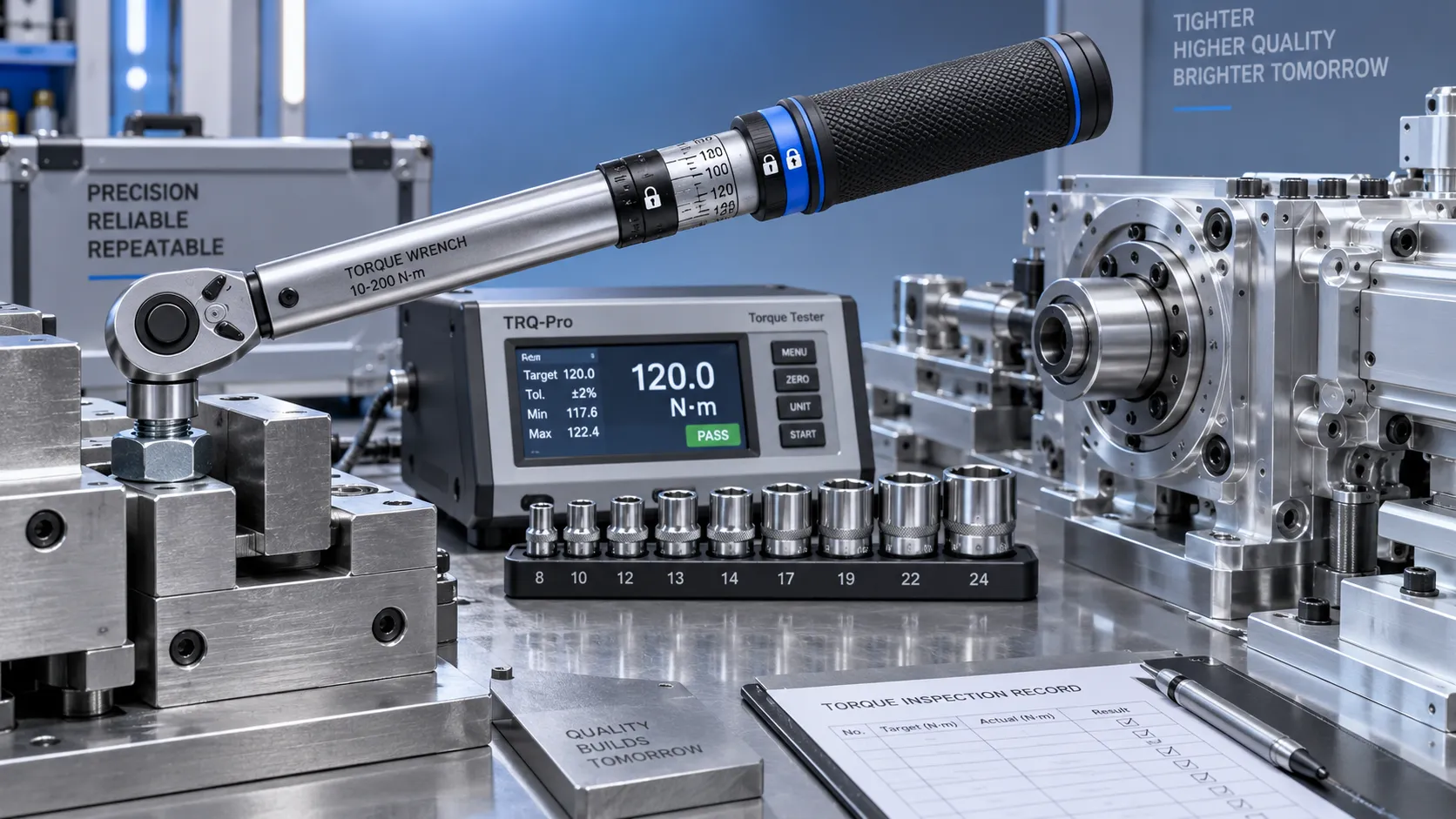
Selecting Adjustable Torque Tools for Repeatable Fastener Assembly
Adjustable torque tools: learn how to match range, accuracy, control methods, calibration, and ergonomics for repeatable, reliable fastener assembly.

How to Select Aerospace Inspection Tools for Aircraft Maintenance Tasks
Aerospace maintenance inspection tools: learn how to select reliable, traceable equipment for aircraft access, accuracy, calibration, and compliant maintenance decisions.

How to Select Wire Bonding Tools for Fine-Pitch Semiconductor Packaging
Explore semiconductor manufacturing tools for wire bonding and learn how to select precision solutions for fine-pitch packaging, reliable loops, accuracy, and yield.
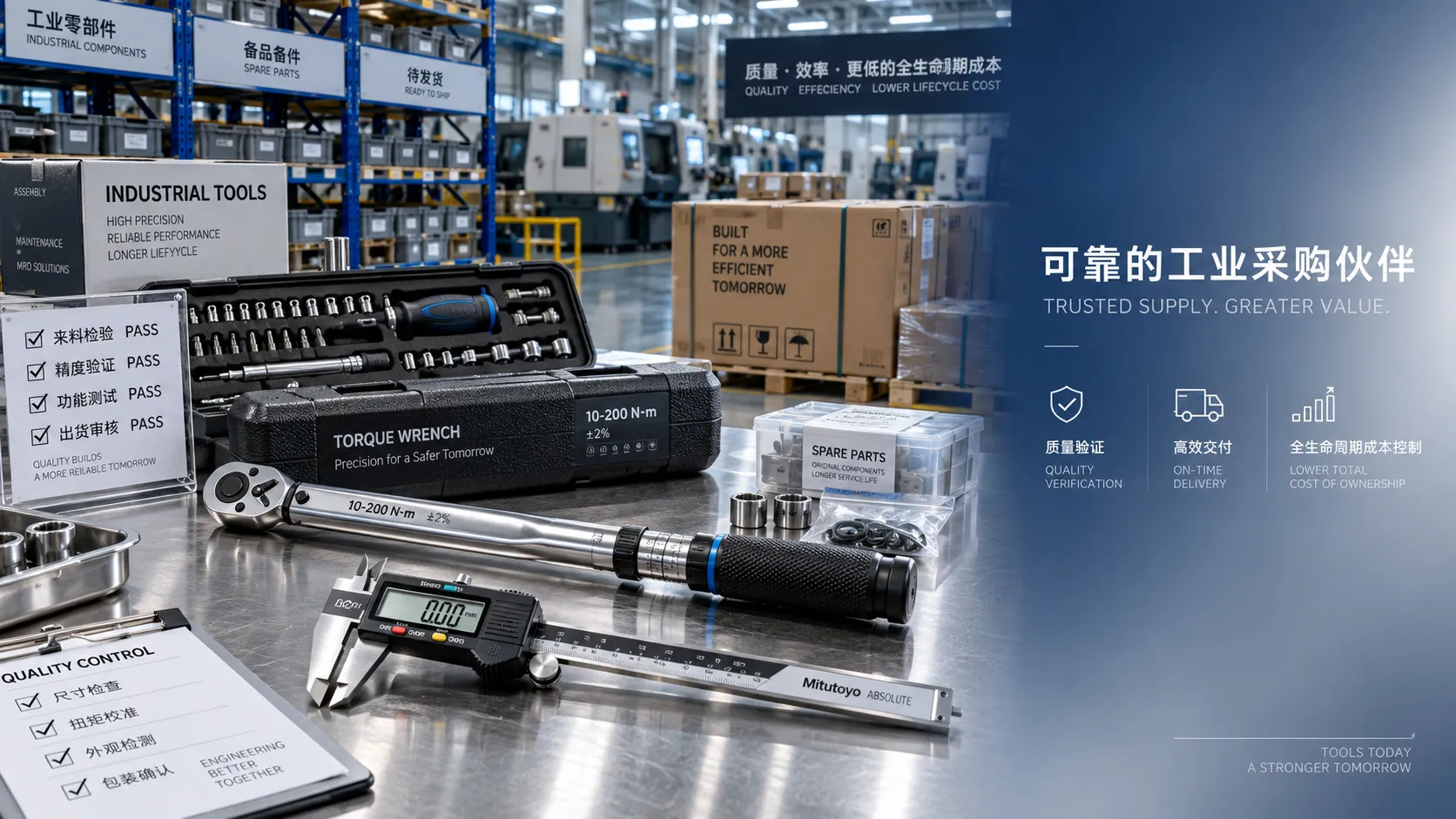
How to Compare Industrial Tool Suppliers for Quality, Lead Time, and Total Cost
Industrial tool selection supplier comparison made simple: evaluate quality, lead times, total cost, service, and supply resilience for confident sourcing decisions.
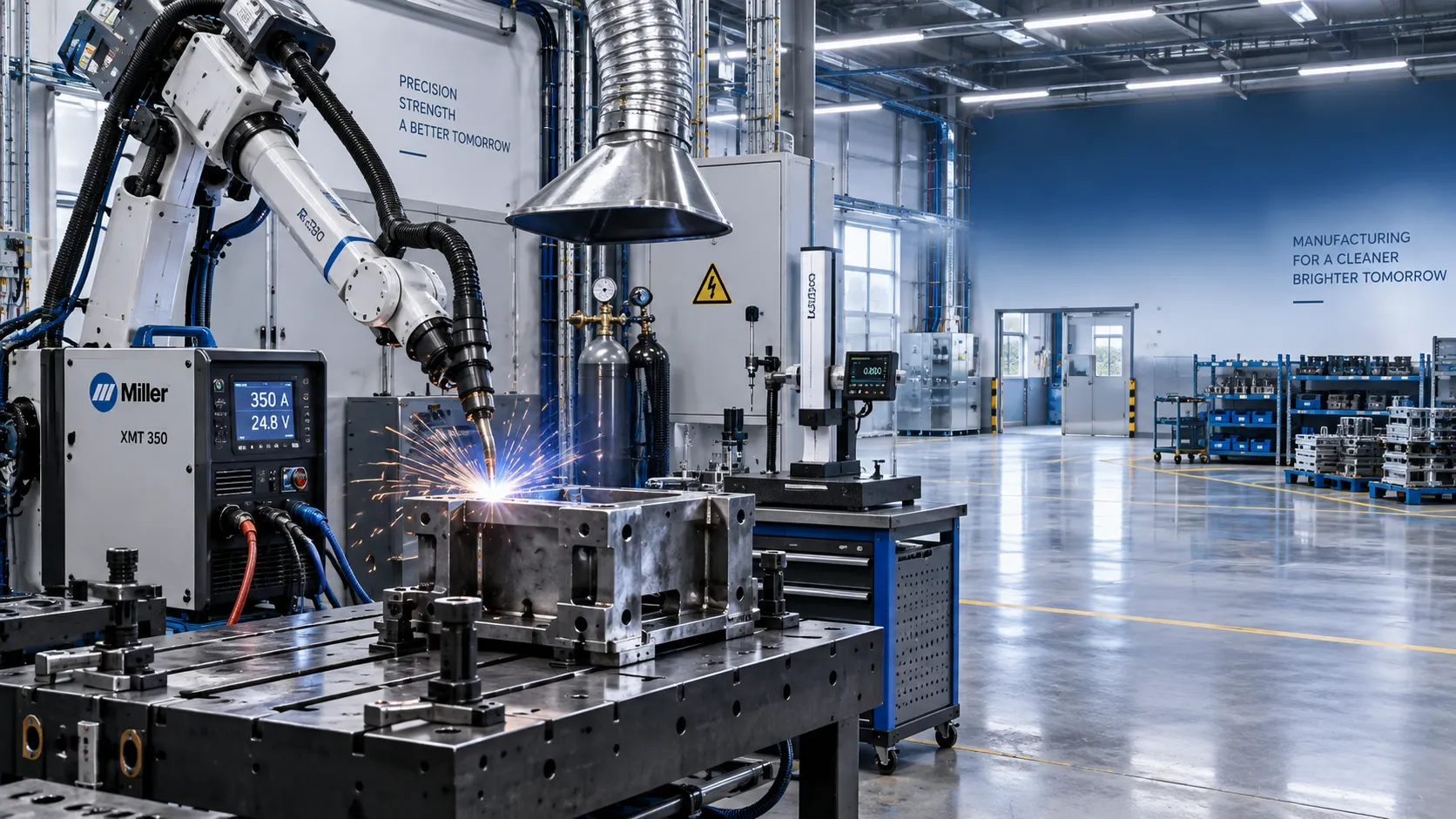
Industrial Equipment Application Guidance: Match Machines to Operating Conditions
Application guidance industrial equipment: match capacity, duty cycle, materials, site conditions, safety, and lifecycle cost to improve reliable output. Read the guide.
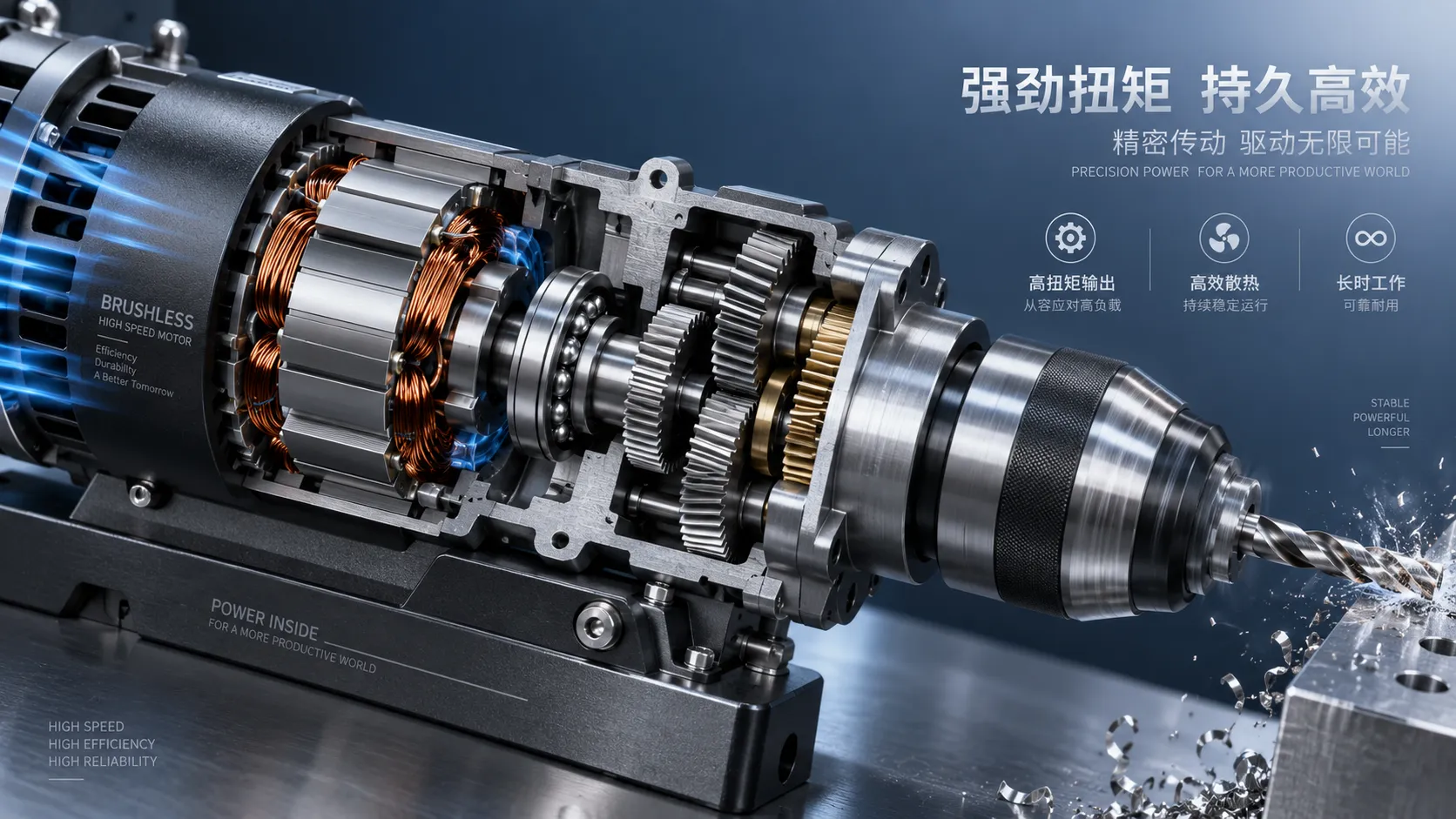
Selecting High-Speed Brushless Tool Motors for Torque, Heat, and Duty Cycle
High speed brushless tool motors: learn how to balance torque, heat, gearing, and duty cycle for reliable industrial tool performance and longer service life.
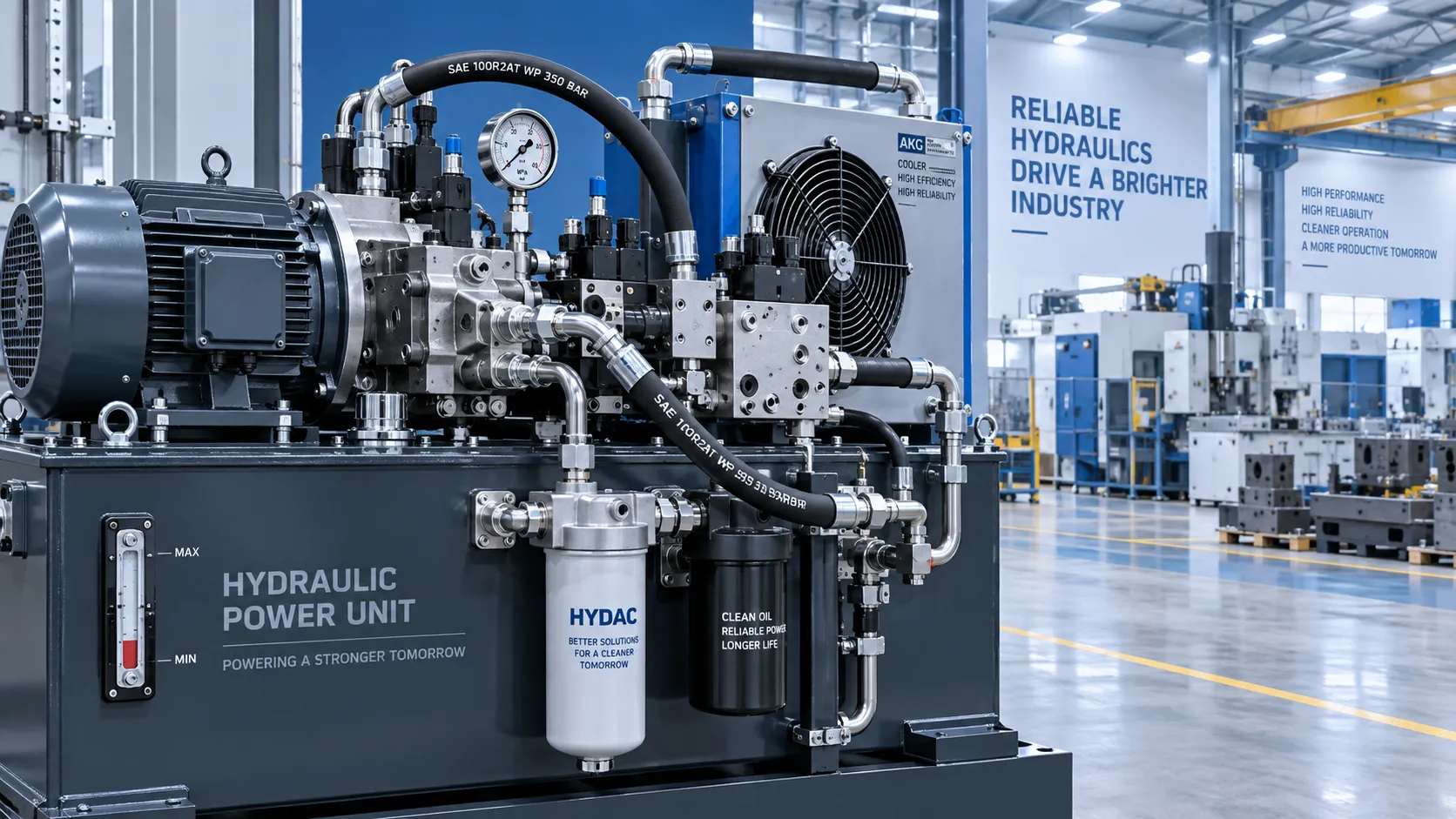
What Determines Industrial Hydraulic System Price for Heavy-Duty Equipment?
Industrial hydraulic system price depends on duty cycle, pressure, components, cooling, and integration. Compare quotes intelligently to secure reliable heavy-duty performance.
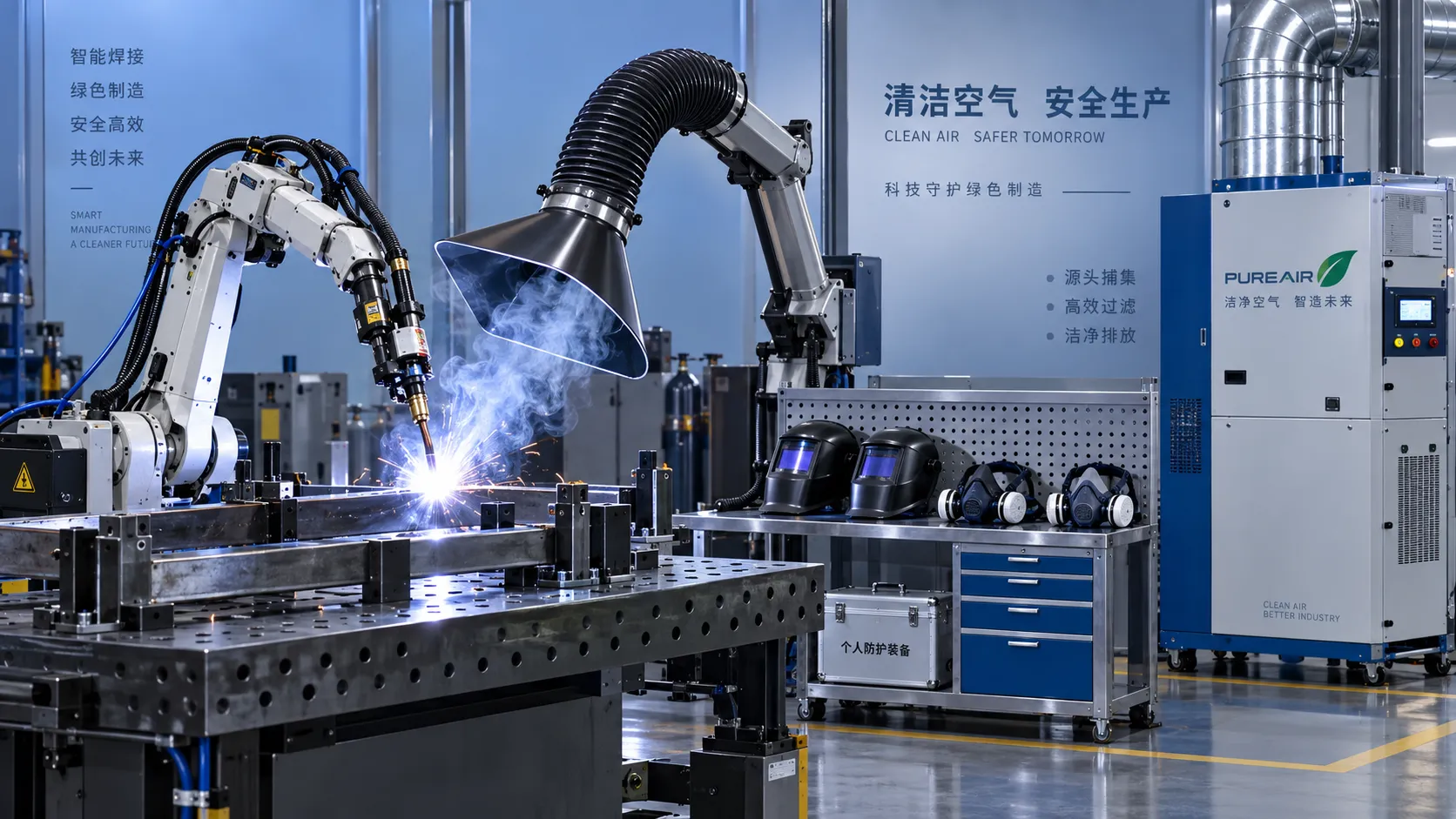
Welding Fume Extraction PPE: When Respirators Are Not Enough for Shop Safety
Welding fume extraction PPE: learn why respirators alone fall short and how source capture, ventilation, and layered controls improve shop safety.
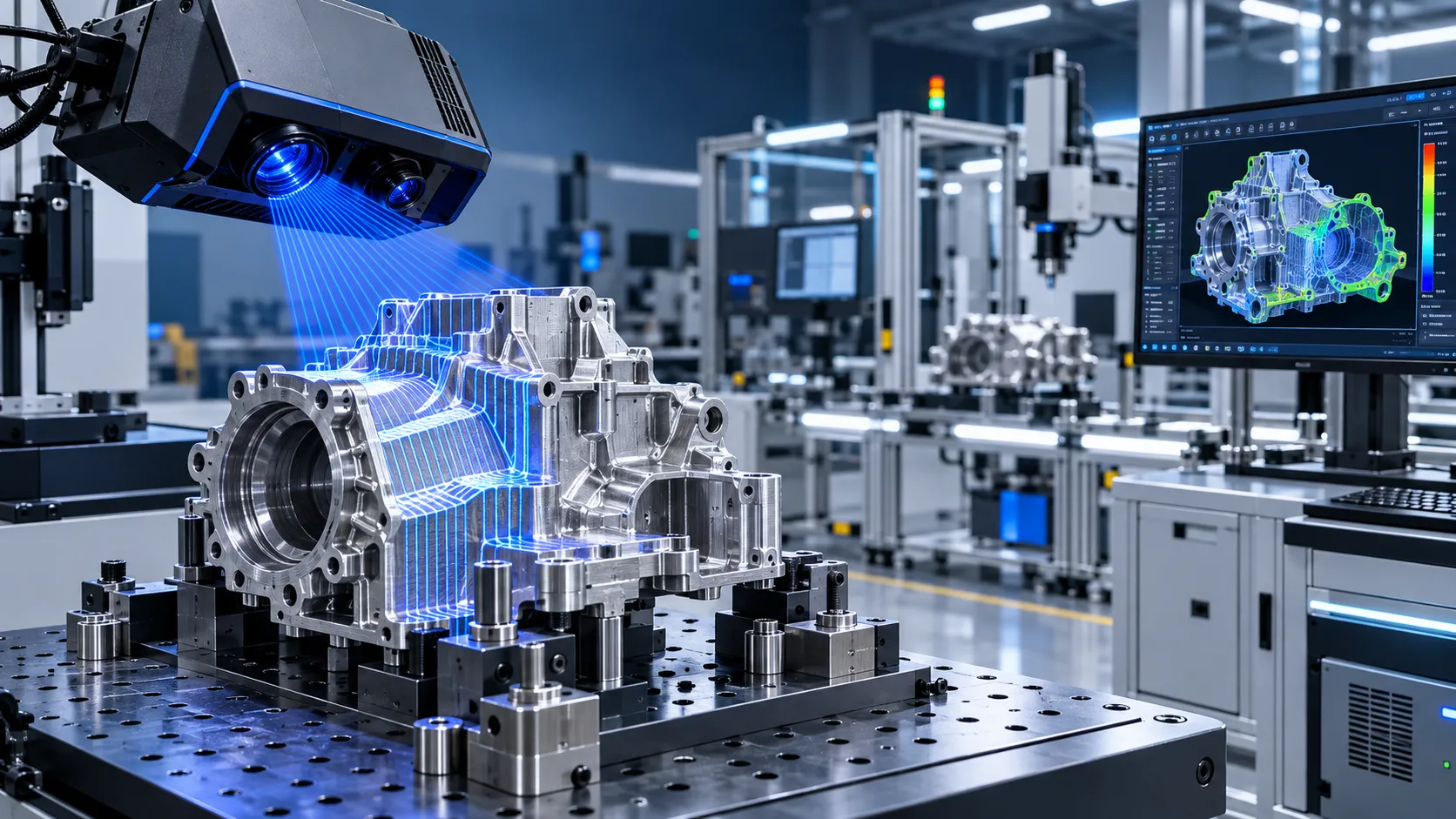
How to Select Optical Metrology Solutions for Tight-Tolerance Manufacturing
Optical industrial metrology solutions for tight-tolerance manufacturing: evaluate accuracy, surface compatibility, workflow, and traceability to select with confidence.
Related News
- 00
0000-00
Selecting Adjustable Torque Tools for Repeatable Fastener Assembly - 00
0000-00
How to Select Aerospace Inspection Tools for Aircraft Maintenance Tasks - 00
0000-00
How to Select Wire Bonding Tools for Fine-Pitch Semiconductor Packaging - 00
0000-00
Industrial Equipment Application Guidance: Match Machines to Operating Conditions - 00
0000-00
Selecting High-Speed Brushless Tool Motors for Torque, Heat, and Duty Cycle
Prof. Marcus Chen
Weekly Insights
Stay ahead with our curated technology reports delivered every Monday.