
What tool lightweighting really improves on the job





On real job sites, tool lightweighting is more than a design trend—it directly affects operator comfort, control, and productivity. For users who handle precision tools, welding equipment, or measurement devices all day, lighter tools can reduce fatigue, improve maneuverability, and support safer, more accurate work. But what tool lightweighting really improves on the job goes beyond weight alone, shaping efficiency where every movement matters.
For operators in fabrication, maintenance, assembly, inspection, and field service, the value of tool lightweighting is measured in hours worked, joints protected, mistakes avoided, and output maintained through an entire shift. In B2B environments, that matters not only to the user holding the tool, but also to supervisors tracking consistency, procurement teams evaluating total operating cost, and distributors matching product specification to real-world demand.
Within the industrial sectors covered by GPTWM, lightweight design is increasingly linked with ergonomic standardization, brushless power systems, handheld welding safety, and precision handling. The question is no longer whether lighter tools feel better in the hand. The better question is what tool lightweighting actually improves on the job, where cycle time, precision tolerance, service intervals, and operator endurance all interact.
Why Tool Lightweighting Matters in Daily Industrial Work
In many industrial tasks, operators use the same tool for 3 to 8 hours per shift, often with repeated elevation, wrist rotation, or one-handed positioning. A reduction of even 10% to 20% in tool mass can make a noticeable difference by the end of the day, especially in overhead work, confined-space welding, repetitive fastening, or mobile inspection.
Tool lightweighting improves three immediate conditions: muscular fatigue, positional control, and sustained work quality. These are not abstract benefits. In practical terms, they affect how steadily an operator holds a measurement device, how accurately a welding torch tracks a seam, and how consistently a power tool applies force over 50, 100, or 300 repeated actions.
Reduced Fatigue Means More Stable Output
Operator fatigue is cumulative. A heavy tool may perform well for the first 30 minutes, but strain often appears after the second or third hour. When shoulders, wrists, or forearms tire, handling accuracy drops. Lightweight tools help delay that fatigue threshold, allowing users to maintain control across longer production windows without frequent unscheduled pauses.
This matters in sectors where tolerance drift is costly. In precision metrology, a small loss of hand stability can influence readings. In welding, poor torch control can increase spatter, rework, or heat distortion. In assembly, repeated fastening with an unbalanced tool may raise the risk of under-tightening or over-torquing. Tool lightweighting supports output consistency before it supports speed.
Better Maneuverability in Tight or Elevated Spaces
Not all job sites are bench-level and open. Operators often work inside vehicle frames, under structural elements, around pipe clusters, or at ladder height. In such spaces, reducing overall mass by 0.3 kg to 1.2 kg can improve repositioning speed and lower the effort needed to align the tool with the work surface.
This benefit is especially visible in handheld laser welding support tools, compact grinders, cordless fastening systems, and portable measuring instruments. Lightweighting is not just about carrying the tool from station to station. It is about being able to hold the correct angle for the required duration without excessive muscular compensation.
Common Operator Gains from Lightweight Design
- Lower wrist and shoulder strain during 2 to 6 hours of repetitive use
- Faster directional adjustment in narrow access zones
- More stable one-hand operation for inspection or light fastening tasks
- Reduced need for grip overcompensation when working above chest height
- Improved control when operators wear gloves or protective sleeves
The table below shows how tool lightweighting typically changes performance outcomes across several common industrial tasks.
The key takeaway is that tool lightweighting improves work quality and endurance together. It is most valuable where a task involves repetition, awkward posture, or precision dependence rather than only raw output speed.
What Tool Lightweighting Really Improves Beyond Lower Weight
The phrase tool lightweighting often gets reduced to a simple specification line, but lower mass alone does not guarantee better field performance. What matters is how weight reduction changes the total handling experience: center of gravity, grip geometry, vibration behavior, thermal comfort, and interaction with batteries, cables, hoses, or accessories.
For operators, the real improvements can be grouped into six measurable areas. Each one influences productivity, safety, and process repeatability in different ways.
1. Control During Fine Movements
In precision-oriented work, a lighter and better-balanced tool is easier to guide through short, exact movements. This matters when tracking a weld bead, approaching a calibrated surface, or applying controlled contact force. Even when the nominal task duration is only 20 to 90 seconds, improved fine control reduces correction steps and unnecessary repositioning.
2. Lower Vibration Burden Over Time
Tool lightweighting often goes hand in hand with revised motor layout, housing materials, and damping structures. If done well, the result is not only less static load but also lower perceived vibration. For grinders, polishers, or compact power tools used in maintenance, this can improve comfort over repeated 15-minute to 30-minute operating cycles.
3. Faster Task Transitions
Operators do not spend all day in active trigger time. They lift, lower, park, re-aim, inspect, and move between stations. Tool lightweighting improves these transition moments. Over 100 to 200 repeated handling actions in a shift, small effort savings accumulate into meaningful energy preservation and smoother workflow.
4. Safer Recovery from Off-Angle Handling
On live sites, tool orientation is not always ideal. If a user slips slightly, reaches too far, or adjusts around a fixture, a lighter tool is generally easier to recover and stabilize. That can reduce incidental contact, edge damage, or sudden torque reaction in handheld powered applications.
5. Better Compatibility with PPE and Long Shifts
Gloves, face shields, arm guards, and welding jackets limit mobility. Under these conditions, every extra 300 g to 500 g is more noticeable. Tool lightweighting becomes even more valuable in hot environments, elevated platforms, or shifts extending beyond 8 hours, where fatigue and reduced dexterity can combine.
6. Improved Training Outcomes for New Operators
Experienced users often adapt to heavier tools through technique. New operators usually cannot. A lighter, better-balanced platform shortens the learning curve by making it easier to maintain angle, position, and grip discipline. In many shops, the first 2 to 4 weeks of operator training show clearer progress when tools are easier to handle correctly.
Practical Signs That Lightweighting Is Delivering Real Value
- Operators complete the last hour of a shift with similar consistency to the first hour.
- Repositioning becomes easier in confined or elevated work zones.
- Grip relaxation is possible without loss of control.
- Less correction is needed during alignment or tracking tasks.
- Users report lower shoulder, wrist, or forearm strain after repeated cycles.
How to Evaluate Lightweight Tools for Welding, Assembly, and Metrology
Choosing a lightweight tool should not mean sacrificing runtime, stiffness, torque stability, or durability. For procurement teams and end users, the best evaluation method is to compare weight reduction against task-specific requirements. In many industrial categories, the smarter choice is not the lightest tool in the catalog, but the lightest one that still matches duty cycle, precision class, and environmental conditions.
Check the Balance Point, Not Only the Total Mass
A 1.8 kg tool with a centered balance can feel easier to use than a 1.5 kg tool that is front-heavy. This is particularly important in welding assist tools, cordless drivers with extended battery packs, and portable gauges with elongated housings. Operators should test grip position, nose weight, and wrist angle during a 5-minute to 10-minute simulated task.
Assess Performance Under Real Duty Cycles
Tool lightweighting can involve thinner structures, smaller batteries, or compact housings. These changes are useful only if the tool still performs through actual duty cycles. A shop should verify operating duration, cooling behavior, recharge intervals, and output stability over at least 3 repeated cycles instead of relying on static catalog claims.
The following comparison helps buyers and operators assess whether tool lightweighting is functionally suitable for their application.
This comparison shows why tool lightweighting must be verified as a system feature, not just a weight figure. True field value appears when low mass, balanced handling, and reliable output work together under real operating conditions.
Match the Tool to the Work Pattern
Different users need different lightweighting priorities. A mobile service technician may prioritize portability across 10 to 20 daily service points. A welding operator may prioritize stable seam guidance in short but intense cycles. A metrology user may prioritize hand steadiness and low-contact force variation. The purchasing decision should follow the work pattern, not a universal assumption.
Four Questions Buyers Should Ask
- Will the lighter design reduce fatigue without shortening required operating time?
- Does the tool remain stable when used with gloves, cables, or accessories?
- Is the weight reduction achieved through materials that can withstand site abuse?
- Can operators test it in real posture conditions before volume purchase?
Common Mistakes, Risk Points, and Implementation Advice
Although tool lightweighting offers clear advantages, poor implementation can create new problems. The most common mistake is assuming that lighter always means better. If structural rigidity falls, heat management worsens, or battery changes become too frequent, the job benefit may disappear. Industrial users need a practical evaluation framework before standardizing any lightweight platform.
Mistake 1: Buying by Weight Number Alone
A low catalog weight may exclude battery packs, hoses, cooling accessories, or working heads. In actual use, the difference may shrink. Operators should compare ready-to-work weight, not stripped display weight. A realistic comparison includes everything held, carried, or supported during the task.
Mistake 2: Ignoring Durability and Thermal Load
Some lightweight structures rely on thinner housings or compact internals. These may be suitable for intermittent service but less ideal for high-frequency production. If a tool operates in 35°C to 45°C workshop conditions or experiences repeated drops, abrasion, or dust exposure, durability verification is essential before rollout.
Mistake 3: Overlooking Ergonomic Fit Across the Team
One tool may feel excellent to a senior operator and awkward to a new user. Grip size, reach distance, and balance preference vary. Before committing to fleet replacement, companies should test with at least 3 operator profiles: experienced, mid-level, and newly trained. This often reveals usability gaps faster than a desktop review.
A Simple 5-Step Rollout Approach
- Select 2 to 3 candidate tools within the same application category.
- Run side-by-side trials over 5 to 10 working days.
- Record fatigue feedback, correction frequency, runtime, and handling stability.
- Review maintenance needs, recharge intervals, and accessory compatibility.
- Standardize only after field users and supervisors agree on task fit.
For organizations tracking manufacturing efficiency, tool lightweighting should be treated as part of ergonomic optimization, not an isolated purchase feature. It interacts with motor efficiency, intelligent torque control, handheld welding safety, and precision handling standards. That broader view is where industrial intelligence platforms such as GPTWM provide value: connecting product evolution with actual operator outcomes on the factory floor and in field maintenance.
Where Lightweighting Brings the Strongest Return
The strongest return usually appears in environments with high repetition, mobile service work, overhead positioning, or accuracy-sensitive handling. If a task is short, infrequent, and bench-supported, the benefit may be moderate. If the task combines posture strain and precision demand, lightweighting often becomes a decisive factor in user acceptance and sustained performance.
What tool lightweighting really improves on the job is not just comfort. It improves control, endurance, repeatability, maneuverability, and practical safety in the environments where operators feel every gram and every movement. For buyers and users across assembly, welding, and metrology applications, the best lightweight tools are the ones that reduce strain without compromising duty cycle, stability, or service life.
If you are evaluating lightweight industrial tools, handheld welding solutions, or precision handling equipment for real job conditions, GPTWM can help you compare trends, application logic, and decision factors with greater clarity. Contact us today to discuss your use case, request a tailored solution path, or learn more about practical tool lightweighting strategies for your operation.
Related News
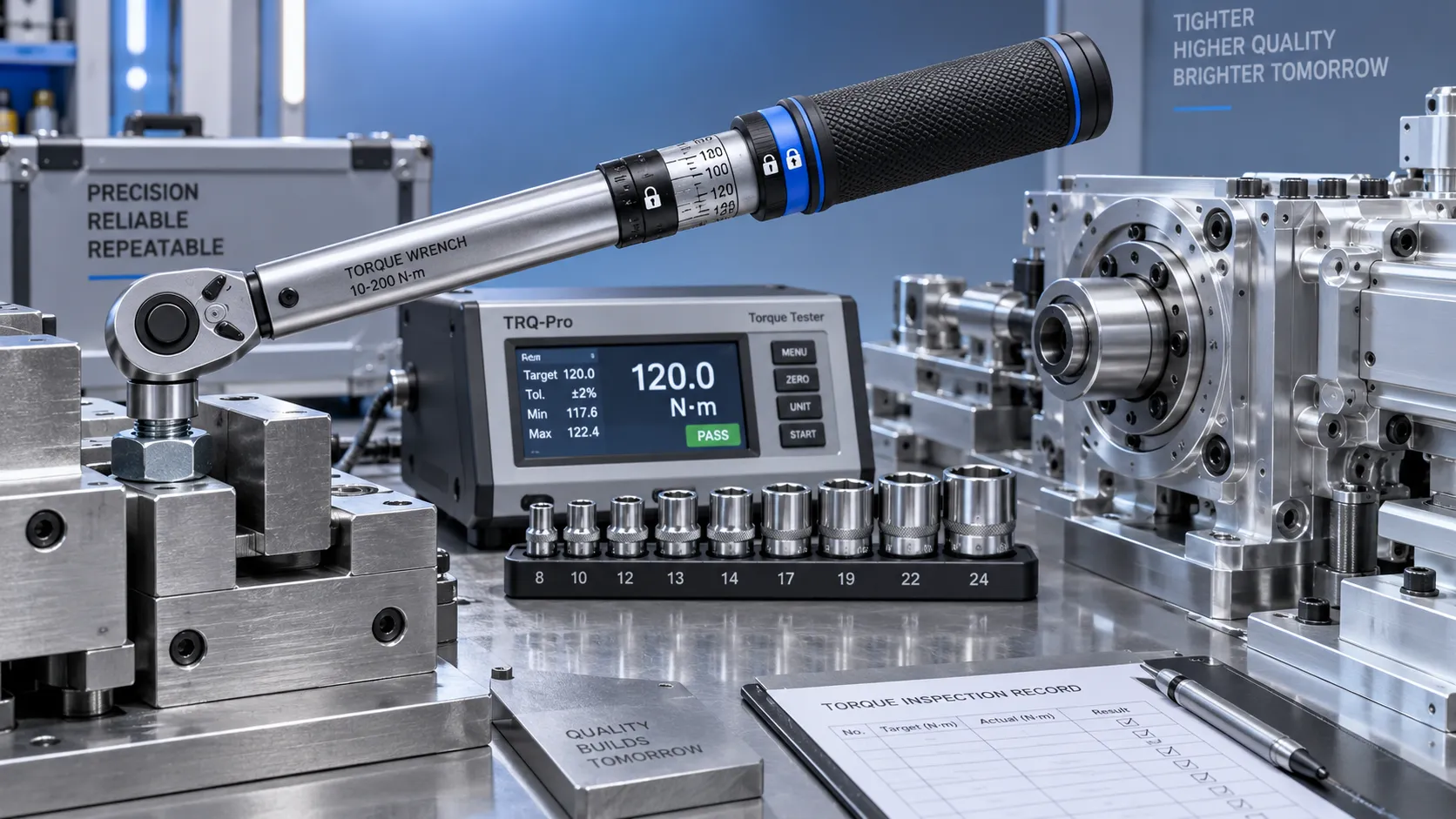
Selecting Adjustable Torque Tools for Repeatable Fastener Assembly
Adjustable torque tools: learn how to match range, accuracy, control methods, calibration, and ergonomics for repeatable, reliable fastener assembly.
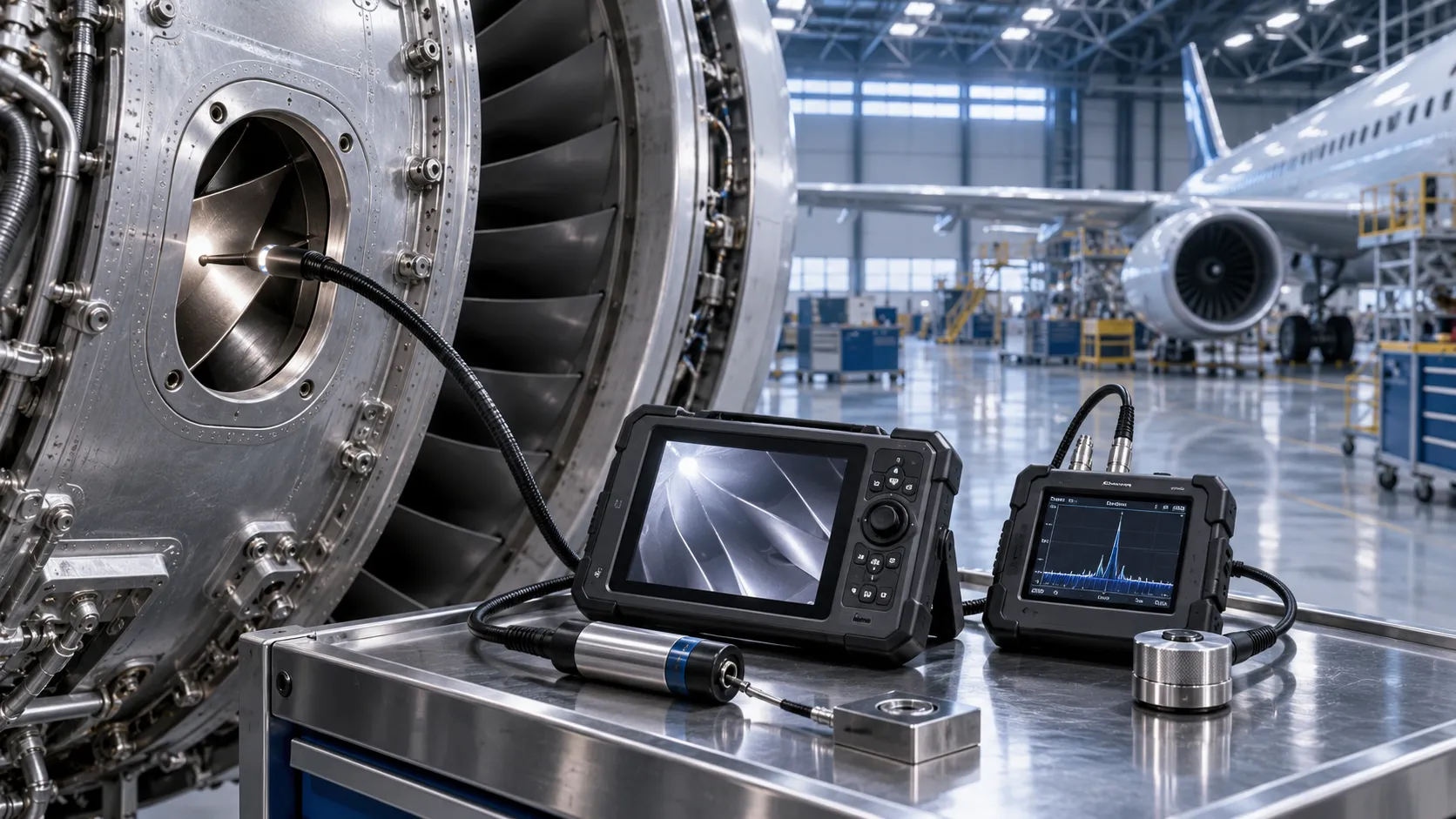
How to Select Aerospace Inspection Tools for Aircraft Maintenance Tasks
Aerospace maintenance inspection tools: learn how to select reliable, traceable equipment for aircraft access, accuracy, calibration, and compliant maintenance decisions.
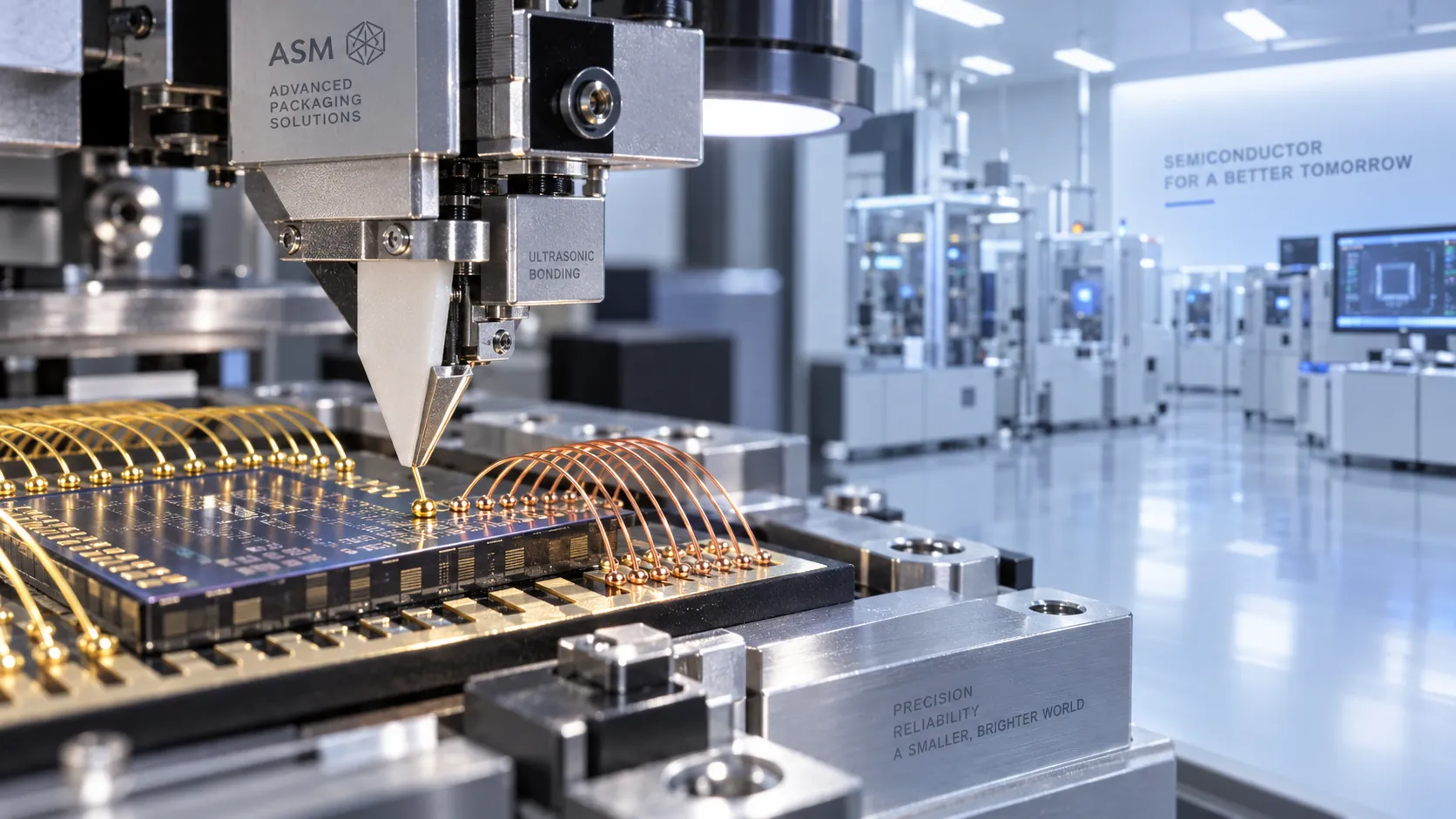
How to Select Wire Bonding Tools for Fine-Pitch Semiconductor Packaging
Explore semiconductor manufacturing tools for wire bonding and learn how to select precision solutions for fine-pitch packaging, reliable loops, accuracy, and yield.
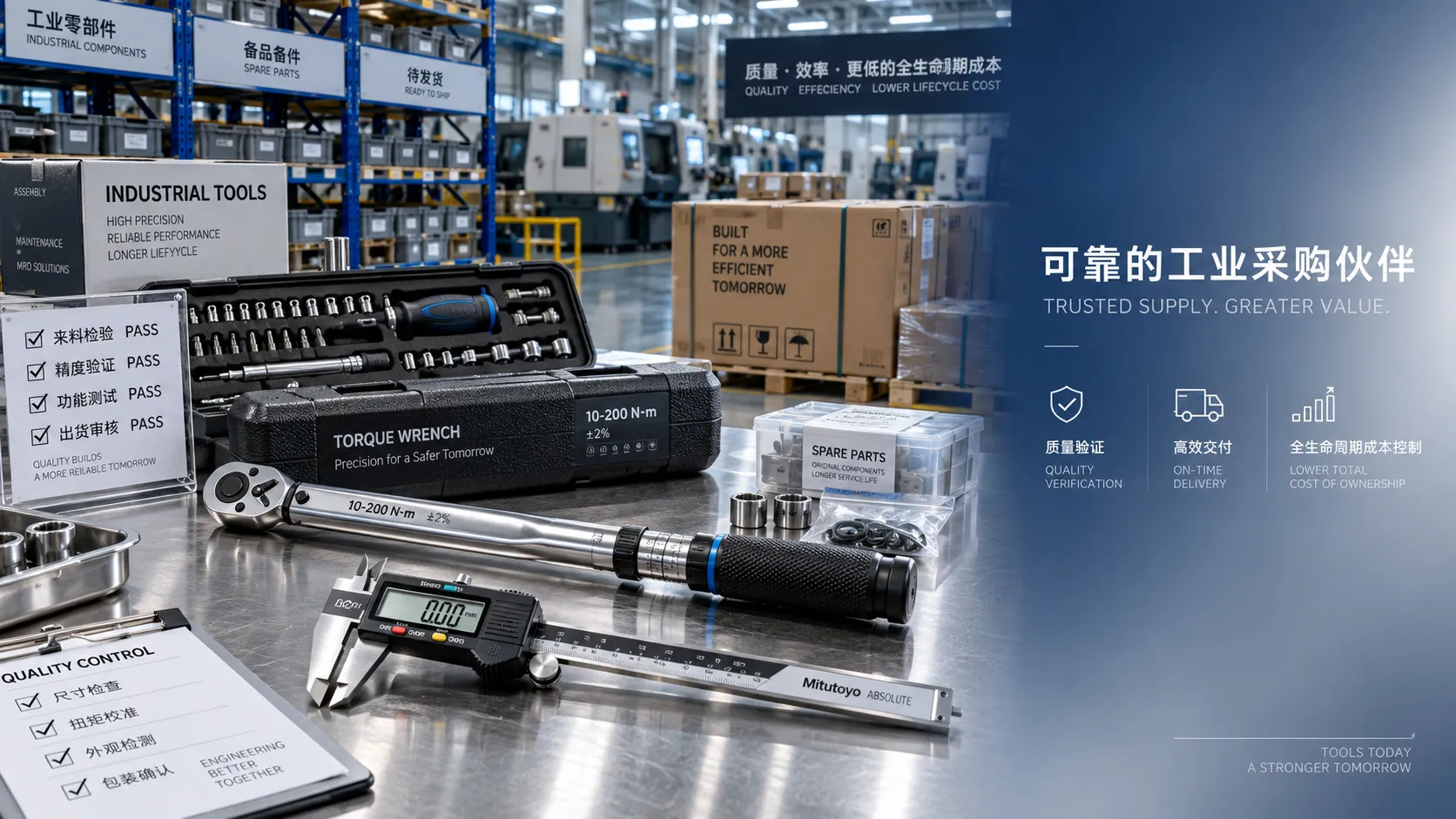
How to Compare Industrial Tool Suppliers for Quality, Lead Time, and Total Cost
Industrial tool selection supplier comparison made simple: evaluate quality, lead times, total cost, service, and supply resilience for confident sourcing decisions.
Industrial Equipment Application Guidance: Match Machines to Operating Conditions
Application guidance industrial equipment: match capacity, duty cycle, materials, site conditions, safety, and lifecycle cost to improve reliable output. Read the guide.
Selecting High-Speed Brushless Tool Motors for Torque, Heat, and Duty Cycle
High speed brushless tool motors: learn how to balance torque, heat, gearing, and duty cycle for reliable industrial tool performance and longer service life.
What Determines Industrial Hydraulic System Price for Heavy-Duty Equipment?
Industrial hydraulic system price depends on duty cycle, pressure, components, cooling, and integration. Compare quotes intelligently to secure reliable heavy-duty performance.
Welding Fume Extraction PPE: When Respirators Are Not Enough for Shop Safety
Welding fume extraction PPE: learn why respirators alone fall short and how source capture, ventilation, and layered controls improve shop safety.
How to Select Optical Metrology Solutions for Tight-Tolerance Manufacturing
Optical industrial metrology solutions for tight-tolerance manufacturing: evaluate accuracy, surface compatibility, workflow, and traceability to select with confidence.
Related News
- 00
0000-00
Selecting Adjustable Torque Tools for Repeatable Fastener Assembly - 00
0000-00
How to Select Aerospace Inspection Tools for Aircraft Maintenance Tasks - 00
0000-00
How to Select Wire Bonding Tools for Fine-Pitch Semiconductor Packaging - 00
0000-00
Industrial Equipment Application Guidance: Match Machines to Operating Conditions - 00
0000-00
Selecting High-Speed Brushless Tool Motors for Torque, Heat, and Duty Cycle
Prof. Marcus Chen
Weekly Insights
Stay ahead with our curated technology reports delivered every Monday.