
What Are the Main Industrial Applications of Advanced Manufacturing Technologies?





Why are advanced manufacturing technologies getting so much attention?
Advanced manufacturing matters because it changes how factories solve real production problems, not just how they buy new equipment.
In practical terms, it combines automation, digital metrology, smart tooling, connected welding, robotics, data analysis, and flexible process control.
The main industrial applications appear where precision, repeatability, safety, and throughput directly affect competitiveness.
That is why aerospace, automotive, electronics, energy, construction equipment, and metal fabrication keep expanding their use of these systems.
A useful way to understand industrial applications is to ask a simple question: where do these technologies remove costly variability?
Usually, the answer includes tighter tolerances, fewer defects, faster changeovers, safer joining processes, and better production visibility.
This perspective also matches how GPTWM tracks the “last mile” of industrial manufacturing.
Its intelligence focus on assembly, metal joining, and precision measurement reflects where many industrial applications create measurable value first.
Which industrial applications are most common across major sectors?
The broad answer is not one technology for one industry.
More often, the same digital and automated capabilities are adapted to different production goals.
In aerospace, industrial applications focus on high-accuracy machining, laser-based joining, inspection traceability, and strict process validation.
Small deviations can create major performance and certification issues, so metrology and process monitoring are essential.
In automotive, the pressure is different.
Production lines need speed, repeatability, ergonomic tooling, robotic welding, torque control, and fast response to design changes.
Electronics manufacturing relies on precision assembly, miniature joining, quality inspection, and controlled handling of delicate components.
Energy applications often center on durability.
That includes pipe welding integrity, heavy equipment maintenance, turbine component measurement, and reliable documentation for field service.
Metal fabrication uses advanced manufacturing for nesting optimization, CNC integration, weld consistency, handheld laser welding, and post-process verification.
Construction equipment and industrial maintenance sit somewhere in between, balancing ruggedness, repair efficiency, and portable precision tools.
This comparison helps explain why industrial applications vary by process pressure, not by buzzword alone.
How do smart tooling, welding innovation, and metrology work together?
Many people evaluate these areas separately, but the stronger results usually come from combining them.
Take a metal joining workflow.
A smart torque tool ensures correct fastening, an advanced welding process controls heat input, and digital metrology confirms dimensional accuracy afterward.
That sequence reduces hidden rework.
It also creates data that can be traced back to the part, operator, machine setting, or batch condition.
This is one reason GPTWM pays close attention to IoT-based torque control, welding safety adoption, and the market for high-precision measuring instruments.
These are not isolated product categories.
They are connected layers in high-value industrial applications.
In actual operations, this integration is especially useful in three situations:
- When defects are hard to detect until final assembly.
- When multiple stations influence the same quality result.
- When documentation is required for export, compliance, or warranty control.
So, the main industrial applications are not only about automation speed.
They are equally about process visibility and confidence in the finished result.
Where do companies misjudge the value of advanced manufacturing?
A common mistake is treating advanced manufacturing as a machine upgrade instead of a workflow decision.
If a process has poor fixturing, unstable material input, or weak measurement discipline, automation may only scale the inconsistency.
Another misunderstanding involves labor.
The goal is not simply to remove people.
Often, the better outcome is shifting human effort toward setup control, exception handling, verification, and safety supervision.
Cost is also judged too narrowly.
The visible equipment price matters, but so do calibration routines, software compatibility, consumables, training time, and maintenance support.
In sectors that depend on welding and precision tools, underestimating safety and ergonomics creates another risk.
For example, handheld laser welding may improve speed and finish, but only when shielding, training, and compliance are built into implementation.
A practical screening list can prevent these errors:
- Is the bottleneck caused by accuracy, speed, traceability, or labor intensity?
- Can the current process be measured reliably before it is upgraded?
- Will new tools connect with existing quality and maintenance systems?
- Are material variation and operator training already under control?
How should industrial applications be evaluated before implementation?
The best evaluation method is usually scenario-based, not technology-first.
Start with a part family, joining task, measurement requirement, or assembly pain point that already causes delay or inconsistency.
Then compare technologies against operational evidence.
That may include scrap rates, weld rework, tool wear, inspection time, energy use, or handoff delays between stations.
The table below works well as a quick judgment guide.
This approach makes industrial applications easier to prioritize.
It also prevents investment decisions from being driven by trend language alone.
What signals show where industrial applications will expand next?
Growth usually appears where precision demands and labor constraints rise at the same time.
That is why industrial applications are expanding in lightweight structures, battery systems, maintenance-intensive infrastructure, and globally distributed assembly networks.
Several signals are worth watching closely.
- Safer adoption standards for handheld laser welding.
- Limits and efficiency gains in brushless motor tool platforms.
- Wider use of connected torque systems for traceable assembly.
- Rising demand for portable but high-accuracy metrology devices.
- Stricter export rules and compliance documentation requirements.
These are exactly the kinds of developments that intelligence platforms like GPTWM interpret in context.
Not every signal means immediate adoption, but together they show where industrial applications are becoming harder to ignore.
So what is the practical takeaway?
The main industrial applications of advanced manufacturing technologies are found where quality risk, production speed, and traceability intersect.
Aerospace, automotive, electronics, energy, and metal fabrication all use them differently, but the logic is consistent.
The strongest results usually come from linking smart tools, controlled joining, and digital measurement into one process view.
If the goal is to understand industrial applications more clearly, start by mapping one critical workflow rather than studying technologies in isolation.
Check where defects start, where data is lost, where manual variation remains, and where compliance pressure is increasing.
From there, it becomes much easier to compare options, estimate implementation effort, and decide which upgrades deserve deeper evaluation.
That kind of structured judgment is often more valuable than chasing the newest tool category on its own.
Related News
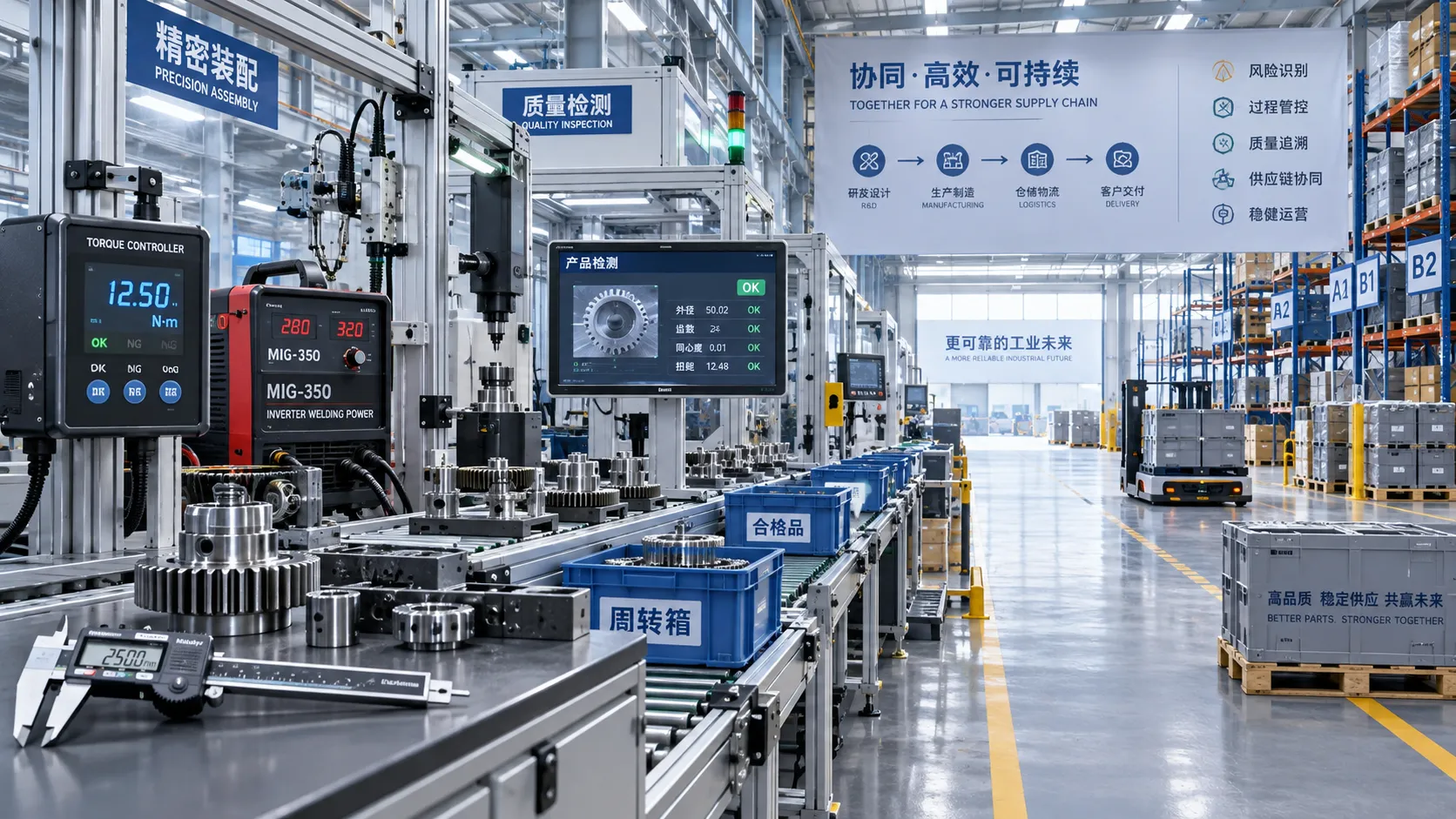
How Procurement Teams Can Map the Industrial Value Chain to Reduce Supply Risk
Industrial value chain procurement helps teams map hidden dependencies, qualify resilient sources, and reduce supply risk before disruptions stop production.
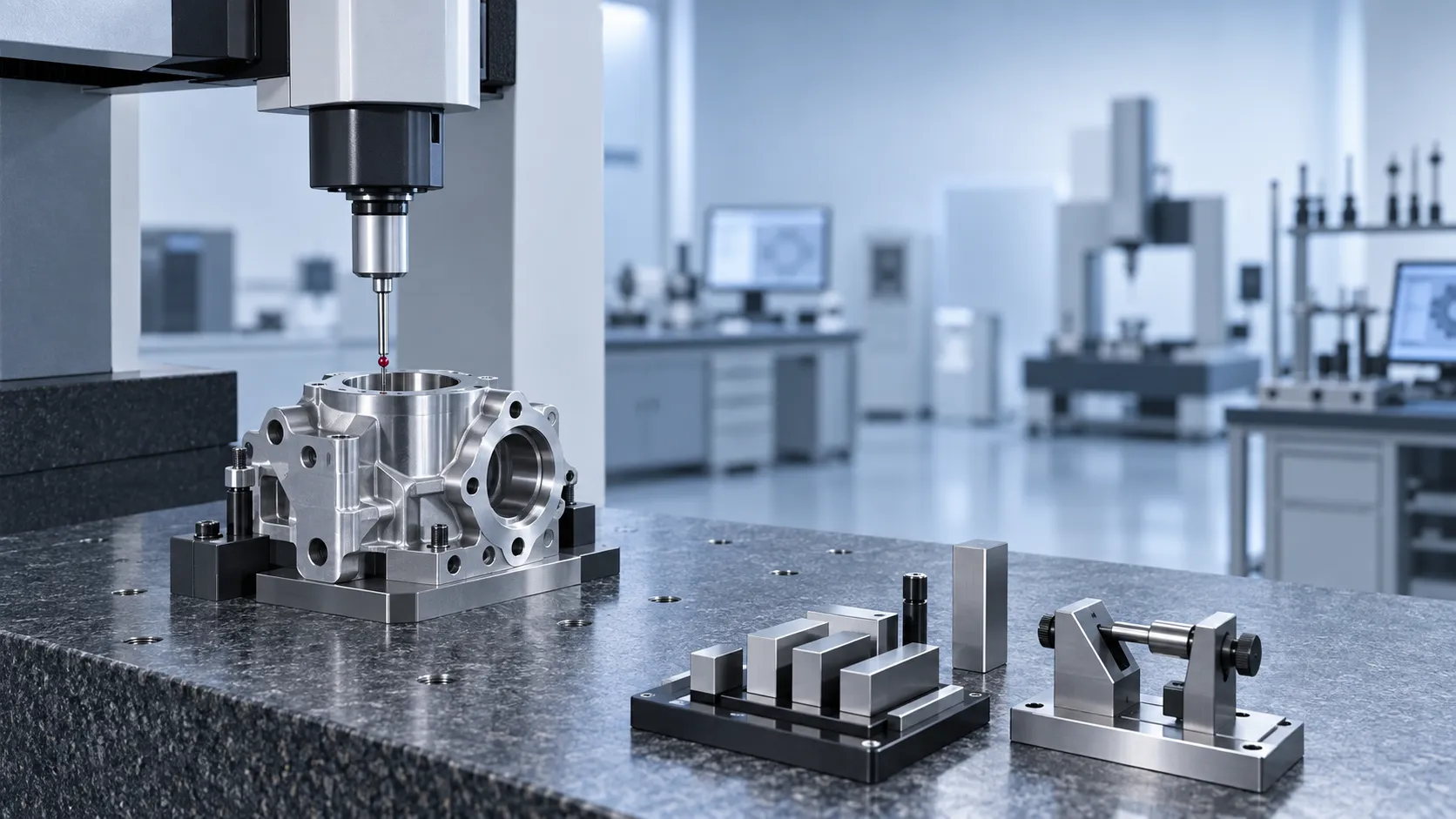
How Specification-Driven Articles Improve Precision Measurement System Selection
Specification-oriented articles precision measurement guidance helps teams compare accuracy, repeatability, environment, and data needs to select reliable systems with confidence.
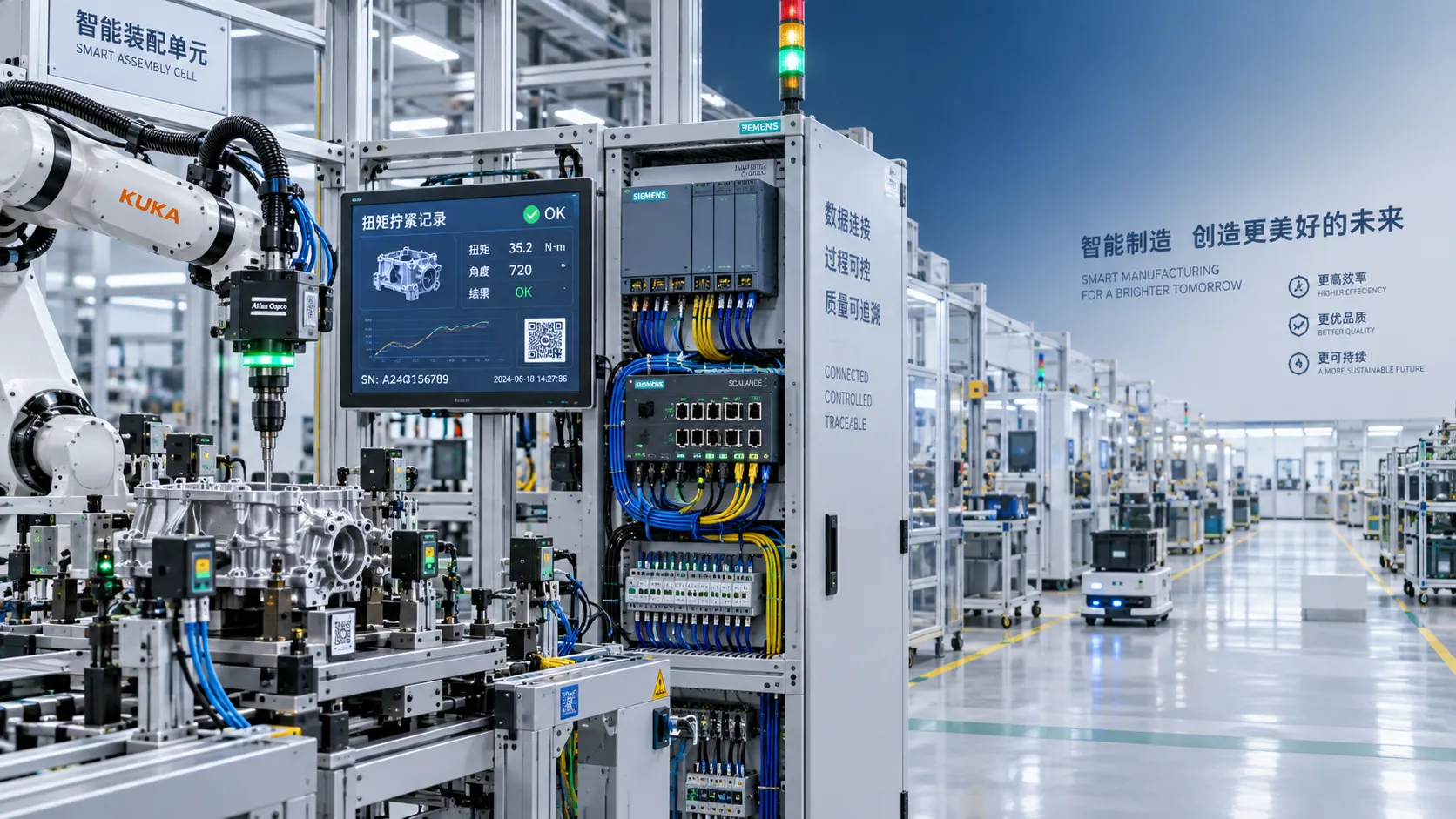
How to Evaluate a Technology Integration Service Provider for Complex Projects
Technology integration service provider selection guide: evaluate interface ownership, delivery discipline, scalable architecture, and risk control for complex projects.
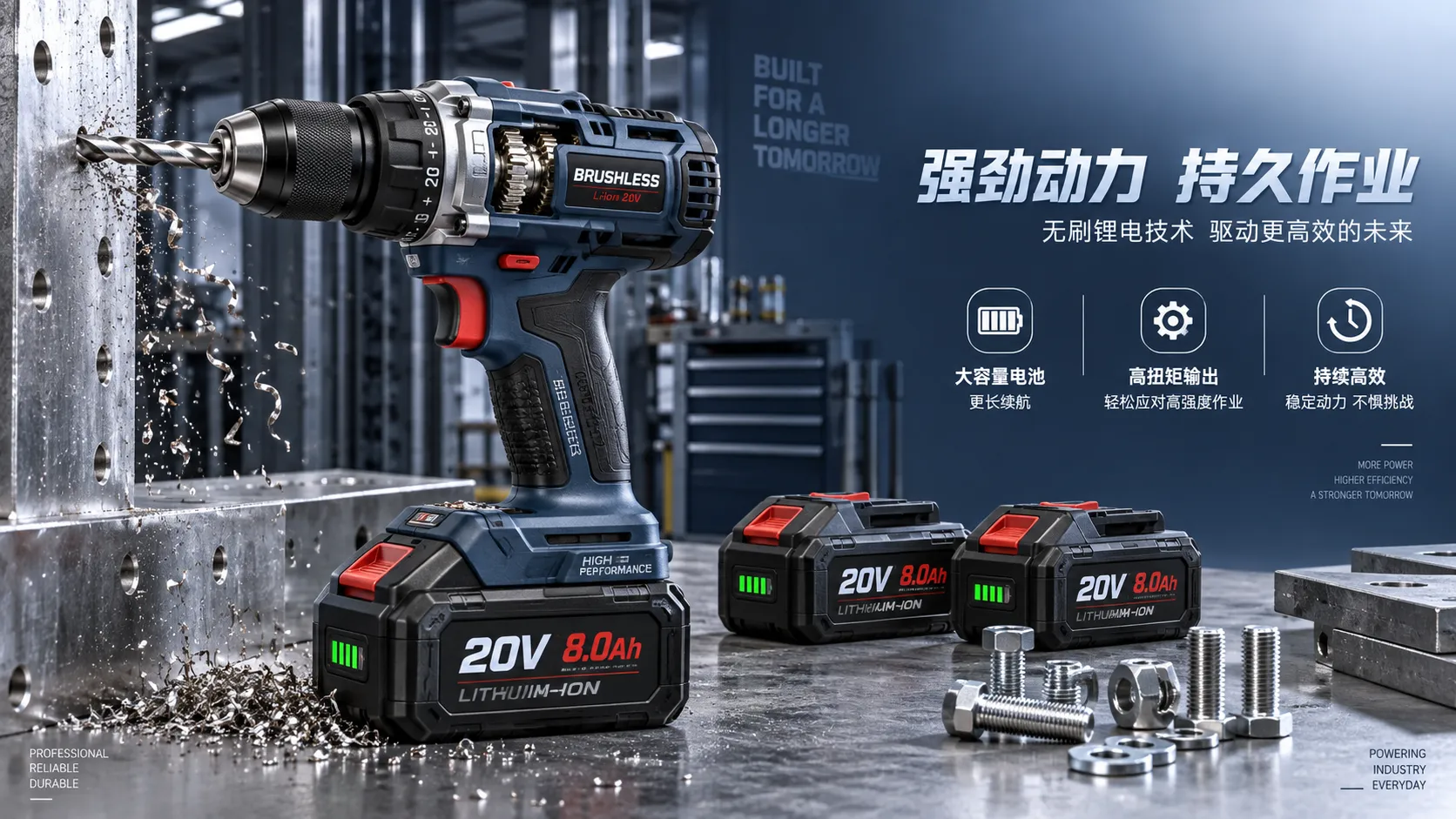
How Battery, Torque, and Duty Cycle Affect Cordless Power Tool Efficiency
Cordless power tool efficiency depends on battery output, torque, and duty cycle. Learn how to match tools to demanding jobs for stronger runtime and productivity.
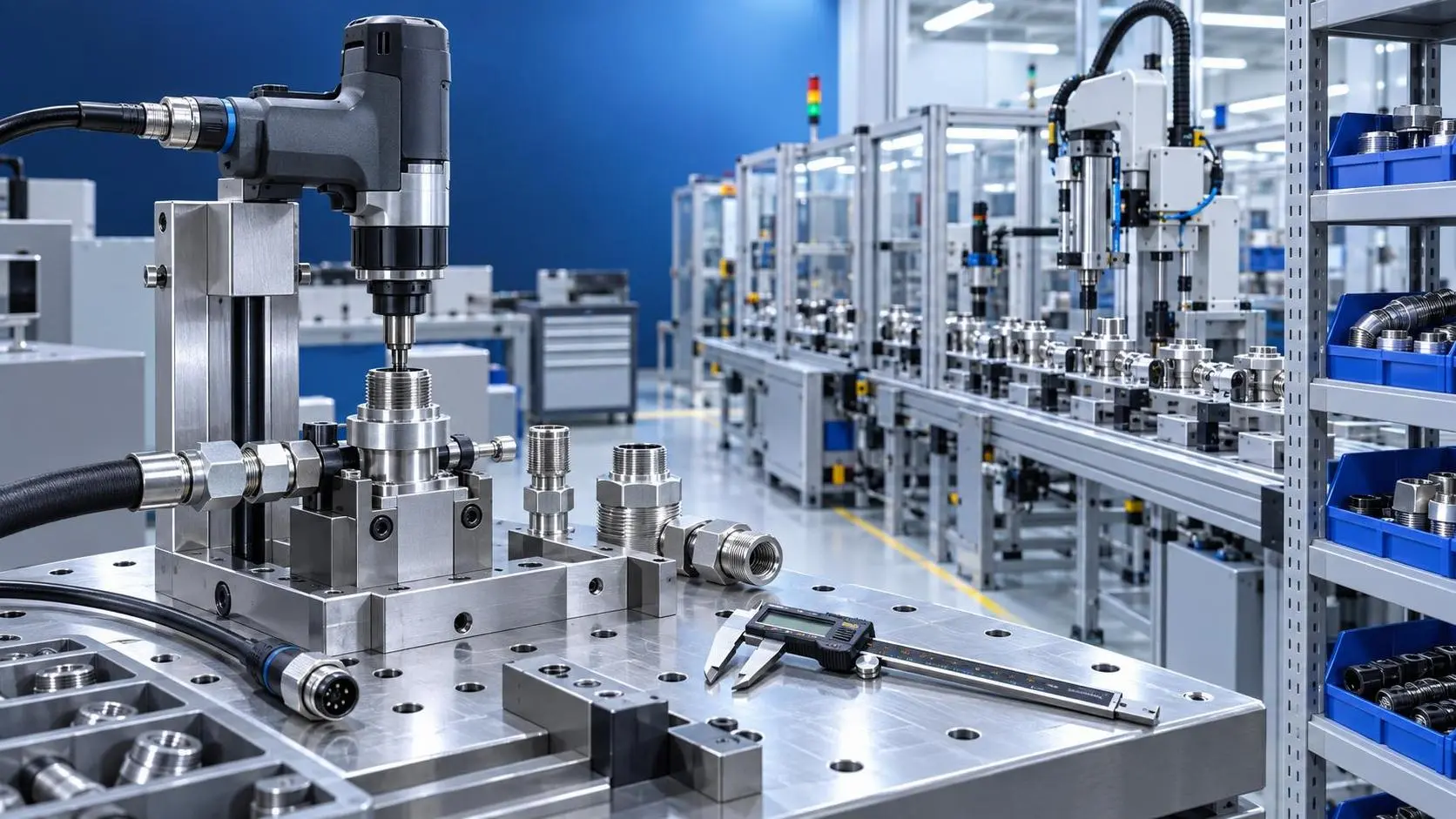
Product Comparison Resources for Component Compatibility and Lifecycle Risk
Product comparison resources for components: evaluate compatibility, interfaces, service support, and lifecycle risk to reduce downtime, avoid redesigns, and make confident sourcing decisions.
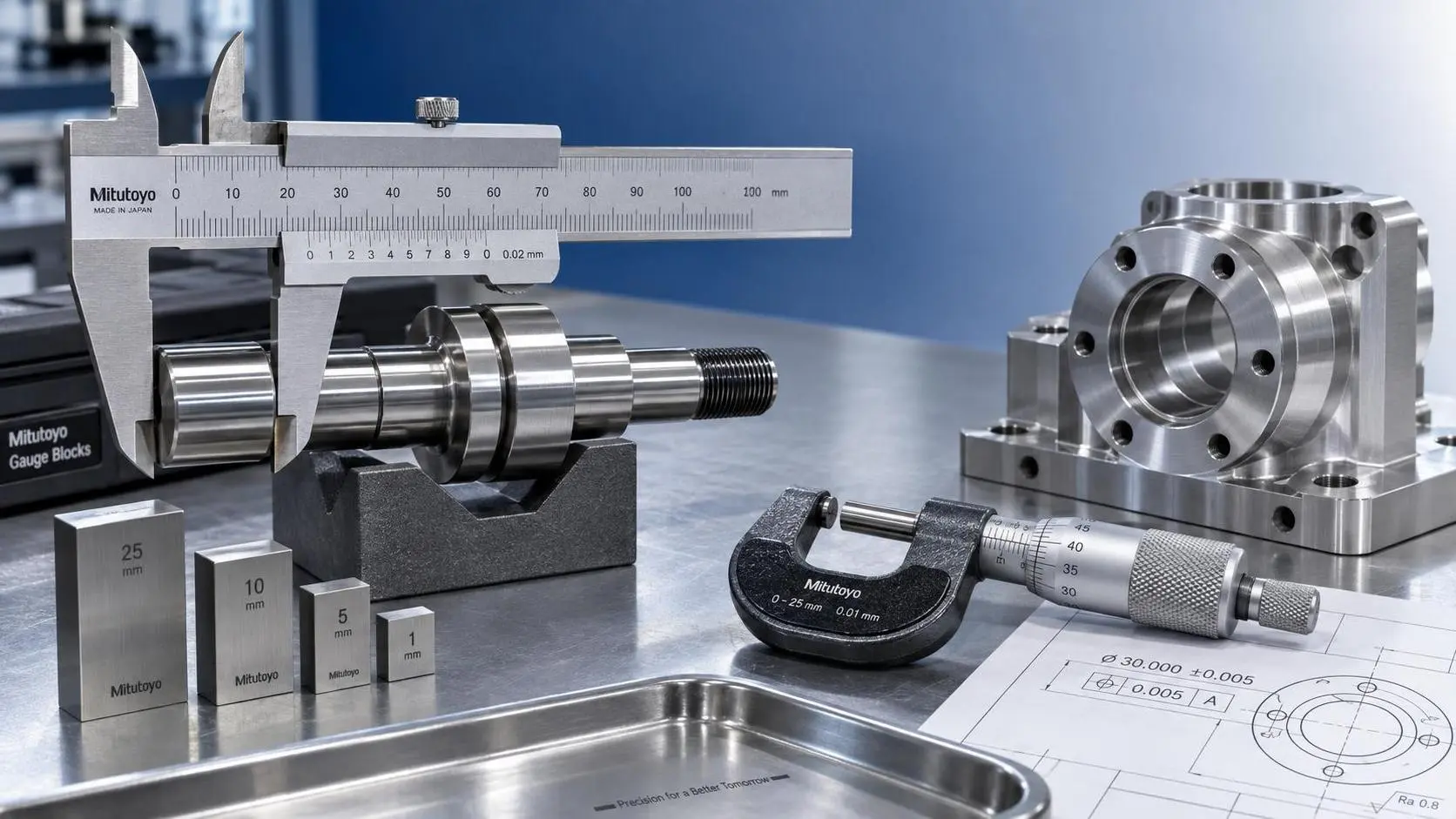
How to Select Vernier Precision Calipers for Tight-Tolerance Machining Inspection
Vernier precision calipers for tight-tolerance machining: learn how to select the right range, jaw design, accuracy, and verification process for reliable inspection.
Product Comparison Resources in Europe: How Buyers Can Verify Specs and Suppliers
Product comparison resources Europe: learn how to verify industrial specs, compliance claims, supplier credibility, and delivery risk for smarter purchasing decisions.
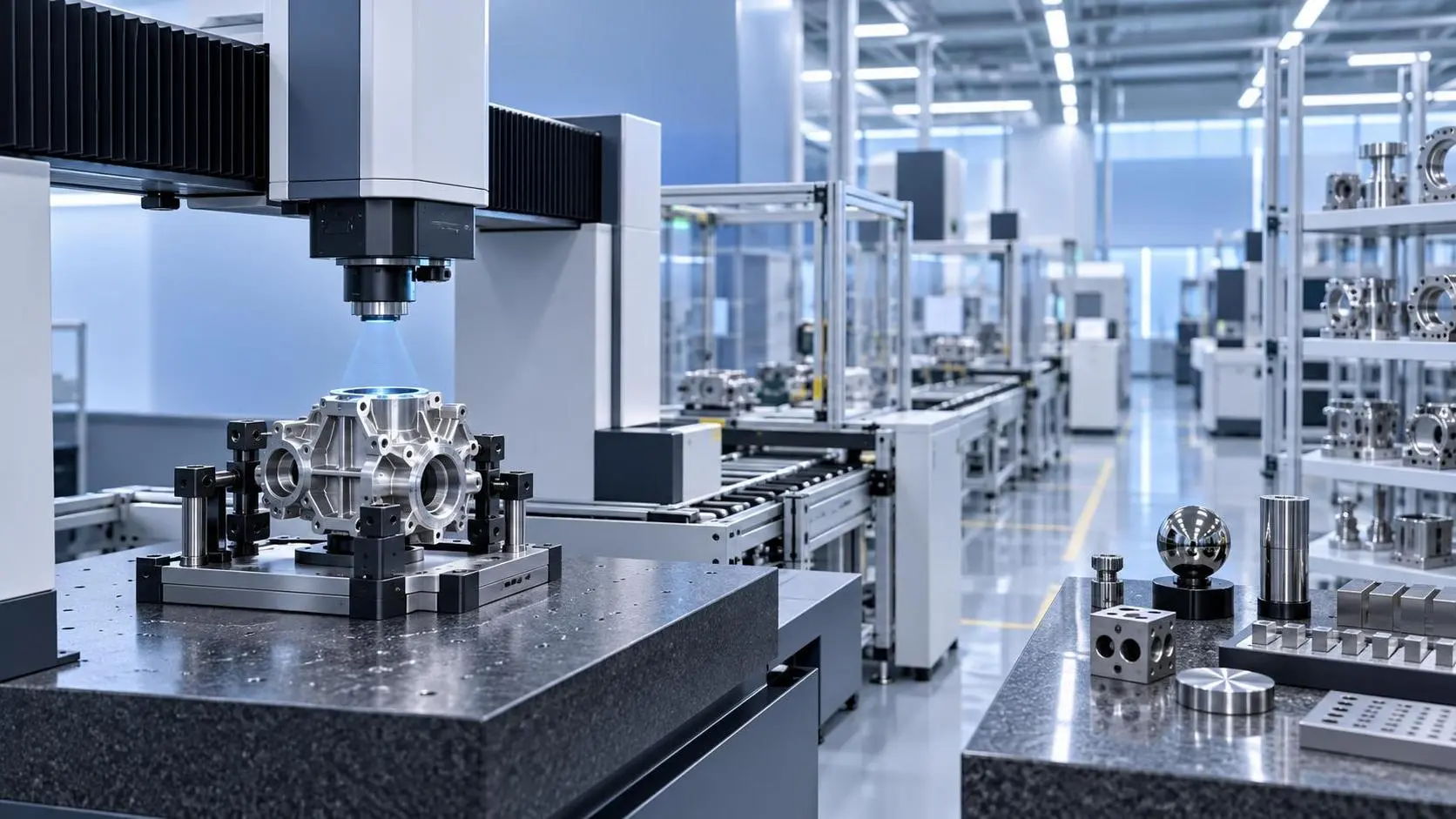
How to Evaluate an Industrial Metrology Solution Manufacturer for Production Use
Industrial metrology solution manufacturer evaluation guide for production: compare accuracy, traceability, automation, software, service, and acceptance testing to reduce risk.
Which ISO Standards Matter Most for Precision Engineering Quality Control?
Precision engineering ISO standards explained: discover how ISO 9001, ISO/IEC 17025, ISO 10012, GPS, and ISO 3834 strengthen quality control, traceability, and compliance.
Related News
- 00
0000-00
How Specification-Driven Articles Improve Precision Measurement System Selection - 00
0000-00
Product Comparison Resources for Component Compatibility and Lifecycle Risk - 00
0000-00
Which ISO Standards Matter Most for Precision Engineering Quality Control? - 00
0000-00
Selecting Metal Joining Methods for Aluminum-to-Steel Assemblies - 00
0000-00
How to Evaluate Industrial Manufacturing Systems for Throughput, Flexibility, and ROI
Prof. Marcus Chen
Weekly Insights
Stay ahead with our curated technology reports delivered every Monday.