
Advanced Manufacturing vs Traditional Production: Which Fits Low-Volume Projects Better?





Low-volume production rarely allows easy choices. A small batch may still carry strict quality targets, fast delivery pressure, and frequent design changes. In that setting, the debate between advanced manufacturing and traditional production is less about novelty and more about fit. The right route shapes quoting accuracy, process stability, tooling cost, and how confidently a team can respond when specifications shift.
This matters across industrial assembly, metal joining, precision measurement, repair programs, pilot runs, and aftermarket support. It also matters in the "last mile" of manufacturing, where tolerance control, operator skill, and equipment readiness often decide project outcomes. That is why the question deserves a practical answer rather than a simple preference for old or new methods.
What the comparison really means
Traditional production usually refers to established processes supported by manual setups, conventional machining, standard welding, fixed tooling, and operator-led inspection. These methods remain valuable because they are proven, widely understood, and often economical when the part geometry is straightforward.
Advanced manufacturing points to digitally connected, highly controllable, and often more adaptive methods. That can include CNC automation, additive manufacturing, robotic welding, laser-based joining, in-process sensing, digital work instructions, and data-linked metrology.
For low-volume projects, the difference is not only technological. It is a difference in setup logic. Traditional production often wins when a skilled team can move quickly with minimal programming. Advanced manufacturing tends to win when complexity, traceability, or repeatability create hidden costs in conventional workflows.
Why low-volume work is getting more complex
Small-batch manufacturing used to mean limited risk. Today, many low-volume programs are high-mix and high-value. They may involve export compliance, special material grades, tight documentation, and customer-specific inspection records.
Raw material volatility adds another layer. So do changing safety requirements for handheld laser welding, evolving ergonomic expectations for industrial tools, and wider use of IoT-based torque control. These pressures raise the decision value of advanced manufacturing, especially when process visibility matters as much as output.
From the perspective reflected by GPTWM, the market is no longer separating craftsmanship from intelligent production. The stronger trend is integration. Precision metrology, assembly intelligence, and practical shop-floor knowledge are becoming part of the same operating model.
Where advanced manufacturing gains an edge
Advanced manufacturing is especially useful when low volume does not mean low difficulty. A batch of ten assemblies can still require exact torque records, narrow weld distortion control, or rapid iteration after prototype feedback.
Shorter setup pain for complex work
Conventional tooling can become expensive when a design may change twice before final approval. Digital programming, flexible fixtures, and additive methods reduce dependence on hard tooling. That lowers the penalty of revision cycles.
Better control over repeatability
When each unit must match the previous one, advanced manufacturing helps by locking more variables into the process. Robotic paths, sensor feedback, and linked measurement data reduce variation that would otherwise depend heavily on individual technique.
More useful production data
Low-volume projects often suffer from poor learning transfer. The team finishes the batch, then moves on. Digitally captured setup times, tool wear patterns, torque histories, and inspection trends make future quoting and planning far more reliable.
- Complex geometry favors programmable or additive workflows.
- Traceability demands favor connected metrology and digital records.
- Frequent design updates favor flexible setups over fixed tooling.
- Tight tolerance assemblies favor stable, monitored processes.
Why traditional production still makes sense
It is easy to overstate the case for advanced manufacturing. Many low-volume projects do not justify sophisticated automation. Traditional production remains effective when part design is stable, inspection criteria are manageable, and experienced technicians can complete work without heavy setup overhead.
Manual or semi-manual methods also perform well in repair, retrofit, and service environments. In those settings, the real challenge may be access, irregular geometry, or field variation rather than production repeatability.
Traditional routes may also offer stronger resilience when digital integration is incomplete. Buying advanced equipment without process discipline, calibration routines, and operator readiness can raise cost without improving outcomes.
A practical comparison for low-volume decisions
The better choice usually appears when the project is compared across several business dimensions rather than one headline metric.
In simple terms, advanced manufacturing is not automatically better for low-volume work. It becomes better when complexity creates cost that traditional methods cannot see early enough.
Typical scenarios across industrial sectors
Different sectors reach different answers because their constraints are different. The same batch size may lead to opposite decisions depending on risk exposure and quality expectations.
Aerospace maintenance and critical repair
Low volume, high documentation, and strict tolerances often support advanced manufacturing. Precision metrology, digital inspection records, and controlled joining processes reduce compliance risk.
Construction equipment service parts
If geometry is rugged and turnaround matters most, traditional production may remain more practical. Manual welding, conventional machining, and proven fixtures can be faster than building a digital workflow.
Automotive pilot runs and custom fixtures
These projects often sit in the middle. Advanced manufacturing helps when fixture changes are frequent or measurement feedback must inform the next design pass. Traditional production still works for mature designs with experienced suppliers.
Questions that improve the decision
A useful evaluation starts with process reality, not technology preference. The following questions often reveal which path fits better.
- How likely is the design to change after first article review?
- Which cost is larger: tooling investment or process variation?
- How much traceability is required for torque, welds, and dimensions?
- Can the current team sustain quality without digital process support?
- Will this low-volume job become a recurring program later?
These questions matter because low-volume decisions often create long-term habits. A project launched with the wrong assumptions may appear cheap at quotation stage but become expensive through rework, delays, and inconsistent documentation.
How to apply this thinking in practice
A balanced strategy is often more effective than choosing one side completely. Many successful operations use advanced manufacturing for high-risk steps and traditional production for stable, low-complexity tasks.
For example, a program may use digital metrology and intelligent torque control while keeping conventional machining for simple brackets. Another may rely on robotic welding for critical joints but use manual finishing where variability is easier to manage.
This hybrid approach aligns with broader industry signals tracked by GPTWM. Precision tools, welding methods, and metrology systems are no longer isolated purchases. They work best as part of a connected decision framework shaped by quality risk, labor capability, and future scalability.
Choosing with the next project in mind
For low-volume projects, advanced manufacturing fits best when complexity, traceability, and iteration speed drive the economics. Traditional production fits best when the work is stable, accessible, and supported by proven hands-on expertise.
The most reliable next step is to map one current project against setup effort, revision risk, tolerance sensitivity, documentation needs, and expected repeat orders. That comparison usually shows whether advanced manufacturing is a strategic investment or an unnecessary layer.
Once those criteria are visible, process selection becomes clearer, supplier conversations become sharper, and future planning becomes less reactive. In low-volume work, that clarity is often the real advantage.
Related News
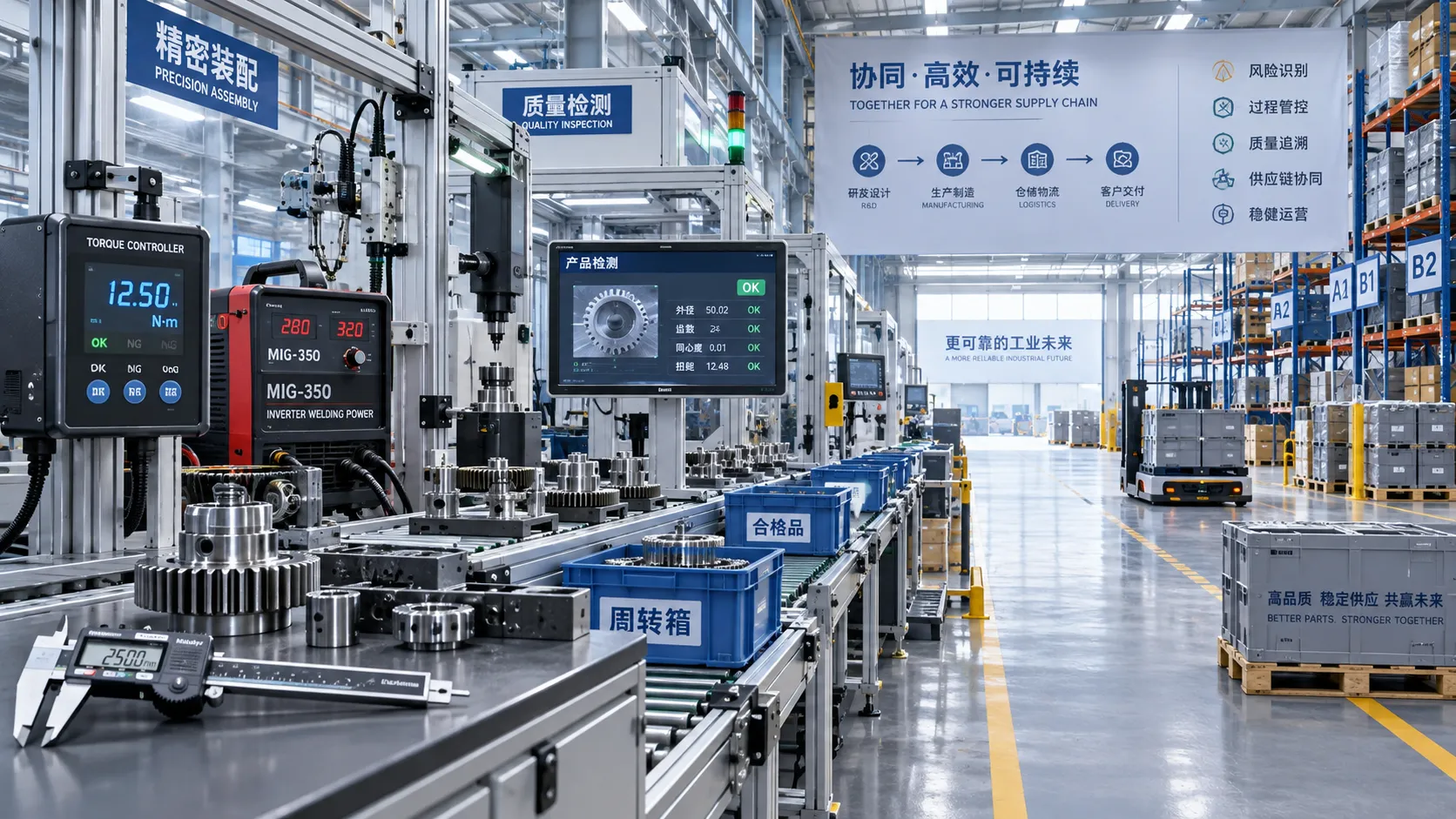
How Procurement Teams Can Map the Industrial Value Chain to Reduce Supply Risk
Industrial value chain procurement helps teams map hidden dependencies, qualify resilient sources, and reduce supply risk before disruptions stop production.
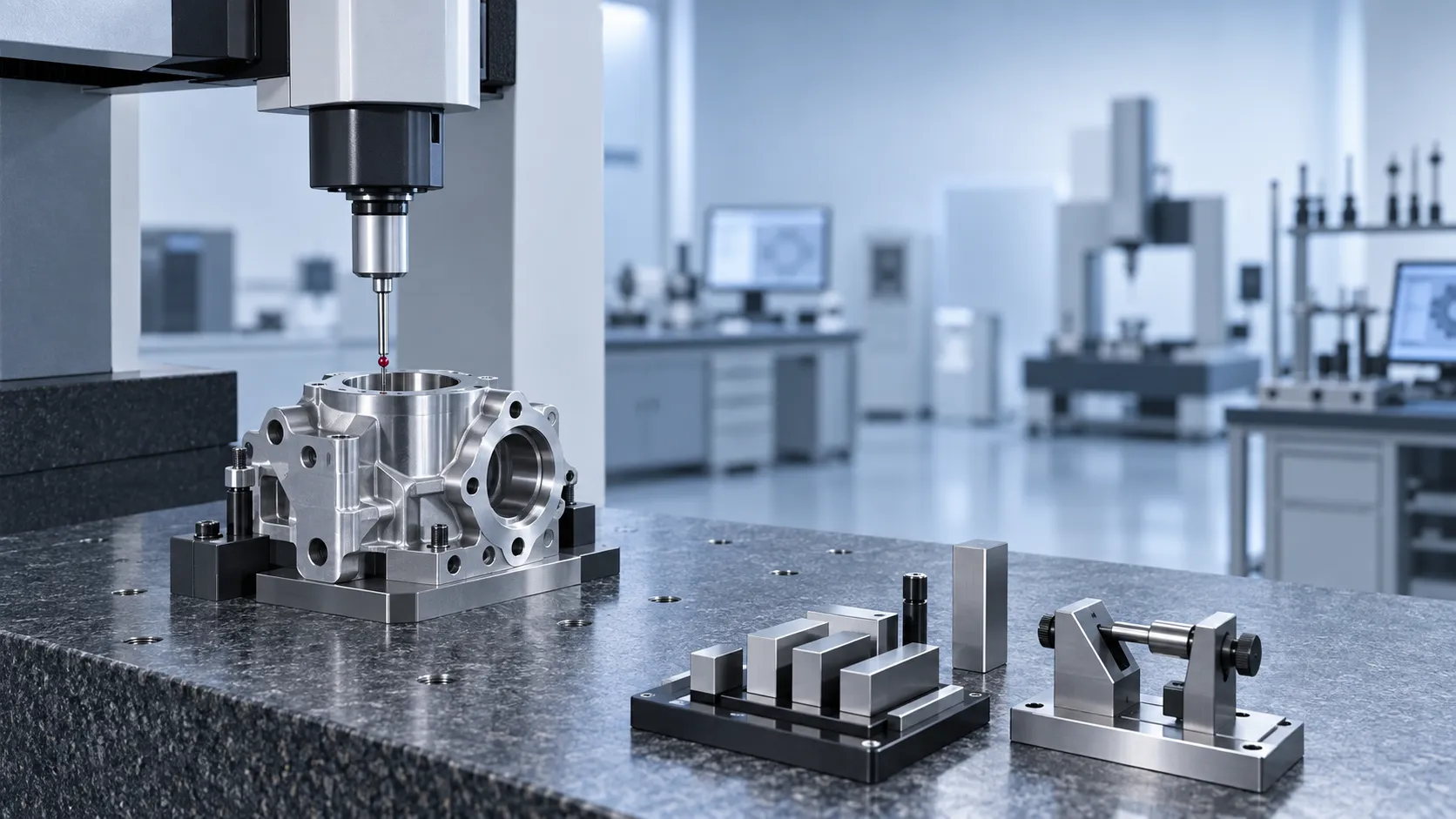
How Specification-Driven Articles Improve Precision Measurement System Selection
Specification-oriented articles precision measurement guidance helps teams compare accuracy, repeatability, environment, and data needs to select reliable systems with confidence.
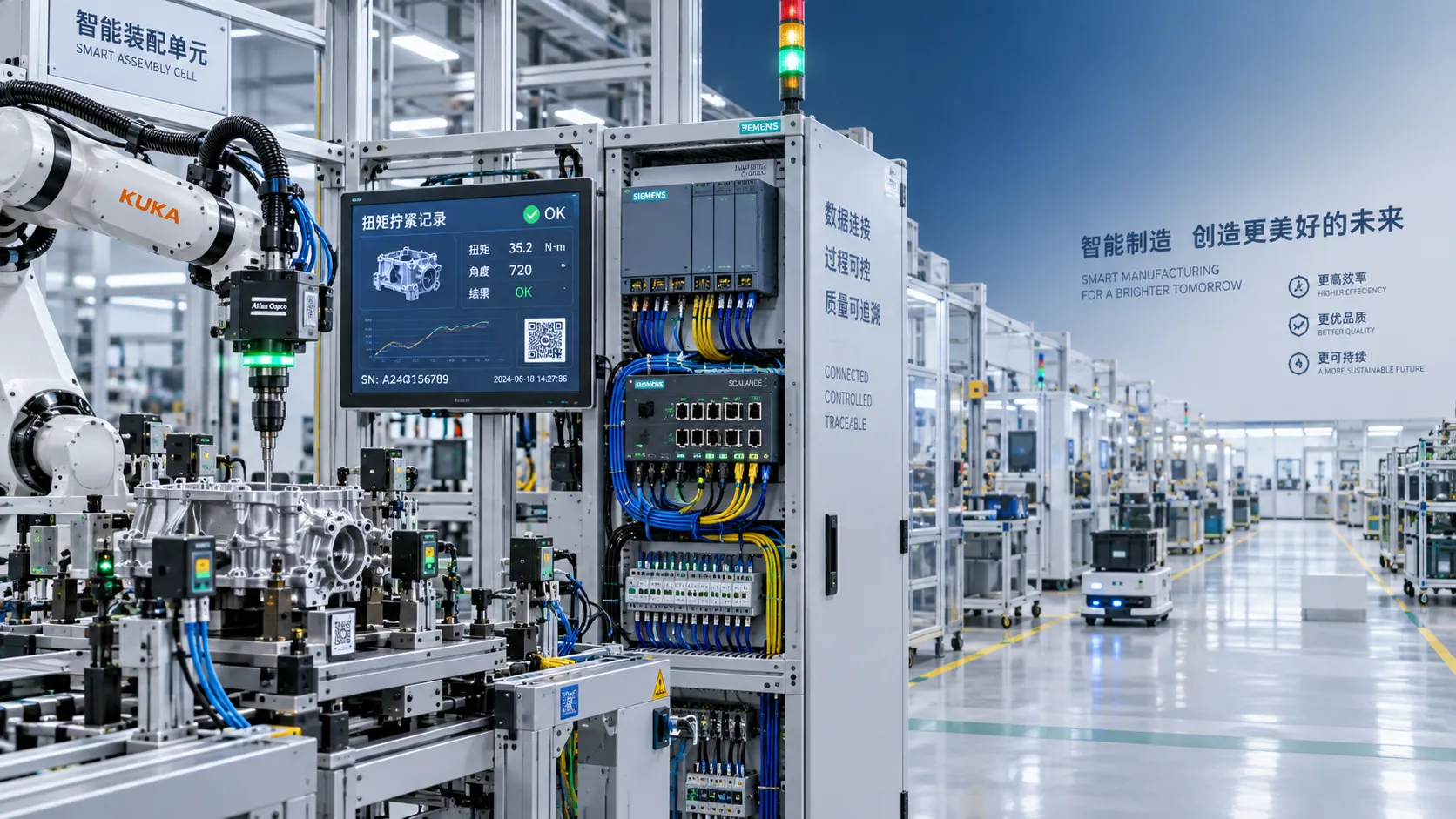
How to Evaluate a Technology Integration Service Provider for Complex Projects
Technology integration service provider selection guide: evaluate interface ownership, delivery discipline, scalable architecture, and risk control for complex projects.
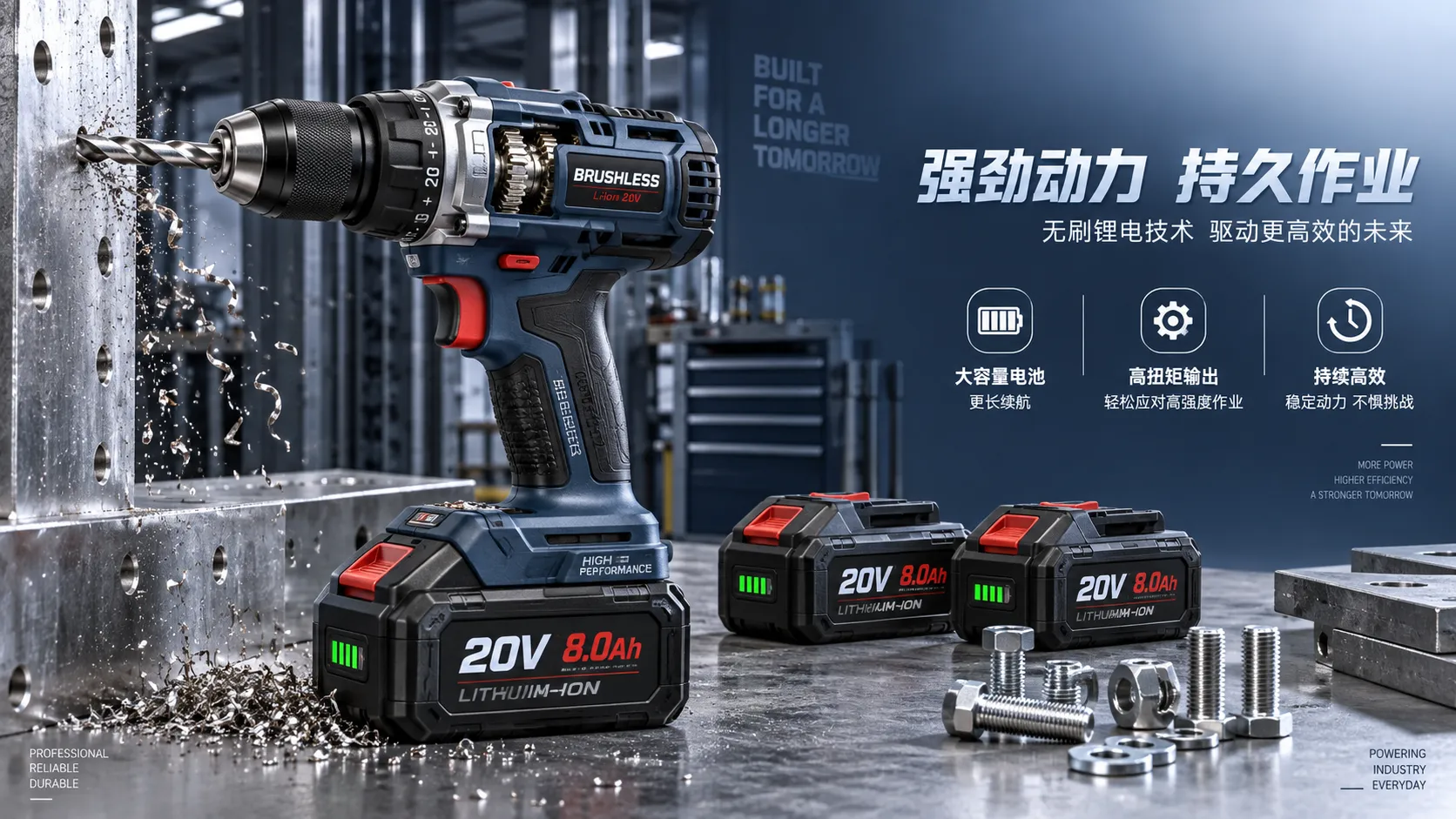
How Battery, Torque, and Duty Cycle Affect Cordless Power Tool Efficiency
Cordless power tool efficiency depends on battery output, torque, and duty cycle. Learn how to match tools to demanding jobs for stronger runtime and productivity.
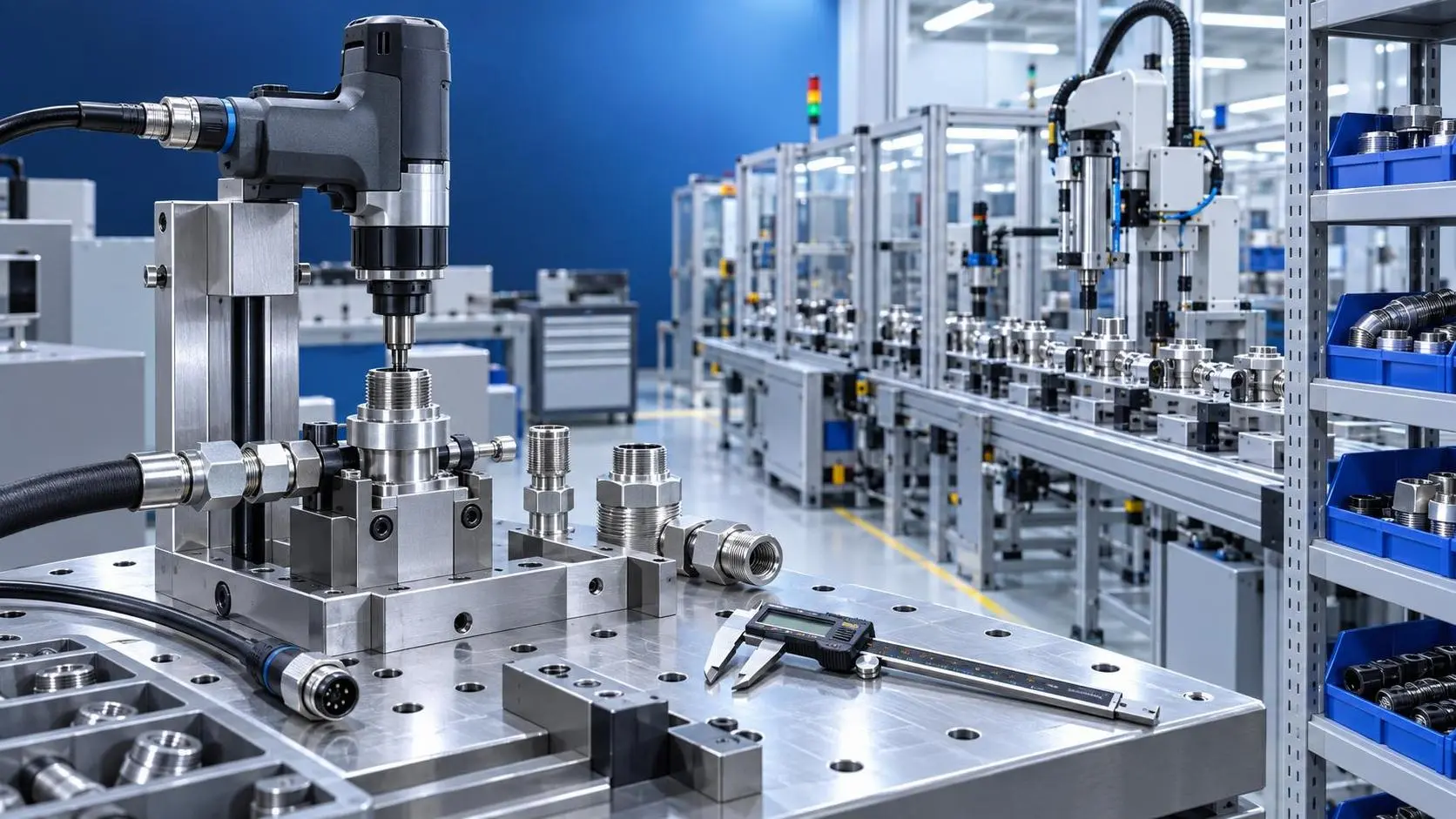
Product Comparison Resources for Component Compatibility and Lifecycle Risk
Product comparison resources for components: evaluate compatibility, interfaces, service support, and lifecycle risk to reduce downtime, avoid redesigns, and make confident sourcing decisions.
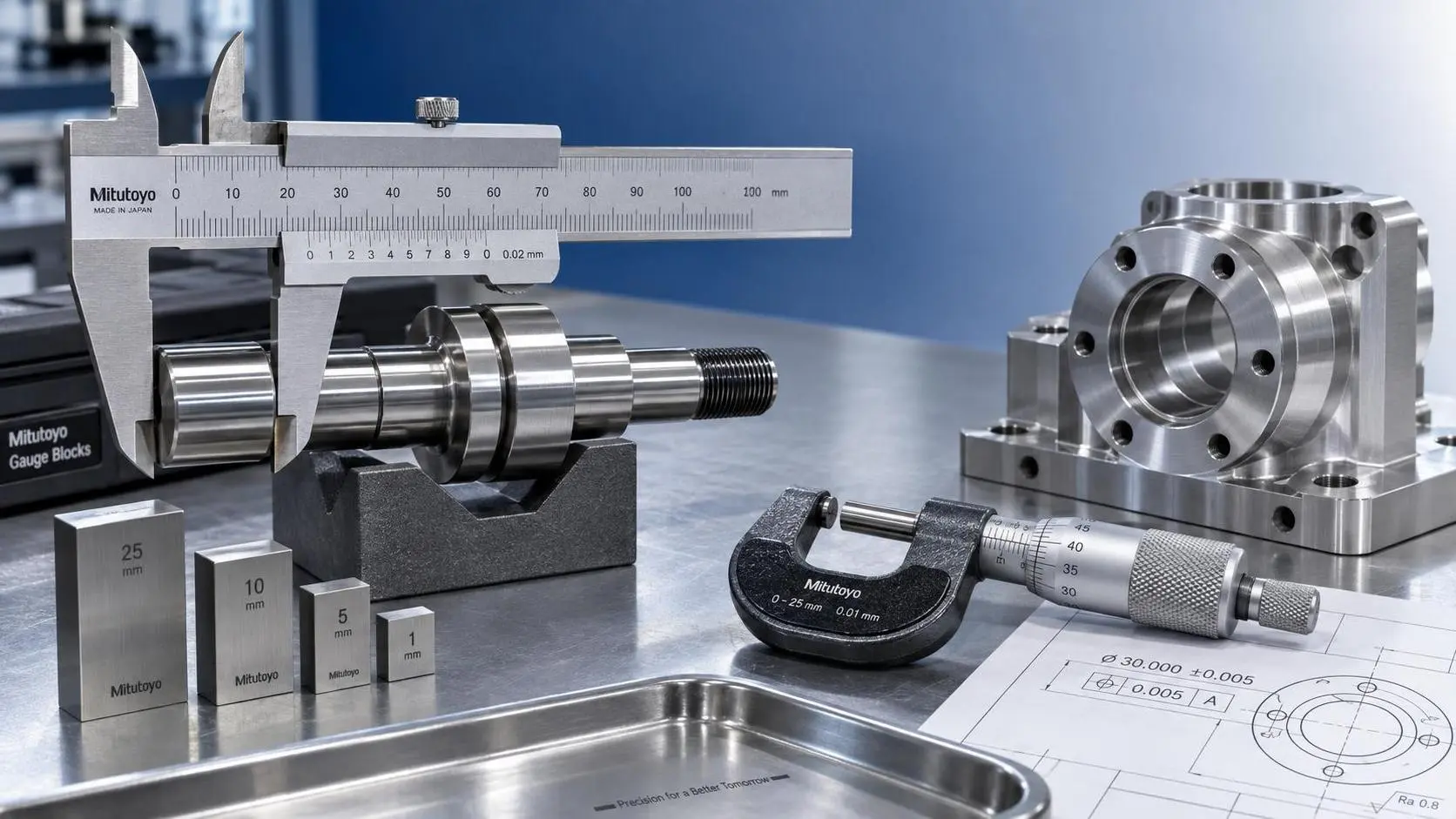
How to Select Vernier Precision Calipers for Tight-Tolerance Machining Inspection
Vernier precision calipers for tight-tolerance machining: learn how to select the right range, jaw design, accuracy, and verification process for reliable inspection.
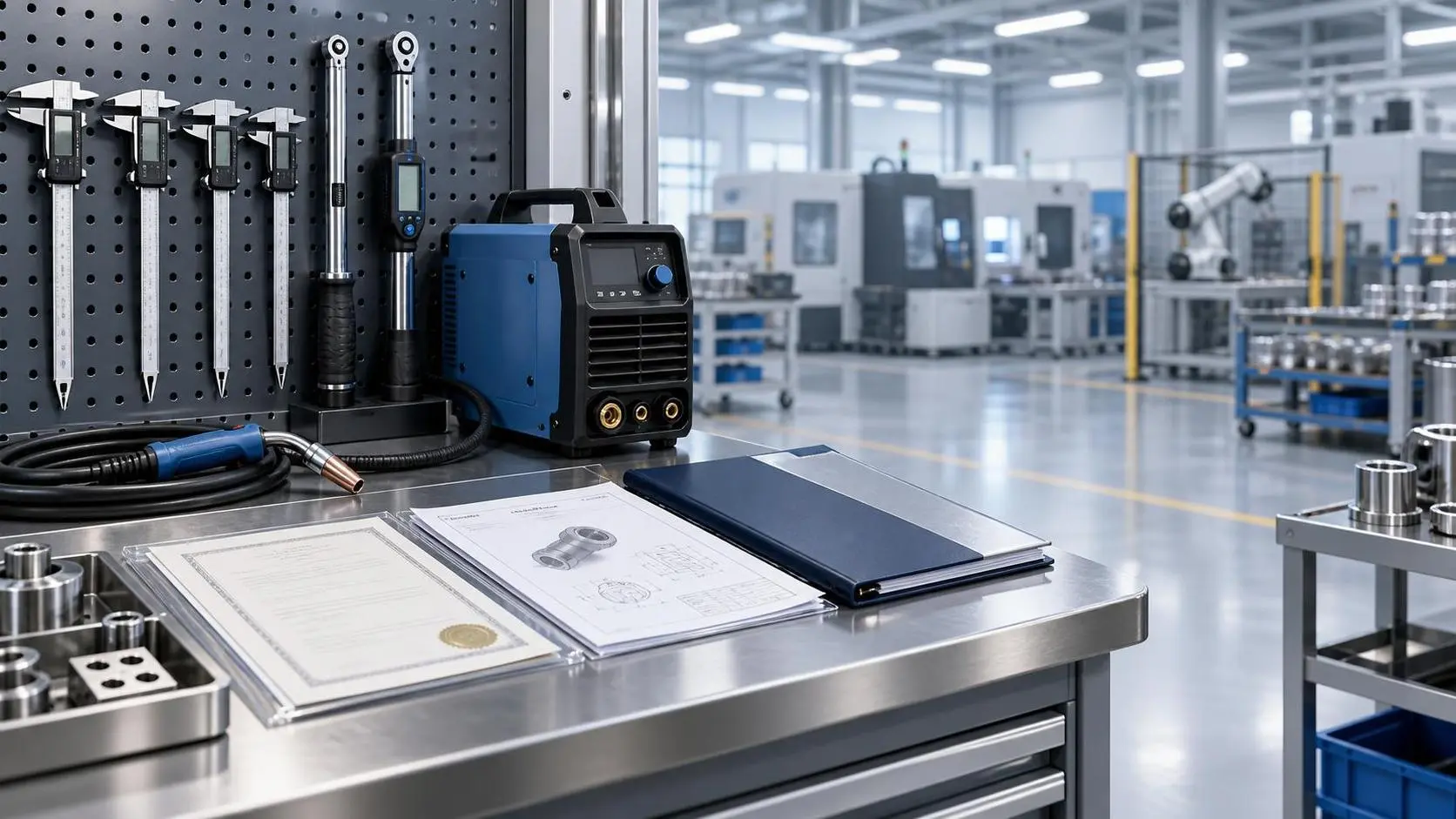
Product Comparison Resources in Europe: How Buyers Can Verify Specs and Suppliers
Product comparison resources Europe: learn how to verify industrial specs, compliance claims, supplier credibility, and delivery risk for smarter purchasing decisions.
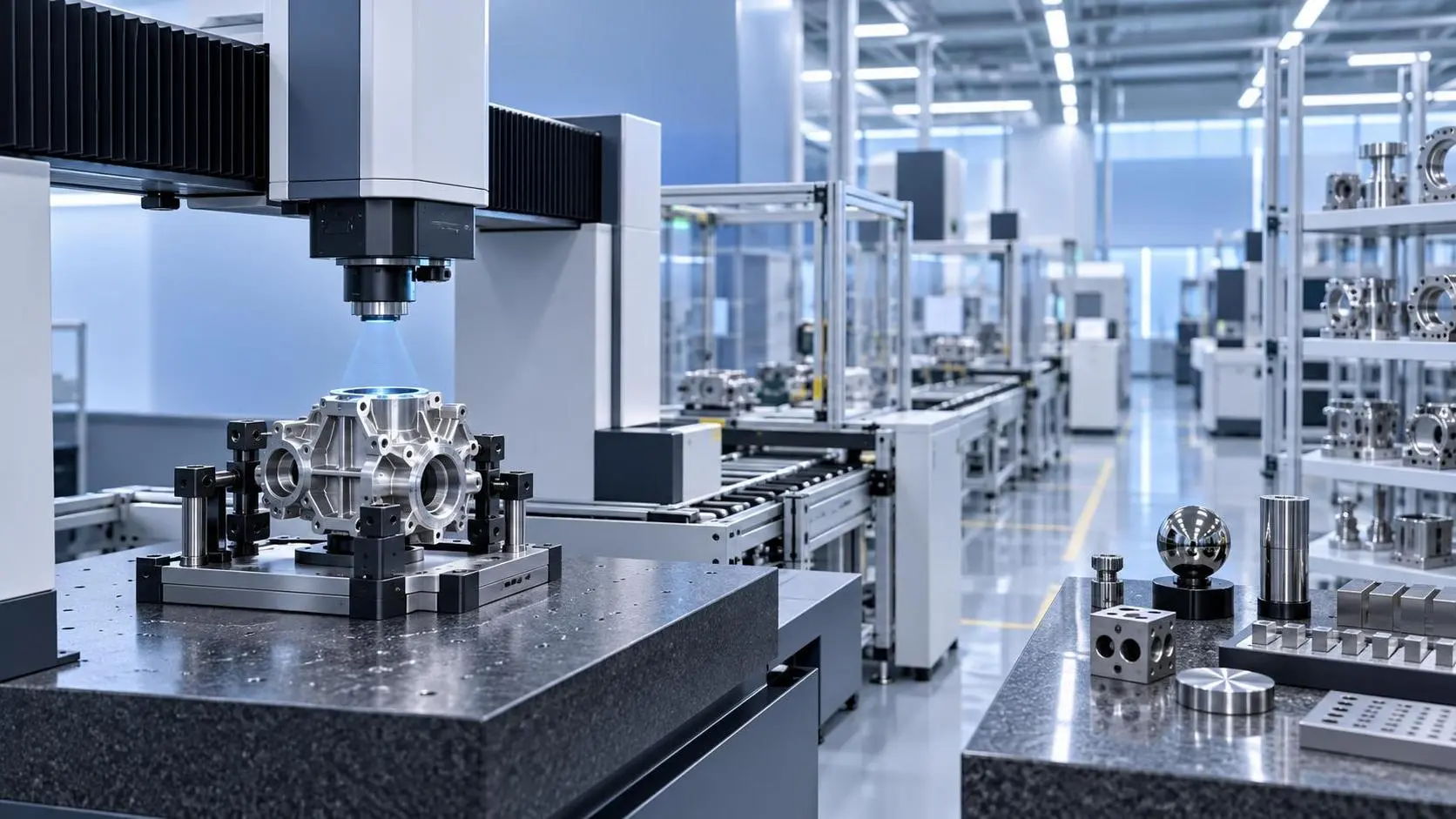
How to Evaluate an Industrial Metrology Solution Manufacturer for Production Use
Industrial metrology solution manufacturer evaluation guide for production: compare accuracy, traceability, automation, software, service, and acceptance testing to reduce risk.
Which ISO Standards Matter Most for Precision Engineering Quality Control?
Precision engineering ISO standards explained: discover how ISO 9001, ISO/IEC 17025, ISO 10012, GPS, and ISO 3834 strengthen quality control, traceability, and compliance.
Related News
- 00
0000-00
How Specification-Driven Articles Improve Precision Measurement System Selection - 00
0000-00
Product Comparison Resources for Component Compatibility and Lifecycle Risk - 00
0000-00
Which ISO Standards Matter Most for Precision Engineering Quality Control? - 00
0000-00
Selecting Metal Joining Methods for Aluminum-to-Steel Assemblies - 00
0000-00
How to Evaluate Industrial Manufacturing Systems for Throughput, Flexibility, and ROI
Prof. Marcus Chen
Weekly Insights
Stay ahead with our curated technology reports delivered every Monday.