
When technology integration cuts costs and adds risk





For many industrial organizations, technology integration promises faster decisions, lower labor intensity, and tighter process visibility.
Yet the same technology integration can introduce fragile interfaces, cyber exposure, and hidden maintenance burdens.
In assembly, welding, inspection, logistics, and service operations, cost savings only matter when reliability remains intact.
That is why technology integration now sits at the center of industrial strategy, not just IT planning.
The key question is no longer whether to connect systems, but how to connect them without losing operational control.
Why technology integration is accelerating across industrial environments
Several signals show that technology integration is moving from optional improvement to competitive necessity.
Production lines now combine smart tools, torque systems, welding platforms, metrology devices, and cloud dashboards.
At the same time, cost pressure has intensified through energy volatility, material shifts, compliance demands, and global service expectations.
This environment rewards connected operations that reduce downtime, improve traceability, and shorten response cycles.
GPTWM has observed this pattern especially in industrial assembly and precision measurement ecosystems.
Firms increasingly want one data thread linking tool performance, weld quality, calibration records, and field maintenance history.
However, every new connection also creates a possible failure point, making risk-aware integration a strategic discipline.
The savings case is real, but the risks rise with every connection
The business case for technology integration is strong when systems are selected and sequenced carefully.
Connected equipment can lower manual entry, reduce rework, improve asset utilization, and support predictive maintenance.
In welding and metrology workflows, integrated data can improve parameter consistency and inspection confidence.
But savings often appear first on spreadsheets, while risks emerge later on shop floors and service networks.
A cheap interface can become expensive if it disrupts certification records or blocks a critical update.
A connected sensor can improve visibility, yet also become a cyber access point if governance is weak.
The result is a paradox: technology integration cuts costs fastest where operational complexity is already high.
What is driving the current integration wave
Where hidden costs usually appear after technology integration starts
The largest integration mistakes rarely come from the original hardware or software purchase.
They emerge from overlooked dependencies between operations, data standards, training, and update cycles.
In industrial settings, the cost of a disconnected calibration workflow can exceed the cost of the device itself.
The same applies when welding logs, torque records, or inspection outputs cannot move cleanly between platforms.
- Custom middleware that becomes difficult to maintain
- Duplicate subscriptions across overlapping digital tools
- Unexpected retraining caused by interface changes
- Production slowdowns during migration windows
- Vendor lock-in that limits future flexibility
- Weak master data structure across plants or service sites
These issues explain why technology integration should be measured through lifecycle economics, not launch budgets alone.
Cybersecurity has become an operational cost factor, not only an IT concern
As technology integration expands, industrial assets increasingly sit on networks once designed for office systems.
That shift changes the risk equation for tools, welding stations, measurement devices, gateways, and remote dashboards.
A cyber incident no longer threatens only data confidentiality.
It can halt production, corrupt quality records, interrupt calibration schedules, or expose safety controls.
For connected industrial operations, cybersecurity spending should be viewed as uptime protection.
This is especially true where technology integration links legacy machines with new cloud services.
Common cyber weak points in connected operations
- Default credentials left on field devices
- Unpatched edge gateways and protocol converters
- Remote access tools without strict segmentation
- Shared user accounts for maintenance activities
- Third-party integrations lacking audit trails
When these gaps remain unresolved, cost reduction gains from technology integration can disappear quickly.
Operational impact spreads beyond IT into quality, safety, and service
The effects of technology integration differ across business functions, but none remain untouched.
Quality teams gain stronger traceability, yet they also depend on cleaner data governance and version control.
Maintenance teams receive better condition signals, but they face more software dependencies and credential management.
Safety performance can improve through alerts and lockout visibility, though poor integration may create alarm fatigue.
Service operations benefit from remote diagnostics, while customers may demand stronger evidence of secure data handling.
The safest technology integration strategies start with governance, not gadgets
Many organizations still begin technology integration by buying visible tools before defining control rules.
That sequence often creates costly redesign later.
A stronger path starts with process mapping, data ownership, cyber segmentation, and measurable business outcomes.
Priority checkpoints worth watching
- Define which data must move in real time, and which can move in batches
- Limit integrations that solve only local problems but expand enterprise complexity
- Require open documentation for interfaces, protocols, and update responsibilities
- Test rollback scenarios before deployment in critical operations
- Measure downtime risk alongside labor and reporting savings
- Align cybersecurity controls with operational continuity targets
These checkpoints turn technology integration into a managed capability rather than a chain of disconnected projects.
A practical response model for balancing savings and risk
A useful response model does not reject technology integration.
It stages integration according to operational criticality, process maturity, and recovery readiness.
This phased approach is especially relevant where precision tools, welding systems, and metrology records support compliance-sensitive operations.
What to do next when technology integration becomes unavoidable
When integration pressure rises, the best next step is not a broad digital overhaul.
It is a focused review of where technology integration creates measurable savings without weakening resilience.
Start with one chain of value, such as tool tracking, weld documentation, or calibration traceability.
Then test data flow quality, access controls, recovery plans, and operational acceptance before expanding scope.
GPTWM continues to track how connected industrial ecosystems reshape efficiency, standardization, and risk exposure.
The strongest results will come from organizations that treat technology integration as both an economic lever and a control challenge.
In the current industrial landscape, saving money is important, but protecting continuity is what makes savings last.
Related News
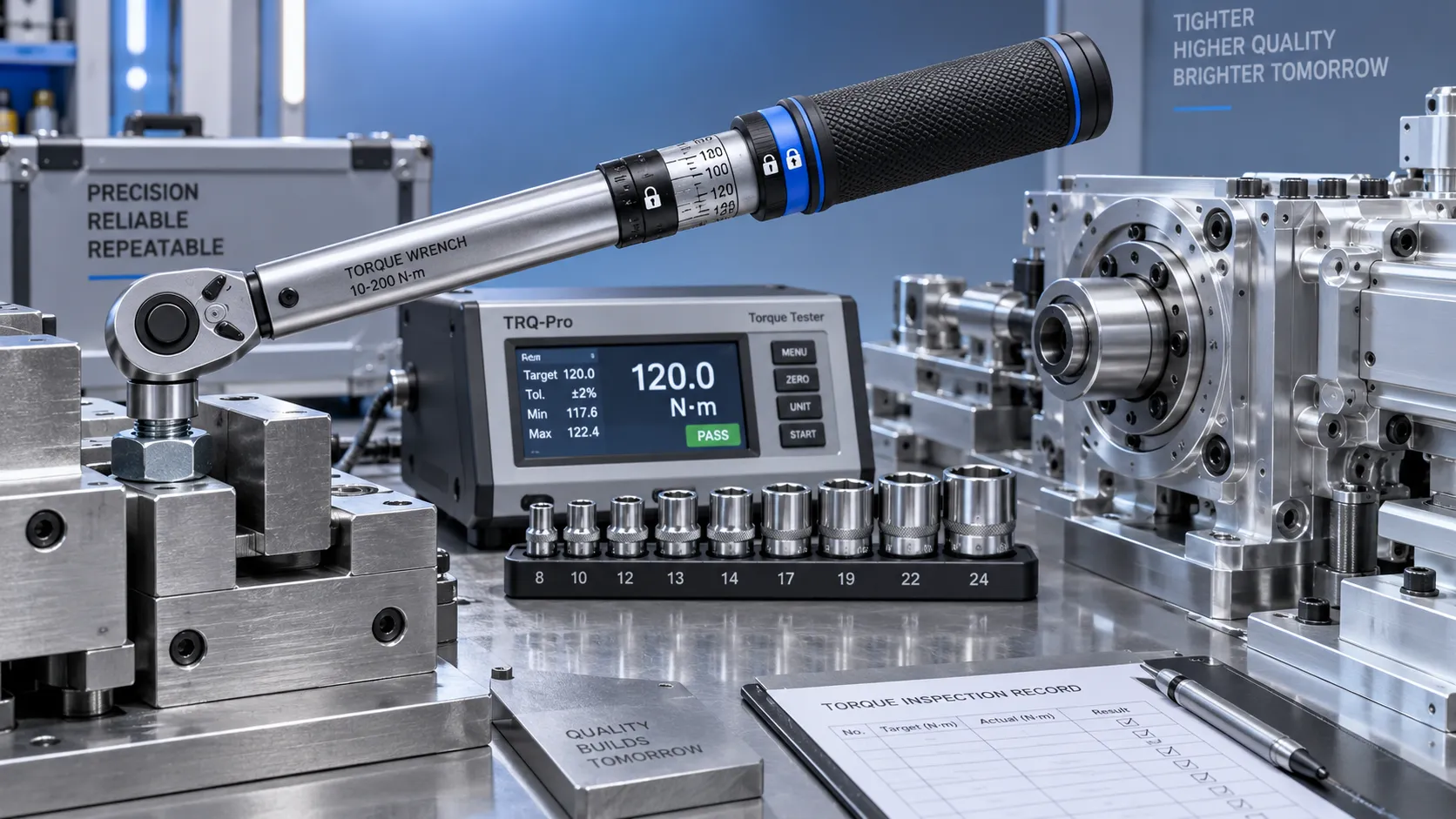
Selecting Adjustable Torque Tools for Repeatable Fastener Assembly
Adjustable torque tools: learn how to match range, accuracy, control methods, calibration, and ergonomics for repeatable, reliable fastener assembly.

How to Select Aerospace Inspection Tools for Aircraft Maintenance Tasks
Aerospace maintenance inspection tools: learn how to select reliable, traceable equipment for aircraft access, accuracy, calibration, and compliant maintenance decisions.

How to Select Wire Bonding Tools for Fine-Pitch Semiconductor Packaging
Explore semiconductor manufacturing tools for wire bonding and learn how to select precision solutions for fine-pitch packaging, reliable loops, accuracy, and yield.
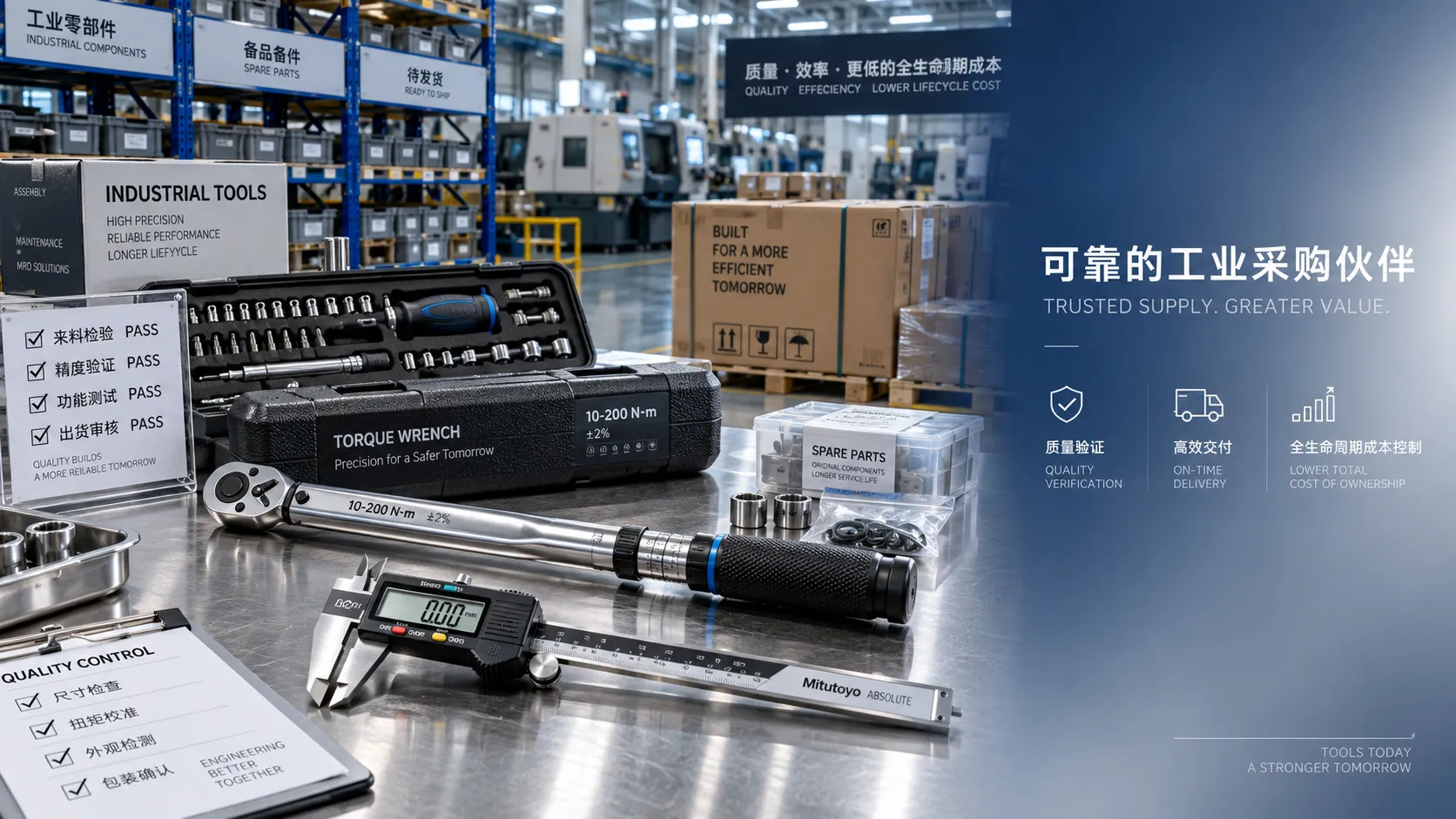
How to Compare Industrial Tool Suppliers for Quality, Lead Time, and Total Cost
Industrial tool selection supplier comparison made simple: evaluate quality, lead times, total cost, service, and supply resilience for confident sourcing decisions.
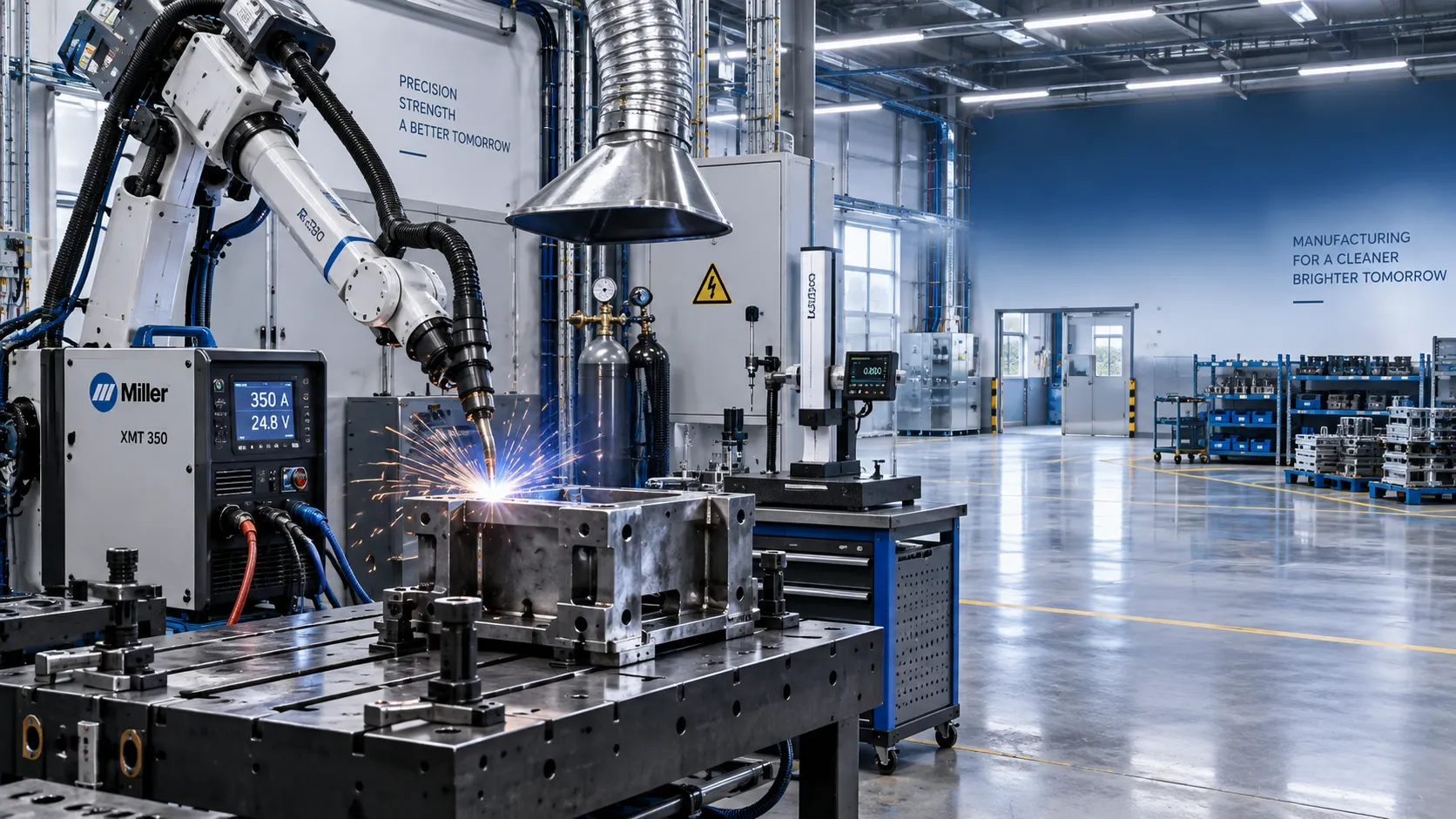
Industrial Equipment Application Guidance: Match Machines to Operating Conditions
Application guidance industrial equipment: match capacity, duty cycle, materials, site conditions, safety, and lifecycle cost to improve reliable output. Read the guide.

Selecting High-Speed Brushless Tool Motors for Torque, Heat, and Duty Cycle
High speed brushless tool motors: learn how to balance torque, heat, gearing, and duty cycle for reliable industrial tool performance and longer service life.
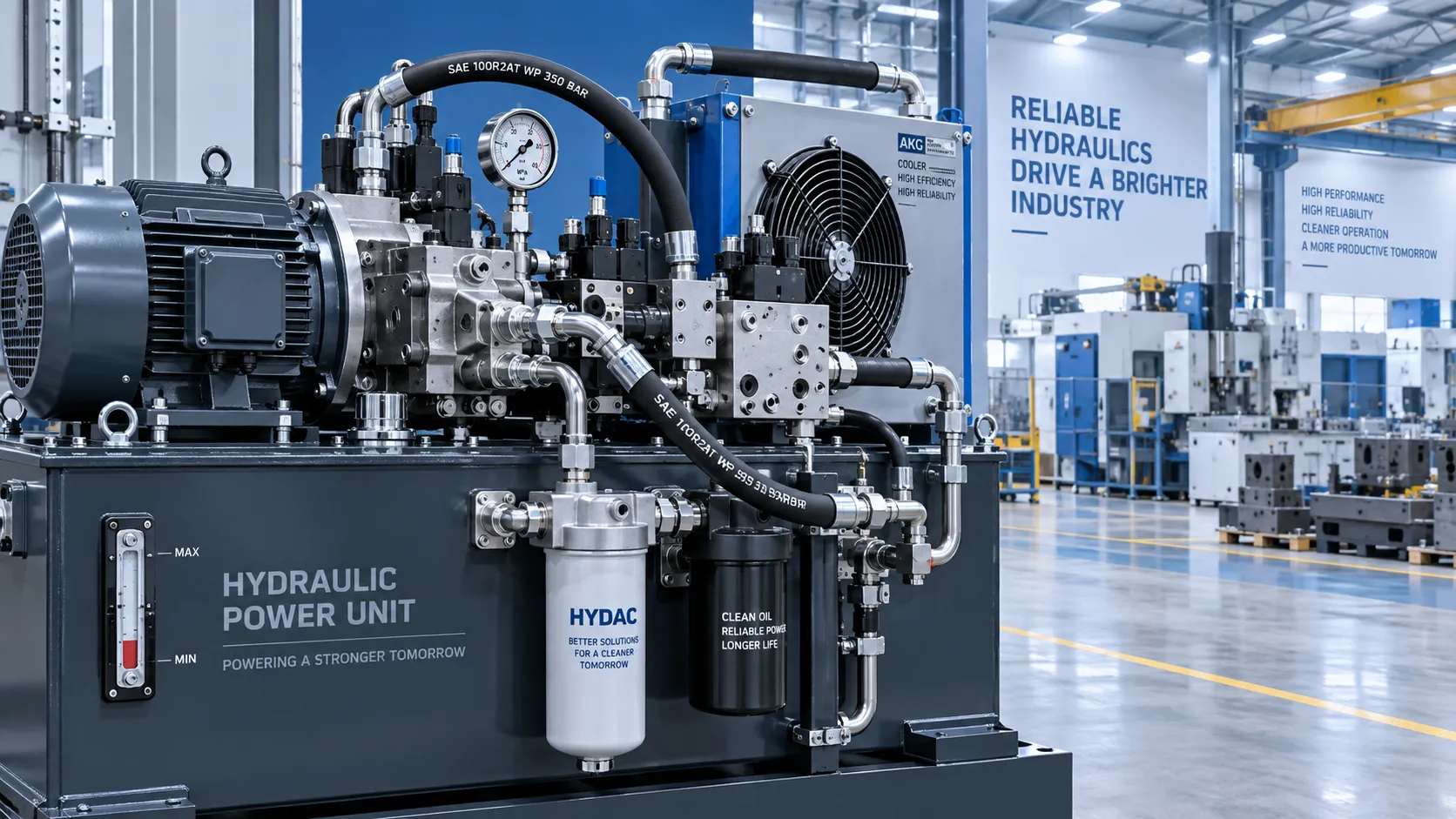
What Determines Industrial Hydraulic System Price for Heavy-Duty Equipment?
Industrial hydraulic system price depends on duty cycle, pressure, components, cooling, and integration. Compare quotes intelligently to secure reliable heavy-duty performance.
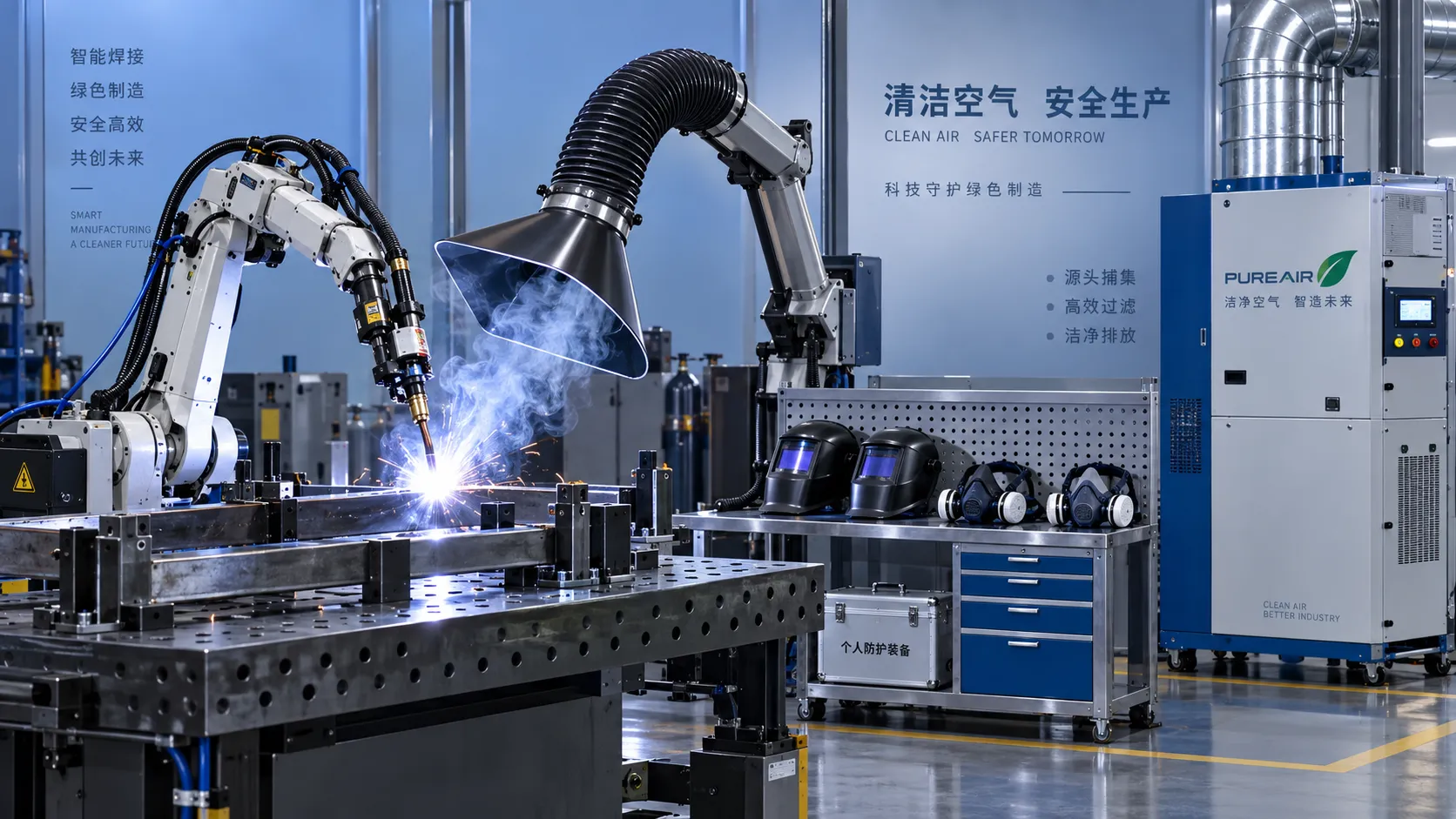
Welding Fume Extraction PPE: When Respirators Are Not Enough for Shop Safety
Welding fume extraction PPE: learn why respirators alone fall short and how source capture, ventilation, and layered controls improve shop safety.

How to Select Optical Metrology Solutions for Tight-Tolerance Manufacturing
Optical industrial metrology solutions for tight-tolerance manufacturing: evaluate accuracy, surface compatibility, workflow, and traceability to select with confidence.
Related News
- 00
0000-00
Selecting Adjustable Torque Tools for Repeatable Fastener Assembly - 00
0000-00
How to Select Aerospace Inspection Tools for Aircraft Maintenance Tasks - 00
0000-00
How to Select Wire Bonding Tools for Fine-Pitch Semiconductor Packaging - 00
0000-00
Industrial Equipment Application Guidance: Match Machines to Operating Conditions - 00
0000-00
Selecting High-Speed Brushless Tool Motors for Torque, Heat, and Duty Cycle
Prof. Marcus Chen
Weekly Insights
Stay ahead with our curated technology reports delivered every Monday.