
Industrial Solutions in Latin America: Key Growth Sectors and Market Entry Risks





It often starts with a practical question in a meeting room: a team sees demand signals in Mexico, Brazil, Colombia, or Chile, and the discussion quickly turns optimistic. Automotive parts are moving, infrastructure projects are visible, mining remains active, energy investment is being discussed, and local distributors seem open to new supply relationships. Then someone asks the harder question: if the region looks promising, why do so many industrial expansion plans slow down once due diligence begins?
That tension is common when evaluating industrial solutions Latin America opportunities. On paper, the region can look like a natural next step for industrial tools, welding systems, assembly equipment, hydraulic products, and precision measurement technologies. In practice, market entry decisions are rarely blocked by demand alone. The real difficulty usually comes from uneven regulations, import procedures that differ by country, local service expectations, currency pressure, and a gap between headline sector growth and actual route-to-market readiness. If you are trying to assess expansion potential without overcommitting resources too early, the useful work is not only identifying attractive sectors, but separating real operational fit from surface-level momentum.
Where the growth signals are strongest
One of the easiest mistakes is to treat Latin America as a single industrial market. It is not. Demand patterns, procurement behavior, and industrial maturity vary widely. Still, several sectors repeatedly come up during early evaluation because they create direct or indirect demand for metal joining, assembly efficiency, maintenance tools, and metrology.
Automotive and auto parts remain one of the clearest starting points in several countries. Even when final assembly is concentrated in specific hubs, the surrounding supplier ecosystem tends to support demand for torque-controlled tools, measuring devices, welding equipment, fixtures, maintenance products, and workshop consumables. The opportunity is not simply “sell into automotive.” The more realistic path is identifying whether demand sits with tiered suppliers, aftermarket repair networks, or maintenance contractors supporting production continuity.
Energy is another sector that attracts attention, but it should be broken down before anyone assumes a straightforward entry. Power generation, grid upgrades, oil and gas support activity, industrial electrification, and renewable installations create different requirements. In some settings, the need is for field-ready repair tools and joining equipment; in others, it is inspection accuracy, safety compliance, and spare-parts access. A broad energy label can hide very different procurement cycles and certification expectations.
Construction and infrastructure also continue to matter because they create layered demand. A project may drive direct purchases of hydraulic and power tools, but it can also support demand from metal fabricators, equipment maintenance workshops, and local industrial suppliers. For evaluation purposes, this sector is useful because it often reveals whether a market favors project-based purchasing, recurring maintenance demand, or distributor-led replenishment.
Mining and heavy industry deserve attention in countries where maintenance reliability matters more than low headline pricing. These environments can be attractive for durable industrial products, especially when downtime costs shape buying decisions. But they are also demanding markets. Buyers often expect technical support, parts availability, and proof that tools or systems can work under harsh conditions. A strong product category alone does not guarantee fit if local support capacity is weak.
Metalworking and general fabrication may not look as headline-friendly as large infrastructure or energy projects, yet they often provide one of the clearest windows into day-to-day industrial demand. Shops focused on repair, fabrication, and assembly usually respond directly to material cost shifts, labor constraints, and productivity pressure. If you are evaluating handheld welding, cutting, fastening, or precision measurement categories, this segment can reveal where adoption is practical rather than aspirational.
The first misread: growth does not equal easy entry
A common evaluation problem is assuming that visible industrial activity means market access will be straightforward. This is where many internal forecasts become too generous too early.
For example, a country may show strong industrial output or active project pipelines, yet imported equipment can still face difficult customs treatment, documentation complexity, or changing technical requirements. In another case, end-user demand may be real, but the local market may be controlled by distributor networks that are cautious about onboarding unfamiliar suppliers unless training, after-sales support, and inventory planning are already in place.
There is also the issue of procurement style. In some markets, relationships and reliability carry more weight than catalog breadth. In others, formal bidding and compliance documentation dominate. If an evaluation team only reviews macro trends and trade headlines, it may miss the operational habits that decide whether a product line can actually gain traction.
What usually needs to be checked before selecting a target country
When expansion discussions become stuck, it is often because the team is trying to decide too much at once. A more workable approach is to narrow the analysis to a few practical filters.
1. Is demand concentrated or fragmented?
If industrial demand is clustered around a few manufacturing zones or mining corridors, market entry can be staged more efficiently. Local warehousing, service coverage, and distributor selection become easier to model. If demand is geographically scattered, the cost of supporting customers rises fast, especially for products that require demonstration, calibration, repair, or technical troubleshooting.
2. Does the product depend on standards interpretation?
Welding equipment, electrical tools, measurement devices, and industrial safety-related categories can be affected by local certification rules, import labeling, voltage expectations, or documentation requirements. Even when a product is technically suitable, the commercial timeline can stretch if compliance preparation is incomplete. This is one reason some market entry plans look attractive in procurement conversations but stall before first shipment.
3. Who influences the buying decision?
In industrial categories, the buyer is not always the only decision-maker. A plant engineer, maintenance supervisor, distributor technical manager, or workshop owner may shape product acceptance long before procurement signs off. For precision tools and welding-related products, technical trust often matters as much as headline pricing. If your route to market ignores those influencers, demand can remain visible but inaccessible.
4. Is after-sales support a market expectation or a nice extra?
This question is more important than it sounds. In many industrial settings, buyers do not separate the product from the support structure around it. Spare parts, consumable continuity, troubleshooting speed, training material, and repair turnaround can all affect whether a distributor is willing to commit. For some categories, a technically strong product without local service logic is simply too risky for the channel.
The risks that tend to appear late, when they are most expensive
Several market-entry risks in Latin America are not hidden, but they are often underestimated because they emerge across functions rather than in one obvious line item.
Regulatory drift is one of them. Requirements do not always change dramatically, but interpretation, enforcement, and documentation expectations can shift enough to disrupt timing. Teams that rely on old market assumptions can discover too late that a planned shipment needs additional technical files, adjusted labeling, or revised importer arrangements.
Supply chain volatility is another. Even when customer demand is stable, lead times, port congestion, inland transport reliability, and inventory financing can reshape the economics of entry. This matters especially for industrial categories where downtime sensitivity pushes buyers toward suppliers that can replenish quickly. A pricing model built without realistic logistics assumptions often fails under routine pressure rather than crisis conditions.
Currency exposure is rarely just a finance issue. It influences distributor appetite, end-user stocking behavior, and contract negotiation. In markets where exchange-rate pressure is familiar, buyers may become conservative about premium categories unless product differentiation is clearly tied to reliability, productivity, or maintenance savings. If value communication is weak, purchasing behavior can shift toward lower-risk substitutions.
Channel conflict is also common. Many companies enter by signing a distributor too quickly, only to realize later that the partner already carries competing lines, lacks technical reach, or focuses on opportunistic trading rather than market development. The problem is not only overlap. It is misalignment between how the supplier expects the market to be built and how the local channel actually makes money.
Service credibility becomes a silent barrier in categories connected to assembly precision, welding safety, and measuring accuracy. Buyers may not reject a product directly. Instead, they delay, ask for more technical clarification, or prefer incumbent brands because those brands are seen as easier to support. This is one area where many market-entry plans lose momentum without a single dramatic failure.
A more grounded way to compare opportunities
If you are sorting several countries or sectors, it helps to stop asking “Where is the biggest market?” and start asking “Where can this product category be adopted with the least structural friction?” Those are not always the same place.
For industrial tools and joining technologies, a grounded comparison usually includes the following: whether local users understand the performance advantage being offered; whether distributors have technical sales capacity; whether spare parts and consumables can be supported; whether import procedures are manageable without creating long launch delays; and whether target sectors buy on short replacement cycles or long specification cycles.
This is also where reliable industry intelligence becomes more useful than broad enthusiasm. Sector news about raw material movements, export restrictions, evolving safety expectations in handheld laser welding, brushless motor efficiency limits in power tools, or intelligent torque control adoption can help refine the timing of entry. Not because such information predicts outcomes on its own, but because it reduces the chance of evaluating the market with outdated assumptions.
In practice, many teams benefit from combining sector trend tracking with a narrower commercial lens: where precision measuring instruments are becoming structurally necessary, where hydraulic equipment demand follows construction and maintenance activity, and where assembly or welding productivity pressures are strong enough to support product differentiation. That kind of intelligence does not replace field validation, but it makes field validation far more focused.
When a pilot entry makes more sense than a full launch
One recurring mistake is trying to prove the entire regional strategy in one move. If the category depends on technical education, service readiness, or local stocking logic, a pilot market often tells you more than a broad rollout.
A pilot does not mean choosing the largest country by default. It usually means choosing the market where channel structure, sector concentration, and support requirements are easiest to test. For example, if your product category requires training and demonstration, a smaller but more reachable industrial cluster may be more informative than a larger but highly fragmented market. If metrology or welding-related products require confidence in calibration, safety handling, or operator familiarity, the pilot should be built around support feasibility, not just demand estimates.
This approach also helps separate product-market fit from execution noise. If a launch struggles, you need to know whether the issue is pricing, technical positioning, compliance friction, distributor quality, or service readiness. A staged entry gives those signals more clearly than a wide launch where too many variables move at once.
Practical signs that a market is more ready than it first appears
Some positive indicators are easy to miss because they are not always reflected in top-level market narratives. One is when buyers ask detailed questions about maintenance intervals, measurement repeatability, safety handling, or energy efficiency rather than only initial price. Another is when distributors can discuss application scenarios instead of simply asking for a catalog and discount structure. Those moments suggest the market may be able to absorb technical differentiation.
Another encouraging sign is when demand is tied to ongoing operational needs rather than one-off project enthusiasm. Repair shops, industrial contractors, supplier networks around manufacturing hubs, and maintenance-heavy sectors often provide steadier adoption conditions than markets driven only by occasional large announcements. The opportunity may look smaller at first glance, but it is often easier to build.
Questions worth settling before moving forward
Before approving an entry plan, it helps to resolve a few uncomfortable questions directly. If customs timing extends, does the model still work? If a distributor sells well but offers weak technical support, is that acceptable for the category? If local buyers request training material, spare-parts logic, or calibration support, can those needs be met without improvisation? If the first target sector delays capital purchases, is there a nearby maintenance-driven segment that can carry the early phase?
These questions do not eliminate risk, but they force the evaluation toward operational reality. That is usually the point where better decisions are made.
The promise behind industrial solutions Latin America is real, especially where industrial upgrading, maintenance pressure, and sector diversification are creating room for better tools, joining methods, and measurement practices. But the region rewards careful sequencing more than broad assumptions. The strongest opportunities are rarely the ones with the loudest headlines. They are the ones where sector demand, channel capability, compliance readiness, and service logic line up well enough for a company to enter without guessing its way through the first year.
Related News
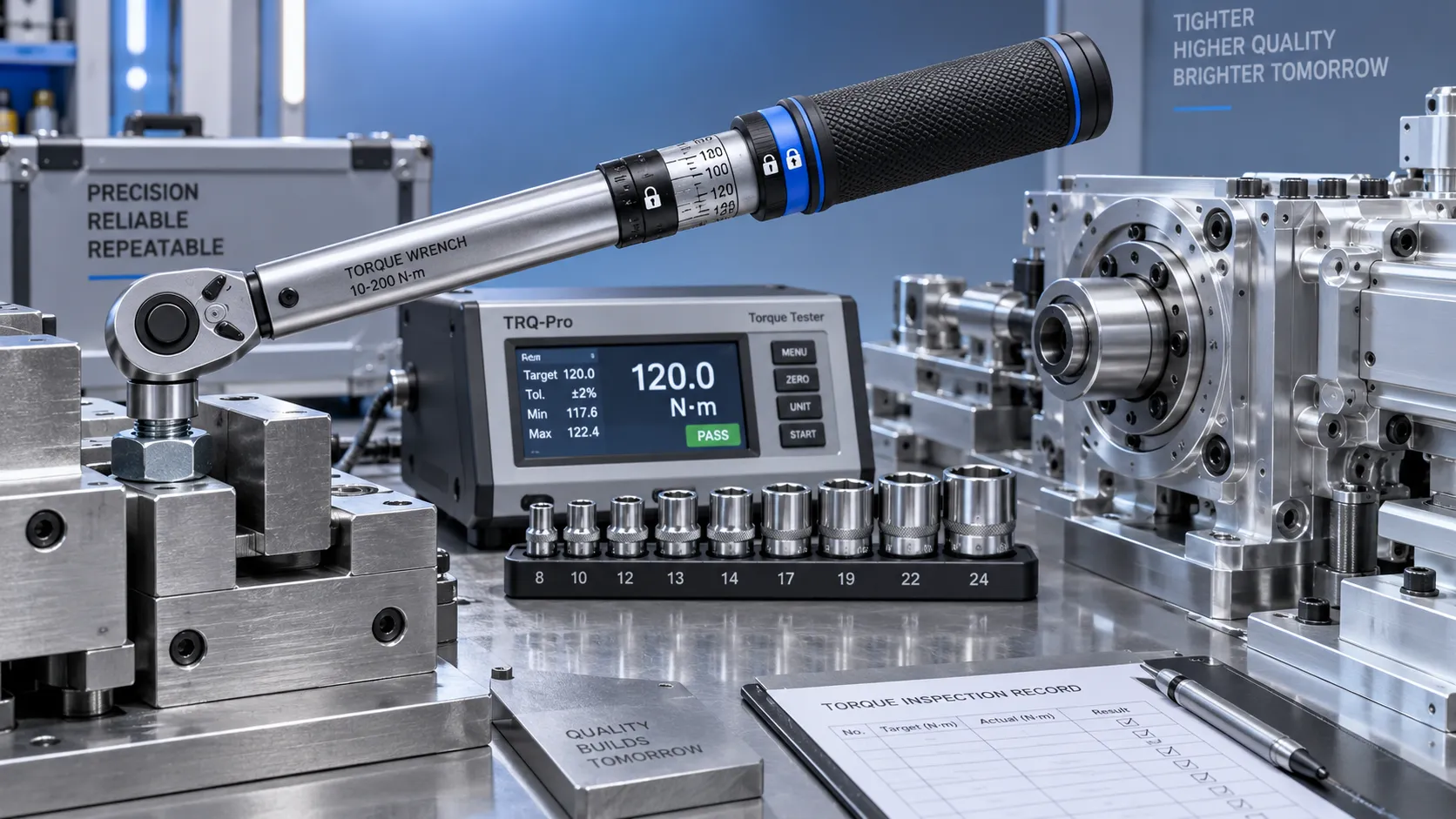
Selecting Adjustable Torque Tools for Repeatable Fastener Assembly
Adjustable torque tools: learn how to match range, accuracy, control methods, calibration, and ergonomics for repeatable, reliable fastener assembly.

How to Select Aerospace Inspection Tools for Aircraft Maintenance Tasks
Aerospace maintenance inspection tools: learn how to select reliable, traceable equipment for aircraft access, accuracy, calibration, and compliant maintenance decisions.

How to Select Wire Bonding Tools for Fine-Pitch Semiconductor Packaging
Explore semiconductor manufacturing tools for wire bonding and learn how to select precision solutions for fine-pitch packaging, reliable loops, accuracy, and yield.
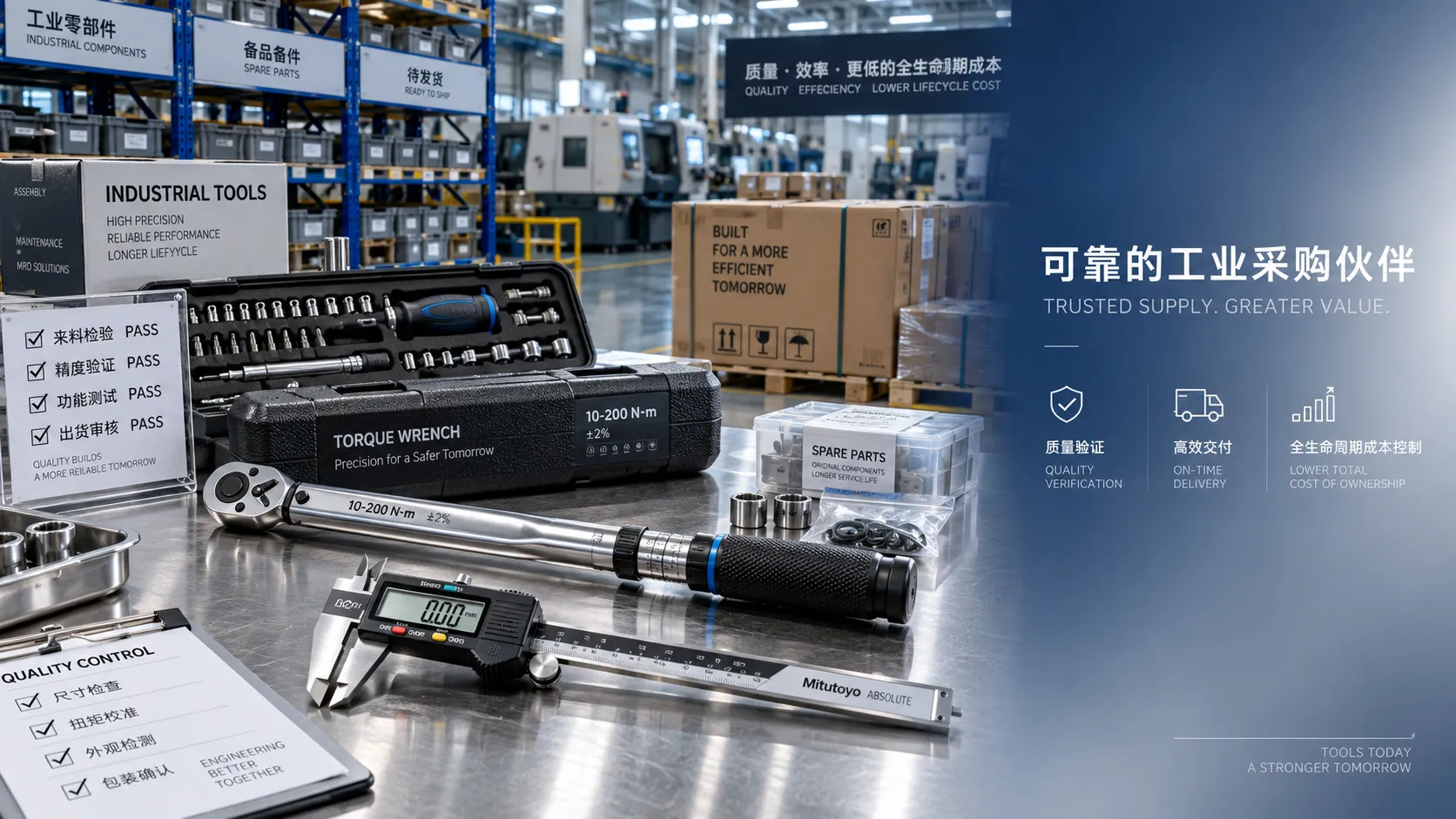
How to Compare Industrial Tool Suppliers for Quality, Lead Time, and Total Cost
Industrial tool selection supplier comparison made simple: evaluate quality, lead times, total cost, service, and supply resilience for confident sourcing decisions.

Industrial Equipment Application Guidance: Match Machines to Operating Conditions
Application guidance industrial equipment: match capacity, duty cycle, materials, site conditions, safety, and lifecycle cost to improve reliable output. Read the guide.
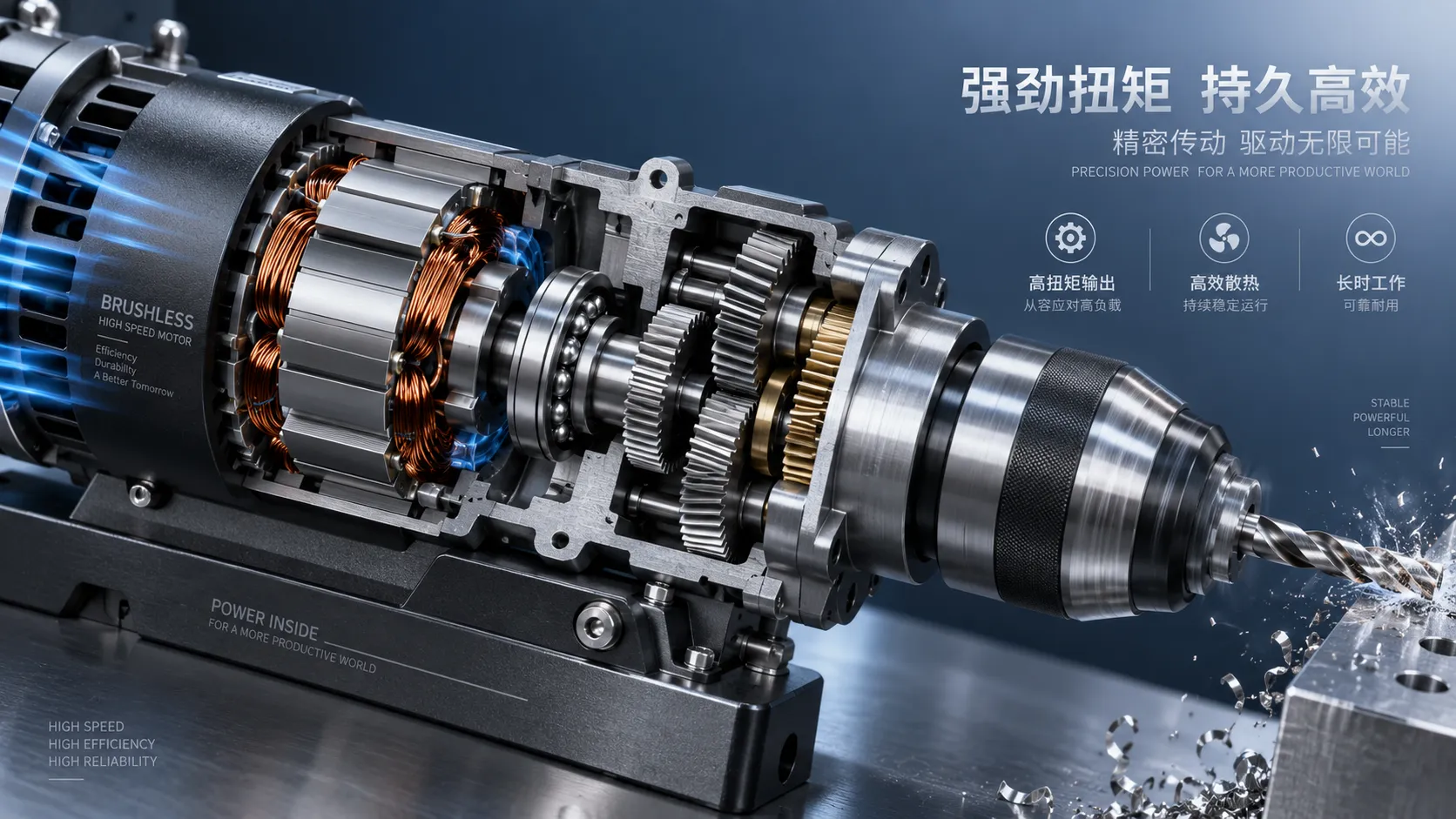
Selecting High-Speed Brushless Tool Motors for Torque, Heat, and Duty Cycle
High speed brushless tool motors: learn how to balance torque, heat, gearing, and duty cycle for reliable industrial tool performance and longer service life.
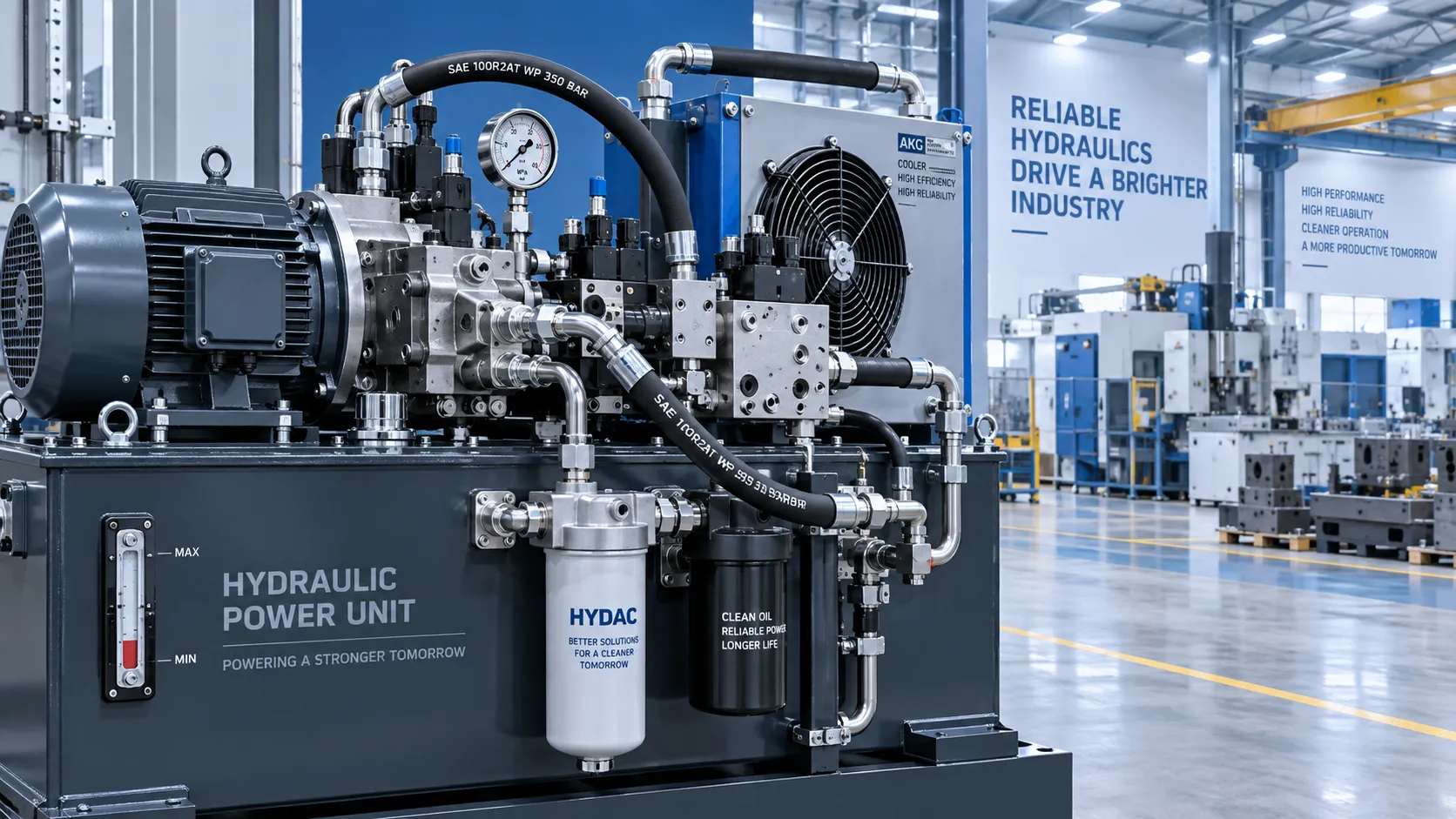
What Determines Industrial Hydraulic System Price for Heavy-Duty Equipment?
Industrial hydraulic system price depends on duty cycle, pressure, components, cooling, and integration. Compare quotes intelligently to secure reliable heavy-duty performance.

Welding Fume Extraction PPE: When Respirators Are Not Enough for Shop Safety
Welding fume extraction PPE: learn why respirators alone fall short and how source capture, ventilation, and layered controls improve shop safety.

How to Select Optical Metrology Solutions for Tight-Tolerance Manufacturing
Optical industrial metrology solutions for tight-tolerance manufacturing: evaluate accuracy, surface compatibility, workflow, and traceability to select with confidence.
Related News
- 00
0000-00
How Middle East Manufacturers Can Improve Production Efficiency Under Heat and Labor Constraints - 00
0000-00
Why Are Specification-Oriented Articles Gaining Traction in Europe’s B2B Markets? - 00
0000-00
Industrial Solutions in Latin America: Key Growth Sectors and Market Entry Risks - 00
0000-00
What Is Driving Manufacturing Efficiency in Europe’s Industrial Sectors? - 00
0000-00
Industrial Market Trends in 2025: What Buyers Should Watch Across Supply and Demand
Dr. Alistair Vaughn
Weekly Insights
Stay ahead with our curated technology reports delivered every Monday.