
What Is Driving Manufacturing Efficiency in Europe’s Industrial Sectors?





From energy costs and automation upgrades to stricter quality standards and supply chain pressure, manufacturing efficiency in Europe has become a defining priority for industrial leaders. Across sectors, companies are rethinking production through precision tools, smarter welding systems, metrology-led quality control, and data-driven decision-making. For business decision-makers, understanding these forces is essential to improving output, resilience, and long-term competitiveness in Europe’s evolving industrial landscape.
The more useful question is no longer whether European industry needs to become more efficient. That debate is over. The harder question is what kind of efficiency actually matters now, and which investments are translating into durable competitive advantage rather than short-lived cost relief.
In Europe, efficiency is being shaped by a combination of structural pressure and selective opportunity. Manufacturers are operating in an environment where energy remains strategically important, labor availability is uneven, quality expectations are rising, and geopolitical uncertainty continues to test supply continuity. At the same time, industrial buyers still expect shorter lead times, traceable quality, and compliance with increasingly demanding environmental and technical standards.
This is why manufacturing efficiency Europe is no longer a narrow shop-floor metric. It is becoming a strategic measure of how well companies convert capital, labor, materials, and data into reliable output under constraint.
Efficiency is being redefined beyond labor productivity
For years, efficiency discussions in manufacturing were often reduced to labor cost and machine utilization. That lens is too narrow for today’s European industrial sectors. A plant can run with high utilization and still perform poorly if it suffers from volatile energy intensity, inconsistent weld quality, excessive rework, weak traceability, or dependence on fragile suppliers.
In practice, the strongest European manufacturers are redefining efficiency around five linked dimensions: energy productivity, process stability, quality consistency, material yield, and operational responsiveness. This matters across automotive, machinery, fabricated metal products, aerospace supply chains, electrical equipment, and construction-related manufacturing.
The shift is significant because it changes investment logic. A company may no longer prioritize the cheapest automation upgrade. It may instead prioritize the one that reduces scrap, lowers inspection uncertainty, improves repeatability, and shortens recovery time when demand patterns shift.
Energy remains one of the most powerful efficiency drivers
Energy cost volatility has forced European manufacturers to look more closely at how value is created at the process level. Sectors with heat-intensive or power-intensive operations have been especially exposed, but even precision assembly and light industrial processing have had to reassess equipment efficiency, compressed air losses, standby consumption, and process routing.
This has pushed companies toward several practical responses:
- Replacing older motors and drive systems with more efficient alternatives
- Re-evaluating welding and thermal joining methods for lower energy input per acceptable part
- Improving fixture design and cycle planning to cut idle time
- Using real-time monitoring to identify hidden consumption during non-productive periods
- Aligning production scheduling more tightly with energy price patterns where operationally feasible
What matters here is that energy efficiency is no longer treated as an environmental side project. It is increasingly tied to production margin, quotation accuracy, and customer retention. In highly competitive sectors, manufacturers that cannot control process energy intensity may find it harder to defend pricing without eroding profitability.
This is also affecting equipment selection. Decision-makers are paying more attention to lifecycle operating cost rather than simply initial purchase price. In tooling, welding equipment, and metrology systems, the buying conversation is becoming more analytical: How much downtime does this reduce? How much operator variation does it eliminate? How much rework does it prevent over three to five years?
Automation is moving from scale play to precision play
Europe’s automation story is often told as a response to labor shortages, and that is partly true. But the more important trend is that automation is being adopted not only to replace labor, but to stabilize output under complex quality requirements.
That distinction matters. In many industrial sectors, especially those with smaller batch sizes, product variation, or strict compliance demands, the value of automation lies in repeatability. Smart torque systems, guided fastening, robotic welding cells, adaptive vision inspection, and digitally linked measurement stations are helping manufacturers reduce variation that manual processes struggle to control consistently.
For business leaders, this creates a more nuanced investment landscape. Not every automation project delivers the same return. The projects gaining traction tend to share three characteristics:
- They target a measurable bottleneck, not automation for its own sake
- They connect with quality data and process feedback, rather than operating in isolation
- They improve resilience by reducing dependence on hard-to-replace skills at the most sensitive process steps
This is particularly visible in welding and joining operations. Automated or semi-automated systems are attractive not simply because they run faster, but because they can reduce defect rates, improve bead consistency, support traceability, and make output less dependent on operator-to-operator variability. In sectors where a failed joint can trigger expensive downstream issues, that kind of efficiency is far more valuable than raw speed.
Metrology is becoming a profit tool, not just a quality function
One of the most important but often underappreciated drivers of manufacturing efficiency in Europe is the rise of metrology-led process control. Quality inspection used to sit at the end of production for many firms. The trend now is to bring measurement closer to the process itself.
This has direct economic implications. If measurement only confirms failure after the fact, efficiency gains remain limited. If measurement data is used to adjust process parameters earlier, manufacturers can reduce scrap, prevent drift, and protect throughput.
In European sectors facing tighter tolerance demands, this is becoming standard practice rather than a premium feature. Precision measuring tools, in-line inspection, calibration discipline, and digital data capture are all becoming part of the efficiency architecture.
For executives, the key point is simple: better metrology reduces uncertainty. And in manufacturing, uncertainty is expensive. It creates hidden inventory buffers, longer validation cycles, more customer complaints, slower root-cause analysis, and avoidable warranty exposure.
Companies that still treat metrology as an isolated lab activity may underestimate how much operational value is being lost between production and quality assurance.
Supply chain pressure is changing how efficiency is calculated
European manufacturers are also recalculating efficiency because supply risk has changed the cost of interruption. Lean production still matters, but pure lean logic is being tempered by resilience logic.
That means efficiency is no longer judged only by how little inventory a company holds. It is increasingly judged by how effectively a company protects throughput when material lead times stretch, component approvals change, or logistics routes become unreliable.
This is especially relevant in sectors dependent on specialty metals, electronic components, industrial gases, and certified consumables. A production line that looks efficient on paper can become deeply inefficient if a single constrained input stops shipment for weeks.
As a result, many firms are acting on several fronts:
- Dual-sourcing selected critical inputs
- Reassessing supplier geography and compliance reliability
- Standardizing components where product design allows
- Increasing visibility into tier-two and tier-three supply risk
- Investing in process flexibility so alternative materials or components can be validated faster
This trend matters for cross-border trade as well. Export-oriented companies selling into Europe are increasingly being judged not only on price and technical performance, but on delivery predictability, documentation quality, and the ability to support compliance without delay.
Stricter standards are pushing efficiency toward traceability and process discipline
Another major driver is the tightening relationship between efficiency and compliance. Across European industrial markets, manufacturers are operating under strong pressure to document process integrity, product consistency, worker safety, and environmental performance.
The exact rules vary by sector and application, and some details may require case-specific verification, but the direction is clear: traceability is becoming inseparable from efficiency. This includes welding parameter records, measurement history, calibration status, material certificates, and process documentation needed for customer audits or regulated applications.
Many companies still view documentation as administrative overhead. In reality, poor traceability creates production drag. It slows approvals, complicates claims handling, extends audit preparation, and makes non-conformance investigations more expensive. In that sense, compliance maturity is increasingly an efficiency issue.
This is one reason digital process integration continues to gain attention. When torque tools, welding systems, measurement devices, and production software share usable data, firms are better positioned to demonstrate control rather than reconstruct it after a problem appears.
Workforce constraints are making usability and training part of efficiency strategy
Europe’s workforce challenge is not just about headcount. In many sectors, it is about skill depth, aging expertise, and the time required to bring newer operators to consistent performance.
That has changed what buyers value in industrial equipment and process design. Ergonomics, user guidance, simplified interfaces, preset parameters, safety features, and reduced setup complexity are no longer secondary considerations. They influence productivity directly.
Handheld and semi-automated industrial tools offer a clear example. A tool or welding system that reduces operator fatigue, lowers adjustment error, or shortens training time can improve effective capacity without adding shifts or major capital equipment. The same logic applies to digital work instructions and intelligent assembly systems that reduce the burden on tribal knowledge.
For management, the implication is practical: efficiency investments should be tested against workforce reality. A technically advanced system that requires rare expertise may create dependency rather than resilience. A slightly less sophisticated system with stronger usability and faster adoption may produce better long-term economics.
Sector differences still matter
Not all industrial sectors in Europe are responding in the same way. Automotive manufacturing continues to push hard on automation, traceability, and high-volume consistency, but it is also dealing with platform transition pressures tied to electrification. Aerospace and high-spec engineering sectors remain heavily quality-driven, where the cost of error outweighs the benefit of chasing speed alone. Fabricated metal and general machinery producers often face the toughest balancing act, because they need flexibility, cost discipline, and process reliability in mixed-volume environments.
Construction-related manufacturing and maintenance markets show another pattern. Here, efficiency often depends on portability, ruggedness, serviceability, and field-compatible precision rather than only factory automation. That is why the broader industrial tool ecosystem, including metrology instruments, joining equipment, and hydraulic or torque-related systems, remains central to the European efficiency story.
The lesson for decision-makers is that benchmarking should be selective. Copying another sector’s efficiency model can produce poor results if product mix, certification burden, and labor structure are different.
Where the next gains are likely to come from
The next phase of manufacturing efficiency Europe is unlikely to be defined by a single breakthrough. It will probably come from layered improvements that connect physical processes with better decision quality.
Several areas deserve close attention:
- Process-level data that operators and supervisors can act on in real time
- Smarter joining and fastening systems that improve repeatability while reducing training dependency
- Metrology integration that moves quality correction upstream
- Energy-aware production planning linked to asset performance
- Supplier qualification models that account for resilience, not just price
There is also a competitive implication. Firms that treat efficiency as a strategic operating system will widen the gap over those that continue to manage it as a collection of isolated improvement projects. The difference will show up in quote reliability, margin protection, customer retention, and speed of adaptation when external conditions shift.
What decision-makers should watch carefully
Three mistakes are common in the current environment. The first is assuming that automation automatically creates efficiency. Without process discipline and usable data, it can simply accelerate inconsistency. The second is focusing too narrowly on labor savings while ignoring quality cost, energy intensity, and downtime exposure. The third is underestimating the role of measurement and documentation in customer trust and operational control.
European manufacturing is not moving toward a low-cost model. It is moving toward a high-control model. That means efficiency will increasingly favor companies able to combine precision, traceability, adaptable processes, and disciplined capital allocation.
For executives evaluating their next move, the most important question may be this: where is inefficiency actually being created in the business today? In machine time, in energy use, in operator variation, in poor measurement feedback, in supplier instability, or in compliance friction? Until that is answered clearly, investment decisions remain too generic.
The manufacturers likely to outperform in Europe over the next few years will not necessarily be the ones with the biggest digital transformation narratives. They will be the ones that understand efficiency as a business capability built at the intersection of process engineering, quality control, workforce practicality, and supply chain discipline.
Related News
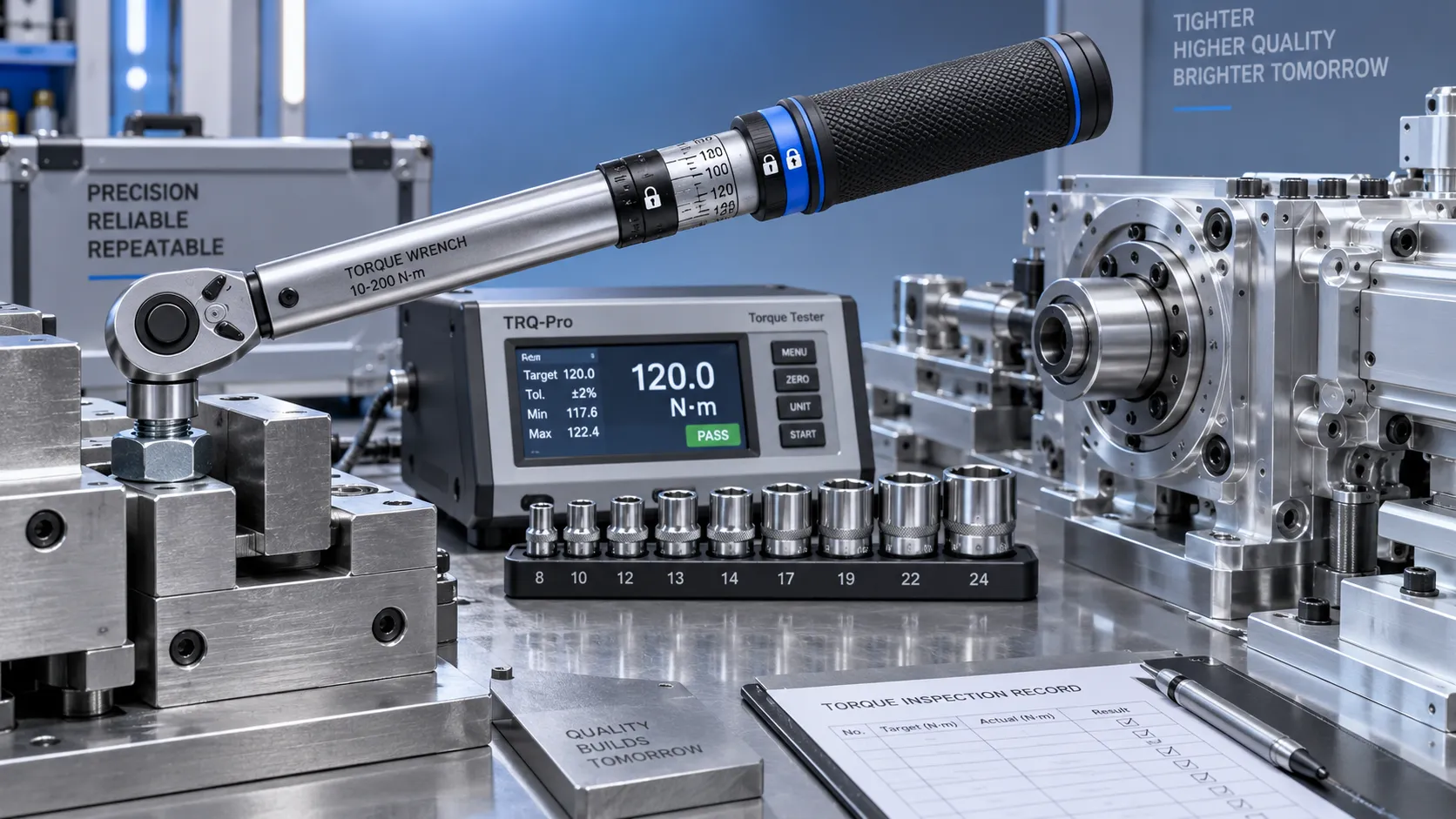
Selecting Adjustable Torque Tools for Repeatable Fastener Assembly
Adjustable torque tools: learn how to match range, accuracy, control methods, calibration, and ergonomics for repeatable, reliable fastener assembly.

How to Select Aerospace Inspection Tools for Aircraft Maintenance Tasks
Aerospace maintenance inspection tools: learn how to select reliable, traceable equipment for aircraft access, accuracy, calibration, and compliant maintenance decisions.
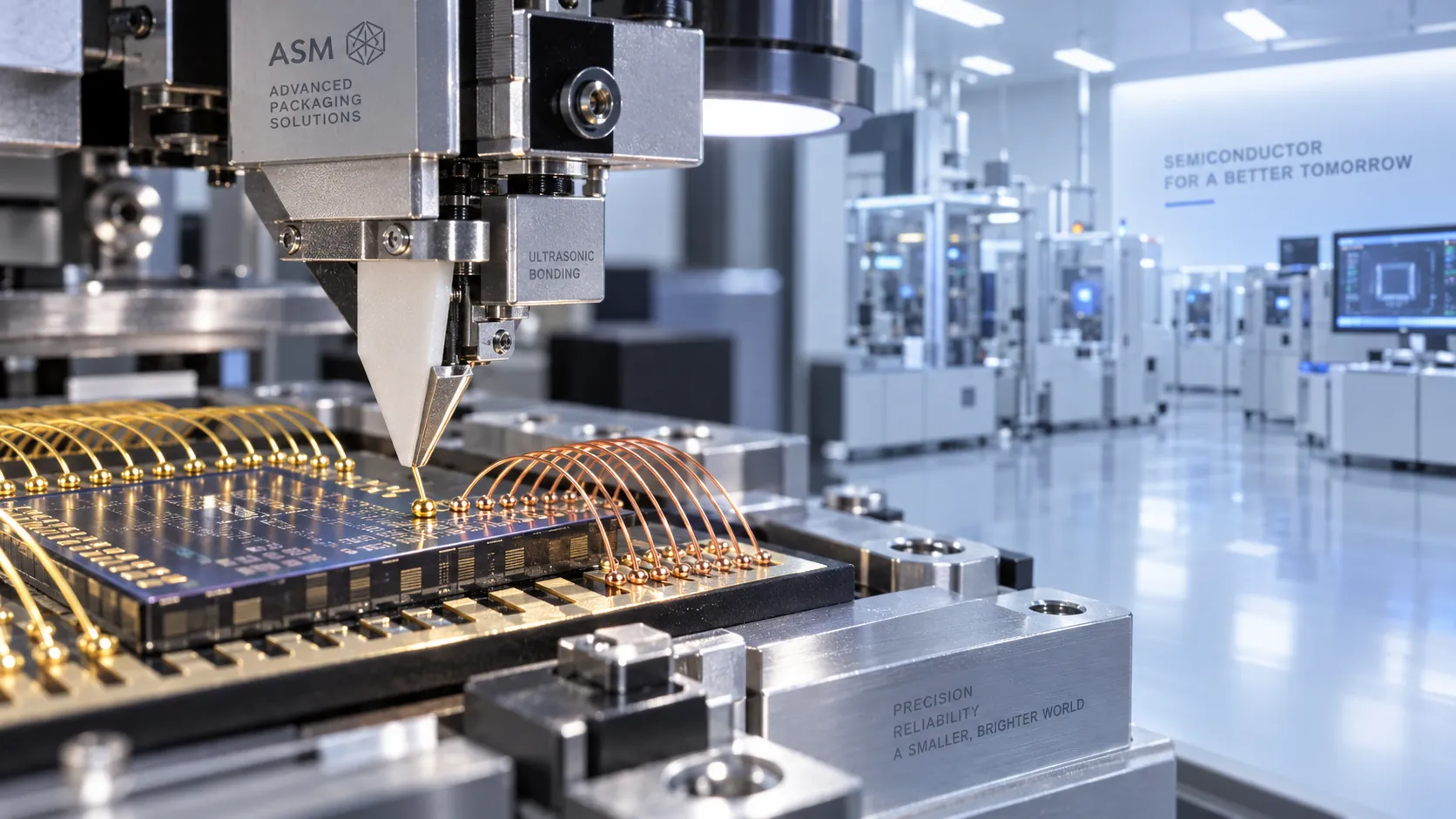
How to Select Wire Bonding Tools for Fine-Pitch Semiconductor Packaging
Explore semiconductor manufacturing tools for wire bonding and learn how to select precision solutions for fine-pitch packaging, reliable loops, accuracy, and yield.
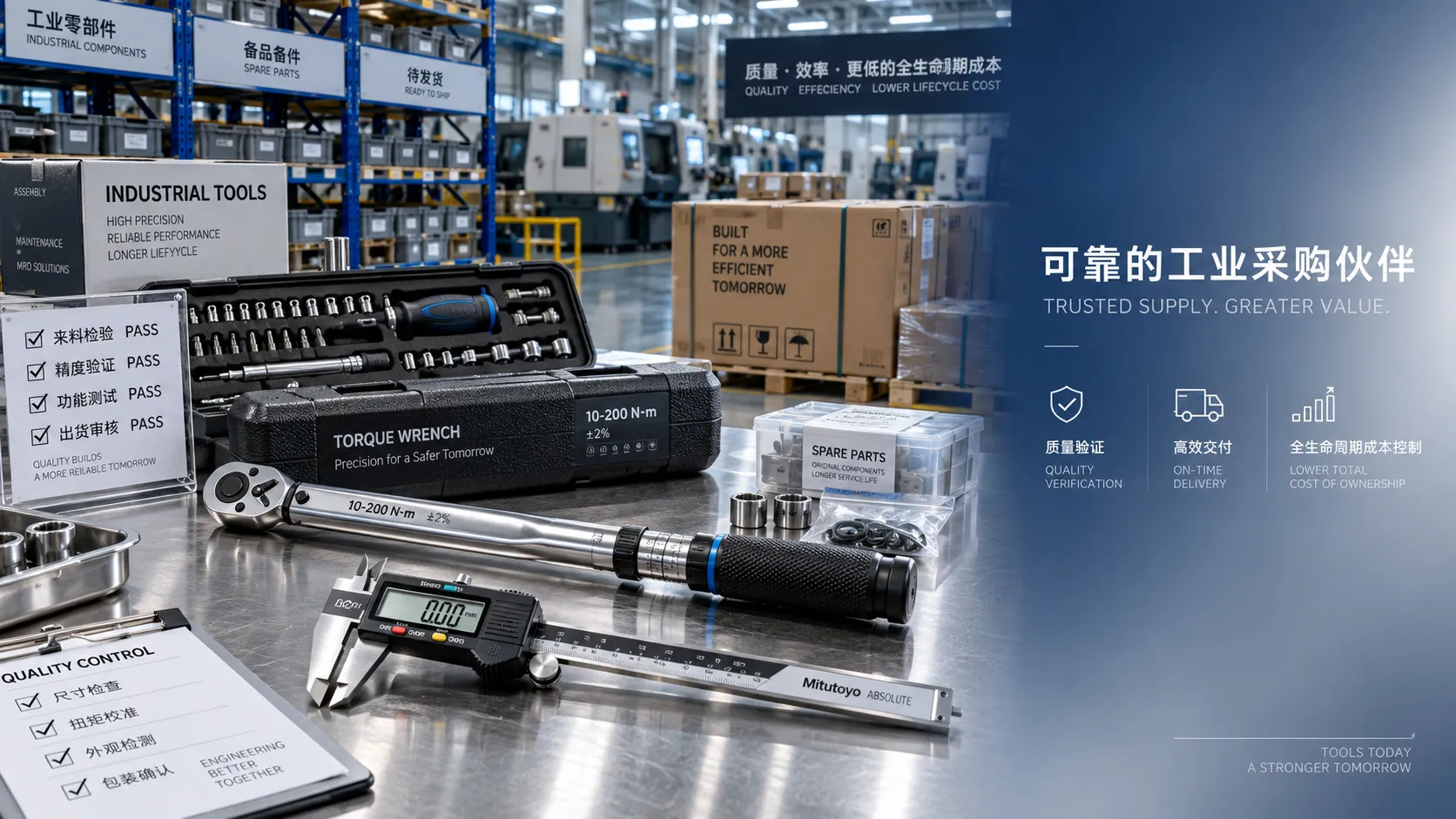
How to Compare Industrial Tool Suppliers for Quality, Lead Time, and Total Cost
Industrial tool selection supplier comparison made simple: evaluate quality, lead times, total cost, service, and supply resilience for confident sourcing decisions.
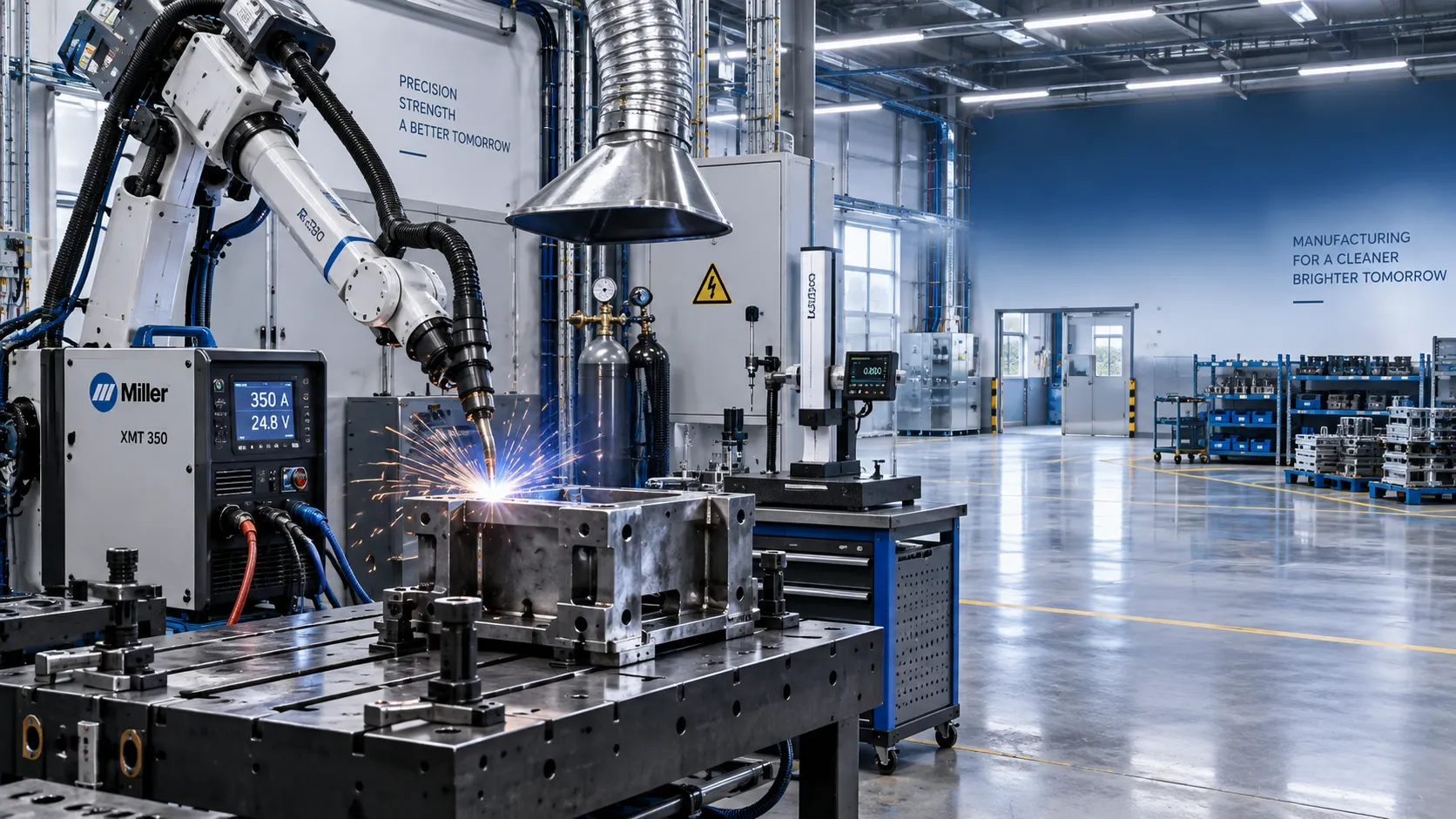
Industrial Equipment Application Guidance: Match Machines to Operating Conditions
Application guidance industrial equipment: match capacity, duty cycle, materials, site conditions, safety, and lifecycle cost to improve reliable output. Read the guide.
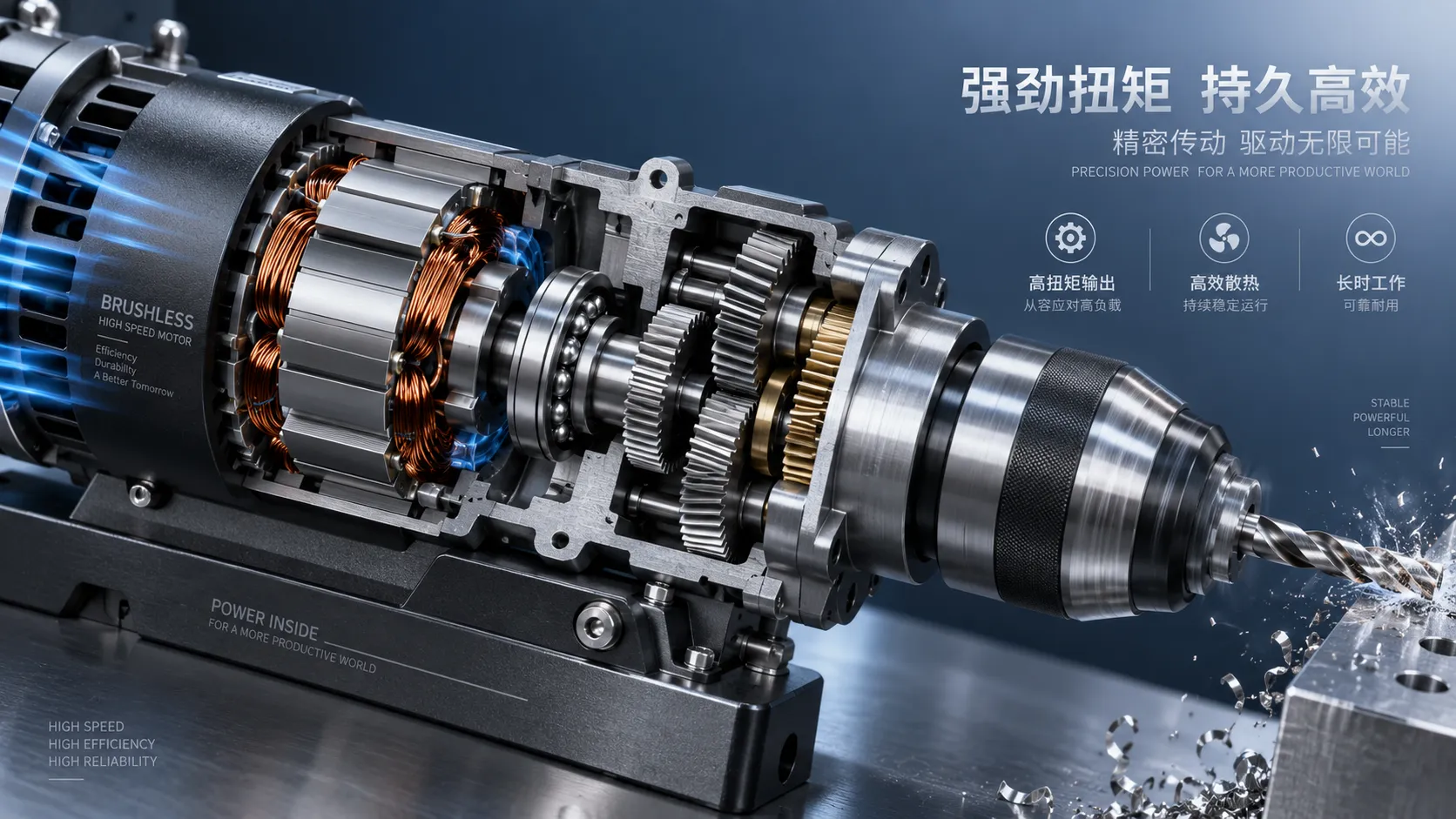
Selecting High-Speed Brushless Tool Motors for Torque, Heat, and Duty Cycle
High speed brushless tool motors: learn how to balance torque, heat, gearing, and duty cycle for reliable industrial tool performance and longer service life.
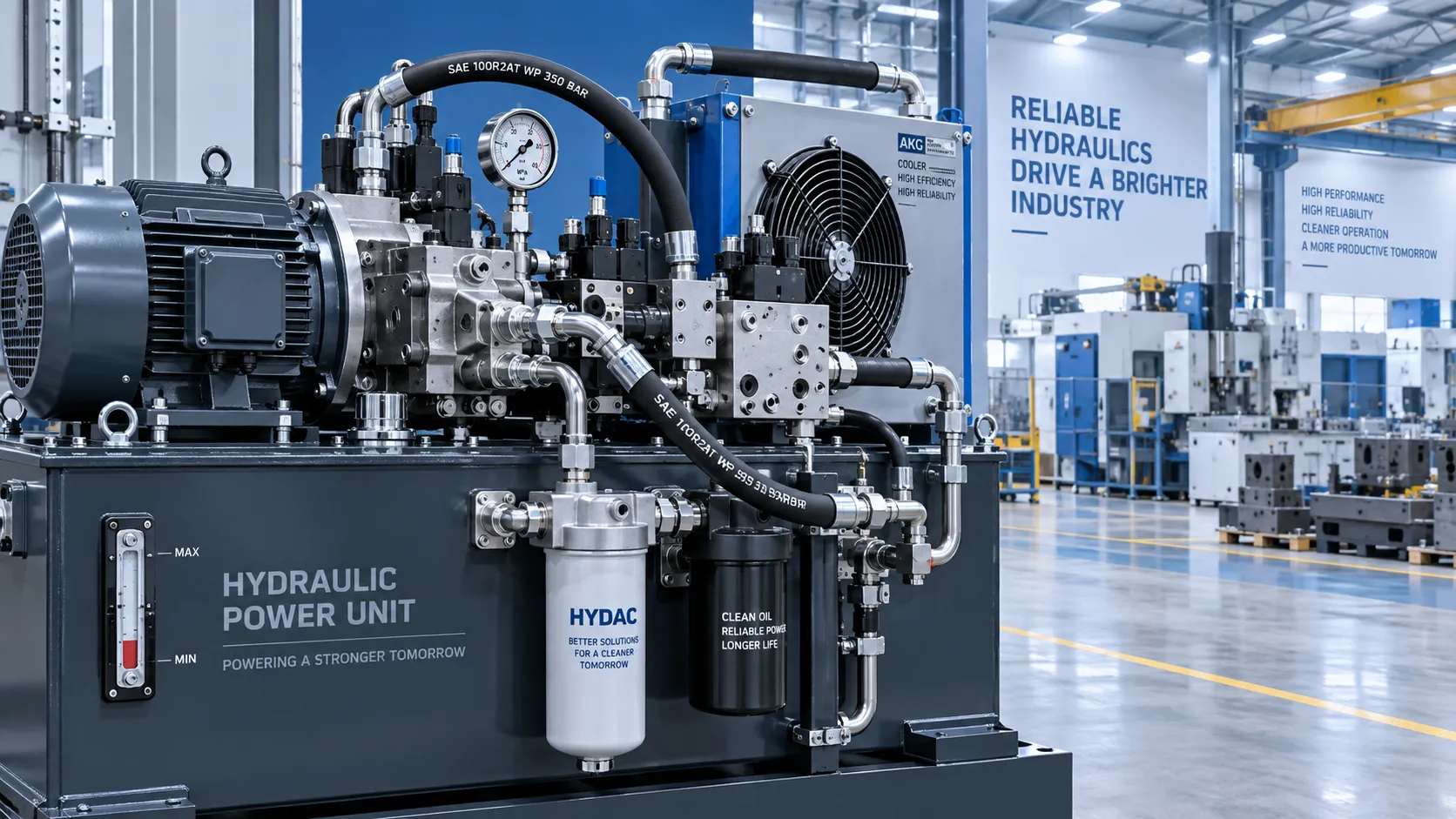
What Determines Industrial Hydraulic System Price for Heavy-Duty Equipment?
Industrial hydraulic system price depends on duty cycle, pressure, components, cooling, and integration. Compare quotes intelligently to secure reliable heavy-duty performance.
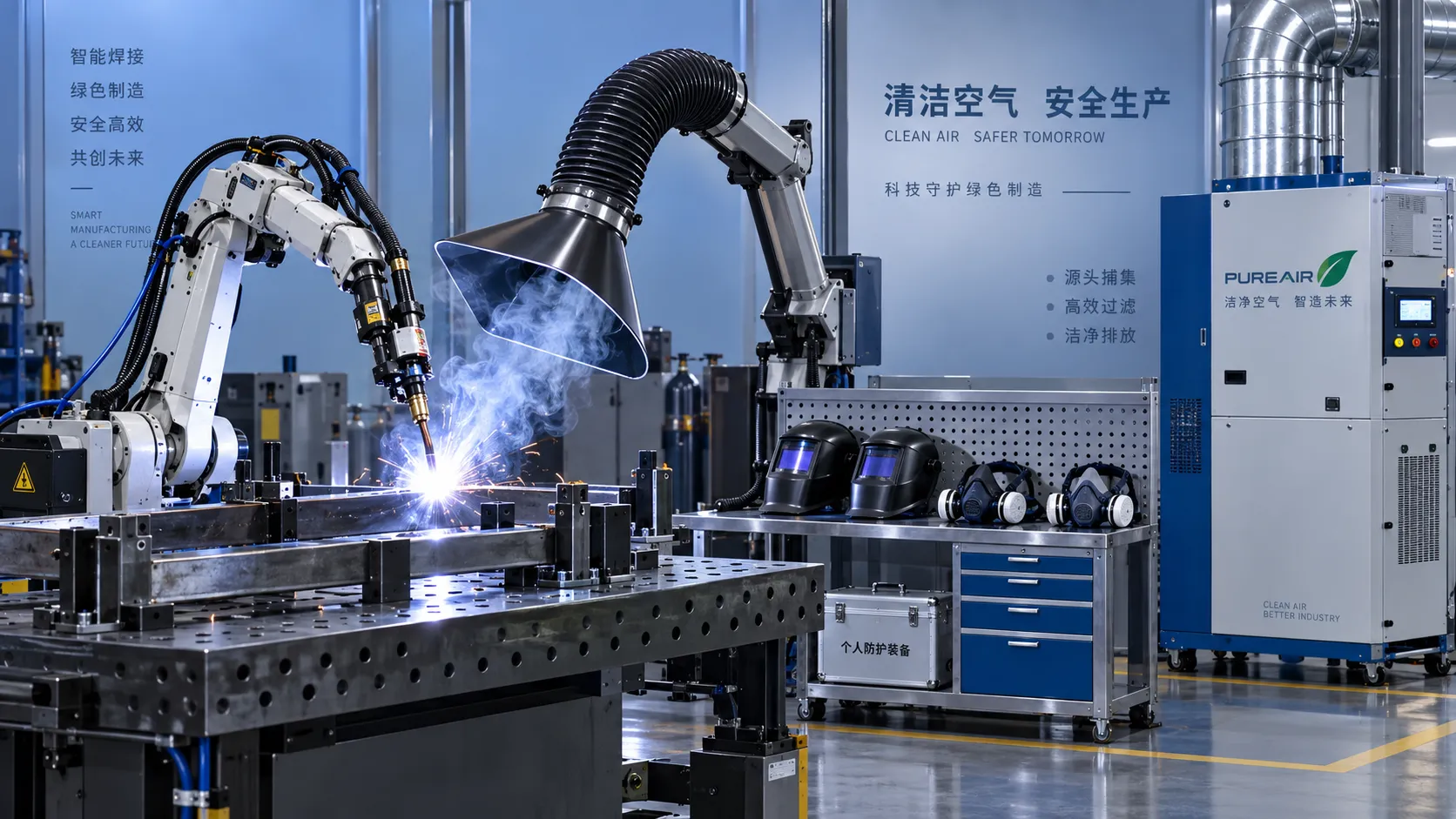
Welding Fume Extraction PPE: When Respirators Are Not Enough for Shop Safety
Welding fume extraction PPE: learn why respirators alone fall short and how source capture, ventilation, and layered controls improve shop safety.
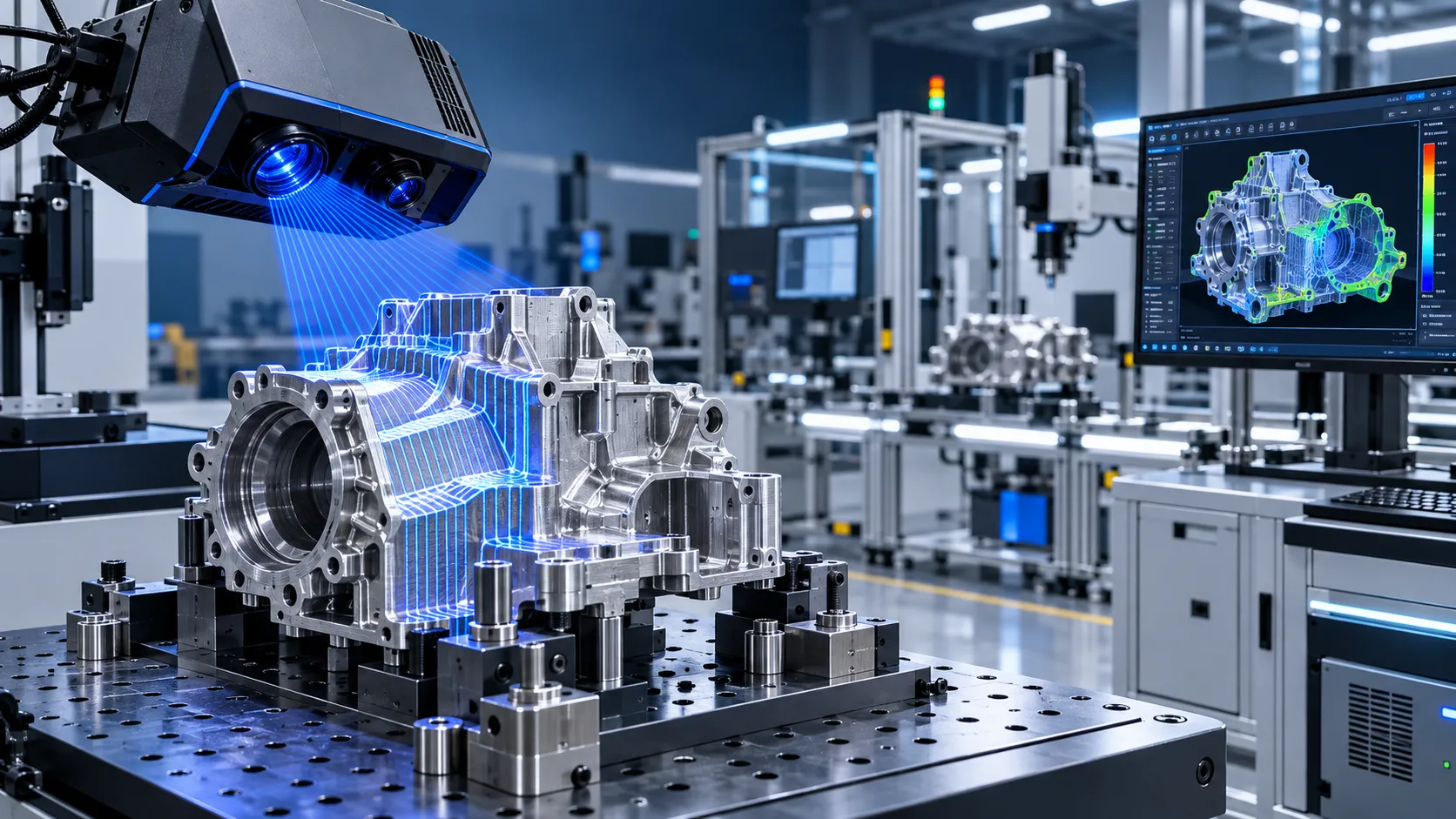
How to Select Optical Metrology Solutions for Tight-Tolerance Manufacturing
Optical industrial metrology solutions for tight-tolerance manufacturing: evaluate accuracy, surface compatibility, workflow, and traceability to select with confidence.
Related News
- 00
0000-00
How Middle East Manufacturers Can Improve Production Efficiency Under Heat and Labor Constraints - 00
0000-00
Why Are Specification-Oriented Articles Gaining Traction in Europe’s B2B Markets? - 00
0000-00
Industrial Solutions in Latin America: Key Growth Sectors and Market Entry Risks - 00
0000-00
What Is Driving Manufacturing Efficiency in Europe’s Industrial Sectors? - 00
0000-00
Industrial Market Trends in 2025: What Buyers Should Watch Across Supply and Demand
Dr. Alistair Vaughn
Weekly Insights
Stay ahead with our curated technology reports delivered every Monday.