
Why Are Specification-Oriented Articles Gaining Traction in Europe’s B2B Markets?





In many European industrial categories, specification-oriented articles Europe buyers search for are no longer a niche content format. They are becoming a practical tool for vendor screening, technical comparison, and internal approval. If you are evaluating tools, welding systems, measuring devices, or other industrial equipment, the reason is simple: broad marketing copy does not reduce risk, but specifications often do. In a market shaped by cross-border sourcing, compliance pressure, and tighter margin control, decision-makers want content that helps them check fit, not just notice a brand.
A short answer is this: specification-led content is gaining traction because it matches how European B2B purchases are actually made. Buyers need measurable information, traceable claims, and language that can survive legal, technical, and procurement review.
Why the Market Is Pulling Toward Technical, Specification-Led Content
A lot of people still assume content works mainly as a top-of-funnel branding tool. That may be true in some consumer markets. It is much less true when an industrial buyer in Germany is comparing torque control systems, a distributor in Italy is checking certification language, or a maintenance team in the Netherlands is trying to avoid downtime caused by a poor equipment match.
In those cases, the article that wins attention is usually the one that answers concrete questions:
- What standard does this product meet?
- Under what operating conditions was performance measured?
- What are the dimensional limits, tolerances, duty cycles, or material compatibility factors?
- Is the claim relevant across multiple EU markets, or only in one local context?
That is the real driver behind the rise of specification-oriented content. The audience is not only looking for information. They are looking for usable evidence.
Europe amplifies this pattern because buying is often fragmented across languages, countries, and approval structures. A sales conversation may begin with a commercial team, but it often ends with a technical manager, compliance contact, and finance reviewer. General claims tend to lose force at each step. Specifics travel better.
Specification-Oriented Articles Europe Markets Reward for a Reason
There is also a structural reason this format performs well: European B2B buyers are used to comparing documented differences, not just promised outcomes.
Take industrial assembly, welding, or precision metrology. A buyer may care about operator safety, calibration stability, energy efficiency, ergonomic design, service intervals, or export restrictions. None of these topics can be handled well with vague copy. They require context, conditions, and limitations.
That last point matters. Good specification-oriented articles do not just present numbers. They explain what the numbers mean in real use.
For example, saying a tool has higher output is weak unless the article also clarifies the duty cycle, substrate, temperature range, or workload type behind that result. Saying a measuring instrument is highly accurate is incomplete unless the reader can understand repeatability, calibration requirements, and the environment in which that accuracy holds. Experienced buyers notice these gaps immediately.
So the traction is not coming from keyword habits alone. It is coming from a mismatch between old-style industrial marketing and modern evaluation behavior.
The Trust Problem in Cross-Border B2B Buying
One of the most overlooked reasons for this trend is trust friction.
European buyers often review offers from suppliers outside their home market. That can create uncertainty even when the product itself is competitive. The concern is not always quality. Often it is documentation quality, interpretation risk, and whether claims are being translated consistently across markets.
Specification-oriented articles help reduce that friction because they create a more stable reference point. When content is built around standards, test parameters, product classes, and application boundaries, it gives evaluators something they can compare internally. That makes the article useful even before a formal quotation arrives.
This is especially important in categories where product failure has operational consequences. In welding, precision measurement, hydraulic systems, and powered tools, a wrong choice can affect safety, throughput, maintenance cost, or audit readiness. Buyers in these sectors are not simply looking for persuasive language. They are filtering for decision confidence.
Why Business Evaluators Prefer This Format
Many business evaluators are under a practical constraint that content teams sometimes underestimate: they need to justify a shortlist to other people.
An article that explains specification differences clearly can support several internal jobs at once. It helps the evaluator understand the category, prepares them for supplier conversations, and gives them language they can bring into procurement notes or comparison sheets.
That is why articles built around measurable criteria often outperform broader trend pieces at the mid-stage of the buying process. They shorten the distance between research and action.
Common evaluation barriers usually look like this:
- The buyer understands commercial goals but not the technical trade-offs.
- The technical team knows what matters, but their criteria are not translated into business language.
- Marketing content sounds polished but does not answer the approval questions that block purchase.
- Product pages list parameters, but without enough context to compare real-world suitability.
A strong specification article sits in the gap between a brochure and a datasheet. That is why it has become such a useful format.
It Is Not Just About More Data
There is a misunderstanding here that is worth clearing up. Specification-oriented content is not automatically better because it includes more numbers.
Bad technical content can be just as unhelpful as bad promotional content. Sometimes it overloads the reader with unprioritized details. Sometimes it copies a datasheet into article form and adds no interpretation. Sometimes it presents values without explaining whether the difference is commercially meaningful.
The articles gaining traction in Europe tend to do three things well:
- They focus on the few specifications that actually influence buying decisions in a given use case.
- They explain how those specifications affect risk, service life, compatibility, productivity, or compliance.
- They acknowledge where a specification matters less than buyers think.
That third point is where real expertise shows up. Not every parameter deserves equal weight. In some applications, a marginal performance difference matters a lot. In others, it is largely irrelevant compared with service support, operator training, or total lifecycle cost.
Readers can usually tell when an article has been written by someone who understands that distinction.
What This Looks Like in Industrial Categories
In industrial assembly and joining applications, one article might compare portable welding options by looking at operator safety controls, material thickness range, and maintenance implications rather than relying on generic “efficiency” claims.
In precision metrology, the useful article is often the one that explains where measurement stability, calibration routines, and tolerance interpretation affect inspection reliability, especially across different shop-floor conditions.
In power tools or hydraulic equipment, buyers may respond more strongly to content that links performance claims to duty profile, ergonomic burden, repair frequency, or energy use in actual work cycles.
Notice the pattern: these articles are not trying to sound more technical for the sake of it. They are making commercial decisions easier by translating specs into operating consequences.
This is also where an intelligence platform such as GPTWM can be relevant in a restrained, credible way. In sectors tied to industrial assembly, metal joining, and metrology, buyers often need more than product copy. They need market interpretation around safety adoption, component efficiency limits, export restrictions, and shifting downstream demand. When that context is layered onto specification analysis, the content becomes far more useful for evaluation work.
Why This Trend Is Likely to Continue
There are several reasons this is not a temporary content preference.
First, industrial buyers are working under pressure to make faster decisions without increasing failure risk. That naturally favors content formats that reduce ambiguity.
Second, product categories are becoming harder to assess through surface-level claims alone. As systems become more intelligent, connected, and application-specific, buyers need clearer explanation of boundaries, dependencies, and integration conditions.
Third, procurement and technical review are increasingly intertwined. Commercial teams want total cost clarity. Technical teams want fit and reliability. Compliance teams want traceability. Specification-oriented content speaks to all three if written properly.
It also aligns well with search behavior. A person looking up a product class in Europe is often not asking, “Which brand sounds strongest?” They are asking, “Which option can I defend internally, and what details should I verify before moving forward?”
Where Companies Often Get It Wrong
One common mistake is turning every article into a disguised datasheet. That usually weakens readability and narrows the audience too early.
Another is using technical language without operational interpretation. Buyers do not need jargon density; they need decision relevance.
A third mistake is pretending every specification has universal importance. It does not. A distributor, an OEM buyer, and an MRO evaluator may all read the same article but care about different outcomes. The best content recognizes that and signals which specifications matter in which buying context.
There is also a compliance-related caution. If an article touches standards, safety performance, regulatory fit, or quantified technical claims, those points should be verified against official documentation, current market rules, and supplier records. In Europe especially, overstating certainty can damage trust faster than under-claiming.
What Buyers Should Do With This Trend
If you are evaluating suppliers or product categories, use this shift to your advantage.
Do not just ask whether a vendor has technical content. Ask whether their content helps you compare, challenge, and validate. A useful article should make your next conversation sharper. It should help you identify missing information, not hide it.
Before relying on any article, check four things:
- Are the key specifications tied to a real use case?
- Are conditions, limits, or assumptions made clear?
- Can the claims be cross-checked with official technical documents?
- Does the article help distinguish critical differences from secondary ones?
If the answer is yes, the content is doing real work. If not, it is probably just technical-looking marketing.
That is the deeper reason specification-oriented articles Europe markets are rewarding keep gaining traction: they fit the way serious B2B decisions are made. In a complex buying environment, clarity is not a style preference. It is a commercial advantage.
FAQ
Are specification-oriented articles only useful for engineers?
No. They are often most useful for commercial evaluators who need to understand technical differences well enough to shortlist suppliers and justify decisions internally.
Do these articles replace datasheets?
No. A good article helps interpret and compare. The datasheet remains the formal technical reference.
Why is this trend especially visible in Europe?
Because cross-border trade, documentation scrutiny, and multi-layer approval processes make precise, defensible information more valuable.
Can too much technical detail reduce article performance?
Yes. If the content lists specifications without explaining buying relevance, readers may leave with more data but less clarity.
What should be verified before acting on specification-based content?
Standards references, test conditions, compatibility assumptions, and any compliance-related claims should be checked against official supplier or regulatory documentation.
Internal Link Anchor Text Suggestions
- Anchor text: industrial tool specification comparison guide - Suggested page: category guide or buyer education page
- Anchor text: how to evaluate welding equipment for European markets - Suggested page: application-specific decision article
- Anchor text: precision metrology buying factors - Suggested page: technical comparison or glossary page
- Anchor text: industrial compliance and product documentation checklist - Suggested page: compliance resource page
- Anchor text: market intelligence for assembly and joining technologies - Suggested page: industry insights hub
External Authority Source Directions
- European or national standards body publications
- Government or regulatory agency pages related to industrial product compliance and safety
- Manufacturer official technical documentation and application manuals
Related News
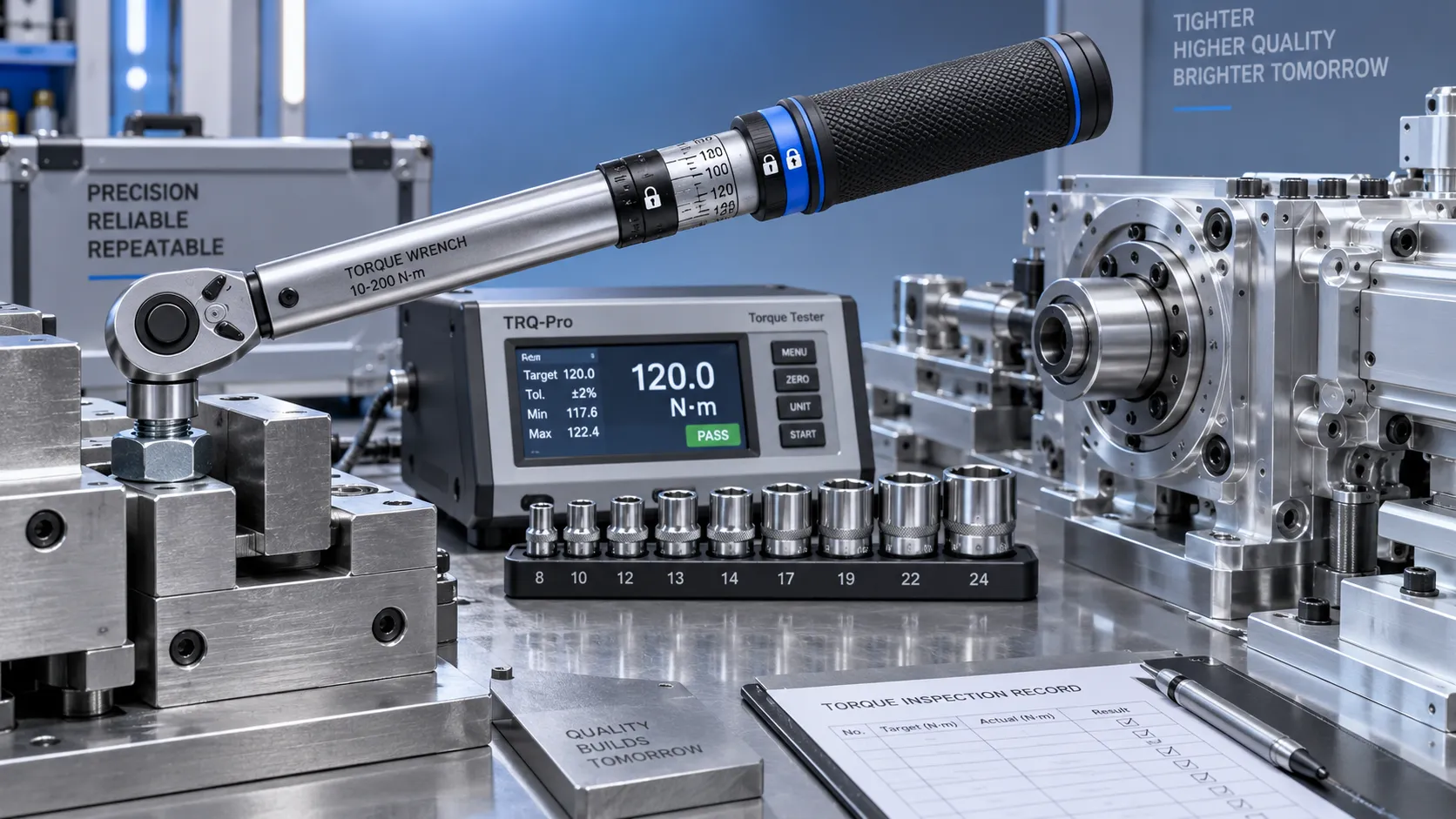
Selecting Adjustable Torque Tools for Repeatable Fastener Assembly
Adjustable torque tools: learn how to match range, accuracy, control methods, calibration, and ergonomics for repeatable, reliable fastener assembly.

How to Select Aerospace Inspection Tools for Aircraft Maintenance Tasks
Aerospace maintenance inspection tools: learn how to select reliable, traceable equipment for aircraft access, accuracy, calibration, and compliant maintenance decisions.

How to Select Wire Bonding Tools for Fine-Pitch Semiconductor Packaging
Explore semiconductor manufacturing tools for wire bonding and learn how to select precision solutions for fine-pitch packaging, reliable loops, accuracy, and yield.
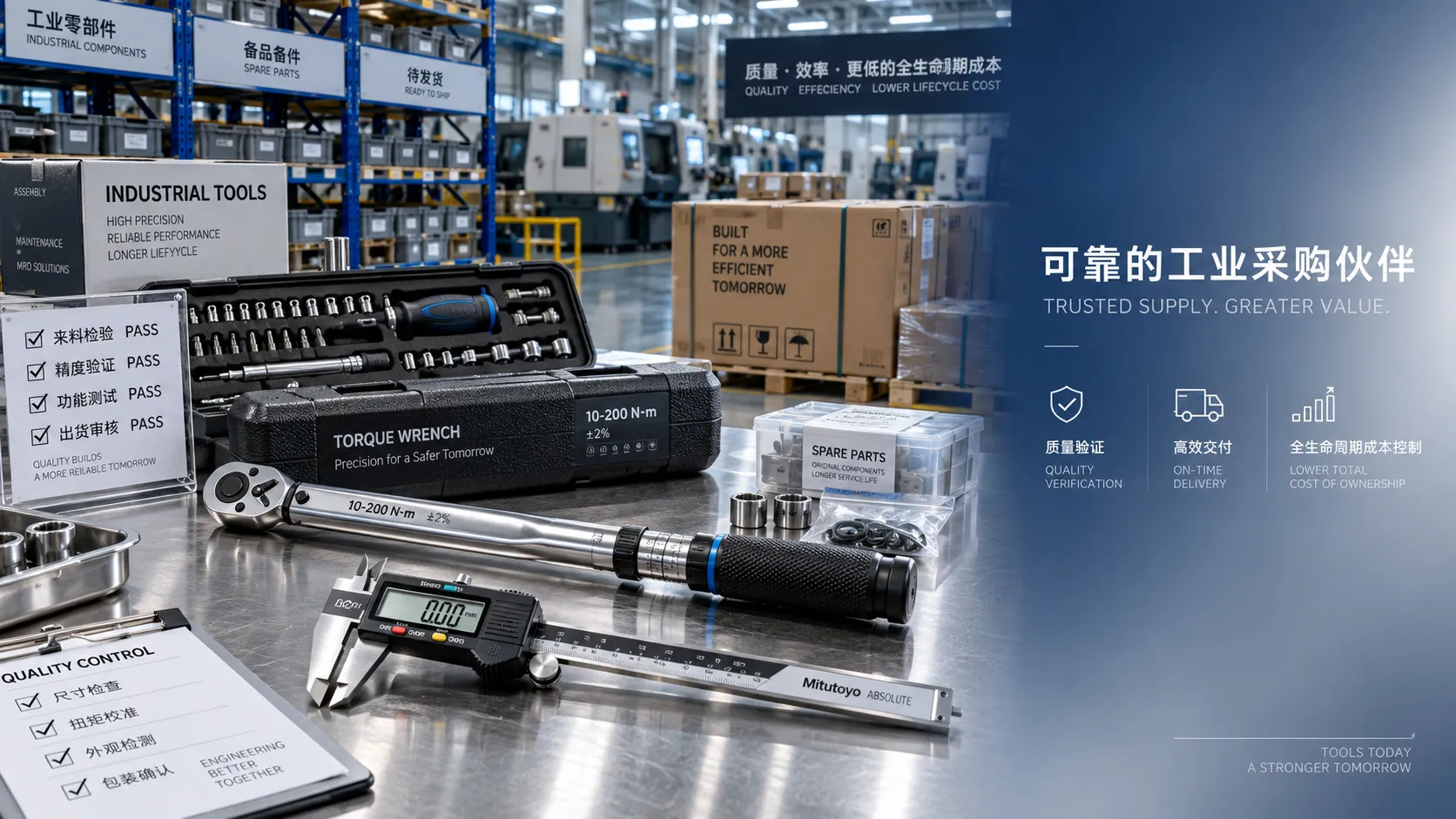
How to Compare Industrial Tool Suppliers for Quality, Lead Time, and Total Cost
Industrial tool selection supplier comparison made simple: evaluate quality, lead times, total cost, service, and supply resilience for confident sourcing decisions.

Industrial Equipment Application Guidance: Match Machines to Operating Conditions
Application guidance industrial equipment: match capacity, duty cycle, materials, site conditions, safety, and lifecycle cost to improve reliable output. Read the guide.
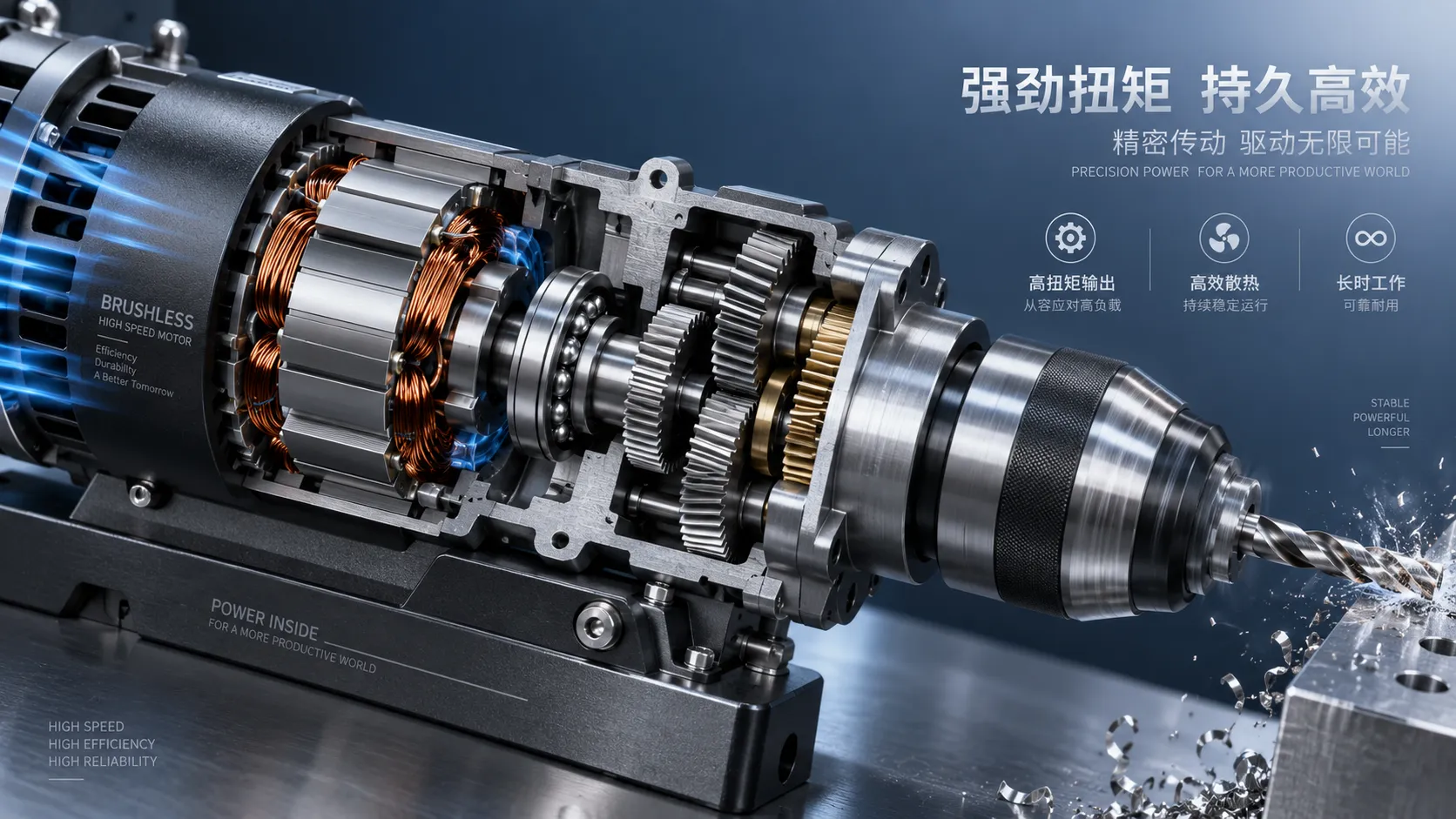
Selecting High-Speed Brushless Tool Motors for Torque, Heat, and Duty Cycle
High speed brushless tool motors: learn how to balance torque, heat, gearing, and duty cycle for reliable industrial tool performance and longer service life.
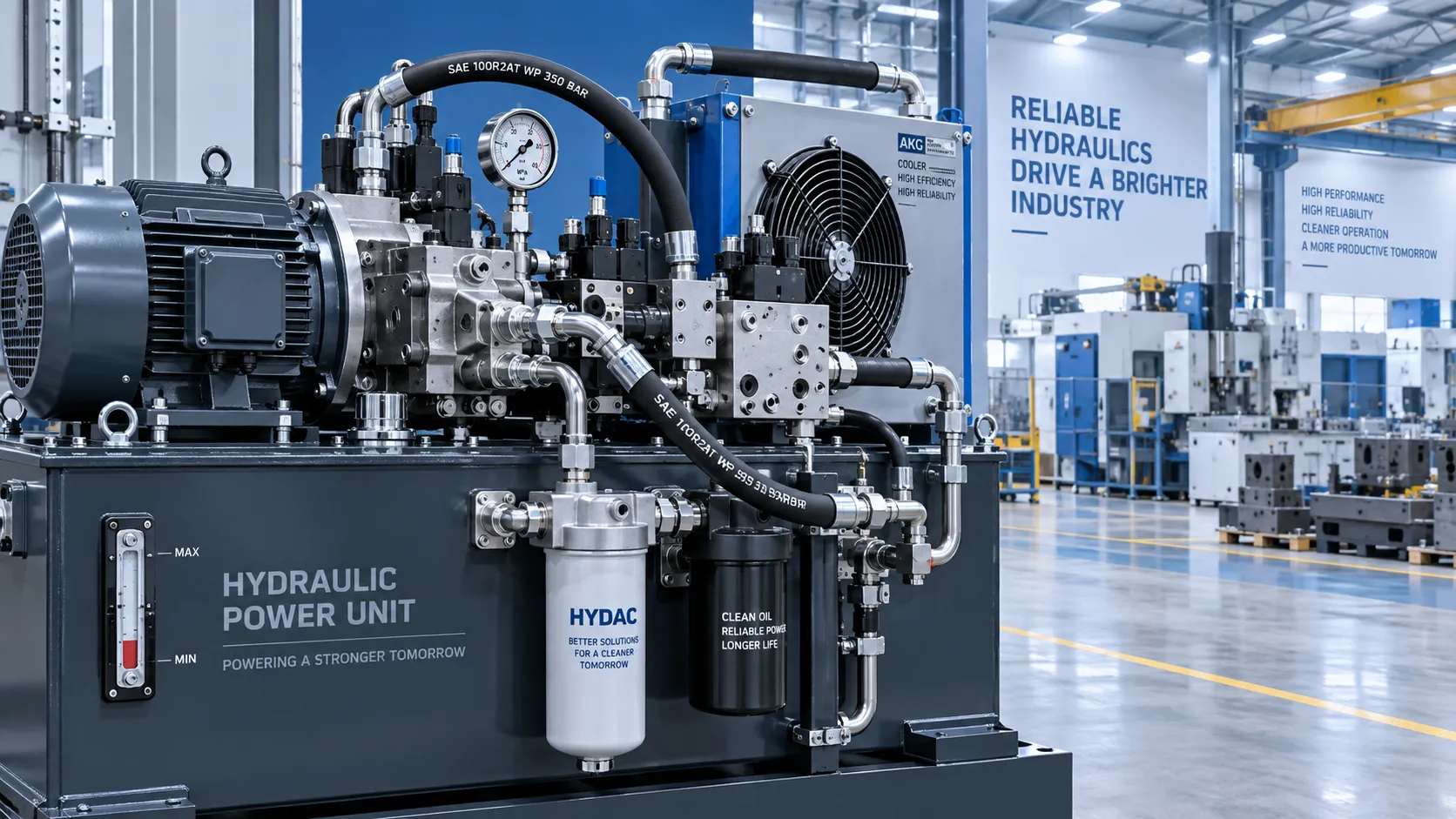
What Determines Industrial Hydraulic System Price for Heavy-Duty Equipment?
Industrial hydraulic system price depends on duty cycle, pressure, components, cooling, and integration. Compare quotes intelligently to secure reliable heavy-duty performance.

Welding Fume Extraction PPE: When Respirators Are Not Enough for Shop Safety
Welding fume extraction PPE: learn why respirators alone fall short and how source capture, ventilation, and layered controls improve shop safety.

How to Select Optical Metrology Solutions for Tight-Tolerance Manufacturing
Optical industrial metrology solutions for tight-tolerance manufacturing: evaluate accuracy, surface compatibility, workflow, and traceability to select with confidence.
Related News
- 00
0000-00
How Middle East Manufacturers Can Improve Production Efficiency Under Heat and Labor Constraints - 00
0000-00
Why Are Specification-Oriented Articles Gaining Traction in Europe’s B2B Markets? - 00
0000-00
Industrial Solutions in Latin America: Key Growth Sectors and Market Entry Risks - 00
0000-00
What Is Driving Manufacturing Efficiency in Europe’s Industrial Sectors? - 00
0000-00
Industrial Market Trends in 2025: What Buyers Should Watch Across Supply and Demand
Dr. Alistair Vaughn
Weekly Insights
Stay ahead with our curated technology reports delivered every Monday.