
How industrial standards reshape product quality in 2026





In 2026, industrial standards are no longer passive compliance references. They now shape how products are designed, assembled, tested, documented, shipped, and trusted across global supply chains.
Across the broader industrial economy, industrial standards influence quality outcomes long before final inspection. They define acceptable variation, safety thresholds, process stability, and the evidence needed for market access.
This shift matters because product quality is now judged by performance, traceability, and consistency together. A product that works once is no longer enough in connected, regulated, and reputation-sensitive markets.
For platforms such as GPTWM, this trend confirms a deeper reality. Precision tools, welding systems, and metrology technologies sit at the last mile of manufacturing quality, where standards become measurable actions.
What industrial standards mean in the 2026 quality landscape
Industrial standards are structured rules, methods, and benchmarks that align materials, dimensions, performance, testing, safety, and documentation across products and processes.
They come from international bodies, national regulators, industry alliances, and customer-specific frameworks. In 2026, the strongest industrial standards combine technical precision with digital verification.
Older views treated standards as end-stage obligations. Today, industrial standards guide product architecture, supplier selection, operator training, calibration routines, and lifecycle traceability from the first design review.
This broader role is especially visible in industrial assembly, metal joining, precision measuring, hydraulic equipment, and power tool systems, where repeatability and safety depend on disciplined process control.
Core functions of industrial standards
- Define material and component requirements.
- Set process windows for stable production.
- Establish inspection and validation methods.
- Support worker safety and equipment reliability.
- Enable comparable quality across facilities and regions.
- Create auditable records for accountability and market trust.
Key industry signals driving stronger industrial standards
Several industry developments explain why industrial standards are reshaping product quality more aggressively in 2026. These signals appear across construction, automotive service, aerospace maintenance, fabrication, and equipment distribution.
GPTWM’s intelligence focus reflects these shifts clearly. Raw material changes, handheld laser welding safety, brushless motor efficiency, and intelligent torque control all rely on updated industrial standards.
How industrial standards reshape product quality at each stage
The strongest effect of industrial standards appears when quality is managed as a chain, not a checkpoint. Each stage of that chain now depends on standard alignment.
1. Design and specification
Industrial standards increasingly determine allowable tolerances, load expectations, environmental resistance, ergonomic limits, insulation levels, and service life assumptions.
When design teams use these references early, they reduce rework later. They also improve interoperability between components, tools, fixtures, software, and inspection equipment.
2. Material and supplier control
Product quality often fails because incoming materials vary. Industrial standards reduce this risk by defining chemistry, hardness, coating behavior, dimensional stability, and documentation requirements.
This is critical in welding consumables, precision measuring instruments, fasteners, hydraulic seals, and power tool components, where small deviations create major field failures.
3. Process execution
In 2026, industrial standards are influencing real process windows, not just general work instructions. They affect torque settings, weld parameters, calibration intervals, environmental controls, and operator certification.
Stable execution matters because modern quality loss often comes from drift. A process may remain productive while slowly moving outside safe or repeatable limits.
4. Inspection and metrology
No quality system is credible without reliable measurement. Industrial standards now push organizations to verify not only the product, but also the measuring method.
That includes gauge capability, calibration traceability, uncertainty awareness, and digital record integrity. In other words, the quality decision itself must be standardized.
5. Post-market accountability
When complaints, failures, or recalls occur, industrial standards provide the investigation map. They clarify what was required, what was measured, and where the deviation started.
This is why standards now support reputation protection as much as technical conformity. Trust depends on evidence, not assumptions.
Business value created by industrial standards
Well-applied industrial standards do more than prevent defects. They improve cost control, delivery confidence, warranty performance, workforce alignment, and cross-border market readiness.
- Less scrap and rework through tighter process control.
- Faster root-cause analysis using shared technical references.
- Higher confidence in outsourced or multi-site production.
- Improved audit readiness and documentation consistency.
- Stronger brand credibility in quality-sensitive markets.
For industrial intelligence platforms, the lesson is practical. Competitive advantage increasingly comes from seeing where industrial standards are tightening before quality failures appear in the field.
Typical scenarios where industrial standards have the strongest effect
Not every product feels standard pressure in the same way. The strongest quality impact appears in categories where precision, safety, repeatability, or service conditions are demanding.
Practical guidance for applying industrial standards in 2026
A useful standards strategy starts with relevance, not volume. Collecting too many documents creates confusion if critical controls are not translated into daily practice.
Focus on these steps
- Map the standards that affect safety, function, and market entry first.
- Convert standard clauses into measurable process controls.
- Link supplier approval to documented conformity evidence.
- Review inspection methods for calibration and repeatability strength.
- Use digital records to connect product history with test results.
- Track revisions, because outdated industrial standards can create hidden nonconformity.
It is also important to separate formal compliance from real capability. A certificate may confirm alignment on paper, while process variation still damages product quality in operation.
That is why standards work best when combined with metrology discipline, operator competence, maintenance control, and field feedback analysis.
Next-step perspective for stronger quality decisions
In 2026, industrial standards are becoming the operating language of credible product quality. They influence design intent, production stability, inspection confidence, and customer trust at the same time.
The most resilient organizations will treat industrial standards as dynamic intelligence, not static paperwork. That means watching revisions, testing assumptions, and connecting standards to measurable process behavior.
GPTWM’s mission around precision foundations and intelligence-connected industry fits this direction closely. Better decisions emerge when standards, tools, welding practice, and metrology data are interpreted together.
A practical next step is to review one critical product line and trace which industrial standards affect its materials, assembly, testing, and documentation. That single exercise often reveals the fastest quality gains.
Related News
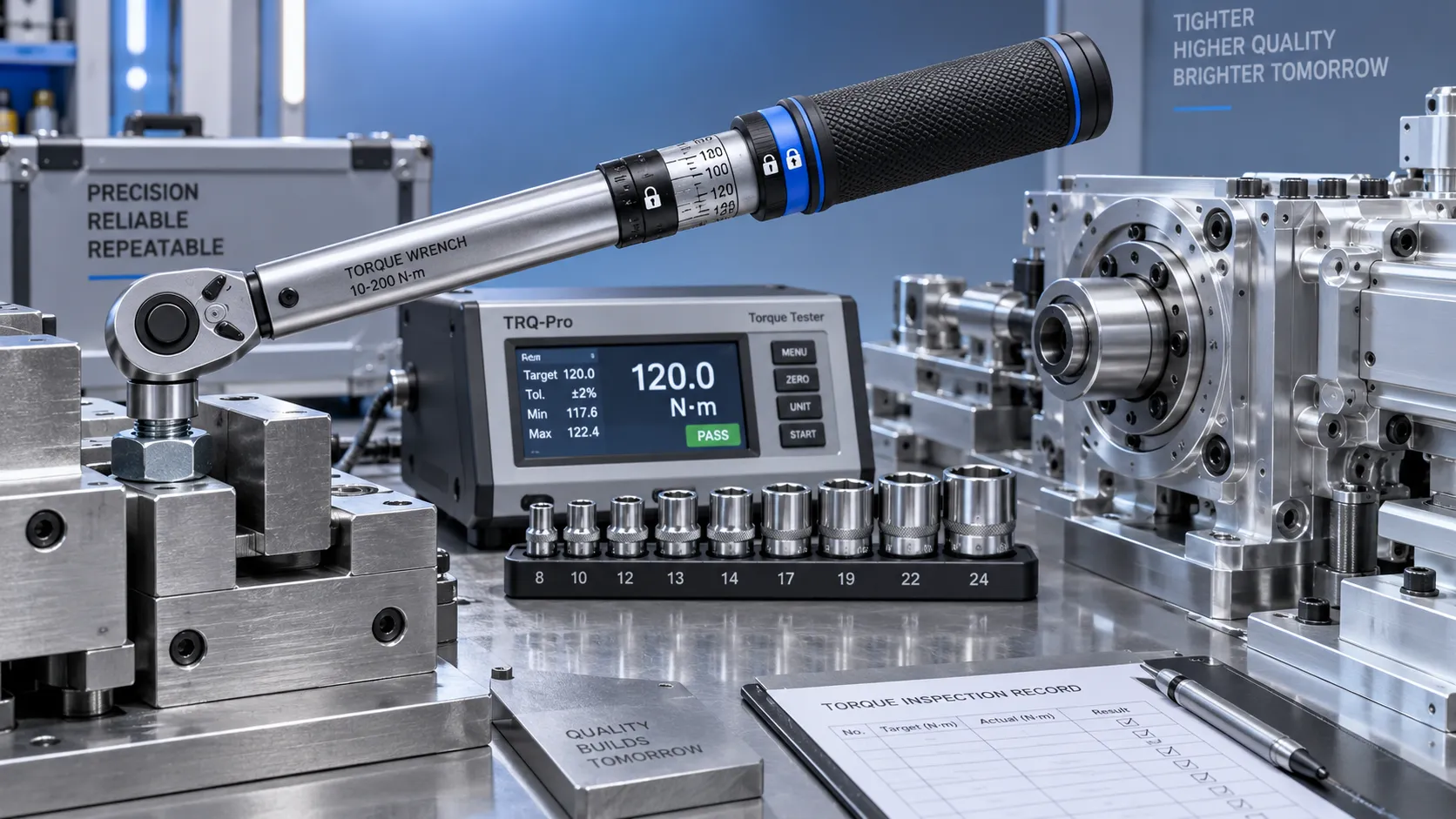
Selecting Adjustable Torque Tools for Repeatable Fastener Assembly
Adjustable torque tools: learn how to match range, accuracy, control methods, calibration, and ergonomics for repeatable, reliable fastener assembly.

How to Select Aerospace Inspection Tools for Aircraft Maintenance Tasks
Aerospace maintenance inspection tools: learn how to select reliable, traceable equipment for aircraft access, accuracy, calibration, and compliant maintenance decisions.
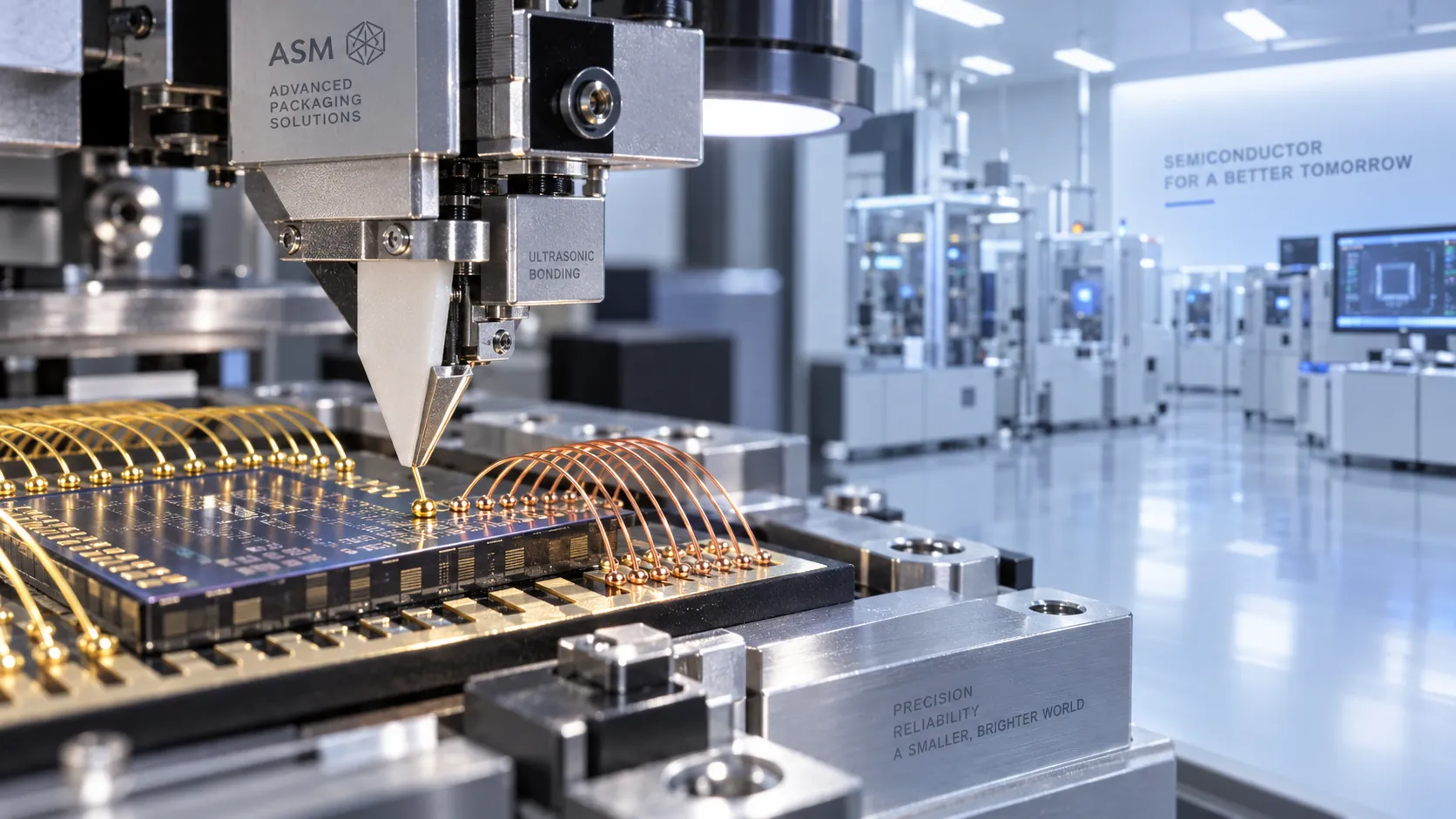
How to Select Wire Bonding Tools for Fine-Pitch Semiconductor Packaging
Explore semiconductor manufacturing tools for wire bonding and learn how to select precision solutions for fine-pitch packaging, reliable loops, accuracy, and yield.
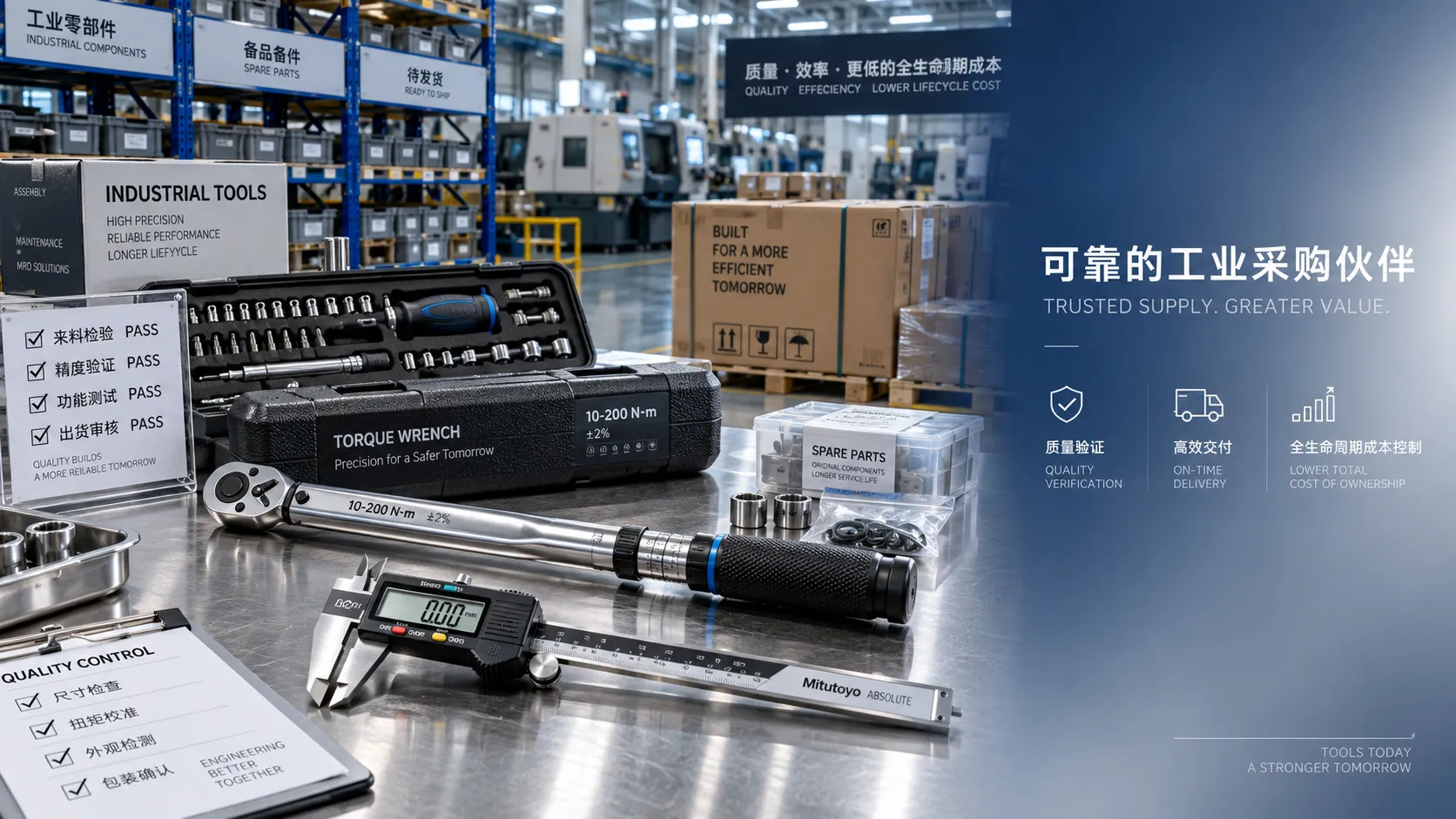
How to Compare Industrial Tool Suppliers for Quality, Lead Time, and Total Cost
Industrial tool selection supplier comparison made simple: evaluate quality, lead times, total cost, service, and supply resilience for confident sourcing decisions.
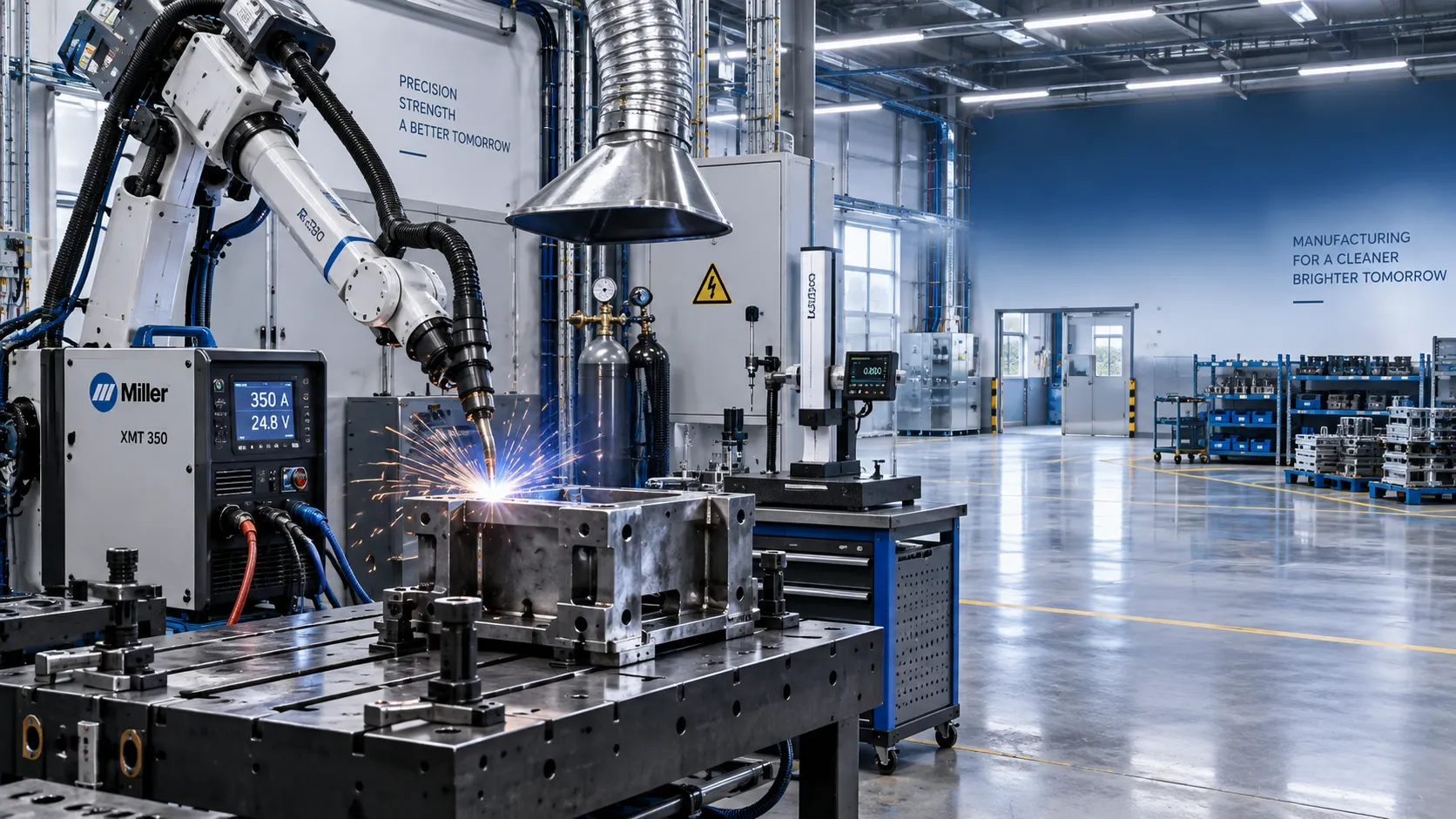
Industrial Equipment Application Guidance: Match Machines to Operating Conditions
Application guidance industrial equipment: match capacity, duty cycle, materials, site conditions, safety, and lifecycle cost to improve reliable output. Read the guide.
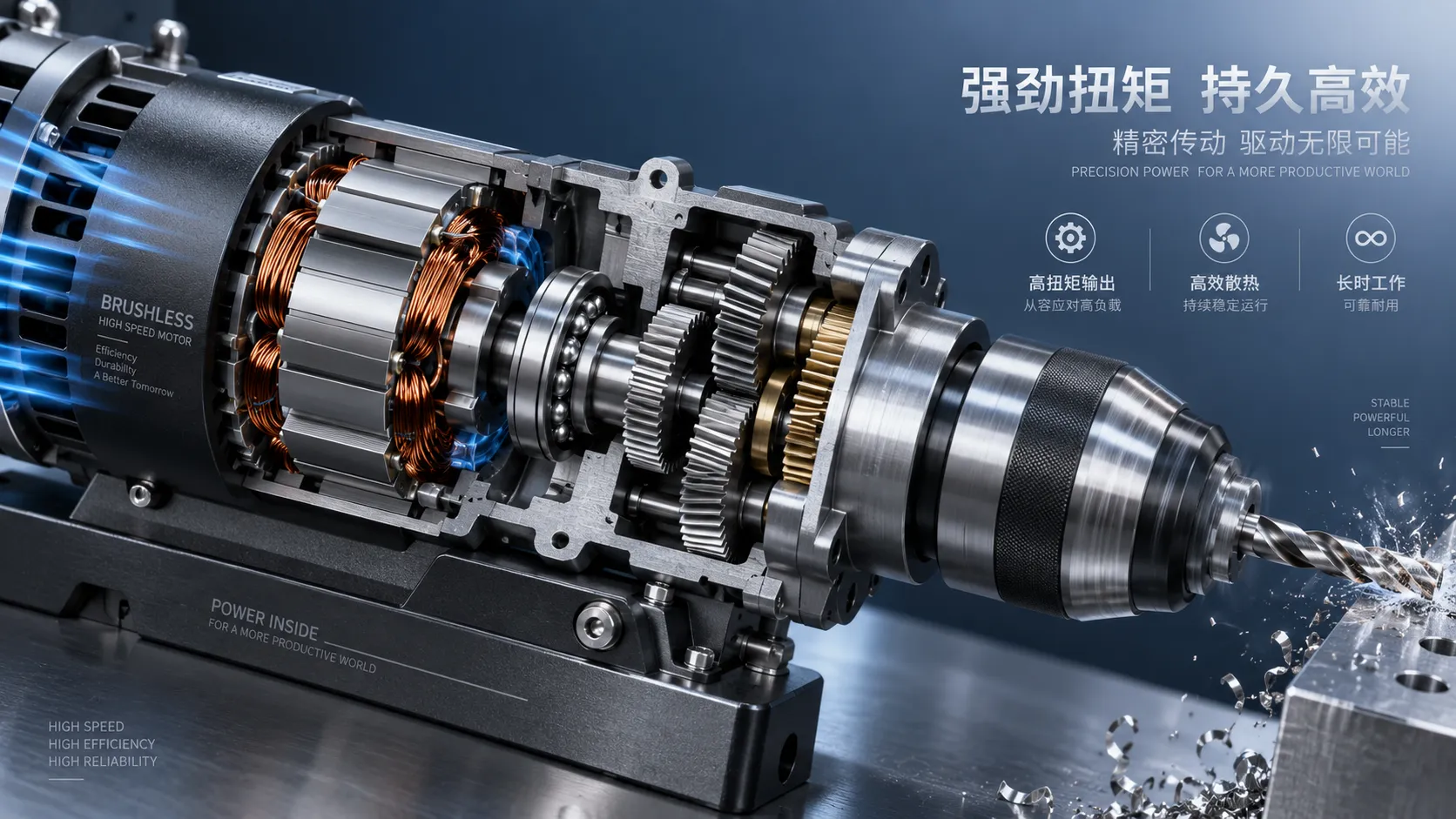
Selecting High-Speed Brushless Tool Motors for Torque, Heat, and Duty Cycle
High speed brushless tool motors: learn how to balance torque, heat, gearing, and duty cycle for reliable industrial tool performance and longer service life.
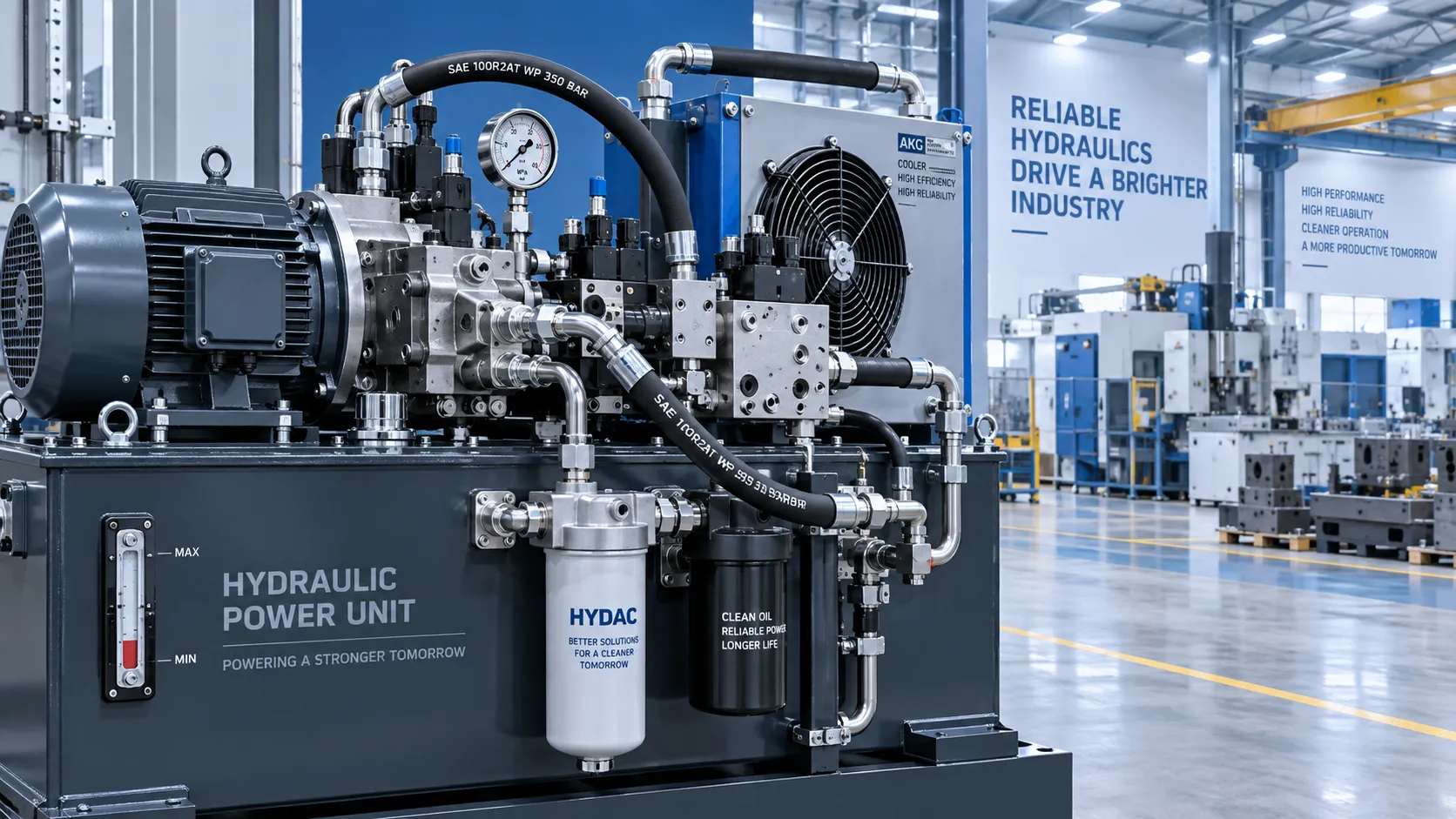
What Determines Industrial Hydraulic System Price for Heavy-Duty Equipment?
Industrial hydraulic system price depends on duty cycle, pressure, components, cooling, and integration. Compare quotes intelligently to secure reliable heavy-duty performance.
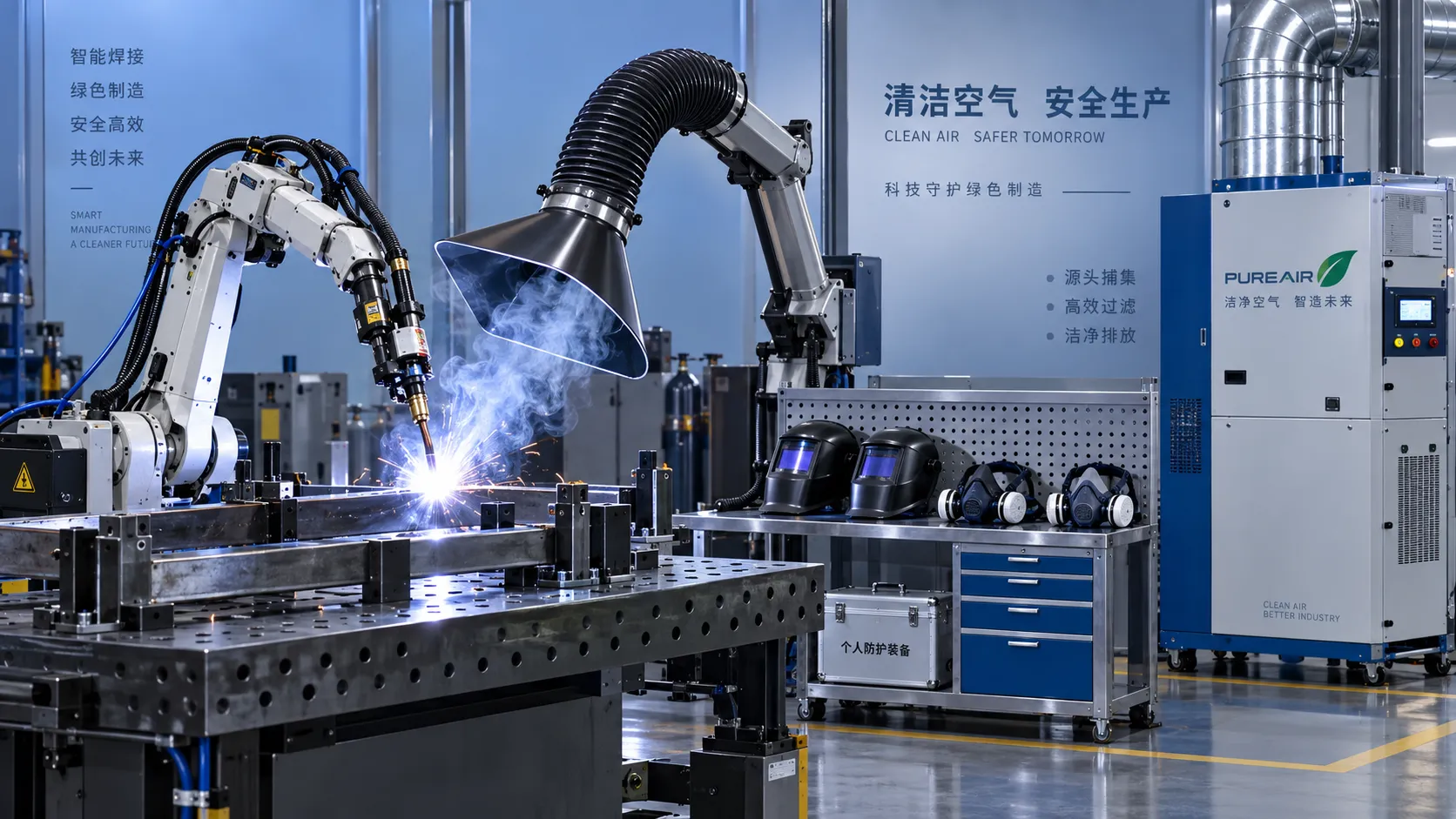
Welding Fume Extraction PPE: When Respirators Are Not Enough for Shop Safety
Welding fume extraction PPE: learn why respirators alone fall short and how source capture, ventilation, and layered controls improve shop safety.
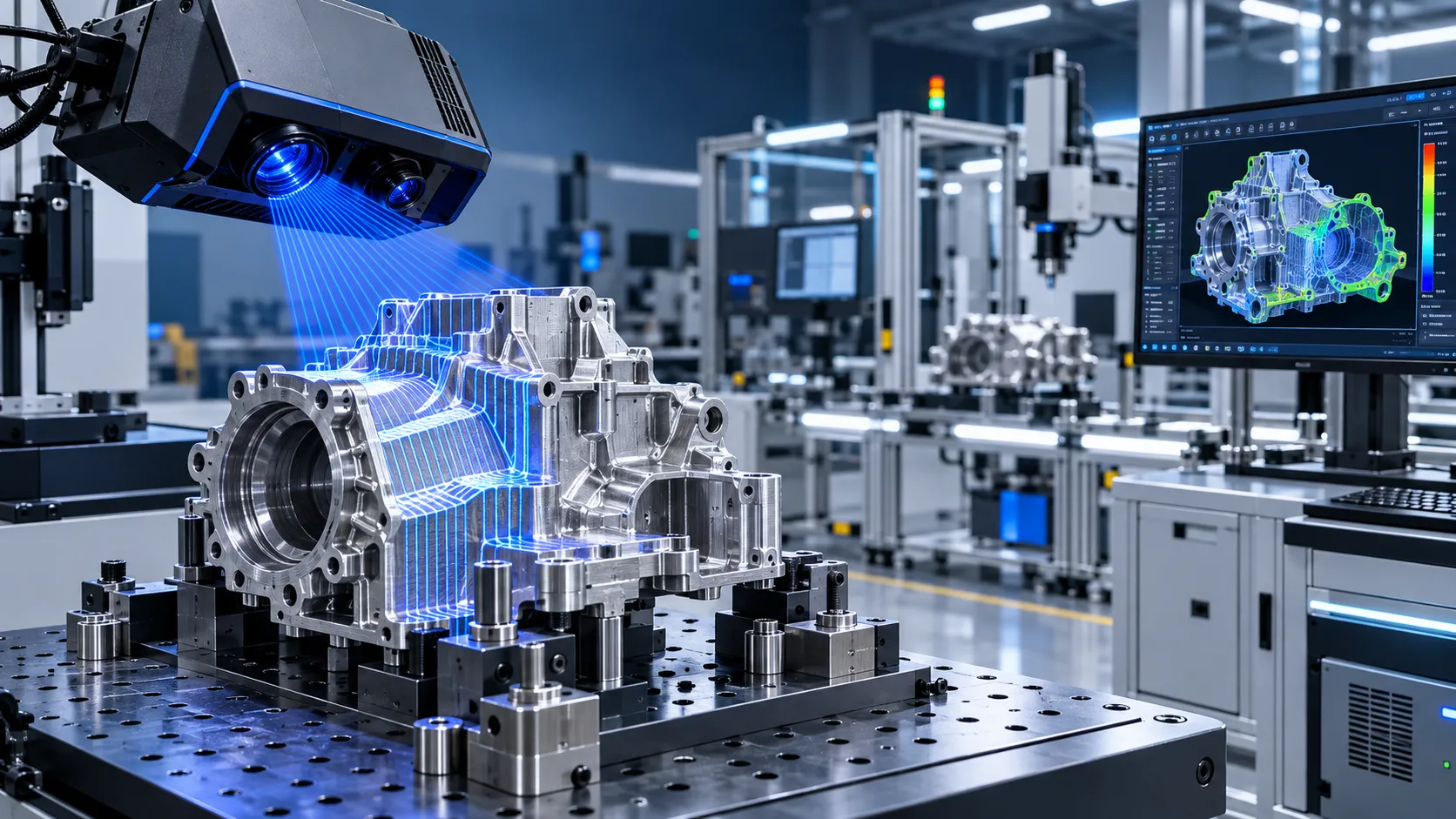
How to Select Optical Metrology Solutions for Tight-Tolerance Manufacturing
Optical industrial metrology solutions for tight-tolerance manufacturing: evaluate accuracy, surface compatibility, workflow, and traceability to select with confidence.
Related News
- 00
0000-00
How Middle East Manufacturers Can Improve Production Efficiency Under Heat and Labor Constraints - 00
0000-00
Why Are Specification-Oriented Articles Gaining Traction in Europe’s B2B Markets? - 00
0000-00
Industrial Solutions in Latin America: Key Growth Sectors and Market Entry Risks - 00
0000-00
What Is Driving Manufacturing Efficiency in Europe’s Industrial Sectors? - 00
0000-00
Industrial Market Trends in 2025: What Buyers Should Watch Across Supply and Demand
Dr. Alistair Vaughn
Weekly Insights
Stay ahead with our curated technology reports delivered every Monday.