
How to Improve Manufacturing Efficiency Without New Lines: 7 Practical Shop Floor Fixes





Improving manufacturing efficiency without adding new lines is usually a capacity, control, and discipline problem rather than an equipment problem. For project managers and engineering leads, the core search intent behind this topic is practical: find low-capex ways to increase throughput, reduce waste, stabilize delivery, and improve daily output using the current shop floor footprint.
What this audience cares about most is not theory. They want to know which fixes produce measurable gains fastest, where bottlenecks usually hide, how to judge return on effort, and how to avoid disruption while making changes. They also need methods that work across mixed environments where labor, tooling, maintenance, quality, and scheduling are tightly connected.
The most useful content, therefore, is concrete and decision-oriented. That means highlighting common loss points, explaining why they matter, showing what to check first, and connecting each action to operational outcomes such as OEE, lead time, first-pass yield, changeover time, labor utilization, and schedule reliability.
The article should emphasize bottleneck visibility, changeover discipline, tool and torque control, maintenance basics, material flow, standard work, and operator feedback loops. It should spend less time on generic digital transformation language or broad lean slogans that sound familiar but do not help managers decide what to do on Monday morning.
How to Improve Manufacturing Efficiency Without New Lines: 7 Practical Shop Floor Fixes
Improving manufacturing efficiency does not always require new production lines or major capital spending. For project managers and engineering leads, many of the fastest gains come from practical shop floor fixes—better workflow visibility, reduced changeover delays, smarter tool control, and tighter process discipline. In this article, GPTWM outlines seven actionable ways to strengthen output, cut waste, and improve daily performance using the resources you already have.
Start with the real constraint, not the loudest complaint
Many plants chase efficiency by fixing visible frustrations rather than the true output constraint. That approach creates activity, but not always more throughput. If one process sets the pace for the whole line, improving non-bottleneck steps may make teams feel busy while finished output barely changes.
Project managers should begin with a simple question: where does work consistently wait, pile up, or miss takt expectations? Review cycle time by station, queue time, unplanned stops, rework loops, and shift-to-shift variation. The goal is not a perfect model. It is to locate the process that most limits flow.
In many shops, the hidden constraint is not the largest machine. It may be a manual fastening station, an inspection step, a welding approval point, or a changeover-sensitive cell. Once the constraint is visible, improvement efforts become much more rational and much easier to defend.
A useful rule for manufacturing efficiency is this: improve the bottleneck first, protect it second, and only then optimize supporting operations. That sequence usually generates better output gains than broad, equal-effort improvement programs spread across the entire floor.
Cut changeover losses before asking for more capacity
When managers say they need a new line, what they often mean is that available production time is being consumed by setup losses. Frequent product switching, fixture changes, parameter resets, material staging delays, and first-piece approval waits can quietly destroy usable capacity.
Reducing changeover time is one of the fastest practical ways to improve manufacturing efficiency without new assets. Start by separating internal setup tasks from external ones. If a task can be done while the machine is still running, move it outside the stoppage window.
Next, standardize tools, fixture locations, consumables, parameter sheets, and approval steps. Many delays come from operators walking, searching, confirming settings, or waiting for someone authorized to sign off. Those minutes matter, especially in high-mix production environments.
For project leaders, the business value is clear. Shorter changeovers increase productive time, reduce schedule pressure, support smaller batch sizes, and lower the need for overtime. They also improve responsiveness when customer priorities shift, which is often more valuable than raw speed alone.
Measure setup performance in three ways: average changeover time, variation between operators, and time to first good part. The third metric is often overlooked, but it captures the real start of productive output rather than the nominal end of mechanical setup.
Fix material flow and point-of-use availability
Production lines frequently underperform not because labor is slow, but because operators are forced to wait for parts, fasteners, drawings, gauges, or consumables. These interruptions may last only minutes at a time, yet across a week they can erode output more than a major breakdown.
Walk the floor and observe how often workstations stop for replenishment, clarification, or part substitution. If people leave the station to find items, manufacturing efficiency is already leaking. The best operators may even hide the problem by working around it, which makes the losses harder to see.
Point-of-use storage, visual replenishment triggers, kitted change parts, and route-based material delivery can remove these interruptions quickly. In welding, assembly, or precision measurement work, availability of consumables and verified instruments is especially important because one missing item can halt the entire sequence.
For engineering leads, better material flow also supports quality. The fewer ad hoc substitutions and last-minute part hunts you allow, the less likely teams are to use the wrong component, skip verification, or improvise process steps under schedule pressure.
If you want a practical test, track stoppages caused by material or tool unavailability for two weeks. The number often surprises management teams. It also helps justify relatively small investments in racks, kits, carts, labels, and replenishment discipline that produce outsized returns.
Use standard work to reduce variation, not operator judgment
Some managers resist standard work because they think it limits skilled labor. On the contrary, strong standard work protects good judgment by removing avoidable inconsistency. It gives operators a stable baseline while making exceptions, delays, and quality drift easier to detect.
Standard work should cover task sequence, critical checkpoints, torque or process parameter ranges, inspection frequency, and abnormal escalation rules. It should be visible, current, and easy to use on the floor. If instructions live only in outdated binders or fragmented files, they will not shape real behavior.
In mixed assembly and metal joining environments, variation often comes from different methods used across shifts. One operator stages tools differently, another confirms settings from memory, and a third performs extra checks only after defects appear. Output becomes heavily dependent on who is present.
This is where project managers can gain both efficiency and predictability. Standard work reduces restart time after training, supports line balancing, and lowers the cost of schedule adjustments. It also creates a factual baseline for kaizen. Without a baseline, teams debate opinions instead of improving process performance.
The key is to standardize what matters most. Focus first on bottleneck tasks, quality-critical steps, and handoffs between departments. Do not try to document everything at once. A smaller, enforced standard is more valuable than a larger system nobody consistently follows.
Bring tool control and parameter discipline closer to the process
In many factories, tools are treated as utilities rather than process controls. That is a mistake. Fastening tools, welding equipment, gauges, and handheld devices directly shape cycle time, first-pass yield, and rework rates. If they drift, efficiency suffers long before someone requests capital expansion.
For assembly operations, torque consistency, rundown time, and tool availability are major drivers of performance. A tool that intermittently underperforms can create hidden delays through retries, extra inspection, and defect containment. The same principle applies to welding systems with unstable settings or worn consumables.
Closer control means verified calibration status, locked process windows where appropriate, preventive replacement of wear items, and quick access to approved parameter references. Even basic visual controls can help operators confirm they are using the correct tool, accessory, or setting for a given product family.
For organizations moving toward smarter operations, connected tool data and digital torque traceability can add value, but they are not required to start. The immediate objective is simpler: reduce errors, eliminate avoidable rework, and make process drift visible before it damages throughput.
GPTWM’s view across industrial assembly and precision metrology sectors is consistent on this point. Efficiency gains often come from better control of the “last mile” tools that touch the workpiece directly. That is where quality losses, operator frustration, and hidden micro-stoppages frequently begin.
Attack minor stops and maintenance neglect before they become downtime
Major failures get attention because they are dramatic. Minor stops are more dangerous because they become normal. Sensors need cleaning, fixtures stick, air lines leak, cables loosen, feeders jam briefly, and motors hesitate under load. None of these events alone justifies a new line, yet together they drain capacity every day.
To improve manufacturing efficiency, classify stoppages in a way that reveals repeated small losses. If your reporting system hides them under vague categories such as “operator issue” or “short stop,” you will miss the patterns that matter. Maintenance and production should review these losses together, not separately.
A practical approach is to build a top-ten list of recurring interruptions by frequency and minutes lost. Then solve the easiest high-frequency issues first. This may include cleaning schedules, lubrication discipline, sensor protection, fixture maintenance, spare-part positioning, and operator-led daily checks.
Autonomous maintenance also deserves renewed attention. Operators do not need to become technicians, but they should know the normal condition of their equipment and the first signs of drift. Early escalation is one of the cheapest forms of capacity protection available to any plant.
For managers, this fix matters because it avoids false capital signals. Plants sometimes interpret chronic instability as a need for more equipment, when the real problem is that existing assets are not delivering reliable productive time.
Rebalance labor and workload around actual demand patterns
Line imbalance is another common reason output disappoints. One station runs hot while another has idle moments. Support tasks arrive in bursts. Skilled operators become informal firefighters. Overtime rises, but completion rates stay inconsistent. This is not simply a staffing problem. It is often a workload design problem.
Compare planned cycle times to actual task content at each step. Include indirect work such as inspection, data entry, label printing, material confirmation, and rework handling. On paper, a line may look balanced. In reality, administrative and recovery tasks may be overloading specific positions.
Cross-training can help, but only if deployed intentionally. The goal is not full interchangeability across the floor. It is targeted flexibility at critical points where short absences, demand spikes, or quality holds repeatedly create bottlenecks. Well-designed cross-coverage protects output without permanently overstaffing the line.
For project leaders, better labor balance also improves schedule confidence. If throughput depends too heavily on one person, one station, or one shift, the operation is fragile. Rebalancing reduces that fragility and makes production planning more believable to customers and internal stakeholders.
This is also where simple visual management helps. Hour-by-hour boards, bottleneck status signals, and exception-based escalation can guide supervisors to respond sooner. A small intervention in the right hour is usually cheaper than recovery actions at the end of the shift.
Make daily performance review fast, factual, and action-oriented
Many factories collect large amounts of data but still struggle to improve manufacturing efficiency because the review rhythm is too slow or too vague. Weekly reporting may explain what went wrong, yet it rarely helps teams recover output in time to protect customer commitments.
Daily tier meetings should focus on a short list of operational facts: safety issues, output versus plan, top downtime causes, quality escapes, changeover performance, material shortages, and actions due today. The purpose is not presentation. It is rapid decision-making at the level where delays can still be prevented.
Good review systems also assign ownership clearly. If a fixture issue keeps returning, someone should own the corrective action and due date. If first-pass yield drops after product changeovers, the team should test a specific countermeasure rather than discussing the problem repeatedly.
For managers, this discipline provides two benefits. First, it accelerates recovery from daily disruptions. Second, it creates evidence for larger decisions. If the plant eventually does need new capacity, leaders can show that flow, setups, maintenance, tooling, and labor balance were already improved before capital was requested.
That sequence matters. It strengthens the business case for future investment and prevents avoidable spending on problems that could have been solved by better process control.
How to prioritize these seven fixes
Not every plant should attack all seven areas at once. A better approach is to rank them by throughput impact, implementation speed, cross-functional effort, and risk of disruption. In most cases, the first wave should target the current bottleneck, setup losses, and recurring minor stops.
If the line is highly manual, standard work, point-of-use material control, and labor rebalancing may produce the fastest gains. If quality escapes and rework are common, tool control and parameter discipline deserve earlier attention because hidden defects quietly consume more capacity than managers often realize.
A simple ninety-day plan works well. Spend the first two weeks validating losses on the floor. Use the next month to implement targeted fixes. Reserve the remaining time for stabilization, operator feedback, and metric review. The aim is not a one-time event but a repeatable management habit.
Track outcomes with a compact scorecard: throughput, on-time completion, changeover time, first-pass yield, unplanned downtime, and overtime. These measures connect shop floor improvement directly to business performance, which is exactly what project managers and engineering leads need.
Conclusion
Improving manufacturing efficiency without new lines is not about doing more with less in a superficial sense. It is about removing the friction that prevents current assets, people, and tools from delivering their real potential. In many operations, that friction is found in bottlenecks, setups, material flow, variation, tool drift, minor stops, and weak daily control.
For project managers and engineering leaders, the practical lesson is straightforward. Before proposing major capital expansion, test whether the existing line is truly constrained by physical capacity or by preventable operating losses. The answer often changes the roadmap.
When these seven shop floor fixes are applied with discipline, plants typically gain more stable throughput, lower waste, better schedule reliability, and clearer decision support for future investment. That is the kind of manufacturing efficiency improvement that creates immediate value now while preparing the operation for smarter growth later.
Related News
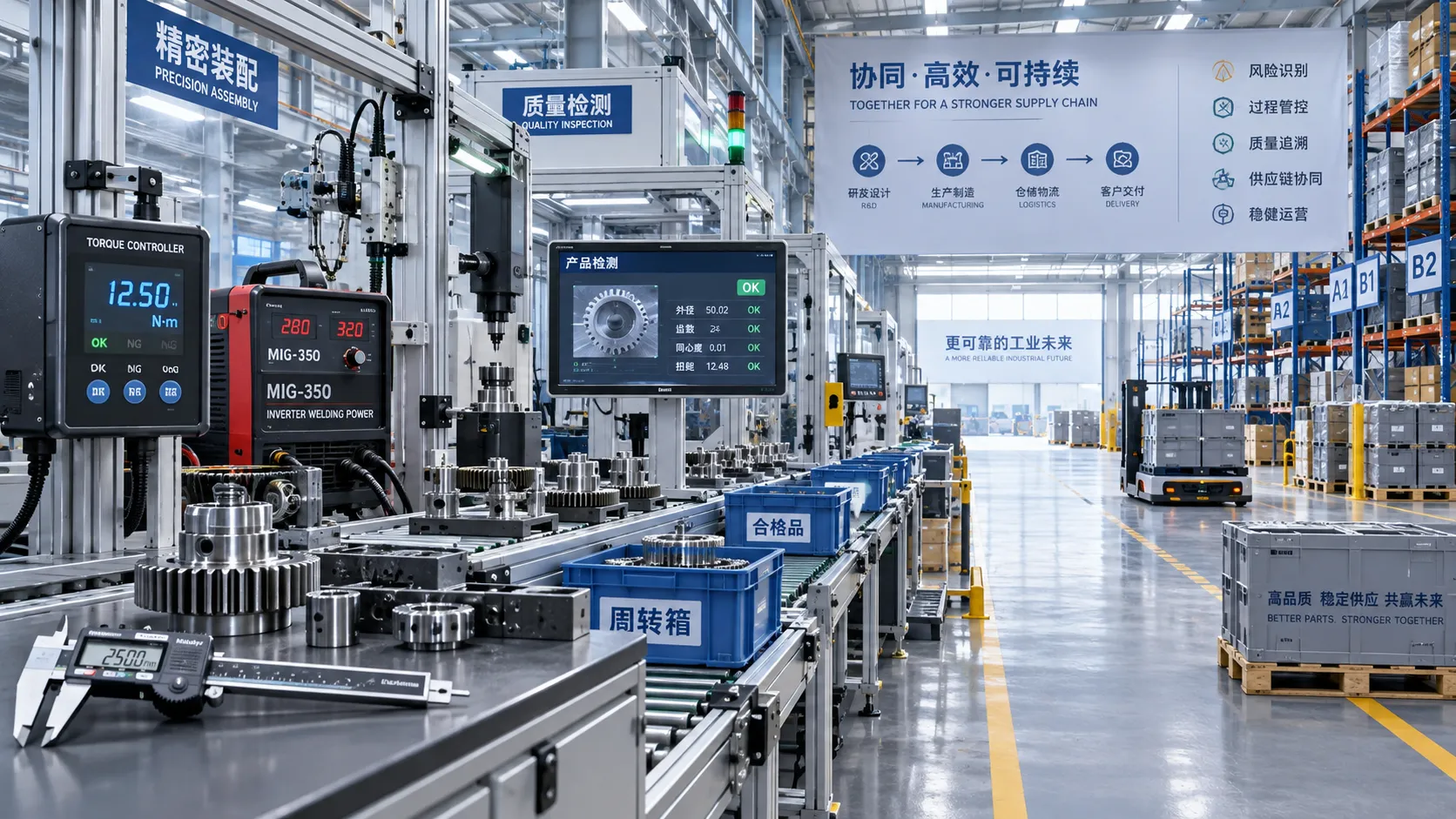
How Procurement Teams Can Map the Industrial Value Chain to Reduce Supply Risk
Industrial value chain procurement helps teams map hidden dependencies, qualify resilient sources, and reduce supply risk before disruptions stop production.
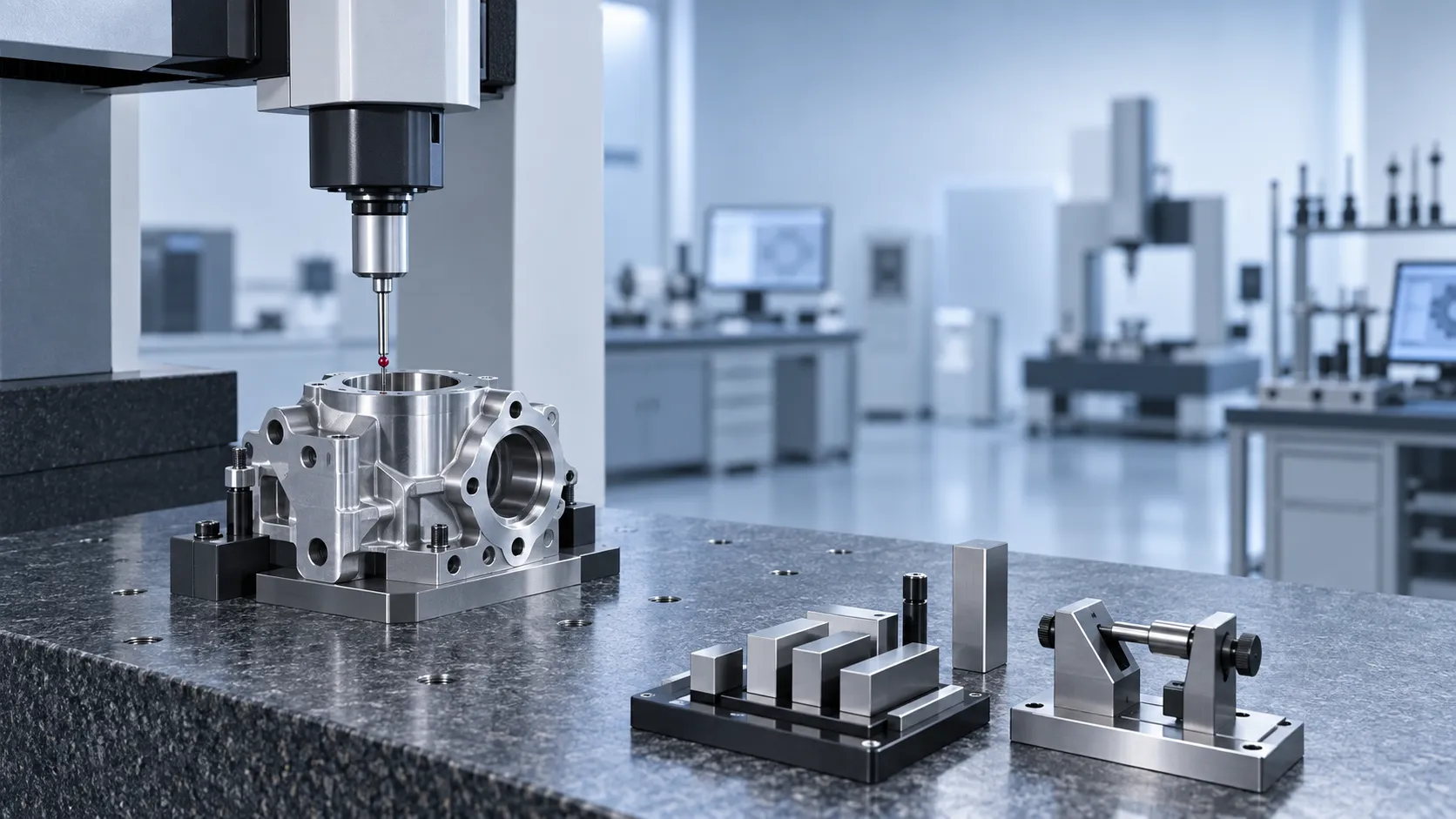
How Specification-Driven Articles Improve Precision Measurement System Selection
Specification-oriented articles precision measurement guidance helps teams compare accuracy, repeatability, environment, and data needs to select reliable systems with confidence.

How to Evaluate a Technology Integration Service Provider for Complex Projects
Technology integration service provider selection guide: evaluate interface ownership, delivery discipline, scalable architecture, and risk control for complex projects.
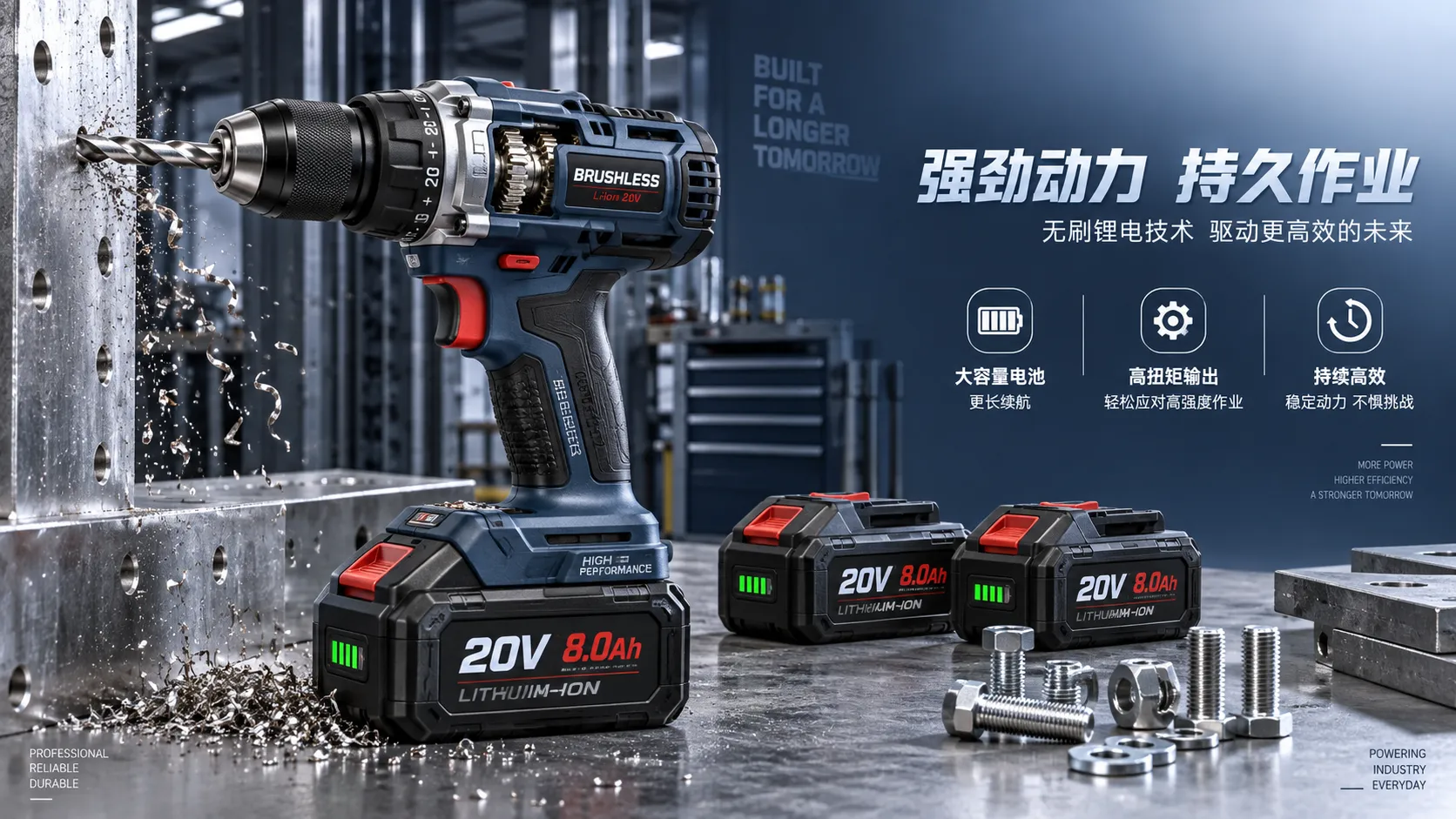
How Battery, Torque, and Duty Cycle Affect Cordless Power Tool Efficiency
Cordless power tool efficiency depends on battery output, torque, and duty cycle. Learn how to match tools to demanding jobs for stronger runtime and productivity.
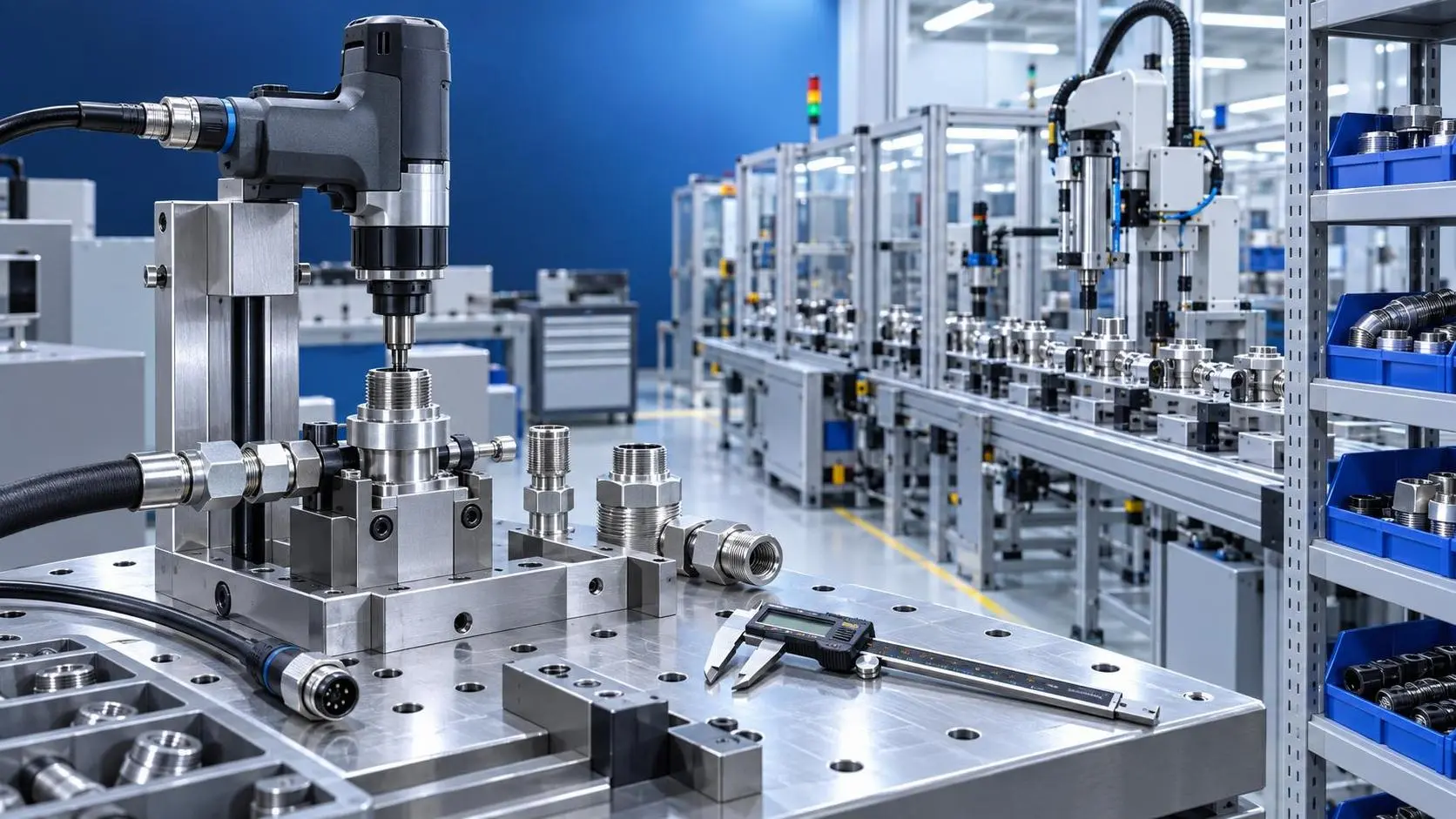
Product Comparison Resources for Component Compatibility and Lifecycle Risk
Product comparison resources for components: evaluate compatibility, interfaces, service support, and lifecycle risk to reduce downtime, avoid redesigns, and make confident sourcing decisions.
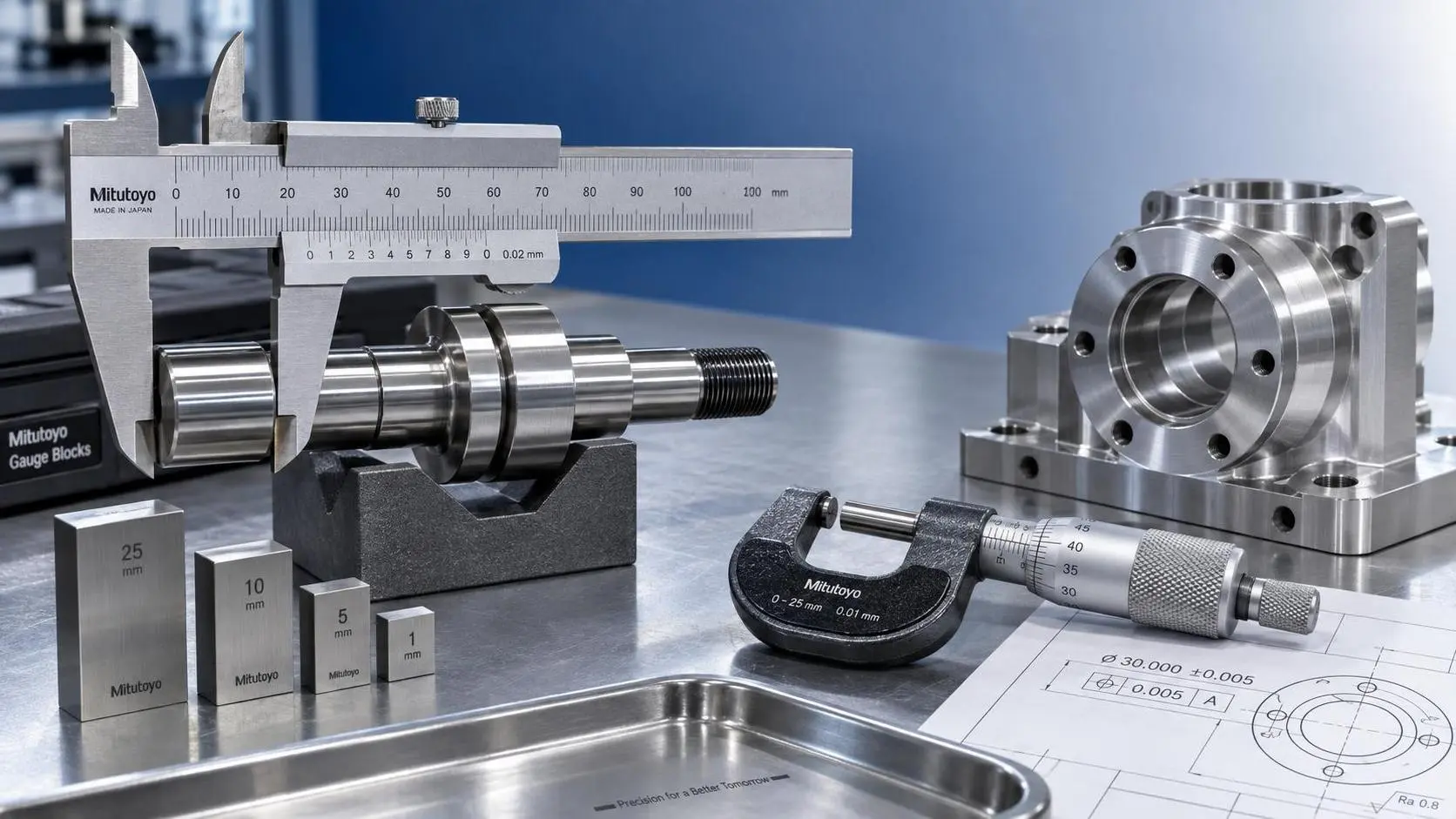
How to Select Vernier Precision Calipers for Tight-Tolerance Machining Inspection
Vernier precision calipers for tight-tolerance machining: learn how to select the right range, jaw design, accuracy, and verification process for reliable inspection.
Product Comparison Resources in Europe: How Buyers Can Verify Specs and Suppliers
Product comparison resources Europe: learn how to verify industrial specs, compliance claims, supplier credibility, and delivery risk for smarter purchasing decisions.
How to Evaluate an Industrial Metrology Solution Manufacturer for Production Use
Industrial metrology solution manufacturer evaluation guide for production: compare accuracy, traceability, automation, software, service, and acceptance testing to reduce risk.
Which ISO Standards Matter Most for Precision Engineering Quality Control?
Precision engineering ISO standards explained: discover how ISO 9001, ISO/IEC 17025, ISO 10012, GPS, and ISO 3834 strengthen quality control, traceability, and compliance.
Related News
- 00
0000-00
Why Are Specification-Oriented Articles Gaining Traction in Europe’s B2B Markets? - 00
0000-00
Industrial Solutions in Latin America: Key Growth Sectors and Market Entry Risks - 00
0000-00
What Is Driving Manufacturing Efficiency in Europe’s Industrial Sectors? - 00
0000-00
Industrial Market Trends in 2025: What Buyers Should Watch Across Supply and Demand - 00
0000-00
Production Efficiency in North America: What Is Changing for Manufacturers in 2025?
Dr. Alistair Vaughn
Weekly Insights
Stay ahead with our curated technology reports delivered every Monday.