
Manufacturing Technology vs Labor Cost: What Drives ROI in Process Upgrades?





Manufacturing Technology vs Labor Cost: where does ROI really move?
When process upgrades become urgent, the real debate is rarely technology versus people.
The stronger question is which constraint is limiting output, consistency, and margin today.
In many operations, manufacturing technology delivers faster ROI when quality variation, rework, or downtime already erodes profitability.
Yet labor cost still matters, especially where manual assembly, welding, inspection, and material handling remain difficult to stabilize.
That is why ROI decisions work best when they connect equipment capability, workforce productivity, and long-term operating risk.
Across industrial assembly and precision metrology, GPTWM often frames this as the “last mile” question.
If the final process step is unstable, even good upstream investment can underperform.
So before comparing line items, it helps to understand what each cost driver truly changes.
Is manufacturing technology usually a bigger ROI driver than labor cost?
Often, yes, but only when the upgrade changes process capability rather than simply replacing effort.
Advanced manufacturing technology can improve three ROI levers at once: throughput, repeatability, and decision speed.
A new torque control system, precision measurement setup, or welding platform may cut scrap and shorten training time.
Those gains usually compound, because fewer errors also reduce delays, warranty exposure, and hidden supervisory work.
Labor cost is more direct and easier to calculate, but technology creates wider operational effects.
That is especially true in sectors balancing quality demands with rising export compliance and traceability requirements.
In practical terms, labor savings alone may justify a project in repetitive tasks.
Still, the stronger business case usually comes from precision, uptime, and less process drift.
A simple way to compare the two
The table below works as a quick screening tool before a detailed capital review.
When does labor cost still outweigh a technology upgrade?
There are cases where labor cost remains the larger ROI variable.
This happens when the process is mature, product variation is high, and automation would be underused.
Short production runs, frequent changeovers, and complex custom work can make expensive equipment harder to justify.
In those environments, improving labor efficiency may return more than adding sophisticated manufacturing technology too early.
Examples include workstation redesign, ergonomic tooling, better fixture layout, or targeted digital work instructions.
These changes do not eliminate labor, but they raise output per hour without heavy capital exposure.
The mistake is assuming labor cost is only wages.
It also includes onboarding, supervision, overtime, safety incidents, and quality losses tied to fatigue or inconsistency.
- Choose labor-focused improvement when demand is uncertain and capital recovery may be slow.
- Choose technology-first upgrades when manual variation already limits capacity or customer confidence.
- Combine both when process stability exists, but labor availability is becoming the next constraint.
What costs are commonly missed in ROI calculations?
This is where many upgrade decisions go wrong.
Visible costs are easy to compare, but hidden costs often decide whether manufacturing technology pays back quickly.
A lower-priced machine may look attractive until calibration, consumables, downtime, and integration are included.
Likewise, manual processes can appear flexible until re-inspection, delayed shipments, and extra handling are measured honestly.
GPTWM’s intelligence approach is useful here because it treats tools, metrology, safety, and market conditions as connected variables.
That matters in welding, assembly, and measurement environments where one weak link creates downstream cost leakage.
Hidden ROI items worth checking
- Process validation time before full production release
- Safety upgrades required for new equipment or laser applications
- Calibration and metrology support for tighter tolerance control
- Operator acceptance and temporary learning-curve losses
- Software connectivity for traceability or IoT torque monitoring
- Supplier lead times during raw material or export rule changes
A realistic ROI model should include both hard savings and avoided losses.
That gives a more reliable answer than comparing wages against machine price alone.
How should process upgrades be judged across different industrial settings?
The answer changes by workflow maturity, precision requirements, and after-sales risk.
In construction equipment support, ruggedness and field serviceability may matter as much as automation level.
In automotive maintenance supply chains, repeatability and documented torque control often matter more.
In aerospace-related maintenance, metrology confidence can outweigh short-term labor savings entirely.
That is why manufacturing technology should be judged against the cost of failure in its target application.
A precision measuring instrument that prevents one batch escape may outperform a broader labor reduction project.
A handheld welding upgrade with better safety control may reduce stoppages and compliance exposure.
A brushless power tool platform may improve durability, reduce maintenance, and stabilize assembly time.
A practical judgment framework
What are the most common mistakes when comparing manufacturing technology and labor cost?
One common mistake is chasing automation because competitors are doing it.
A technology upgrade should solve a measured bottleneck, not simply modernize the appearance of operations.
Another mistake is treating labor as a fixed burden with no improvement path.
Often, process design and tool quality explain weak performance more than headcount itself.
Some teams also ignore implementation timing.
If the ramp-up period is long, a theoretically better project may still hurt near-term cash flow.
There is also a data problem.
Without accurate baseline numbers for scrap, cycle time, downtime, and maintenance, ROI becomes guesswork.
That is why industry intelligence matters.
A platform such as GPTWM helps connect process decisions with broader signals like safety adoption, component efficiency, and structural demand shifts.
So what is the smarter next step before approving a process upgrade?
Start by mapping one process family, not the entire plant.
Measure where profit is lost through delay, inconsistency, or excess labor dependence.
Then compare upgrade options using the same baseline: output, quality, safety, training, maintenance, and implementation time.
If manufacturing technology improves control, traceability, or tolerance performance, it often drives deeper ROI than wage reduction alone.
If demand is volatile or product mix changes constantly, labor-focused improvement may be the better first move.
The most effective decisions rarely choose one side blindly.
They align manufacturing technology with actual labor economics, process risk, and future operating standards.
A disciplined review of tooling, metrology, welding safety, and digital control signals usually reveals the right priority.
That is the point where ROI stops being abstract and becomes operationally visible.
Related News
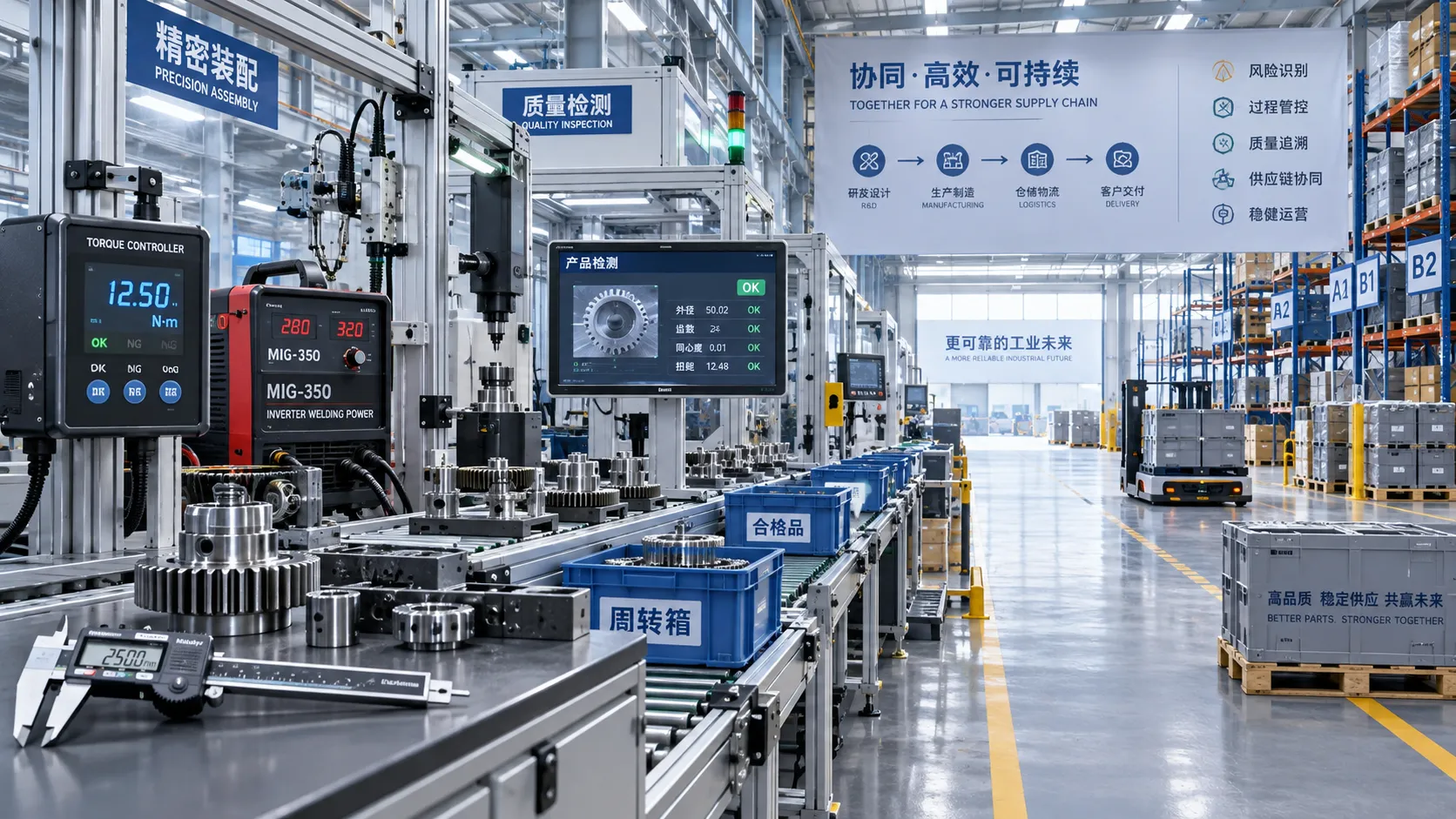
How Procurement Teams Can Map the Industrial Value Chain to Reduce Supply Risk
Industrial value chain procurement helps teams map hidden dependencies, qualify resilient sources, and reduce supply risk before disruptions stop production.

How Specification-Driven Articles Improve Precision Measurement System Selection
Specification-oriented articles precision measurement guidance helps teams compare accuracy, repeatability, environment, and data needs to select reliable systems with confidence.
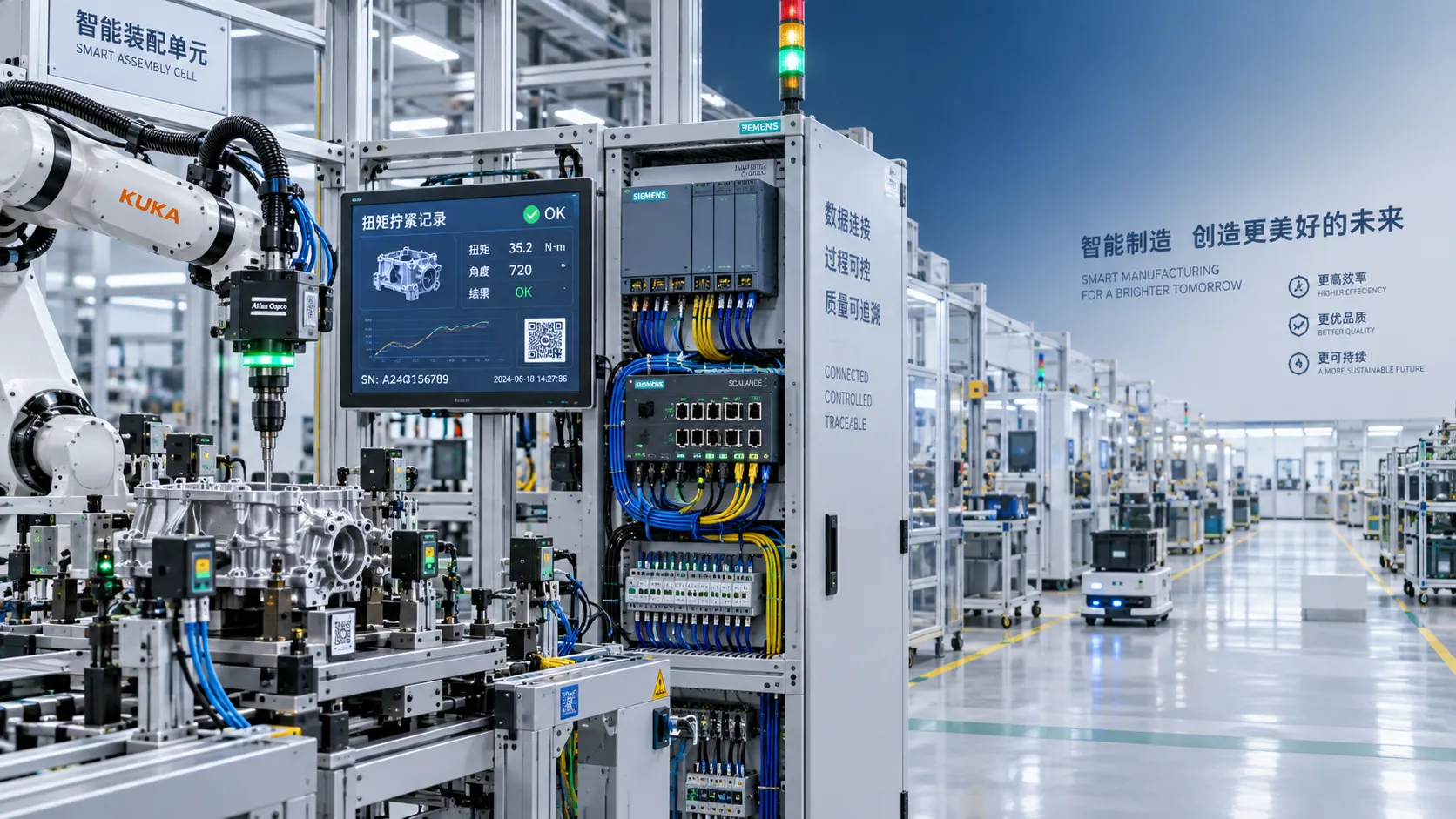
How to Evaluate a Technology Integration Service Provider for Complex Projects
Technology integration service provider selection guide: evaluate interface ownership, delivery discipline, scalable architecture, and risk control for complex projects.
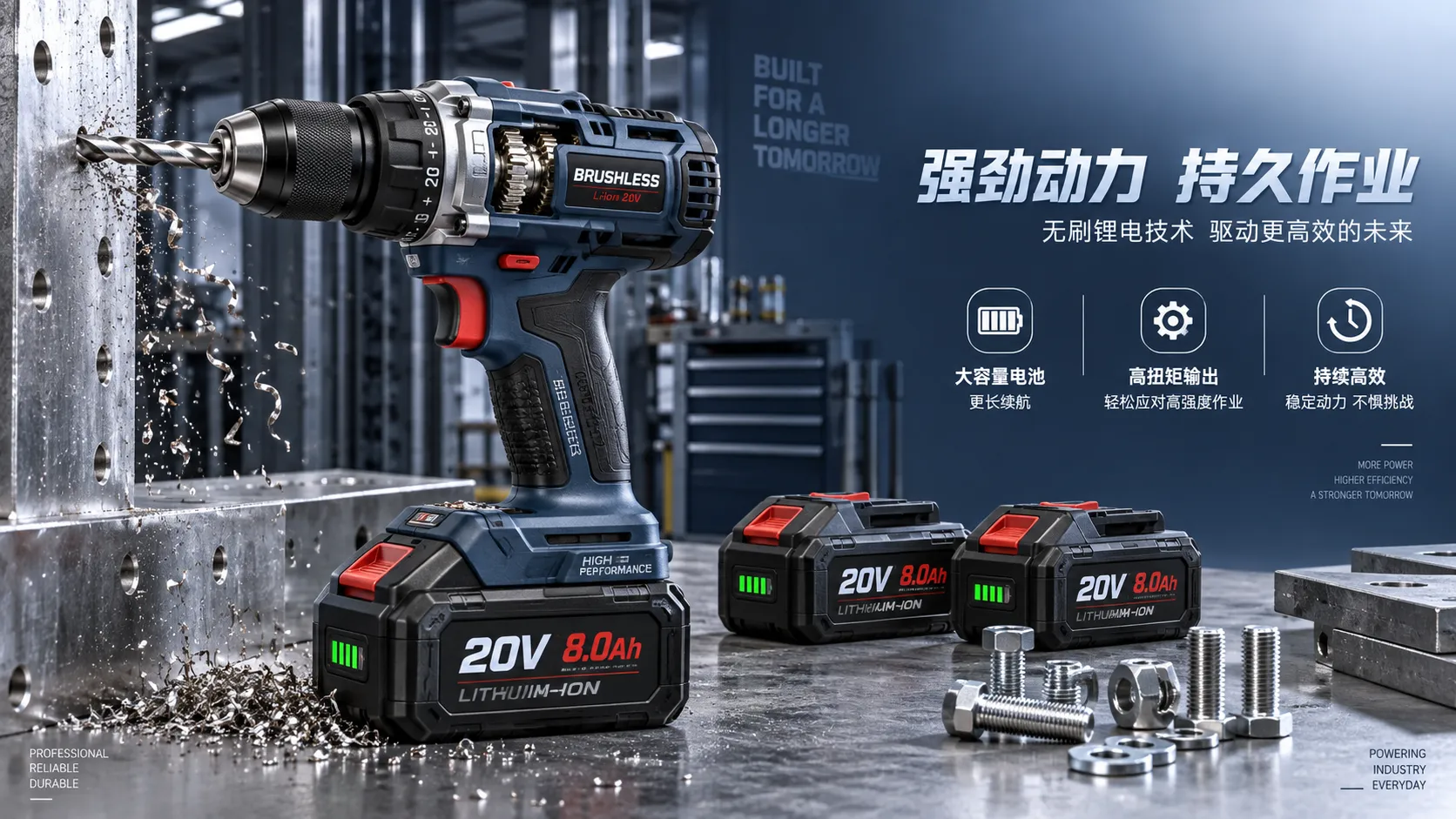
How Battery, Torque, and Duty Cycle Affect Cordless Power Tool Efficiency
Cordless power tool efficiency depends on battery output, torque, and duty cycle. Learn how to match tools to demanding jobs for stronger runtime and productivity.

Product Comparison Resources for Component Compatibility and Lifecycle Risk
Product comparison resources for components: evaluate compatibility, interfaces, service support, and lifecycle risk to reduce downtime, avoid redesigns, and make confident sourcing decisions.
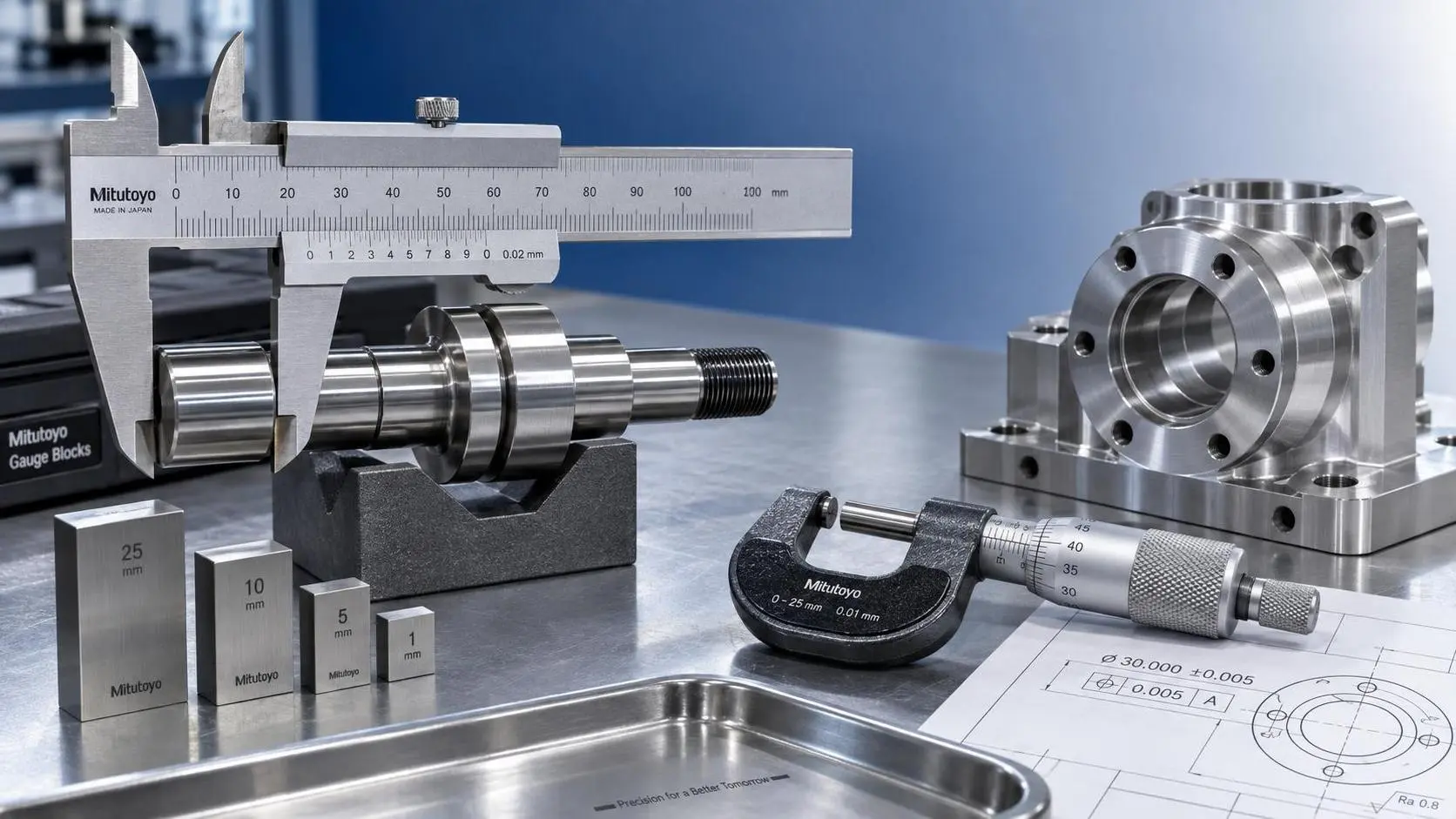
How to Select Vernier Precision Calipers for Tight-Tolerance Machining Inspection
Vernier precision calipers for tight-tolerance machining: learn how to select the right range, jaw design, accuracy, and verification process for reliable inspection.
Product Comparison Resources in Europe: How Buyers Can Verify Specs and Suppliers
Product comparison resources Europe: learn how to verify industrial specs, compliance claims, supplier credibility, and delivery risk for smarter purchasing decisions.

How to Evaluate an Industrial Metrology Solution Manufacturer for Production Use
Industrial metrology solution manufacturer evaluation guide for production: compare accuracy, traceability, automation, software, service, and acceptance testing to reduce risk.

Which ISO Standards Matter Most for Precision Engineering Quality Control?
Precision engineering ISO standards explained: discover how ISO 9001, ISO/IEC 17025, ISO 10012, GPS, and ISO 3834 strengthen quality control, traceability, and compliance.
Related News
- 00
0000-00
Why Are Specification-Oriented Articles Gaining Traction in Europe’s B2B Markets? - 00
0000-00
Industrial Solutions in Latin America: Key Growth Sectors and Market Entry Risks - 00
0000-00
What Is Driving Manufacturing Efficiency in Europe’s Industrial Sectors? - 00
0000-00
Industrial Market Trends in 2025: What Buyers Should Watch Across Supply and Demand - 00
0000-00
Production Efficiency in North America: What Is Changing for Manufacturers in 2025?
Dr. Alistair Vaughn
Weekly Insights
Stay ahead with our curated technology reports delivered every Monday.