
Industrial Applications of Composite Materials: Where They Fit and Where They Fail





From aerospace panels to corrosion-resistant pipelines, industrial applications of composite materials continue to expand as manufacturers pursue lighter weight, higher strength, and better durability. Yet composites are not a universal answer. For information researchers evaluating practical fit, this article examines where these materials deliver measurable value—and where cost, repair limits, heat sensitivity, or production complexity can reduce their advantage.
For buyers, engineers, and market analysts tracking the last mile of manufacturing, the key question is not whether composites are advanced, but whether they improve lifecycle performance in a specific industrial environment. In many assembly, metal joining, maintenance, and tooling contexts, the answer depends on load direction, operating temperature, inspection needs, repair strategy, and total cost over 3 to 10 years.
That is why industrial applications should be assessed through a practical filter: where composites outperform steel, aluminum, or engineered plastics; where they create hidden constraints; and how decision-makers can align material selection with production efficiency, compliance, and maintenance realities.
Where Composite Materials Fit Best in Industrial Applications
Composite materials usually combine reinforcing fibers with a polymer, ceramic, or metal matrix. In industrial applications, the most common families are glass fiber reinforced polymer, carbon fiber reinforced polymer, and aramid-based laminates. Their value comes from high strength-to-weight ratio, corrosion resistance, dimensional stability, and design flexibility across complex geometries.
In sectors observed by GPTWM, composites are especially relevant where equipment must withstand repetitive loading, chemical exposure, or transportation weight limits. A 20% to 60% mass reduction versus steel can improve portability, reduce support structure requirements, or lower energy consumption in mobile or rotating systems.
Aerospace, Rail, and Transport Structures
Aerospace remains one of the clearest industrial applications for advanced composites. Interior panels, fairings, radomes, floor structures, and selected load-bearing components benefit from lower mass and fatigue resistance. Even a 5% to 8% structural weight reduction can matter in fuel-sensitive systems operating across thousands of service hours.
Rail and commercial transport use composites for access covers, cabin modules, battery enclosures, ducting, and corrosion-resistant exterior parts. These uses are attractive when components face vibration cycles, humidity, salt spray, and strict maintenance intervals of 6 to 24 months.
Why transport-related use cases are favorable
- Weight reduction improves fuel economy or battery range.
- Complex molded shapes reduce part count by 15% to 40% in some assemblies.
- Corrosion resistance lowers repainting and replacement frequency.
- Fatigue performance can exceed many metals under well-defined load paths.
Chemical Processing, Water Systems, and Pipelines
One of the most durable industrial applications of composite materials is in corrosive service. Fiber-reinforced polymer piping, tanks, grating, and ductwork are widely used in chemical plants, desalination facilities, wastewater systems, and offshore support infrastructure.
In these environments, corrosion rather than peak mechanical load often drives replacement cost. When exposure includes chlorides, acids, moisture, or process vapors, composites can extend service intervals from 2 to 3 years to well beyond 5 years, depending on resin selection and inspection quality.
The table below shows where industrial applications of composites most often generate measurable value compared with traditional material choices.
The pattern is clear: the best industrial applications are not always the highest-strength ones. They are often the environments where corrosion, weight, insulation, or shape complexity create recurring costs that composites can remove over time.
Tooling, Metrology Supports, and Precision Fixtures
For precision manufacturing, composites also have a role in jigs, fixture plates, metrology supports, robotic arms, and portable inspection structures. Carbon fiber components, in particular, can deliver high stiffness with low mass, which helps operators reposition tools faster and reduces inertial load on automated systems.
In some metrology setups, lower thermal expansion is as important as strength. Where dimensional drift must stay within tight ranges such as ±0.1 mm to ±0.5 mm across repeated cycles, carefully designed composite supports can outperform heavier metallic structures, especially in controlled indoor environments.
Where Composite Materials Fail or Lose Their Advantage
Despite strong growth in industrial applications, composites can underperform when buyers focus only on headline strength or weight savings. Weakness usually appears in four areas: heat, impact and hidden damage, difficult repair, and production complexity. These issues matter most when uptime, field service, and joining quality define asset value.
High-Temperature and Fire-Exposed Environments
Most polymer-matrix composites lose performance as temperature rises. Depending on resin system, continuous service limits may fall in the 80°C to 200°C range. Above that, stiffness drops, matrix degradation accelerates, and long-term reliability becomes difficult to predict without extensive testing.
This makes many industrial applications unsuitable where hot welding zones, furnace proximity, exhaust systems, or sustained thermal cycling are involved. In fabrication plants, metal joining stations, and heat-intensive maintenance lines, conventional alloys often remain the safer and more inspectable option.
Typical heat-related failure points
- Resin softening near glass transition temperature.
- Reduced bond integrity at elevated temperatures.
- Delamination after repeated thermal shock cycles.
- Poor fire behavior unless specialized systems are selected.
Impact Damage, Inspection Limits, and Repair Complexity
A second weakness in industrial applications is hidden damage. Metals usually dent or yield in visible ways. Composites can suffer internal delamination, fiber breakage, or crushed core structures with limited external evidence. That complicates field inspection and raises the cost of maintenance planning.
For plants that require fast turnarounds in 24 to 72 hours, complex repair procedures can be a major disadvantage. Surface preparation, cure time, environmental control, and technician skill all influence repair quality. In many cases, a damaged composite part is replaced instead of repaired, which changes spare-parts strategy and inventory cost.
The next table highlights the most common conditions where composite materials become less competitive in industrial applications.
For information researchers, this table points to a practical rule: if the asset must tolerate heat, rough handling, and rapid field repair at the same time, composites may not be the first-choice material unless a highly specialized design justifies the cost.
Joining, Machining, and Production Constraints
Composite manufacturing introduces process risks that do not appear in conventional metal fabrication. Fiber orientation, resin content, cure cycle, void control, and edge finishing all influence final performance. A design that looks efficient on paper may become expensive when actual production requires molds, vacuum systems, or multi-step bonding sequences.
Joining is another challenge. Unlike steel or aluminum, many composite systems cannot simply be welded in standard industrial workflows. They depend on adhesives, inserts, bolted interfaces, or hybrid joints. Each option brings inspection requirements, fatigue considerations, and long-term durability questions under vibration or moisture exposure.
For organizations focused on welding, assembly efficiency, and tool integration, this matters. A part that saves 30% weight but adds 4 extra assembly steps, requires controlled bonding conditions for 12 to 24 hours, and complicates future disassembly may reduce overall line efficiency rather than improve it.
How to Evaluate Composite Fit Before Purchase or Design Approval
The most effective way to judge industrial applications is through a structured screening process. This avoids premature material selection based on trend value or marketing claims. For B2B decision-making, a 5-step review can quickly separate viable use cases from high-risk ones.
A 5-Step Screening Framework
- Define service conditions: temperature, chemicals, humidity, UV, and impact exposure.
- Map load case: static, cyclic, shock, bending, torsion, and failure mode.
- Review joining method: bonding, bolting, inserts, hybrid metal-composite interfaces.
- Estimate lifecycle cost across 3, 5, or 10 years, not purchase price alone.
- Plan inspection and repair route before approving material substitution.
Key questions procurement teams should ask
- What is the continuous service temperature and peak excursion limit?
- Can the part be inspected visually, ultrasonically, or by another routine method?
- What is the lead time for replacement: 7 days, 4 weeks, or longer?
- Does the design reduce assembly steps or add hidden complexity?
- Are spare parts, training, and repair materials locally available?
These questions are especially relevant for industrial assembly, metrology fixtures, maintenance tooling, corrosion-control systems, and transport-related equipment, where performance depends as much on serviceability as on initial mechanical properties.
Selection Criteria by Use Case
Not every composite family suits every task. Glass fiber systems often make sense when corrosion resistance and cost control are the priority. Carbon fiber is more attractive when stiffness, low weight, and dimensional control justify a higher material premium. Aramid materials are useful where impact and abrasion matter, but they can be harder to machine and finish.
As a practical range, glass fiber solutions are often selected for medium-load industrial applications with broad environmental exposure, while carbon fiber is chosen for precision-sensitive or weight-critical structures. The right answer depends on whether the value comes from chemistry resistance, stiffness, thermal stability, insulation, or operator ergonomics.
Practical Outlook for Information Researchers and Industrial Decision-Makers
The future of industrial applications for composite materials is strong, but selective. Growth is likely to continue in corrosion-heavy plants, lightweight transport systems, precision handling equipment, and specialized enclosures. Adoption will be slower in high-heat fabrication zones, rough-service field assets, and maintenance environments that depend on simple repair with standard workshop tools.
For platforms such as GPTWM that track manufacturing efficiency, material selection should be linked to the wider production system. The right question is not only whether a component is lighter, but whether it improves uptime, inspection speed, joining compatibility, operator safety, and total value-chain efficiency.
When composites are matched to the right industrial applications, they can reduce corrosion losses, improve mobility, simplify geometry, and support precision performance. When they are used in the wrong thermal, repair, or assembly context, they can add cost and operational risk. If you are evaluating material substitution, fixture design, or equipment selection, contact GPTWM to discuss application fit, compare solution paths, and explore more informed industrial decisions.
Related News
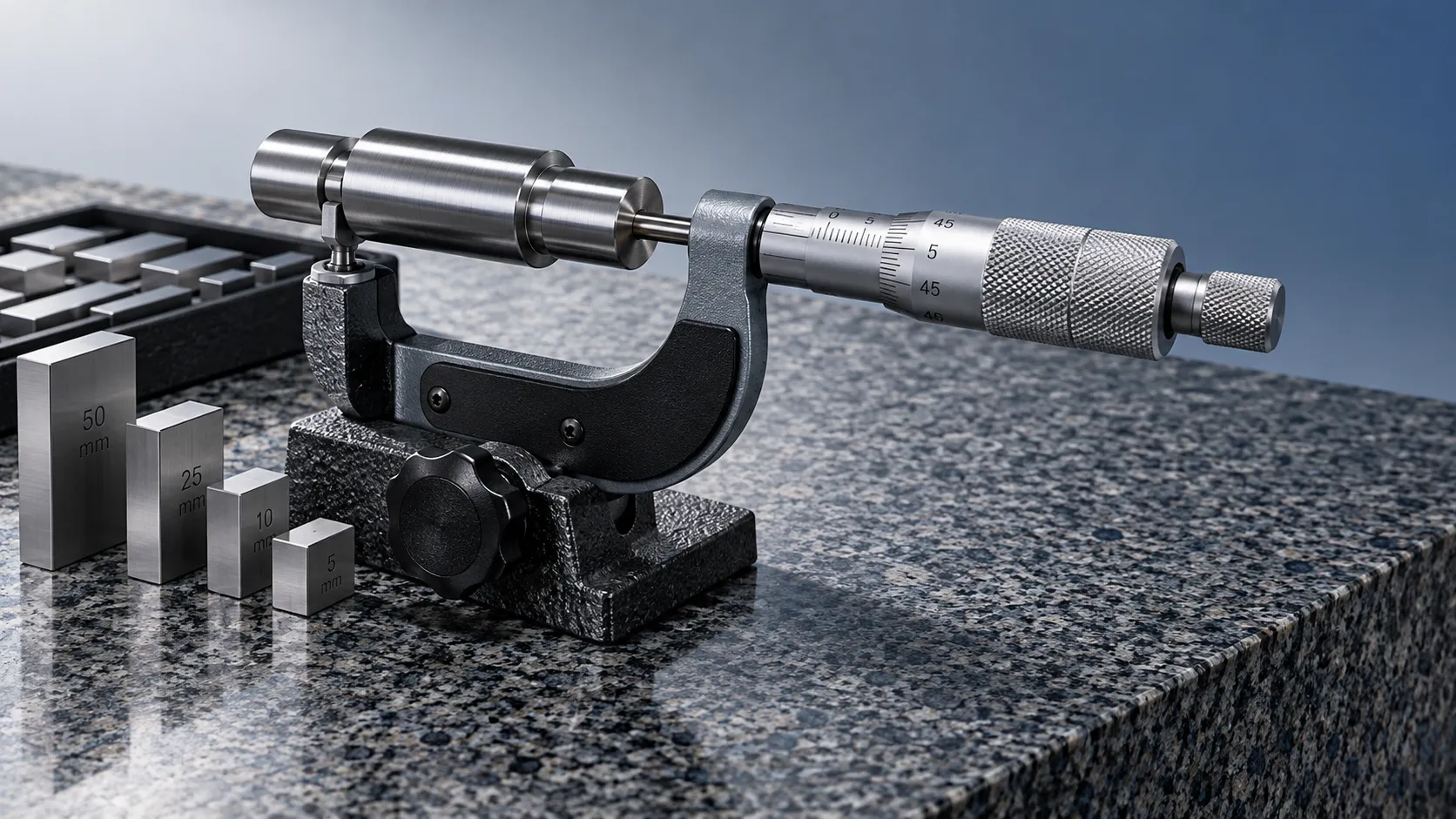
Choosing Industrial Metrology Tools: Matching Measurement Uncertainty to Tolerances
Improve industrial tool selection for metrology by matching measurement uncertainty to tolerances. Learn how to reduce inspection risk and choose equipment with confidence.
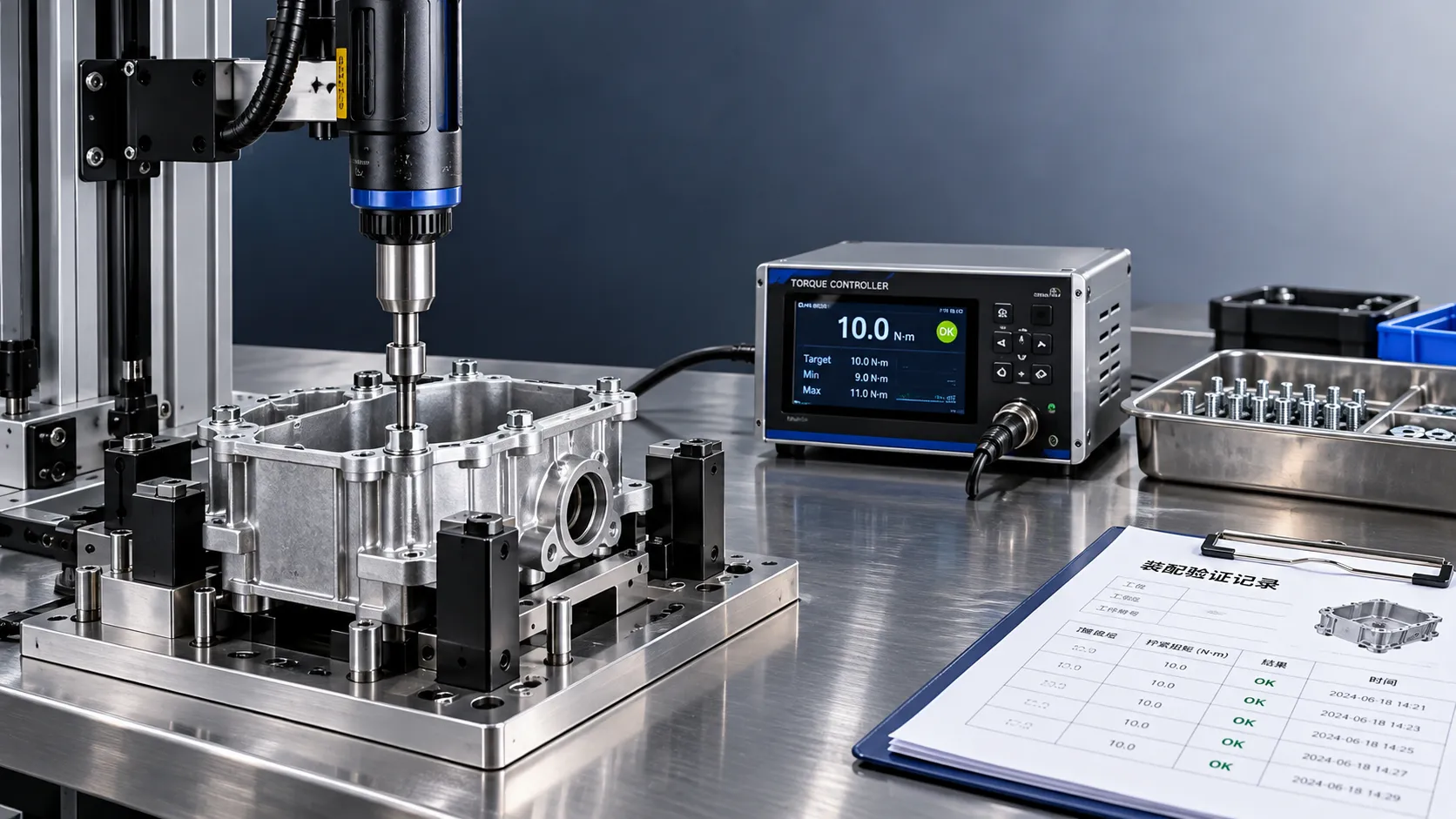
Torque System Suppliers: How to Assess References for Assembly Projects
Explore supplier and solution references torque systems buyers should verify. Assess assembly fit, traceability, and support to reduce risk and choose with confidence.
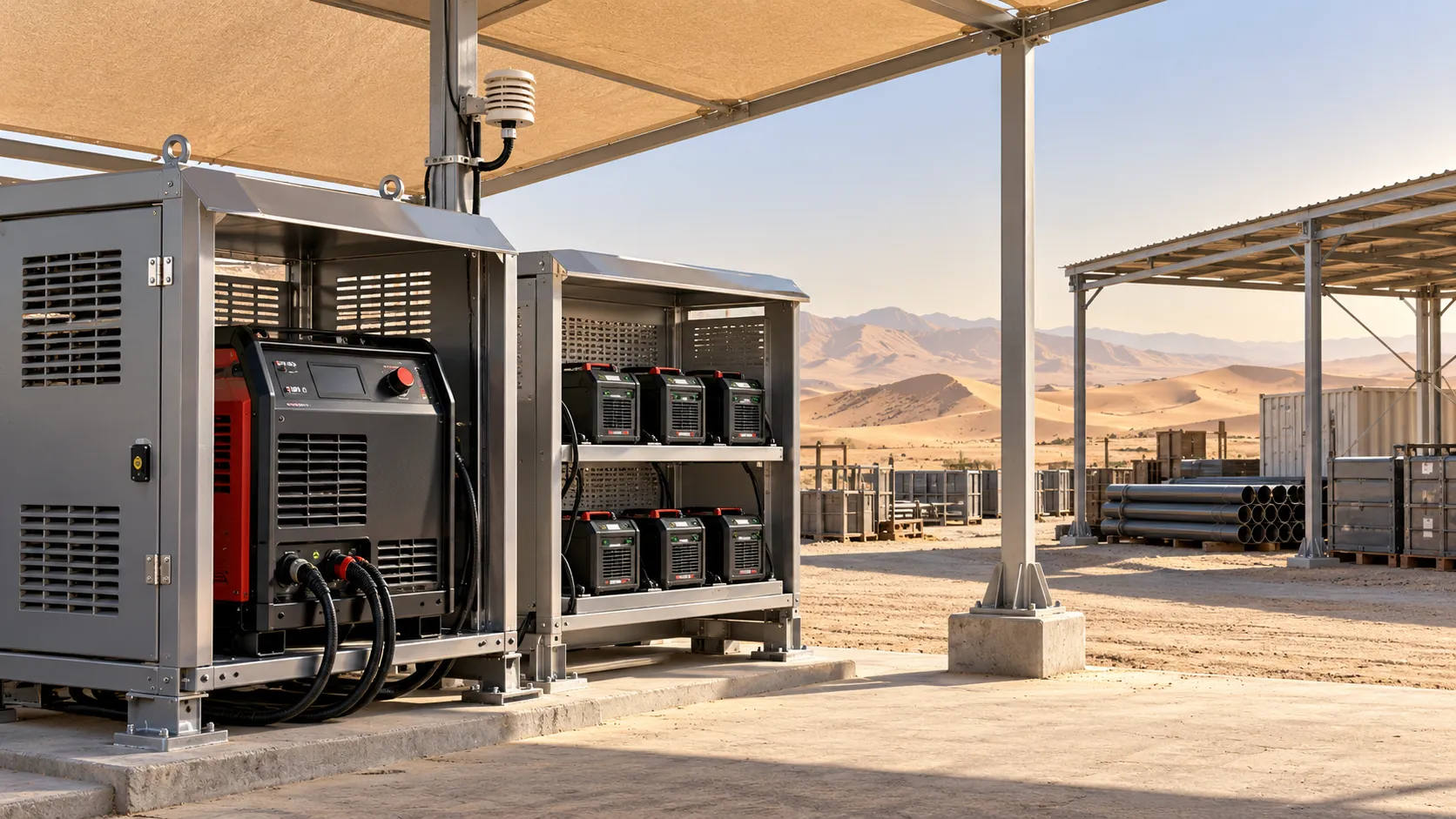
Equipment Application Guidance for the Middle East: Managing Heat and Dust
Explore application guidance Middle East teams can use to manage heat and dust, protect welding equipment, batteries and precision tools, and reduce downtime. Get practical tips.
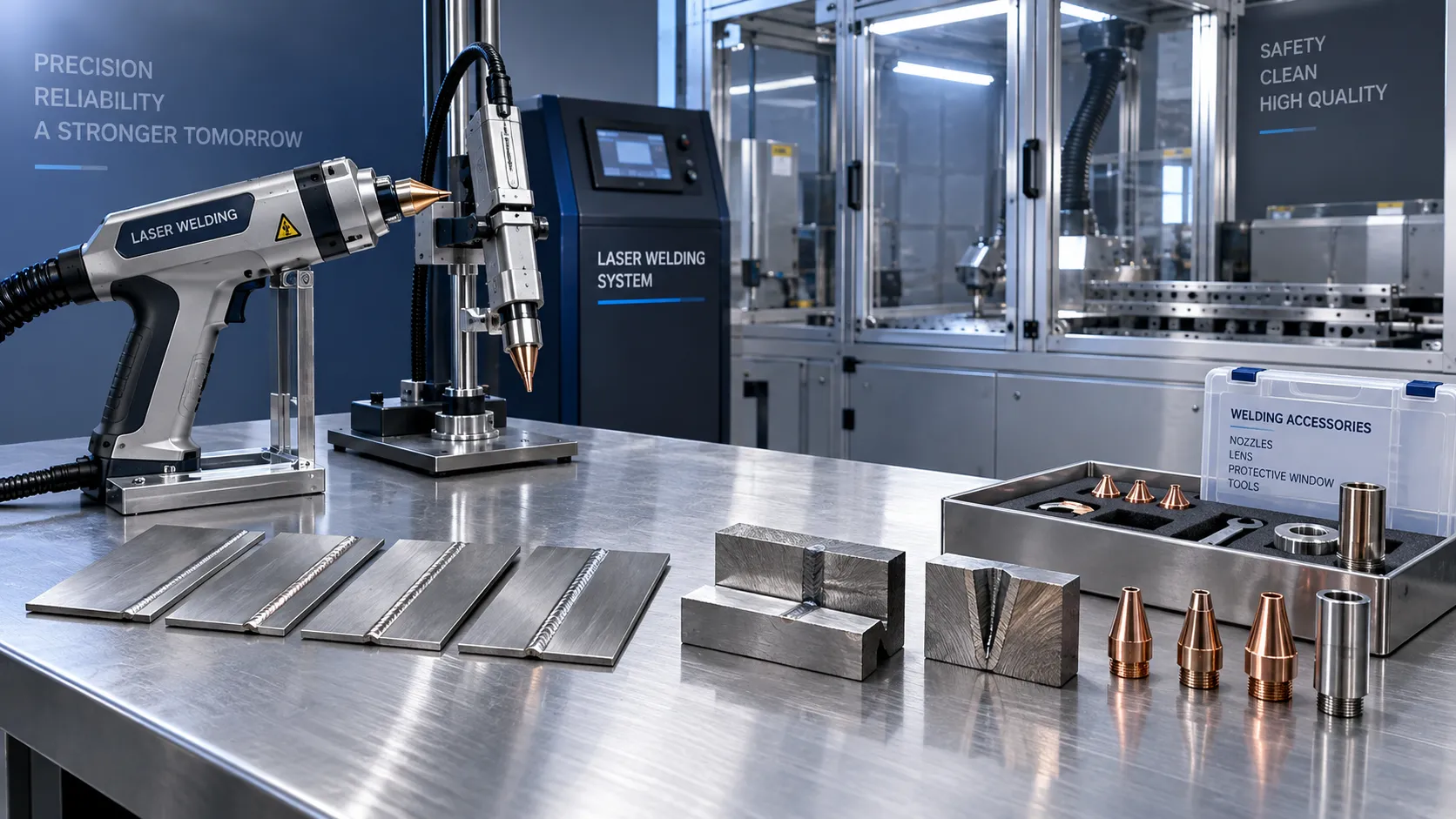
Choosing a Handheld Laser Welding Supplier: Weld Trials, Training, and Service
Choose a handheld laser welding supplier with proven weld trials, safety training, and reliable service. Learn what to verify before buying to reduce downtime and protect your investment.
Choosing an Industrial IoT Platform: Key Criteria for Legacy Equipment
Choose an industrial IoT platform for legacy equipment with confidence. Discover key checks for connectivity, data integrity, security, and lifecycle costs before investing.
In-House vs. Outsourced Aircraft Maintenance: Comparing Total Costs
Compare aerospace maintenance cost for in-house vs. outsourced aircraft upkeep. Discover hidden expenses, downtime impacts, and break-even factors to find the best fit for your fleet.
How to Select High-Precision Measuring Instruments for Tight-Tolerance Production?
High-precision measuring instruments are essential for tight-tolerance production. Learn how to evaluate accuracy, repeatability, environment, calibration, and data integration.
How Industrial Innovation Supplier Networks Reduce Sourcing Risk for Manufacturers
industrial innovation supplier network insights help manufacturers reduce sourcing risk, control lifecycle costs, and choose reliable tools, services, and suppliers with confidence.
How Often Should Precision Measuring Instruments Be Calibrated?
How often should precision measuring instruments be calibrated? Learn how usage, tolerance, environment, and risk determine a reliable calibration schedule.
Related News
- 00
0000-00
South East Asia Machine Tools Market: Demand Outlook by Manufacturing Industry - 00
0000-00
South East Asia Smart Factory Market: Growth Drivers, Sectors, and Investment Signals - 00
0000-00
How Middle East Manufacturers Can Improve Production Efficiency Under Heat and Labor Constraints - 00
0000-00
Why Are Specification-Oriented Articles Gaining Traction in Europe’s B2B Markets? - 00
0000-00
Industrial Solutions in Latin America: Key Growth Sectors and Market Entry Risks
Dr. Alistair Vaughn
Weekly Insights
Stay ahead with our curated technology reports delivered every Monday.