
Is industrial automation worth the upgrade in 2026?





Is industrial automation worth the upgrade in 2026?
In 2026, industrial automation is no longer a futuristic option—it is a strategic test of competitiveness, resilience, and capital discipline.
For operations facing labor constraints, tighter quality requirements, volatile supply chains, and data-driven production demands, the question has changed.
The decision is not simply whether to automate, but where industrial automation delivers measurable value with controlled risk.
This article examines upgrade readiness, investment balance, and the technologies most likely to improve precision, throughput, and long-term advantage.
Scenario judgment: why industrial automation value differs by operating context
Industrial automation creates value only when it fits the production scenario, not when it is purchased as a generic modernization symbol.
A high-volume welding line, a precision metrology room, and a maintenance workshop have different automation economics.
The same robot, sensor, or torque-control platform may produce strong returns in one environment and weak results in another.
In 2026, the strongest business cases connect industrial automation with repeatability, traceability, safety, and workforce leverage.
Automation also affects compliance readiness, energy discipline, warranty exposure, and responsiveness to shifting export standards.
A practical assessment begins with process pain, not equipment enthusiasm.
- Where is quality variation creating rework, scrap, or warranty risk?
- Which tasks depend on scarce skills or physically demanding labor?
- Where does production data arrive too late for corrective action?
- Which bottlenecks prevent faster delivery despite available demand?
High-volume assembly: when industrial automation protects throughput
High-volume assembly is often the clearest case for industrial automation because cycle time, repeatability, and uptime are directly measurable.
Automated feeding, fastening, inspection, and material handling reduce variation across shifts and reduce dependency on manual rhythm.
The core judgment point is stability of demand and product design.
If product changes are frequent, flexible industrial automation may outperform fixed automation with lower redesign risk.
IoT-enabled torque tools, vision inspection, and automated work instructions can improve first-pass yield without rebuilding the full line.
The upgrade becomes especially attractive when defects are expensive after final assembly.
Welding and metal joining: where automation improves consistency and safety
Welding remains a decisive scenario for industrial automation because skilled labor shortages meet rising expectations for seam consistency.
Robotic welding, collaborative welding cells, and guided laser welding systems can stabilize parameters across complex production schedules.
The main requirement is not only robot accuracy, but fixture discipline, joint preparation, shielding control, and inspection integration.
For handheld laser welding, industrial automation value often appears through safety interlocks, parameter libraries, and training standardization.
Automation should be assessed against spatter reduction, heat distortion, operator exposure, and repeatable bead geometry.
The best fit is usually repetitive weld paths, controlled part presentation, and documented quality requirements.
Precision metrology: when automated measurement becomes a control system
Precision metrology is no longer only a final inspection function.
With industrial automation, measurement can become an active feedback loop for machining, assembly, and process correction.
Automated gauges, coordinate measurement systems, optical scanners, and in-line sensors reduce delay between defect creation and detection.
This scenario is valuable when tolerances are tight, scrap is costly, or documentation is required for regulated supply chains.
The critical question is data usability.
Measurement automation fails when results stay isolated from machine settings, maintenance alerts, and quality decisions.
For precision tools and metrology operations, industrial automation should connect inspection speed with traceable decision rules.
Maintenance and field service: where selective automation beats full replacement
Maintenance environments rarely justify full-line industrial automation, but selective digital and mechanical upgrades can be highly effective.
Smart torque tools, diagnostic sensors, hydraulic monitoring, and digital checklists reduce missed steps during repair and overhaul work.
The value appears in asset availability, safety compliance, and repeatable service outcomes.
This scenario is especially relevant for construction equipment, aerospace maintenance, automotive service, and heavy industrial infrastructure.
The best automation approach is usually modular.
Start with critical tools, digital verification, and predictive signals before committing to larger robotic maintenance systems.
Demand differences: comparing industrial automation scenarios
Scenario-fit recommendations for 2026 upgrades
The strongest industrial automation roadmaps prioritize measurable constraints, then match technology depth to operational maturity.
A plant with unstable process standards should not begin with the most complex system.
It should first standardize work methods, tooling conditions, safety rules, and data definitions.
- Map the highest-cost variation points before selecting equipment.
- Choose pilot areas with stable demand and visible performance metrics.
- Connect automation data with quality, maintenance, and planning systems.
- Evaluate operator ergonomics, training load, and safety certification needs.
- Set payback targets using scrap, downtime, labor leverage, and warranty reduction.
Flexible industrial automation is often the best first step in mixed-product environments.
Examples include collaborative robots, programmable torque control, modular vision inspection, and digital work verification.
Fixed automation remains attractive when product geometry, volume, and process flow are predictable for several years.
Common misjudgments that weaken industrial automation returns
Many failed upgrades do not fail because industrial automation is ineffective.
They fail because the selected scenario was not ready for automation discipline.
- Automating an unstable process hides root causes instead of removing them.
- Ignoring fixturing quality limits robotic welding accuracy and repeatability.
- Collecting sensor data without decision rules creates dashboards, not improvement.
- Underestimating integration cost distorts the true return on investment.
- Neglecting cybersecurity exposes connected tools and production records.
Another frequent mistake is measuring only labor substitution.
In many 2026 cases, the bigger industrial automation benefit comes from fewer defects, faster changeovers, and stronger traceability.
Energy performance also deserves attention.
Servo systems, brushless motors, and intelligent standby control can reduce waste when properly specified and monitored.
How GPTWM frames the upgrade decision
GPTWM views industrial automation through the “last mile” of industrial manufacturing.
That last mile includes the welding torch, caliper, torque tool, fixture, sensor, and inspection record.
Strategic intelligence must connect traditional craftsmanship with modern intelligent tools.
This is why automation evaluation should include raw material volatility, export standards, metrology trends, and tool ergonomics.
A narrow equipment view misses the wider commercial context.
A stronger view asks how industrial automation supports global competitiveness, brand premium, and production credibility.
Action guide: deciding whether industrial automation is worth it
Industrial automation is worth the upgrade in 2026 when it solves a defined operational constraint with measurable financial impact.
It is not worth it when technology selection precedes process evidence, workforce planning, and integration readiness.
The next step is a scenario-based automation audit.
- Identify three processes with the highest cost of variation.
- Quantify downtime, scrap, rework, inspection delay, and safety exposure.
- Rank each process by technical feasibility and payback confidence.
- Pilot one upgrade with clear baseline and post-installation metrics.
- Scale only after proving stability, usability, and data value.
For assembly, welding, metrology, and maintenance scenarios, the winning approach is neither blind replacement nor delayed adoption.
It is disciplined industrial automation, applied where precision, intelligence, and operational resilience clearly connect.
In that context, the 2026 upgrade is not only worthwhile.
It becomes a practical foundation for digital factories, stronger craftsmanship, and globally reliable industrial performance.
Related News
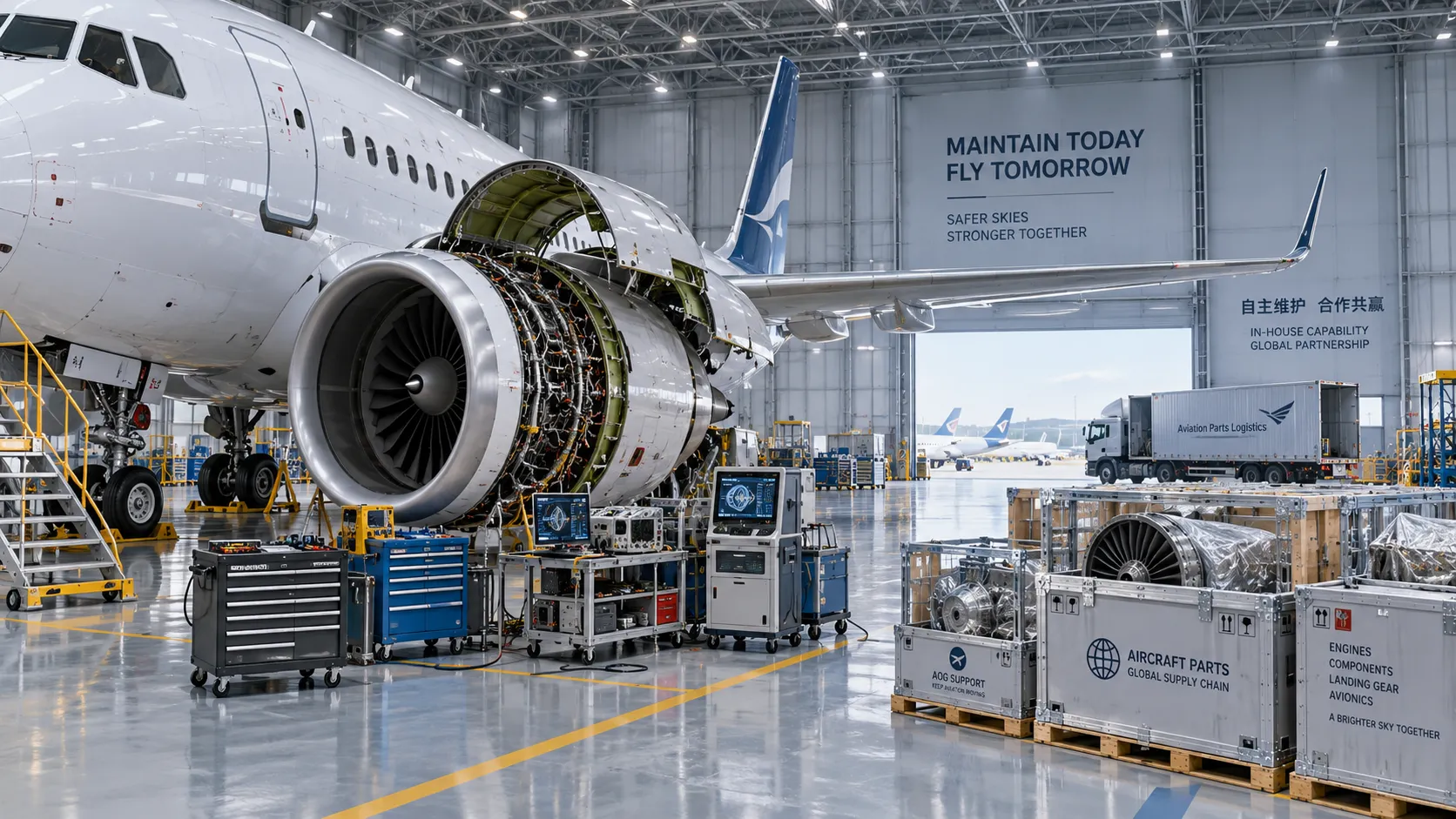
In-House vs. Outsourced Aircraft Maintenance: Comparing Total Costs
Compare aerospace maintenance cost for in-house vs. outsourced aircraft upkeep. Discover hidden expenses, downtime impacts, and break-even factors to find the best fit for your fleet.
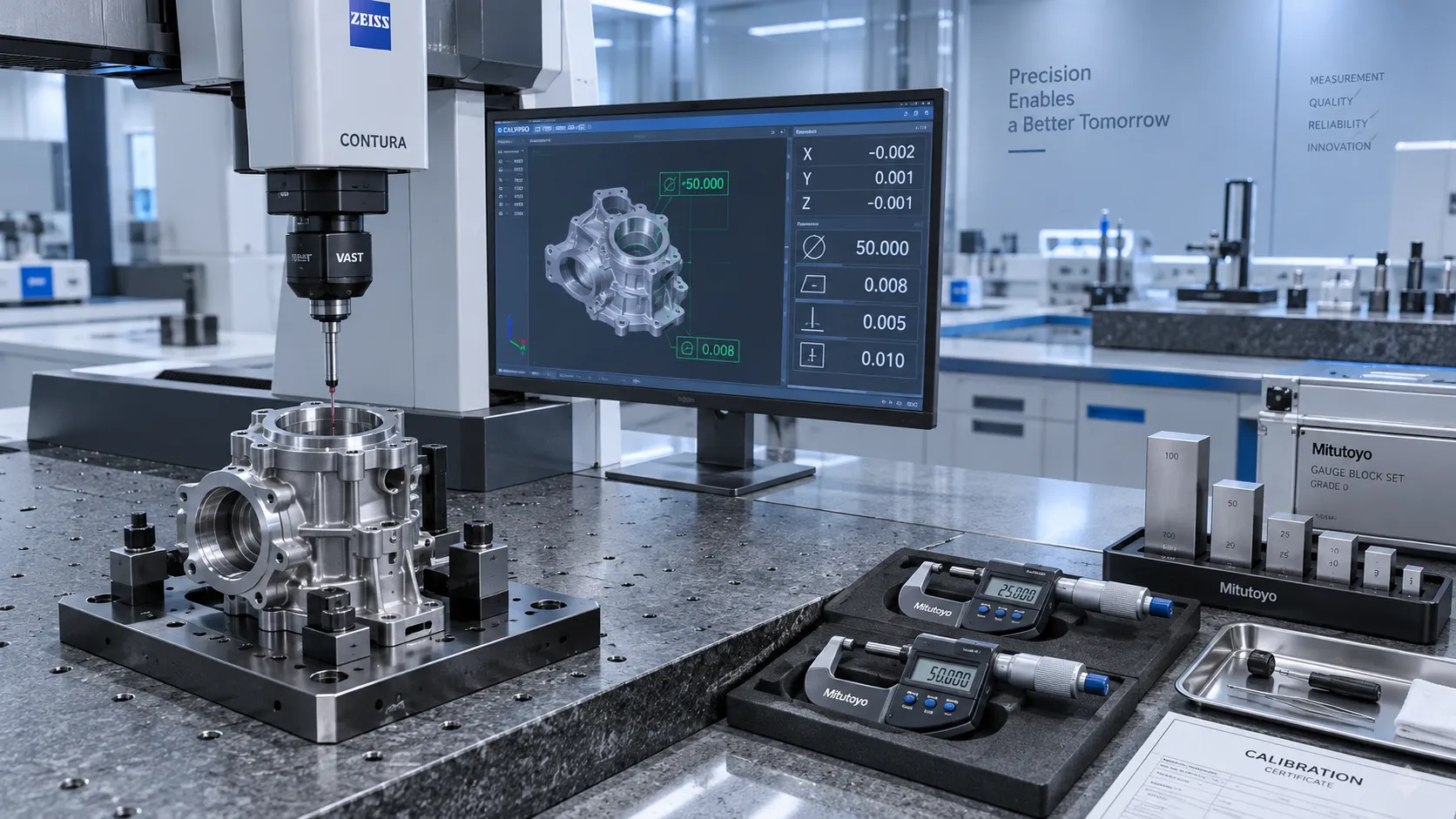
How to Select High-Precision Measuring Instruments for Tight-Tolerance Production?
High-precision measuring instruments are essential for tight-tolerance production. Learn how to evaluate accuracy, repeatability, environment, calibration, and data integration.
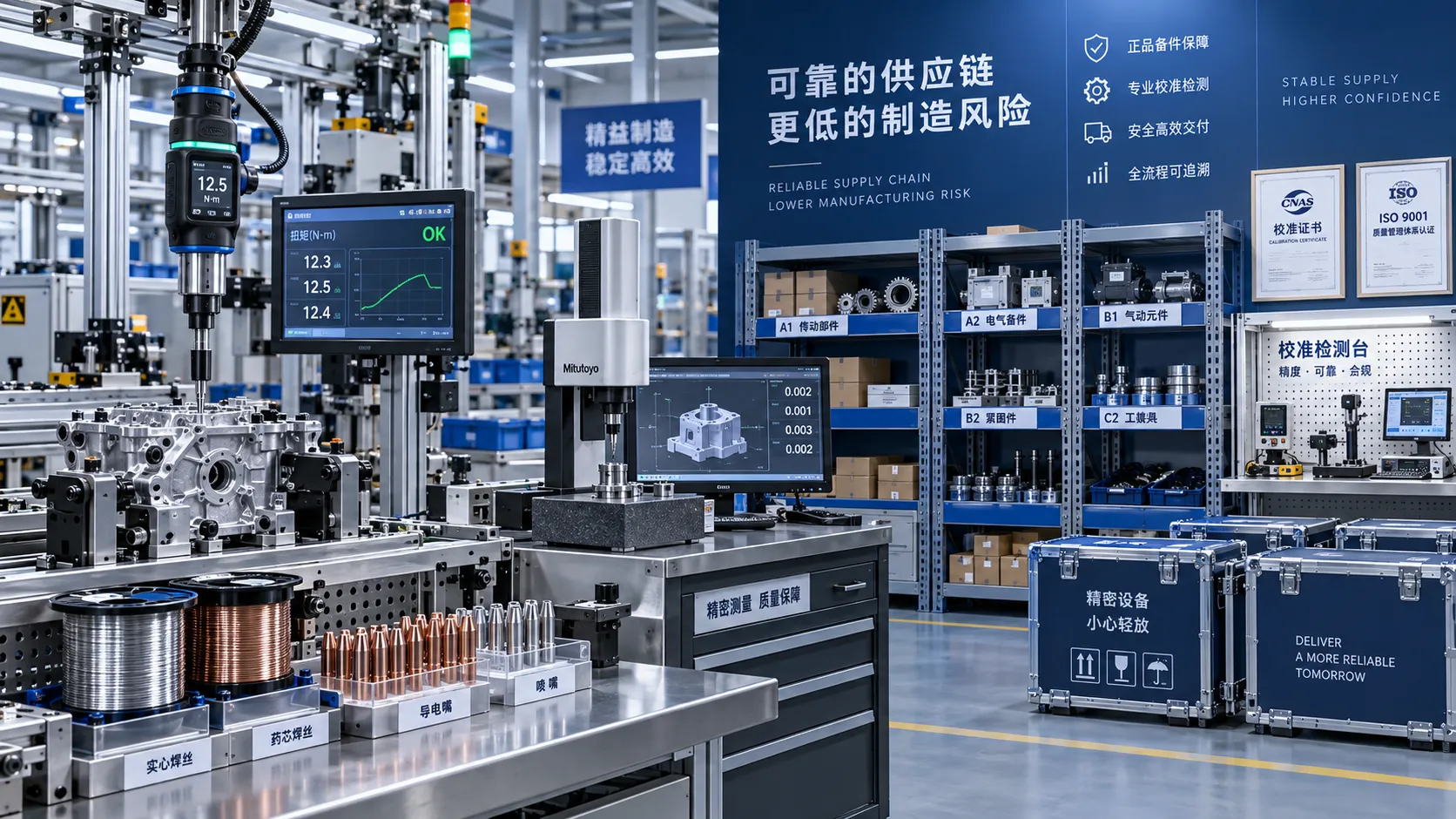
How Industrial Innovation Supplier Networks Reduce Sourcing Risk for Manufacturers
industrial innovation supplier network insights help manufacturers reduce sourcing risk, control lifecycle costs, and choose reliable tools, services, and suppliers with confidence.
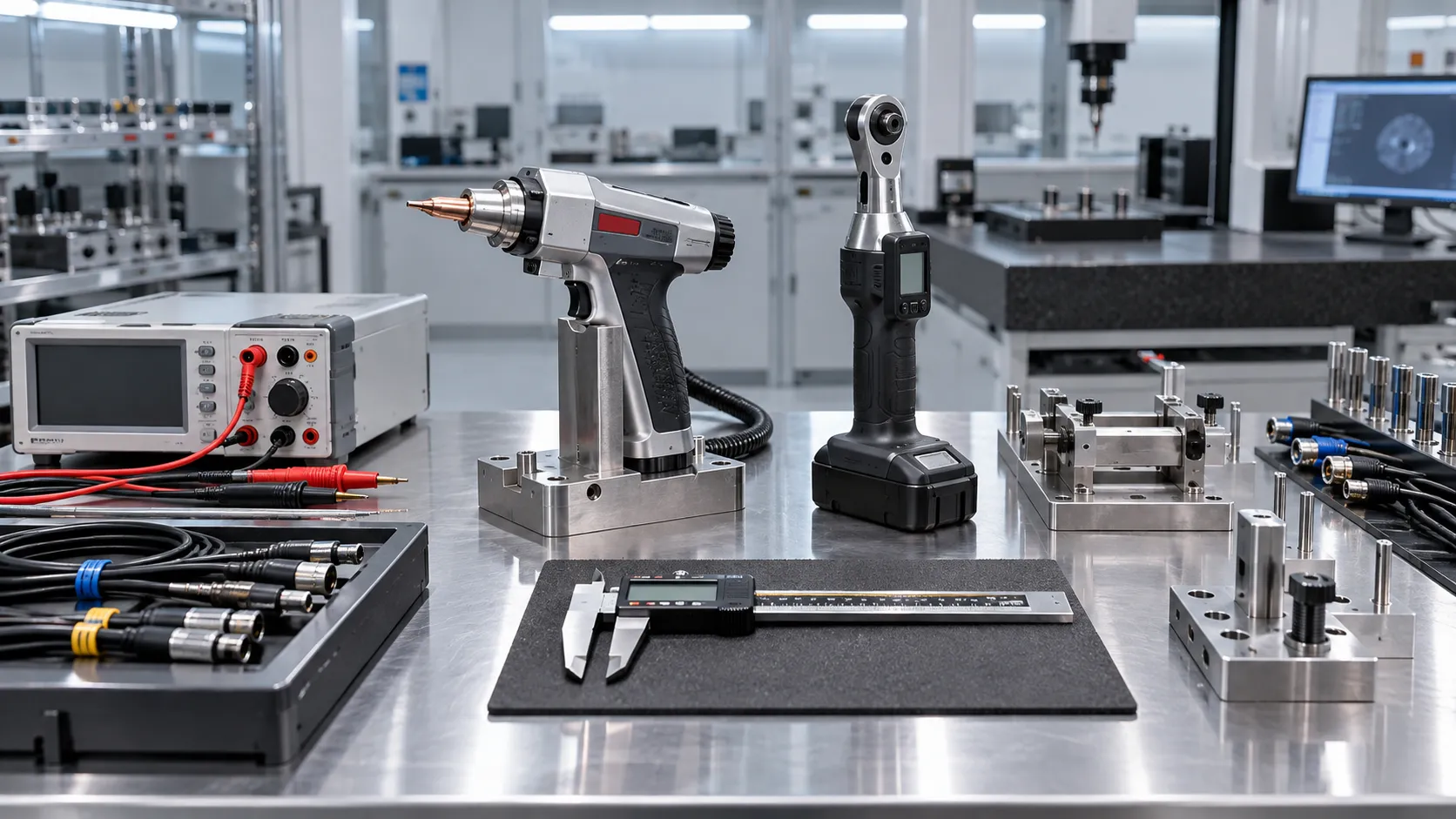
Which Industrial Standards Should Be Checked Before Export?
Which industrial standards should be checked before export? Discover essential compliance steps for industrial tools, welding equipment, laser systems, and metrology products.
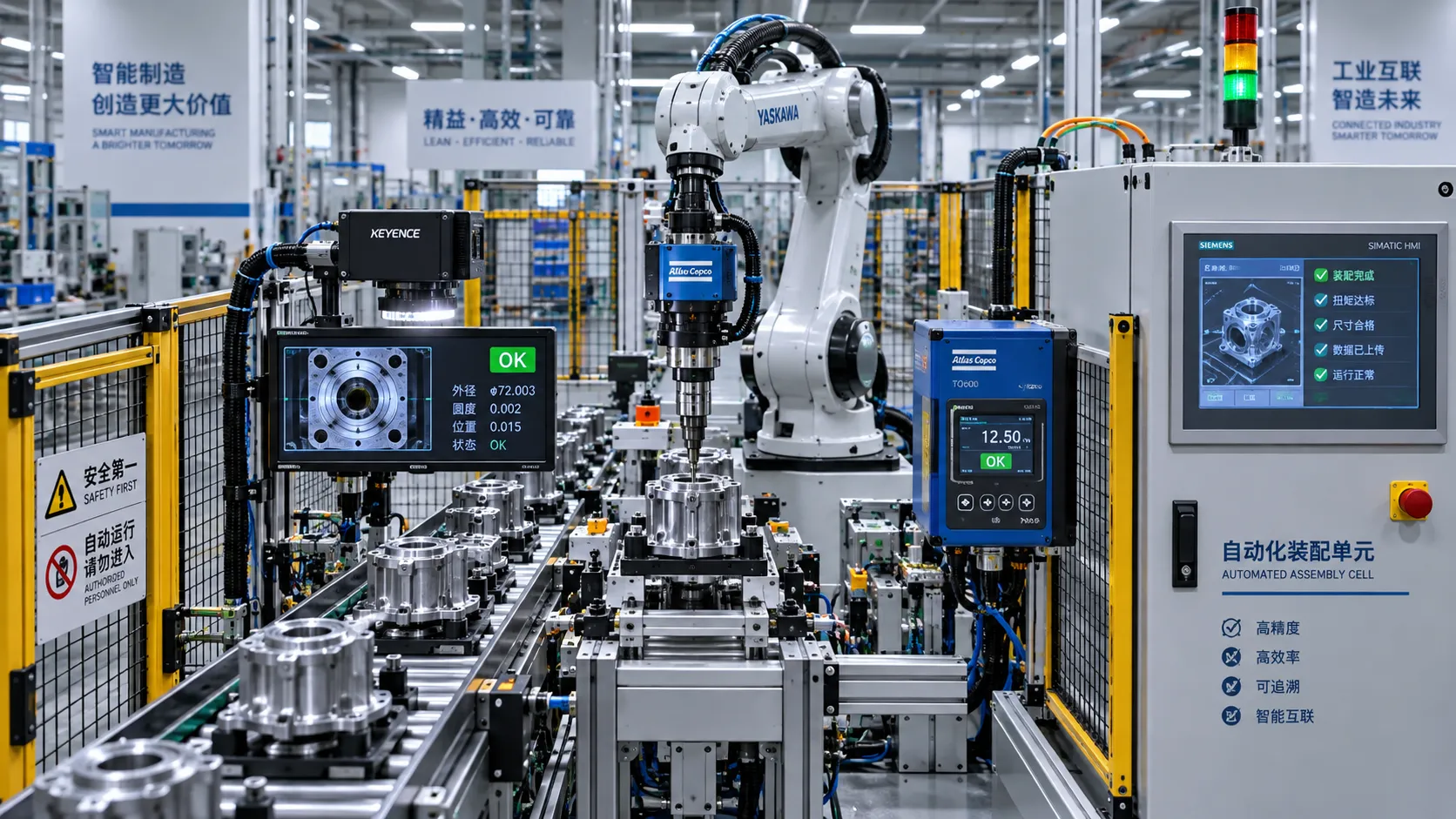
What Industrial Automation Exporters Need to Know Before Entering ASEAN Markets
Industrial automation exporter to ASEAN: learn how to navigate compliance, local service, digital readiness, pricing, and market entry for scalable growth.
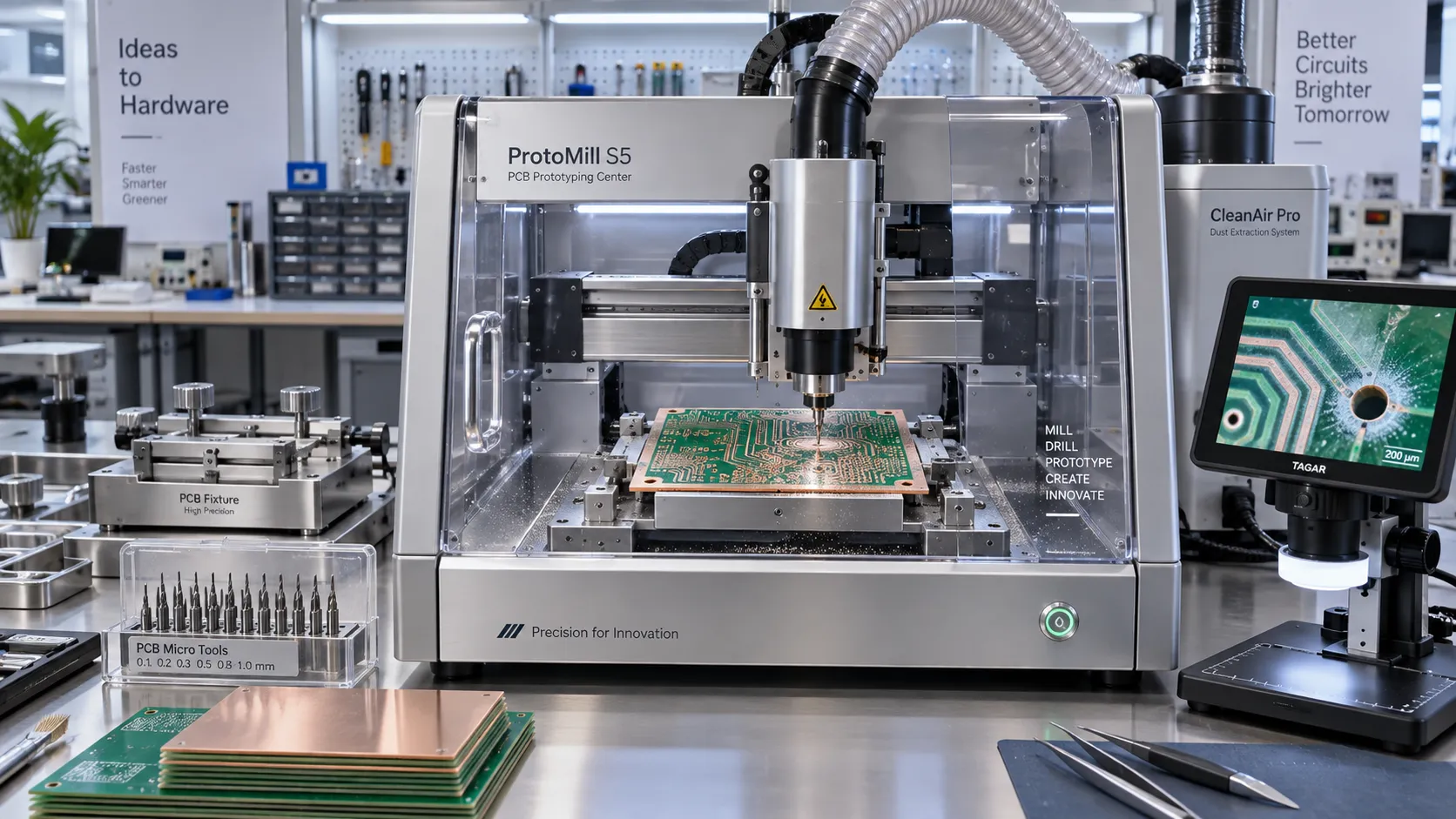
Prototype PCB Manufacturing Equipment: What Engineers Should Evaluate Before Purchase
Prototype PCB manufacturing equipment: discover the key factors engineers should evaluate—from accuracy and materials to software, safety, and ROI—before buying.
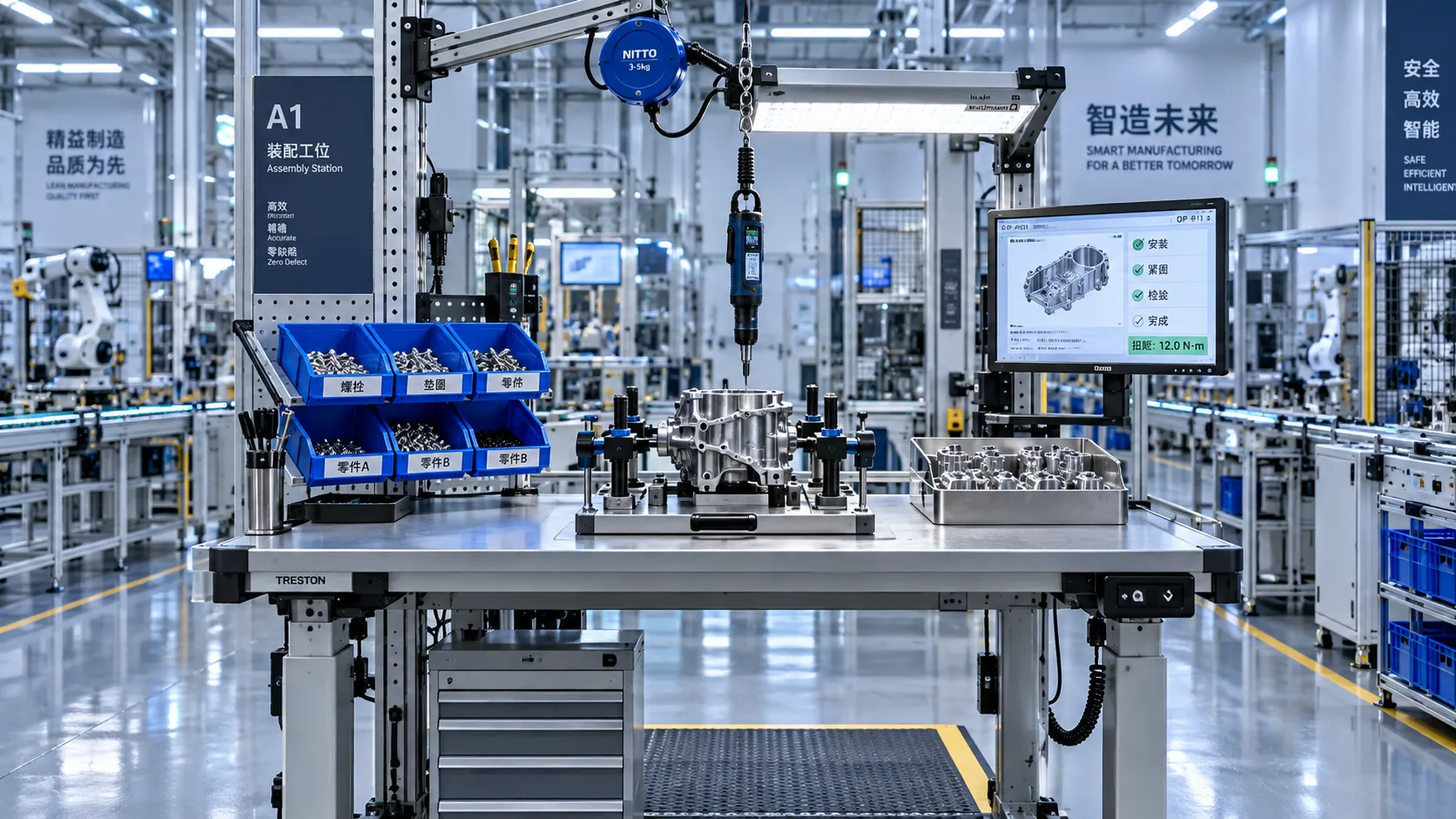
Workplace Ergonomics for Manufacturing: Reducing Repetitive-Strain Risks on Assembly Lines
Workplace ergonomics for manufacturing helps reduce repetitive-strain risks on assembly lines through smarter workstation design, tool selection, task analysis, and quality-focused improvements.
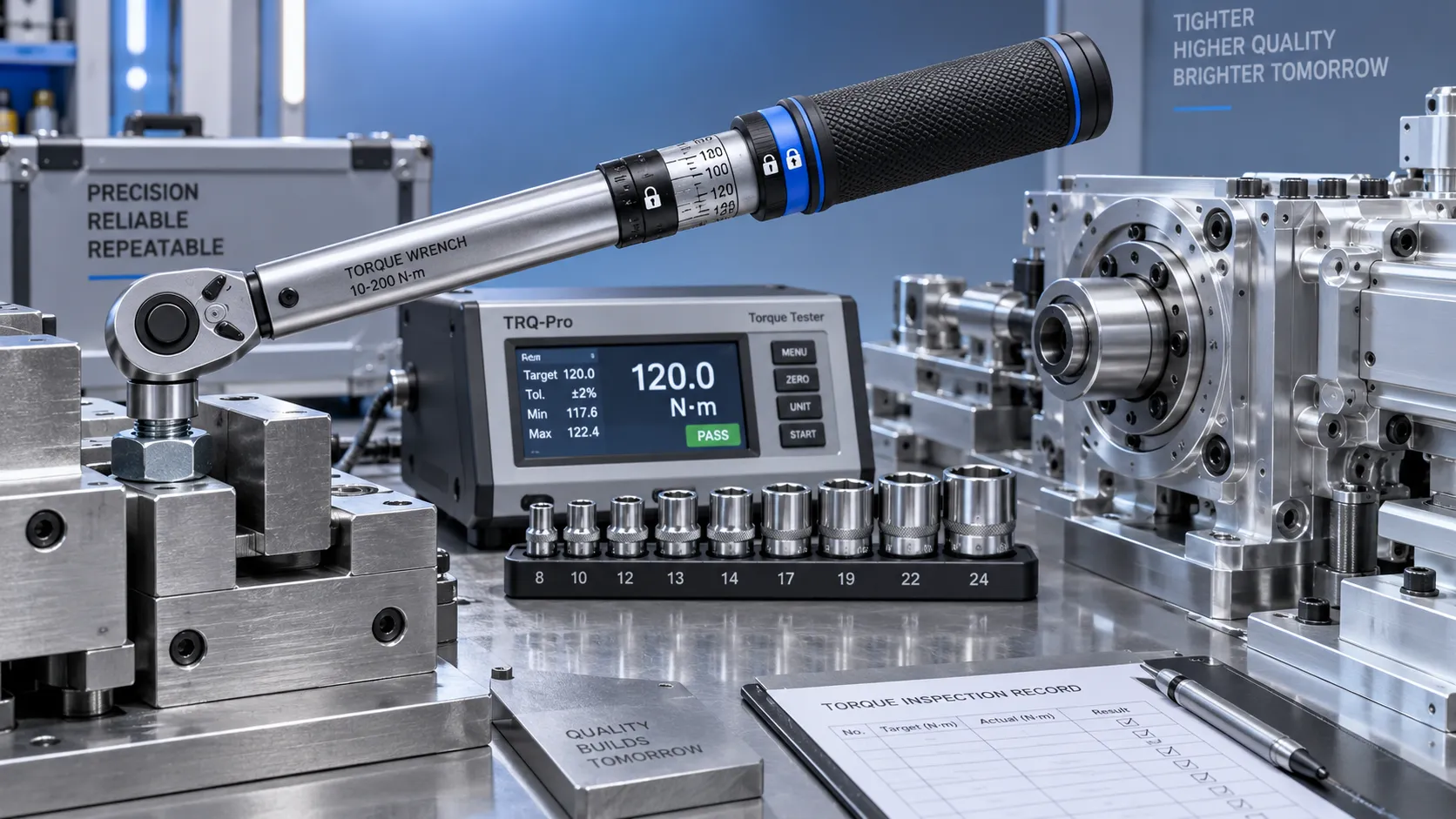
Selecting Adjustable Torque Tools for Repeatable Fastener Assembly
Adjustable torque tools: learn how to match range, accuracy, control methods, calibration, and ergonomics for repeatable, reliable fastener assembly.
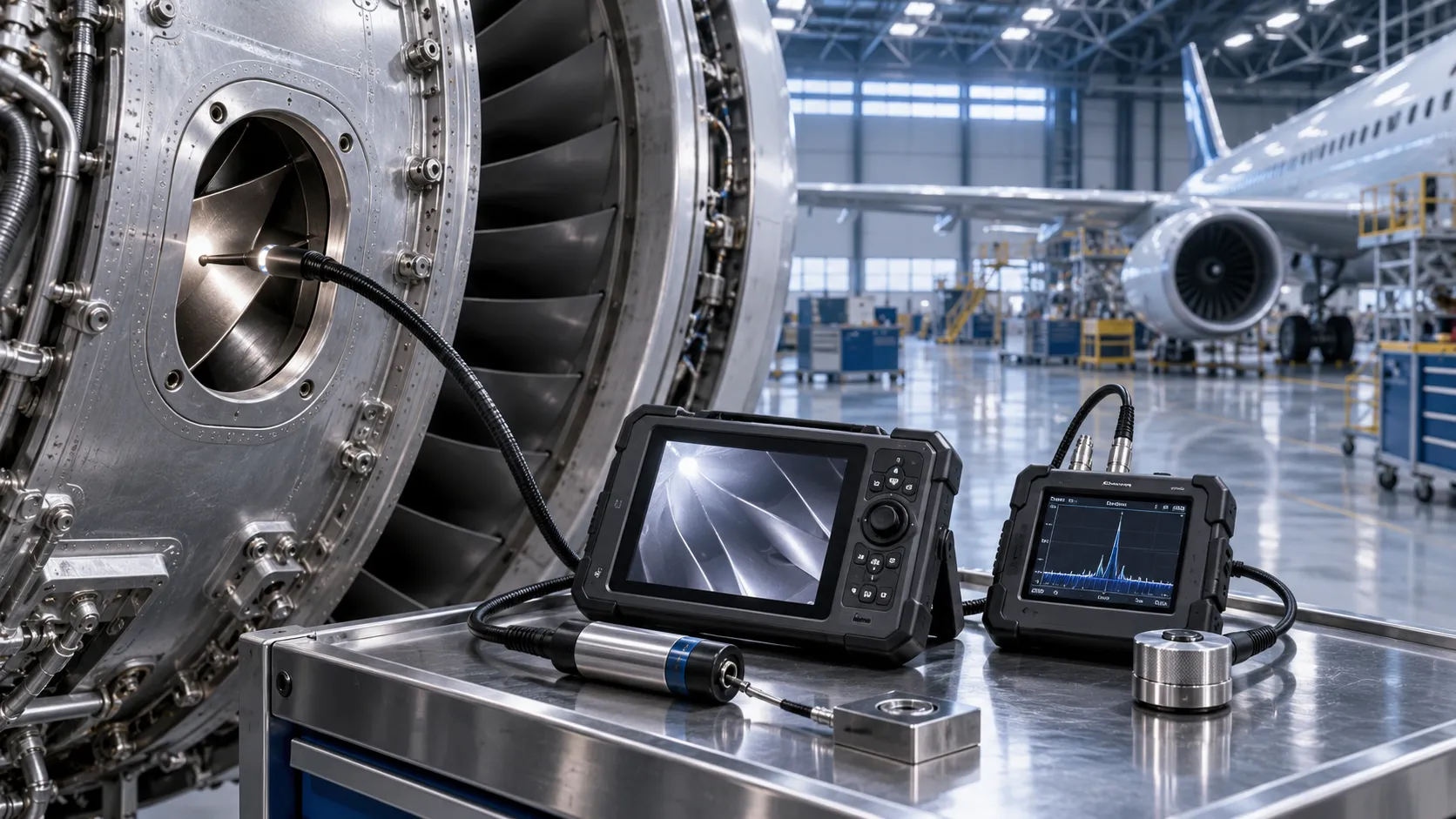
How to Select Aerospace Inspection Tools for Aircraft Maintenance Tasks
Aerospace maintenance inspection tools: learn how to select reliable, traceable equipment for aircraft access, accuracy, calibration, and compliant maintenance decisions.
Related News
- 00
0000-00
How Middle East Manufacturers Can Improve Production Efficiency Under Heat and Labor Constraints - 00
0000-00
Why Are Specification-Oriented Articles Gaining Traction in Europe’s B2B Markets? - 00
0000-00
Industrial Solutions in Latin America: Key Growth Sectors and Market Entry Risks - 00
0000-00
What Is Driving Manufacturing Efficiency in Europe’s Industrial Sectors? - 00
0000-00
Industrial Market Trends in 2025: What Buyers Should Watch Across Supply and Demand
Dr. Alistair Vaughn
Weekly Insights
Stay ahead with our curated technology reports delivered every Monday.