
Is smart manufacturing still worth the factory upgrade?





Is Smart Manufacturing Still Worth the Factory Upgrade?
As capital budgets tighten and global competition intensifies, many factory leaders are asking whether smart manufacturing still delivers a measurable return—or simply adds complexity.
For enterprise decision making, the answer depends on more than sensors, robots, or software dashboards.
It requires a clear view of production bottlenecks, workforce readiness, metrology accuracy, welding quality, and long-term scalability.
This article examines when a factory upgrade becomes a strategic advantage, where the risks emerge, and how intelligent tools align with real operational value.
Why a Checklist Matters Before a Smart Manufacturing Upgrade
Smart manufacturing is not a single purchase. It is a connected operating model built around data, equipment, people, and process discipline.
A welding cell, torque station, metrology bench, or assembly line may look ready for automation.
Yet hidden variation can weaken the return before the first dashboard goes live.
A checklist prevents technology-first spending. It also reveals whether smart manufacturing supports throughput, quality, compliance, and maintenance goals.
In precision tools, metal joining, and industrial assembly, the strongest gains often come from controlled execution.
Better torque traceability, welding parameter stability, and measurement feedback can turn a factory upgrade into a durable advantage.
Core Smart Manufacturing Upgrade Checklist
Use the following checks before approving capital investment, selecting software, or connecting critical production equipment.
- Map the current value stream and identify where smart manufacturing can remove waiting time, rework, scrap, or manual reporting delays.
- Measure baseline performance for cycle time, first-pass yield, energy use, tool utilization, downtime, and inspection accuracy before installation.
- Prioritize bottlenecks where connected tools, torque control, welding monitoring, or metrology feedback create direct operational impact.
- Verify machine connectivity, communication protocols, controller access, and cybersecurity requirements before buying new smart manufacturing platforms.
- Check whether operators can act on alerts, not only view dashboards, when process drift or equipment faults appear.
- Align quality data with inspection plans, calibration records, weld parameters, torque curves, and customer documentation requirements.
- Confirm maintenance teams can use predictive signals, spare-part planning, vibration data, and runtime history in daily routines.
- Evaluate whether smart manufacturing investment can scale across similar lines, plants, product families, or regional compliance environments.
- Define ownership for data quality, system updates, exception handling, and continuous improvement after the initial project launch.
- Calculate payback using avoided defects, reduced downtime, faster changeovers, lower energy consumption, and improved asset availability.
Where Smart Manufacturing Creates the Strongest Return
High-Mix Assembly and Tool-Controlled Workstations
High-mix production benefits when every operation needs traceable execution. Smart manufacturing can link work instructions, tool settings, and inspection records.
Connected screwdrivers, intelligent torque wrenches, and guided assembly benches reduce missed steps and incorrect fastening sequences.
The value is highest when product variants change frequently and manual confirmation creates quality exposure.
Welding Cells and Metal Joining Operations
In welding, small deviations can cause expensive defects. Smart manufacturing helps monitor current, voltage, travel speed, shielding gas, and heat input.
Handheld laser welding, robotic welding, and resistance welding all require disciplined parameter control.
When process data connects with visual inspection and metrology results, quality teams can react before defects spread.
Precision Metrology and Closed-Loop Quality
Metrology is often the decision gate for smart manufacturing. Bad measurement data turns automation into faster uncertainty.
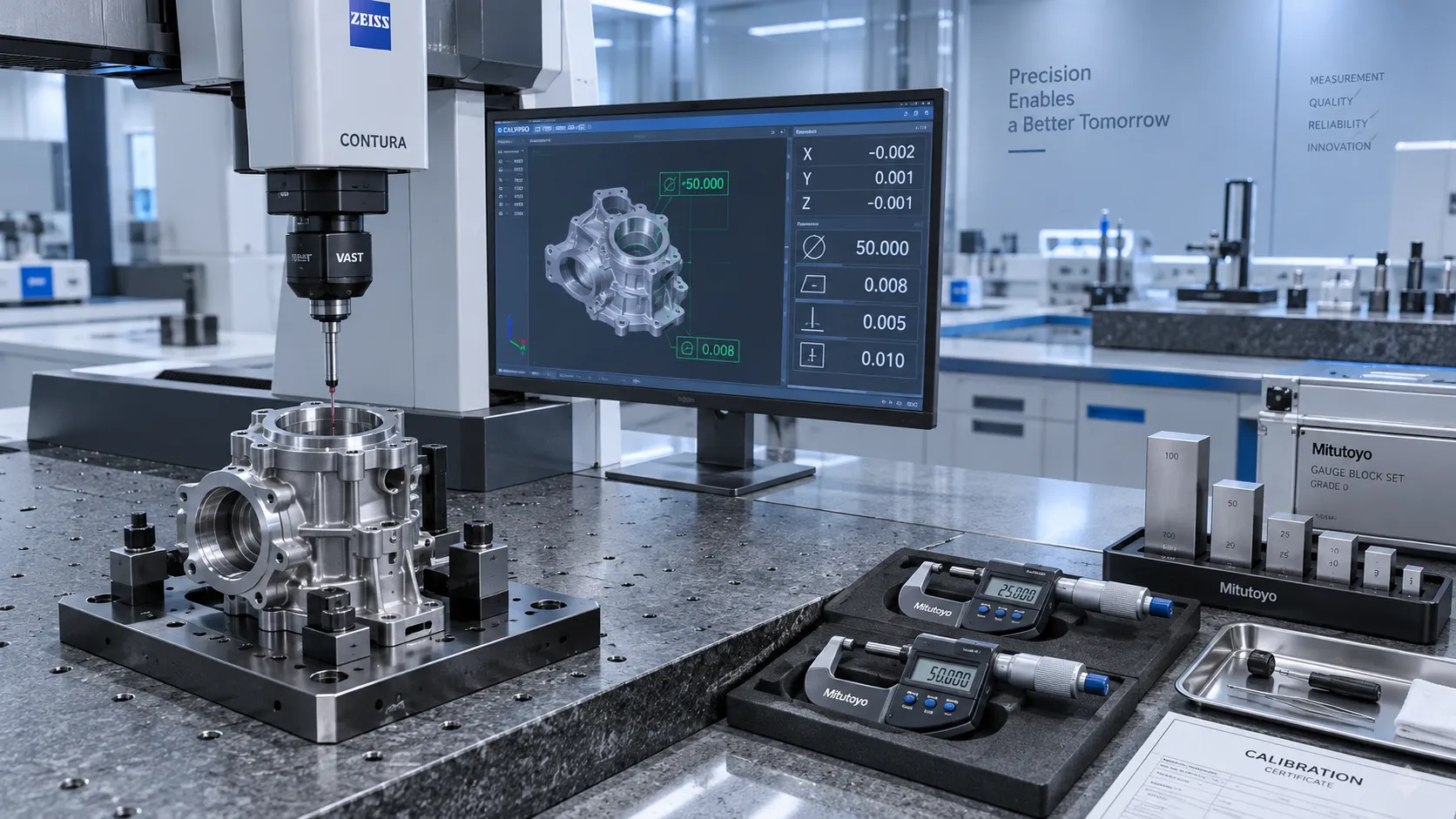
Digital calipers, coordinate measuring machines, laser trackers, and inline gauges should feed verified results into production records.
Closed-loop adjustment is most valuable when dimensional drift affects safety, interchangeability, or downstream assembly efficiency.
Maintenance-Intensive Equipment and Hydraulic Systems
Smart manufacturing also improves asset reliability. Pumps, presses, compressors, and hydraulic equipment often fail gradually before causing stoppages.
Monitoring pressure, temperature, vibration, cycle counts, and leakage indicators supports condition-based maintenance.
The return improves when maintenance alerts connect with spare parts, repair windows, and production scheduling.
When a Factory Upgrade May Not Be Worth It Yet
Smart manufacturing becomes risky when the process is unstable, undocumented, or poorly measured. Digital tools cannot fix unclear standards.
If scrap causes are unknown, adding sensors may create more data without better decisions.
A smaller improvement project may be better before a full platform rollout.
- Stabilize work instructions before digitizing them, especially where operators use informal methods to compensate for equipment variation.
- Repair unreliable machines before connecting them, because smart manufacturing cannot overcome chronic mechanical neglect.
- Standardize inspection methods before automating records, or measurement inconsistency will damage confidence in the system.
- Avoid large software commitments until the first use case proves repeatable, measurable, and accepted on the shop floor.
Commonly Missed Risks in Smart Manufacturing Projects
Data Without Action
Many projects collect machine data but fail to define response rules. Alerts must trigger actions, escalation paths, and verification steps.
Without action discipline, smart manufacturing becomes a reporting layer instead of an improvement engine.
Cybersecurity Exposure
Connecting machines increases attack surfaces. Access control, network segmentation, patch management, and vendor permissions need early review.
Cybersecurity should be treated as production continuity, not only an information technology concern.
Skills Gap and Change Fatigue
A smart manufacturing upgrade changes daily work. Teams must understand alarms, interfaces, calibration rules, and exception handling.
Training should focus on decisions, not software navigation alone.
Vendor Lock-In
Closed systems can restrict future expansion. Review data ownership, export options, integration limits, and support terms before signing.
Open architecture supports long-term smart manufacturing scalability across mixed equipment environments.
Practical Execution Plan for a Measurable Upgrade
A successful smart manufacturing project should begin with a focused pilot. Choose one production pain point with measurable financial impact.
Do not start with the most complex line. Start where data can prove improvement quickly.
- Select one process, such as welding parameter control, torque traceability, changeover reduction, or predictive maintenance.
- Document the baseline with verified production, quality, maintenance, and energy data for at least one representative period.
- Set success metrics, including defect reduction, downtime improvement, labor savings, inspection speed, or customer audit readiness.
- Install only the sensors, software, and connected tools required to test the business case.
- Review results weekly and separate technical problems from workflow, training, or data-quality issues.
- Scale the project only after the pilot produces stable gains and clear operating standards.
This phased method keeps smart manufacturing investment tied to evidence. It also prevents uncontrolled expansion of dashboards and unused features.
Decision Guide: Upgrade, Delay, or Redesign
Use three decision paths. Each path depends on process maturity, data reliability, and strategic urgency.
- Upgrade now when bottlenecks are measurable, equipment is connectable, and quality or downtime losses justify smart manufacturing investment.
- Delay briefly when processes need standardization, calibration discipline, maintenance repair, or clearer return-on-investment assumptions.
- Redesign the plan when the proposal starts with software features instead of production constraints and operational value.
The best projects are practical. They connect digital capability with measurable gains in assembly accuracy, welding stability, metrology confidence, and asset utilization.
Conclusion: Smart Manufacturing Is Worth It When Value Leads Technology
Smart manufacturing is still worth the factory upgrade when it solves a defined operational problem and strengthens long-term competitiveness.
It is not worth it when technology arrives before process control, workforce readiness, or measurement discipline.
For industrial assembly, metal joining, and precision metrology, the strongest path is clear: audit the baseline, prioritize constraints, pilot carefully, and scale with evidence.
The next step is simple. Build a one-page smart manufacturing checklist for the most important line, cell, or inspection process.
Then compare each investment against throughput, quality, safety, maintenance, and scalability. If the numbers hold, the upgrade is not a trend.
It becomes a practical foundation for a more precise, resilient, and intelligent factory.
Related News

In-House vs. Outsourced Aircraft Maintenance: Comparing Total Costs
Compare aerospace maintenance cost for in-house vs. outsourced aircraft upkeep. Discover hidden expenses, downtime impacts, and break-even factors to find the best fit for your fleet.
How to Select High-Precision Measuring Instruments for Tight-Tolerance Production?
High-precision measuring instruments are essential for tight-tolerance production. Learn how to evaluate accuracy, repeatability, environment, calibration, and data integration.
How Industrial Innovation Supplier Networks Reduce Sourcing Risk for Manufacturers
industrial innovation supplier network insights help manufacturers reduce sourcing risk, control lifecycle costs, and choose reliable tools, services, and suppliers with confidence.
South East Asia Machine Tools Market: Demand Outlook by Manufacturing Industry
South East Asia machine tools market outlook: explore demand from automotive, electronics, fabrication, and infrastructure, plus smart sourcing priorities for manufacturers.
Which Industrial Standards Should Be Checked Before Export?
Which industrial standards should be checked before export? Discover essential compliance steps for industrial tools, welding equipment, laser systems, and metrology products.
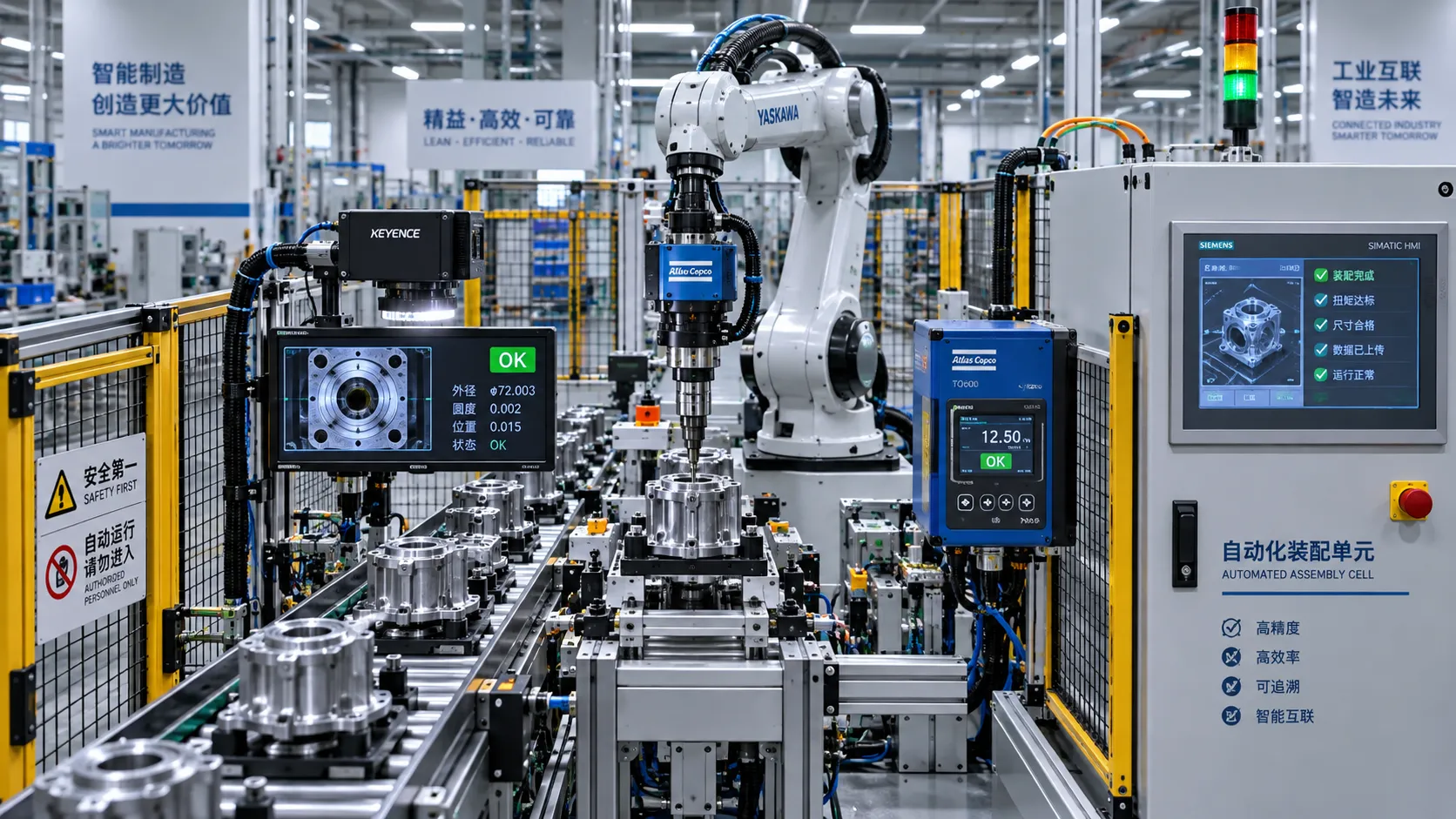
What Industrial Automation Exporters Need to Know Before Entering ASEAN Markets
Industrial automation exporter to ASEAN: learn how to navigate compliance, local service, digital readiness, pricing, and market entry for scalable growth.
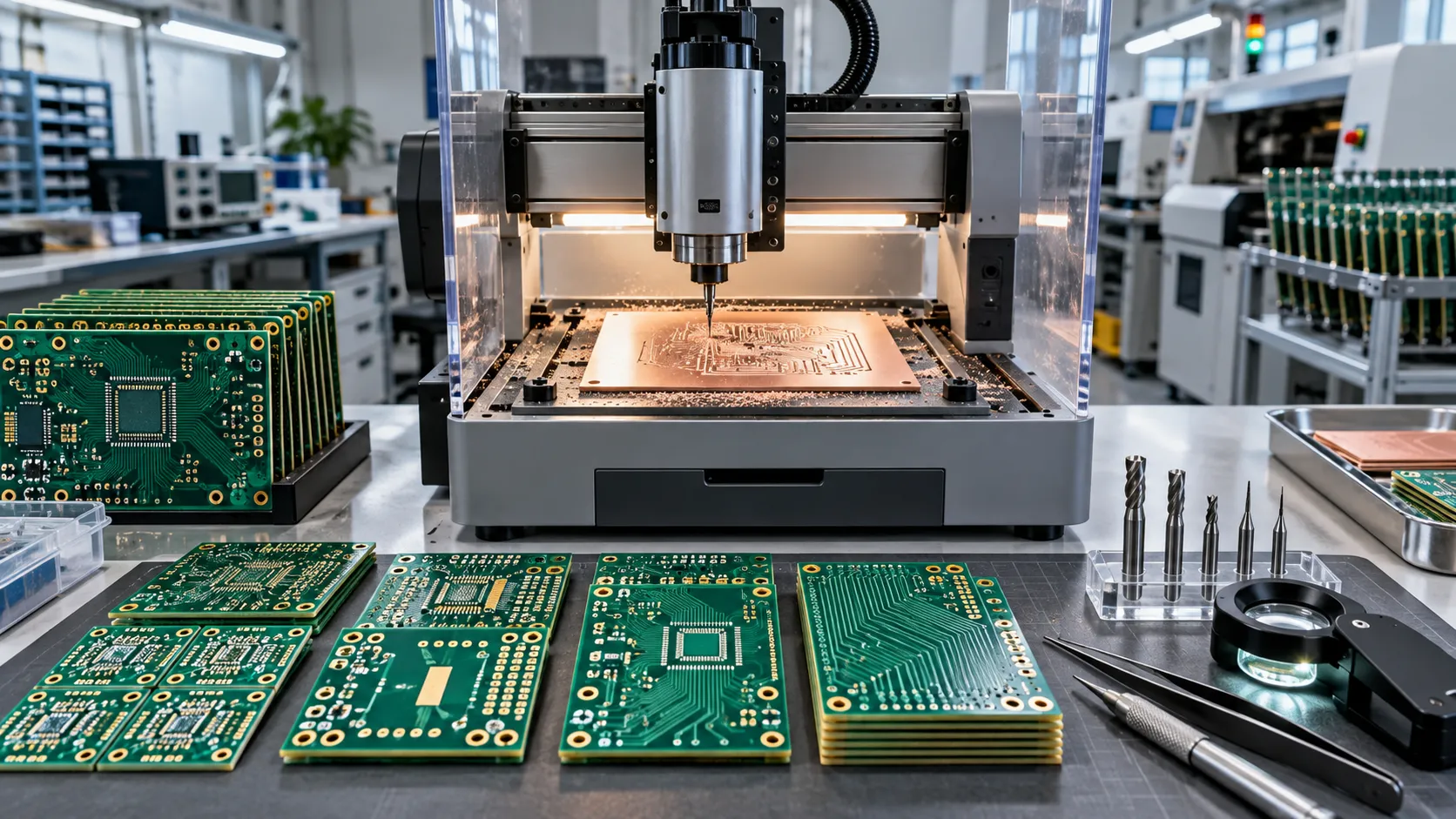
PCB Prototyping Equipment Costs: Comparing In-House Machines and Outsourced Builds
PCB prototyping equipment costs compared: discover when in-house machines speed iterations and when outsourced builds deliver better value, quality, and scalability.
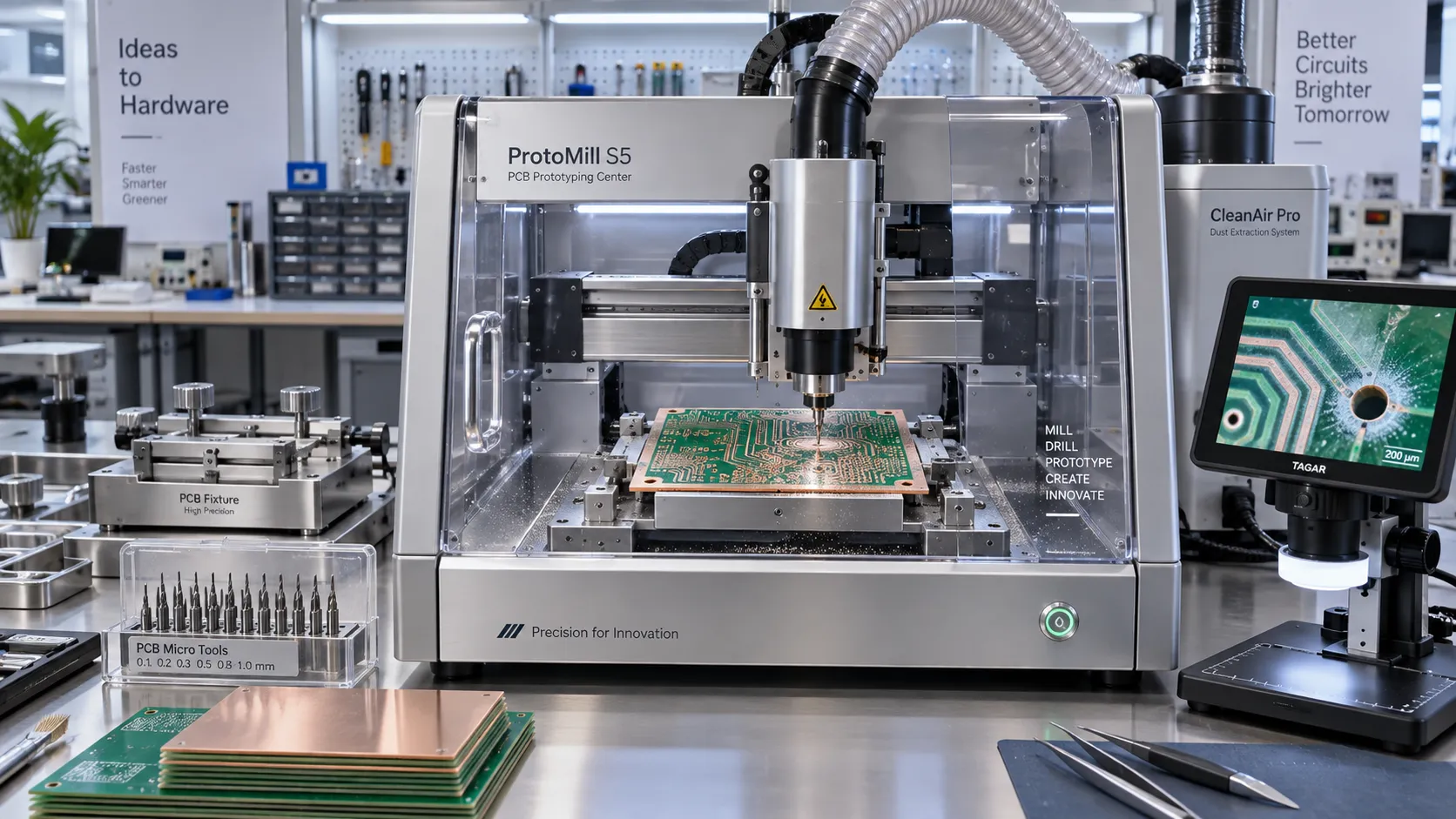
Prototype PCB Manufacturing Equipment: What Engineers Should Evaluate Before Purchase
Prototype PCB manufacturing equipment: discover the key factors engineers should evaluate—from accuracy and materials to software, safety, and ROI—before buying.
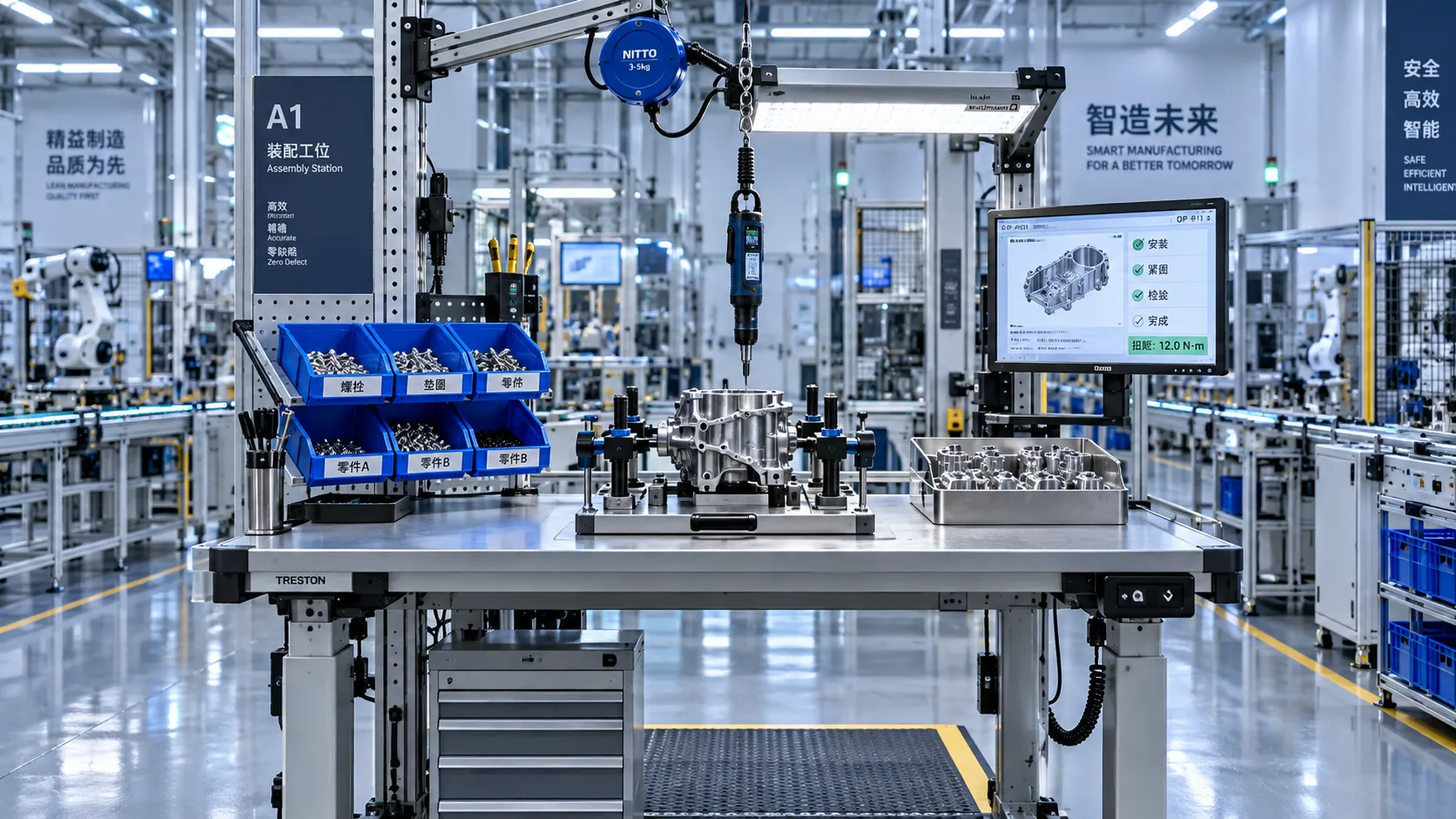
Workplace Ergonomics for Manufacturing: Reducing Repetitive-Strain Risks on Assembly Lines
Workplace ergonomics for manufacturing helps reduce repetitive-strain risks on assembly lines through smarter workstation design, tool selection, task analysis, and quality-focused improvements.
Related News
- 00
0000-00
South East Asia Machine Tools Market: Demand Outlook by Manufacturing Industry - 00
0000-00
How Middle East Manufacturers Can Improve Production Efficiency Under Heat and Labor Constraints - 00
0000-00
Why Are Specification-Oriented Articles Gaining Traction in Europe’s B2B Markets? - 00
0000-00
Industrial Solutions in Latin America: Key Growth Sectors and Market Entry Risks - 00
0000-00
What Is Driving Manufacturing Efficiency in Europe’s Industrial Sectors?
Dr. Alistair Vaughn
Weekly Insights
Stay ahead with our curated technology reports delivered every Monday.