
How data-driven intelligence is changing smarter planning





In today’s volatile industrial landscape, data-driven intelligence is becoming essential for smarter planning. For business decision-makers navigating assembly, welding, and precision measurement markets, the ability to turn market signals, technology shifts, and demand patterns into actionable strategy can define long-term competitiveness. This article explores how intelligence-led planning is helping manufacturers and distributors improve efficiency, reduce uncertainty, and capture new global opportunities.
For leaders in industrial manufacturing, the challenge is no longer access to information alone. The harder problem is deciding which signals matter, how fast they should trigger action, and where investment will produce the strongest operational return within 6 to 24 months.
That is where platforms such as GPTWM create value. By connecting market intelligence, technology tracking, and commercial demand analysis across welding, precision tools, and metrology, data-driven intelligence becomes a planning system rather than a collection of disconnected reports.
Why data-driven intelligence now matters more in industrial planning
Industrial planning used to rely heavily on annual budgets, distributor feedback, and historical order patterns. That model is no longer sufficient when raw material swings can change margins within 30 to 90 days and export rules can alter regional demand with little notice.
In assembly, metal joining, and precision measurement, even a small timing error can create costly consequences. A distributor may overstock conventional equipment while demand shifts toward handheld laser welding safety accessories, brushless power tools, or IoT-enabled torque systems.
From reactive decisions to structured foresight
Data-driven intelligence helps management teams move from reactive purchasing to structured foresight. Instead of waiting for quarterly sales decline, they can monitor 4 key layers at once: input costs, regulatory changes, technology adoption, and downstream demand from sectors such as construction, automotive maintenance, and aerospace service.
When these layers are tracked together, planning becomes sharper. Procurement teams can adjust sourcing windows, product managers can refine portfolios, and regional sales leaders can prioritize markets with stronger replacement cycles or infrastructure-led demand growth.
What decision-makers are trying to solve
- Reduce planning errors caused by 8 to 12 week demand volatility
- Identify which tool categories deserve inventory priority
- Understand whether new technologies are at pilot stage or mass adoption stage
- Balance price pressure with brand premium and service value
- Align product strategy with export restrictions, safety requirements, and ergonomic expectations
For GPTWM, this intelligence model is especially relevant because the industrial “last mile” often determines real profitability. A welding torch, hydraulic tool, or digital caliper may appear standard on paper, but buying decisions are shaped by duty cycle, safety compliance, precision tolerance, after-sales support, and market timing.
How intelligence-led planning improves efficiency across the value chain
The practical advantage of data-driven intelligence is that it connects strategy with execution. It does not stop at trend observation. It helps leaders decide what to buy, what to launch, what to phase out, and which markets deserve deeper channel investment over the next 2 to 4 quarters.
In industrial tools and welding systems, planning quality usually affects 5 measurable areas: stock turnover, margin protection, lead-time stability, service readiness, and capital allocation. Strong intelligence can improve all five by reducing blind spots between market demand and internal decision cycles.
Where the biggest operational gains appear
Manufacturers often gain by improving production and portfolio planning. Distributors benefit from smarter inventory positioning and category selection. Service organizations gain from better forecasting of replacement parts, calibration demand, and technician workload.
The table below shows how intelligence-led planning changes key business decisions in industrial environments.
The key takeaway is that data-driven intelligence does not replace management judgment. It strengthens judgment with better timing and a more complete picture of what is changing across the supply chain, end-user demand, and technology base.
Why GPTWM’s intelligence structure is useful for industrial leaders
The Strategic Intelligence Center model is valuable because it combines three perspectives that are often separated in most organizations: technical feasibility, commercial demand, and macro-industrial signals. This integrated view matters when decisions involve both product complexity and regional uncertainty.
For example, a tool category may look attractive on margin, but weak serviceability, low ergonomic acceptance, or changing export standards can limit growth. Conversely, a precision metrology line with moderate volume may justify stronger investment because its calibration requirements and repeat purchasing behavior improve customer lifetime value over 12 to 36 months.
Key applications in welding, assembly, and precision metrology
The strongest use of data-driven intelligence appears when planning is tied to real operating scenarios. In industrial markets, the question is rarely whether information exists. The better question is how intelligence should influence category strategy, technical positioning, and channel execution.
Handheld welding and safety-led adoption
Handheld laser welding has drawn attention because it can shorten training cycles and improve seam appearance in selected applications. However, adoption depends on more than machine pricing. Decision-makers must track operator safety expectations, shielding requirements, maintenance discipline, and local market education levels.
A data-driven intelligence approach helps companies distinguish between markets ready for scaled deployment and markets that still require 6 to 12 months of technical promotion. This reduces the risk of pushing advanced systems into channels that cannot support safe and profitable use.
Brushless tools and performance ceilings
Brushless motors are widely associated with efficiency, but planning teams still need to understand performance ceilings by application. Duty cycle, thermal stability, torque consistency, and battery ecosystem compatibility can affect whether the category is suitable for construction installation, automotive service, or high-frequency industrial fastening.
When intelligence reveals that customers are moving from entry-level products to mid-tier professional tools, suppliers can refine stock profiles and service kits instead of competing only on unit price.
Precision metrology and demand quality
In metrology, not all demand is equal. Some markets purchase low-cost measuring tools for occasional use, while others require repeat calibration, higher repeatability, and traceable measurement routines. Data-driven intelligence helps firms separate transactional demand from strategic demand.
This distinction matters because instruments with tolerance expectations such as ±0.02 mm, ±0.01 mm, or tighter often create stronger service relationships than commodity products. For decision-makers, this can justify investment in training, support infrastructure, and specialized distribution partnerships.
Typical planning indicators to monitor
- Lead-time shifts from 2 weeks to 8 weeks in critical components
- Service request frequency by category and region
- Adoption rates for connected torque control and digital measurement workflows
- Safety-related accessory demand in welding channels
- Share of repeat orders versus first-time trial orders
How decision-makers can build a practical intelligence framework
A useful framework does not need to be overly complex. Many industrial firms can improve planning quality by establishing a disciplined 5-step intelligence cycle and reviewing it every month or every 6 weeks, depending on category volatility.
A 5-step model for smarter planning
- Define the business question, such as whether to expand a tool line, enter a region, or change sourcing strategy.
- Collect signals from sales channels, supply partners, product service teams, and market monitoring.
- Score signals by impact, urgency, and confidence level using a 1 to 5 scale.
- Translate findings into actions with clear owners, budgets, and 30, 60, and 90 day checkpoints.
- Review outcomes and refine the model based on actual sales, margin, and service performance.
This process turns data-driven intelligence into a management discipline rather than an occasional report. It is especially valuable for companies balancing traditional craftsmanship with digital factory expectations.
Which metrics deserve board-level attention
Not every metric belongs in executive review. Leaders usually need a compact dashboard that links commercial, operational, and technical realities. The table below outlines a practical structure for industrial decision-making.
A dashboard like this helps companies act earlier. Instead of discovering problems after a weak quarter, management can spot rising friction in supply, service, or technology adoption before it damages performance.
Common mistakes when using data-driven intelligence
Even strong companies misuse data-driven intelligence when they treat it as a reporting exercise rather than a decision tool. The most common mistakes are not technical. They are organizational and strategic.
Mistake 1: Tracking too much and acting too slowly
Many firms collect dozens of indicators but fail to identify the 6 to 10 signals that truly shape action. In industrial categories, delayed action can be more damaging than limited data because market windows, tender cycles, and sourcing opportunities are time-sensitive.
Mistake 2: Ignoring technical context
Commercial data alone cannot explain why one product wins and another stalls. Without technical interpretation, decision-makers may overestimate categories that look attractive in inquiry volume but carry hidden installation, safety, or calibration barriers.
Mistake 3: Treating all regions as operationally equal
A product line that performs well in one region may underperform elsewhere due to standards, workforce skills, service expectations, or procurement habits. Data-driven intelligence must be segmented by region, sector, and channel maturity to remain useful.
Risk control checklist for executives
- Review intelligence inputs at a fixed interval, such as every 30 or 45 days
- Separate short-term disruption signals from long-term structural trends
- Cross-check sales enthusiasm against service and compliance readiness
- Use pilot rollout before full expansion in unfamiliar categories
- Require measurable action points after each intelligence review
What smarter planning looks like in the next stage of manufacturing
The next phase of industrial competition will not be defined only by product quality. It will also be shaped by how quickly organizations interpret change and convert it into coordinated action. This is especially true where craftsmanship, automation, safety, and global distribution intersect.
For enterprise decision-makers, data-driven intelligence is becoming a core planning capability. It helps connect daily operations with longer-term strategy, whether the goal is expanding precision tool portfolios, refining welding solutions, or strengthening distributor value in demanding global markets.
GPTWM’s role in this environment is clear: to provide structured intelligence that supports better decisions across industrial assembly, metal joining, and precision metrology. When leaders can combine technical understanding with market timing and commercial insight, planning becomes more resilient, targeted, and profitable.
If your organization is evaluating growth priorities, supply risk, category upgrades, or market expansion, now is the time to turn data-driven intelligence into an operational advantage. Contact GPTWM to explore tailored insights, discuss your planning priorities, and learn more about solutions built for precision-driven industry.
Related News
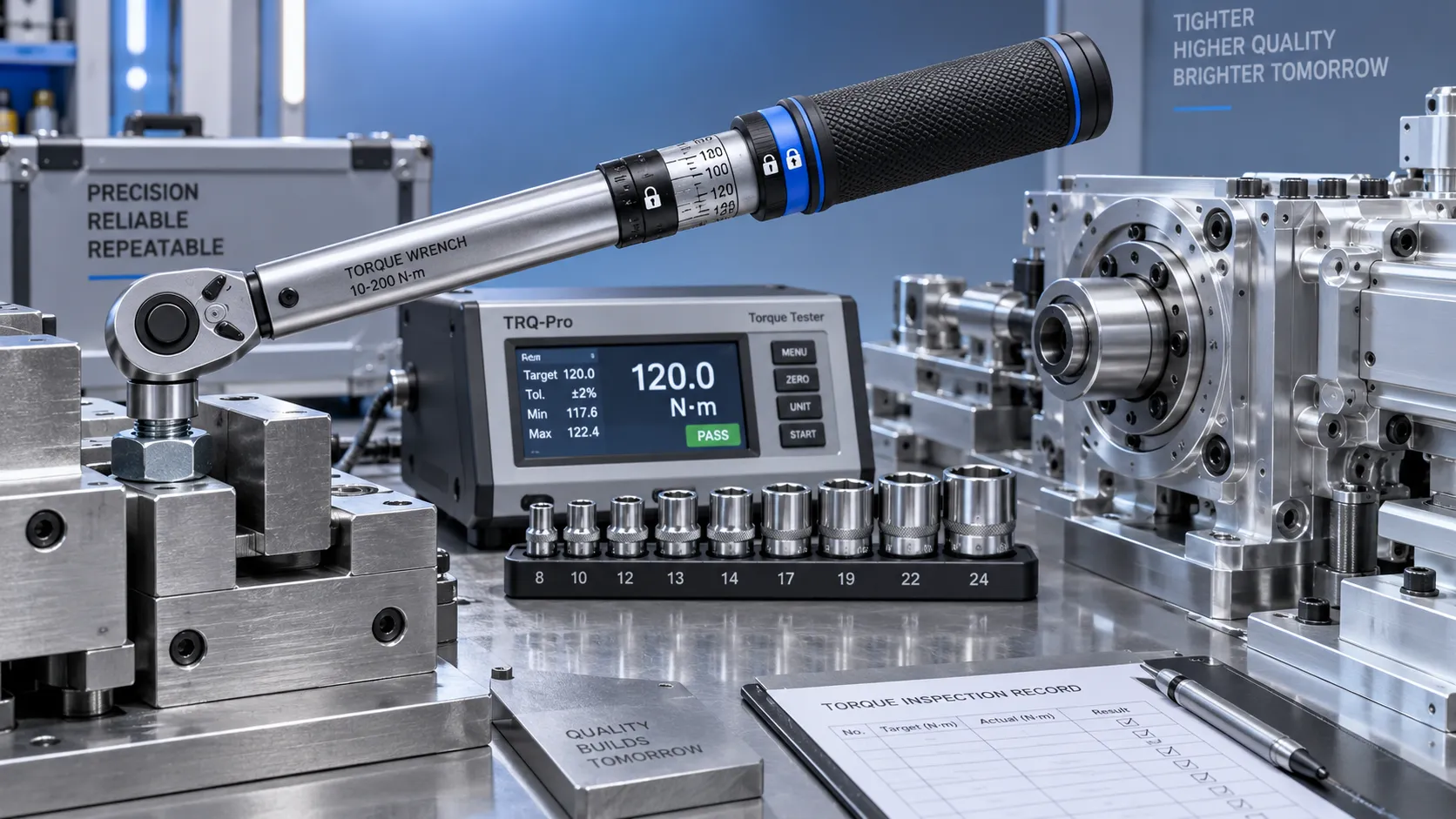
Selecting Adjustable Torque Tools for Repeatable Fastener Assembly
Adjustable torque tools: learn how to match range, accuracy, control methods, calibration, and ergonomics for repeatable, reliable fastener assembly.

How to Select Aerospace Inspection Tools for Aircraft Maintenance Tasks
Aerospace maintenance inspection tools: learn how to select reliable, traceable equipment for aircraft access, accuracy, calibration, and compliant maintenance decisions.

How to Select Wire Bonding Tools for Fine-Pitch Semiconductor Packaging
Explore semiconductor manufacturing tools for wire bonding and learn how to select precision solutions for fine-pitch packaging, reliable loops, accuracy, and yield.
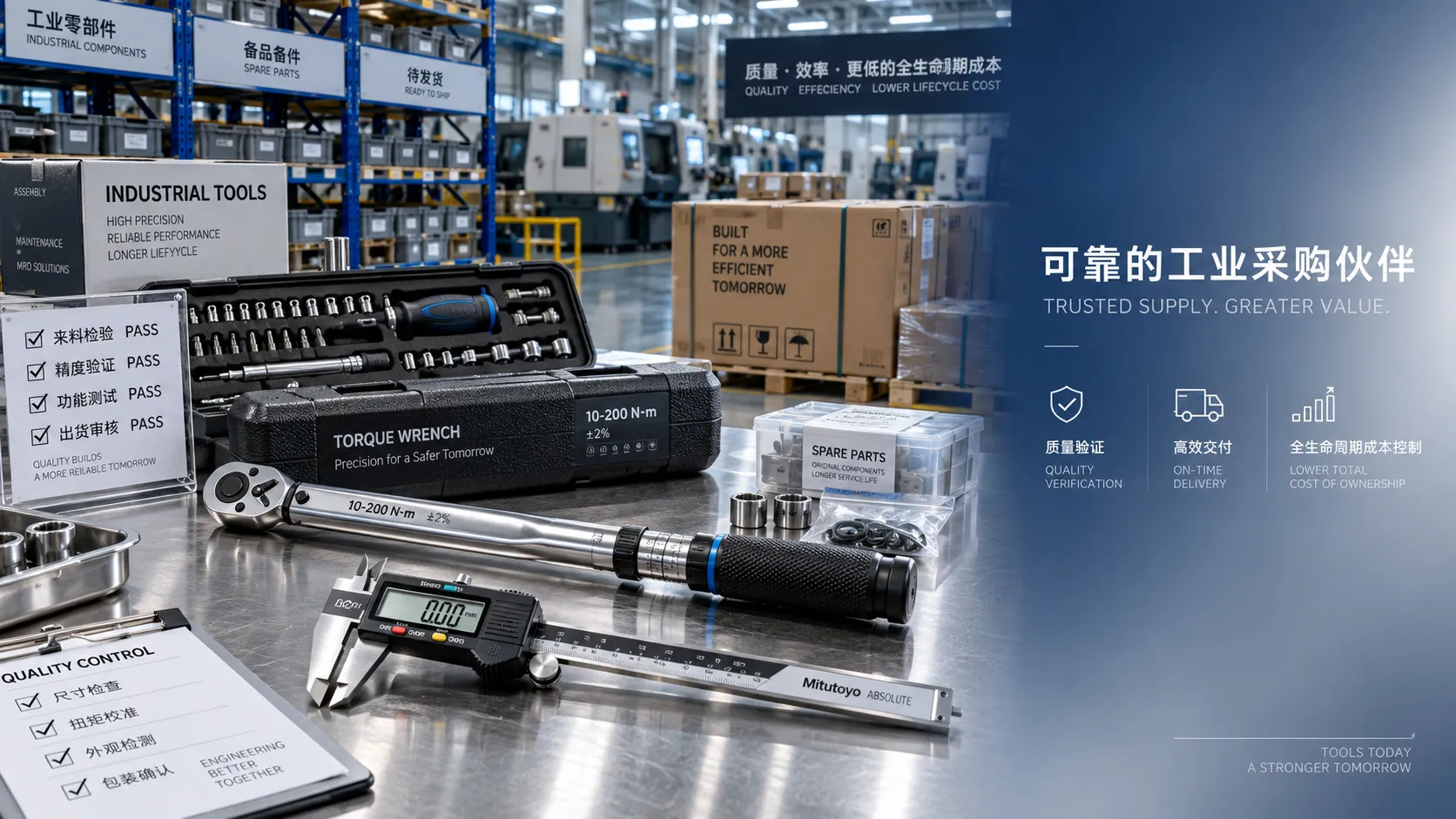
How to Compare Industrial Tool Suppliers for Quality, Lead Time, and Total Cost
Industrial tool selection supplier comparison made simple: evaluate quality, lead times, total cost, service, and supply resilience for confident sourcing decisions.

Industrial Equipment Application Guidance: Match Machines to Operating Conditions
Application guidance industrial equipment: match capacity, duty cycle, materials, site conditions, safety, and lifecycle cost to improve reliable output. Read the guide.
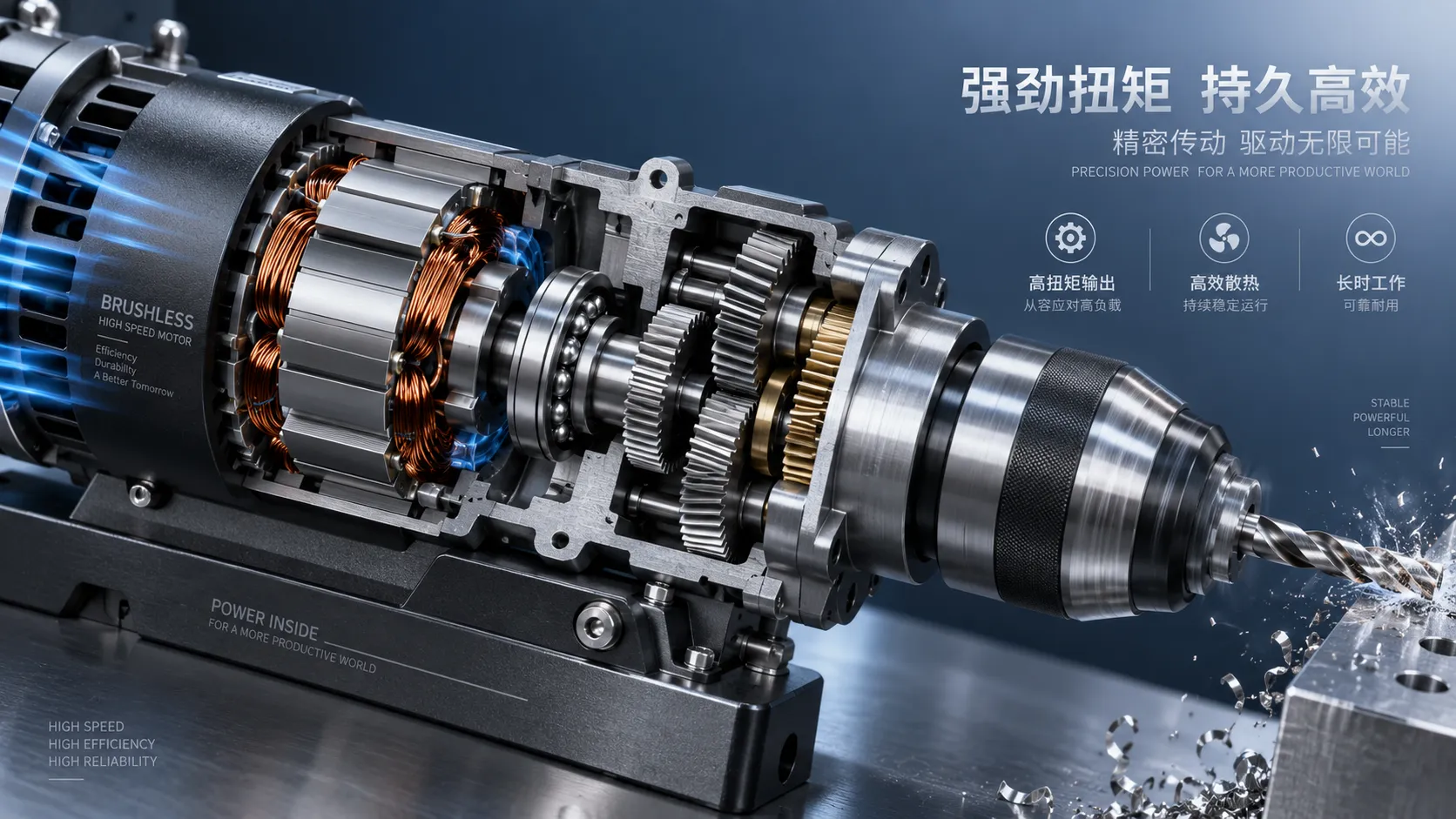
Selecting High-Speed Brushless Tool Motors for Torque, Heat, and Duty Cycle
High speed brushless tool motors: learn how to balance torque, heat, gearing, and duty cycle for reliable industrial tool performance and longer service life.
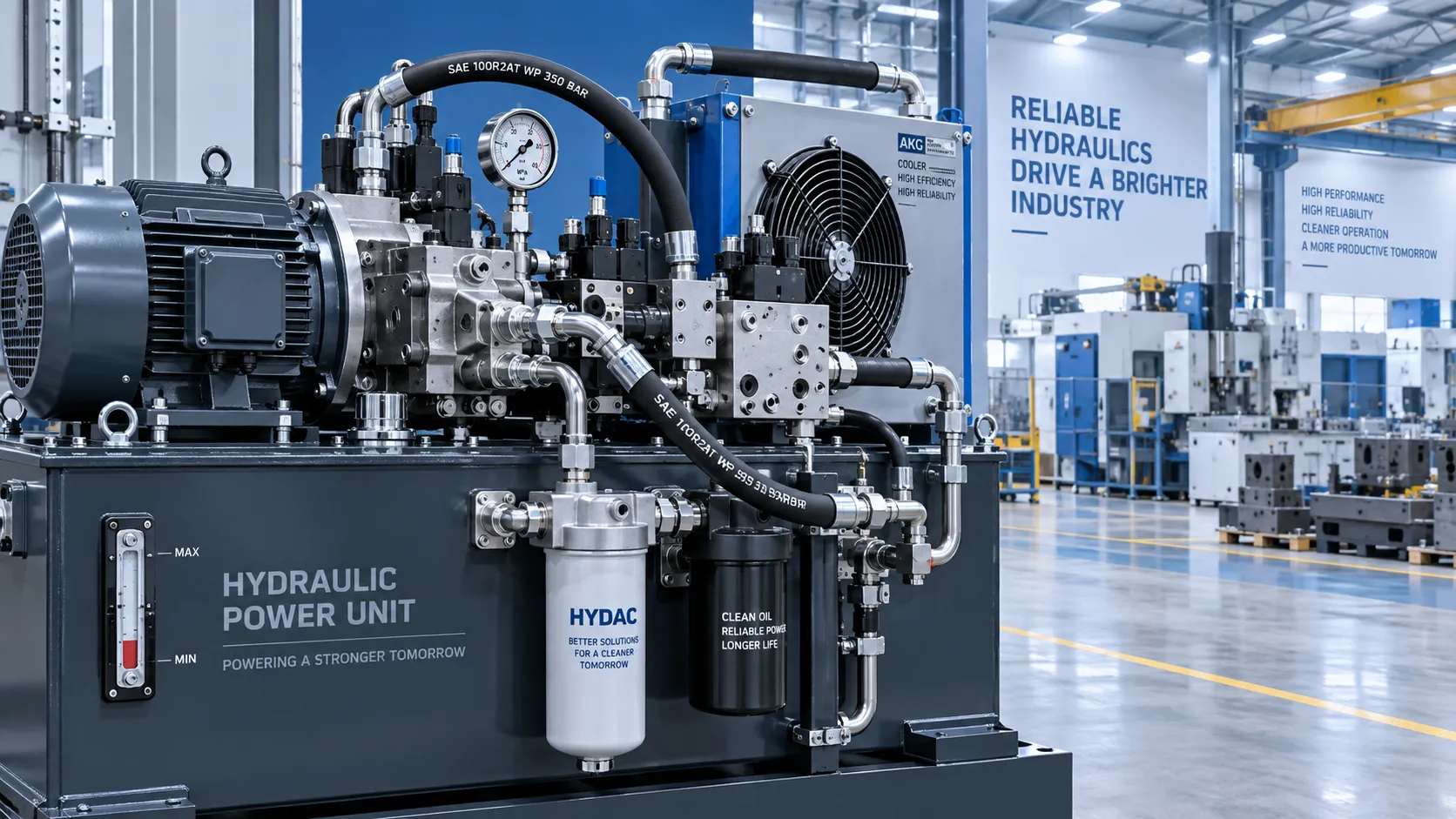
What Determines Industrial Hydraulic System Price for Heavy-Duty Equipment?
Industrial hydraulic system price depends on duty cycle, pressure, components, cooling, and integration. Compare quotes intelligently to secure reliable heavy-duty performance.
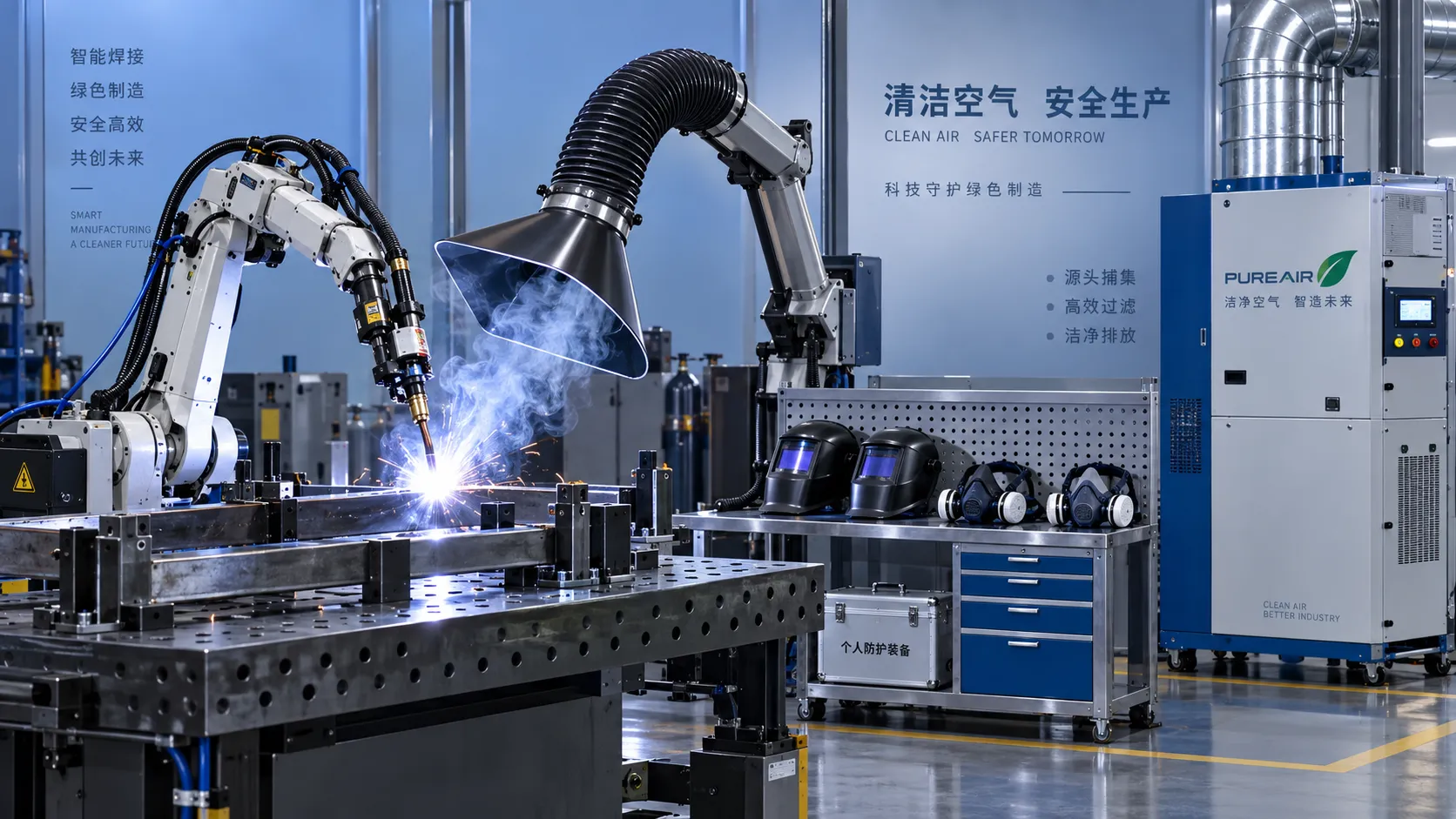
Welding Fume Extraction PPE: When Respirators Are Not Enough for Shop Safety
Welding fume extraction PPE: learn why respirators alone fall short and how source capture, ventilation, and layered controls improve shop safety.

How to Select Optical Metrology Solutions for Tight-Tolerance Manufacturing
Optical industrial metrology solutions for tight-tolerance manufacturing: evaluate accuracy, surface compatibility, workflow, and traceability to select with confidence.
Related News
- 00
0000-00
How Middle East Manufacturers Can Improve Production Efficiency Under Heat and Labor Constraints - 00
0000-00
Why Are Specification-Oriented Articles Gaining Traction in Europe’s B2B Markets? - 00
0000-00
Industrial Solutions in Latin America: Key Growth Sectors and Market Entry Risks - 00
0000-00
What Is Driving Manufacturing Efficiency in Europe’s Industrial Sectors? - 00
0000-00
Industrial Market Trends in 2025: What Buyers Should Watch Across Supply and Demand
Dr. Alistair Vaughn
Weekly Insights
Stay ahead with our curated technology reports delivered every Monday.