
Craftsmanship vs Automation: When Manual Finishing Still Delivers Better Product Value





Craftsmanship vs automation: why is manual finishing still discussed so often?
Automation has transformed industrial production, yet the final product value is not always decided by speed alone.
In many categories, craftsmanship still shapes the last mile of quality.
That matters in hand tools, welded assemblies, precision parts, measuring instruments, and premium metal components.
The reason is simple.
Machines repeat well, but humans still judge subtle edges, tactile feel, visual harmony, and small surface defects better in specific situations.
This is especially true when tolerances are tight, material behavior varies, or customer perception influences price.
GPTWM often frames this issue through industrial intelligence rather than nostalgia.
Its coverage of metrology, welding, torque systems, and ergonomic tool standards shows a practical reality.
Craftsmanship and smart manufacturing are not enemies.
They are most valuable when matched to the right stage of production.
When does manual finishing actually create better product value?
Not every item needs handwork.
Manual finishing becomes valuable when variation, aesthetics, safety, or functional nuance affects the final outcome.
A brushed steel surface may meet spec automatically, yet still feel uneven in hand.
A weld bead may pass dimensional checks, yet require manual refinement for fatigue-sensitive service.
A caliper body may be machined precisely, but comfort and tactile consistency still influence perceived quality.
In practical terms, craftsmanship adds value in four common situations:
- Low-volume or high-mix production where programming every variation is inefficient.
- Premium products where look, touch, and finish support brand pricing.
- Safety-critical assemblies where final inspection benefits from human judgment.
- Materials with inconsistent behavior, such as castings, forged blanks, or welded edges.
In these cases, craftsmanship is not decorative.
It improves fit, feel, reliability, and sometimes service life.
Isn’t automation always more consistent than craftsmanship?
Usually, yes at scale.
But consistency depends on what is being measured.
Automation excels at repeatable geometry, cycle time, and documented process control.
Craftsmanship performs better when acceptable quality includes visual balance, edge comfort, micro-corrections, or adaptive finishing.
That distinction often gets overlooked.
A robotic grinder can hold a programmed path perfectly.
If the incoming part warps slightly, however, perfect repetition may produce a perfectly repeated defect.
An experienced finisher notices the deviation and compensates in seconds.
This is where craftsmanship still protects value.
GPTWM’s attention to precision metrology is relevant here.
The best decision is not human versus machine.
It is whether inspection systems, process data, and finishing skills are aligned to the real tolerance of use.
A quick comparison helps clarify the difference
Which products benefit most from craftsmanship after machine processing?
The strongest cases appear where the user sees, touches, or depends on the finished detail.
Examples are broader than luxury goods.
They include industrial products with demanding service conditions.
- Precision hand tools with grip zones, sliding surfaces, or calibrated movement.
- Welded frames and enclosures needing clean joints, safe edges, and coating-ready surfaces.
- Measuring instruments where tactile smoothness supports confidence during repeated use.
- Aerospace and automotive maintenance components requiring controlled blending or deburring.
- Construction hardware exposed to corrosion, impact, and visual inspection on site.
In these areas, craftsmanship often supports both function and perception.
A part that feels precise is more likely to be trusted.
That trust can affect brand preference, maintenance confidence, and resale value.
This is also why GPTWM links commercial insights with technical observation.
Demand in construction, automotive, and aerospace maintenance often rewards finishing quality beyond raw throughput.
How do you judge whether craftsmanship is worth the extra cost?
The wrong way is to compare labor cost only.
The better question is whether manual finishing prevents a larger loss elsewhere.
That loss may come from scrap, rework, coating failure, user dissatisfaction, warranty claims, or weak market positioning.
A practical evaluation usually includes these checks:
- Does the finish affect safety, fatigue life, sealing, or corrosion behavior?
- Will buyers notice the difference without technical explanation?
- Is the production mix too variable for efficient full automation?
- Can partial hand finishing reduce rejects more than it adds labor?
- Does the product compete on premium quality rather than lowest price?
If several answers are yes, craftsmanship probably contributes real product value.
If not, automation may be the smarter route.
Needle-moving value often comes from hybrid lines.
Machines do the repeatable heavy work.
Skilled finishing handles the final exceptions and visible details.
What are the common mistakes when comparing craftsmanship with automation?
One mistake is assuming craftsmanship means old-fashioned production.
Modern craftsmanship often uses advanced abrasives, digital gauges, torque tools, and laser-guided inspection.
Another mistake is treating all finishing as cosmetic.
Deburring, blending, polishing, and edge breaking can influence assembly ease and field reliability.
A third mistake is ignoring process data.
Human judgment works best when supported by metrology, documented standards, and clear acceptance limits.
That is where GPTWM’s Strategic Intelligence Center offers a useful lens.
Topics like laser welding safety, brushless motor efficiency, and IoT torque control all point to the same conclusion.
Craftsmanship creates the most value when it is informed by data, not when it replaces discipline.
One more risk deserves attention.
If finishing quality depends on one person’s undocumented habit, consistency becomes fragile.
Skilled work should still be standardized, measured, and trainable.
So what is the smartest next step: preserve craftsmanship or automate more?
In most cases, the answer is not absolute.
Protect craftsmanship where it improves performance, finish quality, or market value in visible ways.
Automate where variation is low and repetition drives cost down without hurting the result.
A useful next step is to map the process by value, not by tradition.
Identify which operations are truly repeatable.
Then identify where craftsmanship still catches defects, improves feel, or raises confidence.
After that, set measurable standards for both.
For many industrial products, the strongest value comes from combining digital factories with skilled manual finishing.
That balance reflects the broader mission behind GPTWM.
Precision tools and intelligent systems connect best when craftsmanship remains part of the decision, not just part of the story.
If the goal is better product value, start by comparing finish-sensitive steps, quality risks, and customer-visible details.
That review usually reveals where craftsmanship still earns its place.
Related News
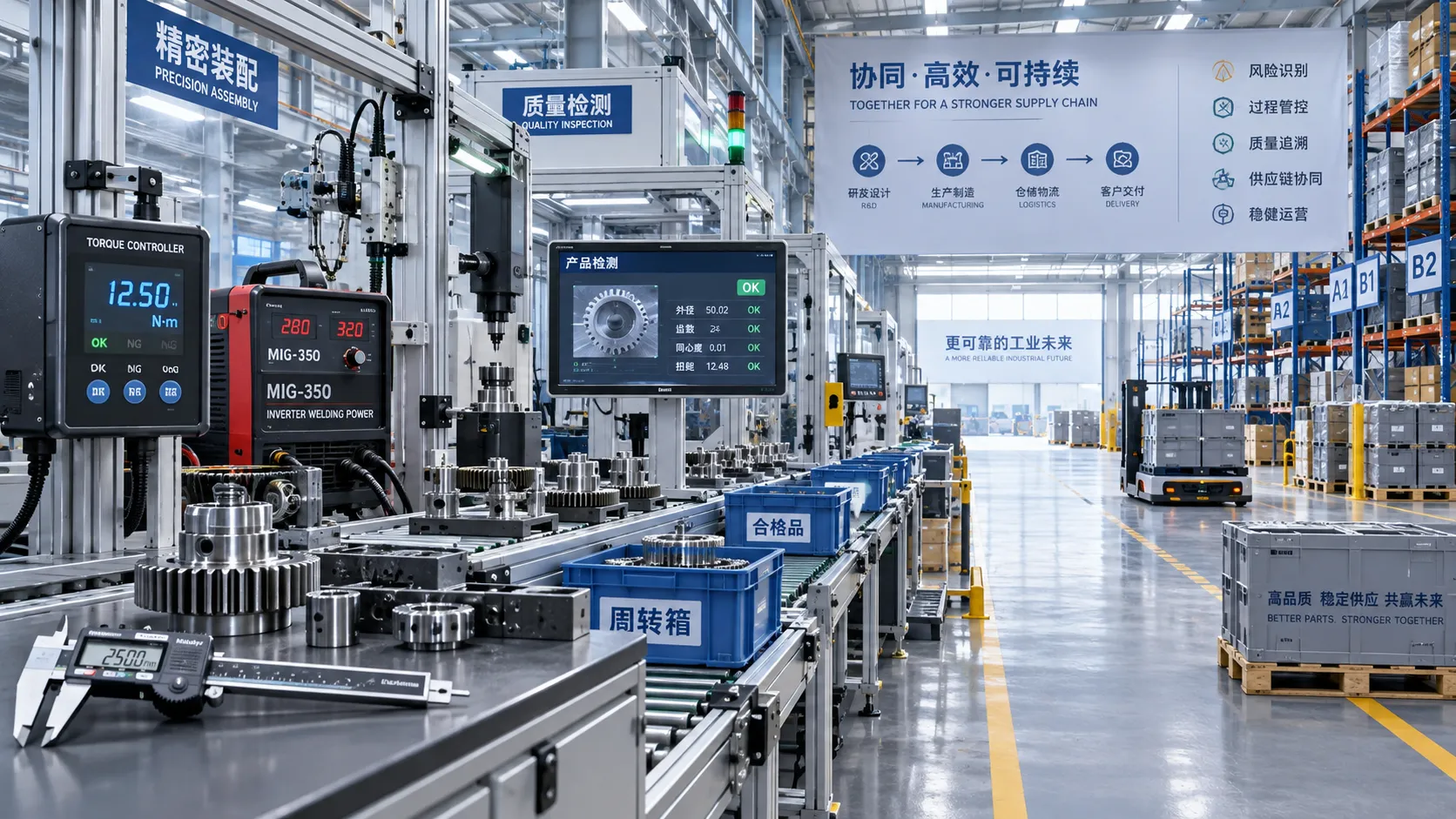
How Procurement Teams Can Map the Industrial Value Chain to Reduce Supply Risk
Industrial value chain procurement helps teams map hidden dependencies, qualify resilient sources, and reduce supply risk before disruptions stop production.
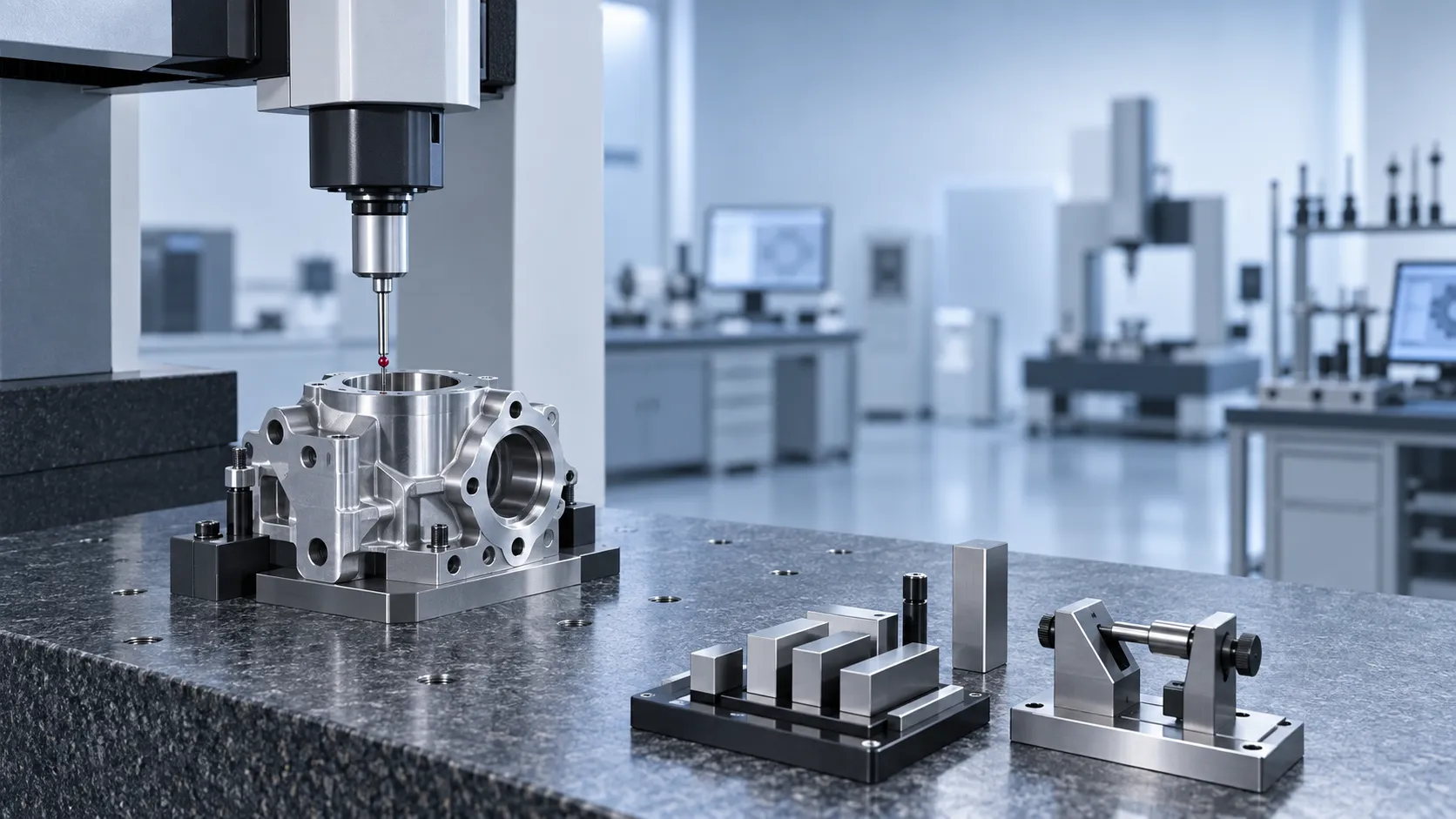
How Specification-Driven Articles Improve Precision Measurement System Selection
Specification-oriented articles precision measurement guidance helps teams compare accuracy, repeatability, environment, and data needs to select reliable systems with confidence.

How to Evaluate a Technology Integration Service Provider for Complex Projects
Technology integration service provider selection guide: evaluate interface ownership, delivery discipline, scalable architecture, and risk control for complex projects.
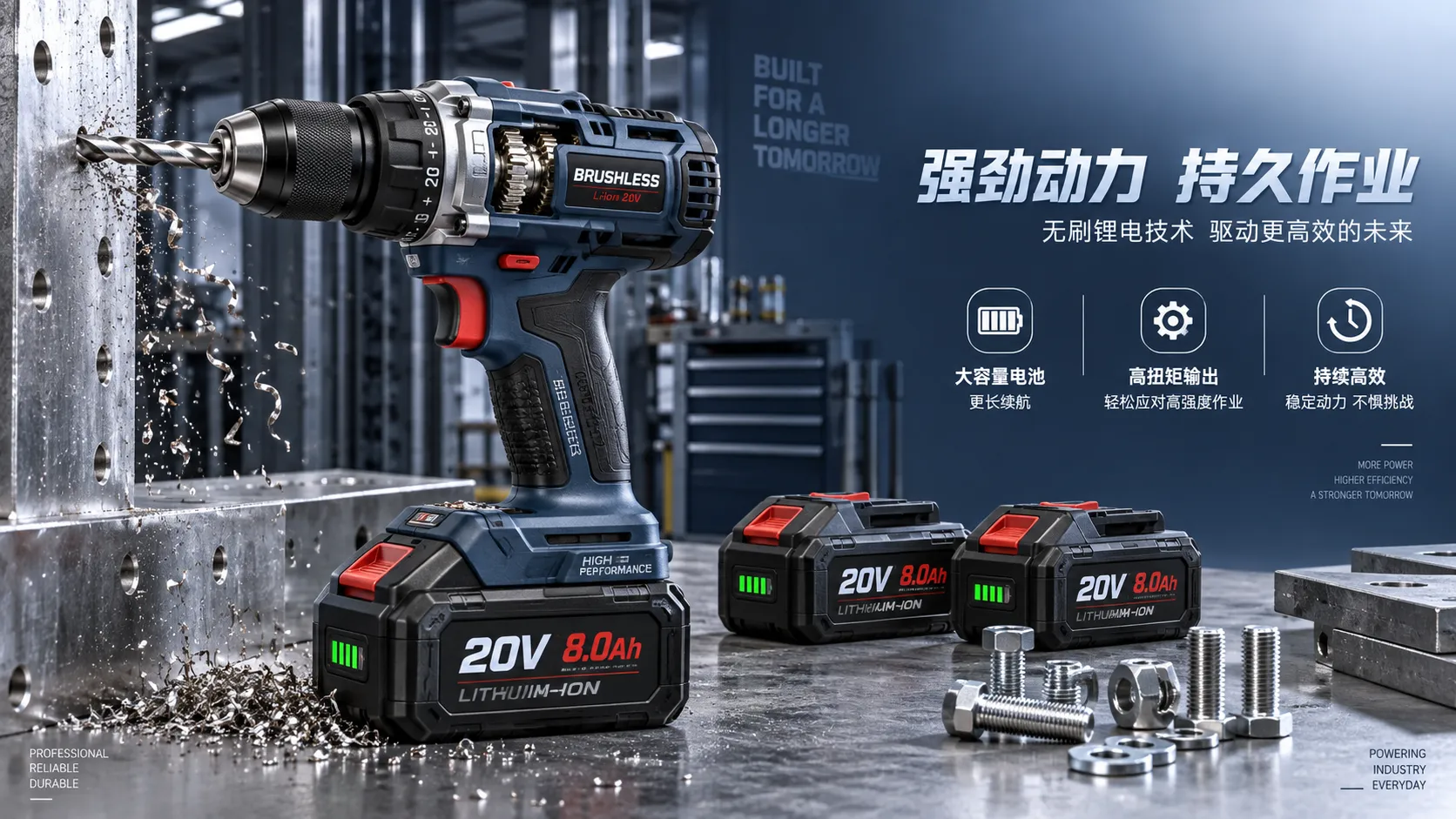
How Battery, Torque, and Duty Cycle Affect Cordless Power Tool Efficiency
Cordless power tool efficiency depends on battery output, torque, and duty cycle. Learn how to match tools to demanding jobs for stronger runtime and productivity.
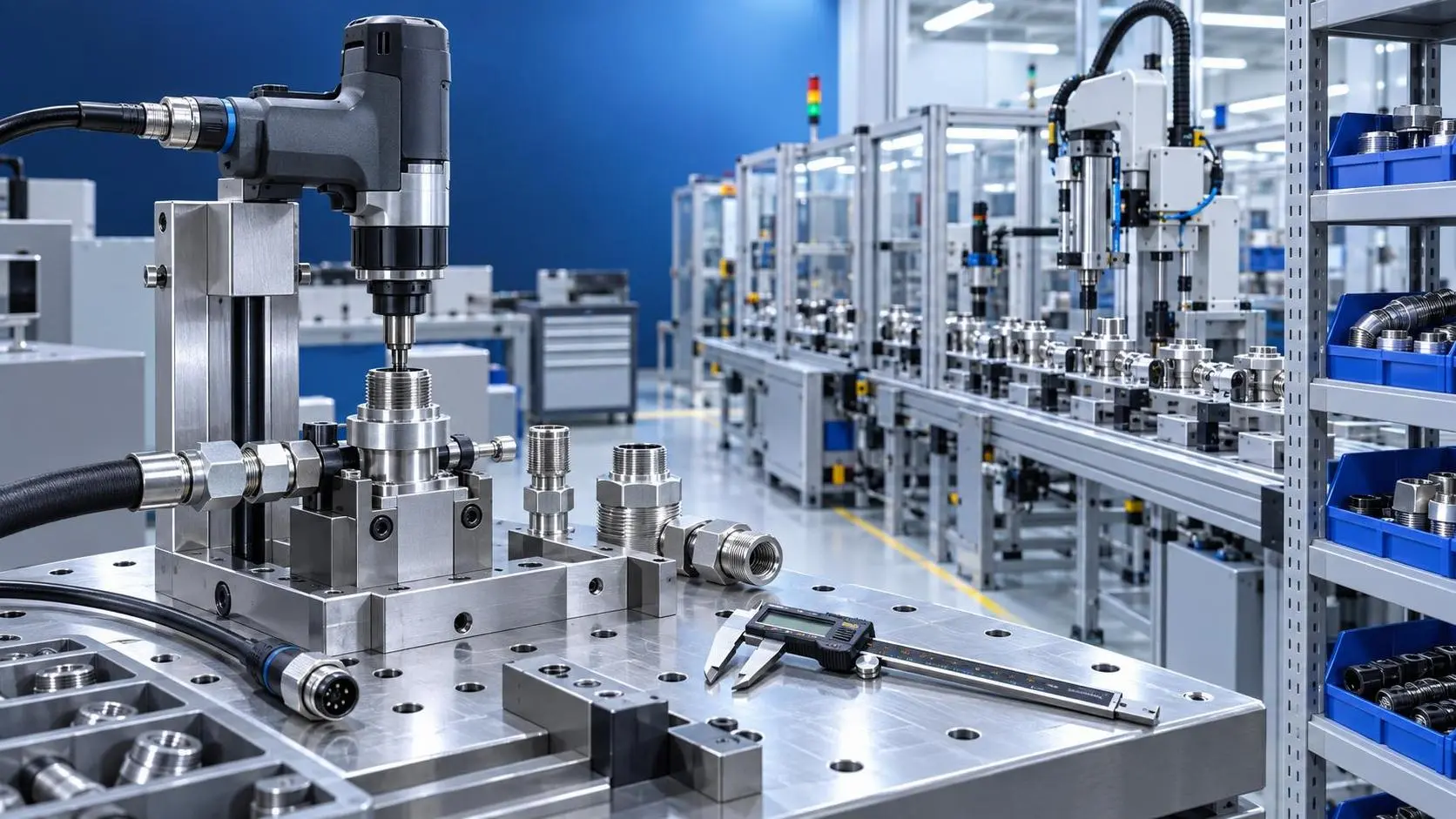
Product Comparison Resources for Component Compatibility and Lifecycle Risk
Product comparison resources for components: evaluate compatibility, interfaces, service support, and lifecycle risk to reduce downtime, avoid redesigns, and make confident sourcing decisions.
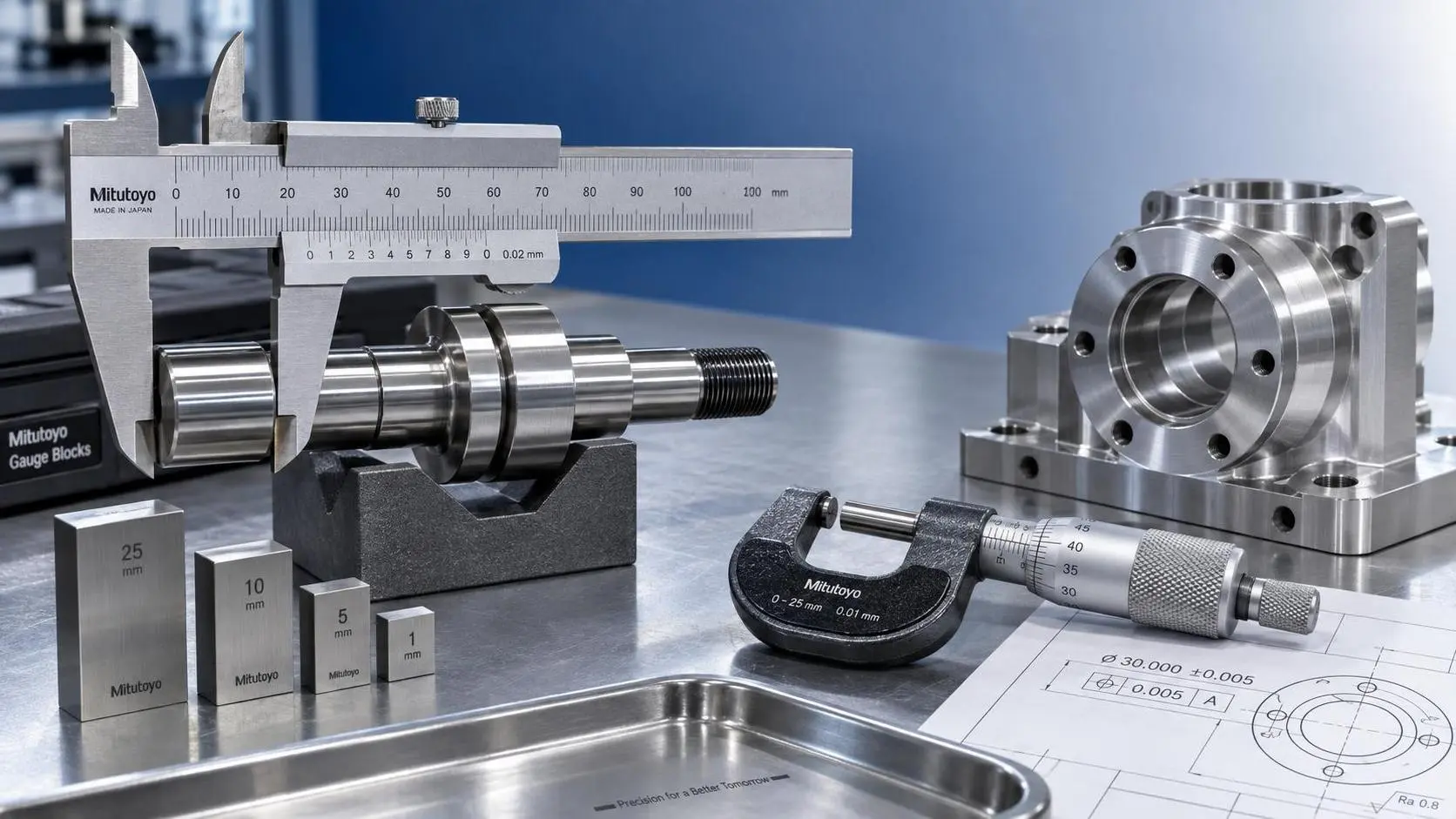
How to Select Vernier Precision Calipers for Tight-Tolerance Machining Inspection
Vernier precision calipers for tight-tolerance machining: learn how to select the right range, jaw design, accuracy, and verification process for reliable inspection.
Product Comparison Resources in Europe: How Buyers Can Verify Specs and Suppliers
Product comparison resources Europe: learn how to verify industrial specs, compliance claims, supplier credibility, and delivery risk for smarter purchasing decisions.
How to Evaluate an Industrial Metrology Solution Manufacturer for Production Use
Industrial metrology solution manufacturer evaluation guide for production: compare accuracy, traceability, automation, software, service, and acceptance testing to reduce risk.
Which ISO Standards Matter Most for Precision Engineering Quality Control?
Precision engineering ISO standards explained: discover how ISO 9001, ISO/IEC 17025, ISO 10012, GPS, and ISO 3834 strengthen quality control, traceability, and compliance.
Related News
- 00
0000-00
Automotive Tools: How to Build a Reliable Toolkit for Routine Vehicle Service - 00
0000-00
How to Build an Automotive Hand Tool Set for Routine Vehicle Service - 00
0000-00
Construction Maintenance Tools for Site Repair: What to Pack for Concrete, Steel, and Pipe Fixes - 00
0000-00
Product Information Resources for Assembly Tools: What Specs Matter Before You Compare Models? - 00
0000-00
Industrial Applications of Torque Control Wrenches in Assembly Lines and Field Maintenance
Industrial Craft Curator
Weekly Insights
Stay ahead with our curated technology reports delivered every Monday.