
Why power tool efficiency now affects jobsite costs





For finance approvers, power tool efficiency is no longer a technical detail—it is a cost-control lever. On today’s jobsites, battery runtime, motor performance, downtime, repair frequency, and operator productivity all flow directly into labor budgets, equipment depreciation, and project margins. As contractors face tighter bids and higher operating costs, understanding how efficient tools reduce waste and improve utilization helps decision-makers justify smarter procurement with clearer ROI.
Why power tool efficiency has moved from the workshop to the finance desk
A jobsite rarely loses money through one dramatic failure. Margins usually erode through repeated delays, battery swaps, rework, idle crews, premature repairs, and inconsistent fastening quality.
That is why power tool efficiency now matters to finance teams. It connects equipment choices with labor hours, project flow, safety exposure, and asset lifecycle cost.
- Labor utilization improves when tools sustain output across longer task windows without frequent charging or tool changes.
- Repair budgets become more predictable when motors, batteries, switches, and gearboxes operate within stable thermal ranges.
- Quality costs fall when torque control, speed regulation, and cutting consistency reduce rework in assembly and installation.
- Project scheduling becomes easier when fleet performance is measurable instead of dependent on operator anecdotes.
GPTWM observes this shift across industrial assembly, construction maintenance, metal joining support, and precision metrology environments where last-mile productivity affects contract performance.
The finance question is not “which tool is cheapest?”
The better question is which tool converts energy, labor, and maintenance spend into completed work with the least waste across the full job cycle.
Where inefficient tools create hidden jobsite costs
Power tool efficiency should be reviewed through cost pathways, not only catalog specifications. The following areas often decide whether procurement savings become operational losses.
This table shows why power tool efficiency belongs in budget review. A lower purchase price can be outweighed by idle time, accelerated depreciation, and inconsistent output.
Why these costs are difficult to see in purchase orders
Most purchase orders capture unit price, accessories, and delivery. They rarely capture time lost to inefficient battery ecosystems, poor duty cycles, or tool mismatch.
Finance approvers can close this gap by asking operations to estimate completed tasks per charge, service frequency, and downtime hours per crew.
Which performance indicators should finance teams request?
Power tool efficiency becomes measurable when technical indicators are translated into commercial terms. Finance teams do not need to design tools, but they need comparable evidence.
The strongest procurement files combine these indicators with task data from supervisors. That creates a practical business case for higher-efficiency tools.
Important standards and compliance references
Depending on market and application, buyers may consider general safety and performance frameworks such as IEC, ISO, ANSI, OSHA guidance, CE marking, or UL listing.
These references do not replace supplier verification. They help finance teams ensure power tool efficiency is not pursued at the expense of safety or compliance.
How to compare low-price tools against efficient tool fleets
A fair comparison should include purchase cost, operating cost, and risk cost. This is especially important in mixed jobsites with multiple trades and deadlines.
The comparison does not mean every jobsite needs premium tools everywhere. It means power tool efficiency should match task intensity and failure cost.
A practical approval rule
If tool failure delays multiple trades, affects safety-critical work, or causes rework, finance should evaluate lifecycle value before approving the cheapest option.
Application scenarios where power tool efficiency changes the margin
Different jobsites value efficiency differently. GPTWM’s industrial intelligence focuses on matching tool characteristics with assembly, metal joining support, construction, and maintenance workflows.
This scenario view prevents overbuying and underbuying. Finance can fund higher power tool efficiency where delay and rework costs are greatest.
Why mixed fleets need special attention
Many contractors accumulate brands through urgent purchases. Over time, battery incompatibility, uneven repair routes, and fragmented accessories quietly increase total ownership cost.
Procurement checklist for finance approvers
A disciplined approval process turns power tool efficiency into a repeatable purchasing standard. It also reduces conflict between field teams and finance departments.
- Define the task intensity: light maintenance, daily installation, continuous production support, or safety-sensitive assembly.
- Request runtime data under realistic load, including material type, fastener size, duty cycle, or cutting duration.
- Calculate tool-related downtime by crew cost, not only by the replacement price of the tool.
- Review battery platform strategy, charger count, storage method, and cross-tool compatibility before approving bulk purchases.
- Check service access, spare part availability, warranty terms, and expected turnaround for critical tools.
- Ask whether torque, vibration, dust, moisture, and electrical safety requirements match the jobsite environment.
This checklist is especially useful when bids are tight. It creates a defensible reason to approve efficiency-focused tools without appearing to overspend.
Budget model to use before approval
Finance teams can compare options using purchase price plus batteries, chargers, estimated repairs, expected replacement timing, and labor value lost to downtime.
When power tool efficiency reduces even small daily interruptions across several crews, the payback may be faster than a simple unit-price comparison suggests.
Common mistakes that weaken the ROI case
Even experienced buyers can misread tool economics. These mistakes make it harder to connect procurement decisions with measurable jobsite performance.
- Treating battery amp-hours as guaranteed productivity instead of checking runtime under the actual workload.
- Approving mixed brands without considering charger duplication, battery pooling, and inventory control.
- Ignoring operator fatigue, although weight, vibration, balance, and grip design influence daily output.
- Separating tool purchase decisions from metrology, fastening verification, welding preparation, and inspection requirements.
- Using warranty length as the only service metric while ignoring repair turnaround and spare part access.
Avoiding these errors helps finance teams judge power tool efficiency as a working asset strategy, not an isolated purchasing preference.
Risk warning for deadline-driven projects
When delivery windows are narrow, inefficient tools can force overtime, equipment rental, expedited shipping, or resequencing of subcontractor tasks.
FAQ: finance-focused questions about power tool efficiency
How should finance teams calculate ROI for efficient tools?
Start with total ownership cost: tool price, batteries, chargers, repairs, downtime, replacement timing, and productivity gain. Then compare completed work per shift.
Is brushless technology always worth the premium?
Brushless motors often support better power tool efficiency through reduced friction and electronic control, but approval should depend on task intensity and service expectations.
What matters more, battery capacity or charging speed?
Both matter, but neither is sufficient alone. Runtime under load, battery rotation plans, charger placement, and jobsite power access decide real productivity.
Can efficient tools reduce quality costs?
Yes, when speed stability, torque control, and ergonomics reduce operator variation. This is critical in fastening, assembly, maintenance, and precision installation work.
Trend outlook: efficient, connected, and measurable tool fleets
The next phase of power tool efficiency is not only better motors. It is measurable utilization across connected tools, batteries, torque controls, and service systems.
IoT-based intelligent torque control, battery health tracking, and digital maintenance records are becoming practical tools for cost governance and quality assurance.
GPTWM monitors these evolutionary trends through perspectives from metrology fellows, electro-mechanical tool designers, and industrial economists focused on last-mile manufacturing efficiency.
- Finance teams will increasingly ask for utilization evidence before renewing large cordless tool fleets.
- Distributors will need stronger commercial intelligence to explain lifecycle savings, not only technical features.
- Contractors will standardize ergonomic and digital tool requirements across regions to reduce training and compliance friction.
Why choose GPTWM for power tool efficiency intelligence?
GPTWM connects precision tools, welding technologies, industrial assembly practices, and metrology insight into decision intelligence for manufacturers, contractors, distributors, and finance approvers.
Our Strategic Intelligence Center tracks raw material shifts, export restrictions, brushless motor limits, handheld laser welding safety, and intelligent torque control adoption.
If your team is reviewing power tool efficiency, GPTWM can support parameter confirmation, product selection logic, delivery cycle evaluation, certification questions, and quotation preparation.
Contact GPTWM to discuss task scenarios, fleet structure, battery platform strategy, sample support, compliance requirements, and cost models before your next procurement approval.
Precision Tools, Intelligence Connecting Industry is more than a slogan. It is a practical way to turn tool choices into measurable jobsite value.
Related News
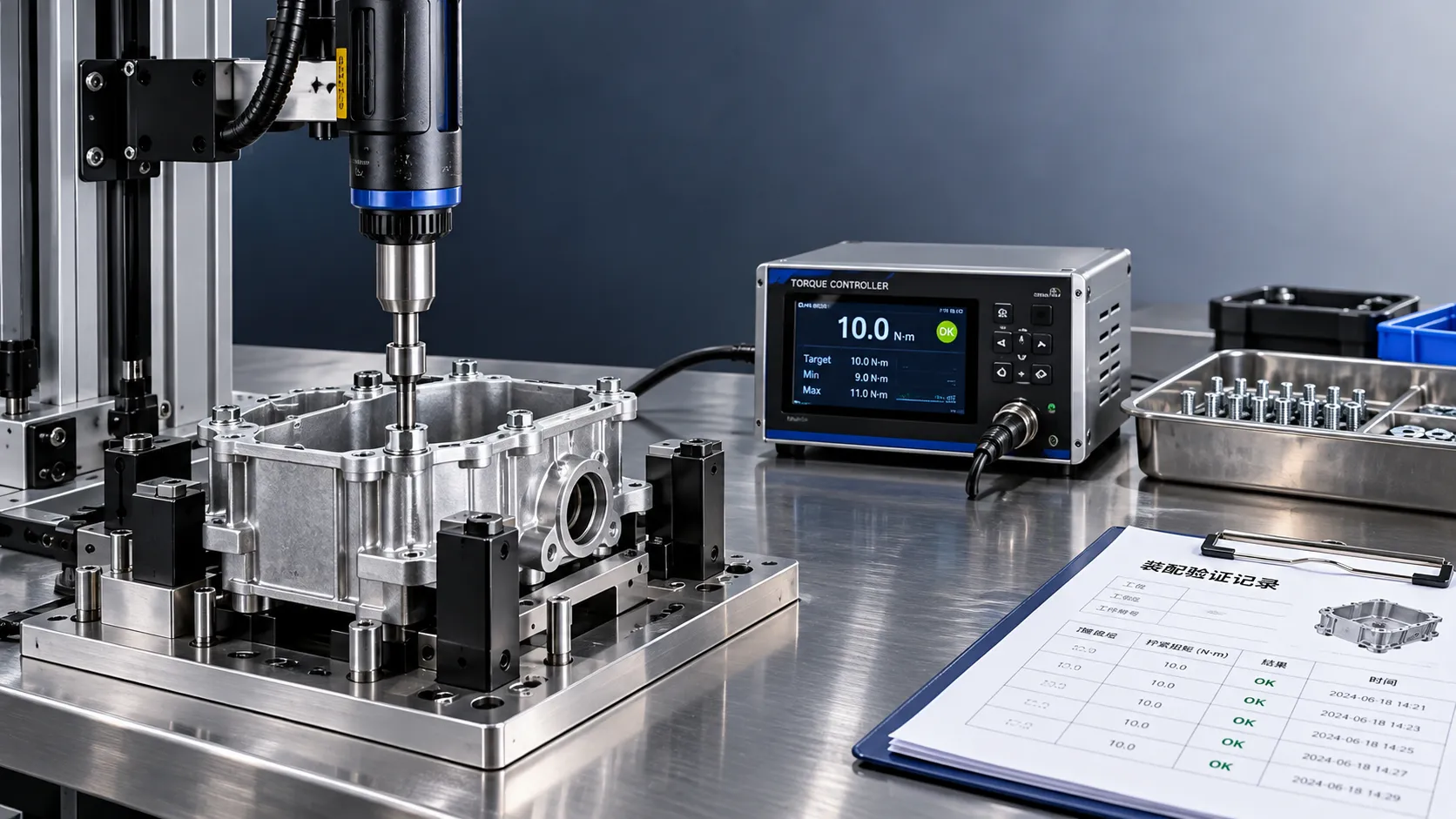
Torque System Suppliers: How to Assess References for Assembly Projects
Explore supplier and solution references torque systems buyers should verify. Assess assembly fit, traceability, and support to reduce risk and choose with confidence.

Equipment Application Guidance for the Middle East: Managing Heat and Dust
Explore application guidance Middle East teams can use to manage heat and dust, protect welding equipment, batteries and precision tools, and reduce downtime. Get practical tips.
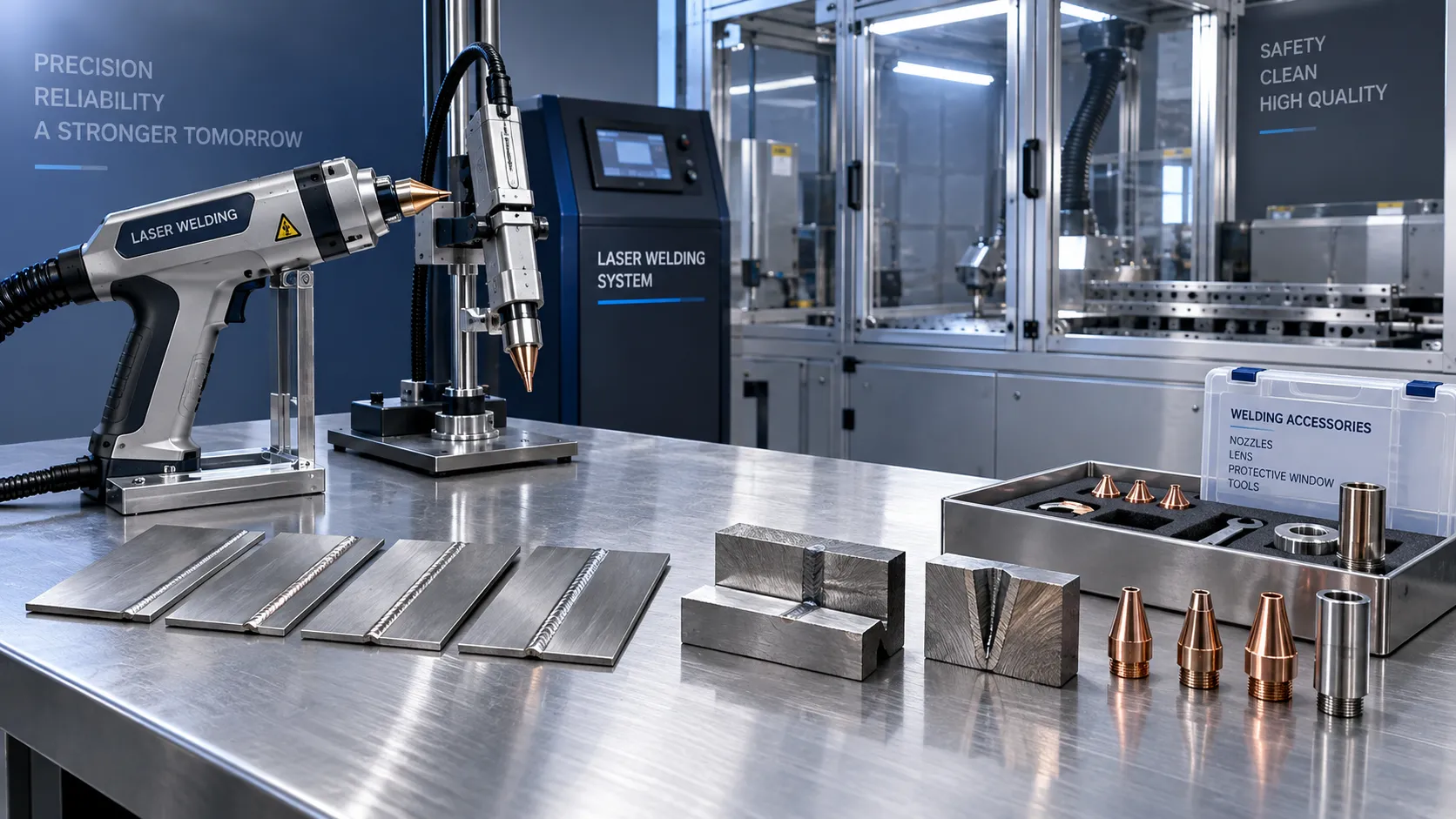
Choosing a Handheld Laser Welding Supplier: Weld Trials, Training, and Service
Choose a handheld laser welding supplier with proven weld trials, safety training, and reliable service. Learn what to verify before buying to reduce downtime and protect your investment.

Choosing an Industrial IoT Platform: Key Criteria for Legacy Equipment
Choose an industrial IoT platform for legacy equipment with confidence. Discover key checks for connectivity, data integrity, security, and lifecycle costs before investing.

In-House vs. Outsourced Aircraft Maintenance: Comparing Total Costs
Compare aerospace maintenance cost for in-house vs. outsourced aircraft upkeep. Discover hidden expenses, downtime impacts, and break-even factors to find the best fit for your fleet.

How to Select High-Precision Measuring Instruments for Tight-Tolerance Production?
High-precision measuring instruments are essential for tight-tolerance production. Learn how to evaluate accuracy, repeatability, environment, calibration, and data integration.

How Industrial Innovation Supplier Networks Reduce Sourcing Risk for Manufacturers
industrial innovation supplier network insights help manufacturers reduce sourcing risk, control lifecycle costs, and choose reliable tools, services, and suppliers with confidence.
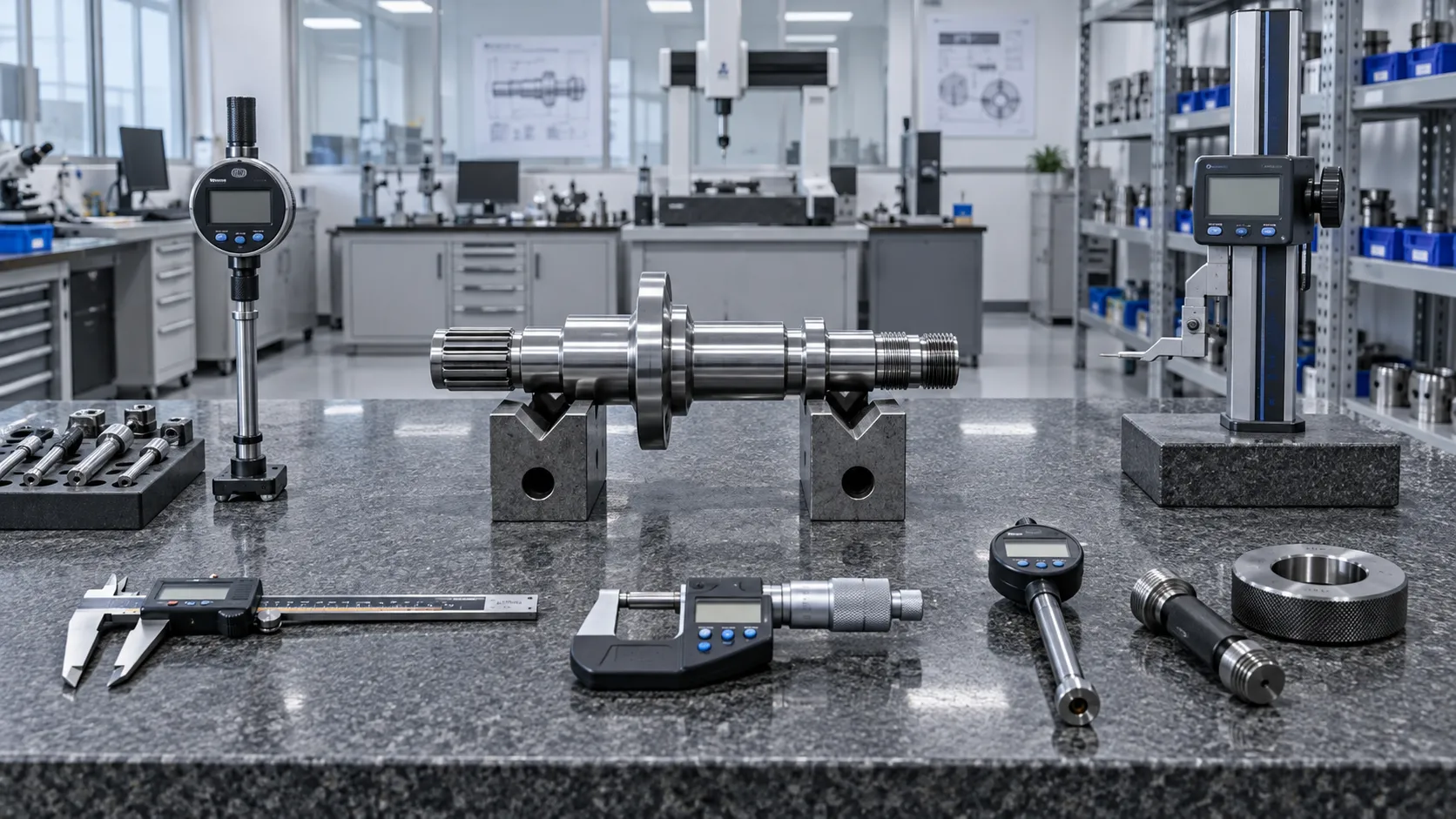
Which Precision Measuring Tools Are Best for Incoming Inspection?
Which precision measuring tools are best for incoming inspection? Explore calipers, micrometers, gauges, CMMs, and smarter strategies to prevent costly defects.
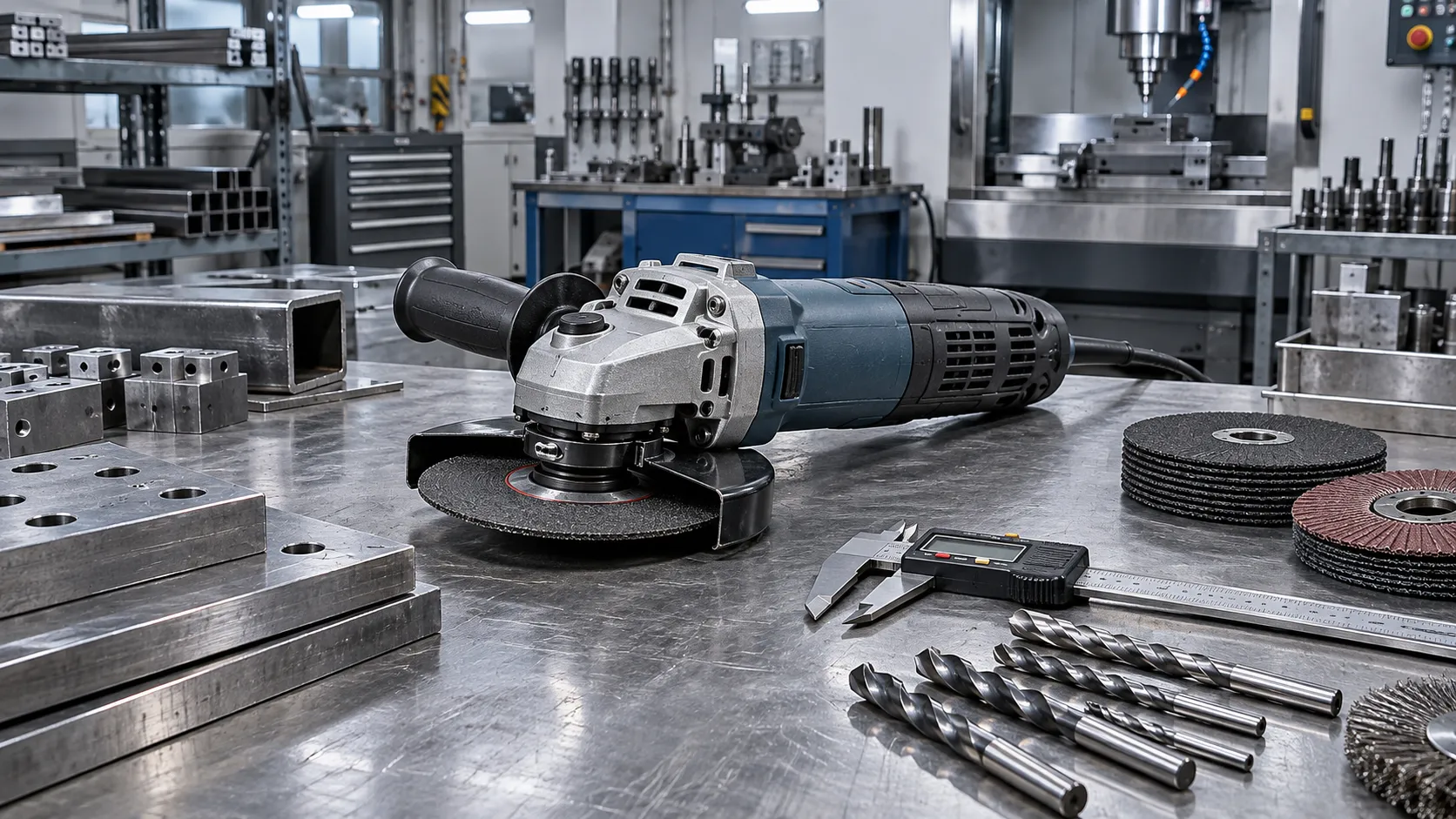
Are Lower-Cost Metalworking Tools More Likely to Fail Early?
Are cheaper metalworking tools more likely to fail early? Explore duty cycle, build quality, and total ownership costs to make smarter buying decisions.
Related News
- 00
0000-00
How to Select Battery Assembly Tools for Torque Control and High-Volume Production - 00
0000-00
How Battery, Torque, and Duty Cycle Affect Cordless Power Tool Efficiency - 00
0000-00
How to Size High-Torque Tool Motors for Continuous-Duty Assembly Lines - 00
0000-00
How to Choose 24V Brushless Tool Motors for Torque, Runtime, and Duty Cycle? - 00
0000-00
Automotive Repair Tools List: What Every Workshop Needs for Daily Service Jobs
Electro-Mech Tool Designer
Weekly Insights
Stay ahead with our curated technology reports delivered every Monday.