
Industrial Tools Buying Guide: Power, Durability, Safety, and Maintenance





Choosing the right industrial tools is no longer just about price—it is a strategic decision that affects productivity, operator safety, maintenance costs, and long-term return on investment. For procurement teams, evaluating power performance, durability, safety compliance, and service requirements is essential to building a reliable tool portfolio. This guide highlights the key factors buyers should assess before sourcing equipment for manufacturing, construction, metalworking, and precision assembly environments.
For purchasing managers, the challenge is not simply finding available inventory. The real task is matching tool capability with duty cycle, material type, operator skill, compliance requirements, and after-sales support. A poorly selected tool can reduce line efficiency within 30 days, while a properly specified tool can support stable production for 3–5 years or longer.
Understanding Industrial Tools as Strategic Production Assets
Industrial tools include power tools, torque tools, welding equipment, measuring instruments, hydraulic systems, pneumatic tools, cutting tools, and assembly devices. In manufacturing and construction environments, these tools directly influence output quality, worker safety, and process repeatability.
A procurement decision should begin with the application, not the catalog. A 12-hour fabrication shift, a 2-shift assembly line, and a mobile maintenance team all require different power sources, housings, accessories, and service plans.
Key Buying Contexts for Procurement Teams
- Manufacturing plants need consistent torque, low vibration, and documented process control.
- Construction contractors prioritize portability, impact resistance, and fast replacement of wear parts.
- Metalworking workshops require heat tolerance, cutting accuracy, welding safety, and durable consumables.
- Aerospace and automotive maintenance teams need traceable calibration and narrow tolerance ranges.
The Global Precision Tools & Welding Matrix focuses on this “last mile” of industrial manufacturing, where purchasing choices translate directly into assembly quality, metal joining reliability, and measurement confidence.
Power Performance: Matching Output to Real Workloads
Power is often the first specification buyers compare, but headline wattage or voltage alone is not enough. Industrial tools must deliver stable output under load, not just impressive numbers on a specification sheet.
For electric tools, procurement teams commonly evaluate 18V–40V cordless platforms, 500W–2,500W corded units, and brushless motor systems. For pneumatic tools, air pressure around 6–8 bar is typical, but air volume demand must also be checked.
Evaluate Power by Application, Not by Maximum Rating
A tool used for intermittent service may perform well at a lower rating. However, continuous drilling, grinding, fastening, cutting, or welding requires higher thermal stability, better cooling, and longer-rated duty cycles.
Procurement teams should request performance data under load, including torque retention, speed drop, heat rise, battery runtime, and restart behavior after 30–60 minutes of repeated operation.
The following table summarizes common power evaluation points for different industrial tools. It helps buyers compare not only specifications, but also operating consequences.
The key conclusion is simple: power must be validated against actual workload. For industrial tools, the best option is rarely the highest-rated unit; it is the tool that maintains stable performance within the required duty cycle.
Practical Power Questions Before Purchase
- Will the tool operate for 2 hours, 8 hours, or multiple shifts per day?
- What material thickness, hardness, or fastening torque is expected?
- Is the workplace equipped for electric, pneumatic, hydraulic, or hybrid operation?
- How many backup batteries, consumables, or nozzles are required per team?
Durability and Build Quality: Reducing Lifecycle Cost
Durability determines whether industrial tools remain productive after months of dust, vibration, temperature fluctuation, drops, oil exposure, and repetitive loading. Buyers should evaluate materials, sealing, bearings, gears, switches, cables, and protective housings.
A low purchase price can become expensive if replacement occurs every 6–12 months. In many B2B environments, downtime, operator waiting time, and urgent freight cost more than the tool itself.
Durability Indicators Worth Specifying
- Housing material: reinforced composite, aluminum alloy, or steel for high-impact applications.
- Ingress protection: IP54 or higher is useful where dust and light splashing are common.
- Brushless motor design: often reduces wear points compared with brushed motor systems.
- Cable and connector design: strain relief matters for tools moved 20–50 times per shift.
- Spare parts availability: critical wear parts should be available for at least 2–3 years.
For measuring tools, durability also includes maintaining accuracy. Calipers, micrometers, gauges, and laser measurement devices should have defined calibration cycles, commonly 6 or 12 months depending on usage intensity.
Total Cost of Ownership Matters More Than Unit Price
Procurement teams should compare purchase cost with consumables, repair frequency, calibration, energy use, operator training, and storage requirements. A 15% higher upfront price may be reasonable if service life increases by 30%.
Ask suppliers for recommended maintenance intervals, expected wear components, and average repair turnaround. For critical line tools, a 48–72 hour service response may be more valuable than a small discount.
Safety Compliance: Protecting Operators and Reducing Operational Risk
Safety is a purchasing specification, not an afterthought. Industrial tools used in cutting, grinding, welding, lifting, fastening, and measurement must align with workplace safety procedures and applicable regional standards.
Common references include CE marking for many European market products, UKCA where applicable, ANSI-related guidance in the United States, ISO management practices, and IEC electrical safety principles for powered equipment.
High-Risk Areas Buyers Should Review
Handheld laser welding, high-torque fastening, hydraulic lifting, and abrasive cutting require special attention. Procurement should confirm protective equipment, interlocks, guards, emergency stops, manuals, and operator training procedures.
The table below outlines practical safety checkpoints. It is designed for buyers who need a repeatable review format before approving new industrial tools for factory or field use.
This checklist shows that safe sourcing is document-driven. A qualified supplier should provide clear labels, operating limits, maintenance rules, and training support before the tools enter daily operation.
Ergonomics Are Part of Safety
Weight, grip diameter, trigger force, balance, noise, and vibration affect fatigue. For tools above 2.5 kg, buyers should consider auxiliary handles, suspension systems, or rotation schedules for long shifts.
Lightweighting is not only a comfort trend. In repetitive assembly, a 10% reduction in handling effort can improve operator consistency and reduce avoidable quality variation across thousands of cycles.
Maintenance, Calibration, and Service Planning
Maintenance planning should be included before purchase approval. Industrial tools that are easy to service, calibrate, and document are easier to manage across multiple workshops, plants, or distributors.
Typical maintenance intervals vary by tool type. Cutting accessories may be inspected daily, pneumatic tools lubricated weekly, torque tools verified monthly, and precision metrology instruments calibrated every 6–12 months.
A 5-Step Maintenance Framework
- Create an asset register with serial number, purchase date, location, and assigned team.
- Define inspection intervals based on workload, environment, and safety risk.
- Stock critical consumables such as discs, tips, seals, batteries, nozzles, and calibration blocks.
- Record faults, repairs, downtime hours, and recurring failure patterns.
- Review tool replacement decisions every 12 months using lifecycle cost data.
Digital maintenance logs are increasingly useful. IoT-enabled torque systems and connected power tools can record cycle count, battery condition, fastening data, and abnormal overload events for audit trails.
Service Support Questions for Suppliers
- What is the standard warranty term: 12 months, 24 months, or application-based?
- Are spare parts stocked locally or shipped internationally within 7–15 days?
- Can the supplier provide calibration certificates for metrology tools?
- Is operator training available for high-risk tools such as welding or hydraulic systems?
- Does the supplier offer repair reports that support internal quality audits?
Procurement teams should avoid treating service as an optional add-on. In industrial environments, service access directly affects uptime, compliance, and the financial value of the tool portfolio.
Procurement Process: From Specification to Supplier Selection
A structured buying process reduces risk. Instead of comparing industrial tools only by quotation, procurement teams should define technical requirements, trial conditions, acceptance rules, and post-delivery responsibilities.
For mid-sized projects, a practical sourcing cycle often takes 2–6 weeks. Complex equipment involving welding safety, metrology traceability, or custom fixtures may require 8–12 weeks including validation.
Recommended Procurement Workflow
- Define the application: material, duty cycle, accuracy, environment, and user profile.
- Build a specification sheet with mandatory and preferred requirements.
- Shortlist 3–5 suppliers based on documentation, service coverage, and technical fit.
- Request samples, demonstrations, or controlled trials under real working conditions.
- Evaluate total cost, warranty, spare parts, training, and compliance records.
- Finalize purchase terms with delivery schedule, acceptance criteria, and service response time.
Common Buying Mistakes to Avoid
One common mistake is over-standardizing on a single tool platform without considering specialized tasks. Another is ignoring consumable compatibility, which can create hidden costs after the first 90 days.
Buyers should also avoid approving tools without operator feedback. A tool that looks efficient in a product sheet may fail in daily use if balance, trigger response, or maintenance access is poor.
Future Trends Shaping Industrial Tool Purchasing
The market for industrial tools is moving toward intelligent control, lighter structures, safer welding processes, and better integration with digital factory systems. Procurement teams should consider these trends when planning multi-year purchases.
Brushless motors, smart batteries, IoT torque control, laser welding safety systems, and automated calibration records are becoming more relevant across construction, automotive repair, aerospace maintenance, and precision assembly.
What Smart Tools Change for Buyers
- Torque data can support quality traceability for fastening operations.
- Battery diagnostics can reduce unexpected downtime in mobile teams.
- Connected maintenance records can simplify audits across multiple sites.
- Digital measurement tools can reduce transcription errors in inspection reports.
However, smart features should be evaluated carefully. Connectivity, cybersecurity policy, data ownership, software support, and operator training all become part of the procurement decision.
Final Buying Recommendations for Procurement Teams
The best industrial tools are selected through evidence, not assumptions. Buyers should compare power stability, durability, safety documentation, maintenance requirements, and supplier support before approving purchase orders.
A strong tool portfolio improves production consistency, reduces downtime, protects operators, and supports long-term return on investment. It also helps distributors and manufacturers build credibility in demanding global markets.
GPTWM provides industry intelligence for teams sourcing precision tools, welding equipment, metrology solutions, and industrial assembly technologies. Our insights help procurement professionals connect craftsmanship with intelligent manufacturing decisions.
If you are evaluating suppliers, comparing tool platforms, or planning a new procurement strategy, contact us to discuss your requirements, request tailored insights, and learn more about practical industrial tool solutions.
Related News
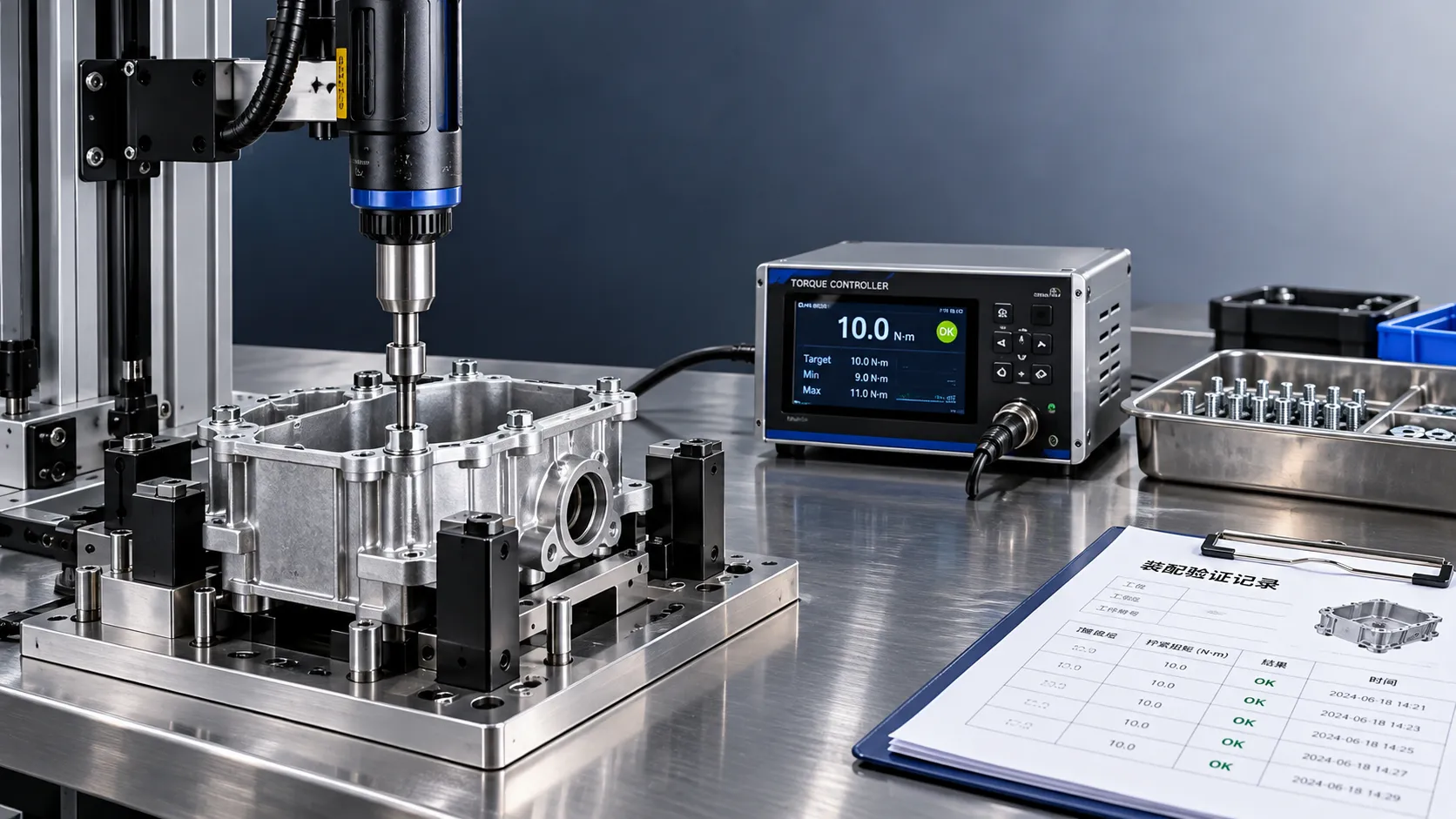
Torque System Suppliers: How to Assess References for Assembly Projects
Explore supplier and solution references torque systems buyers should verify. Assess assembly fit, traceability, and support to reduce risk and choose with confidence.

Equipment Application Guidance for the Middle East: Managing Heat and Dust
Explore application guidance Middle East teams can use to manage heat and dust, protect welding equipment, batteries and precision tools, and reduce downtime. Get practical tips.
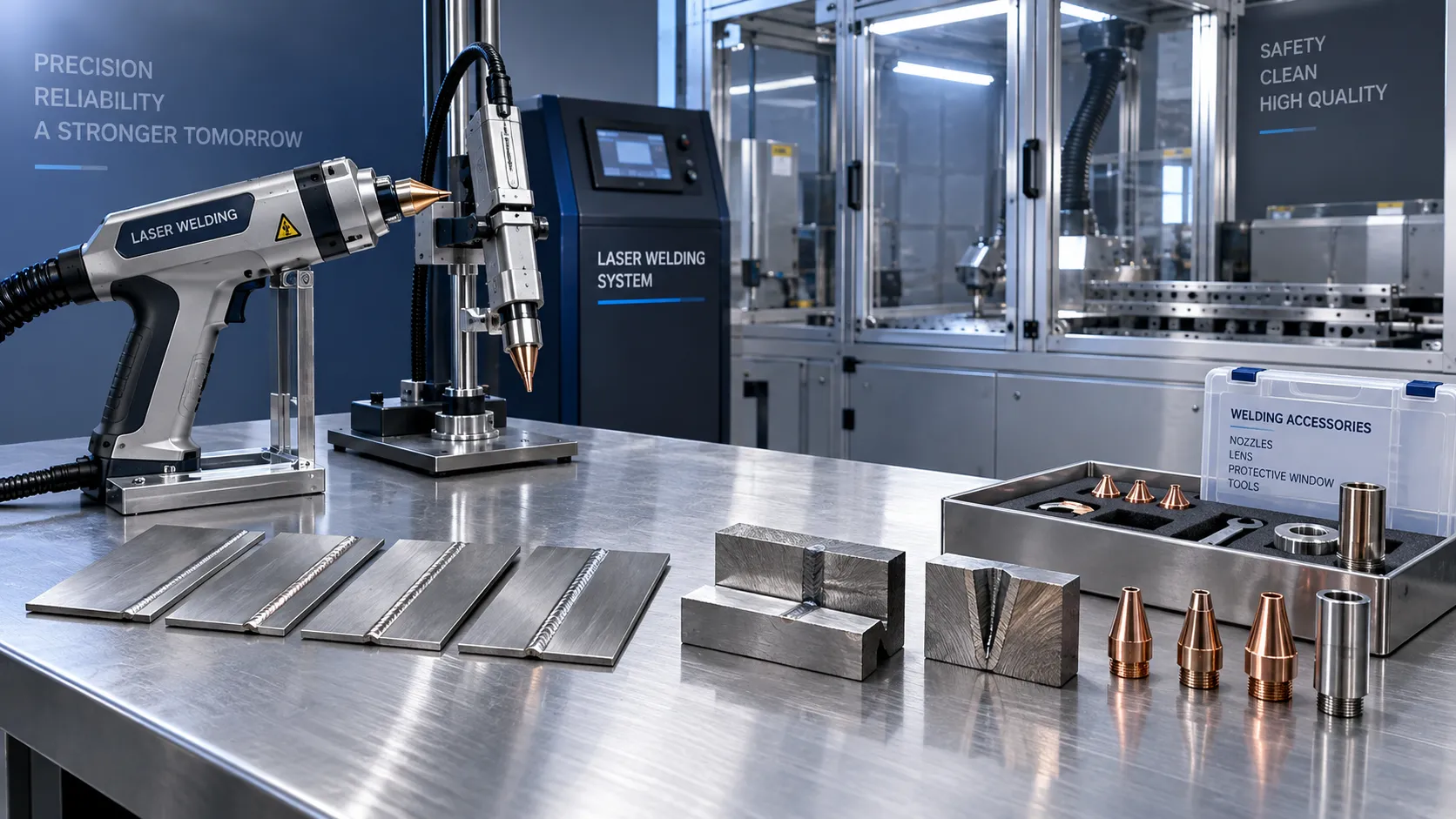
Choosing a Handheld Laser Welding Supplier: Weld Trials, Training, and Service
Choose a handheld laser welding supplier with proven weld trials, safety training, and reliable service. Learn what to verify before buying to reduce downtime and protect your investment.
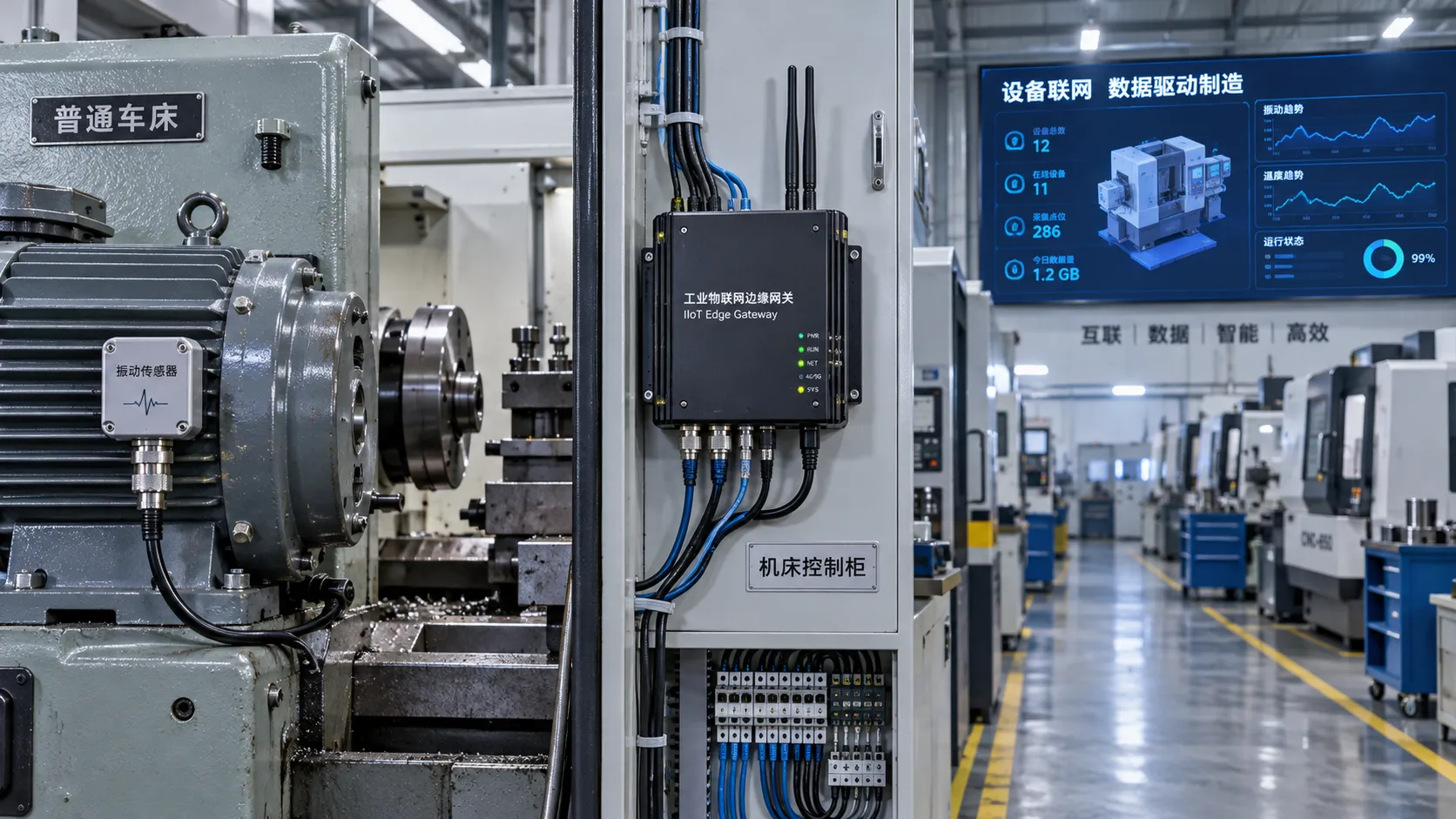
Choosing an Industrial IoT Platform: Key Criteria for Legacy Equipment
Choose an industrial IoT platform for legacy equipment with confidence. Discover key checks for connectivity, data integrity, security, and lifecycle costs before investing.

In-House vs. Outsourced Aircraft Maintenance: Comparing Total Costs
Compare aerospace maintenance cost for in-house vs. outsourced aircraft upkeep. Discover hidden expenses, downtime impacts, and break-even factors to find the best fit for your fleet.
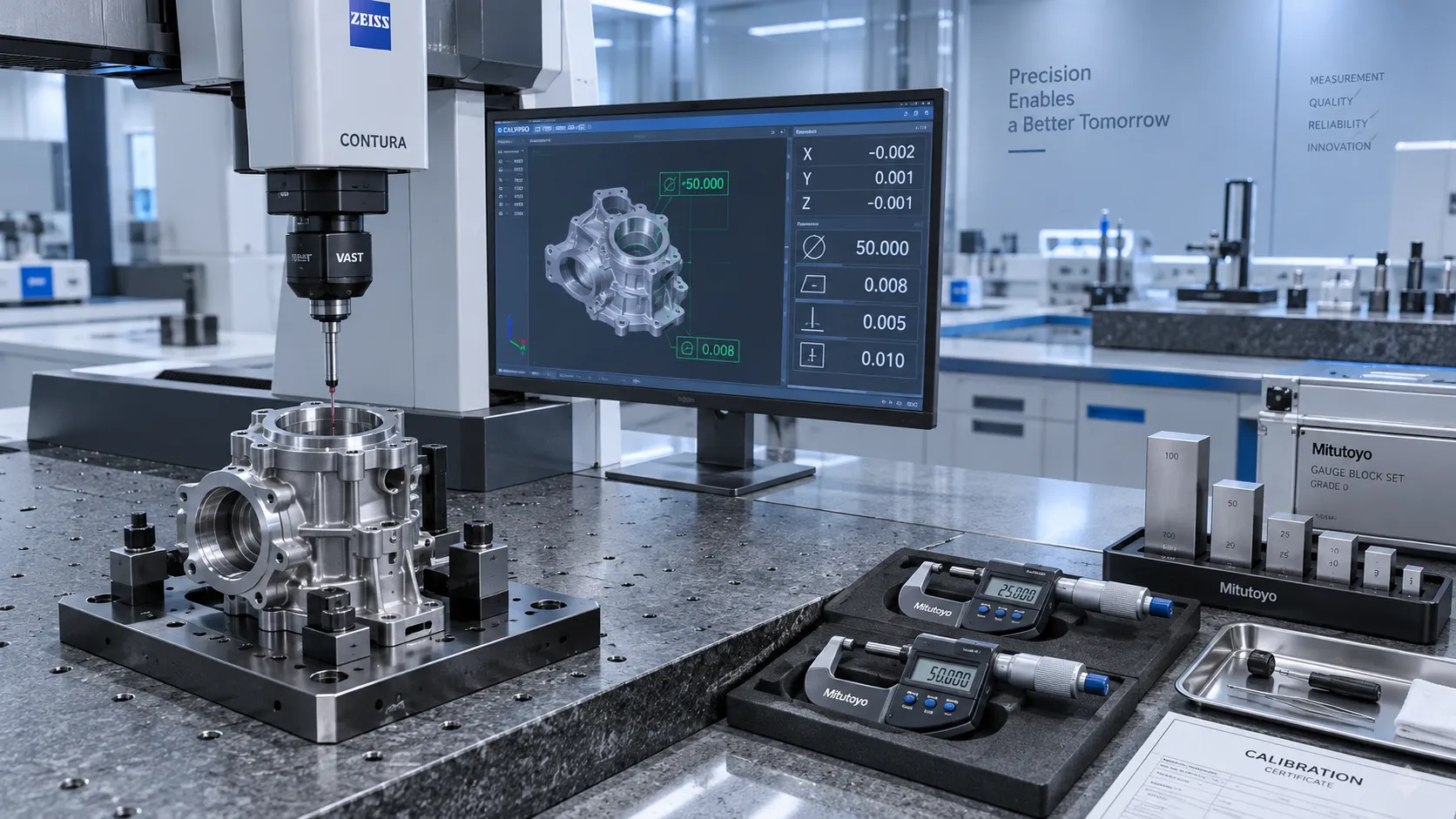
How to Select High-Precision Measuring Instruments for Tight-Tolerance Production?
High-precision measuring instruments are essential for tight-tolerance production. Learn how to evaluate accuracy, repeatability, environment, calibration, and data integration.
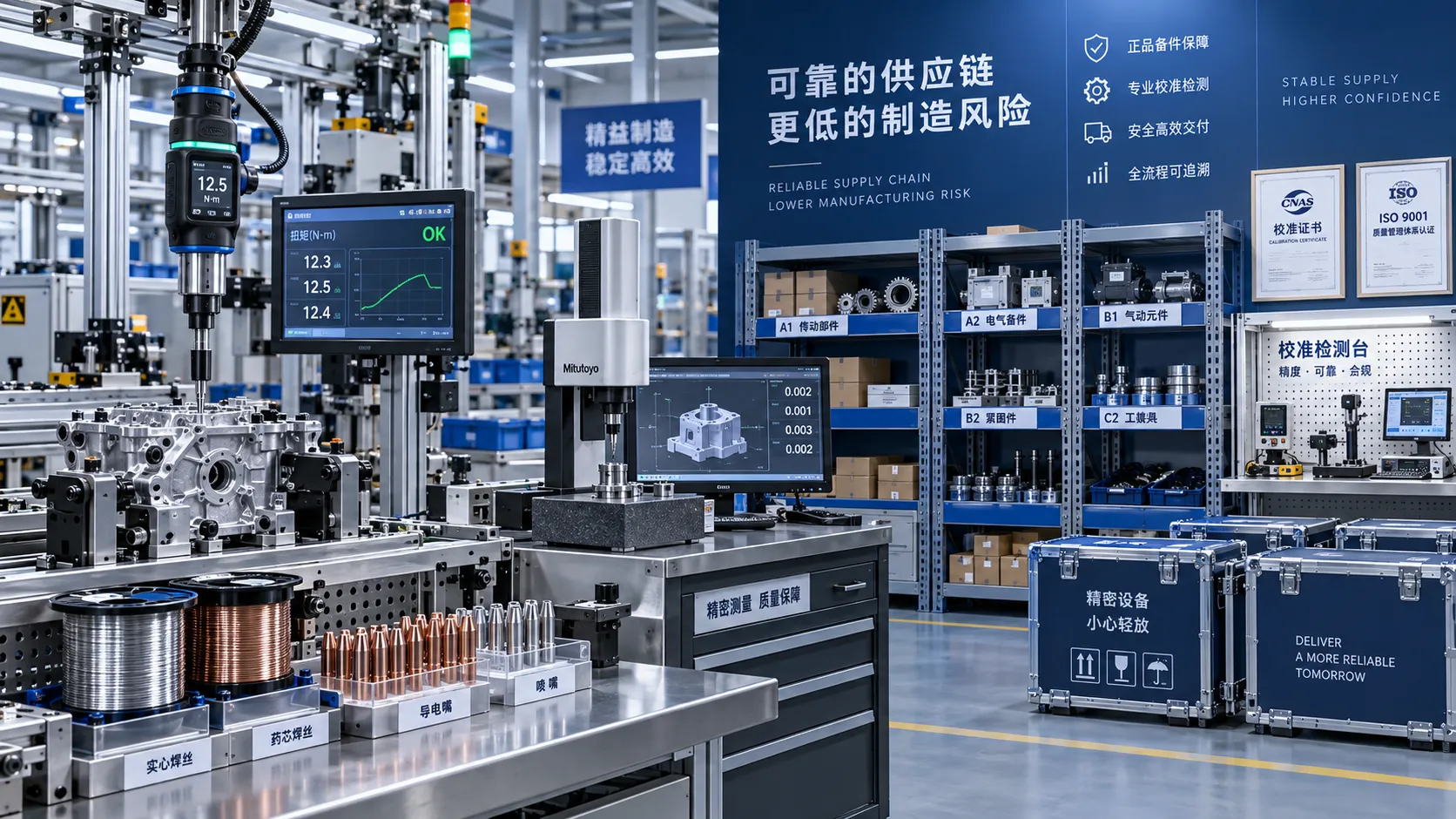
How Industrial Innovation Supplier Networks Reduce Sourcing Risk for Manufacturers
industrial innovation supplier network insights help manufacturers reduce sourcing risk, control lifecycle costs, and choose reliable tools, services, and suppliers with confidence.
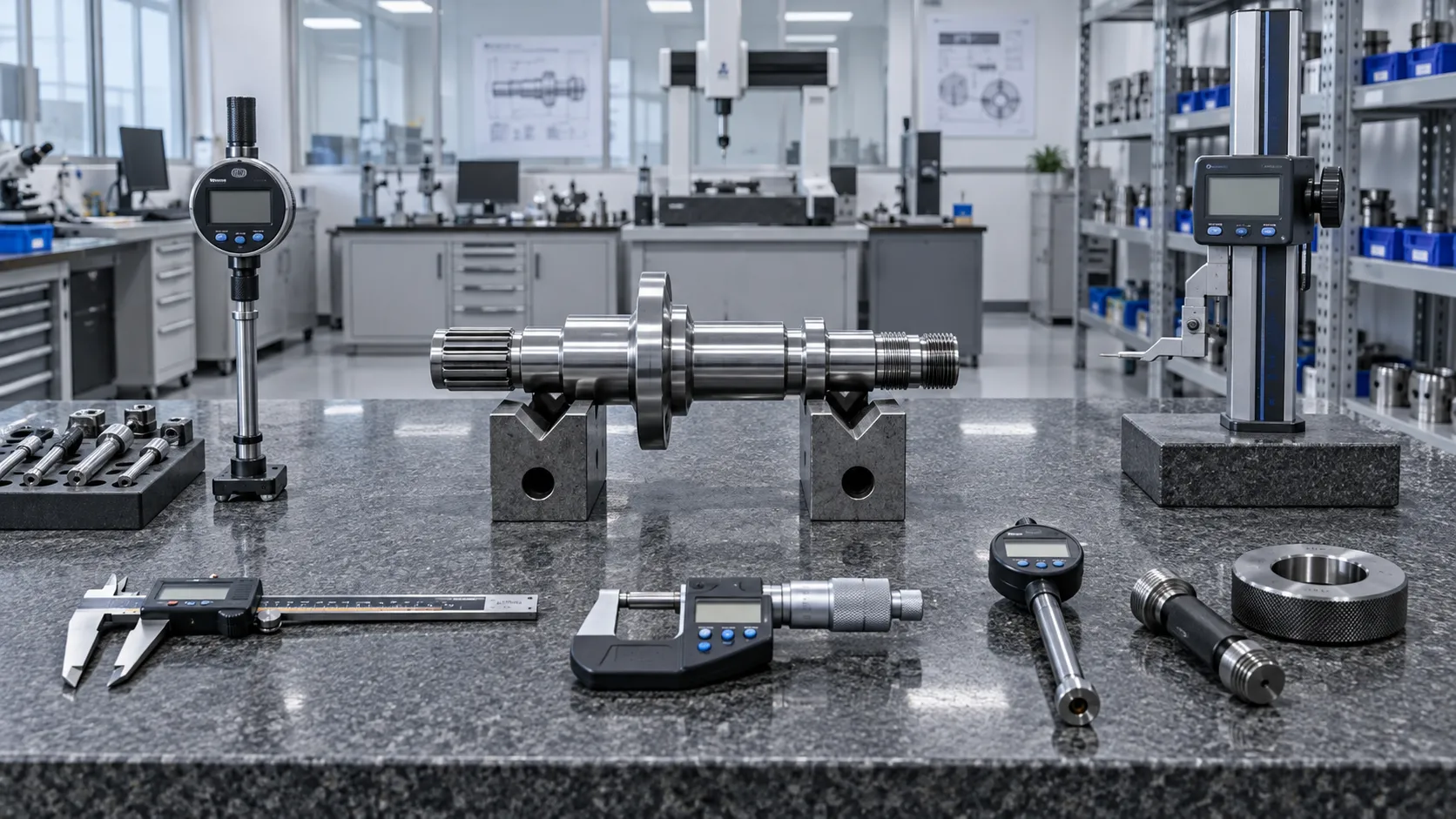
Which Precision Measuring Tools Are Best for Incoming Inspection?
Which precision measuring tools are best for incoming inspection? Explore calipers, micrometers, gauges, CMMs, and smarter strategies to prevent costly defects.
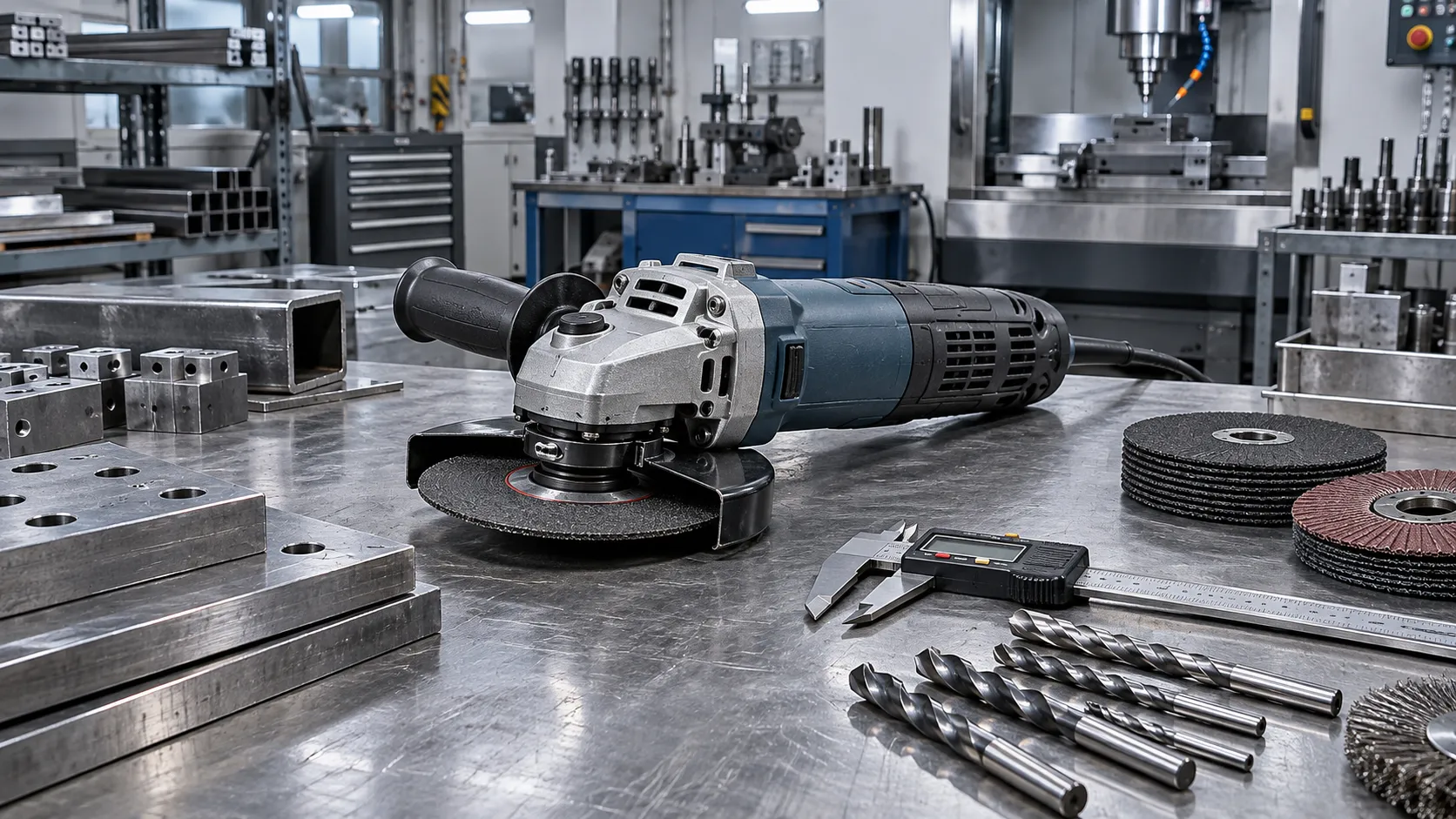
Are Lower-Cost Metalworking Tools More Likely to Fail Early?
Are cheaper metalworking tools more likely to fail early? Explore duty cycle, build quality, and total ownership costs to make smarter buying decisions.
Related News
- 00
0000-00
How to Select Battery Assembly Tools for Torque Control and High-Volume Production - 00
0000-00
How Battery, Torque, and Duty Cycle Affect Cordless Power Tool Efficiency - 00
0000-00
How to Size High-Torque Tool Motors for Continuous-Duty Assembly Lines - 00
0000-00
How to Choose 24V Brushless Tool Motors for Torque, Runtime, and Duty Cycle? - 00
0000-00
Automotive Repair Tools List: What Every Workshop Needs for Daily Service Jobs
Electro-Mech Tool Designer
Weekly Insights
Stay ahead with our curated technology reports delivered every Monday.