
How to Calibrate Precision Instruments and Avoid Common Measurement Errors





Why calibration decisions change across real working conditions
Reliable calibration keeps precision instruments useful, not just technically compliant.
A small offset in a micrometer, pressure gauge, torque tester, or laser measuring tool can spread through an entire process.
That often means rejected parts, unstable welding quality, unsafe assemblies, or avoidable rework.
In actual operations, the right way to calibrate precision instruments depends on where they are used, how often they move, and what risk each reading carries.
A bench instrument in a controlled inspection room behaves very differently from handheld precision instruments used near heat, vibration, dust, and frequent transport.
This is why calibration cannot be treated as a fixed annual checkbox.
Within the industrial intelligence view promoted by GPTWM, precision metrology sits at the last mile of manufacturing reliability.
The practical question is not only how to calibrate precision instruments, but how to do it in a way that matches production reality, compliance pressure, and maintenance limits.
On the shop floor, heat and handling change the calibration picture
Production environments create the most common measurement problems because the instrument is rarely the only variable.
Surface temperature, operator technique, clamping force, and part cleanliness can distort readings before anyone notices drift.
For calipers, bore gauges, dial indicators, and torque tools, a stable reference should be checked at the point of use, not only in the calibration lab.
That short verification step helps separate true instrument drift from process variation.
In welding and metal joining lines, another issue appears.
Precision instruments may be exposed to radiant heat, magnetic interference, airborne particulates, and repeated shock from nearby equipment.
Under these conditions, calibration intervals usually need to be shorter than the interval used for controlled benches.
A good judgment standard is simple: if the instrument moves with the process, the calibration strategy should move with the risk.
What matters most in high-use production checks
- Confirm zero, repeatability, and reference consistency before full-shift use.
- Allow the part and the instrument to reach similar temperature conditions.
- Track impact events, drops, and unusual overloads between scheduled calibrations.
- Use clean contact surfaces and controlled measuring force.
Inspection rooms need tighter traceability, not just tighter tolerances
In controlled quality rooms, the challenge shifts from survival to traceability.
Here, precision instruments support dimensional release, final reports, and customer or regulatory evidence.
The error source is often less obvious.
It may come from stale master blocks, undocumented software updates, fixture wear, or using the wrong uncertainty model.
This environment usually requires stronger calibration records, environmental logs, and traceable reference standards.
More importantly, acceptance criteria should match the actual tolerance stack, not a generic pass or fail rule.
When precision instruments are linked to export standards or audited production chains, a missing traceability step can be more damaging than a minor adjustment cost.
That is why intelligence-led platforms such as GPTWM often emphasize both technical calibration practice and the commercial impact of metrology discipline.
Field work and maintenance demand faster checks before formal recalibration
Construction, automotive service, aerospace maintenance, and energy repair teams often rely on portable precision instruments.
These tools may be technically in calibration but still unreliable at the moment of use.
Transport vibration, battery condition, uneven surfaces, and rushed setup can push measurements outside practical confidence.
In this setting, pre-use validation is often more valuable than repeating a full laboratory sequence.
Laser alignment tools, torque analyzers, and portable hardness testers should be checked against a known reference immediately before critical work starts.
The judgment point is whether the instrument still performs within the specific task threshold, not whether the certificate still has time remaining.
This difference matters in real service environments where downtime, safety, and documentation all intersect.
A practical field calibration routine
- Review the last calibration date and any repair history.
- Inspect connectors, battery level, probes, and contact surfaces.
- Run a quick reference check with traceable artifacts.
- Record deviations before using the instrument on critical tasks.
Common measurement errors often come from method, not instrument failure
One frequent mistake is assuming that calibrated precision instruments always produce accurate results.
Calibration confirms performance against a standard.
It does not correct poor fixturing, wrong alignment, inconsistent pressure, or an unsuitable measurement range.
Another common error is treating similar jobs as identical.
A gauge setup that works well for machined steel parts may not suit thin aluminum sections, coated components, or thermally sensitive assemblies.
The surface behavior changes, so the measuring method should change as well.
There is also a cost-related misjudgment.
Some operations choose longer calibration intervals to save money, then lose far more through scrap, callbacks, or failed audits.
The better approach is risk-based scheduling, especially for precision instruments used in narrow-tolerance or safety-sensitive work.
Misjudgments worth correcting early
- Looking only at specification sheets, not at environmental exposure.
- Relying on one annual interval for every precision instrument.
- Ignoring operator variation during repetitive manual checks.
- Using calibration data without linking it to process capability.
A better calibration plan starts with application fit
The strongest calibration programs are built around use patterns, not around paperwork alone.
For precision instruments that stay in controlled rooms, the focus should be traceability depth, reference integrity, and uncertainty review.
For instruments that travel across welding cells, assembly areas, and service sites, the focus should be shorter verification loops and clear damage triggers.
It also helps to classify instruments by decision impact.
If a reading can stop shipment, affect torque safety, or validate aerospace maintenance, calibration discipline should be stricter than for routine trend checks.
This is where broader market intelligence becomes useful.
GPTWM highlights how export rules, ergonomic changes, intelligent torque systems, and metrology demand patterns influence tool selection and calibration planning together.
That broader view helps keep precision instruments aligned with both technical and operational realities.
Before the next calibration cycle, clarify these decisions
Start by listing where each instrument is used, what tolerance it supports, and what happens if the reading is wrong.
Then compare environmental stress, handling frequency, and verification habits across those settings.
That usually reveals why some precision instruments need tighter controls while others only need routine confirmation.
A useful next step is to build a simple calibration matrix covering reference standards, interval logic, method checks, and post-impact actions.
When calibration is tied to real application conditions, measurement confidence becomes easier to maintain and harder to lose.
That is the practical route to fewer measurement errors, steadier quality control, and stronger confidence in every critical reading.
Related News

How Procurement Teams Can Map the Industrial Value Chain to Reduce Supply Risk
Industrial value chain procurement helps teams map hidden dependencies, qualify resilient sources, and reduce supply risk before disruptions stop production.
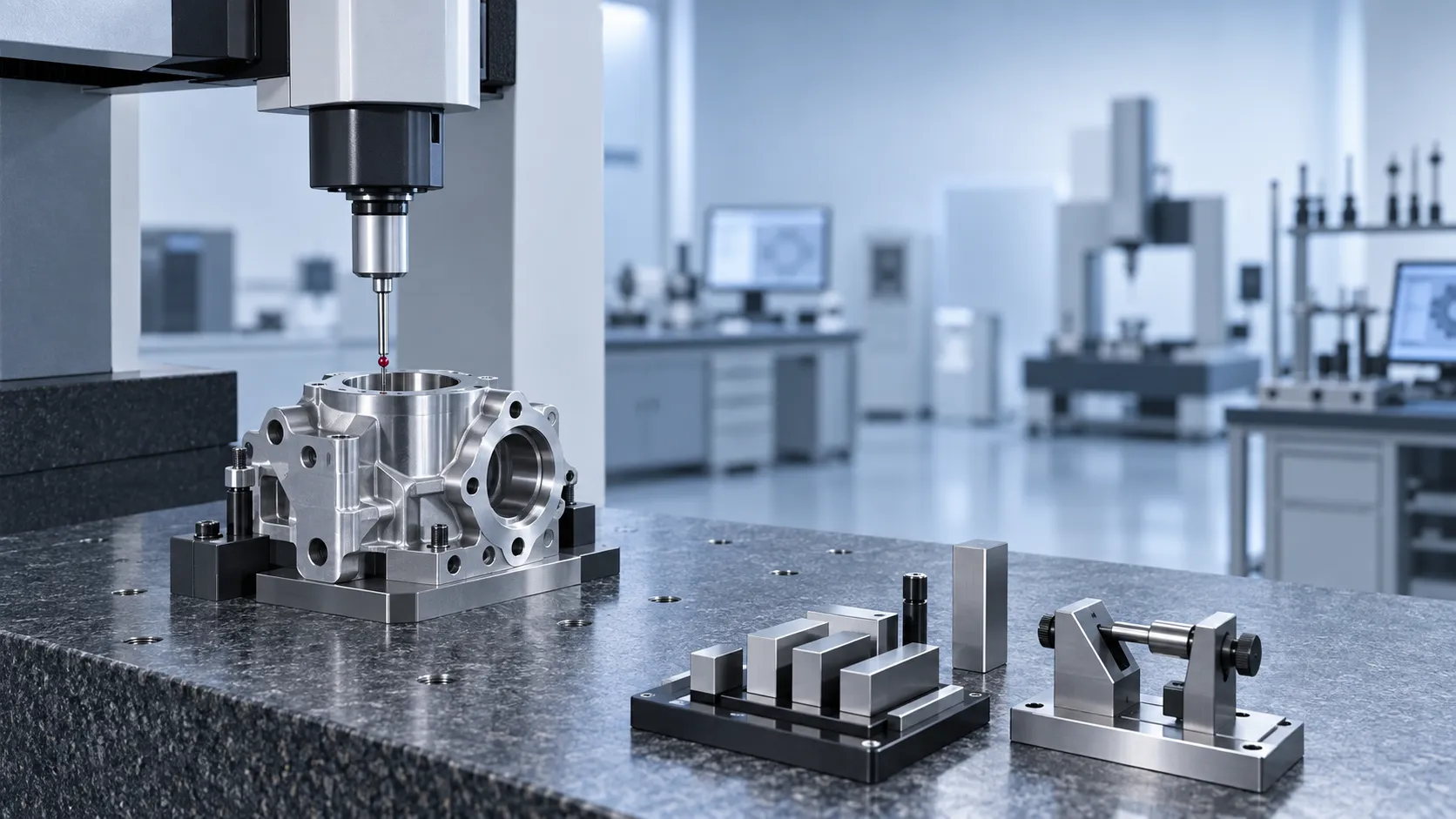
How Specification-Driven Articles Improve Precision Measurement System Selection
Specification-oriented articles precision measurement guidance helps teams compare accuracy, repeatability, environment, and data needs to select reliable systems with confidence.

How to Evaluate a Technology Integration Service Provider for Complex Projects
Technology integration service provider selection guide: evaluate interface ownership, delivery discipline, scalable architecture, and risk control for complex projects.
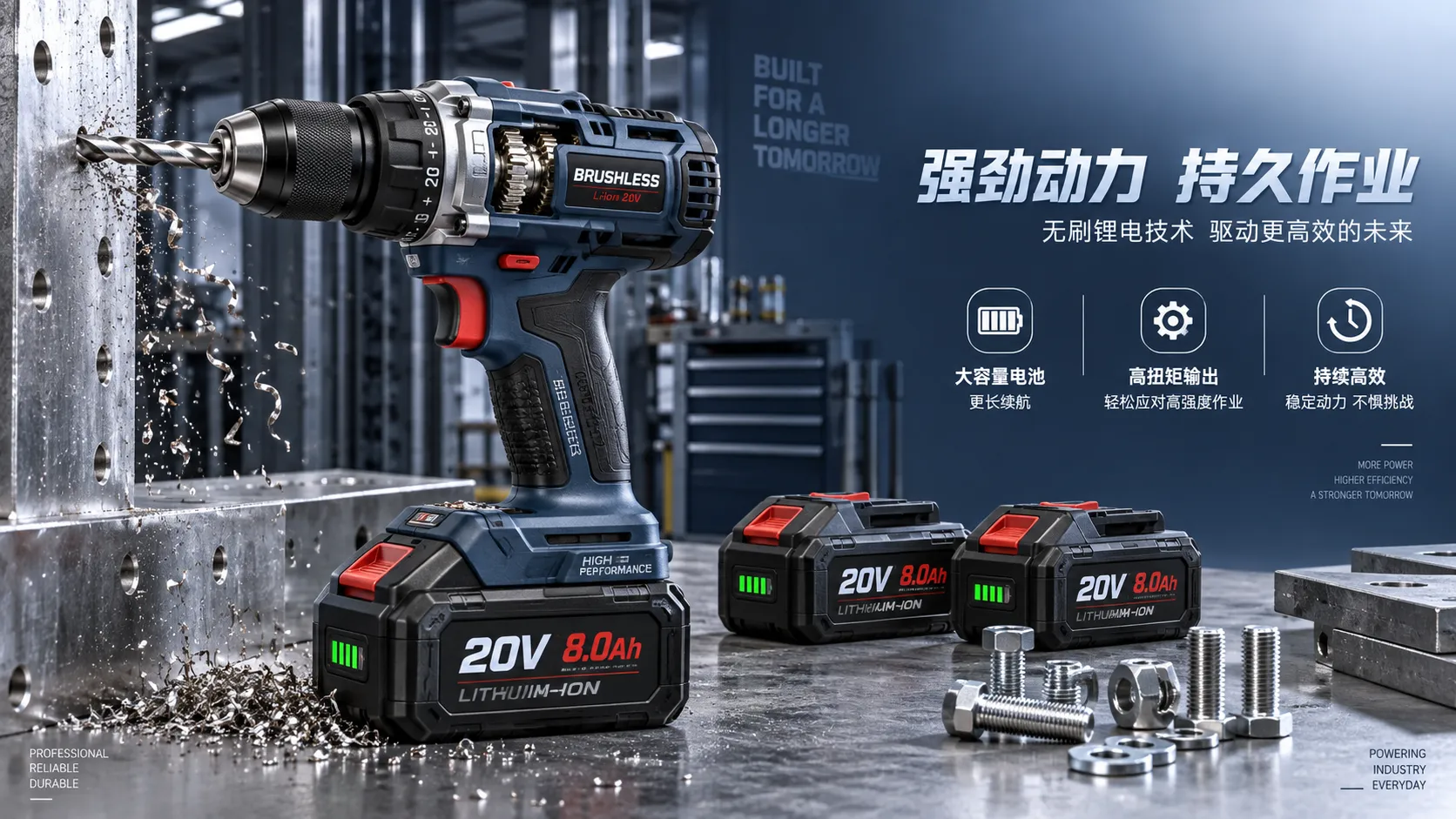
How Battery, Torque, and Duty Cycle Affect Cordless Power Tool Efficiency
Cordless power tool efficiency depends on battery output, torque, and duty cycle. Learn how to match tools to demanding jobs for stronger runtime and productivity.

Product Comparison Resources for Component Compatibility and Lifecycle Risk
Product comparison resources for components: evaluate compatibility, interfaces, service support, and lifecycle risk to reduce downtime, avoid redesigns, and make confident sourcing decisions.
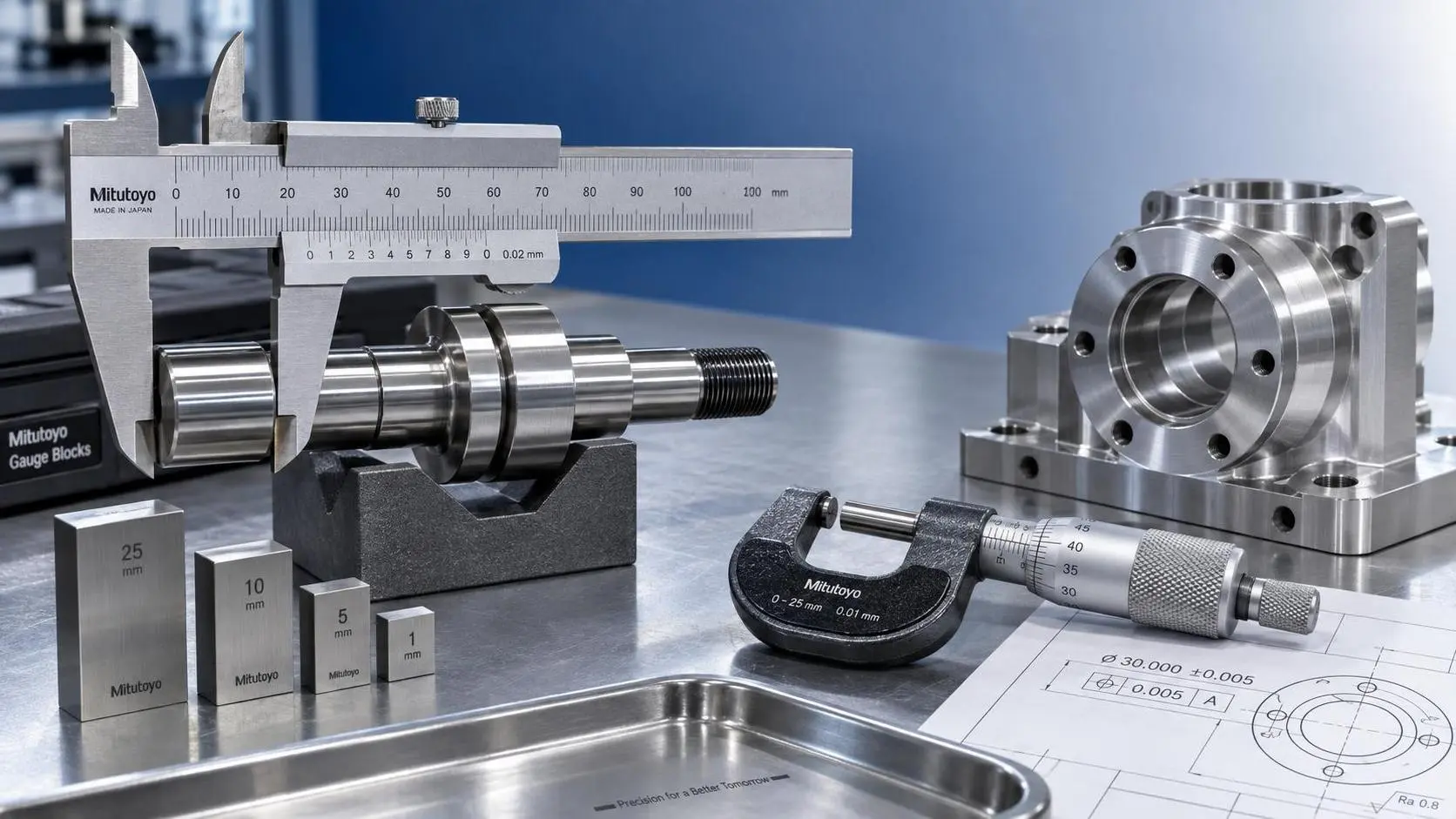
How to Select Vernier Precision Calipers for Tight-Tolerance Machining Inspection
Vernier precision calipers for tight-tolerance machining: learn how to select the right range, jaw design, accuracy, and verification process for reliable inspection.
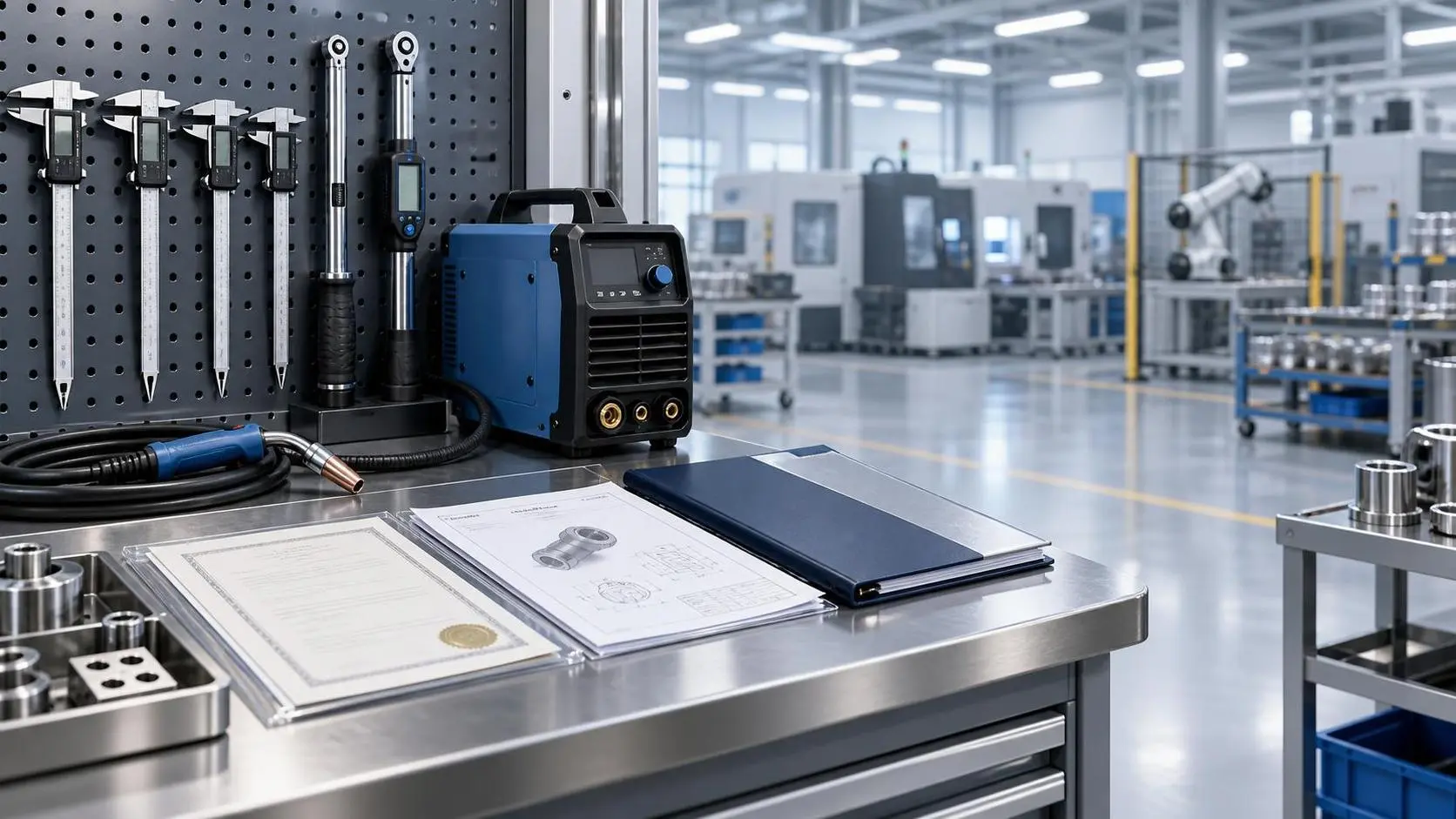
Product Comparison Resources in Europe: How Buyers Can Verify Specs and Suppliers
Product comparison resources Europe: learn how to verify industrial specs, compliance claims, supplier credibility, and delivery risk for smarter purchasing decisions.

How to Evaluate an Industrial Metrology Solution Manufacturer for Production Use
Industrial metrology solution manufacturer evaluation guide for production: compare accuracy, traceability, automation, software, service, and acceptance testing to reduce risk.
Which ISO Standards Matter Most for Precision Engineering Quality Control?
Precision engineering ISO standards explained: discover how ISO 9001, ISO/IEC 17025, ISO 10012, GPS, and ISO 3834 strengthen quality control, traceability, and compliance.
Related News
- 00
0000-00
How to Select Vernier Precision Calipers for Tight-Tolerance Machining Inspection - 00
0000-00
How to Choose Metalworking Tools for Sheet Metal by Thickness and Forming Tasks - 00
0000-00
Metrology Technology Europe: Which Systems Improve Inspection Accuracy on the Line? - 00
0000-00
How to Choose Precision Measuring Instruments in North America for Tighter Tolerance Work - 00
0000-00
Specification-Oriented Articles on Precision Measurement: Which Parameters Matter Most?
Metrology Fellow
Weekly Insights
Stay ahead with our curated technology reports delivered every Monday.