
Metrology Technology Explained: Key Measurement Methods, Tolerances, and Use Cases





Metrology Technology Explained: Why It Matters in Modern Manufacturing
Metrology technology sits behind every reliable dimension, fit, and performance check in manufacturing.
It turns assumptions into verified data.
That is why it matters in machining, welding, assembly, aerospace, automotive, electronics, and field maintenance.
At a practical level, metrology technology helps teams answer simple but costly questions.
Is the part within tolerance?
Did the process drift?
Will two components assemble without rework?
Can the inspection result stand up to customer audits or export standards?
The recent shift is clear.
Manufacturers no longer treat measurement as a final checkpoint only.
They increasingly use metrology technology inside the process itself.
This supports faster decisions, lower scrap, and better traceability.
For industrial intelligence platforms such as GPTWM, this is where measurement, quality, and production efficiency truly connect.
Core Principles Behind Metrology Technology
Before comparing tools, it helps to understand the basics.
Metrology technology is the science and application of accurate measurement.
It covers dimensional measurement, surface analysis, form verification, and system calibration.
Three principles shape reliable measurement results.
- Accuracy: how close a result is to the true value.
- Repeatability: whether the same method gives stable results again and again.
- Traceability: whether the result links back to recognized standards such as ISO or NIST references.
These principles sound technical, but they affect daily production choices.
A fast gauge with poor repeatability can create false rejects.
A high-end scanner without traceable calibration may fail a compliance review.
So the best metrology technology is not always the most advanced tool.
It is the method that matches the tolerance, material, environment, and decision speed required.
Key Measurement Methods Used Today
Contact Measurement Methods
Contact methods remain essential because they are stable, familiar, and cost-efficient.
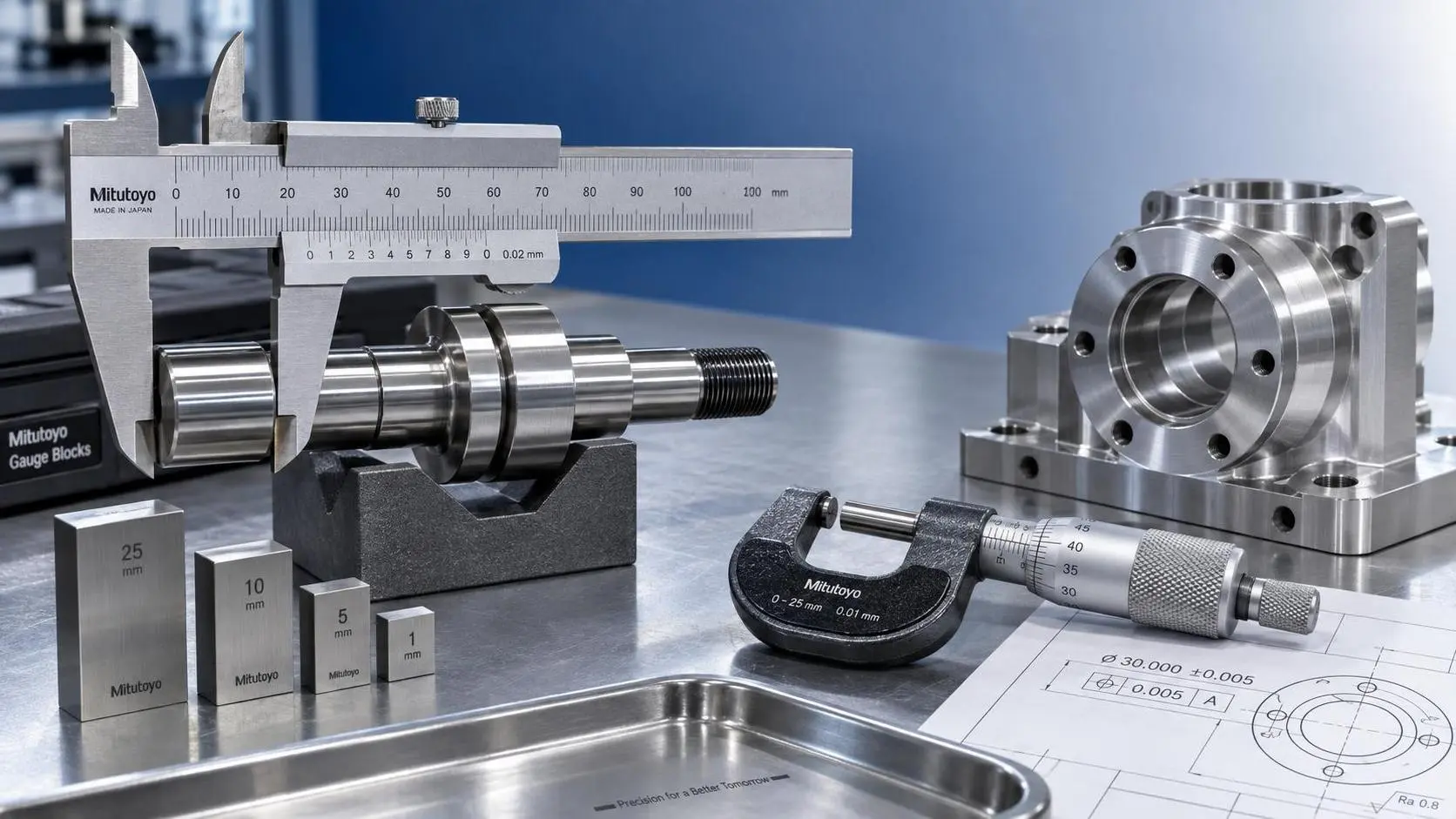
Common examples include calipers, micrometers, dial indicators, bore gauges, and Coordinate Measuring Machines.
CMM systems are especially important in metrology technology.
They measure complex geometries with high precision and support GD&T evaluation.
This makes them useful for machined parts, molds, fixtures, and aerospace components.
Non-Contact Measurement Methods
Non-contact metrology technology is growing fast.
The reason is simple.
Many modern parts are delicate, reflective, miniature, or too complex for touch probes alone.
Typical options include laser scanners, optical comparators, white light interferometers, and vision systems.
These methods capture surfaces quickly and generate dense data sets.
They are widely used for sheet metal, welded forms, turbine blades, and reverse engineering.
In-Process and Smart Measurement
A more visible trend is in-process metrology technology.
Sensors now monitor dimensions, position, torque, vibration, and thermal effects during production.
This is increasingly valuable in automated assembly and robotic welding cells.
Instead of waiting for end-of-line inspection, teams correct drift earlier.
That reduces downtime and protects throughput.
How Tolerances Connect to Measurement Decisions
Tolerance is where design intent meets manufacturing reality.
If tolerances are too loose, function may fail.
If they are too tight, cost rises sharply.
Metrology technology helps balance that tradeoff with real measurement capability.
A common rule is that the measurement system should be significantly more precise than the tolerance band.
Otherwise, inspection decisions become uncertain.
This is where gauge capability studies and Measurement System Analysis become important.
They reveal whether the chosen metrology technology is good enough for the job.
In real operations, tighter tolerance should never automatically mean higher-spec equipment.
It should mean better alignment between tolerance, risk, and measurement strategy.
Common Use Cases Across Industries
Metrology technology is not limited to inspection labs.
Its role changes by sector, part geometry, and compliance pressure.
- Automotive: verifies engine parts, battery housings, body alignment, and torque-critical assemblies.
- Aerospace: supports blade profiles, structural joints, surface integrity, and traceable inspection records.
- Construction equipment: checks hydraulic parts, wear surfaces, and service replacement components.
- Electronics: measures micro features, connector fit, and flatness in high-density products.
- Welding and fabrication: evaluates joint geometry, distortion, gap consistency, and post-weld dimensional stability.
The welding example is especially revealing.
Heat input changes shape, alignment, and residual stress.
So metrology technology becomes part of process qualification, not just final verification.
This also connects with GPTWM’s focus on the final manufacturing mile, where precision and tool intelligence directly affect delivered value.
Standards, Compliance, and Measurement Risk
Technical decisions around metrology technology often come down to standards.
ISO 9001, ISO 10360, AS9100, and sector-specific quality frameworks all shape measurement practice.
More importantly, standards reduce ambiguity.
They define how equipment is calibrated, how uncertainty is considered, and how records are maintained.
In global supply chains, poor control here creates commercial risk quickly.
A part may measure acceptable in one plant and fail in another.
That usually points to a measurement system gap, not only a manufacturing defect.
Typical risk areas include:
- Using metrology technology without calibration traceability.
- Applying the wrong method to reflective, soft, or heat-sensitive materials.
- Ignoring temperature, vibration, and operator influence.
- Relying on inspection data without MSA or uncertainty review.
The stronger signal in current manufacturing is simple.
Measurement confidence is becoming a business requirement, not only a quality department topic.
How to Choose the Right Metrology Technology
Choosing metrology technology should start with the decision you need to make.
Not every task requires a premium system.
But every important decision requires a reliable method.
- Define the feature: size, form, position, surface, or assembly fit.
- Match the tolerance to measurement capability and uncertainty.
- Consider speed needs, operator skill, and production volume.
- Check environmental factors such as heat, dust, vibration, and shop-floor access.
- Confirm calibration, software compatibility, and reporting requirements.
In business terms, the goal is not just better measurement.
It is better decisions with less waste and less argument.
That is where metrology technology delivers real operational value.
Final Takeaway
Metrology technology is much more than measurement equipment.
It is a decision framework for quality, tolerance control, and process stability.
When used well, it improves consistency, protects compliance, and supports smarter manufacturing investment.
The clearest path forward is practical.
Review your critical tolerances, verify measurement capability, and align tools with actual process risk.
That approach keeps metrology technology connected to business outcomes, not isolated inside technical reports.
For teams tracking manufacturing efficiency, compliance, and precision upgrades, that is the most useful place to start.
Related News
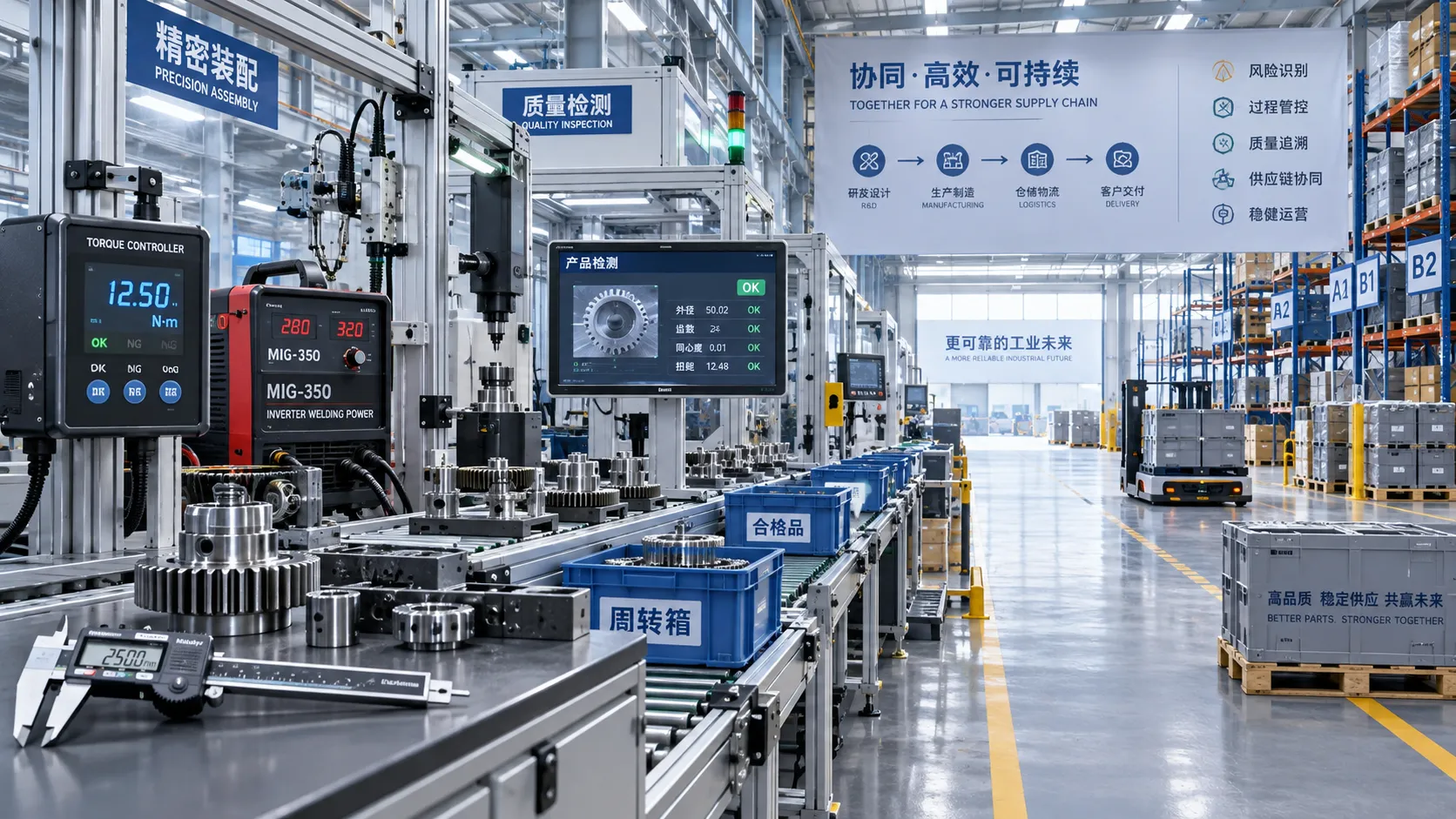
How Procurement Teams Can Map the Industrial Value Chain to Reduce Supply Risk
Industrial value chain procurement helps teams map hidden dependencies, qualify resilient sources, and reduce supply risk before disruptions stop production.
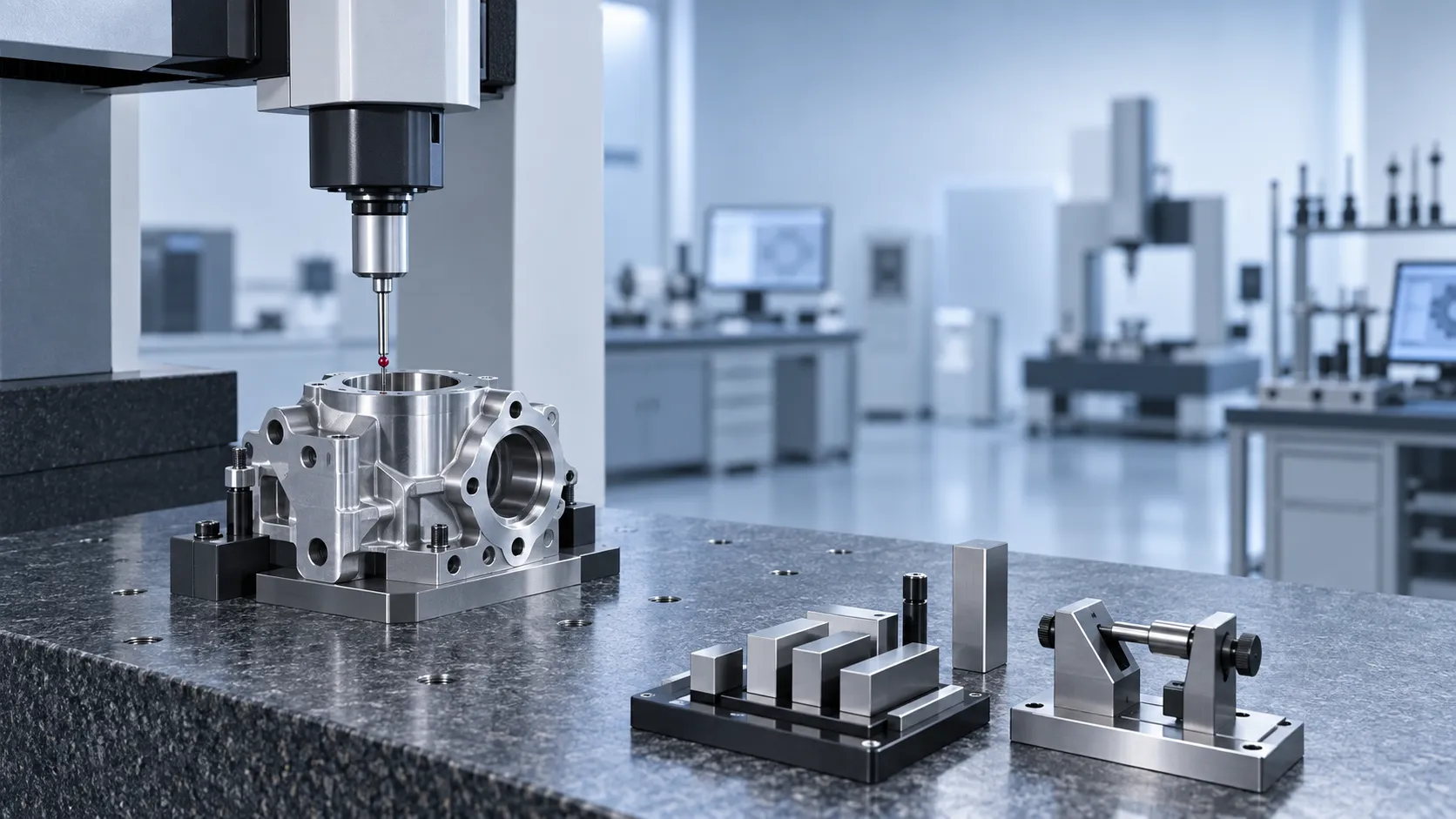
How Specification-Driven Articles Improve Precision Measurement System Selection
Specification-oriented articles precision measurement guidance helps teams compare accuracy, repeatability, environment, and data needs to select reliable systems with confidence.

How to Evaluate a Technology Integration Service Provider for Complex Projects
Technology integration service provider selection guide: evaluate interface ownership, delivery discipline, scalable architecture, and risk control for complex projects.
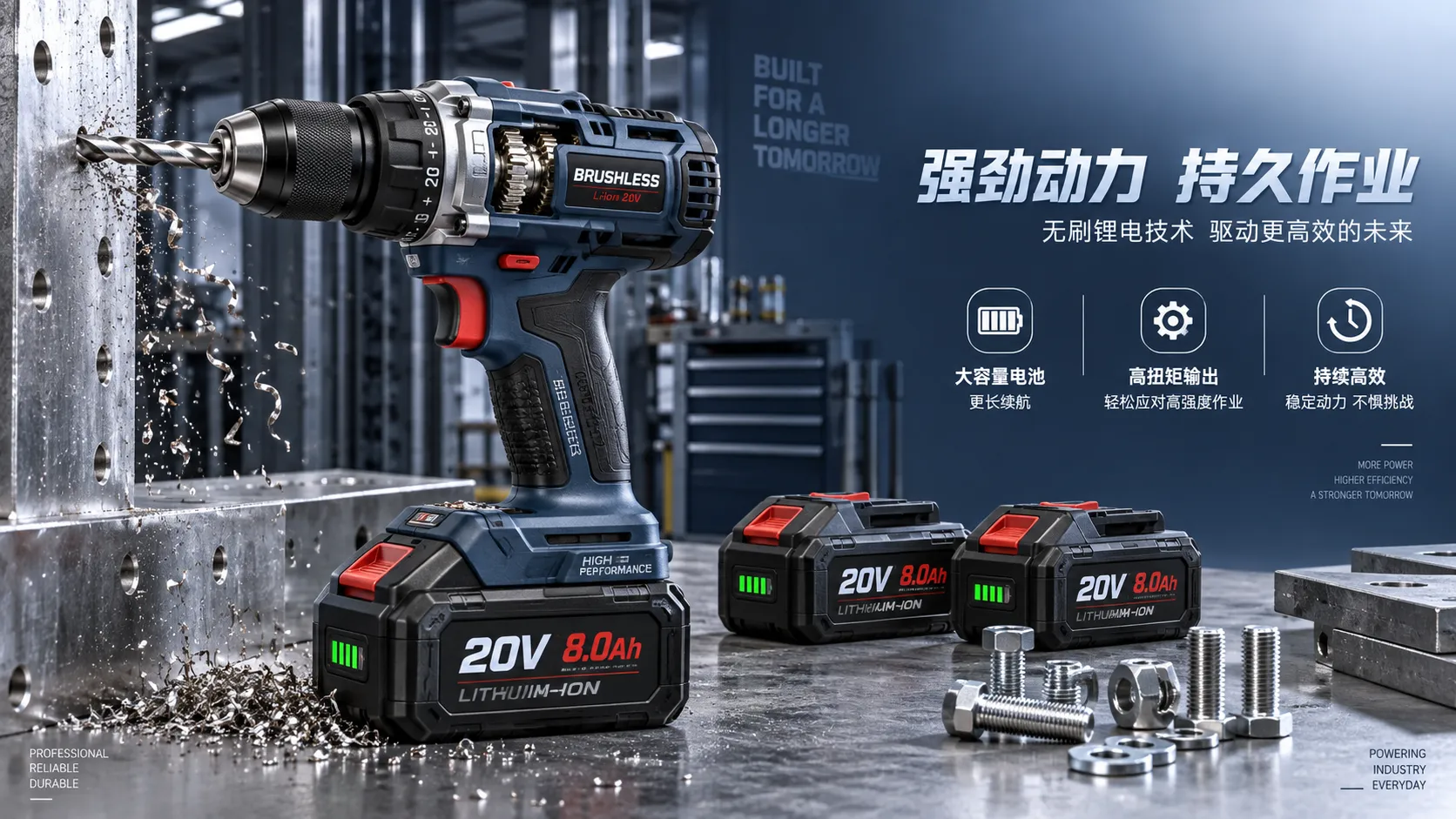
How Battery, Torque, and Duty Cycle Affect Cordless Power Tool Efficiency
Cordless power tool efficiency depends on battery output, torque, and duty cycle. Learn how to match tools to demanding jobs for stronger runtime and productivity.
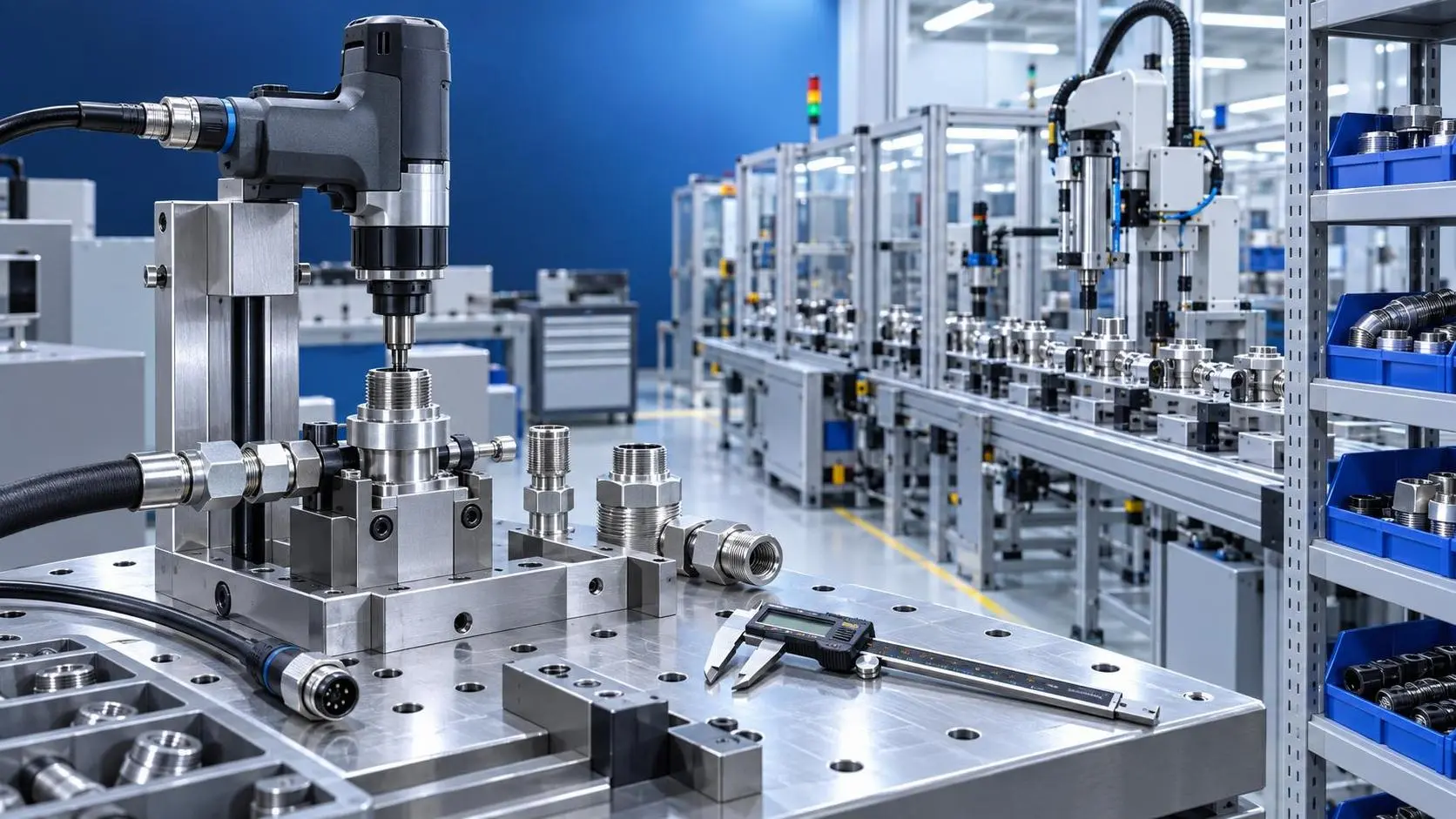
Product Comparison Resources for Component Compatibility and Lifecycle Risk
Product comparison resources for components: evaluate compatibility, interfaces, service support, and lifecycle risk to reduce downtime, avoid redesigns, and make confident sourcing decisions.
How to Select Vernier Precision Calipers for Tight-Tolerance Machining Inspection
Vernier precision calipers for tight-tolerance machining: learn how to select the right range, jaw design, accuracy, and verification process for reliable inspection.
Product Comparison Resources in Europe: How Buyers Can Verify Specs and Suppliers
Product comparison resources Europe: learn how to verify industrial specs, compliance claims, supplier credibility, and delivery risk for smarter purchasing decisions.
How to Evaluate an Industrial Metrology Solution Manufacturer for Production Use
Industrial metrology solution manufacturer evaluation guide for production: compare accuracy, traceability, automation, software, service, and acceptance testing to reduce risk.
Which ISO Standards Matter Most for Precision Engineering Quality Control?
Precision engineering ISO standards explained: discover how ISO 9001, ISO/IEC 17025, ISO 10012, GPS, and ISO 3834 strengthen quality control, traceability, and compliance.
Related News
- 00
0000-00
How to Select Vernier Precision Calipers for Tight-Tolerance Machining Inspection - 00
0000-00
How to Choose Metalworking Tools for Sheet Metal by Thickness and Forming Tasks - 00
0000-00
Metrology Technology Europe: Which Systems Improve Inspection Accuracy on the Line? - 00
0000-00
How to Choose Precision Measuring Instruments in North America for Tighter Tolerance Work - 00
0000-00
Specification-Oriented Articles on Precision Measurement: Which Parameters Matter Most?
Metrology Fellow
Weekly Insights
Stay ahead with our curated technology reports delivered every Monday.