
How to Choose Precision Measuring Tools for Toolroom Work: Key Accuracy and Range Factors





Choosing precision measuring tools for toolroom work is rarely about buying the highest stated accuracy. The better decision comes from matching tolerance, measuring range, part geometry, and shop conditions.
A small mismatch between instrument capability and actual inspection needs can distort process control, increase rework, and weaken confidence in machining results. That is why accuracy and range deserve to be reviewed together.
Across machining, assembly, welding preparation, maintenance, and aerospace support, demand for dependable metrology is rising. GPTWM tracks this shift closely because the last mile of manufacturing performance often depends on how dimensions are verified, not only how parts are cut.
Why toolroom measurement choices matter now
Toolrooms sit close to process correction. They support first-article checks, fixture validation, tool setting, gauge control, and problem solving when dimensions drift unexpectedly.
In that environment, precision measuring tools for toolroom use affect more than inspection speed. They shape whether a workshop can hold tolerance consistently across batches, machines, and operators.
Current industry pressure adds complexity. Material changes, export compliance, tighter quality documentation, and digital traceability all push measurement decisions closer to strategic planning.
This is visible in sectors that GPTWM monitors, including construction equipment, automotive repair, industrial assembly, and aerospace maintenance. Each depends on reliable dimensional evidence before value can move downstream.
Start with the real meaning of accuracy
Accuracy is often treated as a headline number, but that can be misleading. A tool may offer fine resolution while still being unsuitable for a specific tolerance band or measurement method.
For precision measuring tools for toolroom tasks, accuracy should be read alongside repeatability, linearity, calibration stability, contact quality, and operator influence.
Resolution tells you the smallest displayed increment. Accuracy tells you how close the result is to the true value. Repeatability shows whether the same result can be reached again under the same conditions.
A digital micrometer with impressive resolution is not automatically the best choice if spindle force varies, anvils wear, or the part surface is unstable. In practice, these details decide trustworthiness.
Accuracy must fit tolerance, not exceed it blindly
A common evaluation mistake is selecting instruments far beyond the process need without considering cost, handling risk, or maintenance burden. More precision is not always more useful.
Usually, the tool should provide enough measurement confidence to separate conforming parts from borderline parts without creating unnecessary complexity in daily use.
That means the right precision measuring tools for toolroom applications are those that support the tolerance system of the shop, the capability of the machine, and the control method of the quality plan.
Range is not only about size capacity
Range sounds simple, yet it is often misunderstood. Buyers may focus on the maximum measurement span while ignoring access limits, jaw depth, measuring travel, or part orientation.
For example, a caliper may cover the nominal size range, but it may not reach the feature safely. A bore gauge may fit the diameter band, yet miss the required depth position.
Precision measuring tools for toolroom decisions should therefore consider functional range. That includes the dimensional span, the geometry that can actually be contacted, and the measurement position that matters.
The tool category should follow the measurement task
No single instrument covers every toolroom requirement well. Selection improves when the measurement task is divided by feature type and decision purpose.
External dimensions often point toward micrometers, calipers, and height gauges. Internal features may require bore gauges, pin gauges, or internal micrometers.
Flatness, alignment, runout, and comparative checks often depend on indicators, surface plates, and fixtures. Thread, radius, and form verification may need dedicated gauges rather than general tools.
This matters because precision measuring tools for toolroom work are not interchangeable simply because they show similar numbers. The contact method and datum relationship strongly affect validity.
Common task-to-tool logic
- Quick dimensional screening: calipers, but only where tolerance is forgiving.
- Tight shaft or thickness control: outside micrometers with stable force control.
- Bore quality checks: dial bore gauges referenced to masters.
- Setup and fixture verification: indicators, height gauges, gauge blocks, and surface plates.
- Complex or repeated comparison: dedicated fixtures or digital data-enabled systems.
Environmental and human factors change the result
Even well-specified precision measuring tools for toolroom use can disappoint if the surrounding conditions are unstable. Temperature, vibration, contamination, and handling technique all matter.
A toolroom may be cleaner than the machine area, yet still face oil films, part heat, abrasive dust, and interrupted workflows. These reduce repeatability faster than many buyers expect.
Digital instruments add another layer. Battery quality, screen visibility, data output reliability, and connector durability influence day-to-day value just as much as stated metrology performance.
This is one reason GPTWM tracks ergonomic standardization and smart tool adoption. Measurement quality increasingly depends on the interaction between the user, the instrument, and the connected workflow.
What to compare during technical evaluation
A sound comparison method should move beyond catalog claims. Precision measuring tools for toolroom selection should be checked against real use cases, not ideal laboratory conditions.
The most useful evaluation points usually include:
- Tolerance match between the instrument and the inspected feature.
- Usable range across all part families, not only one reference part.
- Stability after repeated handling, repositioning, and daily cleaning.
- Calibration interval, service support, and traceability documentation.
- Operator sensitivity, including pressure control and reading consistency.
- Digital integration needs such as SPC export or inspection record transfer.
When these points are documented together, it becomes easier to judge lifecycle value. A lower purchase price can become expensive if calibration drift or awkward handling slows every inspection cycle.
Where business value appears in practice
The value of precision measuring tools for toolroom operations appears first in fewer dimensional disputes. It then expands into better setup accuracy, cleaner process capability data, and reduced scrap investigation time.
In assembly and welding preparation, measurement reliability helps verify fit-up, joint preparation, and component alignment before more expensive downstream work begins.
In maintenance environments, dependable measuring range decisions matter because part sizes vary, access is limited, and replacement lead times can be long. Incorrect measurement there often leads to wrong repair actions.
For globally exposed supply chains, robust toolroom metrology also supports export documentation, customer audits, and brand credibility. That aligns with GPTWM’s broader view that precision foundations support industrial competitiveness.
A practical way to narrow the shortlist
Begin with the features that most often trigger corrective action. List the dimensions that drive acceptance, setup, or rework cost. Then map each feature to tolerance, access condition, and inspection frequency.
Next, separate must-have range from occasional range. This prevents broad-capacity tools from replacing more stable instruments where a narrower, better-controlled option would perform better.
Then review whether the chosen precision measuring tools for toolroom use can maintain confidence across the actual environment, including temperature variation, operator change, and calibration routines.
A final check should compare data needs. If traceability, trend analysis, or remote review are becoming more important, digital output may justify selection even when manual reading is still acceptable today.
The strongest decisions usually come from combining dimensional risk, usable range, and workflow reality into one evaluation standard. That gives precision measuring tools for toolroom selection a clearer business case and a more durable technical basis.
The next step is straightforward: define the most critical measurement tasks, compare instruments against those tasks under normal shop conditions, and keep accuracy and range linked in every decision record.
Related News
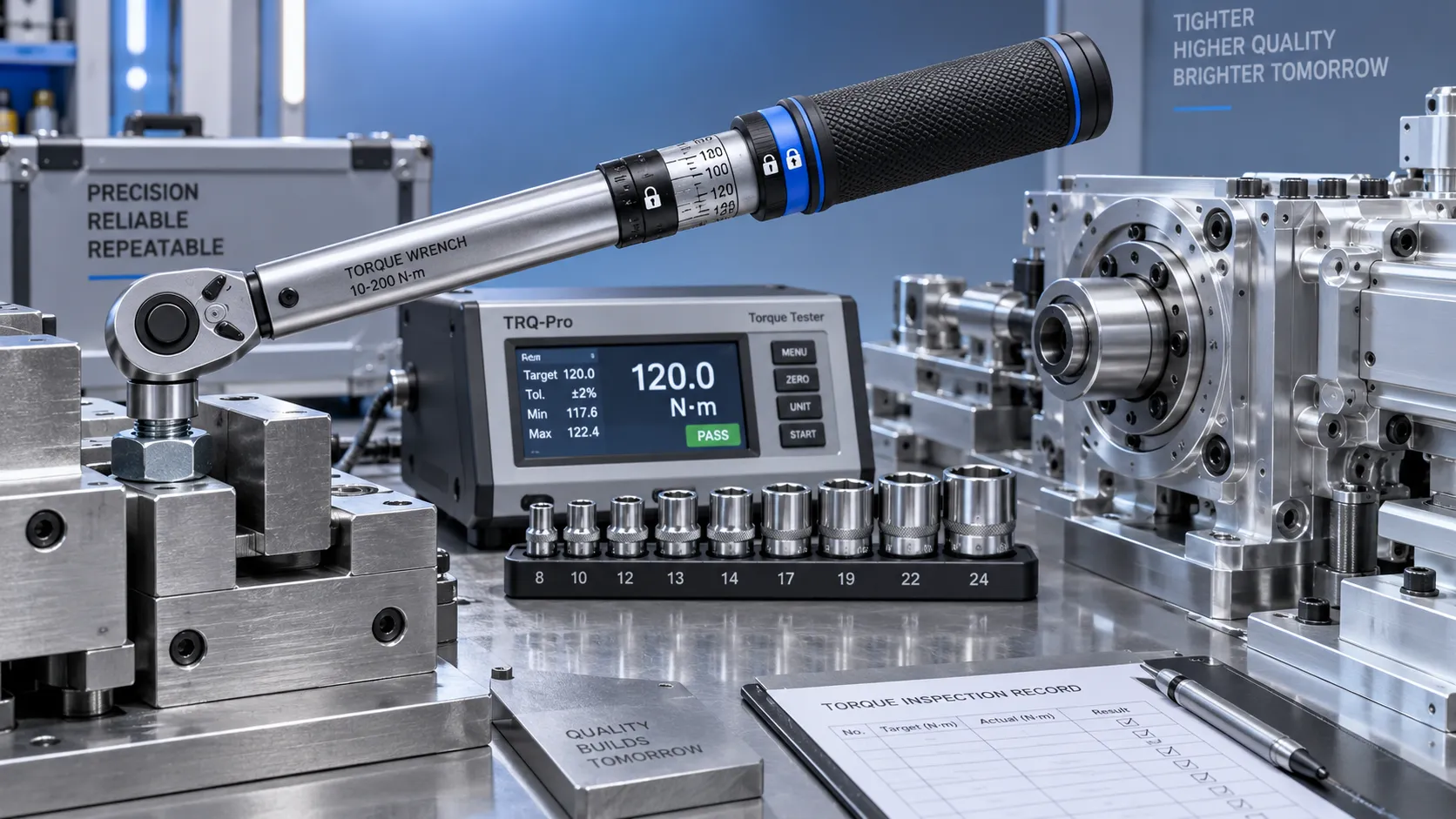
Selecting Adjustable Torque Tools for Repeatable Fastener Assembly
Adjustable torque tools: learn how to match range, accuracy, control methods, calibration, and ergonomics for repeatable, reliable fastener assembly.
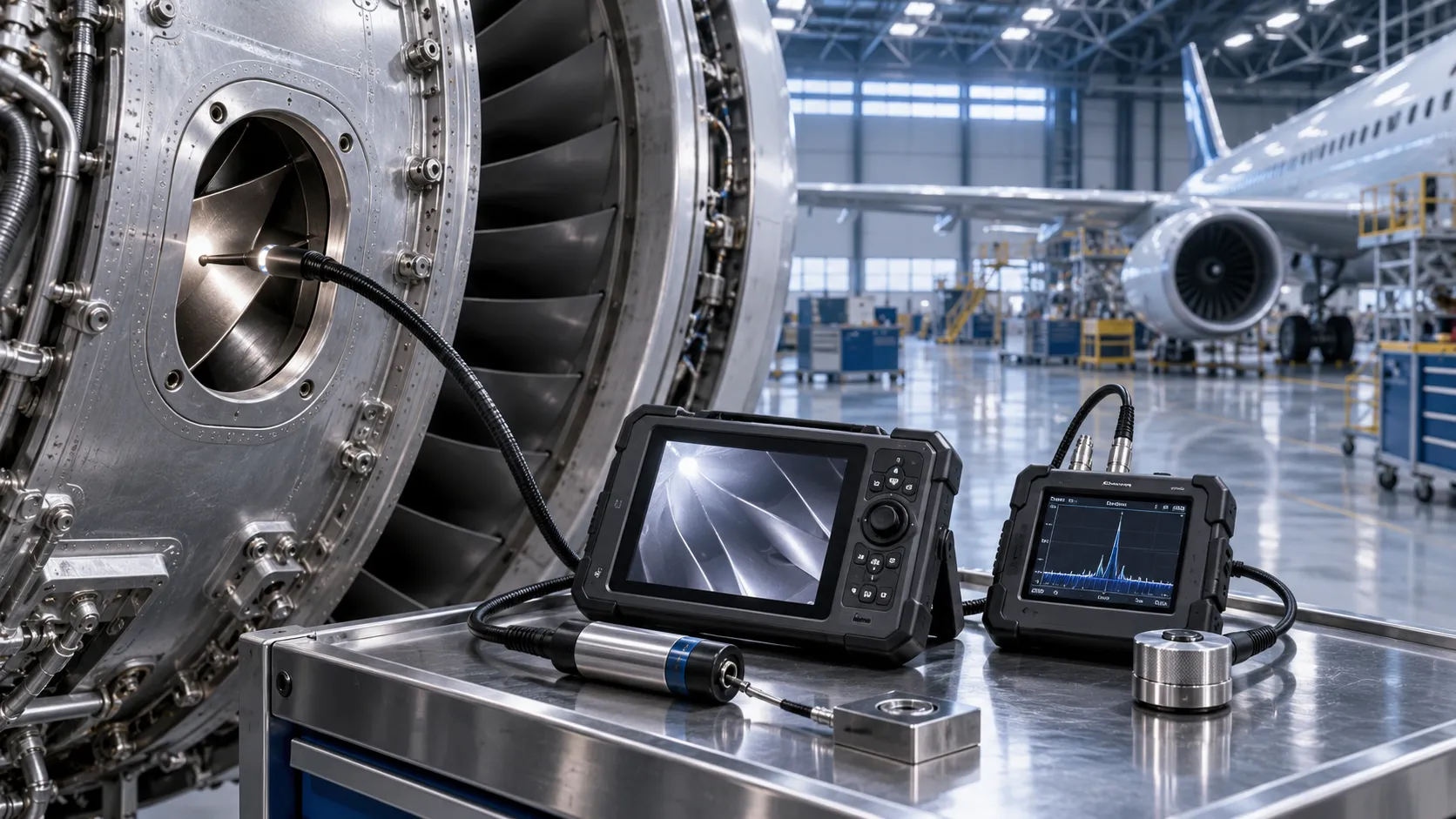
How to Select Aerospace Inspection Tools for Aircraft Maintenance Tasks
Aerospace maintenance inspection tools: learn how to select reliable, traceable equipment for aircraft access, accuracy, calibration, and compliant maintenance decisions.

How to Select Wire Bonding Tools for Fine-Pitch Semiconductor Packaging
Explore semiconductor manufacturing tools for wire bonding and learn how to select precision solutions for fine-pitch packaging, reliable loops, accuracy, and yield.
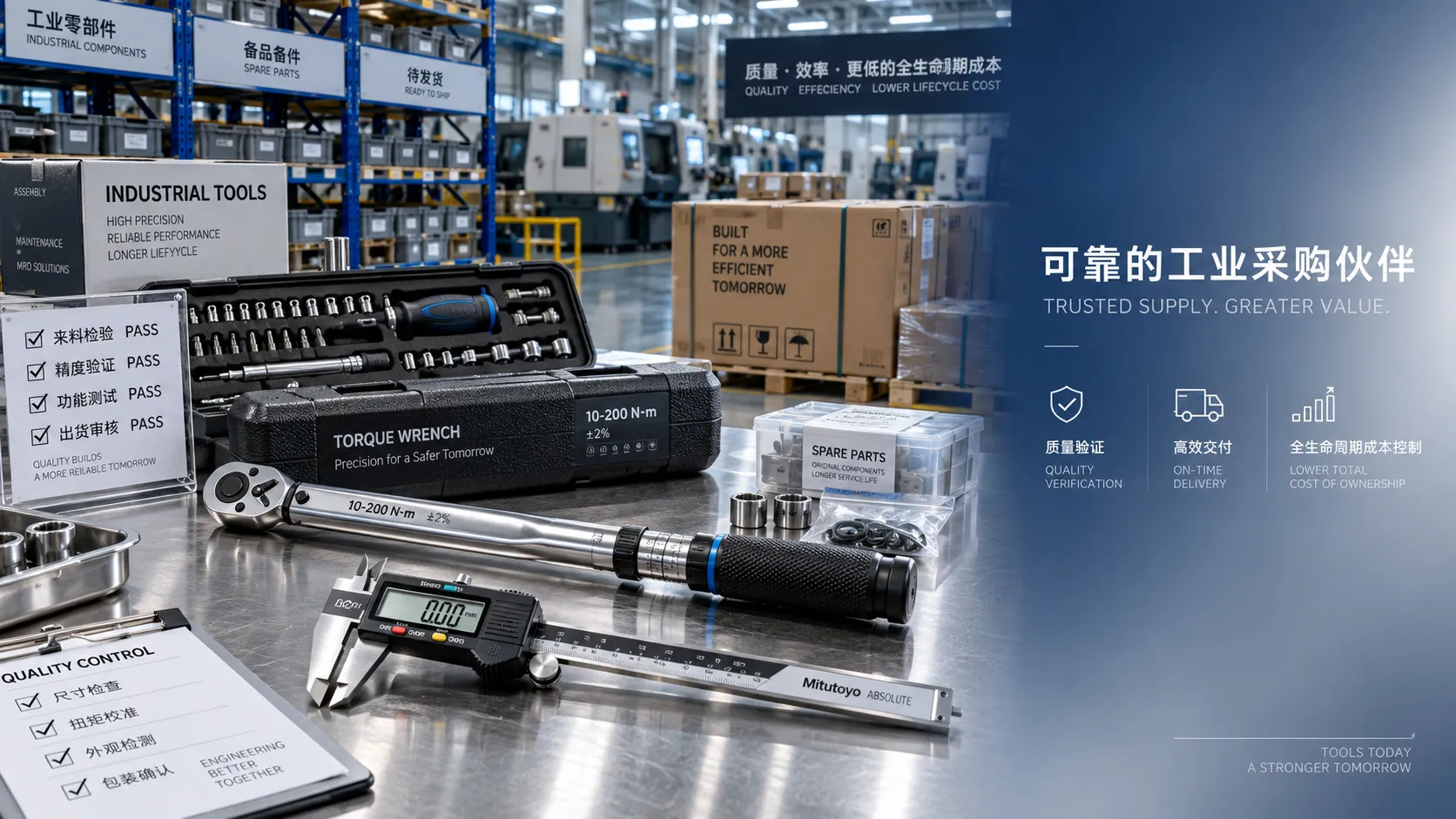
How to Compare Industrial Tool Suppliers for Quality, Lead Time, and Total Cost
Industrial tool selection supplier comparison made simple: evaluate quality, lead times, total cost, service, and supply resilience for confident sourcing decisions.
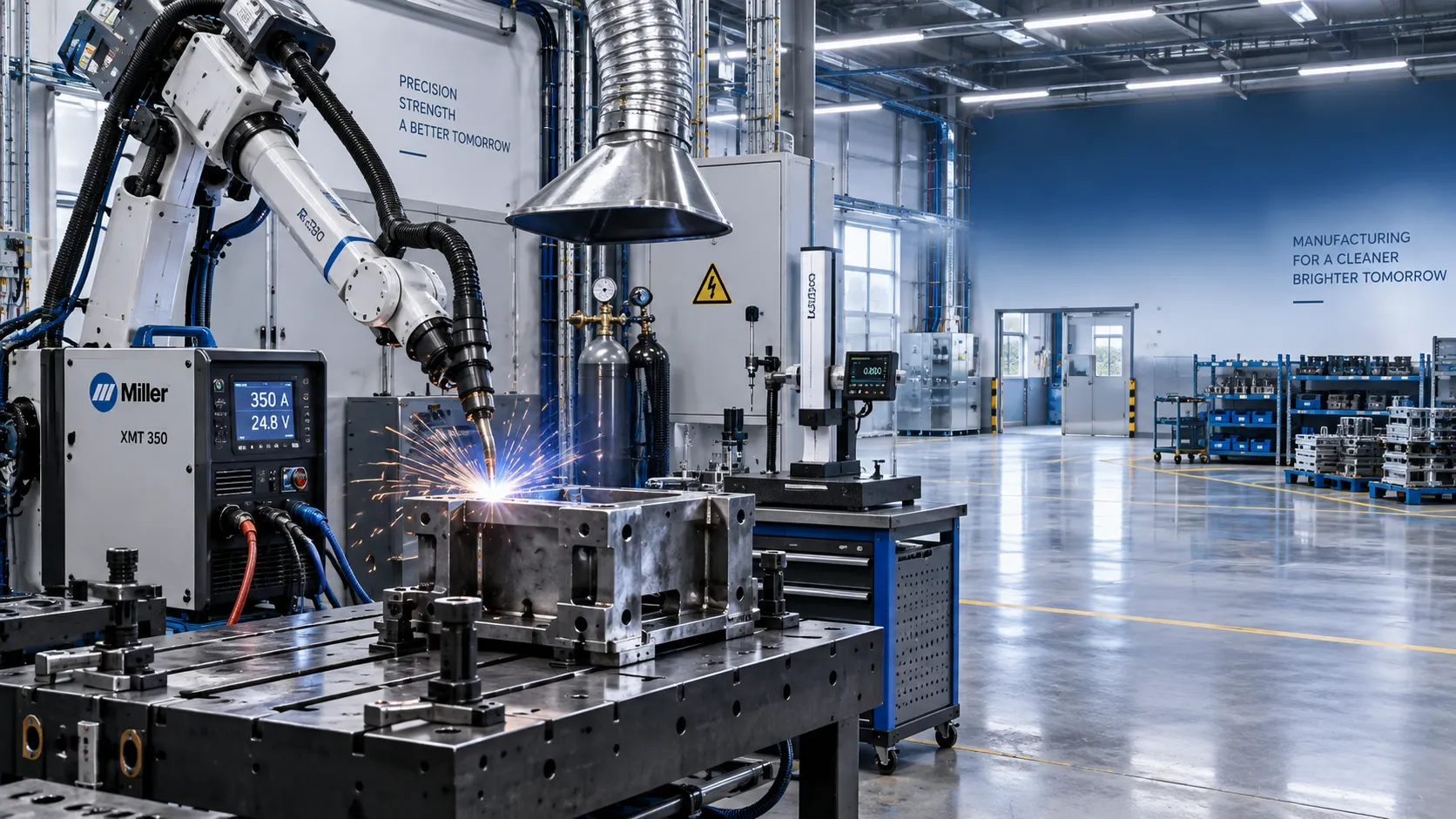
Industrial Equipment Application Guidance: Match Machines to Operating Conditions
Application guidance industrial equipment: match capacity, duty cycle, materials, site conditions, safety, and lifecycle cost to improve reliable output. Read the guide.
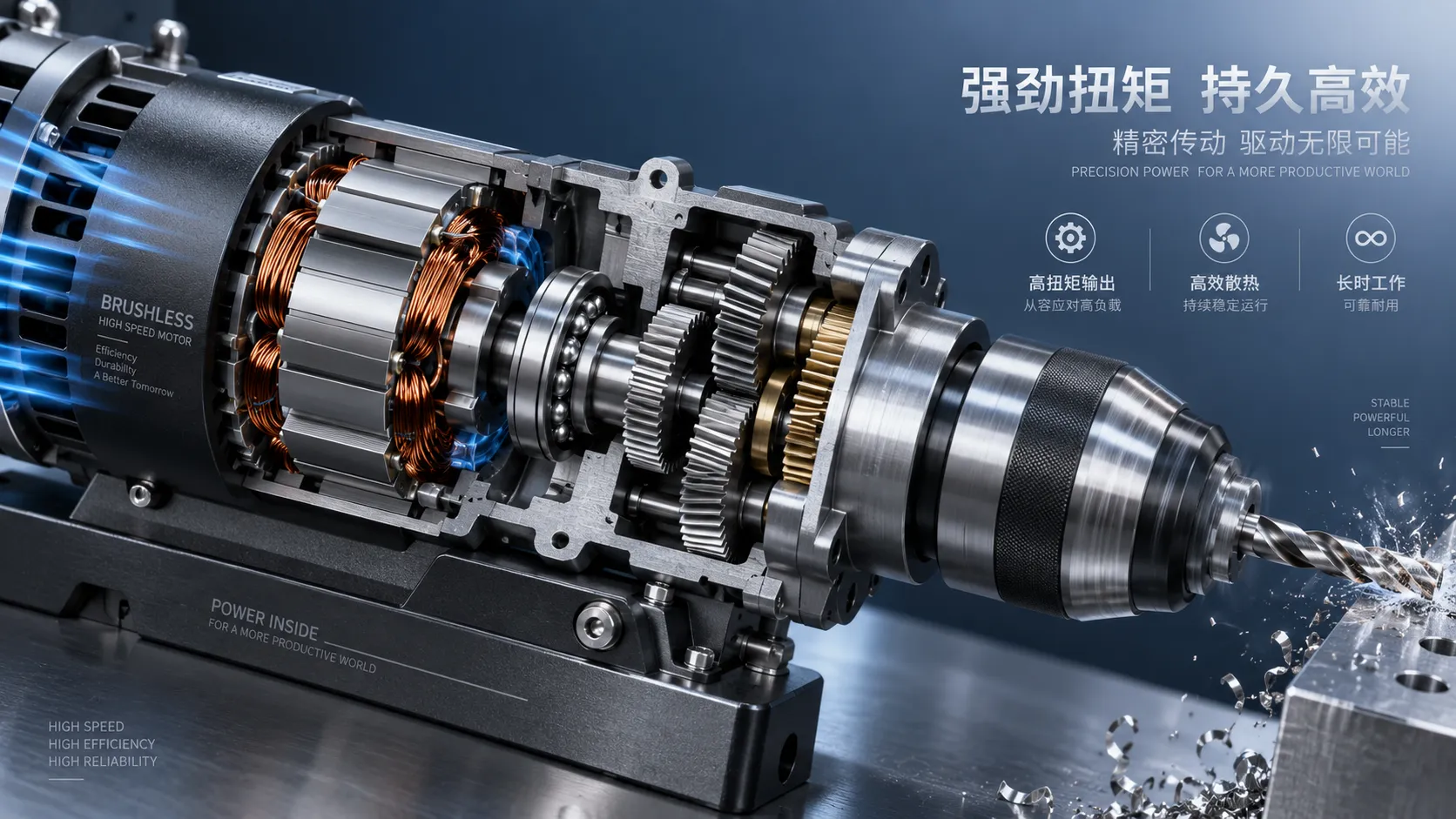
Selecting High-Speed Brushless Tool Motors for Torque, Heat, and Duty Cycle
High speed brushless tool motors: learn how to balance torque, heat, gearing, and duty cycle for reliable industrial tool performance and longer service life.
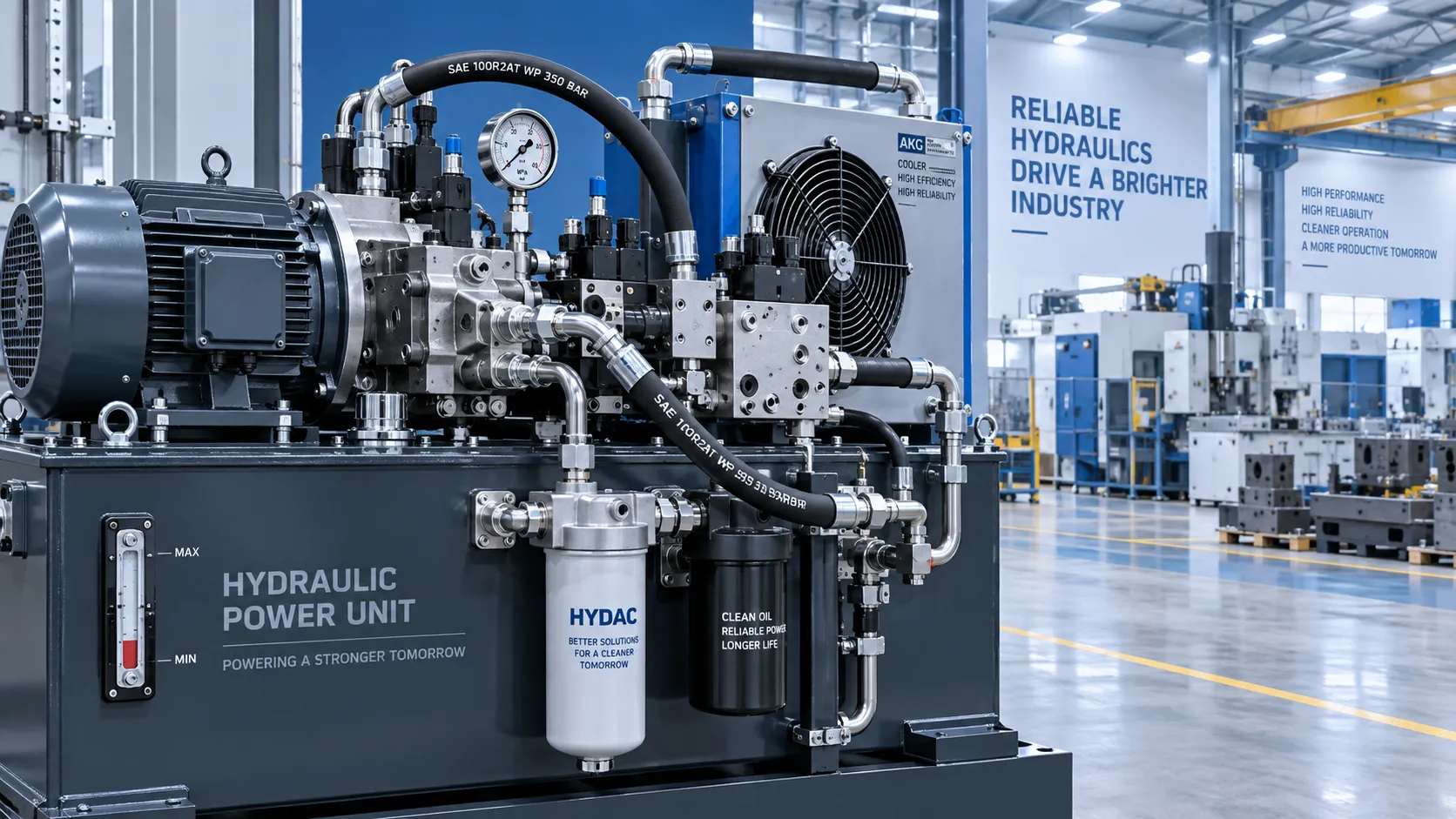
What Determines Industrial Hydraulic System Price for Heavy-Duty Equipment?
Industrial hydraulic system price depends on duty cycle, pressure, components, cooling, and integration. Compare quotes intelligently to secure reliable heavy-duty performance.
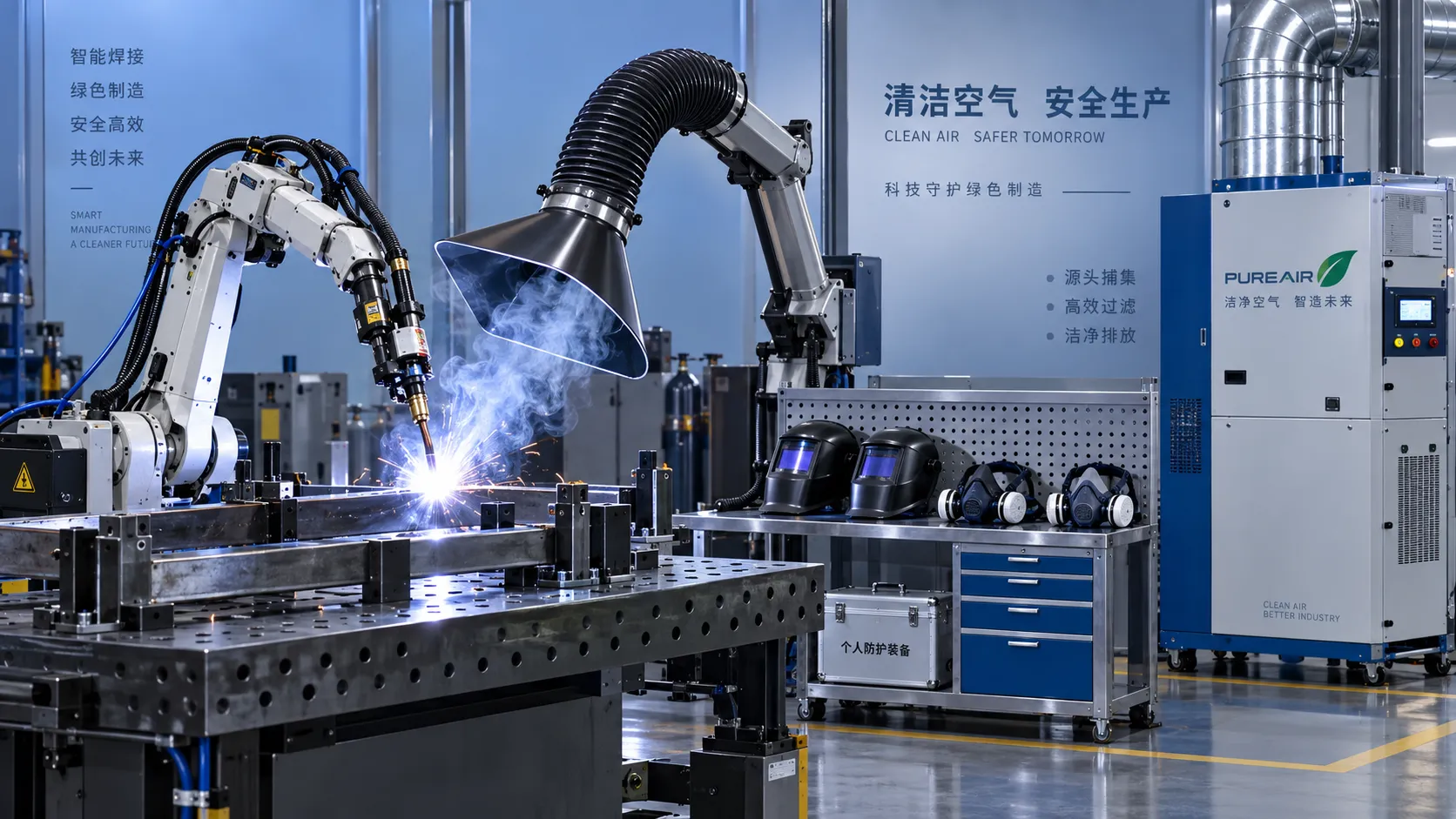
Welding Fume Extraction PPE: When Respirators Are Not Enough for Shop Safety
Welding fume extraction PPE: learn why respirators alone fall short and how source capture, ventilation, and layered controls improve shop safety.
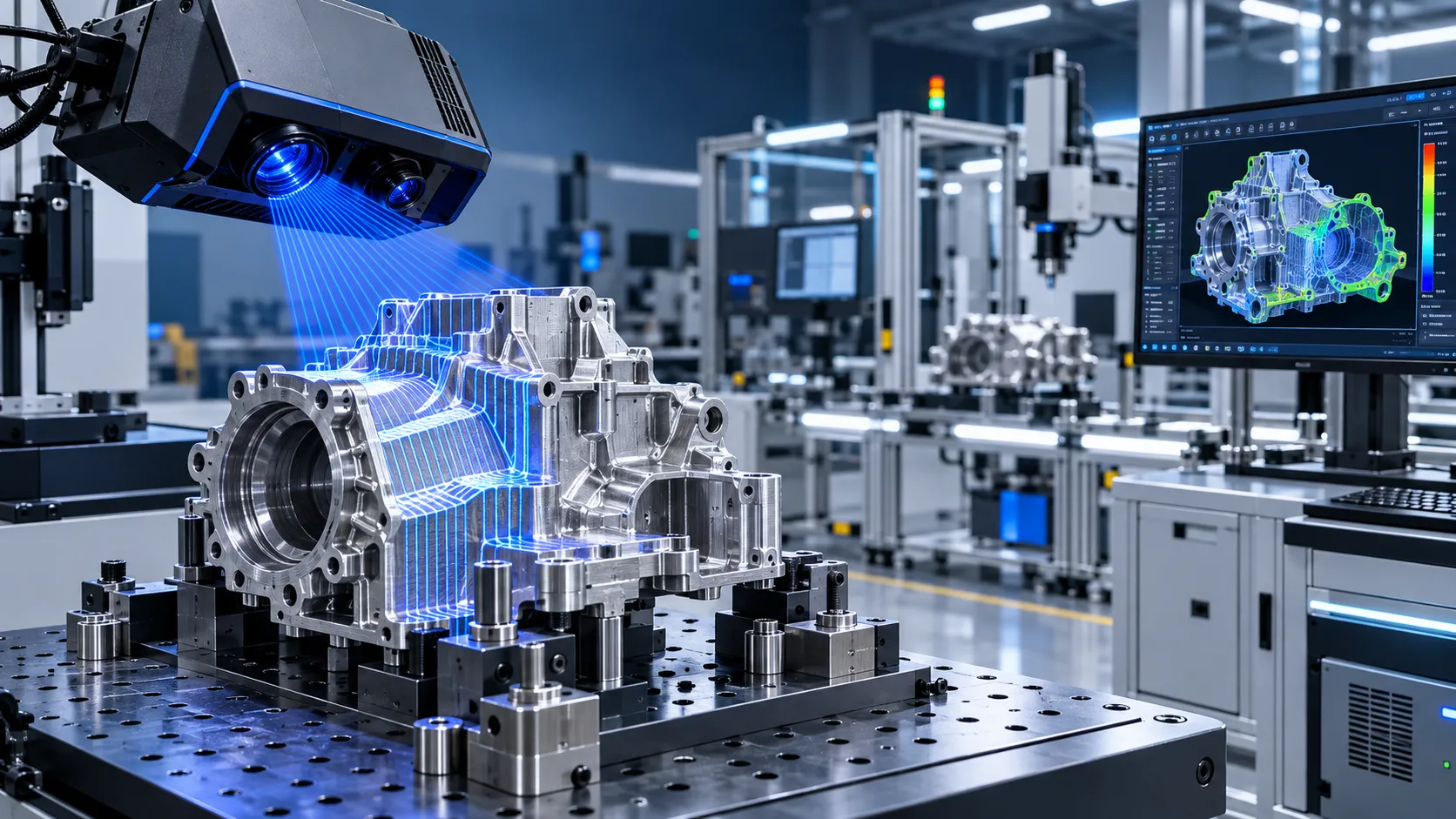
How to Select Optical Metrology Solutions for Tight-Tolerance Manufacturing
Optical industrial metrology solutions for tight-tolerance manufacturing: evaluate accuracy, surface compatibility, workflow, and traceability to select with confidence.
Related News
- 00
0000-00
Planning Access, Material Flow, and Clearance Around a 3200mm Sliding Saw - 00
0000-00
How to Select Vernier Precision Calipers for Tight-Tolerance Machining Inspection - 00
0000-00
How to Choose Metalworking Tools for Sheet Metal by Thickness and Forming Tasks - 00
0000-00
Metrology Technology Europe: Which Systems Improve Inspection Accuracy on the Line? - 00
0000-00
How to Choose Precision Measuring Instruments in North America for Tighter Tolerance Work
Metrology Fellow
Weekly Insights
Stay ahead with our curated technology reports delivered every Monday.