
Tool Design Basics: How Geometry, Material, and Tolerance Affect Performance





Tool design often looks simple from a distance. In practice, a few millimeters of geometry, one material change, or a tighter tolerance can reshape safety, feel, accuracy, and service life across industrial work.
That is why this topic keeps gaining attention in assembly, welding, inspection, maintenance, and repair. Performance is not only built into machines. It is also built into every handheld tool that meets the final task.
Across the sectors tracked by GPTWM, from construction and automotive service to aerospace maintenance and precision metrology, better tool design increasingly decides whether work stays stable, repeatable, and efficient under pressure.
Why the basics matter more than they seem
Industrial tools are judged in use, not on paper. A wrench that slips, a gauge that drifts, or a cutting tool that overheats can slow a line, damage parts, or create avoidable risk.
Good tool design reduces those problems at the source. It aligns shape, material behavior, manufacturing precision, and intended load so the tool performs consistently through repeated cycles.
This matters even more today because operating conditions are getting harder. Lighter structures, tougher alloys, faster production rhythms, and stricter compliance leave less room for design weakness.
In that environment, the difference between an acceptable tool and a reliable one is rarely cosmetic. It is usually hidden in geometry, material selection, and tolerance control.
Geometry shapes force, contact, and control
Geometry is the first layer of tool design because shape determines how force travels through the tool and into the workpiece. It also influences grip comfort, access, visibility, and positioning stability.
A handle angle, jaw profile, edge radius, or head thickness may look minor. On the floor, those details affect leverage, fatigue, torque transfer, chip evacuation, and the chance of surface damage.
Contact geometry changes real outcomes
When contact surfaces match the task, loads distribute more evenly. That lowers local stress, reduces wear, and improves repeatability. Poor contact geometry concentrates force and shortens tool life.
This is easy to see in fastening tools. A precise drive profile lowers cam-out risk. A better jaw angle improves hold. A refined nose shape helps reach tight spaces without sacrificing strength.
Ergonomics is part of geometry
Geometry is not only about the working end. Handle contour, balance point, trigger reach, and tool weight distribution directly affect control during long shifts or repetitive tasks.
As GPTWM often highlights in discussions around lightweighting and intelligent tools, ergonomic geometry is becoming a performance requirement, not just a comfort feature.
Material selection decides durability and response
If geometry defines the path of force, material defines how the tool reacts to that force. Hardness, toughness, corrosion resistance, conductivity, thermal stability, and weight all matter in tool design.
No single material is best for every application. A material that performs well in measuring instruments may fail in impact tools. A welding accessory may need heat resistance that a hand tool never requires.
The usual trade-offs are unavoidable
Higher hardness improves wear resistance, but too much hardness can increase brittleness. Lower weight supports handling, but lighter materials may change stiffness or vibration behavior.
Surface treatments also belong in the material discussion. Coatings, plating, and heat treatment often decide whether a tool resists abrasion, rust, galling, or thermal cycling in real service.
In sectors exposed to oil, coolant, weld spatter, dust, or outdoor conditions, these details become critical. Material failure rarely arrives as a sudden surprise. It usually starts as gradual instability.
Material choice follows the job, not fashion
A strong tool design process begins with real loading conditions, environmental exposure, maintenance intervals, and required precision. Material is chosen to fit that profile, not to impress on a datasheet.
This is especially relevant when raw material prices fluctuate or export restrictions affect sourcing. GPTWM follows these signals because they influence both tool cost and long-term product consistency.
Tolerance controls fit, accuracy, and repeatability
Tolerance is where design intent meets manufacturing reality. It defines how much variation is acceptable in dimensions, form, position, and surface condition without losing functional performance.
In tool design, tolerance affects assembly fit, motion smoothness, backlash, calibration stability, sealing, alignment, and wear rate. Loose control can make a tool feel rough or unpredictable.
But tighter is not always better. Overly strict tolerance can raise cost sharply, slow production, and create inspection burdens without adding meaningful value to the end use.
Functional tolerance matters most
The useful question is not whether a dimension can be held tightly. The better question is whether that dimension affects function, safety, or accuracy enough to justify tighter control.
For cutting, clamping, torque transfer, and measurement, a few microns may matter. For a non-critical outer feature, the same effort may add cost without improving performance.
Where these design choices show up in daily work
The effects of tool design become visible across many industrial settings. They appear in assembly torque consistency, weld preparation quality, inspection reliability, rework rates, and downtime frequency.
In metal joining, geometry affects torch handling, nozzle access, and joint reach. Material affects thermal resistance and wear. Tolerance affects fit between replaceable parts and stable process behavior.
In metrology, tolerance takes center stage, but geometry and material still matter. Frame stiffness, thermal expansion, and contact tip shape all influence whether a measurement remains trustworthy.
In powered tools, these factors connect with broader trends that GPTWM tracks, including brushless motor efficiency limits and IoT-based torque control. Smart systems help, but weak mechanical design still limits results.
How to judge tool design in practical terms
A practical review of tool design should begin with the task itself. Load direction, duty cycle, contact surface, environment, and acceptable deviation all provide a clearer basis than marketing descriptions.
When comparing options, the most useful signs are usually specific and observable.
- Check whether the working geometry supports secure contact without forcing awkward wrist positions.
- Look for material choices that match heat, impact, corrosion, or abrasion conditions.
- Review tolerance where fit and precision directly influence output quality.
- Pay attention to replaceable components, because poor consistency there often undermines the whole tool.
- Watch for early signs of instability, such as looseness, overheating, edge chipping, or measurement drift.
Simple observation during use can reveal a lot. A well-designed tool usually feels predictable. Force transfers cleanly. Contact stays stable. Wear develops gradually rather than appearing as sudden failure.
The wider industry view behind better design decisions
Tool design is no longer shaped only by workshop tradition. It is increasingly influenced by global standards, supply chain pressure, digital monitoring, and rising expectations for ergonomic and safety performance.
That broader context explains why intelligence platforms such as GPTWM matter. Design choices around geometry, material, and tolerance are connected to market availability, compliance shifts, and changing application demands.
For example, handheld laser welding safety requirements influence accessory design. Demand for lighter tools changes material priorities. High-precision repair work increases the value of tighter functional tolerance and better metrology support.
Seen this way, tool design is not a narrow engineering topic. It is part of manufacturing efficiency, quality assurance, and long-term equipment reliability across the industrial value chain.
A useful next step for evaluation
The clearest way to improve decisions is to map one tool against one real operating condition. Review where geometry affects control, where material affects durability, and where tolerance affects repeatability.
That approach turns tool design from a vague quality claim into a structured evaluation method. It also makes comparisons between models, suppliers, or maintenance strategies far more practical.
For ongoing reference, it helps to follow industry intelligence that connects design details with field performance, sourcing changes, and evolving standards. That is often where better judgment begins.
Related News
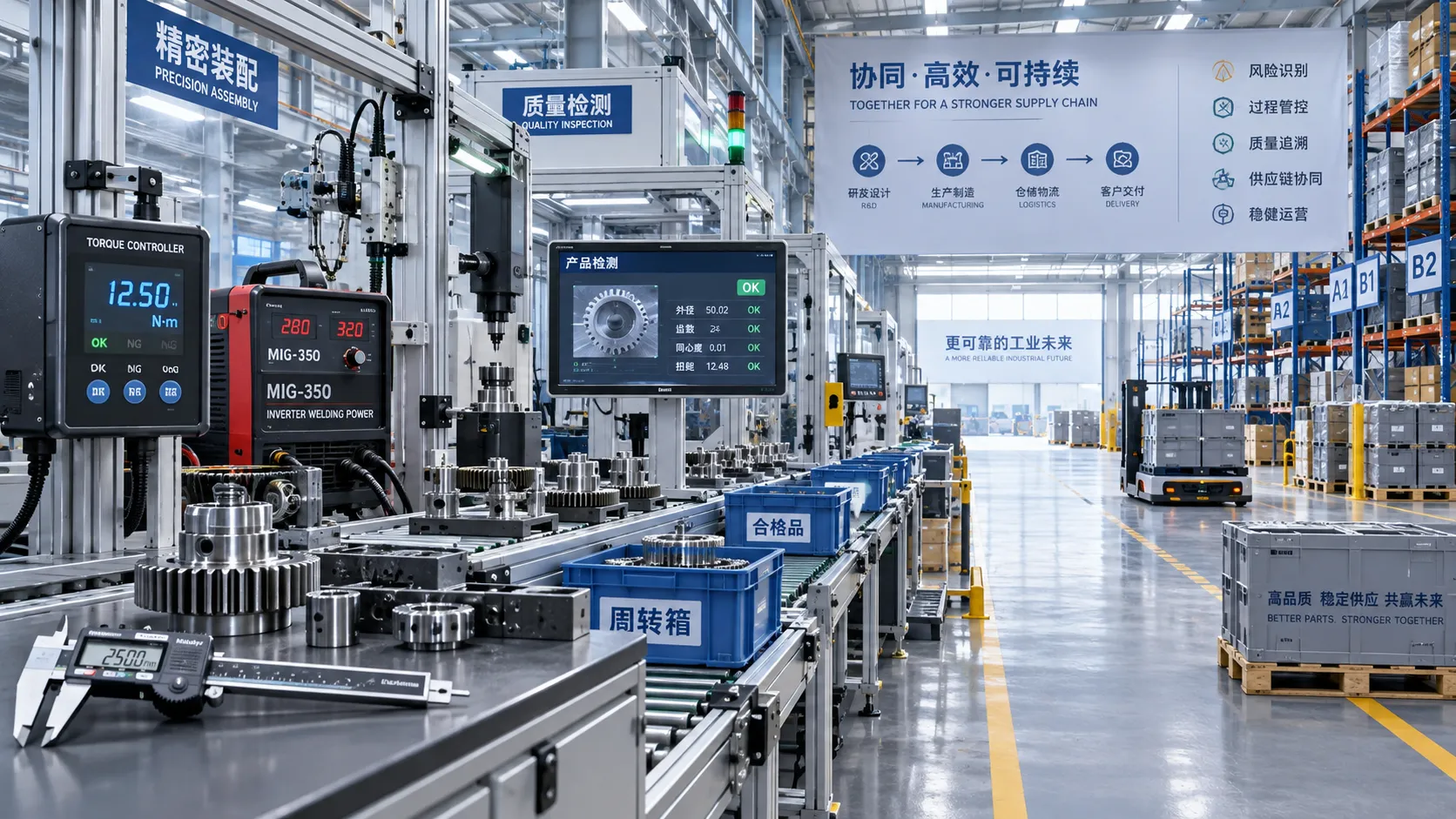
How Procurement Teams Can Map the Industrial Value Chain to Reduce Supply Risk
Industrial value chain procurement helps teams map hidden dependencies, qualify resilient sources, and reduce supply risk before disruptions stop production.
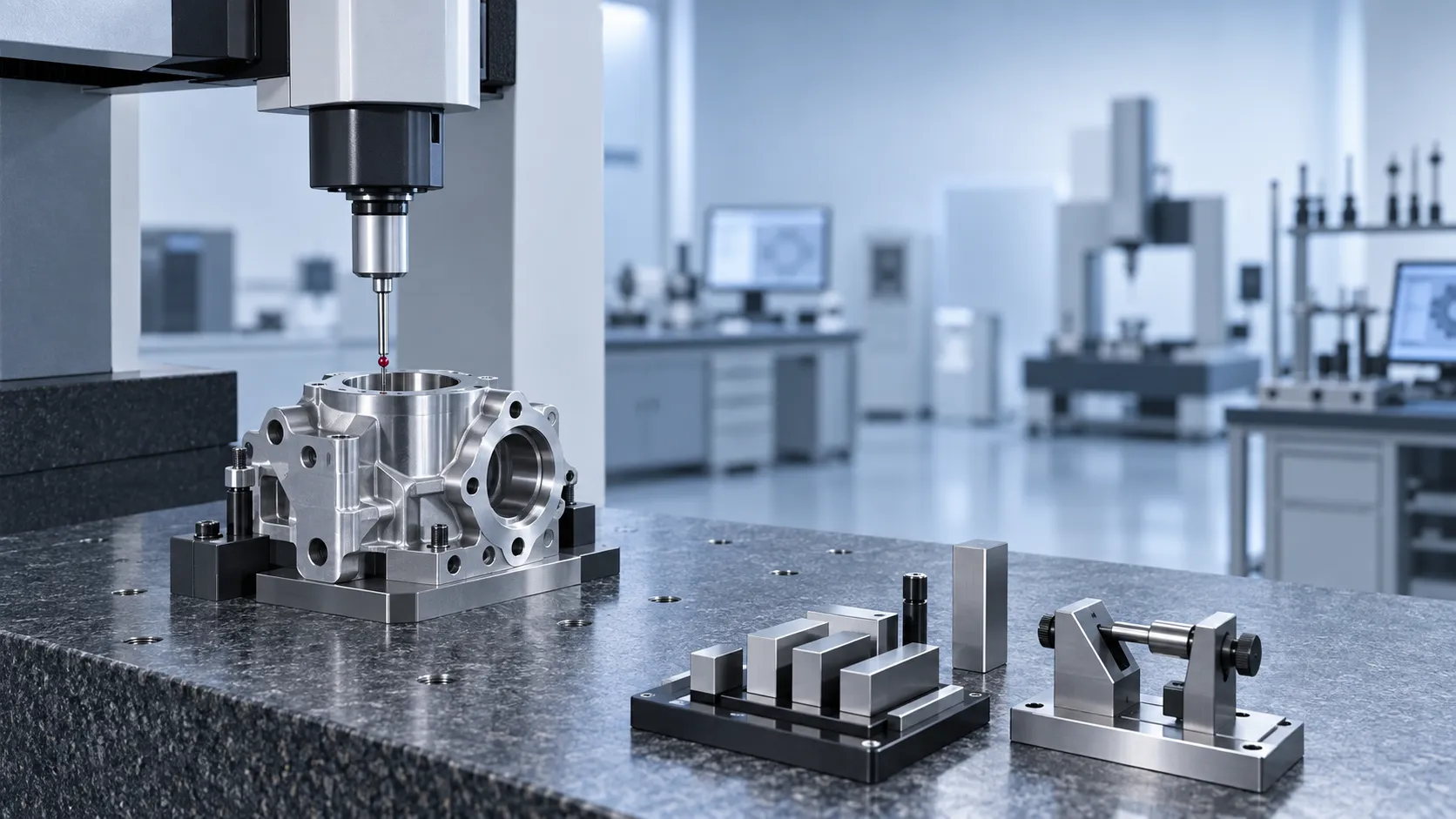
How Specification-Driven Articles Improve Precision Measurement System Selection
Specification-oriented articles precision measurement guidance helps teams compare accuracy, repeatability, environment, and data needs to select reliable systems with confidence.

How to Evaluate a Technology Integration Service Provider for Complex Projects
Technology integration service provider selection guide: evaluate interface ownership, delivery discipline, scalable architecture, and risk control for complex projects.
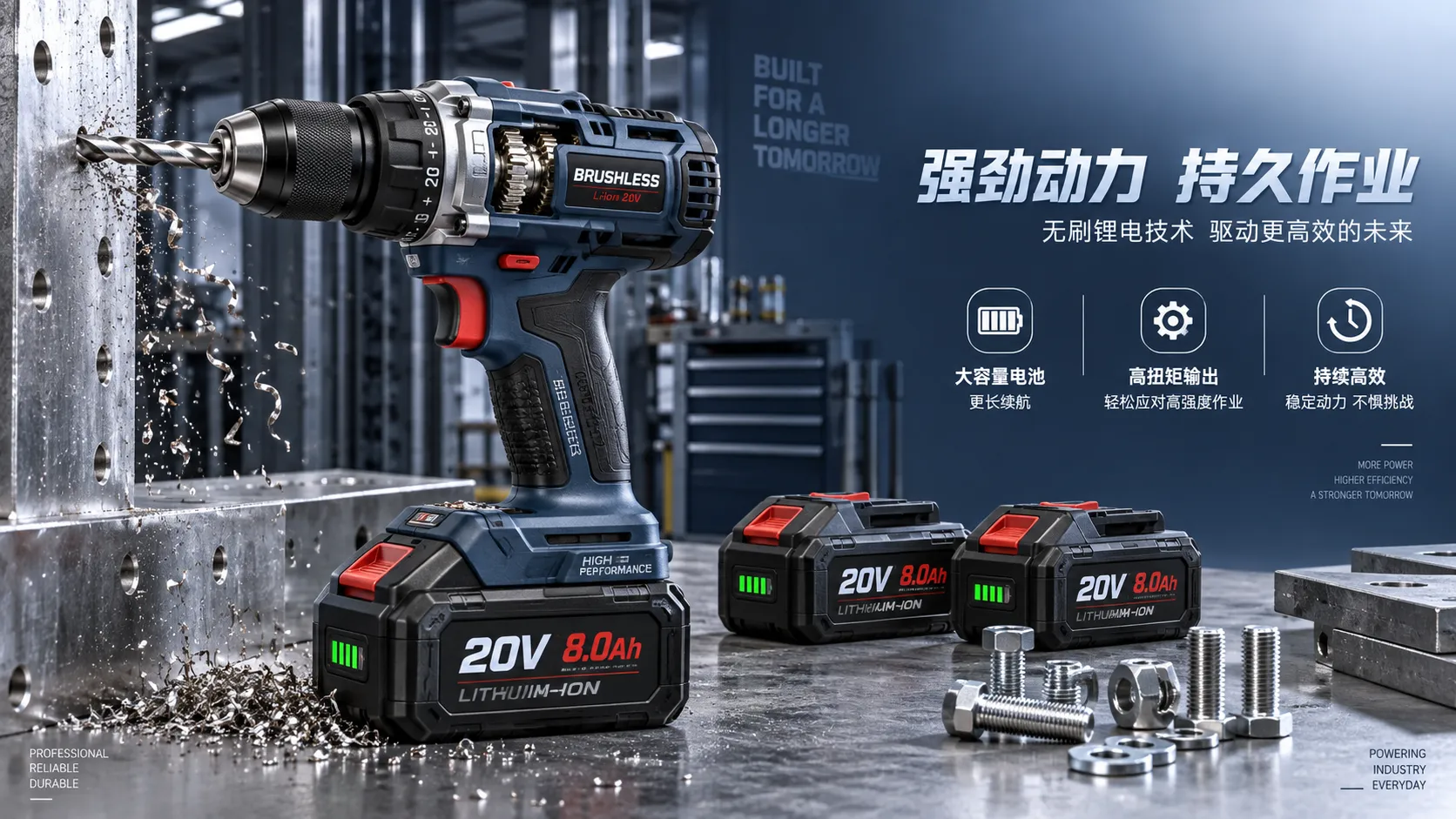
How Battery, Torque, and Duty Cycle Affect Cordless Power Tool Efficiency
Cordless power tool efficiency depends on battery output, torque, and duty cycle. Learn how to match tools to demanding jobs for stronger runtime and productivity.
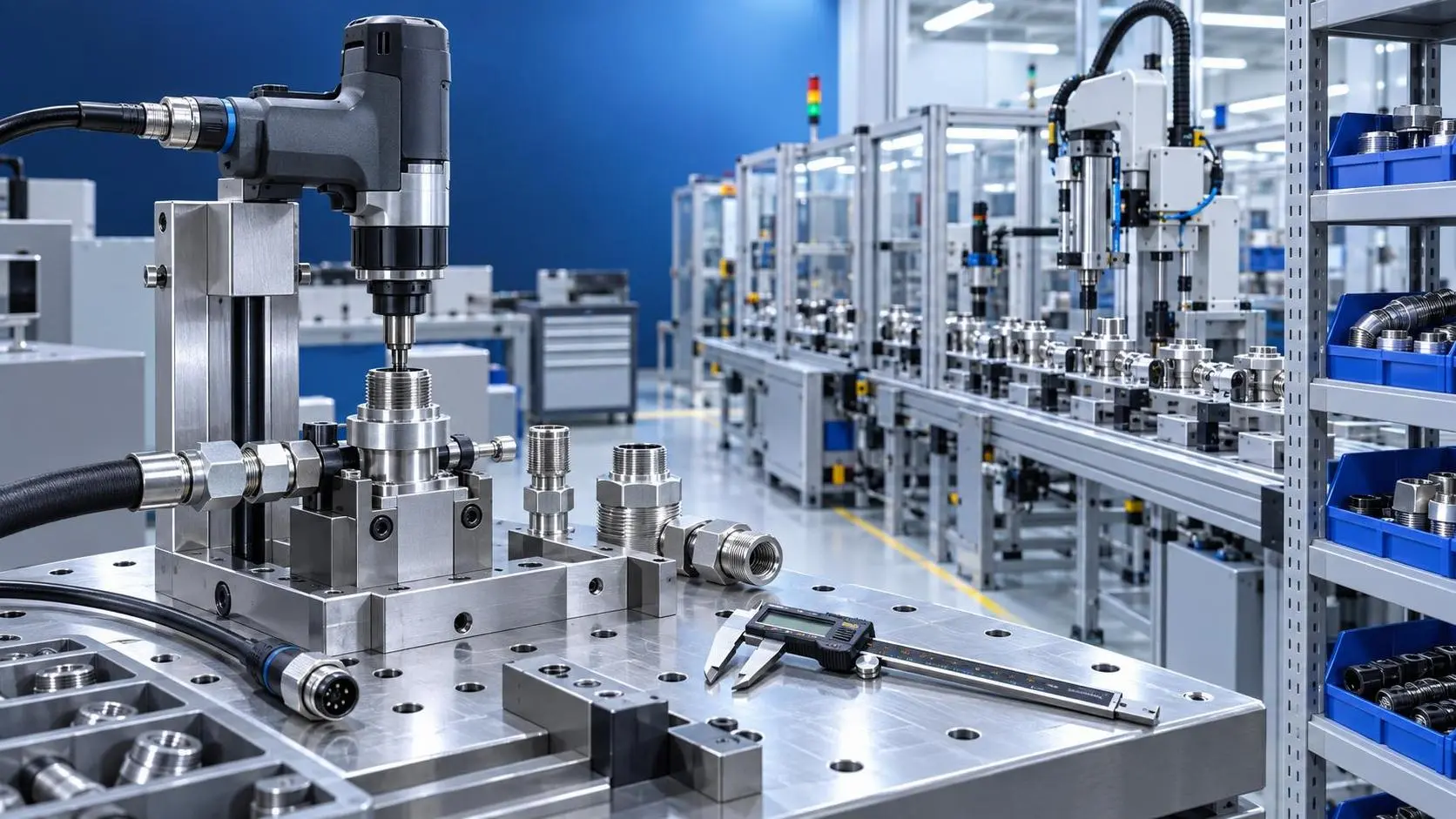
Product Comparison Resources for Component Compatibility and Lifecycle Risk
Product comparison resources for components: evaluate compatibility, interfaces, service support, and lifecycle risk to reduce downtime, avoid redesigns, and make confident sourcing decisions.
How to Select Vernier Precision Calipers for Tight-Tolerance Machining Inspection
Vernier precision calipers for tight-tolerance machining: learn how to select the right range, jaw design, accuracy, and verification process for reliable inspection.
Product Comparison Resources in Europe: How Buyers Can Verify Specs and Suppliers
Product comparison resources Europe: learn how to verify industrial specs, compliance claims, supplier credibility, and delivery risk for smarter purchasing decisions.

How to Evaluate an Industrial Metrology Solution Manufacturer for Production Use
Industrial metrology solution manufacturer evaluation guide for production: compare accuracy, traceability, automation, software, service, and acceptance testing to reduce risk.
Which ISO Standards Matter Most for Precision Engineering Quality Control?
Precision engineering ISO standards explained: discover how ISO 9001, ISO/IEC 17025, ISO 10012, GPS, and ISO 3834 strengthen quality control, traceability, and compliance.
Related News
- 00
0000-00
How to Select Vernier Precision Calipers for Tight-Tolerance Machining Inspection - 00
0000-00
How to Choose Metalworking Tools for Sheet Metal by Thickness and Forming Tasks - 00
0000-00
Metrology Technology Europe: Which Systems Improve Inspection Accuracy on the Line? - 00
0000-00
How to Choose Precision Measuring Instruments in North America for Tighter Tolerance Work - 00
0000-00
Specification-Oriented Articles on Precision Measurement: Which Parameters Matter Most?
Metrology Fellow
Weekly Insights
Stay ahead with our curated technology reports delivered every Monday.