
Brand Premiums in Industrial Tools: When Higher Prices Are Justified





Brand Premiums in Industrial Tools: When Higher Prices Are Justified
Brand premiums in industrial tools are not simply higher prices attached to familiar names.
In welding, assembly, and precision measurement, price must be connected to uptime, safety, accuracy, and lifecycle performance.
Higher tool costs become justified when they reduce operational risk, protect output quality, and support repeatable industrial performance.
This article explains when brand premiums represent measurable value, and when they may signal avoidable sourcing cost.
Understanding Brand Premiums in Industrial Tools
Brand premiums describe the price difference between a recognized industrial tool brand and a lower-priced alternative.
That difference may reflect engineering depth, quality control, service coverage, certification, or market reputation.
In weak cases, brand premiums only reflect logo familiarity, limited competition, or habitual purchasing behavior.
The practical question is whether the additional price creates verified operational value across the tool’s working life.
For industrial assembly, value often appears through torque stability, motor durability, battery consistency, and ergonomic reliability.
For welding equipment, value may come from arc stability, thermal protection, consumable compatibility, and safety compliance.
For metrology tools, brand premiums are justified when traceable accuracy reduces rework and strengthens inspection confidence.
Industry Signals Behind Premium Pricing
Industrial tools now operate in harsher commercial and technical conditions than many price comparisons suggest.
Raw material volatility, export restrictions, and stricter safety standards increase the importance of stable supply chains.
At the same time, digital factories require connected tools that generate usable, auditable process data.
These shifts explain why brand premiums often appear in brushless power tools, laser welding systems, and smart torque platforms.
Where Higher Prices Create Operational Value
Brand premiums should be assessed through total cost of ownership, not only purchase price.
A cheaper tool can become expensive when it causes downtime, calibration failures, safety incidents, or inconsistent output.
A premium tool can be economical when it performs longer and requires fewer interruptions.
Downtime Reduction
In production environments, stoppages often cost more than the original tool price difference.
Brand premiums are easier to justify when failure rates are documented and replacement support is fast.
Reliable motors, protected electronics, and predictable consumable life reduce unplanned production disruption.
Accuracy and Repeatability
In precision metrology, small measurement errors can create costly rejection, rework, or hidden quality drift.
Brand premiums become reasonable when calibration stability and traceability are proven over repeated use.
Digital calipers, micrometers, torque testers, and laser measurement systems must protect confidence in inspection records.
Safety and Compliance
Welding, cutting, grinding, and hydraulic work expose operators and facilities to significant safety risks.
Brand premiums can reflect tested insulation, thermal control, overload protection, and certified protective accessories.
This is especially relevant for handheld laser welding, where safety systems must match evolving standards.
Typical Tool Categories and Premium Logic
Not every industrial tool deserves the same premium evaluation method.
The justification depends on how the tool affects process control, safety, throughput, and maintenance cost.
When Brand Premiums Become Hard to Defend
Premium pricing is not automatically rational, even in demanding industrial settings.
Brand premiums become weak when performance data is vague, service access is poor, or features remain unused.
A premium connected tool offers little value if no system captures or analyzes its data.
A high-end welding unit may be excessive for occasional repair tasks with low duty cycles.
A precision gauge may be overpriced if calibration support is unavailable in the working region.
These cases show why brand premiums must be matched to actual usage intensity and risk exposure.
Evaluation Framework for Smarter Sourcing
A clear evaluation framework turns brand premiums into a measurable decision rather than a preference.
The strongest approach combines technical evidence, financial modeling, and application-specific risk assessment.
- Compare failure rates under similar duty cycles.
- Review calibration certificates and traceability standards.
- Measure tool life against consumable and repair cost.
- Assess spare parts availability and service response time.
- Verify safety certifications for the target market.
- Check integration with digital production systems.
Brand premiums should pass at least one operational test beyond reputation.
The tool should improve uptime, accuracy, safety, workflow speed, documentation, or service reliability.
Cost Metrics That Reveal Real Value
Purchase price is visible, but hidden costs often shape the real economic result.
Brand premiums should be tested against lifecycle cost indicators that reflect industrial usage.
Application Scenarios with Strong Premium Justification
Certain industrial scenarios naturally strengthen the business case for brand premiums.
These are usually environments where tool failure affects safety, quality records, or production continuity.
- Automotive assembly requiring controlled torque and traceable fastening.
- Aerospace maintenance involving certified measurement and inspection tools.
- Construction sites relying on durable hydraulic and cordless systems.
- Metal fabrication using high-duty welding equipment.
- Quality laboratories needing stable calibration performance.
- Export production lines facing strict documentation requirements.
In these settings, brand premiums often function as insurance against performance uncertainty.
However, the insurance value must still be validated through data, not assumed from reputation alone.
Practical Guidelines for Premium Tool Decisions
Sound sourcing requires separating necessary capability from attractive but unused specification.
The following guidelines help determine whether brand premiums deserve approval.
- Define the process risk before reviewing brands.
- Set minimum performance criteria for accuracy, safety, and duty cycle.
- Request field data from comparable industrial applications.
- Include service, calibration, training, and consumables in cost analysis.
- Run controlled trials when usage volume is high.
- Avoid paying for connectivity without a data workflow.
- Reassess suppliers when standards, materials, or production needs change.
Brand premiums are most defensible when they align with defined operating risks and measurable performance gains.
Role of Industrial Intelligence in Premium Assessment
Industrial tool markets are shaped by technology evolution, trade policy, and regional application demand.
Independent intelligence helps connect these signals with real sourcing decisions.
GPTWM observes the last mile of industrial manufacturing across assembly, metal joining, and precision metrology.
Its perspective supports evaluation of brand premiums through sector news, trend analysis, and commercial insight.
This intelligence is valuable when comparing laser welding safety, brushless tool efficiency, and IoT torque control systems.
It also helps identify where demand supports premium positioning in construction, automotive, and aerospace maintenance.
Conclusion and Next Steps
Brand premiums in industrial tools are justified when higher prices create reliable, measurable operational advantage.
The strongest cases involve uptime protection, safety compliance, traceable accuracy, service depth, and digital process control.
The weakest cases rely on reputation without evidence, unused features, or limited support availability.
A practical next step is to map each critical tool category against risk, lifecycle cost, and verified performance data.
With structured intelligence, brand premiums become a disciplined investment decision rather than a pricing mystery.
GPTWM continues to connect precision tools, welding technology, and industrial intelligence for smarter global manufacturing choices.
- industrial assembly
- metal joining
- precision metrology
- welding technology
- handheld laser welding
- IoT torque control
- hydraulic equipment
- industrial tools
- digital factories
- precision tools
- industrial manufacturing
- sector news
- aerospace maintenance
- brand premiums
- industrial intelligence
- welding equipment
- metal fabrication
- torque tools
- laser welding
- industrial applications
Related News
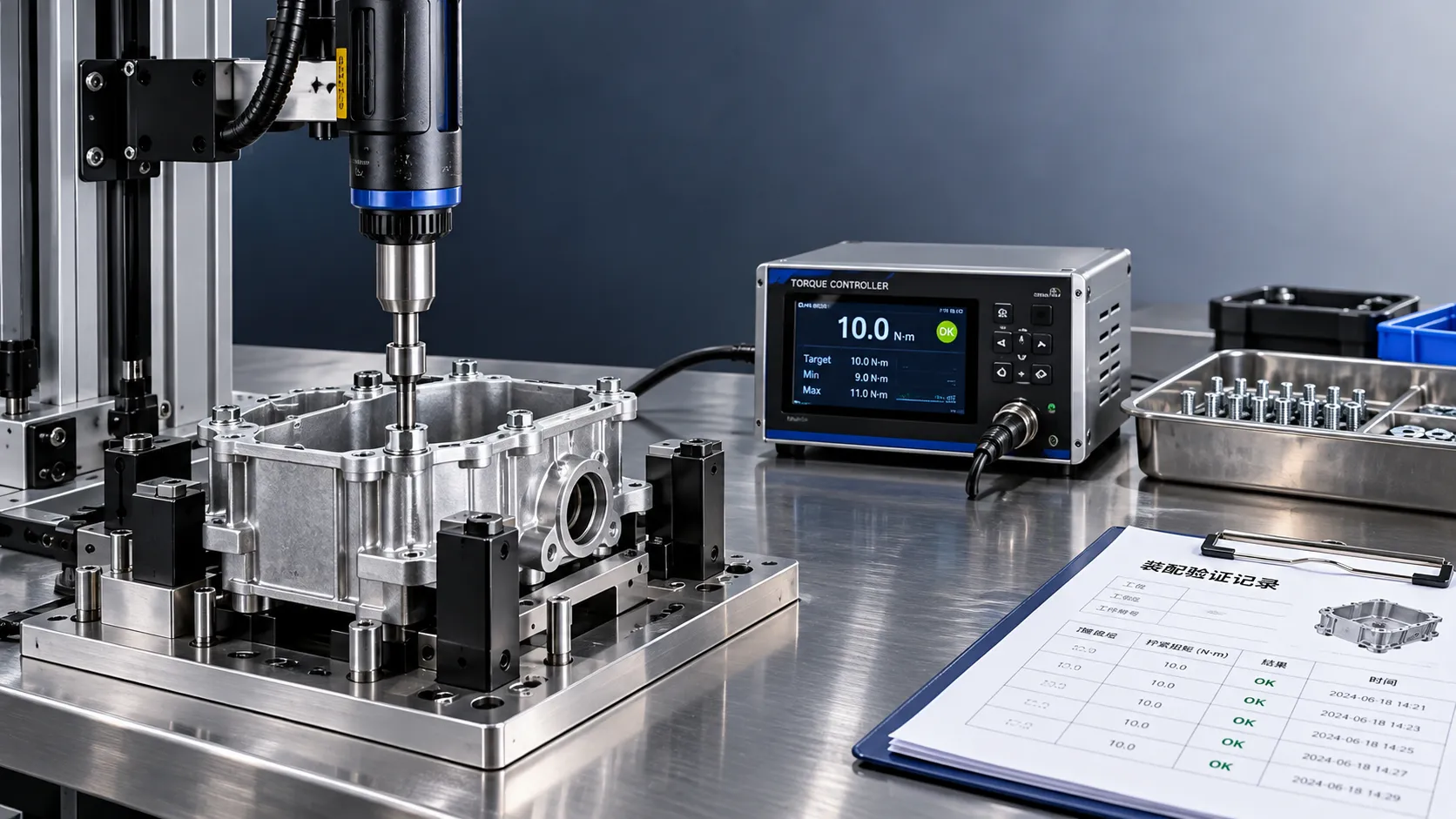
Torque System Suppliers: How to Assess References for Assembly Projects
Explore supplier and solution references torque systems buyers should verify. Assess assembly fit, traceability, and support to reduce risk and choose with confidence.

Equipment Application Guidance for the Middle East: Managing Heat and Dust
Explore application guidance Middle East teams can use to manage heat and dust, protect welding equipment, batteries and precision tools, and reduce downtime. Get practical tips.
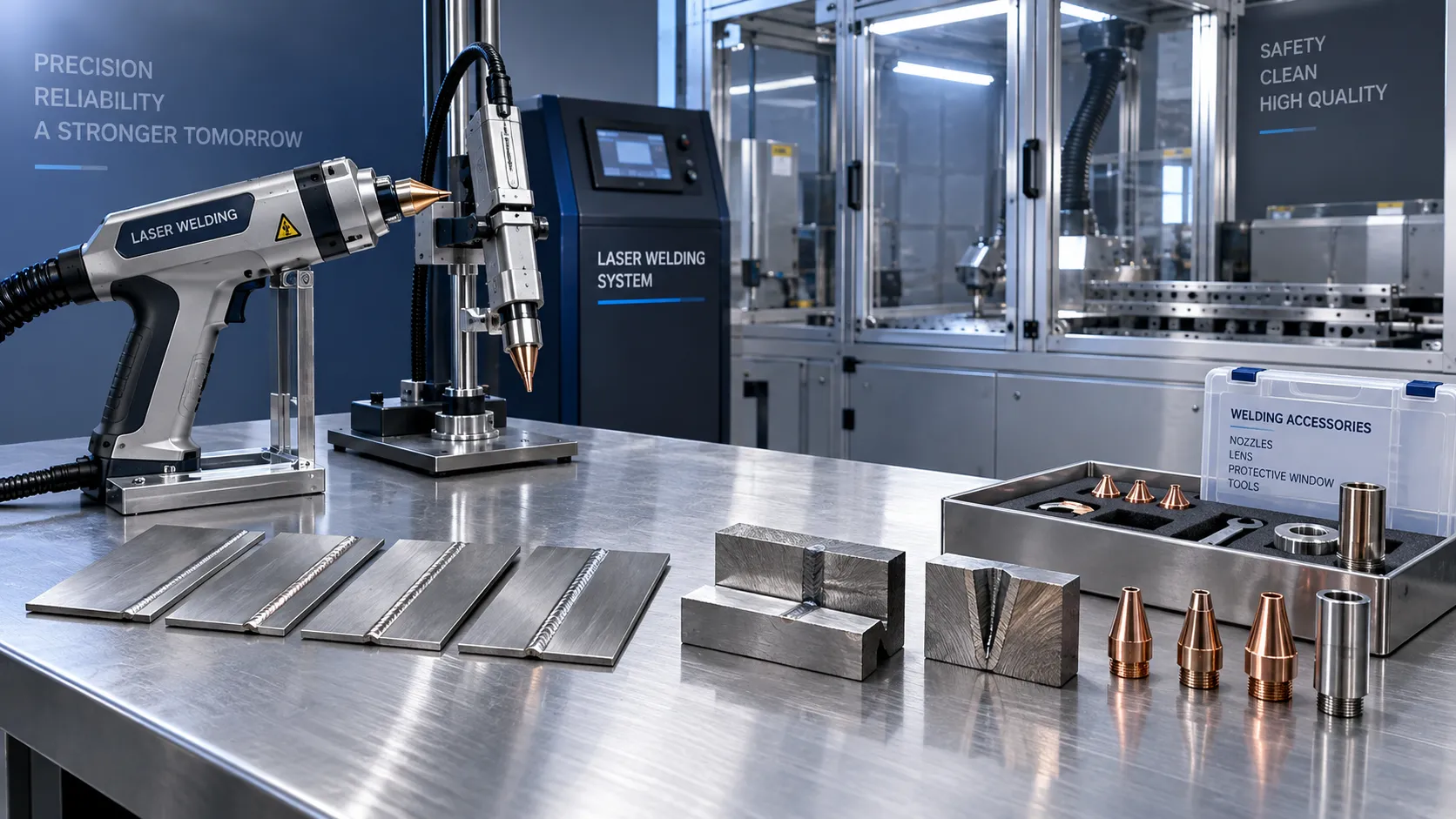
Choosing a Handheld Laser Welding Supplier: Weld Trials, Training, and Service
Choose a handheld laser welding supplier with proven weld trials, safety training, and reliable service. Learn what to verify before buying to reduce downtime and protect your investment.

Choosing an Industrial IoT Platform: Key Criteria for Legacy Equipment
Choose an industrial IoT platform for legacy equipment with confidence. Discover key checks for connectivity, data integrity, security, and lifecycle costs before investing.

In-House vs. Outsourced Aircraft Maintenance: Comparing Total Costs
Compare aerospace maintenance cost for in-house vs. outsourced aircraft upkeep. Discover hidden expenses, downtime impacts, and break-even factors to find the best fit for your fleet.

How to Select High-Precision Measuring Instruments for Tight-Tolerance Production?
High-precision measuring instruments are essential for tight-tolerance production. Learn how to evaluate accuracy, repeatability, environment, calibration, and data integration.
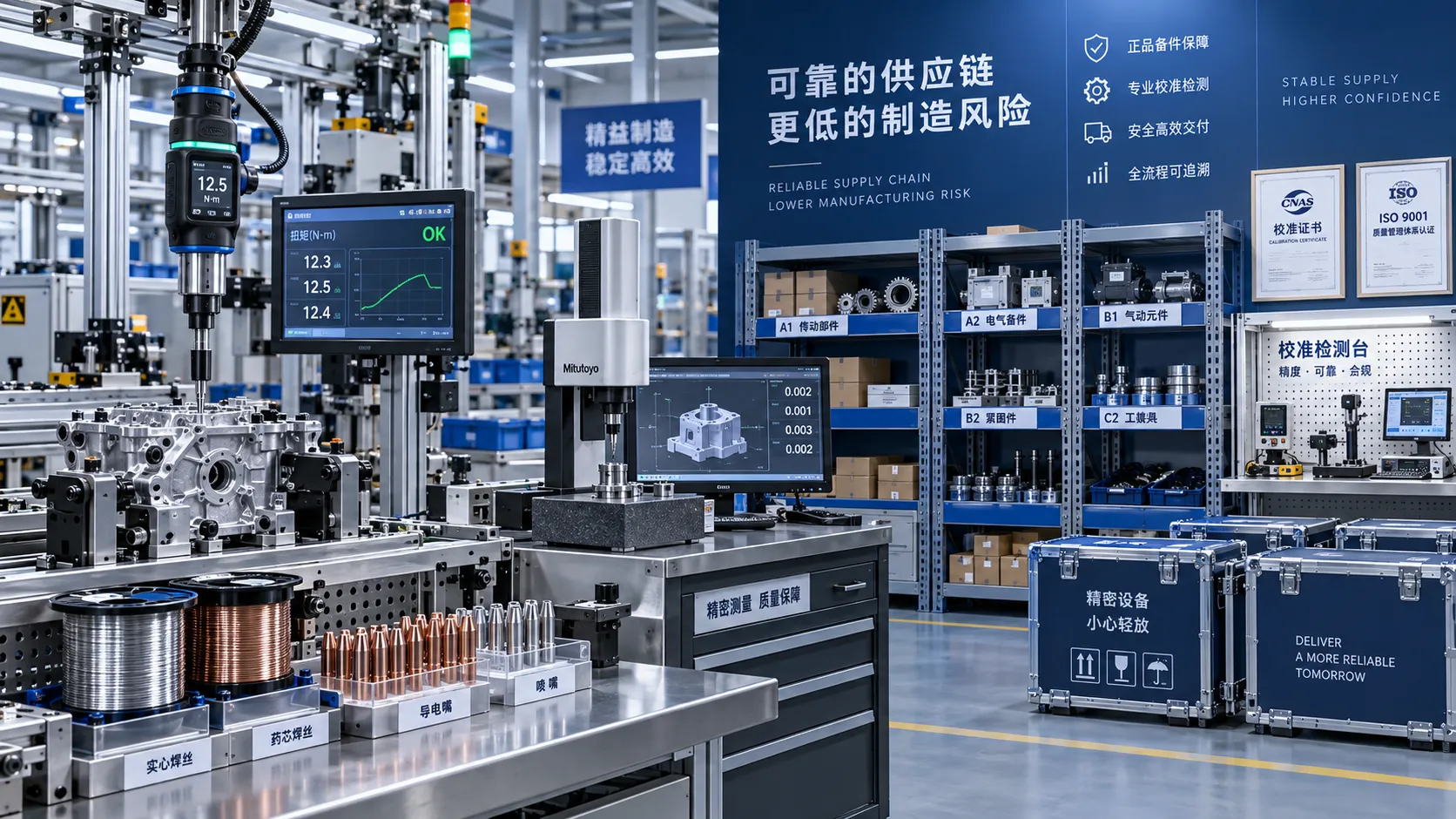
How Industrial Innovation Supplier Networks Reduce Sourcing Risk for Manufacturers
industrial innovation supplier network insights help manufacturers reduce sourcing risk, control lifecycle costs, and choose reliable tools, services, and suppliers with confidence.
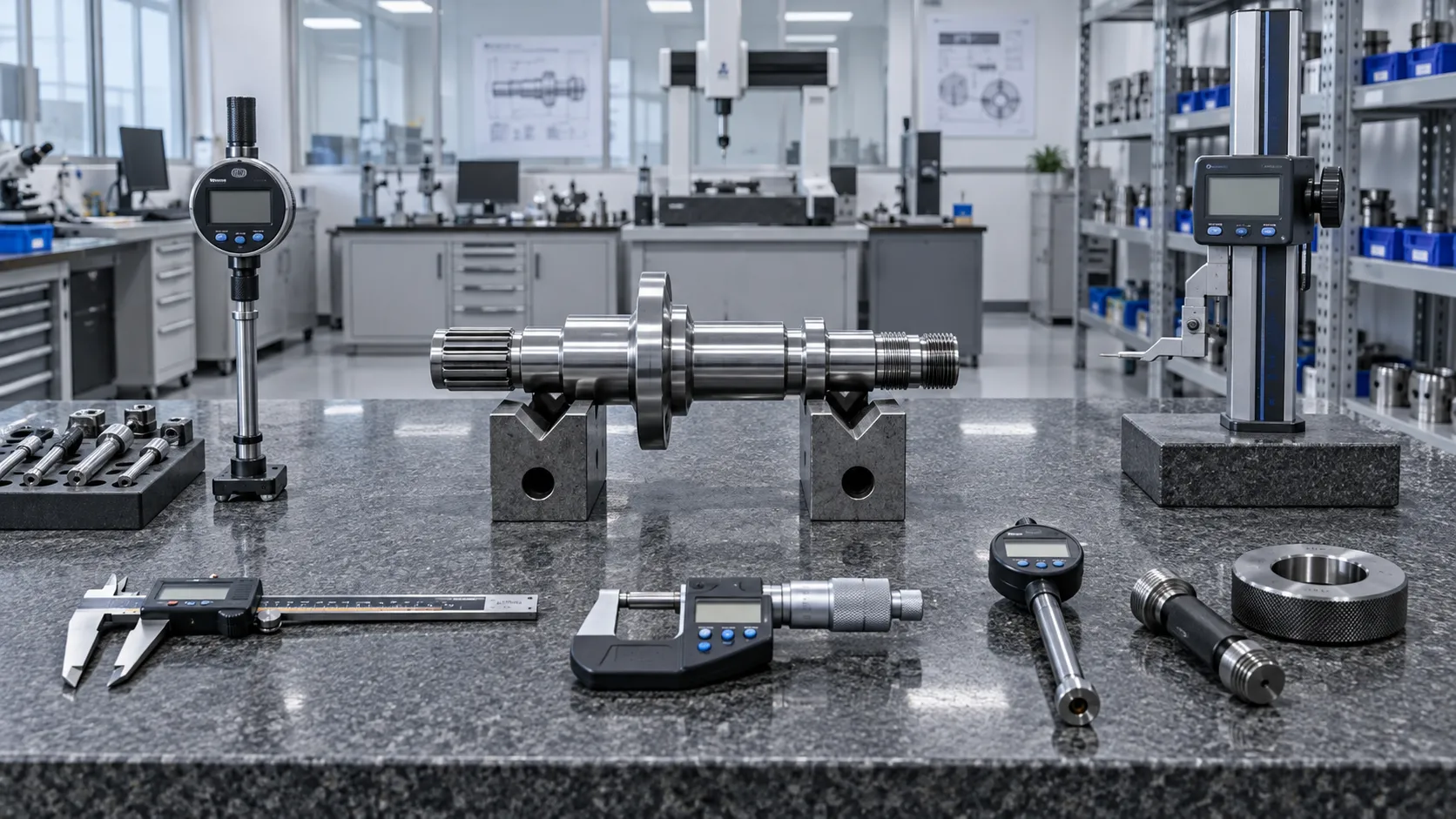
Which Precision Measuring Tools Are Best for Incoming Inspection?
Which precision measuring tools are best for incoming inspection? Explore calipers, micrometers, gauges, CMMs, and smarter strategies to prevent costly defects.
Are Lower-Cost Metalworking Tools More Likely to Fail Early?
Are cheaper metalworking tools more likely to fail early? Explore duty cycle, build quality, and total ownership costs to make smarter buying decisions.
Related News
- 00
0000-00
Are Lower-Cost Metalworking Tools More Likely to Fail Early? - 00
0000-00
PCB Prototyping Equipment Costs: Comparing In-House Machines and Outsourced Builds - 00
0000-00
Why Data-Driven Intelligence Costs Are Reshaping Enterprise Automation Budgets - 00
0000-00
What Does Data-Driven Intelligence Cost? Budgeting for Data, Tools, and Talent - 00
0000-00
What Determines Metrology Technology Prices for Factory Inspection Systems?
Ms. Elena Rodriguez
Weekly Insights
Stay ahead with our curated technology reports delivered every Monday.