
How to Manage Raw Material Fluctuations Without Disrupting Purchasing Plans





Why do raw material fluctuations disrupt purchasing plans so quickly?
Raw material fluctuations rarely stay confined to unit price. They usually spread into lead times, supplier terms, freight, and production scheduling.
That is why a stable purchasing plan can suddenly look outdated within one quarter, especially when metals, energy, and trade rules shift together.
In industrial assembly, welding, and precision measurement supply chains, this pressure is often amplified. Steel, copper, aluminum, specialty alloys, and electronic components move on different cycles.
A price swing in one input can also affect tooling, calibration equipment, packaging, and maintenance parts. The issue is broader than simple buying cost.
A more useful way to read raw material fluctuations is to treat them as a planning signal. They indicate where contracts, forecasts, or sourcing assumptions may already be too fragile.
This is where industry intelligence matters. GPTWM regularly tracks changes tied to metals, export standards, intelligent tools, and downstream demand, helping teams see operational impact earlier.
When that intelligence is used well, purchasing plans become less reactive. The goal is not to predict every price move, but to reduce disruption when volatility arrives.
What is the first practical move when raw material fluctuations begin?
The first move is not emergency buying. It is separating noise from exposure.
Many organizations react to headlines about nickel, copper, or steel without checking how much of total spend is truly exposed, and for how long.
In practice, a short exposure map works better than a broad market summary. It should show which materials matter, which suppliers depend on them, and when contracts reset.
- List direct materials affected by price indexes or surcharge formulas.
- Identify parts with no approved substitute or no second source.
- Mark purchase orders tied to long transit routes or customs uncertainty.
- Review where minimum order quantities could create unnecessary stock risk.
This makes raw material fluctuations visible in business terms. Instead of asking whether the market is volatile, the better question becomes where volatility can break continuity first.
That distinction matters in sectors linked to construction, automotive service, aerospace maintenance, and industrial tools, where demand shifts can be uneven across regions.
A quick judgment table helps before any sourcing change
Before changing volumes or suppliers, it helps to compare each situation against a simple risk screen.
How can purchasing plans stay stable without overbuying?
The answer usually sits between fixed contracts and spot buying. Relying entirely on either one creates unnecessary exposure.
A resilient plan often mixes three layers: protected core volume, flexible replenishment, and a clearly defined exception rule for sudden market shocks.
Protected core volume covers the most critical materials. These are the items that can halt production, delay repairs, or disrupt assembly accuracy.
Flexible replenishment covers less critical or more substitutable materials. Here, smaller order cycles can limit the damage from raw material fluctuations.
Exception rules define when normal approval logic should change. For example, a lead time jump may matter more than a five percent price increase.
In actual operations, stability also depends on how forecasts are shared. Suppliers react better to transparent demand bands than to sudden weekly changes.
This is especially relevant in precision tool and welding ecosystems, where component tolerances, safety standards, and calibration needs reduce sourcing flexibility.
Commercial insight from platforms like GPTWM becomes useful here because it connects market signals with downstream equipment demand, not only commodity headlines.
What usually works better than panic stock building?
- Use rolling forecasts with monthly review windows instead of one fixed annual assumption.
- Set inventory buffers only for components with proven supply interruption risk.
- Agree on price review triggers tied to indexes, not informal supplier warnings.
- Keep substitute approval paths ready for non-critical materials and packaging inputs.
These steps reduce the chance that raw material fluctuations will push the entire purchasing plan off course.
When should supplier diversification happen, and when is it a distraction?
Diversification sounds like an obvious answer, but it is not always the right first step.
If a part requires tight tolerance control, welding certification, or exact metrology consistency, adding suppliers too quickly can create quality drift and hidden cost.
The better question is whether the current source is structurally risky or just temporarily expensive. Raw material fluctuations alone do not always justify supplier expansion.
Diversification makes sense when exposure is concentrated in one geography, one alloy route, one freight corridor, or one compliance regime.
It is less useful when the same upstream mill, refinery, or standards bottleneck sits behind every quoted option. In that case, the appearance of choice can be misleading.
A practical comparison should include more than price.
- Material traceability and certification reliability
- Tolerance consistency across production lots
- Ability to support urgent changeovers
- Exposure to export restrictions or customs delays
- Communication quality during fast market changes
For sectors shaped by advanced tools, hydraulic equipment, and precision instruments, supplier resilience is often more valuable than the lowest quarter-to-quarter quote.
Which mistakes make raw material fluctuations harder to control?
One common mistake is focusing only on price variance. That approach misses service failures, quality escapes, and planning delays that cost more than the material itself.
Another mistake is using the same rule for every category. Fasteners, copper cable, machined parts, abrasives, and calibration devices do not respond to volatility in the same way.
A third mistake is ignoring policy and standards signals. Export restrictions, safety changes, and technical compliance updates can tighten supply before prices visibly react.
That is one reason strategic intelligence is becoming more important than simple quote comparison. Markets move through layered signals, not isolated price charts.
GPTWM’s focus on the last mile of industrial manufacturing is relevant here because disruption often appears first in tools, joining systems, maintenance components, and metrology demand.
A final mistake is making one large decision and then going silent for months. Raw material fluctuations require review rhythm, not constant panic.
A short warning list worth keeping visible
- Do not lock long contracts without a clear price adjustment mechanism.
- Do not increase stock on items with unstable demand and low criticality.
- Do not assume alternate suppliers use different upstream material sources.
- Do not wait for a line stoppage before reviewing commodity exposure.
What should the next 90 days look like if volatility is already rising?
The next 90 days should focus on structure, not heroic buying.
Start by ranking materials and components by operational impact. Then connect each item to contract terms, lead time sensitivity, and substitution limits.
After that, review suppliers using both market exposure and execution reliability. A cheaper quote is not protection if delivery slips during a volatile quarter.
It also helps to create trigger points. For example, define what happens if price rises beyond a set band, if transit days expand, or if compliance rules change.
This type of response plan keeps raw material fluctuations from turning into emergency decision making. It gives purchasing plans room to adapt without losing control.
In closing, the most reliable approach is not chasing every commodity move. It is building a decision process that combines market signals, supplier facts, and operational priorities.
Where possible, use trusted sector intelligence to monitor metals, standards, downstream demand, and tool-chain changes together. That broader view often reveals risk sooner.
A useful next step is to review the top exposed categories, set response triggers, and compare sourcing options against quality, lead time, and compliance, not price alone.
Related News

How Procurement Teams Can Map the Industrial Value Chain to Reduce Supply Risk
Industrial value chain procurement helps teams map hidden dependencies, qualify resilient sources, and reduce supply risk before disruptions stop production.

How Specification-Driven Articles Improve Precision Measurement System Selection
Specification-oriented articles precision measurement guidance helps teams compare accuracy, repeatability, environment, and data needs to select reliable systems with confidence.

How to Evaluate a Technology Integration Service Provider for Complex Projects
Technology integration service provider selection guide: evaluate interface ownership, delivery discipline, scalable architecture, and risk control for complex projects.
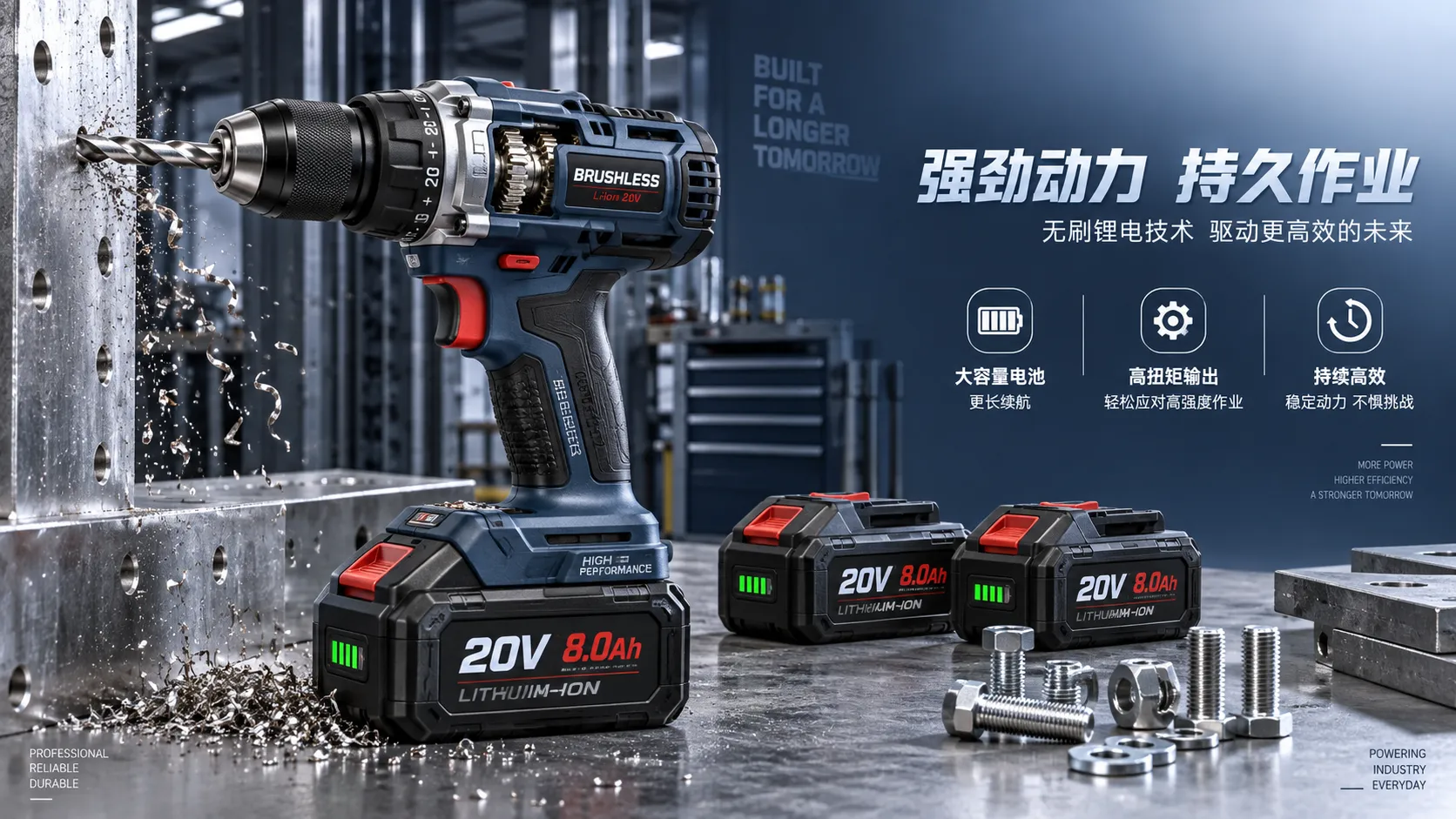
How Battery, Torque, and Duty Cycle Affect Cordless Power Tool Efficiency
Cordless power tool efficiency depends on battery output, torque, and duty cycle. Learn how to match tools to demanding jobs for stronger runtime and productivity.

Product Comparison Resources for Component Compatibility and Lifecycle Risk
Product comparison resources for components: evaluate compatibility, interfaces, service support, and lifecycle risk to reduce downtime, avoid redesigns, and make confident sourcing decisions.
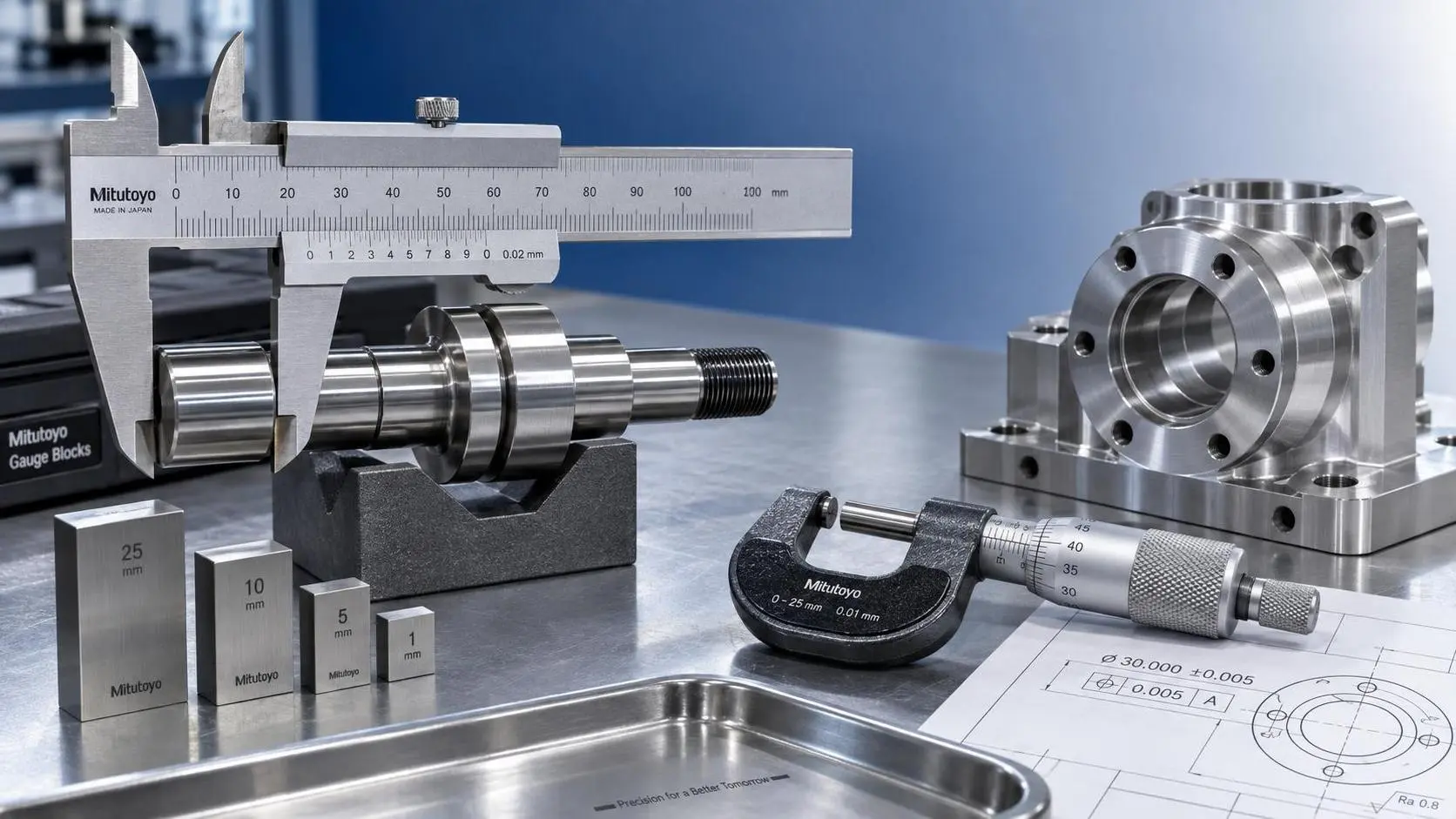
How to Select Vernier Precision Calipers for Tight-Tolerance Machining Inspection
Vernier precision calipers for tight-tolerance machining: learn how to select the right range, jaw design, accuracy, and verification process for reliable inspection.

Product Comparison Resources in Europe: How Buyers Can Verify Specs and Suppliers
Product comparison resources Europe: learn how to verify industrial specs, compliance claims, supplier credibility, and delivery risk for smarter purchasing decisions.

How to Evaluate an Industrial Metrology Solution Manufacturer for Production Use
Industrial metrology solution manufacturer evaluation guide for production: compare accuracy, traceability, automation, software, service, and acceptance testing to reduce risk.

Which ISO Standards Matter Most for Precision Engineering Quality Control?
Precision engineering ISO standards explained: discover how ISO 9001, ISO/IEC 17025, ISO 10012, GPS, and ISO 3834 strengthen quality control, traceability, and compliance.
Related News
- 00
0000-00
What Does Data-Driven Intelligence Cost? Budgeting for Data, Tools, and Talent - 00
0000-00
What Determines Metrology Technology Prices for Factory Inspection Systems? - 00
0000-00
Welding Tools Price Guide: What Affects Cost and How Buyers Can Compare Options - 00
0000-00
What Drives Industrial Tools Cost? A Buyer’s Guide to Materials, Volume, and Lifecycle Expenses - 00
0000-00
Brand Premiums in North America: What Drives Price Gaps in Industrial Tools?
Ms. Elena Rodriguez
Weekly Insights
Stay ahead with our curated technology reports delivered every Monday.