
Brand Premiums in Industrial Buying: When Higher Prices Reflect Real Value





Brand Premiums in Industrial Buying: When Higher Prices Reflect Real Value
In industrial procurement, price is rarely just a number.
A lower quote may look efficient at first.
But hidden failures often appear later.
That is why brand premiums matter in industrial buying.
The issue is not whether a product costs more today.
The issue is whether that higher price protects uptime, quality, compliance, and long-term cost.
In precision tools, welding systems, and metrology equipment, this distinction becomes especially important.
A cheap option can increase rework, inspection errors, operator fatigue, and service interruptions.
A stronger brand premium can reduce those risks before they touch production.
Why Brand Premiums Exist in Industrial Markets
Brand premiums are not created by logos alone.
In industrial markets, they usually reflect accumulated proof.
That proof may include material quality, tighter tolerances, stronger testing discipline, and better process control.
It may also include better documentation, faster spare parts access, and stronger technical support.
From a buying perspective, brand premiums become easier to justify when failure costs are high.
Think about welding torches in continuous production.
Think about torque tools in safety-critical assembly.
Think about calipers, gauges, or metrology devices used for final release decisions.
In those cases, one small defect can trigger larger losses.
- Scrap and rework costs rise quickly.
- Delivery schedules become unstable.
- Compliance exposure becomes harder to control.
- Maintenance teams lose time on avoidable failures.
- Customer confidence may weaken after repeated issues.
Seen this way, brand premiums often represent a risk-management cost rather than a simple price markup.
When a Higher Price Signals Real Value
Not every premium product delivers premium value.
The key is knowing what to test behind the price.
In actual sourcing decisions, several signals stand out.
1. Performance Consistency
Reliable output matters more than peak specifications.
A premium welding unit that holds stable arc behavior may outperform a cheaper model with wider variation.
A measuring instrument with repeatable readings reduces inspection disputes and unnecessary rejection.
2. Service Life and Durability
Some brand premiums reflect better wear resistance and stronger component quality.
That matters in harsh industrial settings.
If a tool lasts longer between replacements, the cost gap begins to narrow fast.
3. Compliance and Traceability
Premium suppliers often invest more in certification, calibration records, and export compliance.
This becomes critical when markets tighten standards.
It also supports cleaner audits and easier customer approval.
4. Support, Spare Parts, and Training
Support quality is often overlooked during quote comparison.
Yet downtime usually costs more than the original purchase difference.
Brand premiums can reflect service networks, technical onboarding, and dependable parts availability.
How to Evaluate Brand Premiums Without Guesswork
The most practical approach is to compare total value, not unit price.
This is where many buying teams sharpen their decisions.
A simple evaluation framework can make brand premiums easier to defend internally.
- Map the application risk level.
- Measure the cost of downtime, scrap, and field failure.
- Check repeatability, lifespan, and maintenance frequency.
- Review certification, calibration, and traceability requirements.
- Assess local support response and spare part lead times.
- Validate references from similar operating conditions.
This process separates real brand premiums from inflated positioning.
It also helps align sourcing, operations, and finance teams.
When everyone sees the same cost drivers, the decision becomes more objective.
A Simple Comparison Table
Where Brand Premiums Matter Most
Brand premiums carry more weight in some categories than others.
If a product is non-critical and easy to replace, the premium may be harder to justify.
But if the item influences safety, precision, or production continuity, the math changes.
More obvious signals appear in these scenarios:
- Precision measuring tools used for quality release.
- Welding systems tied to structural integrity.
- Torque-controlled assembly in regulated sectors.
- Hydraulic equipment exposed to heavy duty cycles.
- Power tools where ergonomics affect productivity and safety.
Recent industrial shifts make this even clearer.
Raw material volatility raises replacement uncertainty.
Export rules create extra documentation pressure.
At the same time, digital factories need more traceable and data-ready tools.
The Cost Mistake Buyers Make Most Often
The most common mistake is treating price and cost as the same thing.
They are not.
Price is visible on the quotation.
Cost appears later across operations.
This includes stoppages, warranty handling, calibration drift, retraining, energy inefficiency, and inconsistent output.
In real business conditions, those costs accumulate quietly.
That is why brand premiums should be reviewed through total cost of ownership.
Useful Questions Before Approving a Premium
- Will this product reduce downtime in measurable terms?
- Does it improve process capability or inspection confidence?
- Can it lower maintenance labor or replacement frequency?
- Does it simplify compliance across regions or customers?
- Is the supplier strong enough to support future scale?
If the answer is yes to several of these, brand premiums may reflect real value.
A Smarter Way to Defend Premium Decisions
Strong buying decisions need stronger evidence.
That is where market intelligence becomes useful.
Platforms such as GPTWM help connect technical performance with commercial judgment.
Its focus on industrial assembly, metal joining, and precision metrology offers a practical lens.
That includes sector updates, compliance shifts, tool evolution, and demand signals across construction, automotive, and aerospace maintenance.
This kind of intelligence supports premium decisions with context, not assumption.
It also helps distinguish temporary price inflation from durable brand premiums.
That difference matters when margins are under pressure and production cannot afford guesswork.
Conclusion
Brand premiums should never be accepted blindly.
But they should not be dismissed too quickly either.
In industrial buying, a higher price can represent lower operational risk, stronger consistency, and better lifetime economics.
The most effective approach is to test brand premiums against measurable business outcomes.
Look at uptime, compliance, serviceability, durability, and repeatable performance.
When those factors improve, the premium often pays for itself.
Use that logic to build sourcing decisions that are practical, defensible, and better aligned with long-term manufacturing efficiency.
Related News
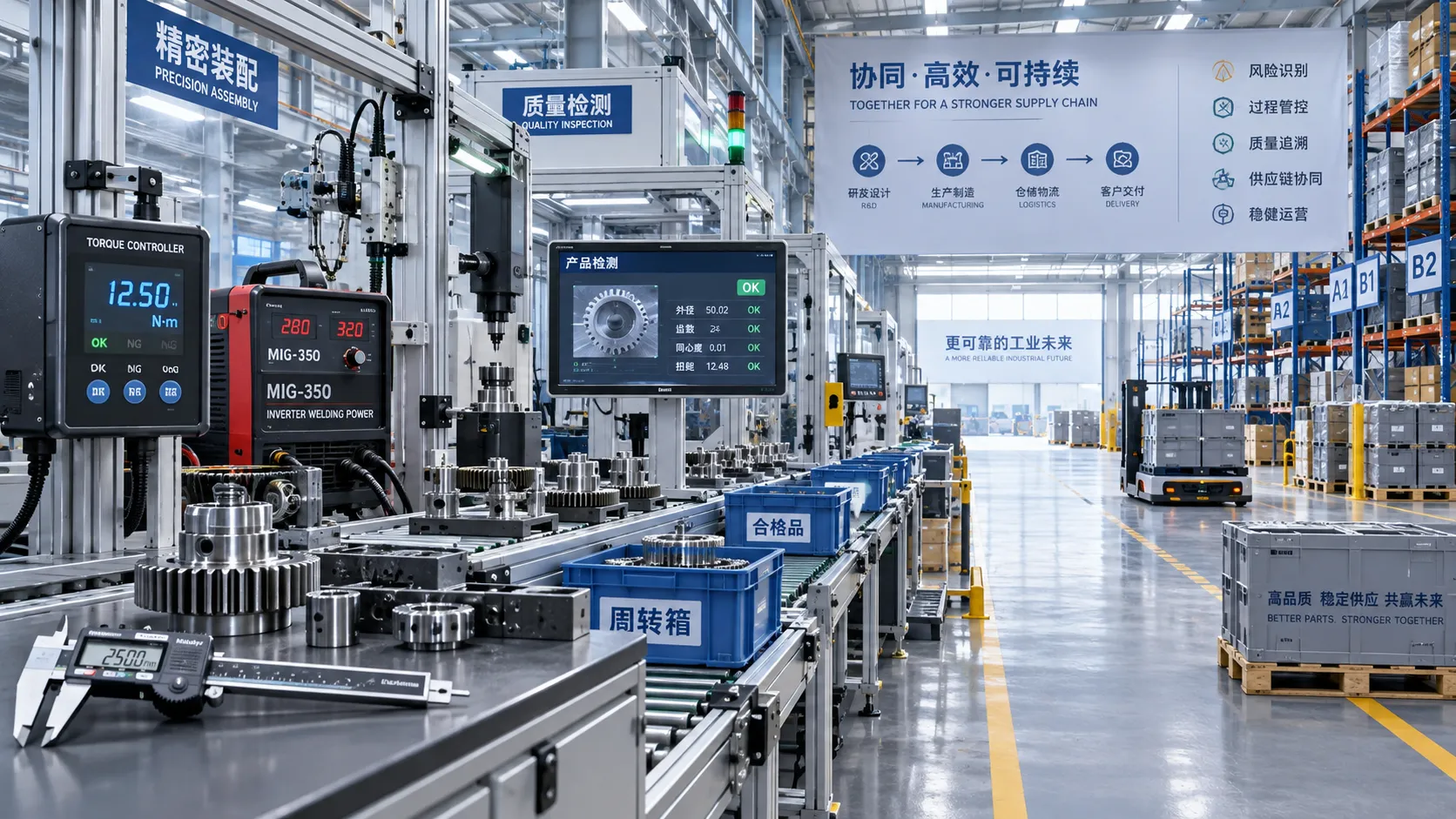
How Procurement Teams Can Map the Industrial Value Chain to Reduce Supply Risk
Industrial value chain procurement helps teams map hidden dependencies, qualify resilient sources, and reduce supply risk before disruptions stop production.

How Specification-Driven Articles Improve Precision Measurement System Selection
Specification-oriented articles precision measurement guidance helps teams compare accuracy, repeatability, environment, and data needs to select reliable systems with confidence.

How to Evaluate a Technology Integration Service Provider for Complex Projects
Technology integration service provider selection guide: evaluate interface ownership, delivery discipline, scalable architecture, and risk control for complex projects.
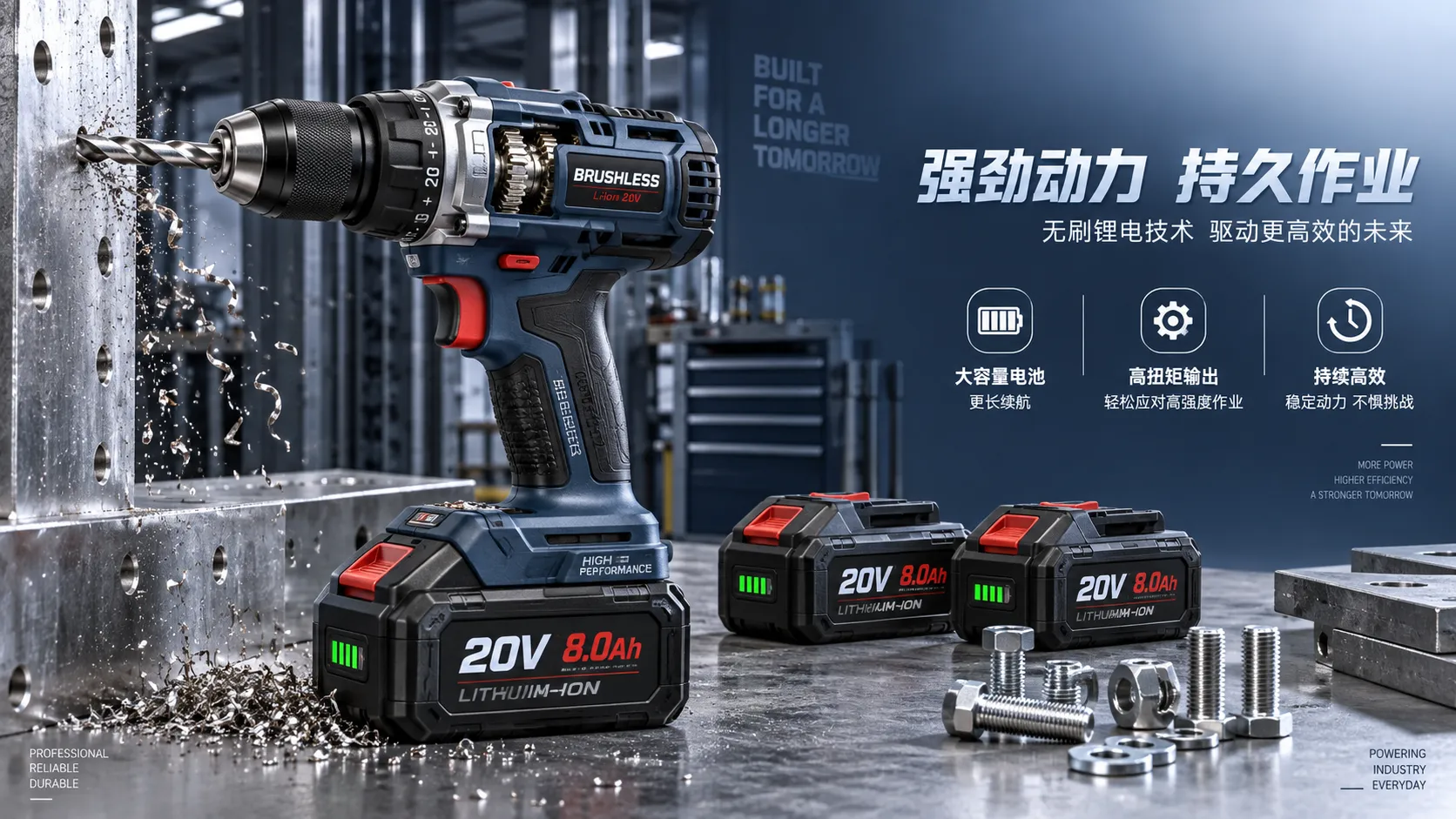
How Battery, Torque, and Duty Cycle Affect Cordless Power Tool Efficiency
Cordless power tool efficiency depends on battery output, torque, and duty cycle. Learn how to match tools to demanding jobs for stronger runtime and productivity.
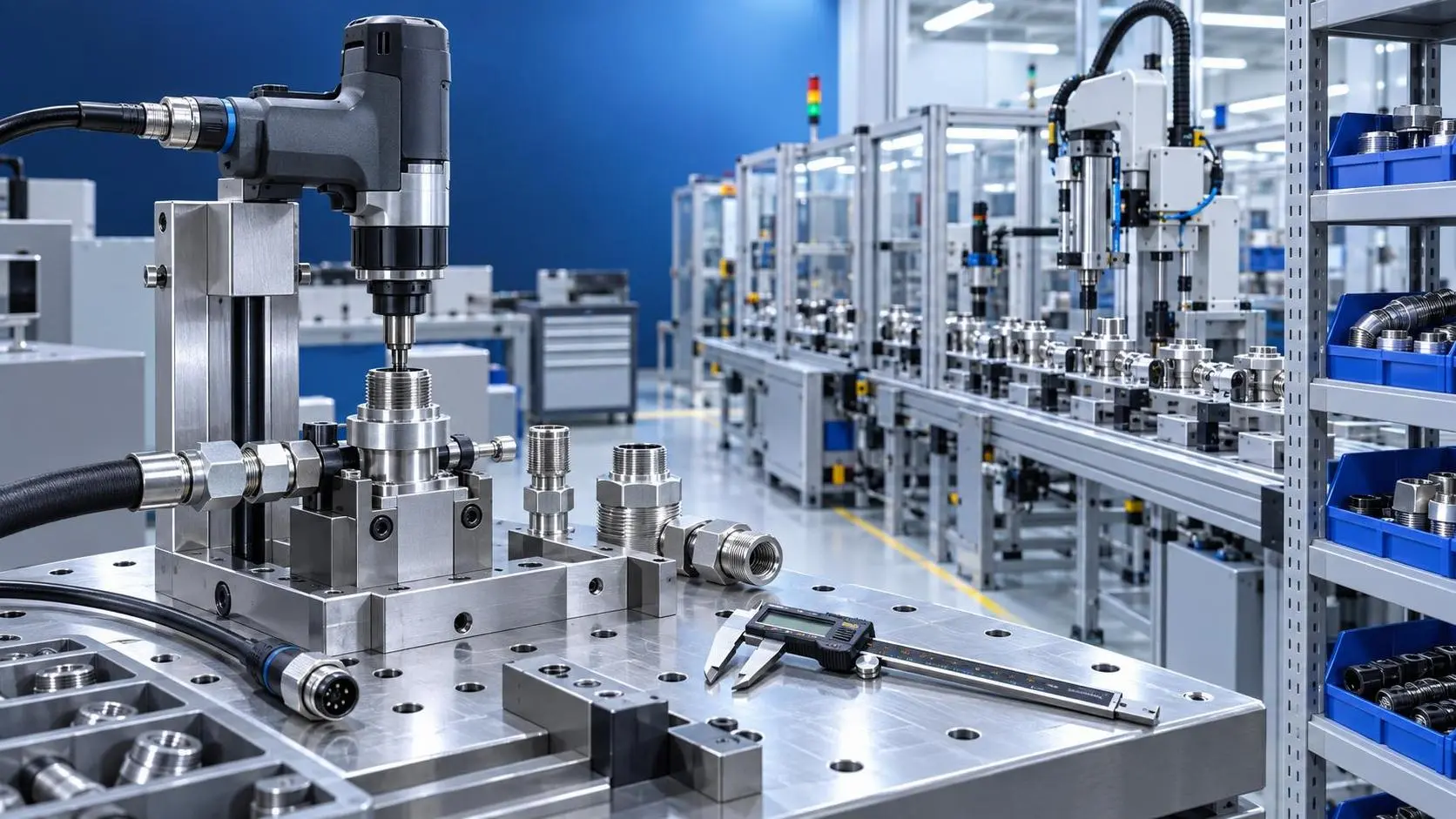
Product Comparison Resources for Component Compatibility and Lifecycle Risk
Product comparison resources for components: evaluate compatibility, interfaces, service support, and lifecycle risk to reduce downtime, avoid redesigns, and make confident sourcing decisions.
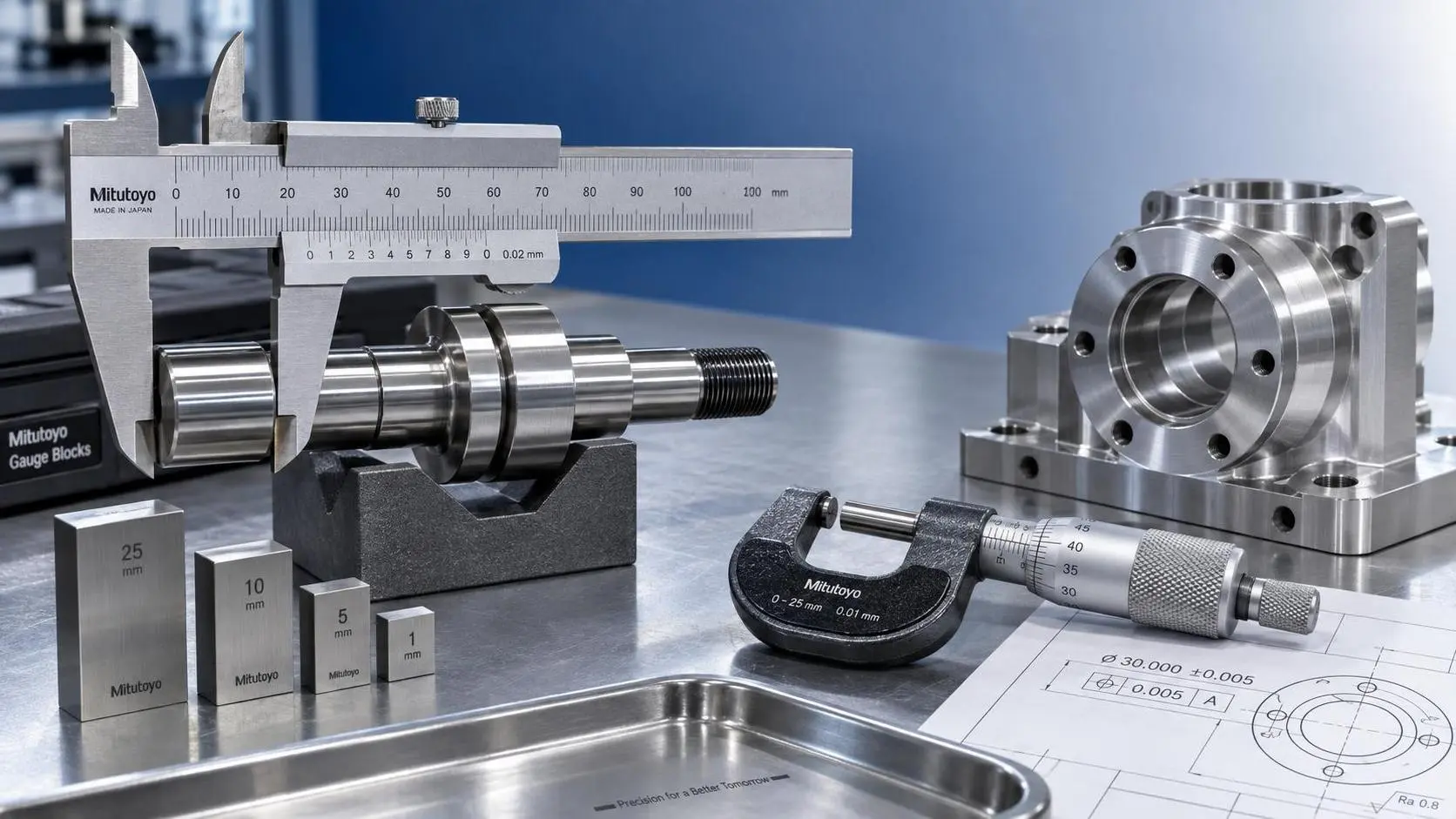
How to Select Vernier Precision Calipers for Tight-Tolerance Machining Inspection
Vernier precision calipers for tight-tolerance machining: learn how to select the right range, jaw design, accuracy, and verification process for reliable inspection.
Product Comparison Resources in Europe: How Buyers Can Verify Specs and Suppliers
Product comparison resources Europe: learn how to verify industrial specs, compliance claims, supplier credibility, and delivery risk for smarter purchasing decisions.

How to Evaluate an Industrial Metrology Solution Manufacturer for Production Use
Industrial metrology solution manufacturer evaluation guide for production: compare accuracy, traceability, automation, software, service, and acceptance testing to reduce risk.

Which ISO Standards Matter Most for Precision Engineering Quality Control?
Precision engineering ISO standards explained: discover how ISO 9001, ISO/IEC 17025, ISO 10012, GPS, and ISO 3834 strengthen quality control, traceability, and compliance.
Related News
- 00
0000-00
How to Evaluate a Technology Integration Service Provider for Complex Projects - 00
0000-00
Product Comparison Resources in Europe: How Buyers Can Verify Specs and Suppliers - 00
0000-00
How to Evaluate an Industrial Metrology Solution Manufacturer for Production Use - 00
0000-00
How to Evaluate a Metal Joining Solutions Factory for Quality, Capacity, and Delivery Risk - 00
0000-00
How to Evaluate OEM Tool Solutions for Reliable Bulk Tool Orders
Dr. Alistair Vaughn
Weekly Insights
Stay ahead with our curated technology reports delivered every Monday.