
How to Evaluate the Industrial Value Chain Before Choosing New Manufacturing Partners





Why does the industrial value chain matter before any new partner decision?
A low unit price rarely tells the full story. The industrial value chain shows where cost, risk, and delivery pressure really come from.
That matters even more when supplier markets shift quickly. Steel, copper, electronics, coatings, freight, and compliance costs can move at different speeds.
In practical terms, one weak link can erase an attractive quote. Delays in castings, unstable torque control parts, or testing gaps often surface later.
A stronger review asks a better question: can this partner protect margin across the full industrial value chain, not only at purchase order stage?
This is where intelligence-led evaluation helps. GPTWM closely tracks the last-mile realities of industrial assembly, welding, and precision metrology.
Its Strategic Intelligence Center is useful because it connects sector news with operating consequences. Raw material swings, export restrictions, and process trends rarely stay isolated.
So before choosing a new manufacturing partner, the goal is not only supplier comparison. The goal is understanding value chain resilience, cost integrity, and execution stability.
What should be checked first: factory capability or upstream value chain strength?
Capability and value chain strength should be checked together. A polished factory tour can hide fragile sourcing, outsourced bottlenecks, or limited process control.
A useful starting point is mapping the partner’s upstream and in-plant dependencies. That reveals whether the industrial value chain is deep or only looks complete on paper.
- Identify critical inputs such as alloys, motors, sensors, fasteners, abrasives, hydraulic parts, or PCB-based controls.
- Ask which parts are single-source, dual-source, or customer-nominated.
- Check whether calibration, heat treatment, plating, or NDT are controlled internally or by external vendors.
- Review lead-time exposure for imported components, especially where export rules or certification barriers apply.
In assembly, welding, and metrology-related products, upstream fragility often appears in hidden steps. Calibration labs, specialty electronics, and high-tolerance machining are common pressure points.
More reliable partners can explain not just what they produce, but how their industrial value chain absorbs disruption without quality drift.
Which signals show that a partner can handle cost pressure without hurting quality?
The most useful signals are operational, not promotional. Cost resilience usually shows up in process discipline, sourcing logic, and engineering transparency.
When evaluating the industrial value chain, focus on whether cost changes are managed through design and control, not by quietly downgrading materials.
This kind of table is more revealing than a brochure. It tests whether the industrial value chain is managed through data, not optimism.
GPTWM often highlights trends such as brushless motor efficiency limits, laser welding safety adoption, and intelligent torque systems.
Those trends matter because they affect cost structure and process expectations. A partner who understands them usually manages quality under pressure more consistently.
How do delivery resilience and compliance risk change the real cost picture?
Delivery risk is often priced too late. Yet in many categories, the industrial value chain becomes expensive only after schedules slip.
A delayed component may trigger premium freight, idle labor, missed installation windows, or inventory distortion across several regions.
Compliance adds another layer. Export controls, safety labeling, welding certifications, environmental declarations, and measurement traceability can block shipments without warning.
In real sourcing decisions, the cheapest offer can become the most expensive if the industrial value chain is not compliant at every stage.
- Check country-of-origin exposure for critical components.
- Review certification validity dates and responsible owners.
- Confirm packaging, labeling, and document readiness for target markets.
- Ask how export restriction changes are monitored and escalated.
This is one reason sector intelligence matters. GPTWM’s coverage of standard restrictions and market demand shifts helps frame compliance as a financial issue, not only a legal one.
Is it enough to compare quotes, lead times, and samples?
Not really. Quotes, lead times, and samples are necessary, but they capture only the visible layer of the industrial value chain.
A sample can pass because it received extra attention. A quote can look stable because risk was pushed into packaging, tooling, warranty, or engineering changes.
A stronger comparison uses a weighted review. It combines commercial terms with process maturity and value chain exposure.
A practical comparison framework
- Commercial fit: quoted cost, tooling assumptions, payment terms, warranty scope.
- Process fit: capability data, first-pass yield, calibration control, operator training.
- Value chain fit: tier-two visibility, logistics flexibility, alternate sourcing depth.
- Compliance fit: standards coverage, documentation readiness, audit response speed.
- Strategic fit: roadmap alignment with automation, precision, and market direction.
This broader lens is especially useful in sectors tied to construction, automotive service, aerospace maintenance, and industrial tools.
Those markets often demand tight tolerances and dependable after-sales continuity. The industrial value chain must support both present orders and future service obligations.
What are the most common mistakes when evaluating a new manufacturing partner?
One common mistake is treating direct price as the main indicator of competitiveness. In reality, unstable processes create hidden cost throughout the industrial value chain.
Another mistake is overvaluing certifications without checking execution. A certificate may be current while process records remain weak.
A third mistake is ignoring the last-mile manufacturing details. Assembly torque, welding safety discipline, inspection methods, and packaging control often decide field performance.
More subtle errors appear during growth planning. Some partners handle prototypes well, but struggle when volume, variant count, or regional compliance expands.
The better approach is simple: evaluate the industrial value chain as a living system. Cost, process, supply continuity, and standards always interact.
What should the next evaluation step look like in practice?
Start with a short value chain map for each candidate. Keep it focused on critical inputs, outside processes, compliance points, and delivery dependencies.
Then build a comparison sheet that scores visible and hidden factors together. That prevents the industrial value chain from being reduced to a price-only discussion.
In actual review cycles, it helps to compare three time horizons: immediate order execution, six-month stability, and scale-up readiness.
If intelligence support is available, use it to challenge assumptions. Market reports on raw materials, safety adoption, metrology demand, and export controls add decision context.
That is where GPTWM’s perspective is relevant. Its blend of industrial economics, electro-mechanical insight, and precision measurement coverage helps connect factory claims to value chain reality.
A sound decision usually comes from one clear principle: choose the partner whose industrial value chain can stay stable when conditions stop being ideal.
The next move is straightforward. Define must-have requirements, test weak links early, compare total risk beside total cost, and document the signals worth monitoring after onboarding.
Related News
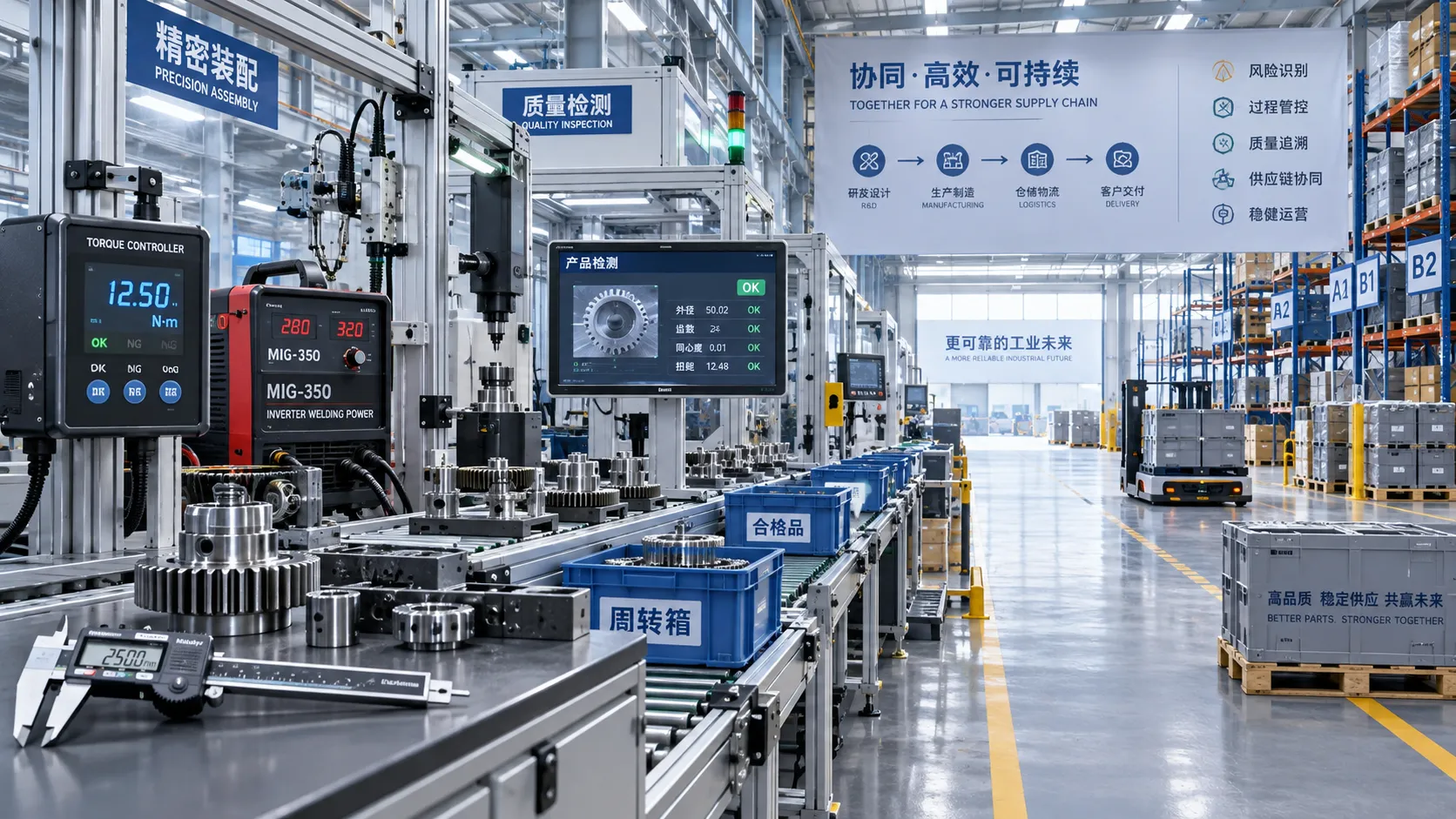
How Procurement Teams Can Map the Industrial Value Chain to Reduce Supply Risk
Industrial value chain procurement helps teams map hidden dependencies, qualify resilient sources, and reduce supply risk before disruptions stop production.

How Specification-Driven Articles Improve Precision Measurement System Selection
Specification-oriented articles precision measurement guidance helps teams compare accuracy, repeatability, environment, and data needs to select reliable systems with confidence.

How to Evaluate a Technology Integration Service Provider for Complex Projects
Technology integration service provider selection guide: evaluate interface ownership, delivery discipline, scalable architecture, and risk control for complex projects.
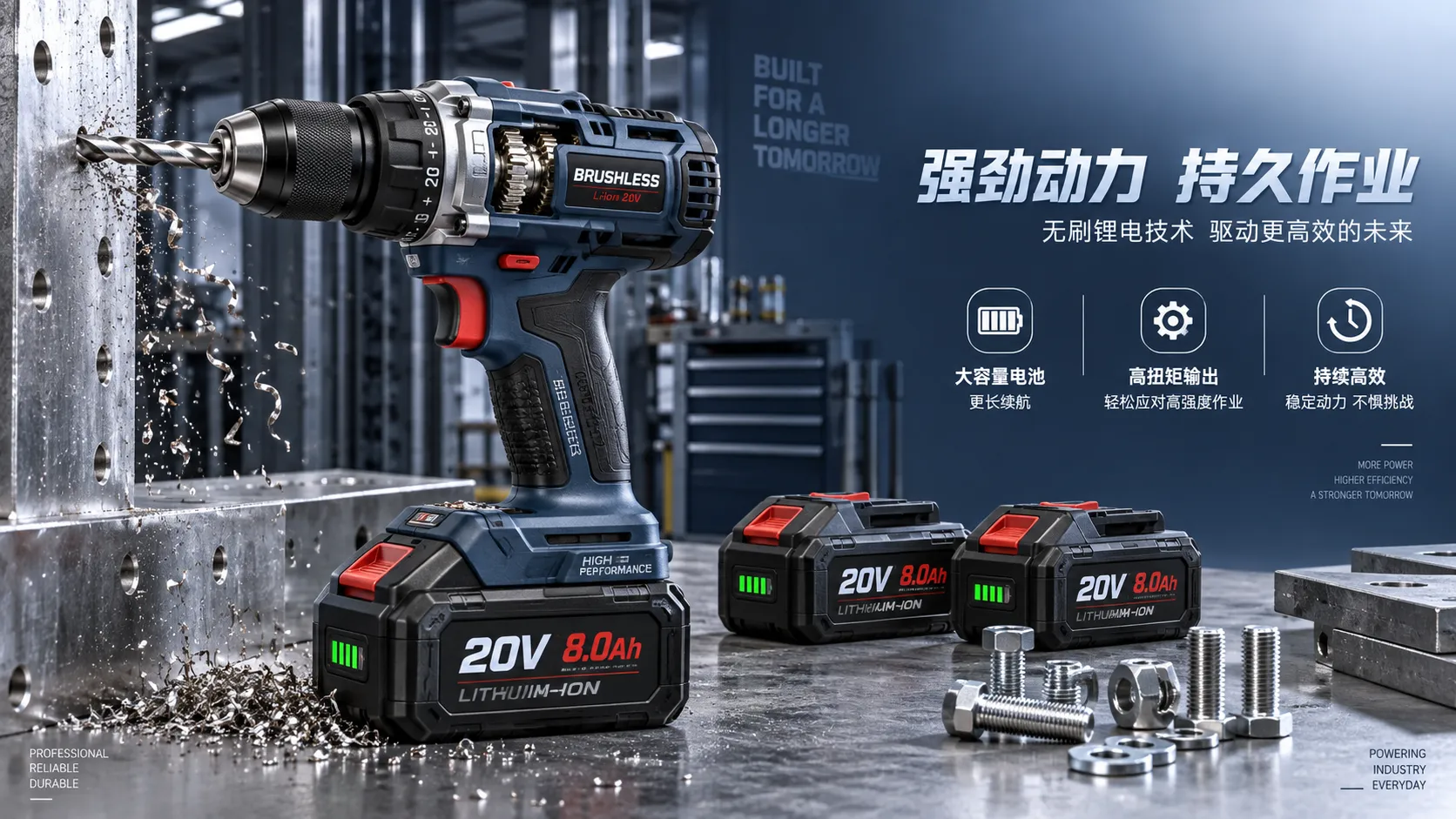
How Battery, Torque, and Duty Cycle Affect Cordless Power Tool Efficiency
Cordless power tool efficiency depends on battery output, torque, and duty cycle. Learn how to match tools to demanding jobs for stronger runtime and productivity.

Product Comparison Resources for Component Compatibility and Lifecycle Risk
Product comparison resources for components: evaluate compatibility, interfaces, service support, and lifecycle risk to reduce downtime, avoid redesigns, and make confident sourcing decisions.
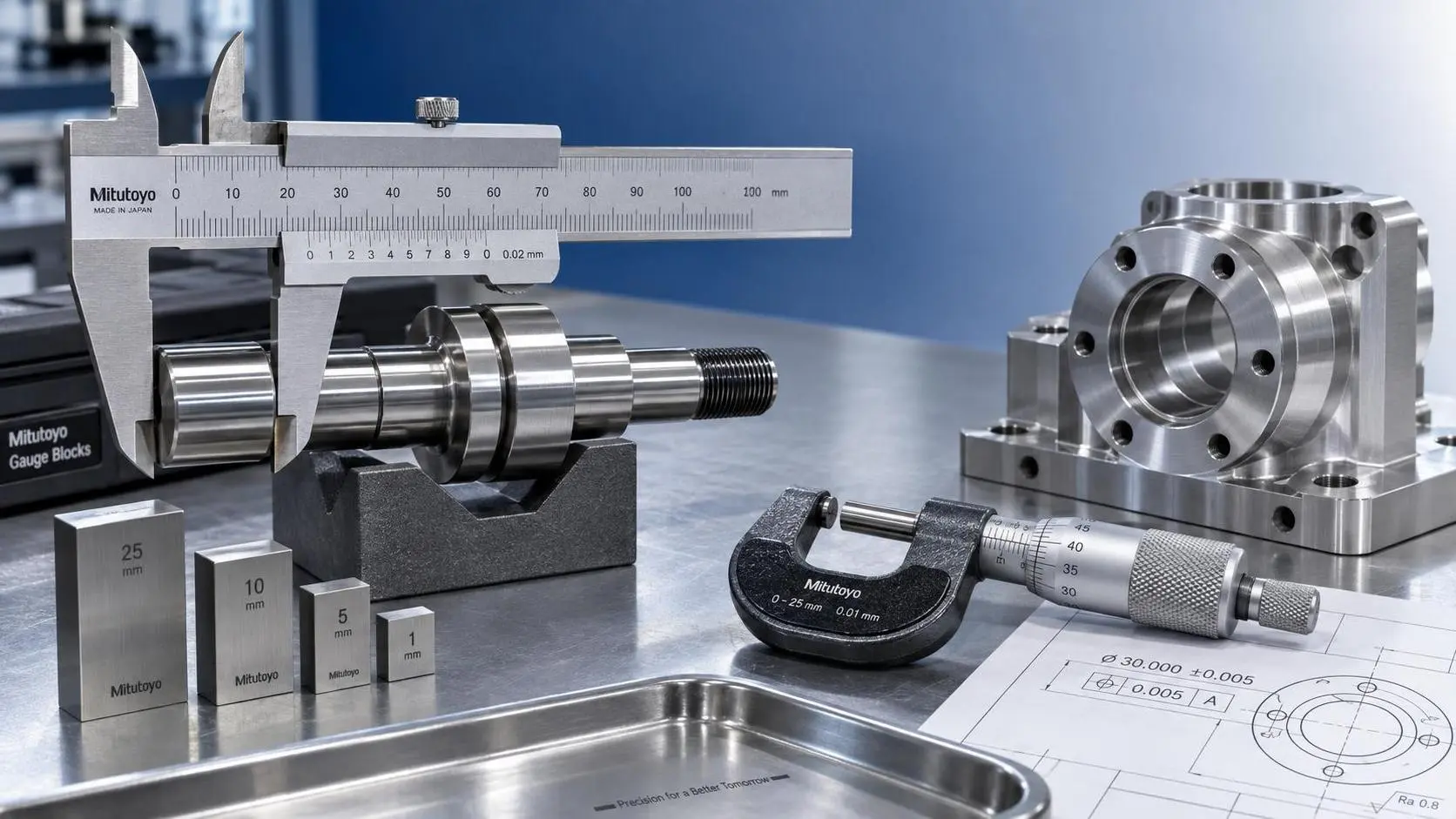
How to Select Vernier Precision Calipers for Tight-Tolerance Machining Inspection
Vernier precision calipers for tight-tolerance machining: learn how to select the right range, jaw design, accuracy, and verification process for reliable inspection.
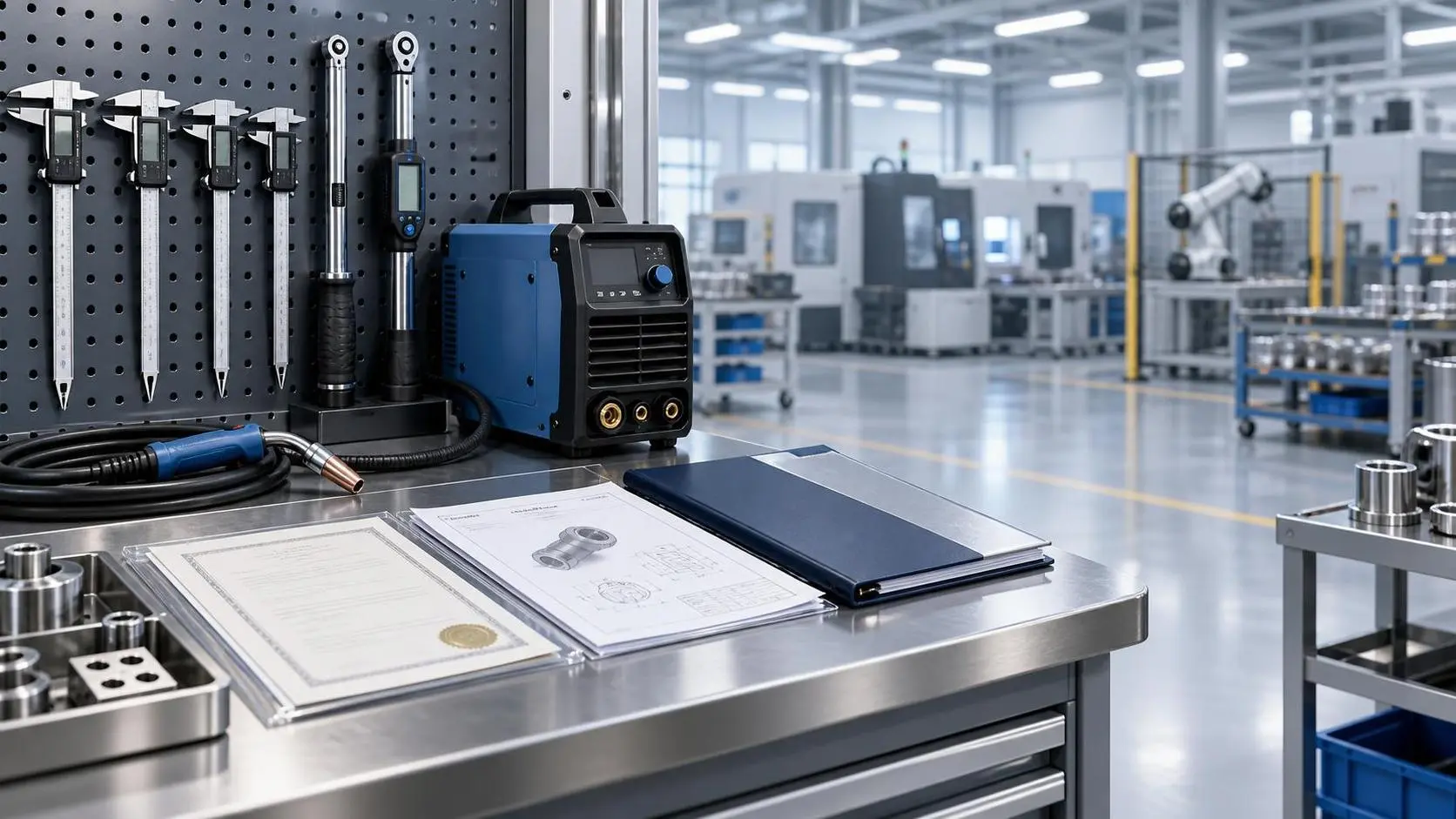
Product Comparison Resources in Europe: How Buyers Can Verify Specs and Suppliers
Product comparison resources Europe: learn how to verify industrial specs, compliance claims, supplier credibility, and delivery risk for smarter purchasing decisions.

How to Evaluate an Industrial Metrology Solution Manufacturer for Production Use
Industrial metrology solution manufacturer evaluation guide for production: compare accuracy, traceability, automation, software, service, and acceptance testing to reduce risk.

Which ISO Standards Matter Most for Precision Engineering Quality Control?
Precision engineering ISO standards explained: discover how ISO 9001, ISO/IEC 17025, ISO 10012, GPS, and ISO 3834 strengthen quality control, traceability, and compliance.
Related News
- 00
0000-00
How to Evaluate a Technology Integration Service Provider for Complex Projects - 00
0000-00
Product Comparison Resources in Europe: How Buyers Can Verify Specs and Suppliers - 00
0000-00
How to Evaluate an Industrial Metrology Solution Manufacturer for Production Use - 00
0000-00
How to Evaluate a Metal Joining Solutions Factory for Quality, Capacity, and Delivery Risk - 00
0000-00
How to Evaluate OEM Tool Solutions for Reliable Bulk Tool Orders
Dr. Alistair Vaughn
Weekly Insights
Stay ahead with our curated technology reports delivered every Monday.