
How to Choose Construction Equipment for Large-Scale Global Construction Projects





Choosing construction equipment for large-scale global construction projects is rarely a simple buying decision. The right fleet affects schedule certainty, cross-border compliance, labor productivity, and asset life. On international sites, one machine choice can influence transport planning, fuel strategy, spare parts access, and even welding or metrology workflows linked to final installation quality.
That is why construction equipment selection now sits closer to strategic planning than routine procurement. In a market shaped by volatile raw materials, export restrictions, and tighter safety expectations, equipment must be judged as part of a wider operating system. Insights from platforms such as GPTWM reflect this shift, especially where hydraulic equipment, precision measurement, and intelligent tool ecosystems intersect with major construction delivery.
Start with the project system, not the machine list
A large international project usually combines earthmoving, lifting, concrete work, steel assembly, utility installation, and finishing phases across multiple contractors. Construction equipment should therefore be selected from the project backward, not from catalog features forward.
The most useful starting point is a phased equipment map. This links each project stage to required capacity, operating environment, support tools, and timing. It also highlights where one asset can serve several work packages.
For example, an excavator chosen only for peak digging output may underperform if transport width, local fuel quality, attachment compatibility, or operator skill levels were ignored. In global projects, fit is often more valuable than headline power.
Questions that clarify real demand
- What work volume must each machine handle per shift and per month?
- Will the site face extreme heat, dust, altitude, rain, or unstable ground?
- Which attachments, lifting points, sensors, or control systems are essential?
- Can the same construction equipment move between packages without major downtime?
- What local service coverage exists within the required response window?
Capacity matters, but utilization matters more
Oversizing construction equipment is common on high-pressure projects. It appears safer, yet it often creates hidden cost. Larger machines can increase fuel burn, shipping expense, site congestion, and idle time.
The better measure is productive utilization. A machine that works consistently at the right output usually beats a larger unit that spends hours waiting for trucks, permits, or material flow.
This is especially important on projects with temporary access roads, urban delivery windows, or fragmented working fronts. Equipment sizing should reflect cycle balance across the whole operation.
Compliance, safety, and regional variation cannot be secondary
Global construction projects cross regulatory borders. Emissions rules, transport restrictions, operator certification, noise limits, and lifting standards can change from one country to the next. Construction equipment that performs well in one market may face delays in another.
Safety expectations are also expanding beyond basic guarding. Buyers now review visibility systems, stability monitoring, telematics alerts, lockout features, and compatibility with site-wide digital control. This trend mirrors wider industrial changes tracked by GPTWM, where intelligent tools and connected control systems increasingly shape risk management.
In practice, compliance review should begin before vendor comparison is finalized. It is far cheaper to reject a nonconforming option early than to redesign deployment after shipment.
Areas worth checking in advance
- Emission stage requirements and local fuel compatibility
- Transport permits for oversized construction equipment
- Lifting certifications and local inspection protocols
- Operator interface language and training requirements
- Digital reporting standards for safety and maintenance records
Lifecycle cost is the real comparison framework
Initial purchase price often receives too much attention. For major projects, the better question is total delivered cost over the active project window and the expected residual value after redeployment or resale.
Construction equipment cost should include freight, duties, setup, attachments, maintenance kits, fuel use, tires or undercarriage wear, operator training, downtime exposure, and end-of-project disposition. When these elements are added, the cheapest option often stops looking cheap.
Downtime deserves special attention. On remote or multi-country projects, one unavailable component can stall several dependent crews. Spare parts depth, field service speed, and remote diagnostics may carry more financial value than small price differences.
This is where broader industrial intelligence becomes practical. GPTWM regularly highlights how supply-chain shifts, export controls, and hydraulic component demand affect equipment support conditions. That context helps decision makers compare not only machines, but the resilience of the supply environment behind them.
Integration with adjacent tools and quality systems
Large-scale projects do not end with moving soil or lifting steel. Final outcomes depend on alignment, fastening accuracy, weld quality, and inspection discipline. Construction equipment should therefore be viewed alongside precision tools, joining technologies, and metrology systems.
A lifting plan for prefabricated steel modules, for instance, must connect to welding access, torque control, and dimensional verification. If heavy equipment placement creates poor access for follow-on trades, productivity losses appear later rather than immediately.
This integrated view is increasingly relevant in modular construction, industrial plants, transport infrastructure, and energy facilities. Equipment decisions influence the “last mile” of installation quality, which is exactly where precision-driven intelligence becomes valuable.
Typical integration points
- Cranes coordinated with module fit-up and measurement tolerances
- Excavation equipment aligned with utility mapping and survey verification
- Access platforms matched to welding, coating, and inspection tasks
- Hydraulic equipment selected with service tool compatibility in mind
Different project scenarios need different equipment logic
There is no universal construction equipment formula for global projects. The right approach changes by asset type, location, and delivery model.
In other words, construction equipment should be selected according to workflow friction, not only engineering specification. The best-performing fleet is usually the one that removes the most constraints from the overall delivery chain.
A practical evaluation method for better decisions
A disciplined review process reduces bias and helps teams compare unlike options. It also creates a record that supports approvals, vendor negotiations, and later fleet optimization.
A workable sequence
- Define task volumes, site limits, and phase dates.
- Shortlist construction equipment by required function, not brand alone.
- Check compliance, transport, and operator readiness early.
- Model total cost, including downtime and support responsiveness.
- Review integration with digital controls, metrology, and finishing trades.
- Test assumptions through pilot deployment or supplier demonstrations.
This method works especially well when equipment choice must satisfy both immediate production goals and longer-term fleet strategy. It also helps separate genuine technical advantages from sales language.
What to keep watching next
The construction equipment market is moving toward lighter designs, smarter monitoring, and more unified ergonomic expectations. Buyers are also paying closer attention to connected torque systems, hydraulic efficiency, and digital service visibility. Those shifts are no longer limited to factories; they are influencing heavy construction as well.
The most reliable next step is to build an internal scorecard that combines task fit, compliance, lifecycle cost, support depth, and integration with precision-driven site activities. From there, compare vendors against project reality rather than brochure claims.
When that evaluation is supported by current market intelligence, especially around supply risk, hydraulic demand, and intelligent tool ecosystems, construction equipment decisions become more resilient. On large-scale global projects, that resilience often matters as much as raw machine performance.
Related News
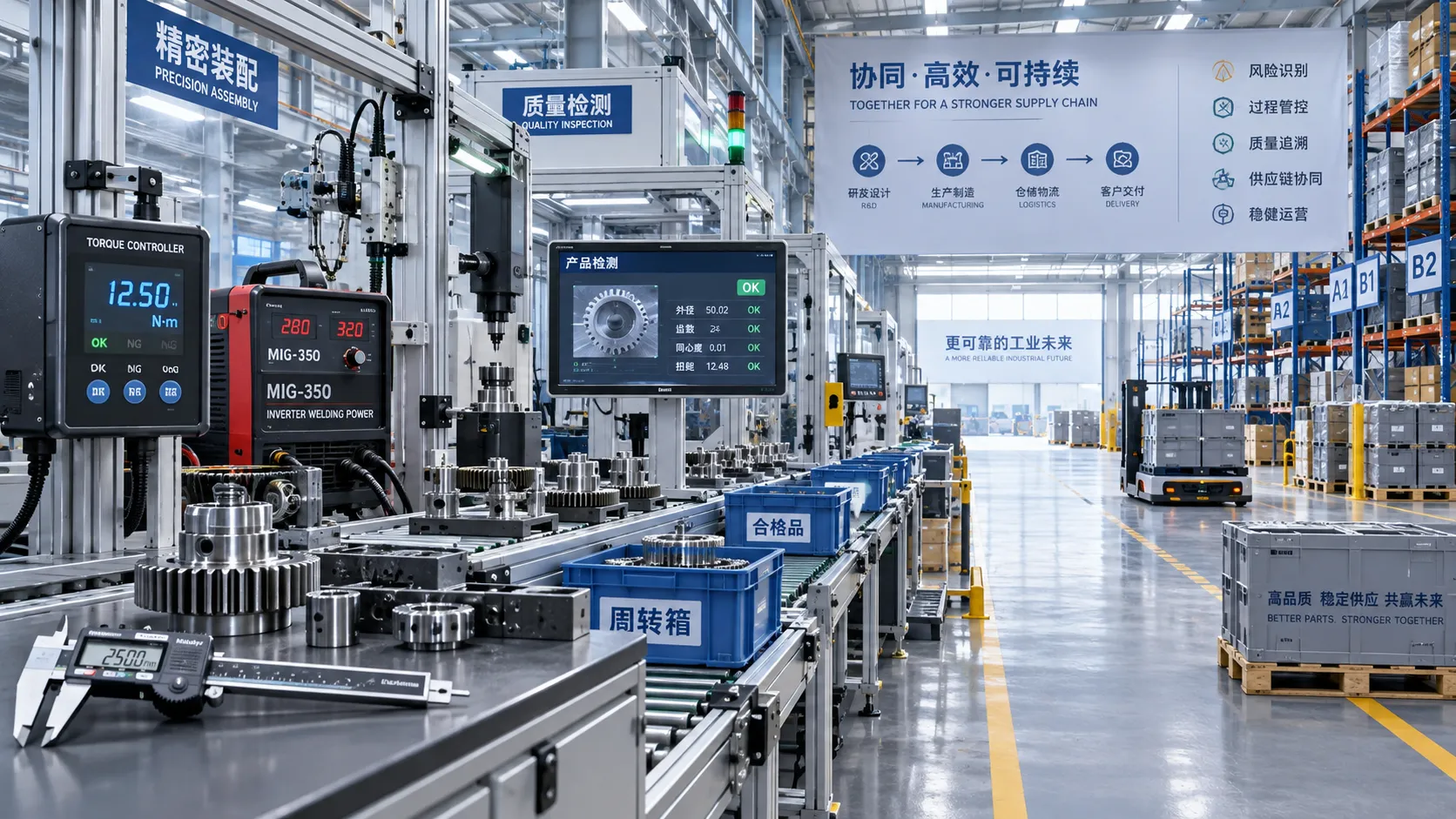
How Procurement Teams Can Map the Industrial Value Chain to Reduce Supply Risk
Industrial value chain procurement helps teams map hidden dependencies, qualify resilient sources, and reduce supply risk before disruptions stop production.

How Specification-Driven Articles Improve Precision Measurement System Selection
Specification-oriented articles precision measurement guidance helps teams compare accuracy, repeatability, environment, and data needs to select reliable systems with confidence.

How to Evaluate a Technology Integration Service Provider for Complex Projects
Technology integration service provider selection guide: evaluate interface ownership, delivery discipline, scalable architecture, and risk control for complex projects.
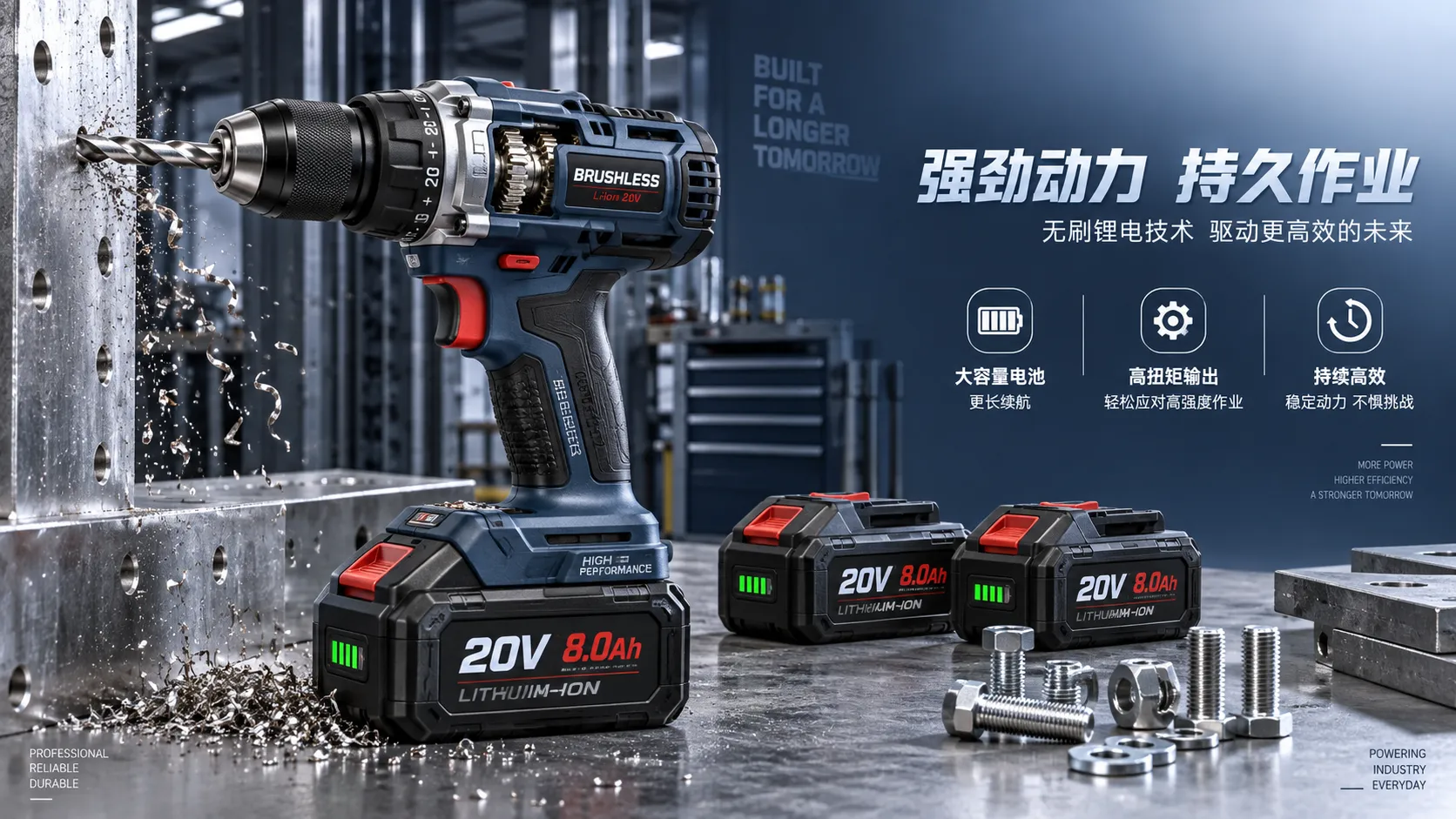
How Battery, Torque, and Duty Cycle Affect Cordless Power Tool Efficiency
Cordless power tool efficiency depends on battery output, torque, and duty cycle. Learn how to match tools to demanding jobs for stronger runtime and productivity.

Product Comparison Resources for Component Compatibility and Lifecycle Risk
Product comparison resources for components: evaluate compatibility, interfaces, service support, and lifecycle risk to reduce downtime, avoid redesigns, and make confident sourcing decisions.

How to Select Vernier Precision Calipers for Tight-Tolerance Machining Inspection
Vernier precision calipers for tight-tolerance machining: learn how to select the right range, jaw design, accuracy, and verification process for reliable inspection.
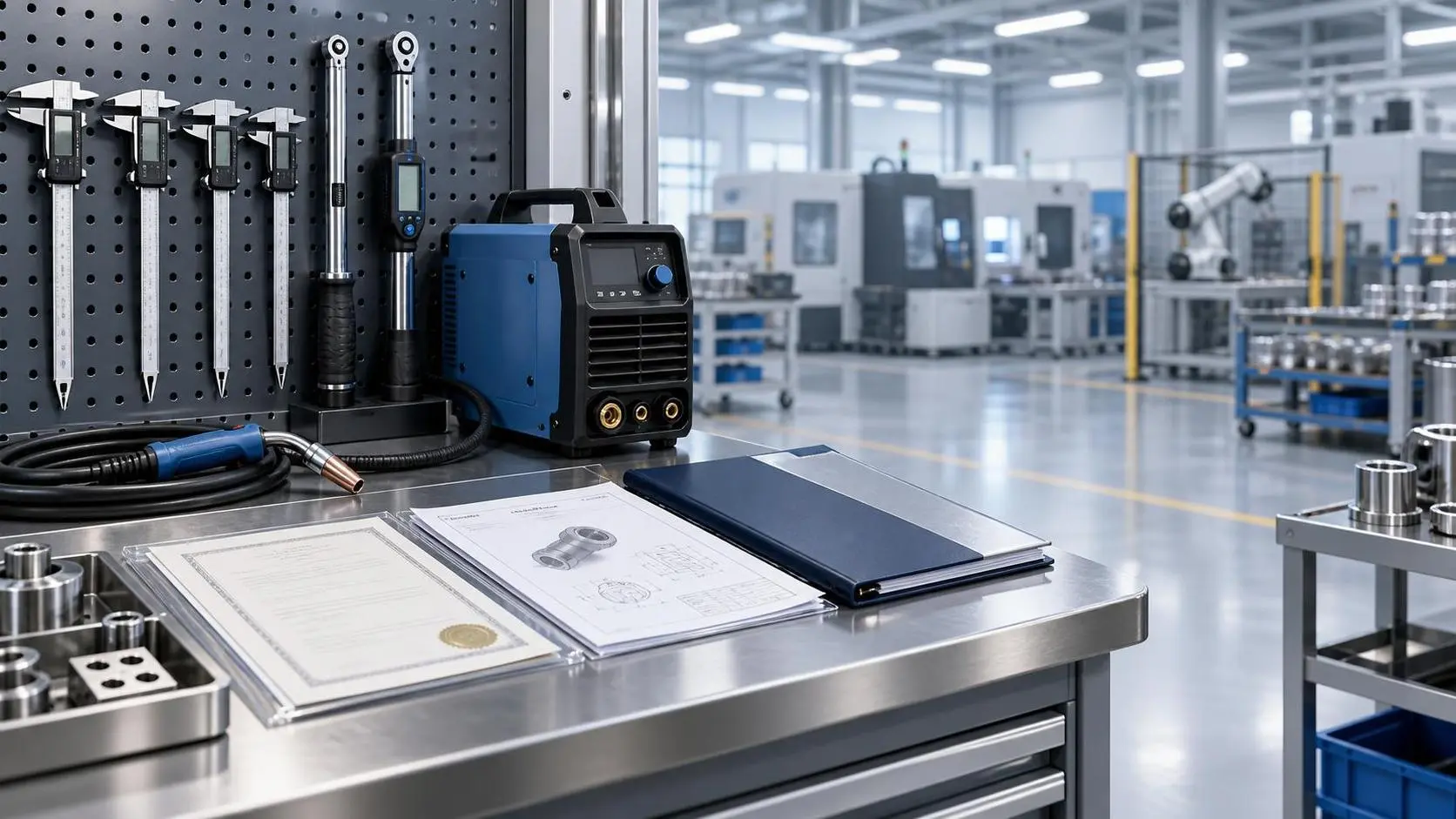
Product Comparison Resources in Europe: How Buyers Can Verify Specs and Suppliers
Product comparison resources Europe: learn how to verify industrial specs, compliance claims, supplier credibility, and delivery risk for smarter purchasing decisions.

How to Evaluate an Industrial Metrology Solution Manufacturer for Production Use
Industrial metrology solution manufacturer evaluation guide for production: compare accuracy, traceability, automation, software, service, and acceptance testing to reduce risk.

Which ISO Standards Matter Most for Precision Engineering Quality Control?
Precision engineering ISO standards explained: discover how ISO 9001, ISO/IEC 17025, ISO 10012, GPS, and ISO 3834 strengthen quality control, traceability, and compliance.
Related News
- 00
0000-00
How to Evaluate a Technology Integration Service Provider for Complex Projects - 00
0000-00
Product Comparison Resources in Europe: How Buyers Can Verify Specs and Suppliers - 00
0000-00
How to Evaluate an Industrial Metrology Solution Manufacturer for Production Use - 00
0000-00
How to Evaluate a Metal Joining Solutions Factory for Quality, Capacity, and Delivery Risk - 00
0000-00
How to Evaluate OEM Tool Solutions for Reliable Bulk Tool Orders
Dr. Alistair Vaughn
Weekly Insights
Stay ahead with our curated technology reports delivered every Monday.