
How to Choose Aerospace Tools: Key Tolerance, Material, and Certification Checks Before Buying





Why do aerospace tools require a stricter buying process?
Choosing aerospace tools is rarely a simple sourcing decision. In inspection, assembly, and maintenance work, the wrong tool can distort measurements, damage fasteners, or weaken traceability.
That is why tolerance, material integrity, and certification checks matter before any order is placed. A tool may look identical on paper, yet behave very differently under load, heat, vibration, or repeated sterilized storage.
In practical terms, aerospace tools sit at the intersection of quality control, operator safety, and regulatory discipline. Small deviations create larger consequences because aerospace assemblies allow little room for undocumented variation.
This is also where market intelligence becomes useful. Platforms such as GPTWM track metrology trends, export restrictions, and tooling evolution, helping buyers compare aerospace tools beyond catalog claims.
The better question is not only, “Will this tool work?” It is, “Will this tool remain accurate, certifiable, and controllable throughout its service life?”
When people compare aerospace tools, which checks should come first?
Most comparisons begin with price and lead time. That is understandable, but it is not the safest starting point.
A more reliable sequence is to screen aerospace tools through three filters: dimensional tolerance, material performance, and certification evidence. If one of these fails, the quoted savings usually disappear later.
The table below helps organize that first review.
This order keeps the evaluation practical. It prevents visually impressive aerospace tools from passing review without proving stable performance and document control.
How tight should tolerance really be before buying aerospace tools?
A common mistake is assuming tighter tolerance is always better. In reality, the right tolerance depends on the inspection task, part criticality, and calibration capability behind the tool.
For measuring aerospace tools, ask for more than a single accuracy number. Look for repeatability, measurement uncertainty, calibration method, and environmental sensitivity.
If a torque tool is involved, the useful question changes again. It is not just peak torque range. You also need to know torque retention, cycle stability, and how the tool behaves near the low end.
In actual operations, borderline tools create the most hidden cost. They may pass incoming checks, then drift during use and trigger disputes over whether the problem came from the part or the instrument.
A safer buying rule is to match tool capability to the process control requirement, not merely to the nominal dimension. That distinction separates compliant aerospace tools from merely usable ones.
- Request calibration records with date, method, and traceability route.
- Check whether tolerance claims apply across the full operating range.
- Verify performance after repeated cycles, not only at first use.
- Confirm whether software-enabled tools store tamper-resistant data.
Does material selection matter if the aerospace tool already meets the drawing?
Yes, and often more than expected. Conformance to drawing dimensions does not guarantee long-term behavior in aerospace maintenance or assembly environments.
Material choice affects wear resistance, corrosion response, spark risk, cleaning compatibility, and debris generation. These are not cosmetic details. They influence service life and contamination control.
For example, hardened alloy steels may perform well under repeated torque loads, while certain stainless grades are preferred where corrosion exposure or cleaning protocols are strict. Coatings also deserve attention.
Some coatings improve grip and rust protection. Others chip under repeated impact and become foreign object debris hazards. With aerospace tools, surface treatment should support the application, not just appearance.
A practical review usually includes these questions.
- Is the base material identified by grade, not only by generic name?
- Is hardness balanced with toughness for the intended load cycles?
- Can the finish withstand solvents, humidity, and handling frequency?
- Is there any risk of galvanic interaction or surface transfer?
GPTWM often highlights this broader context through precision metrology and industrial tool intelligence. Material decisions make more sense when viewed alongside maintenance conditions, export limitations, and evolving safety standards.
Which certifications and documents actually prove aerospace tools are dependable?
This is where many buying reviews become too superficial. A certificate alone is not the goal. The real issue is whether the paperwork supports traceability, repeatability, and audit readiness.
Dependable aerospace tools should come with documentation that can be checked, filed, and linked to the internal control process. Missing details usually show up during audits, failure reviews, or customer investigations.
Useful evidence may include calibration certificates traceable to recognized standards, certificates of conformity, material test reports, serial number control, and maintenance recommendations tied to operating intervals.
Depending on application, buyers may also review references to AS9100-aligned practices, ISO 17025 calibration competence, or specific torque and measurement standards relevant to the task.
More important than collecting papers is checking whether the documents answer the right questions.
If aerospace tools enter regulated environments, incomplete paperwork should be treated as a technical risk, not just an administrative inconvenience.
What buying mistakes create the biggest safety and compliance problems later?
The biggest problems usually come from assumptions. A tool is approved because the brand is familiar, the quote is fast, or the specification looks close enough.
With aerospace tools, “close enough” is often where control weakens. The error may not appear during receiving inspection. It surfaces later during calibration drift, field use, or document review.
Several mistakes appear repeatedly across industrial assembly and aerospace maintenance programs.
- Accepting nominal accuracy without reviewing uncertainty and repeatability.
- Ignoring material and coating behavior in cleaning or corrosive environments.
- Treating certificates as formalities instead of traceability evidence.
- Overlooking ergonomic fit for confined access or repetitive use.
- Choosing aerospace tools without a re-calibration or replacement plan.
A more mature buying process also considers supply continuity. Raw material volatility and export control changes can affect future consistency, even when the first batch performs well.
That broader market view is one reason industry intelligence portals matter. They help connect technical review with sourcing resilience, which is increasingly necessary for critical aerospace tools.
How can you build a practical decision standard before placing the order?
A workable standard does not need to be complicated. It needs to be repeatable.
Start by defining the use case clearly. Separate measuring, fastening, cutting, holding, and inspection tasks because each category carries different tolerance and documentation expectations.
Then build a short approval checklist around operational risk. This keeps aerospace tools from being evaluated only on commercial terms.
- Identify the exact function, access limits, and environmental exposure.
- Define minimum tolerance and calibration evidence required.
- Set acceptable material grades and finish restrictions.
- List mandatory certificates, traceability fields, and document owners.
- Plan incoming verification, recalibration interval, and retirement criteria.
This approach turns buying into a controlled process rather than a reactive one. It also makes supplier comparison fairer because every aerospace tool is judged against the same technical baseline.
If the shortlist is still unclear, compare suppliers through independent technical intelligence, metrology references, and documented field performance. That is often more useful than adding more sales literature.
In the end, the strongest decisions usually come from combining application data, certification discipline, and market awareness. Review the task, test the claims, and standardize the checks before the purchase is released.
Related News

How Procurement Teams Can Map the Industrial Value Chain to Reduce Supply Risk
Industrial value chain procurement helps teams map hidden dependencies, qualify resilient sources, and reduce supply risk before disruptions stop production.

How Specification-Driven Articles Improve Precision Measurement System Selection
Specification-oriented articles precision measurement guidance helps teams compare accuracy, repeatability, environment, and data needs to select reliable systems with confidence.

How to Evaluate a Technology Integration Service Provider for Complex Projects
Technology integration service provider selection guide: evaluate interface ownership, delivery discipline, scalable architecture, and risk control for complex projects.
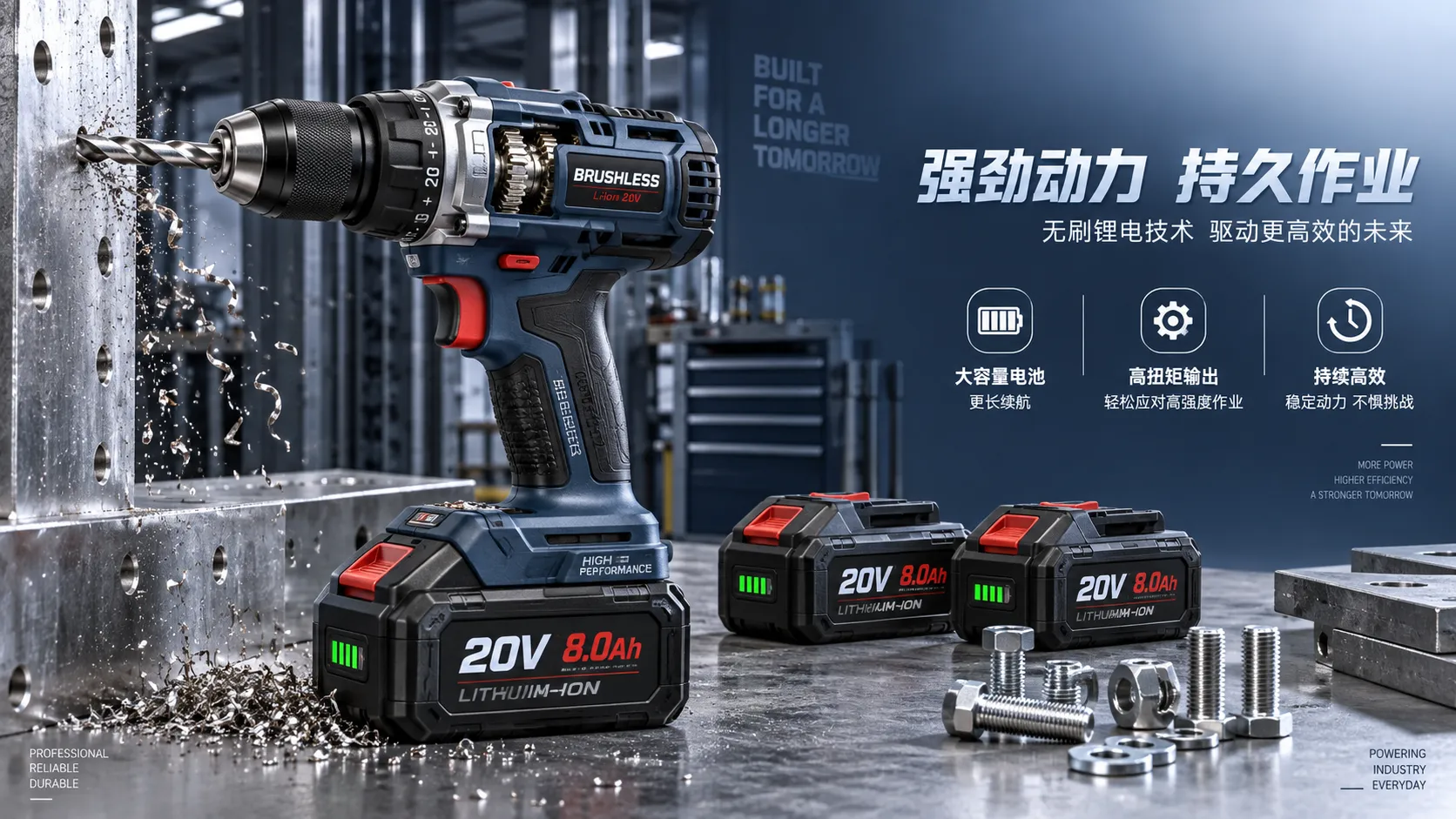
How Battery, Torque, and Duty Cycle Affect Cordless Power Tool Efficiency
Cordless power tool efficiency depends on battery output, torque, and duty cycle. Learn how to match tools to demanding jobs for stronger runtime and productivity.

Product Comparison Resources for Component Compatibility and Lifecycle Risk
Product comparison resources for components: evaluate compatibility, interfaces, service support, and lifecycle risk to reduce downtime, avoid redesigns, and make confident sourcing decisions.
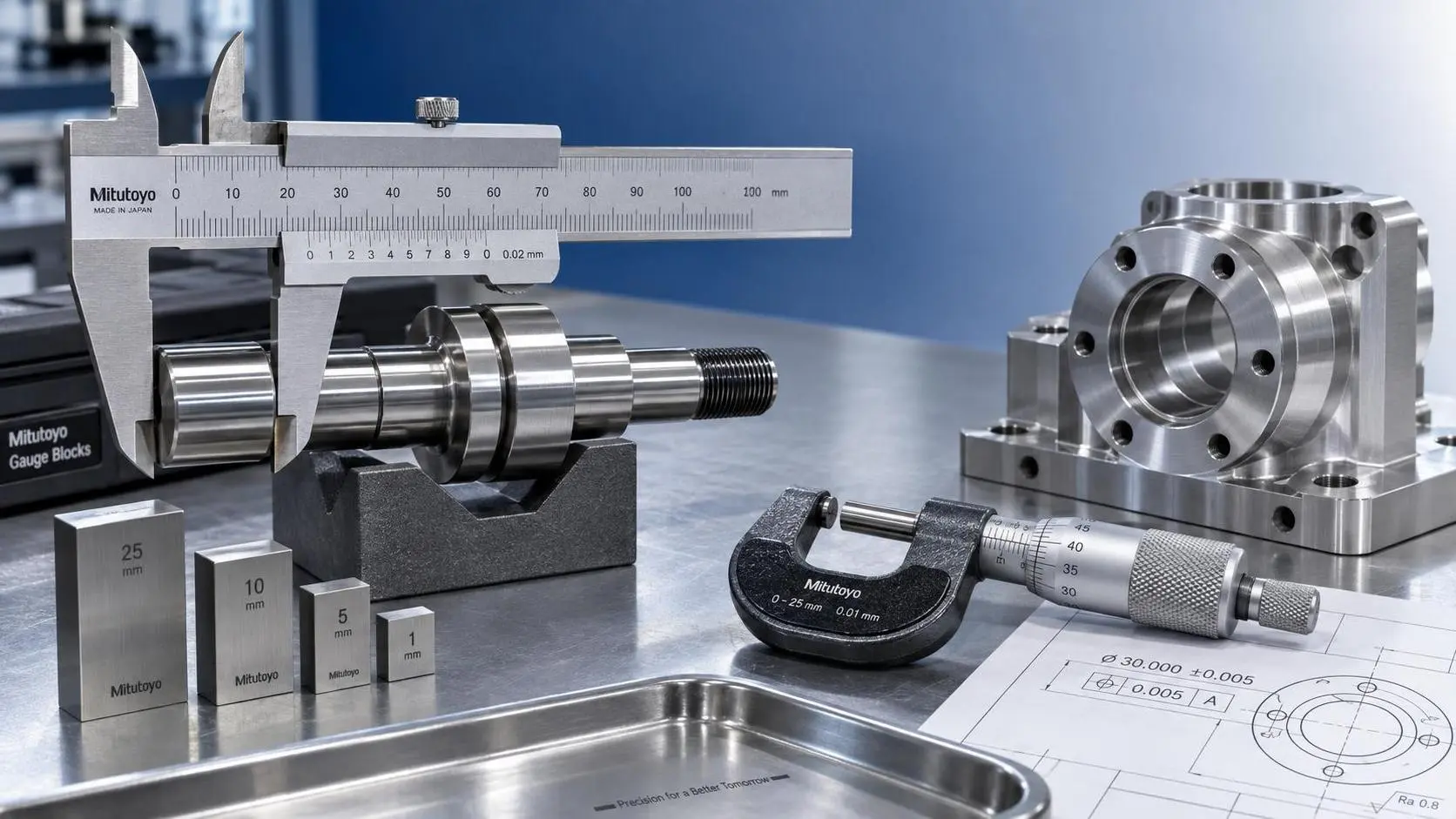
How to Select Vernier Precision Calipers for Tight-Tolerance Machining Inspection
Vernier precision calipers for tight-tolerance machining: learn how to select the right range, jaw design, accuracy, and verification process for reliable inspection.

Product Comparison Resources in Europe: How Buyers Can Verify Specs and Suppliers
Product comparison resources Europe: learn how to verify industrial specs, compliance claims, supplier credibility, and delivery risk for smarter purchasing decisions.

How to Evaluate an Industrial Metrology Solution Manufacturer for Production Use
Industrial metrology solution manufacturer evaluation guide for production: compare accuracy, traceability, automation, software, service, and acceptance testing to reduce risk.

Which ISO Standards Matter Most for Precision Engineering Quality Control?
Precision engineering ISO standards explained: discover how ISO 9001, ISO/IEC 17025, ISO 10012, GPS, and ISO 3834 strengthen quality control, traceability, and compliance.
Related News
- 00
0000-00
How to Evaluate a Technology Integration Service Provider for Complex Projects - 00
0000-00
Product Comparison Resources in Europe: How Buyers Can Verify Specs and Suppliers - 00
0000-00
How to Evaluate an Industrial Metrology Solution Manufacturer for Production Use - 00
0000-00
How to Evaluate a Metal Joining Solutions Factory for Quality, Capacity, and Delivery Risk - 00
0000-00
How to Evaluate OEM Tool Solutions for Reliable Bulk Tool Orders
Dr. Alistair Vaughn
Weekly Insights
Stay ahead with our curated technology reports delivered every Monday.