
Tool Design vs Off-the-Shelf Tools: Which Option Makes Better Procurement Sense?





Tool Design vs Off-the-Shelf Tools: where does the real procurement value sit?
The choice is rarely about catalog price alone.
In industrial sourcing, tool design can improve fit, safety, and output, while standard tools often win on speed and purchasing simplicity.
That balance matters across assembly, welding, maintenance, metrology, and repair operations.
A rushed decision may create hidden costs in downtime, rework, operator fatigue, spare parts, or compliance gaps.
A more practical question is this: when does custom tool design create measurable value, and when do off-the-shelf tools make better procurement sense?
That is also the kind of issue tracked closely by GPTWM, where market signals, safety shifts, and precision tool trends are read through operational impact rather than marketing noise.
What does tool design really mean in purchasing decisions?
Tool design does not always mean inventing a completely new product.
In many cases, it means adapting geometry, torque range, grip, fixture points, measurement tolerance, or safety shielding for a defined task.
That distinction matters because the procurement logic changes with the level of customization.
A minor ergonomic revision is very different from a fully engineered welding or metrology solution.
Off-the-shelf tools, by contrast, are standardized products with known specifications, stock availability, and documented service routines.
They reduce sourcing friction, especially when the application is stable and widely understood.
In actual operations, the strongest reason to consider tool design is not novelty.
It is mismatch.
If a standard tool creates repeat handling issues, excessive wear, inconsistent weld quality, or measurement drift, custom design starts to look less like a premium option and more like a control measure.
When does custom tool design make better sense than a standard tool?
Custom tool design usually makes sense when the task is repetitive, high-volume, safety-sensitive, or technically constrained.
The more often a process repeats, the more a small efficiency gain compounds.
That is especially true in precision assembly, metal joining, inspection stations, and field maintenance with tight tolerances.
- Parts have unusual dimensions or limited access points.
- Standard tools cause frequent rework or operator workarounds.
- Compliance requires traceability, guarding, or controlled force output.
- Cycle time pressure is high enough to justify engineering investment.
- Damage risk to finished components is expensive.
Consider handheld welding support equipment as one example.
As safety expectations rise, standard accessories may not fully address shielding, cable routing, or operator posture.
A tailored tool design can improve safety and consistency at the same time.
GPTWM often highlights similar patterns in markets where new standards or raw material shifts change the cost logic behind industrial tools.
Why do off-the-shelf tools still win in many industrial settings?
Because speed, predictability, and service access are powerful advantages.
An off-the-shelf tool is often the smarter choice when demand is variable, installation is simple, and replacement speed matters more than optimization.
This happens often in general maintenance, distributed repair networks, temporary capacity expansion, and multi-site operations.
Another advantage is specification transparency.
Standard tools typically come with tested performance data, user documentation, and known spare part channels.
That reduces qualification effort.
It also helps when export restrictions, logistics delays, or raw material volatility make long development cycles harder to justify.
In simple terms, off-the-shelf tools are usually better when the problem is common and the operating environment is forgiving.
If a standard tool already meets tolerance, duty cycle, and safety expectations, extra design work may only add cost and approval time.
How should cost, lead time, and ROI be compared without missing hidden risks?
This is where many evaluations become too narrow.
Upfront tool price is visible, but process cost is where the bigger story sits.
A custom tool design may cost more at the start, yet lower scrap, shorten setup, or extend component life.
A standard tool may look cheaper, but repeated adjustments and performance losses can erase that advantage.
A useful comparison table helps separate quick assumptions from operational reality.
A fair ROI review should include at least six items.
- Engineering and validation cost.
- Procurement and logistics lead time.
- Operator training effort.
- Maintenance parts availability.
- Failure consequences in production.
- Expected change rate of the process itself.
What common mistakes appear when evaluating tool design options?
One frequent mistake is treating custom tool design as automatically expensive and standard tools as automatically economical.
That shortcut ignores usage intensity.
A second mistake is forgetting lifecycle support.
A brilliant design loses value if spare parts, calibration routines, or repair documentation are weak.
There is also a planning error that shows up in precision applications.
Some teams approve a tool based on nominal specification, then discover that actual work conditions involve vibration, heat, dust, awkward reach, or mixed materials.
That is exactly where tool design can solve a practical problem that a catalog sheet does not reveal.
Another weak spot is ignoring future regulation or export constraints.
GPTWM’s intelligence perspective is useful here because procurement choices increasingly sit inside a wider map of standards, safety adoption, motor efficiency limits, and digital torque control expectations.
The tool itself may be small, but its compliance context is not.
So how can the final choice be made with more confidence?
A confident decision usually comes from matching tool strategy to process stability.
If the job is mature, repeatable, and costly when errors occur, tool design deserves serious review.
If the job changes often or the use case is broad, off-the-shelf tools may protect flexibility better.
Before deciding, it helps to answer a short set of practical questions.
- Is the current tool failing because of fit, durability, or misuse?
- Will process volume remain stable long enough to recover design cost?
- Are safety, ergonomics, or traceability becoming stricter?
- Can support teams maintain a tailored solution over time?
- Would a modified standard tool solve most of the gap?
That last point is often overlooked.
The best procurement sense is not always full custom versus full standard.
Sometimes the smartest route is partial tool design built on a proven standard platform.
That approach can shorten lead time while still improving task fit.
In the end, better sourcing decisions come from linking technical detail with market intelligence, operating conditions, and lifecycle discipline.
A careful review of process pain points, compliance needs, service capacity, and long-term ROI will usually show whether tool design is a strategic asset or whether an off-the-shelf tool is already the better answer.
Related News
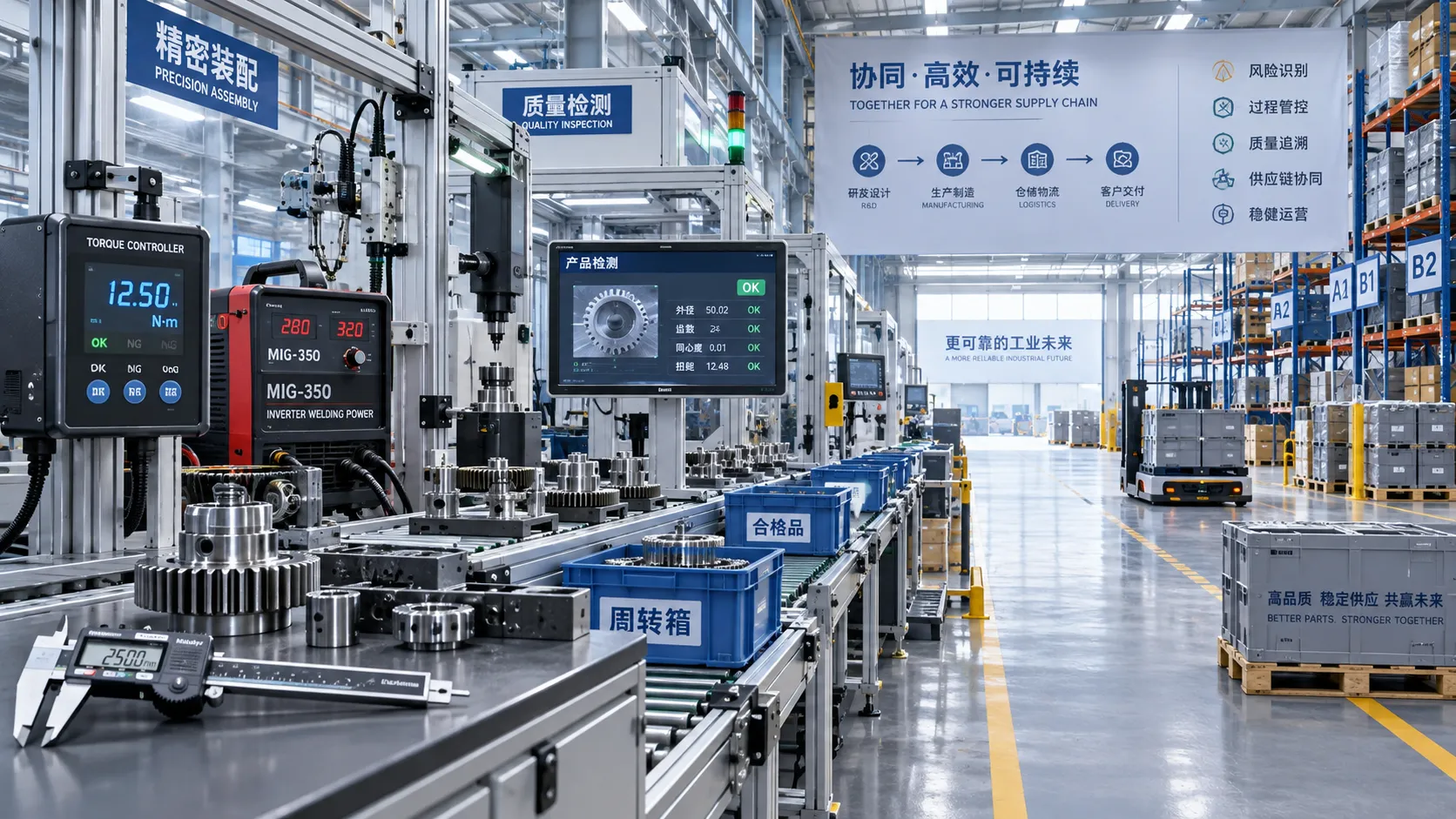
How Procurement Teams Can Map the Industrial Value Chain to Reduce Supply Risk
Industrial value chain procurement helps teams map hidden dependencies, qualify resilient sources, and reduce supply risk before disruptions stop production.

How Specification-Driven Articles Improve Precision Measurement System Selection
Specification-oriented articles precision measurement guidance helps teams compare accuracy, repeatability, environment, and data needs to select reliable systems with confidence.

How to Evaluate a Technology Integration Service Provider for Complex Projects
Technology integration service provider selection guide: evaluate interface ownership, delivery discipline, scalable architecture, and risk control for complex projects.
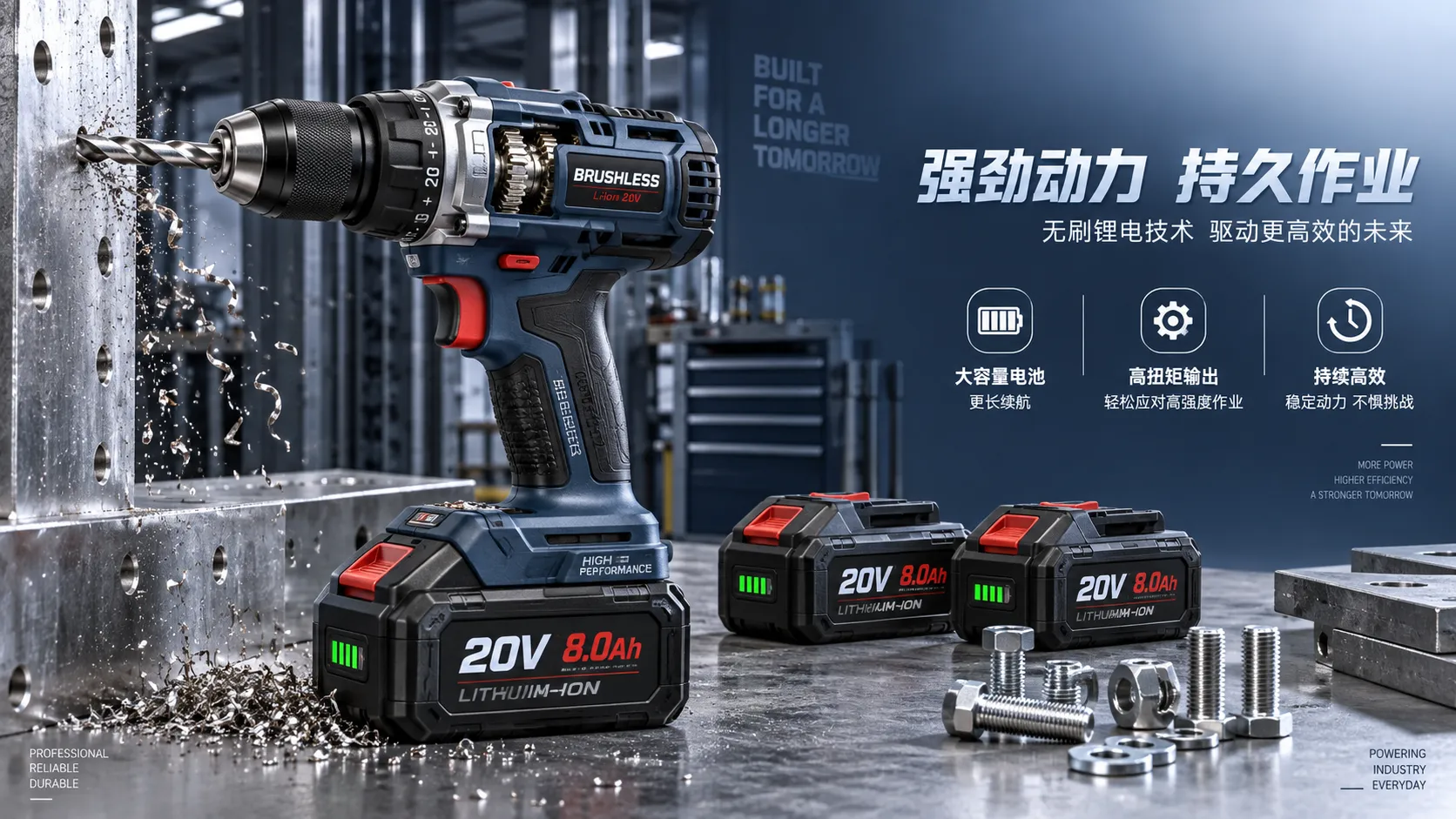
How Battery, Torque, and Duty Cycle Affect Cordless Power Tool Efficiency
Cordless power tool efficiency depends on battery output, torque, and duty cycle. Learn how to match tools to demanding jobs for stronger runtime and productivity.
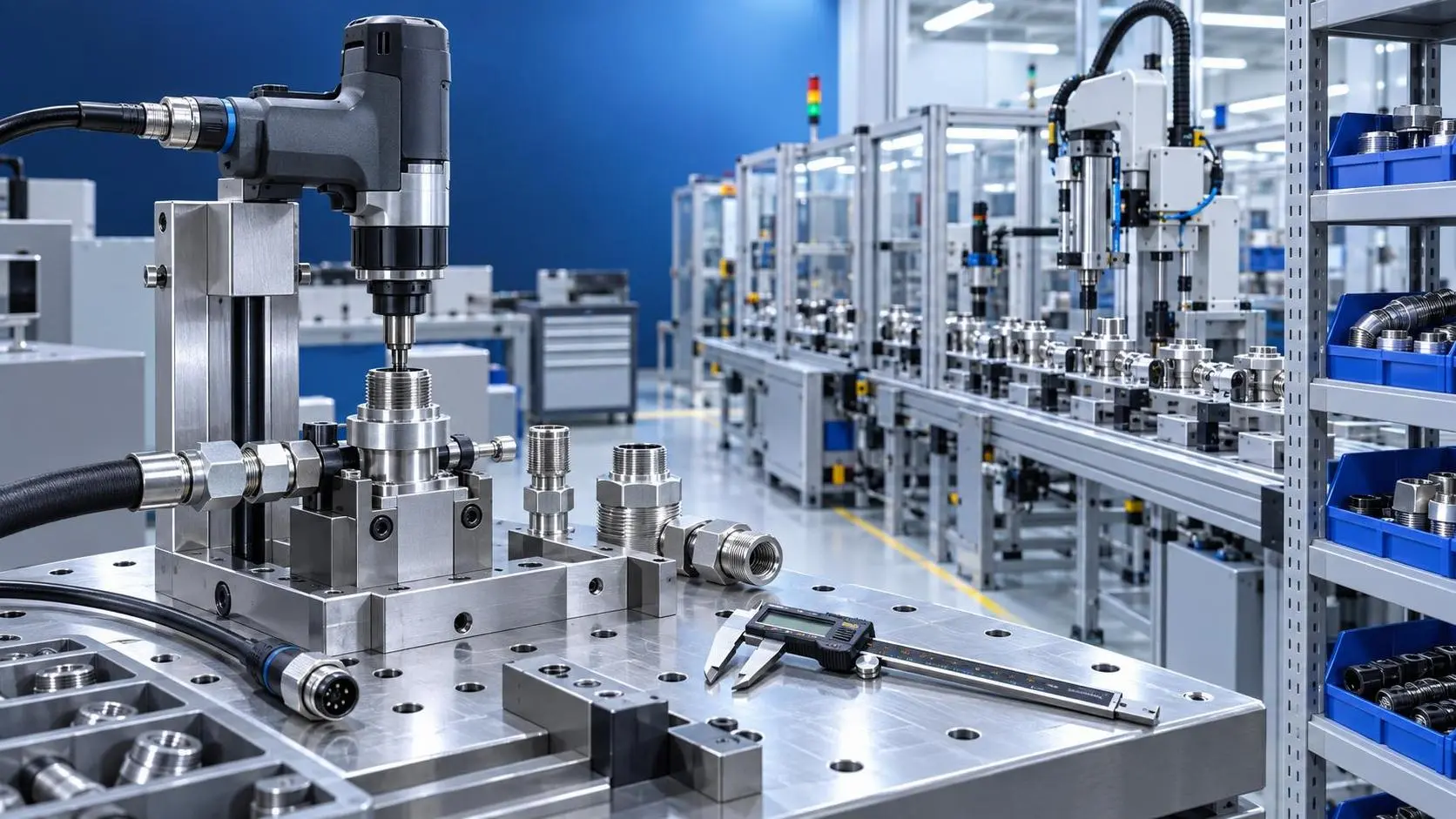
Product Comparison Resources for Component Compatibility and Lifecycle Risk
Product comparison resources for components: evaluate compatibility, interfaces, service support, and lifecycle risk to reduce downtime, avoid redesigns, and make confident sourcing decisions.
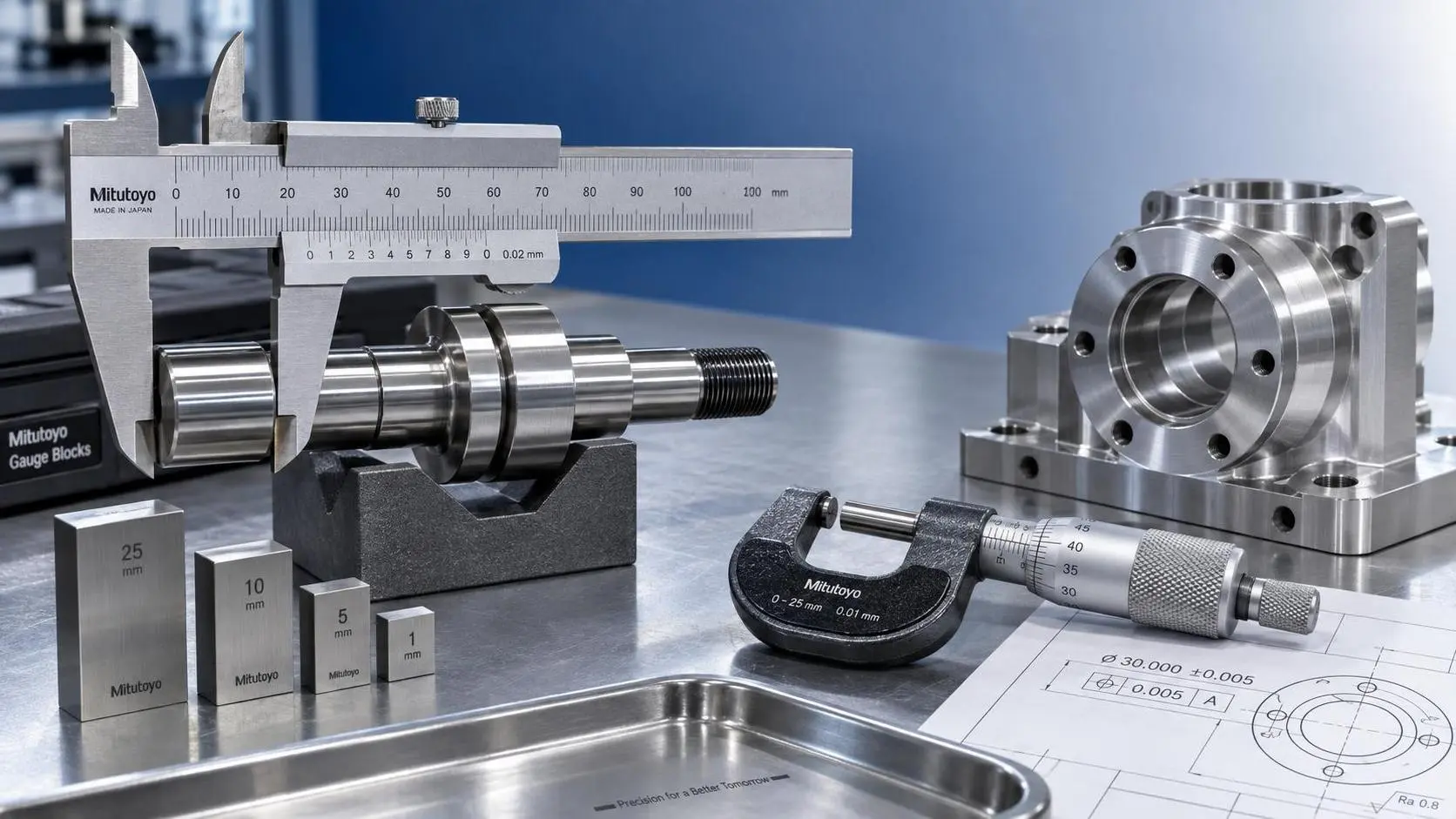
How to Select Vernier Precision Calipers for Tight-Tolerance Machining Inspection
Vernier precision calipers for tight-tolerance machining: learn how to select the right range, jaw design, accuracy, and verification process for reliable inspection.
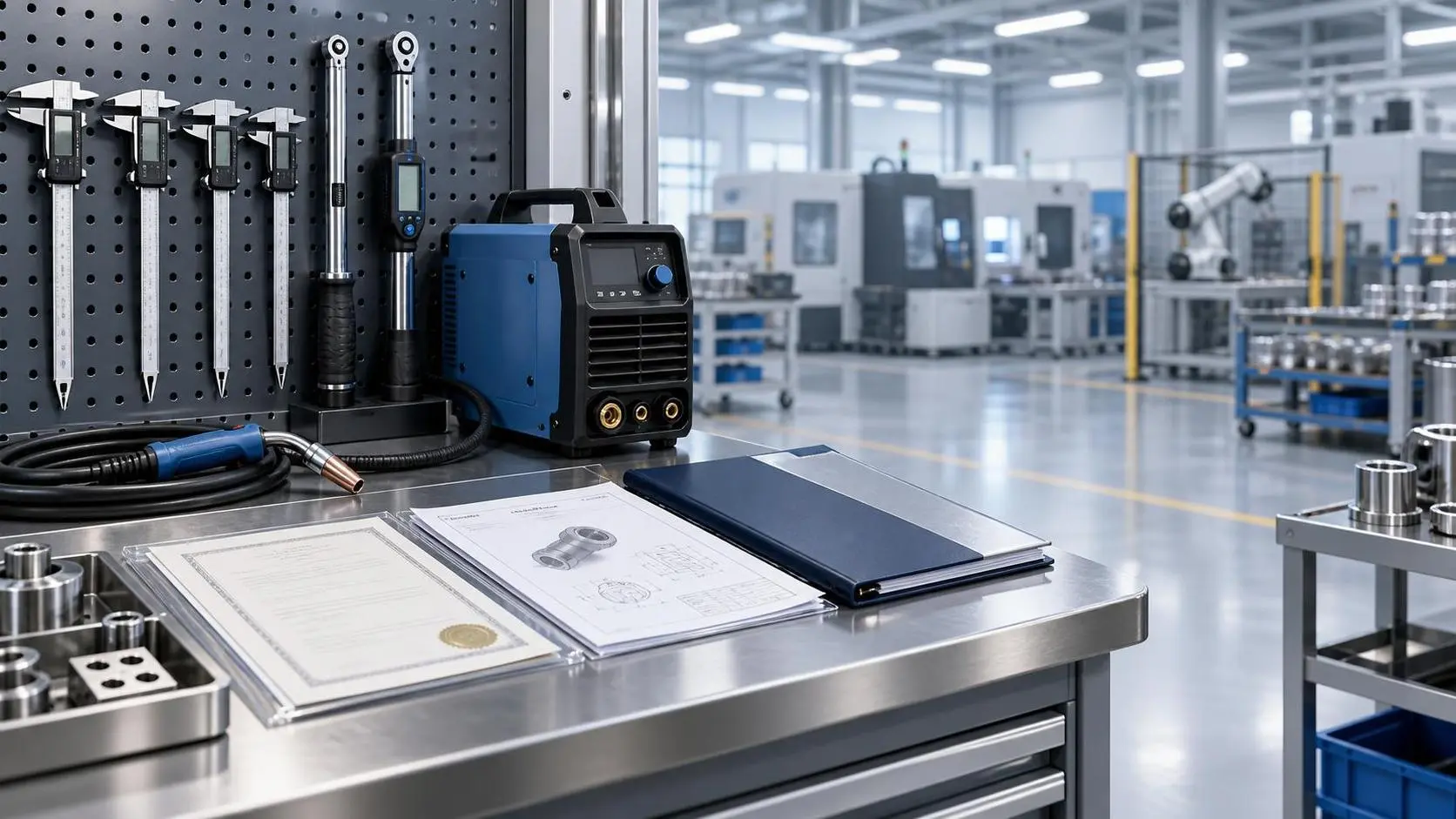
Product Comparison Resources in Europe: How Buyers Can Verify Specs and Suppliers
Product comparison resources Europe: learn how to verify industrial specs, compliance claims, supplier credibility, and delivery risk for smarter purchasing decisions.

How to Evaluate an Industrial Metrology Solution Manufacturer for Production Use
Industrial metrology solution manufacturer evaluation guide for production: compare accuracy, traceability, automation, software, service, and acceptance testing to reduce risk.
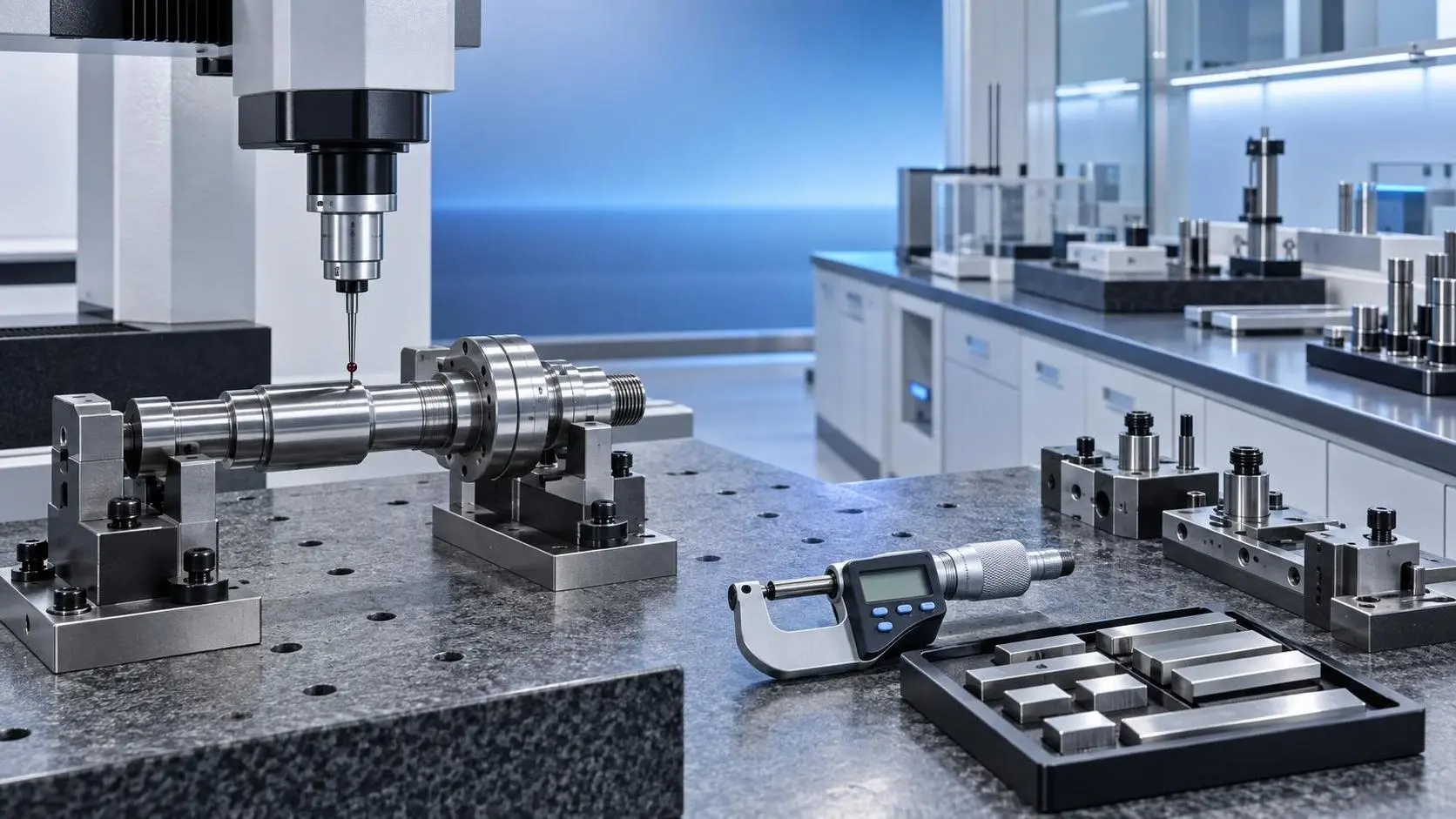
Which ISO Standards Matter Most for Precision Engineering Quality Control?
Precision engineering ISO standards explained: discover how ISO 9001, ISO/IEC 17025, ISO 10012, GPS, and ISO 3834 strengthen quality control, traceability, and compliance.
Related News
- 00
0000-00
How to Evaluate a Technology Integration Service Provider for Complex Projects - 00
0000-00
Product Comparison Resources in Europe: How Buyers Can Verify Specs and Suppliers - 00
0000-00
How to Evaluate an Industrial Metrology Solution Manufacturer for Production Use - 00
0000-00
How to Evaluate a Metal Joining Solutions Factory for Quality, Capacity, and Delivery Risk - 00
0000-00
How to Evaluate OEM Tool Solutions for Reliable Bulk Tool Orders
Dr. Alistair Vaughn
Weekly Insights
Stay ahead with our curated technology reports delivered every Monday.