
Metal Fabrication Supplier Evaluation: 8 Checks Before Requesting a Quote





Metal Fabrication Supplier Evaluation: 8 Checks Before Requesting a Quote
Choosing the right metal fabrication supplier can shape cost, quality, lead time, and long-term supply stability.
A low quote may look attractive at first.
But if capability, communication, or process control is weak, total cost rises fast.
That is why smart metal fabrication sourcing starts before the RFQ goes out.
At GPTWM, we track how industrial buyers compare suppliers across welding, forming, machining, and inspection workflows.
The strongest decisions usually come from a simple rule.
Evaluate the supplier first, then evaluate the quote.
The eight checks below help screen metal fabrication partners before pricing discussions begin.
They also make quote comparison more meaningful, especially when cost pressure is high.
1. Confirm Core Metal Fabrication Capability
Start with the most basic question.
Can the supplier actually produce the parts you need, at the volume and tolerance you require?
Many suppliers say they provide metal fabrication.
In practice, their strengths may be limited to sheet cutting, light welding, or simple brackets.
Review their real process range.
- Laser cutting, punching, bending, rolling, and stamping
- MIG, TIG, spot welding, and robotic welding
- Machining, tapping, countersinking, and assembly
- Surface finishing, coating, plating, and deburring
Ask for similar project examples, not just a broad equipment list.
A capable metal fabrication supplier should explain process limits clearly, including material thickness, part size, and tolerance range.
2. Check Material Sourcing and Grade Control
Material cost often drives the quote.
It also drives quality risk.
In metal fabrication, inconsistent material grades can lead to failed welds, poor finish quality, or dimensional instability.
Ask where the supplier buys steel, stainless steel, aluminum, or specialty alloys.
Then ask how they verify heat numbers, mill certificates, and traceability.
This matters even more when sourcing for regulated sectors or export markets.
A reliable metal fabrication supplier should define substitution rules in advance.
If they swap materials without formal approval, your quote may be cheaper, but your downstream risk becomes far more expensive.
3. Review Tolerance Control and Inspection Discipline
A quote without inspection discipline behind it is only a guess.
This is especially true for repeat metal fabrication programs.
Look beyond general quality claims.
Check whether the supplier uses calibrated measuring tools, in-process checks, first article inspection, and final dimensional reports.
For tighter parts, ask about CMM access, weld gauge control, and fixture repeatability.
Useful questions include:
- How are critical dimensions identified?
- What is checked during setup and production?
- How are nonconforming parts isolated and documented?
- Can inspection data be shared with shipments?
Good metal fabrication sourcing depends on measurable process control, not verbal assurance.
4. Assess Welding Standards and Operator Qualification
In many metal fabrication projects, welding quality determines field performance.
It also affects rework, appearance, safety, and service life.
Ask whether welders are qualified for the relevant process and material group.
Check if welding procedures are documented and repeatable.
This becomes critical for structural frames, pressure-related parts, and cosmetic stainless assemblies.
A professional metal fabrication supplier should explain fit-up control, distortion management, and post-weld finishing steps.
If they cannot describe how they prevent weld variation, quote accuracy is already in doubt.
5. Verify Capacity, Lead Time, and Bottleneck Risk
Lead time promises sound good during supplier onboarding.
The real test comes when demand spikes.
Ask how much capacity is actually available for your mix of parts.
A shop may own advanced machines but still rely on one overloaded brake press, one key welder, or one outside finisher.
That is where hidden schedule risk usually sits.
Review these points before requesting a metal fabrication quote:
- Current utilization by process
- Typical queue time for each work center
- Shift pattern and overtime flexibility
- Backup plans for equipment failure
- Dependency on subcontracted finishing or machining
When evaluating metal fabrication suppliers, delivery confidence matters as much as piece price.
6. Examine Cost Structure, Not Just Unit Price
A smart buyer does not compare quotes line by line only.
The better approach is to understand what the price includes and what it ignores.
In metal fabrication, major cost drivers often include material yield, setup time, weld labor, tooling, scrap rate, and secondary finishing.
Ask for quote assumptions in writing.
That may include:
- Material grade and thickness basis
- MOQ and batch size assumptions
- Tooling charges and amortization logic
- Packaging, labeling, and freight terms
- Inspection documentation and rework responsibility
This makes apples-to-apples comparison possible.
It also helps identify whether a low metal fabrication quote is truly efficient or simply incomplete.
7. Test Engineering Support and Communication Speed
Supplier performance is not only about machines.
It is also about response quality.
Before RFQ release, send a few practical questions about drawings, tolerances, weld symbols, finish requirements, or packaging details.
Then watch how the supplier responds.
Fast replies matter, but clear replies matter more.
A good metal fabrication partner will flag design risks, suggest cost-saving changes, and confirm missing information early.
That kind of communication reduces revision cycles and improves quote reliability from the start.
8. Review Supply Stability and Long-Term Fit
A supplier may be suitable for a trial order but weak for a long program.
This is where long-term fit becomes important.
Check financial stability, export experience, and customer concentration risk.
Also review whether the supplier invests in maintenance, training, safety, and process improvement.
From a procurement perspective, stable metal fabrication supply supports better forecasting, fewer disruptions, and stronger annual cost planning.
From a strategic perspective, it creates room for design optimization and supplier development.
The best metal fabrication supplier is not always the cheapest first option, but often the lowest-risk long-term choice.
A Simple Pre-RFQ Evaluation Framework
To make supplier comparison easier, use a short scoring model before requesting pricing.
Even a simple scorecard can improve metal fabrication sourcing discipline.
More importantly, it keeps quote decisions tied to operational reality.
Final Takeaway
A metal fabrication quote should be the result of supplier evaluation, not the starting point.
When these eight checks are done first, supplier comparison becomes clearer and negotiation becomes smarter.
This approach helps reduce sourcing risk, control total cost, and support better delivery performance.
In real purchasing decisions, that is what strong metal fabrication sourcing is supposed to do.
Before the next RFQ round, turn these checks into a short supplier review sheet and use it consistently across every metal fabrication candidate.
Related News
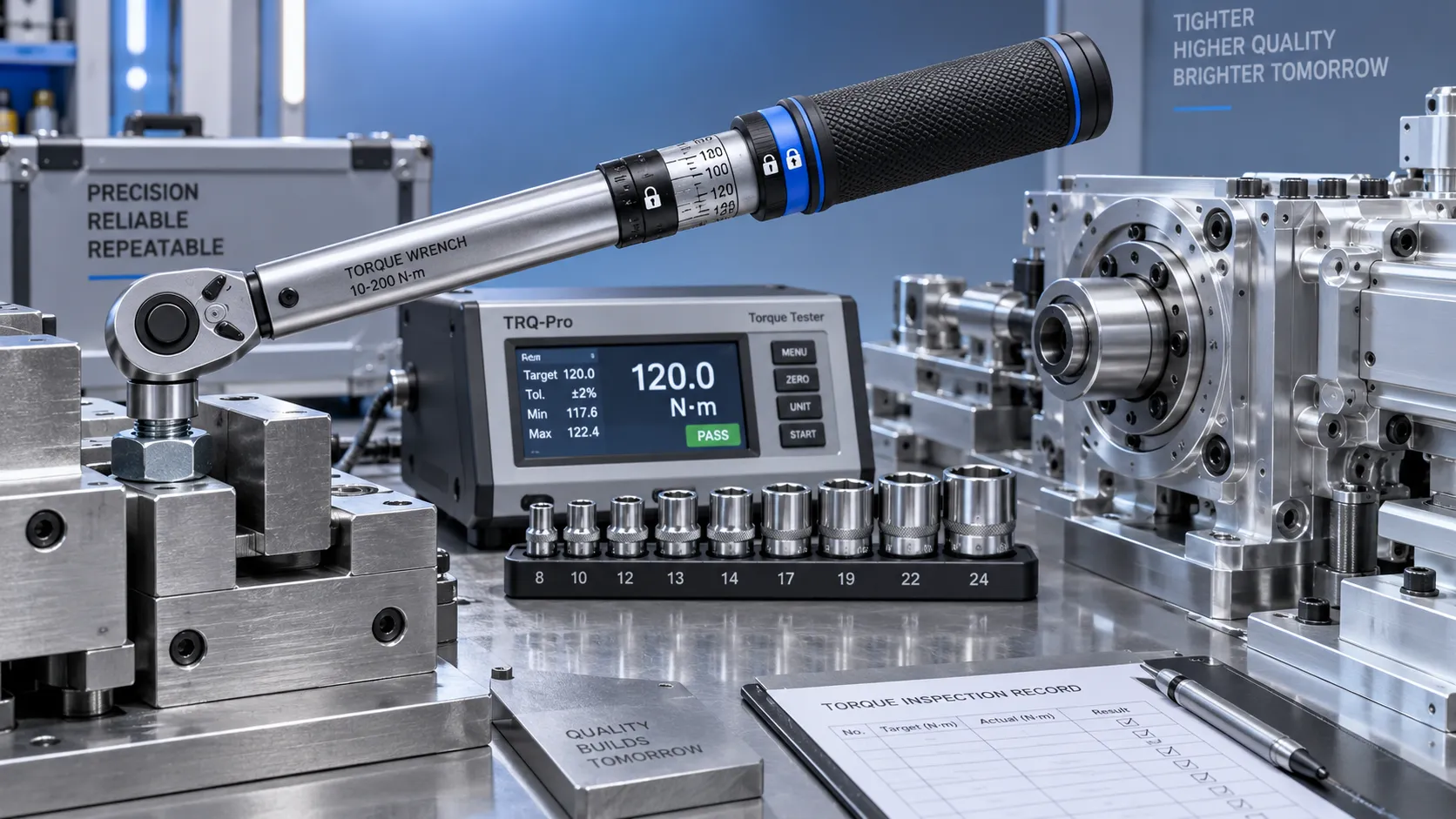
Selecting Adjustable Torque Tools for Repeatable Fastener Assembly
Adjustable torque tools: learn how to match range, accuracy, control methods, calibration, and ergonomics for repeatable, reliable fastener assembly.

How to Select Aerospace Inspection Tools for Aircraft Maintenance Tasks
Aerospace maintenance inspection tools: learn how to select reliable, traceable equipment for aircraft access, accuracy, calibration, and compliant maintenance decisions.

How to Select Wire Bonding Tools for Fine-Pitch Semiconductor Packaging
Explore semiconductor manufacturing tools for wire bonding and learn how to select precision solutions for fine-pitch packaging, reliable loops, accuracy, and yield.
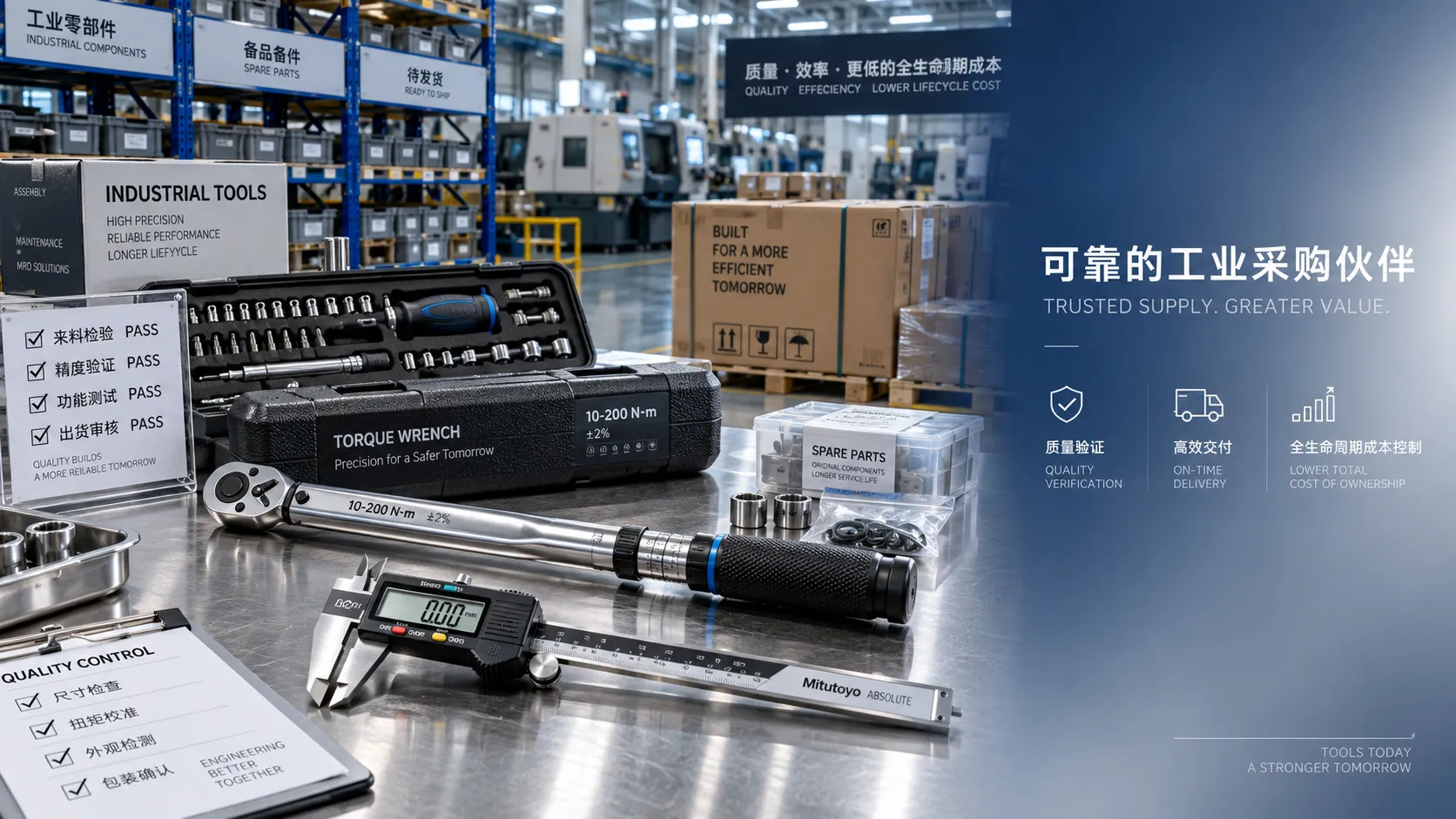
How to Compare Industrial Tool Suppliers for Quality, Lead Time, and Total Cost
Industrial tool selection supplier comparison made simple: evaluate quality, lead times, total cost, service, and supply resilience for confident sourcing decisions.
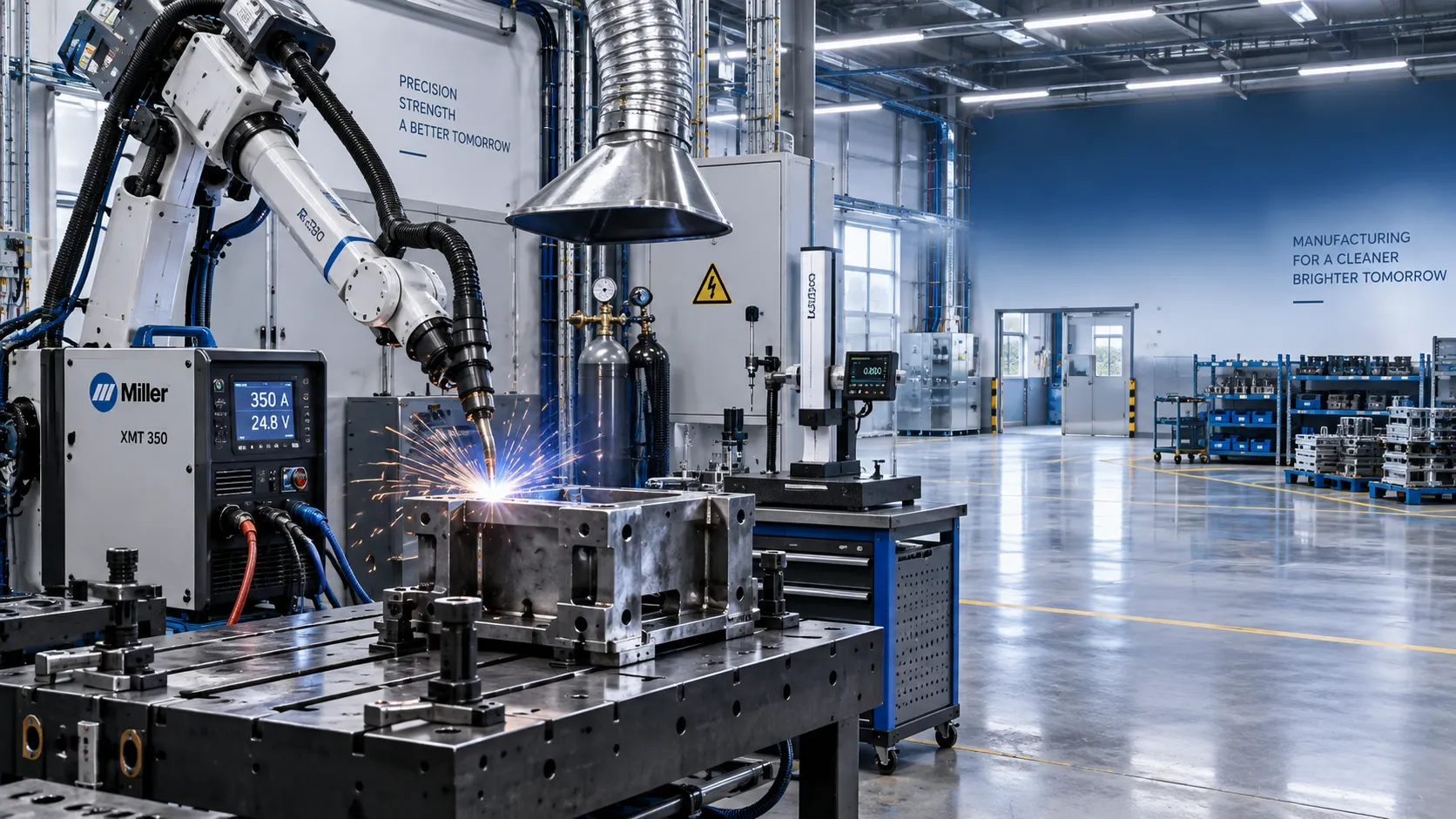
Industrial Equipment Application Guidance: Match Machines to Operating Conditions
Application guidance industrial equipment: match capacity, duty cycle, materials, site conditions, safety, and lifecycle cost to improve reliable output. Read the guide.
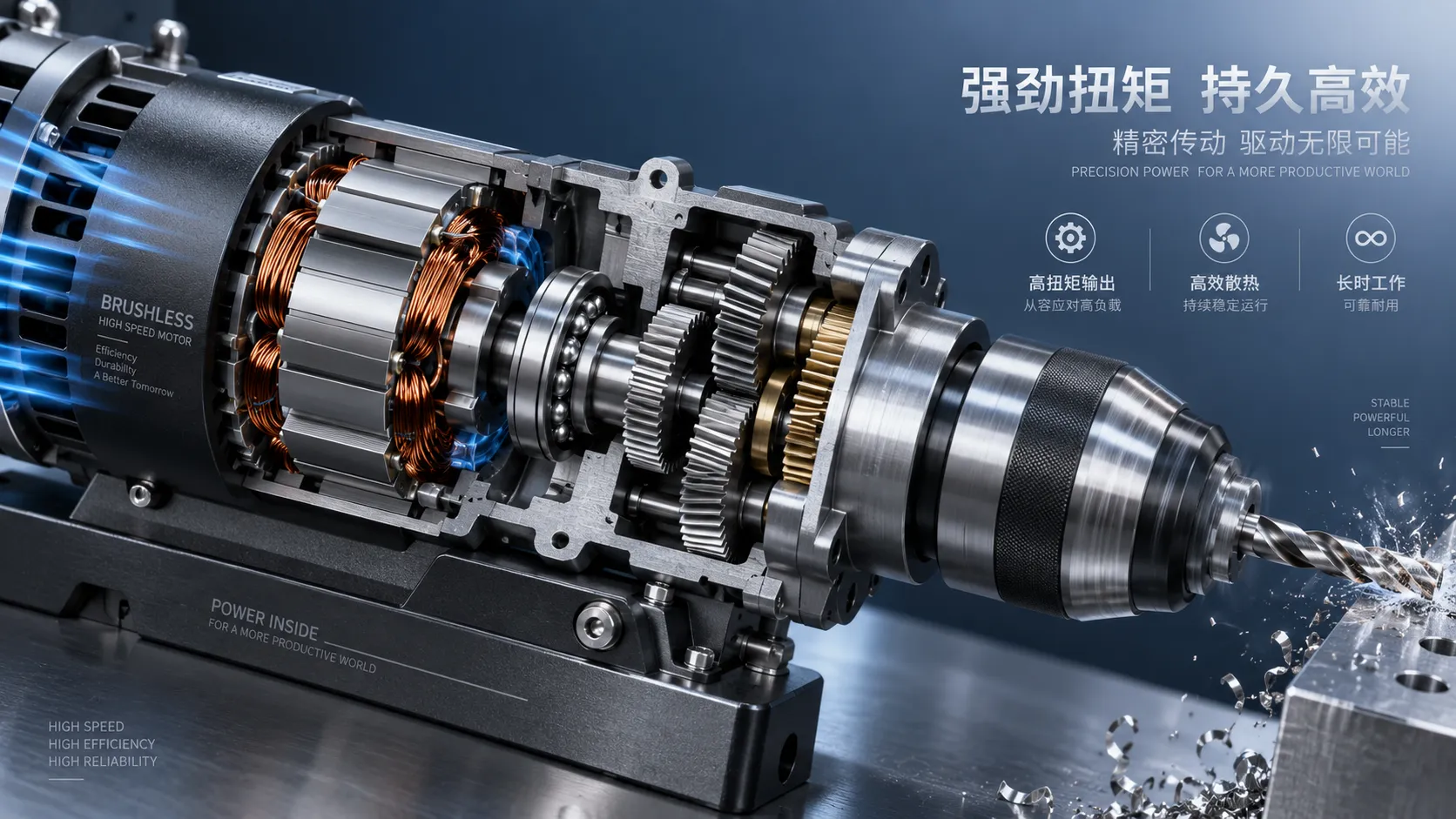
Selecting High-Speed Brushless Tool Motors for Torque, Heat, and Duty Cycle
High speed brushless tool motors: learn how to balance torque, heat, gearing, and duty cycle for reliable industrial tool performance and longer service life.
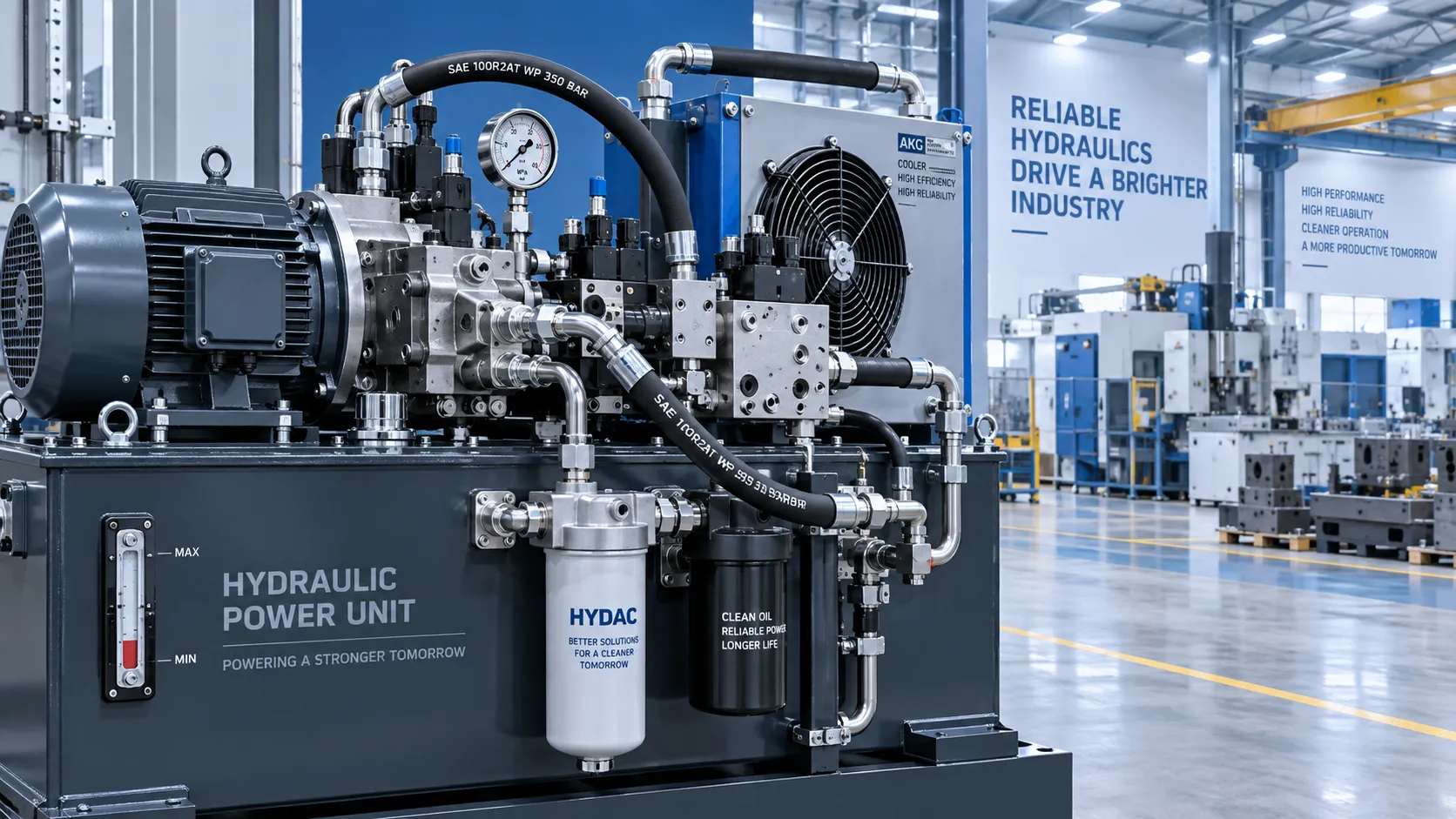
What Determines Industrial Hydraulic System Price for Heavy-Duty Equipment?
Industrial hydraulic system price depends on duty cycle, pressure, components, cooling, and integration. Compare quotes intelligently to secure reliable heavy-duty performance.
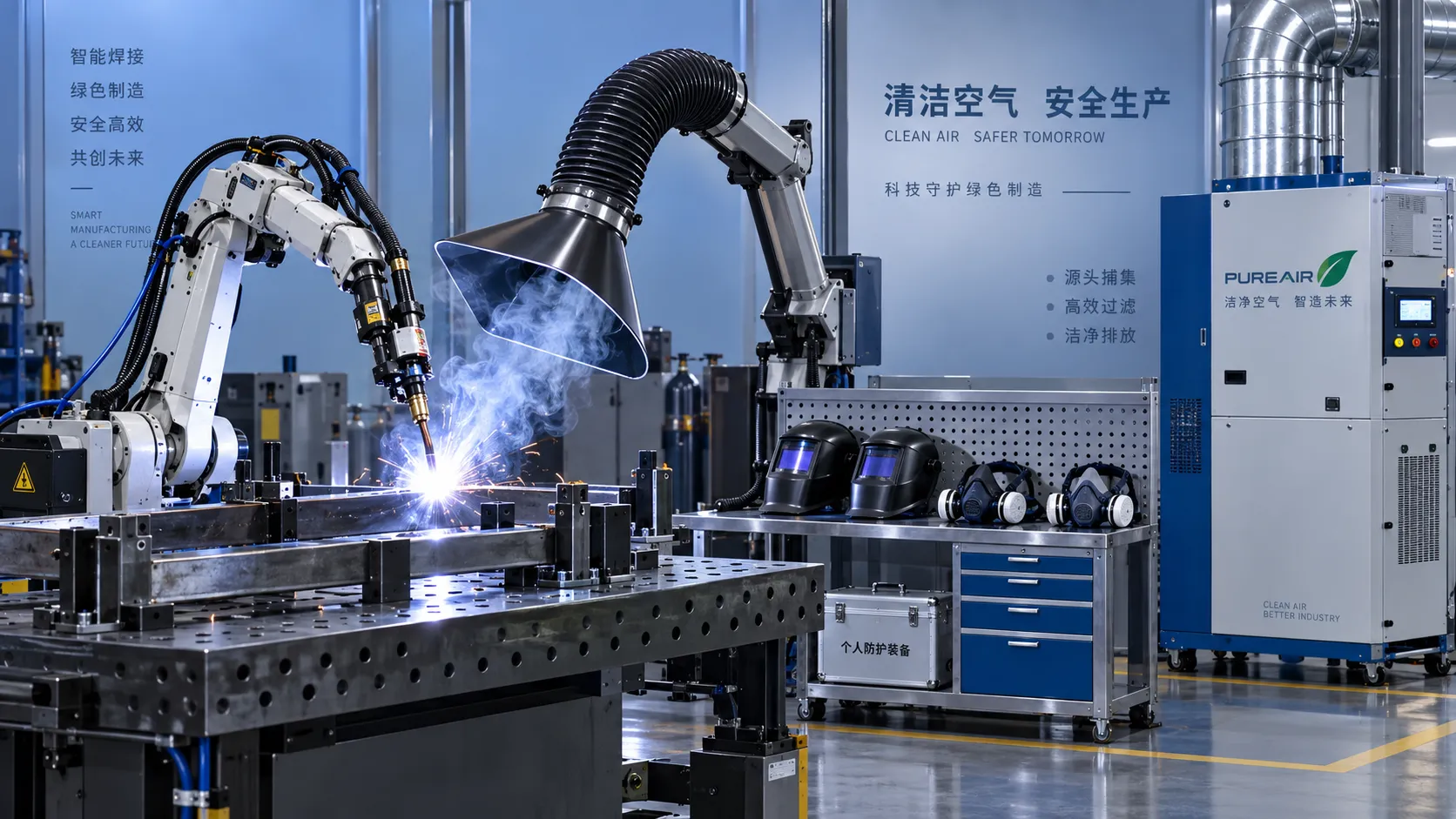
Welding Fume Extraction PPE: When Respirators Are Not Enough for Shop Safety
Welding fume extraction PPE: learn why respirators alone fall short and how source capture, ventilation, and layered controls improve shop safety.
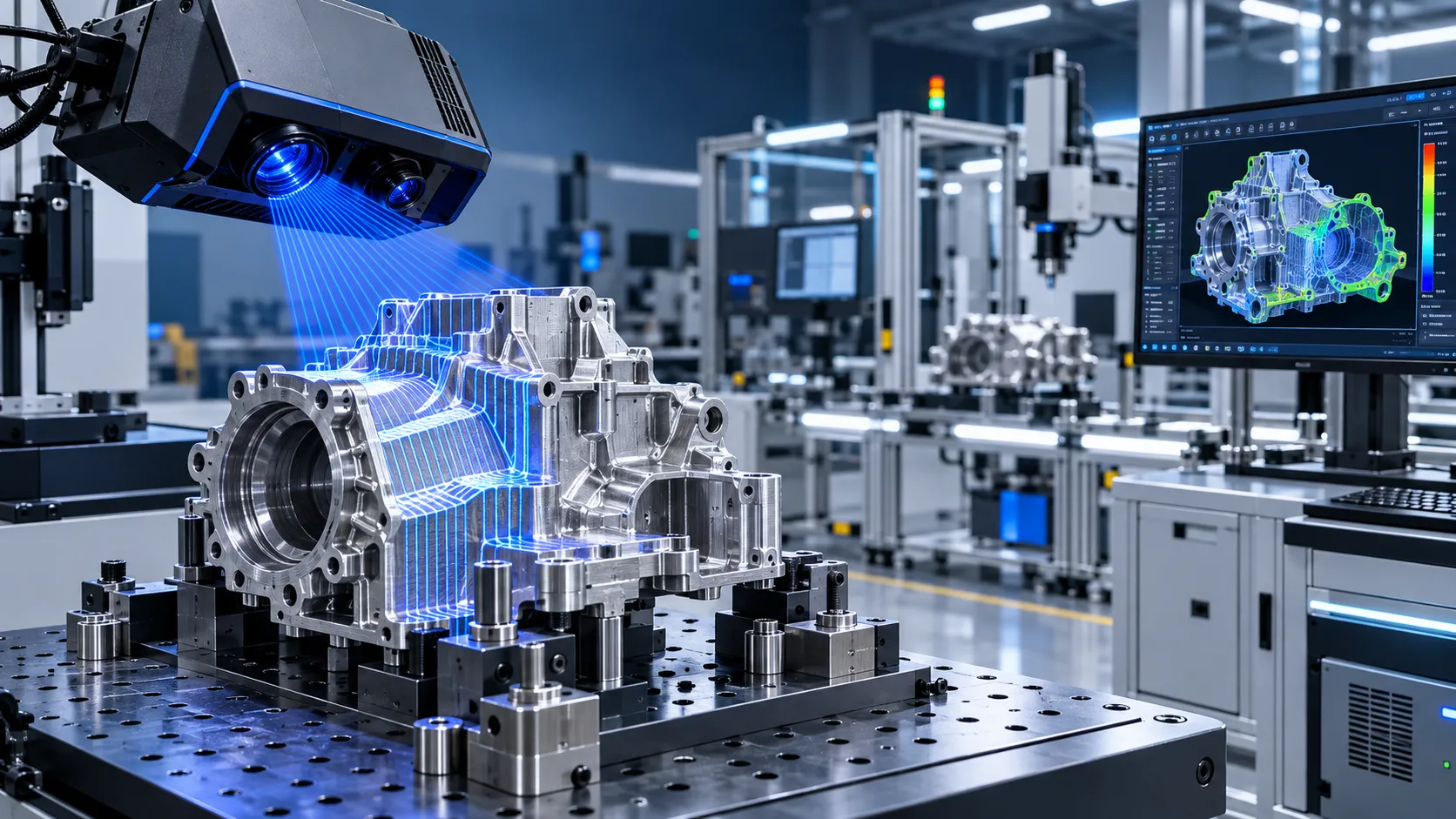
How to Select Optical Metrology Solutions for Tight-Tolerance Manufacturing
Optical industrial metrology solutions for tight-tolerance manufacturing: evaluate accuracy, surface compatibility, workflow, and traceability to select with confidence.
Related News
- 00
0000-00
How to Compare Industrial Tool Suppliers for Quality, Lead Time, and Total Cost - 00
0000-00
How to Evaluate a Technology Integration Service Provider for Complex Projects - 00
0000-00
Product Comparison Resources in Europe: How Buyers Can Verify Specs and Suppliers - 00
0000-00
How to Evaluate an Industrial Metrology Solution Manufacturer for Production Use - 00
0000-00
How to Evaluate a Metal Joining Solutions Factory for Quality, Capacity, and Delivery Risk
Dr. Alistair Vaughn
Weekly Insights
Stay ahead with our curated technology reports delivered every Monday.