
How to Evaluate an Industrial Research Supplier for Reliable Data and Project Fit





It often starts with a fairly ordinary request: a team needs market validation before entering a new segment, checking sourcing risk, comparing product demand across regions, or estimating whether a tooling or welding-related project is worth the effort. Someone is asked to find an industrial research supplier quickly, samples are exchanged, a proposal arrives, and at first glance several options seem similar. Then the real problem appears. One provider has polished charts but vague methodology. Another covers the industry broadly but says little about the exact application. A third promises custom insight yet cannot explain where the underlying information comes from.
That uncertainty causes more trouble than many teams expect. If the research is weak, every later discussion becomes harder: procurement questions the assumptions, management asks for proof, sales wants more usable segmentation, and technical teams discover that the report did not reflect how the market actually buys, maintains, or specifies equipment. In industrial settings, where decisions often involve long sales cycles, service requirements, compliance concerns, and regional differences, a poor supplier fit can waste time even before any wrong decision is made.
A useful evaluation does not begin with “Who has the nicest sample?” It begins with a more uncomfortable question: What exactly must this research help us decide? Until that is clear, most supplier comparisons are shallow. A company exploring handheld welding equipment distribution, for example, needs something different from a firm assessing metrology demand in aerospace maintenance or a manufacturer tracking raw material shifts that may affect tool margins. The same supplier may be strong in one situation and weak in another.
Start with the decision, not the report format
Many evaluation problems come from treating research as a document purchase rather than a decision input. Before reviewing any supplier, it helps to write down the practical use of the output in plain language. Not “market study for Europe,” but something closer to: “We need to judge whether this segment is large enough, technically specific enough, and commercially accessible enough to justify a distributor search.” That wording immediately changes what you need from the supplier.
When the project goal is concrete, the evaluation becomes easier. You can ask whether the provider can support product-positioning questions, channel structure questions, price band questions, service network questions, or demand-driver questions. If the supplier keeps returning to generic market size language while your internal team needs adoption barriers, buyer specification behavior, or maintenance-cycle factors, the fit is already weak.
This is especially important in industrial categories where broad labels hide very different realities. “Power tools,” “welding,” “inspection equipment,” or “hydraulic tools” are not single markets in any useful decision sense. They split by use case, duty cycle, buyer type, replacement logic, safety expectations, and after-sales burden. A capable industrial research supplier should be comfortable narrowing the frame instead of resisting it.
Reliable data is less about confidence in tone and more about traceability
One common mistake is to confuse polished language with strong evidence. Industrial research is full of reports that sound certain but become thin when questioned. A better test is whether the supplier can trace the logic behind key statements. If they mention demand growth, can they explain whether that view comes from trade flows, distributor activity, procurement patterns, interviews, maintenance demand, installed base assumptions, or a mix of sources? If they describe segment potential, can they separate current demand from expected substitution or policy-driven shifts?
You do not need every source disclosed in full detail, and some proprietary methods are reasonable. But you should expect enough transparency to judge whether the conclusions are grounded. If a supplier avoids discussing source categories, sampling logic, validation steps, or known blind spots, that is not a minor communication issue. It usually means you will struggle later when your own stakeholders ask whether the findings can be trusted.
In industrial work, reliability also means the supplier understands that not all available information has equal value. Publicly accessible figures may be useful for framing, but they rarely answer the operational questions that matter most. A supplier who knows the sector will usually explain where secondary data is dependable, where expert interpretation is necessary, and where uncertainty must remain explicit. That last point matters. Honest limits often signal stronger research discipline than overconfident certainty.
Sector relevance shows up in the questions a supplier asks back
One of the fastest ways to judge fit is to notice how the supplier responds during the early scoping conversation. A strong provider does not rush straight into deliverables. They ask clarifying questions that reflect industrial logic: who the buyer actually is, whether the product is specified by engineers or purchased by distributors, whether regional certification affects market access, whether replacement cycles shape demand more than new installation, and whether service capability changes competitiveness.
Those questions matter because industrial demand is rarely driven by a single factor. In some tool categories, ergonomics and motor performance may matter most. In others, consumable availability, torque consistency, calibration requirements, safety training, or repair turnaround determine adoption. A supplier unfamiliar with these realities may still produce a neat report, but it may not support a real decision.
This is where domain-specific intelligence platforms can be helpful as part of the evaluation process, not as a shortcut. If you are comparing providers in fields related to industrial assembly, metal joining, or precision measurement, it is useful to see whether their perspective reflects actual market mechanics: export standard shifts, raw material movement, adoption limits of certain tool designs, or the role of IoT-based control systems in purchasing decisions. Research grounded in these operating details tends to be more usable than research built only from broad industry labels.
Watch for the mismatch between “industry coverage” and project fit
Another frequent problem is assuming a supplier is suitable because they cover manufacturing in general. Broad coverage can be useful for orientation, but project fit requires more than category familiarity. If your project concerns the commercial viability of high-precision measuring instruments, a provider who mostly tracks general factory automation may miss the buying dynamics that matter. If you are examining welding equipment safety trends, a supplier focused mainly on macro industrial spending may not help you understand adoption barriers at user level.
The safer approach is to separate three layers of fit. First, does the supplier understand the industrial sector at all? Second, do they understand the product family or technology area? Third, can they connect that knowledge to the specific decision you are making? Most disappointments happen at the third layer. The supplier knows the sector, maybe even the technology, but not the business question.
This is why sample reports are only partially helpful. They show writing style and presentation habits, but not whether the supplier can adjust the scope properly. A more revealing test is to ask how they would refine your project brief. If they merely repeat your wording, they may be acting like a document vendor. If they sharpen the scope, identify decision gaps, and warn you where assumptions may fail, they are more likely to be useful.
Method matters more when the market is fragmented
Industrial markets are often fragmented by region, channel, and application. That fragmentation can make research look more precise than it really is. One supplier may present a single market estimate that merges professional and semi-professional demand, direct and distribution channels, or maintenance and first-installation purchases. Another may distinguish those differences clearly. The second approach is usually more valuable, even if it appears less tidy.
When evaluating methods, look for signs that the supplier understands segmentation beyond geography. Good segmentation may involve end-use environments, buyer roles, performance thresholds, channel dependence, replacement behavior, or service intensity. If your internal decision depends on one of those distinctions and the supplier does not build the research around it, the final output may be hard to use no matter how impressive the document looks.
It also helps to ask how the supplier handles conflicting information. In industrial categories, sources often disagree. Import statistics may imply one trend while distributor conversations suggest another. A provider with sound judgment should be able to explain how they reconcile discrepancies, what they treat as directional rather than definitive, and where caution is necessary. If every data point is presented as equally certain, be careful.
Practical ways to compare suppliers before you commit
Instead of relying on long vendor scorecards, many teams get better results from a small set of focused comparison conversations. Ask each supplier to walk through four things: how they interpret the project objective, how they would structure the market, what sources they expect to rely on, and what they see as the hardest part of the work. Their answers usually reveal more than capability slides do.
Pay close attention to the difficult-part question. An experienced industrial research supplier rarely says the project is straightforward without qualification. They tend to mention areas where market visibility is limited, where channel opacity may distort estimates, or where user adoption cannot be inferred from trade data alone. That realism is useful. It helps you judge whether the provider is preparing to investigate or simply preparing to sell.
Turnaround time should also be judged carefully. Fast delivery is attractive, especially when internal timelines are tight, but speed means little if the supplier cannot validate the assumptions that matter. In many industrial evaluations, a shorter and sharper project with clear scope is better than a broad report produced quickly. If the budget is limited, it may be wiser to narrow the decision question than to accept generic coverage.
When a specialized intelligence source adds value
Some projects need a supplier that can bridge technical and commercial understanding. That is often the case in markets involving assembly tools, welding systems, metrology equipment, and adjacent industrial categories where performance claims, safety expectations, and application context shape demand. In those situations, a specialized intelligence source can support evaluation by helping teams frame better questions and test whether generalist research is missing important operating realities.
For example, a knowledge base that tracks sector news, technology shifts, and commercial patterns across industrial assembly and precision measurement may help a team identify whether a proposed research scope is too broad, too shallow, or too detached from field use. It can also help evaluators challenge assumptions around export restrictions, material cost sensitivity, torque-control adoption, or the practical limits of certain equipment designs. Used this way, specialist insight is not a replacement for project-specific research, but a way to make supplier selection more disciplined.
Signs that you may need to pause the selection process
Sometimes the smartest move is not choosing between suppliers yet. If internal stakeholders are using the same words to mean different things, the research brief may be unstable. If one team wants total addressable market, another wants competitor mapping, and another wants channel-entry advice, no supplier will look truly convincing because the project itself is not coherent.
It also makes sense to pause if every supplier proposal looks surprisingly similar. That often means the brief is too generic, encouraging templated responses. Rework the scope around the real decision, then ask again. The quality gap between providers usually becomes clearer once the project requires interpretation rather than standard packaging.
Another warning sign is when evaluation conversations focus mainly on formatting, slide count, or whether the provider includes interviews. Those points matter, but only after the core issue is settled: can this supplier produce reliable, decision-relevant insight for this exact industrial question?
Questions that often come up during supplier review
Is a larger supplier always safer?
Not necessarily. Larger firms may offer broader coverage and more formal process, but that does not guarantee better fit for a narrow industrial question. A smaller specialist may understand the market structure better. The safer choice is the one whose method and scope align with your decision.
Should we ask for raw data?
You can ask how conclusions are supported, but demanding every raw input is not always realistic. A better approach is to ask for source logic, validation approach, and explanation of uncertainty. The goal is to judge credibility, not to replicate the entire research process yourself.
How important is industry terminology fluency?
It matters because terminology often signals whether the supplier understands how the market functions. Still, fluent language alone is not enough. The stronger indicator is whether they connect terms to commercial and operational meaning.
What if our project touches both technical and market issues?
Then you should be even more careful about fit. Many weak projects fail because they separate technical reality from market behavior. A supplier should be able to reflect both, or at least explain clearly where outside specialist input is needed.
Choosing an industrial research supplier is less about finding the most impressive proposal and more about reducing the chance of making decisions on weak assumptions. When you evaluate providers through decision fit, source traceability, sector relevance, and methodological discipline, the comparison becomes much clearer. In practice, the best choice is often the supplier who helps narrow the question, acknowledges uncertainty where it exists, and produces insight that your internal teams can actually use without translating it a second time.
Related News
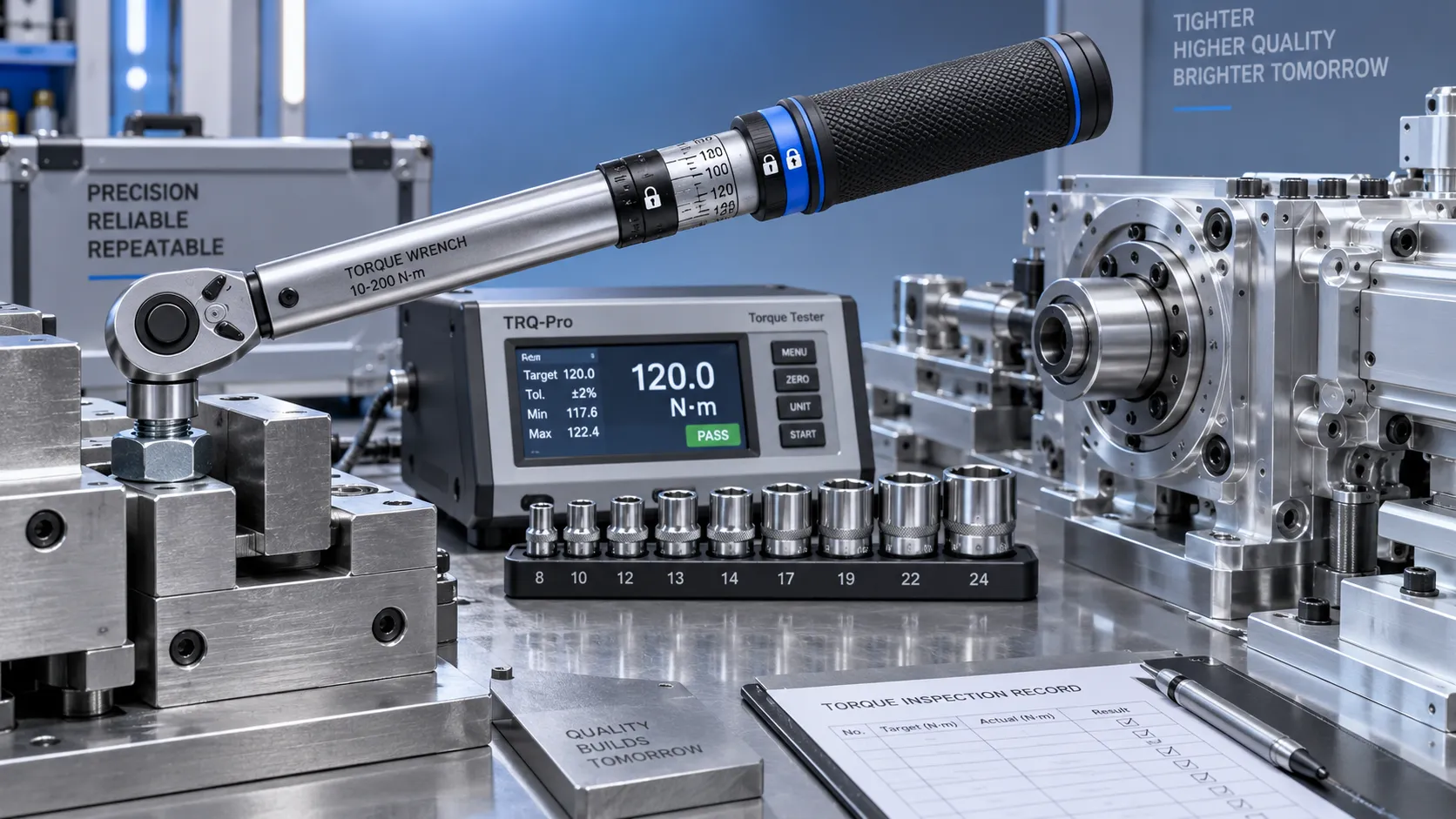
Selecting Adjustable Torque Tools for Repeatable Fastener Assembly
Adjustable torque tools: learn how to match range, accuracy, control methods, calibration, and ergonomics for repeatable, reliable fastener assembly.

How to Select Aerospace Inspection Tools for Aircraft Maintenance Tasks
Aerospace maintenance inspection tools: learn how to select reliable, traceable equipment for aircraft access, accuracy, calibration, and compliant maintenance decisions.

How to Select Wire Bonding Tools for Fine-Pitch Semiconductor Packaging
Explore semiconductor manufacturing tools for wire bonding and learn how to select precision solutions for fine-pitch packaging, reliable loops, accuracy, and yield.
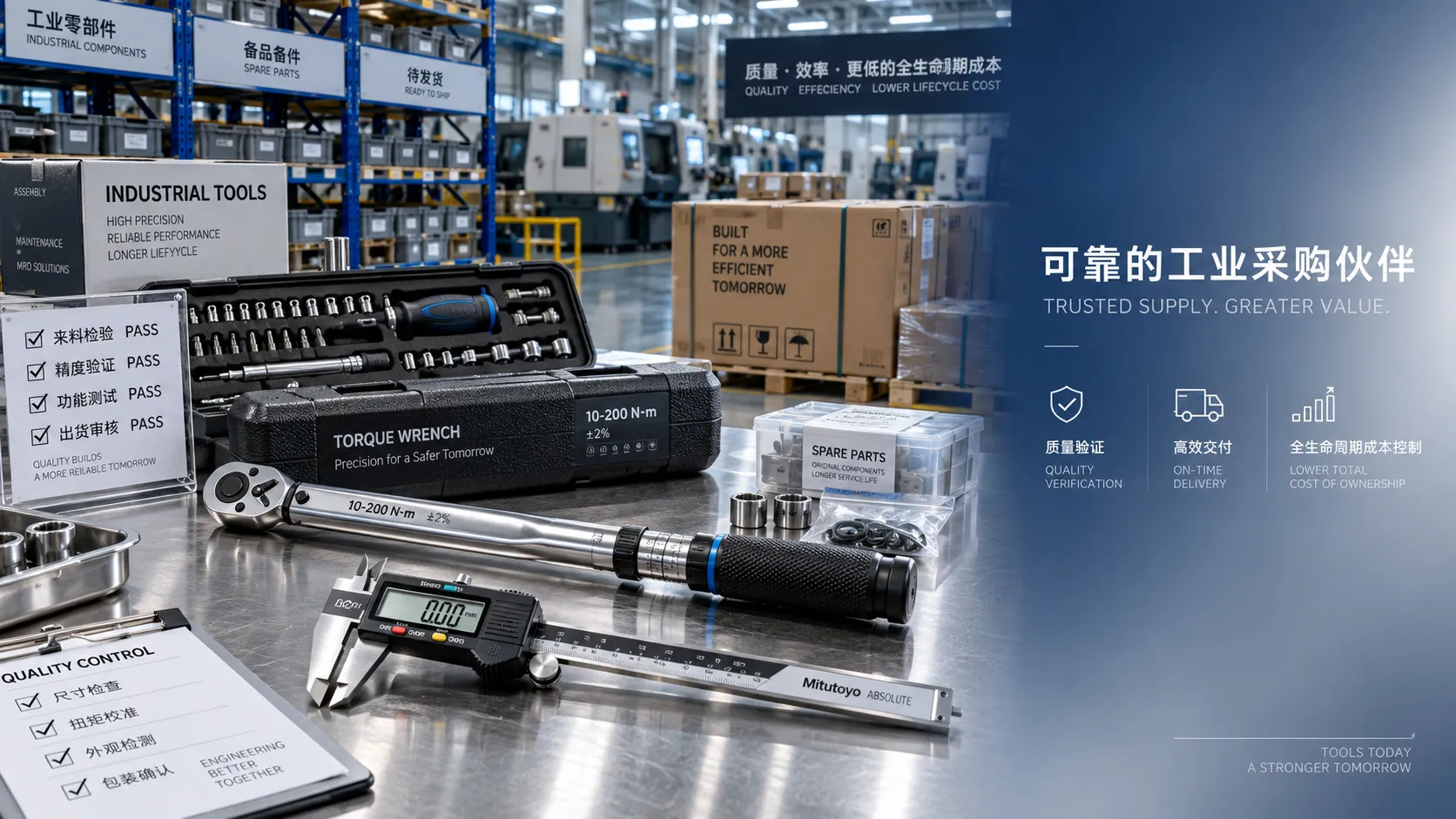
How to Compare Industrial Tool Suppliers for Quality, Lead Time, and Total Cost
Industrial tool selection supplier comparison made simple: evaluate quality, lead times, total cost, service, and supply resilience for confident sourcing decisions.

Industrial Equipment Application Guidance: Match Machines to Operating Conditions
Application guidance industrial equipment: match capacity, duty cycle, materials, site conditions, safety, and lifecycle cost to improve reliable output. Read the guide.
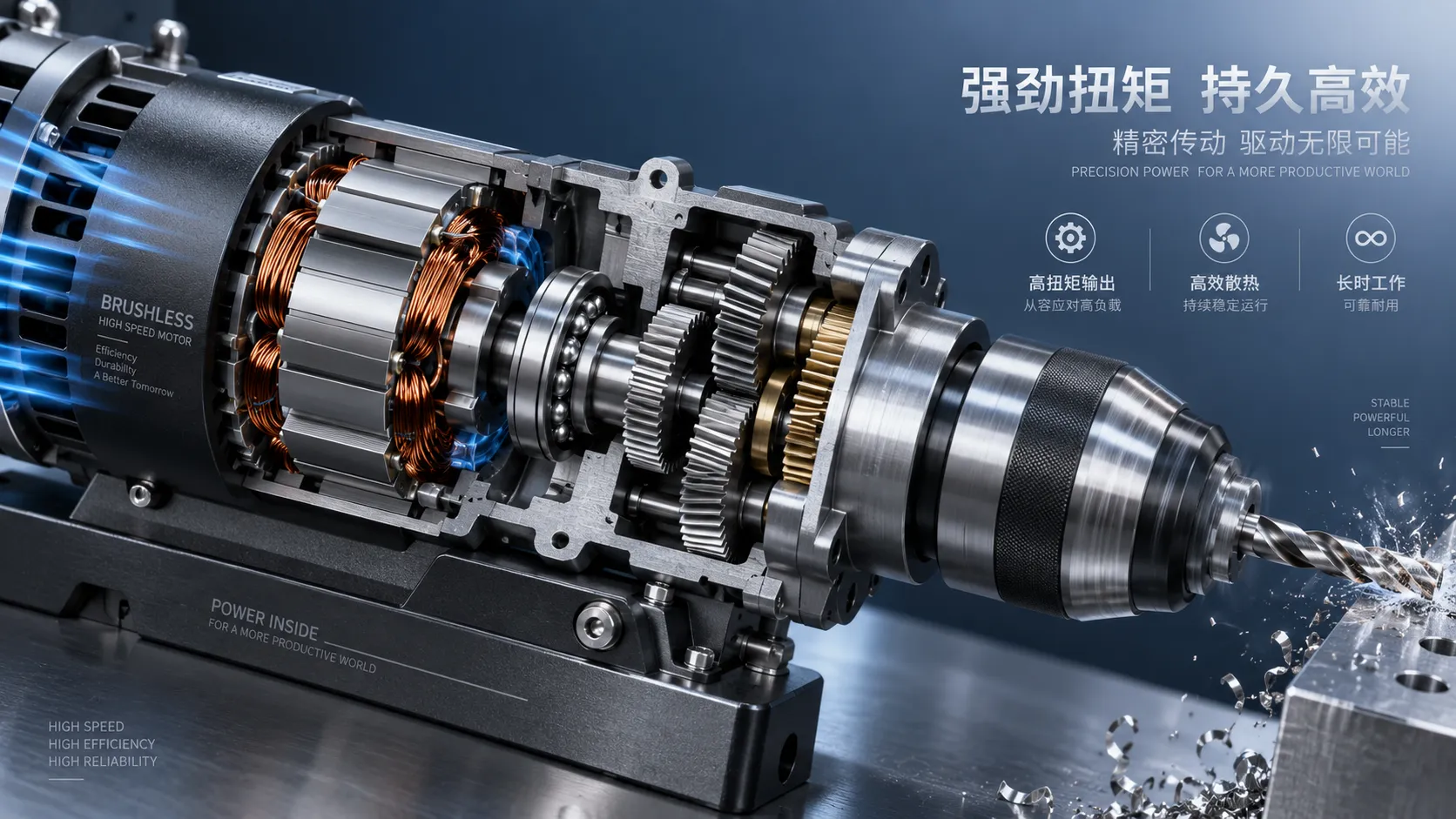
Selecting High-Speed Brushless Tool Motors for Torque, Heat, and Duty Cycle
High speed brushless tool motors: learn how to balance torque, heat, gearing, and duty cycle for reliable industrial tool performance and longer service life.
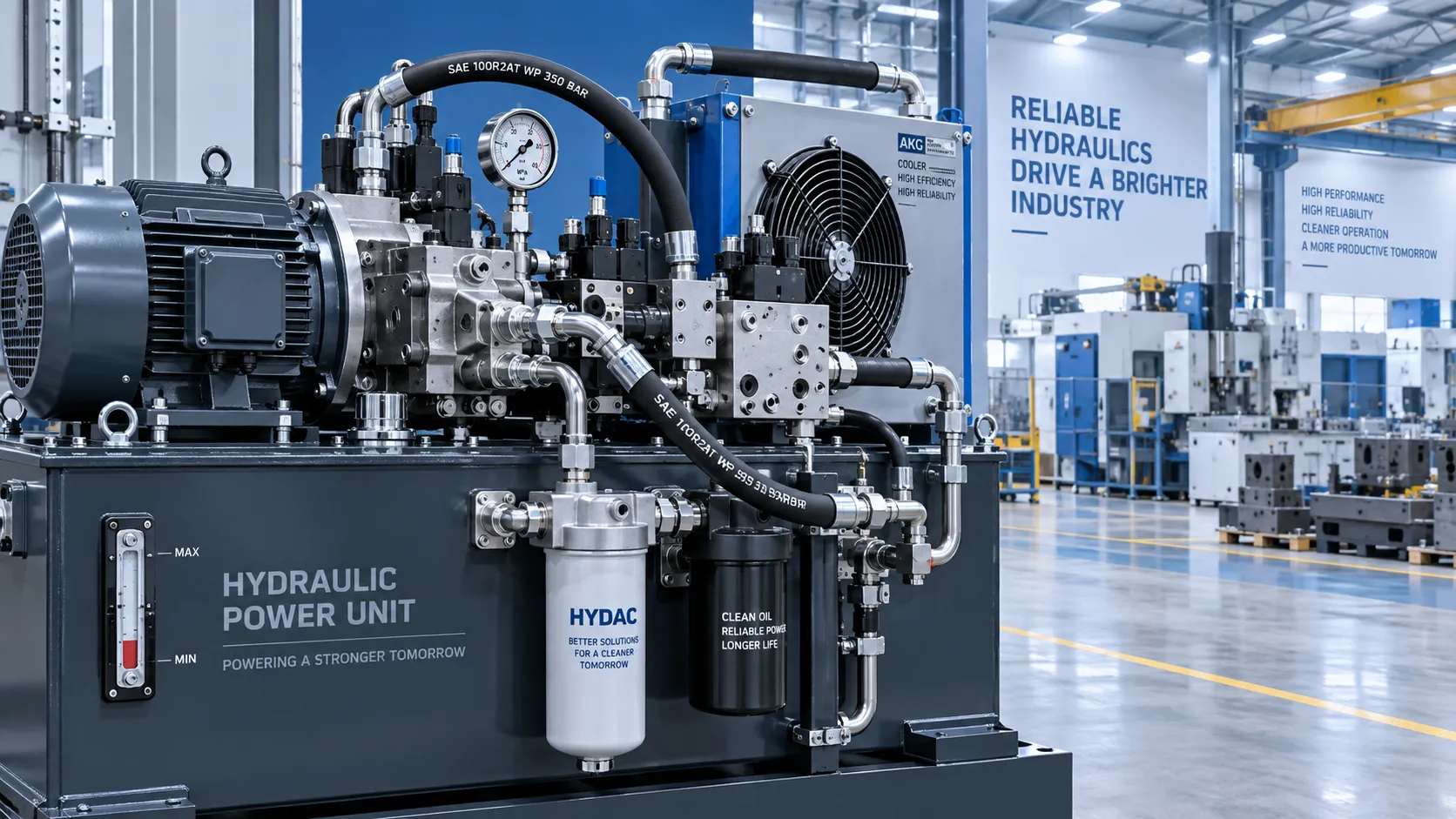
What Determines Industrial Hydraulic System Price for Heavy-Duty Equipment?
Industrial hydraulic system price depends on duty cycle, pressure, components, cooling, and integration. Compare quotes intelligently to secure reliable heavy-duty performance.

Welding Fume Extraction PPE: When Respirators Are Not Enough for Shop Safety
Welding fume extraction PPE: learn why respirators alone fall short and how source capture, ventilation, and layered controls improve shop safety.

How to Select Optical Metrology Solutions for Tight-Tolerance Manufacturing
Optical industrial metrology solutions for tight-tolerance manufacturing: evaluate accuracy, surface compatibility, workflow, and traceability to select with confidence.
Related News
- 00
0000-00
How to Compare Industrial Tool Suppliers for Quality, Lead Time, and Total Cost - 00
0000-00
How to Evaluate a Technology Integration Service Provider for Complex Projects - 00
0000-00
Product Comparison Resources in Europe: How Buyers Can Verify Specs and Suppliers - 00
0000-00
How to Evaluate an Industrial Metrology Solution Manufacturer for Production Use - 00
0000-00
How to Evaluate a Metal Joining Solutions Factory for Quality, Capacity, and Delivery Risk
Dr. Alistair Vaughn
Weekly Insights
Stay ahead with our curated technology reports delivered every Monday.