
Industry Category Guides: How to Compare Suppliers Across Tool Segments





Industry category guides have become a practical decision tool when supplier options span metrology, welding, fastening, hydraulic equipment, and power tools. In cross-segment sourcing, the challenge is rarely finding factories. The real challenge is comparing them on equal terms, especially when performance, compliance, service depth, and market timing vary by category. A strong comparison framework helps turn fragmented product research into a more durable portfolio strategy.
Why cross-segment supplier comparison matters now
Tool distribution is no longer shaped only by price bands or basic specifications. Buyers are dealing with tighter export controls, shifting raw material costs, faster product cycles, and rising expectations around traceability.
That pressure is strongest in industrial categories linked to assembly, metal joining, and precision measurement. A caliper supplier, a laser welding system provider, and a cordless tool producer may serve related markets, yet their risks differ sharply.
This is where industry category guides offer real value. They create a common language for comparing suppliers across different tool segments without flattening important technical differences.
From a market intelligence perspective, this matters even more. GPTWM tracks the last mile of industrial manufacturing, where product reliability, ergonomic design, safety standards, and service responsiveness directly affect channel performance.
What industry category guides actually do
At their best, industry category guides are not simple product lists. They are structured references that help compare suppliers by capability, risk, and fit within a commercial portfolio.
They usually connect three layers of judgment. The first is technical suitability. The second is operational reliability. The third is market alignment.
That means a supplier should not be judged only by catalog breadth. A better question is whether the supplier can support the intended channel with stable quality, relevant certifications, and realistic lead times.
In practice, industry category guides help separate “good factories” from “good long-term category partners.” That distinction matters when a product line must support repeat orders, after-sales credibility, and margin stability.
A useful way to compare suppliers across tool segments
Different categories require different tests, but the comparison logic can stay consistent. A simple framework is to review suppliers across six dimensions.
This approach keeps industry category guides practical. It allows apples-to-oranges categories to be compared through business relevance rather than through a single technical metric.
Where segment differences really show up
A supplier that performs well in one tool segment may not translate well into another. That gap often appears in the details.
Precision measuring instruments
Here, trust depends on calibration discipline, measurement repeatability, materials stability, and inspection records. Small deviations can undermine the whole line.
Industry category guides for metrology should also note whether a supplier serves automotive, aerospace maintenance, or general fabrication. Each has a different tolerance culture.
Welding systems and joining equipment
This segment demands more than output power. Torch durability, duty cycle, consumable compatibility, operator safety, and training support often matter more in long-term channel performance.
Handheld laser welding has made safety documentation and usage guidance especially important. A supplier without structured support may create hidden downstream risk.
Power tools and electro-mechanical products
The visible battle may be around speed, torque, or battery ecosystem. Yet serviceability, motor lifespan, heat management, and accessories continuity often decide whether the line remains profitable.
Brushless efficiency claims also need context. A higher specification is useful only when backed by tested reliability and realistic field performance.
Signals that deserve closer attention
Many sourcing decisions fail because evaluation focuses on what is easy to compare, not what is important to compare. Industry category guides should highlight softer but decisive signals.
- How fast product documents are updated after regulatory changes.
- Whether test data can be traced to specific batches or serial ranges.
- How clearly the supplier distinguishes flagship models from volume models.
- Whether spare parts planning matches actual market turnover cycles.
- How pricing reacts to raw material volatility, not only currency movement.
- Whether regional standards are treated as a strategy issue or a paperwork issue.
These signals often reveal maturity. They also show whether a supplier can support a brand position instead of only supplying units.
Why intelligence-led comparison creates better portfolios
A portfolio becomes stronger when supplier comparison is linked to sector direction. GPTWM’s Strategic Intelligence Center is useful in this context because it connects category evaluation with real industry movement.
For example, export standard restrictions can change the attractiveness of certain categories overnight. Raw material fluctuations can reshape price logic in hydraulic tools or precision components.
Commercial insight also matters. Demand for high-precision measuring instruments in construction, vehicle service, and aerospace maintenance does not rise for the same reason. Timing and local specification habits differ.
That is why industry category guides should not stand alone. They work best when combined with trend analysis, compliance monitoring, and application-level demand signals.
A practical review process before adding a supplier
A useful review process does not need to be complicated. It needs to be disciplined and comparable across segments.
- Define the role of the category in the overall portfolio.
- List non-negotiable certifications, safety needs, and service expectations.
- Score suppliers with the same decision sheet across all shortlisted options.
- Separate entry demand from strategic growth demand.
- Test claims through samples, reports, and support responsiveness.
- Review the supplier again against market trends before final commitment.
This process helps industry category guides become a live operating tool, not just a research document stored after one sourcing cycle.
Turning comparison into a better next decision
The most useful industry category guides do not promise a perfect supplier. They improve the quality of the next decision by making trade-offs visible.
When category depth, compliance, innovation, and service are reviewed together, supplier comparison becomes more realistic. That is especially important in tool markets where technical claims are easy to publish but harder to support.
A sensible next step is to build a segment-by-segment scorecard, then test it against current lines in metrology, welding, and power tools. Gaps usually appear quickly, and those gaps often point to the highest-value sourcing improvements.
Used well, industry category guides help transform fragmented supplier options into a clearer portfolio logic, grounded in demand, risk, and long-term industrial relevance.
Related News
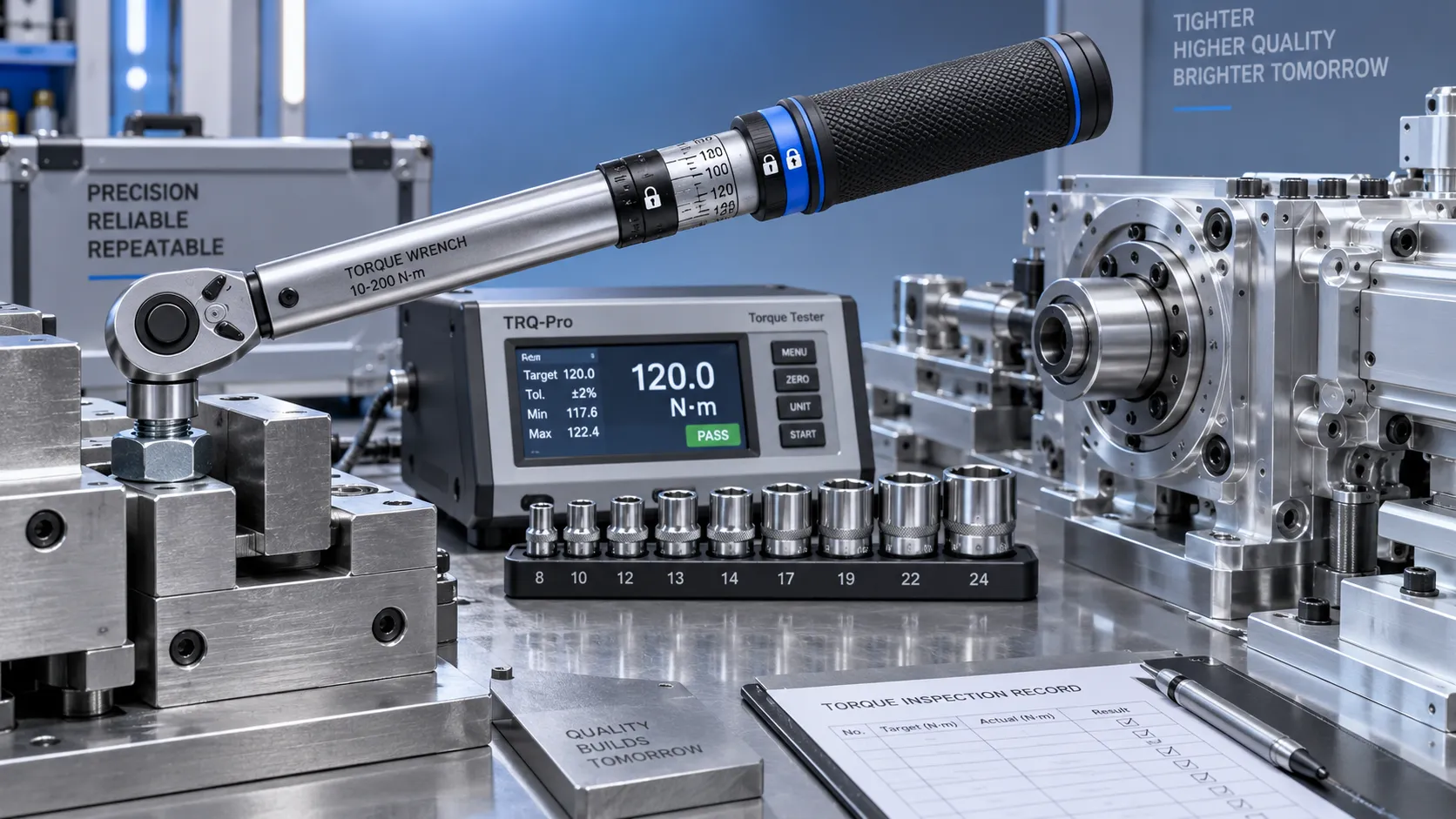
Selecting Adjustable Torque Tools for Repeatable Fastener Assembly
Adjustable torque tools: learn how to match range, accuracy, control methods, calibration, and ergonomics for repeatable, reliable fastener assembly.

How to Select Aerospace Inspection Tools for Aircraft Maintenance Tasks
Aerospace maintenance inspection tools: learn how to select reliable, traceable equipment for aircraft access, accuracy, calibration, and compliant maintenance decisions.

How to Select Wire Bonding Tools for Fine-Pitch Semiconductor Packaging
Explore semiconductor manufacturing tools for wire bonding and learn how to select precision solutions for fine-pitch packaging, reliable loops, accuracy, and yield.
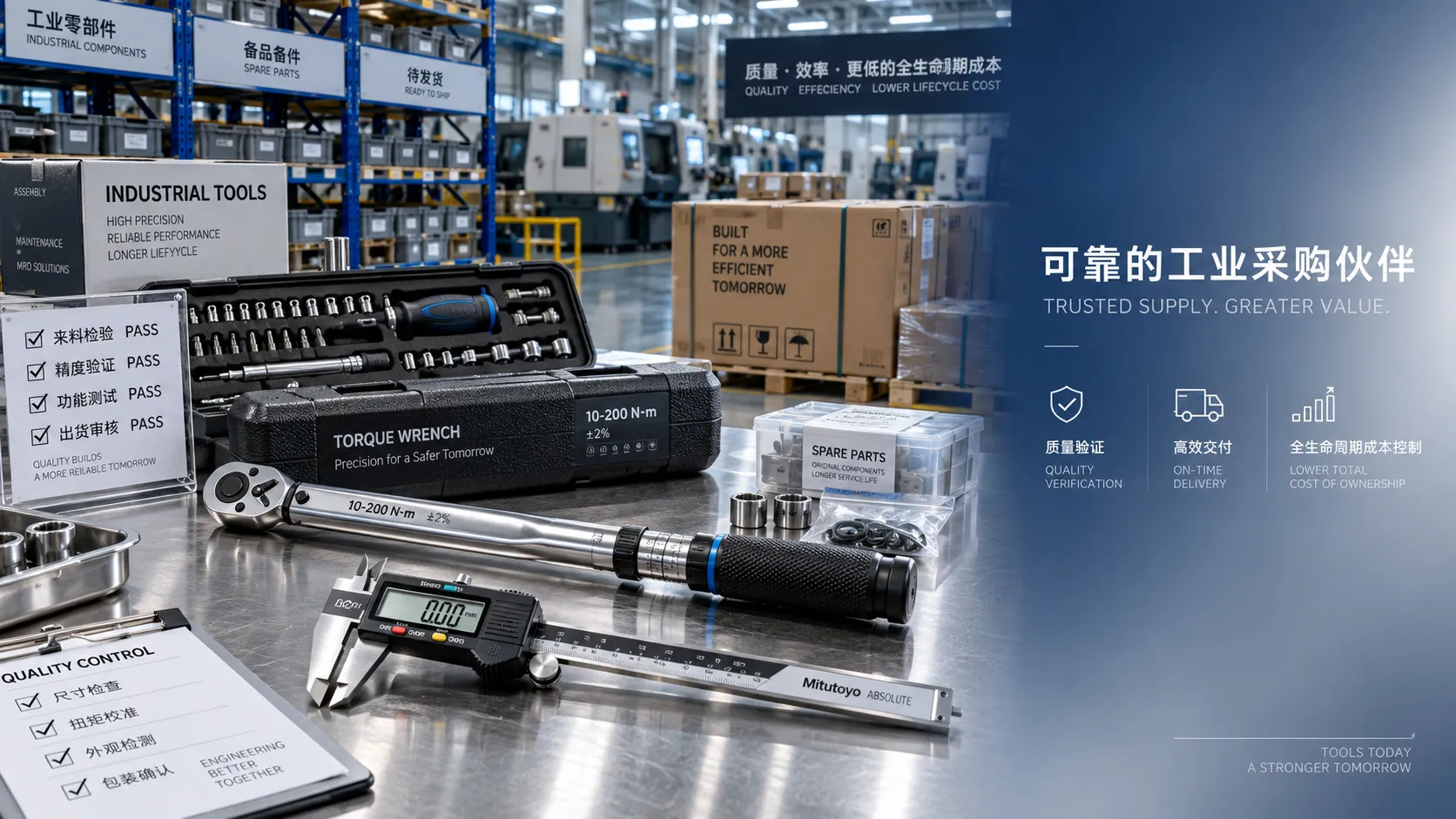
How to Compare Industrial Tool Suppliers for Quality, Lead Time, and Total Cost
Industrial tool selection supplier comparison made simple: evaluate quality, lead times, total cost, service, and supply resilience for confident sourcing decisions.

Industrial Equipment Application Guidance: Match Machines to Operating Conditions
Application guidance industrial equipment: match capacity, duty cycle, materials, site conditions, safety, and lifecycle cost to improve reliable output. Read the guide.
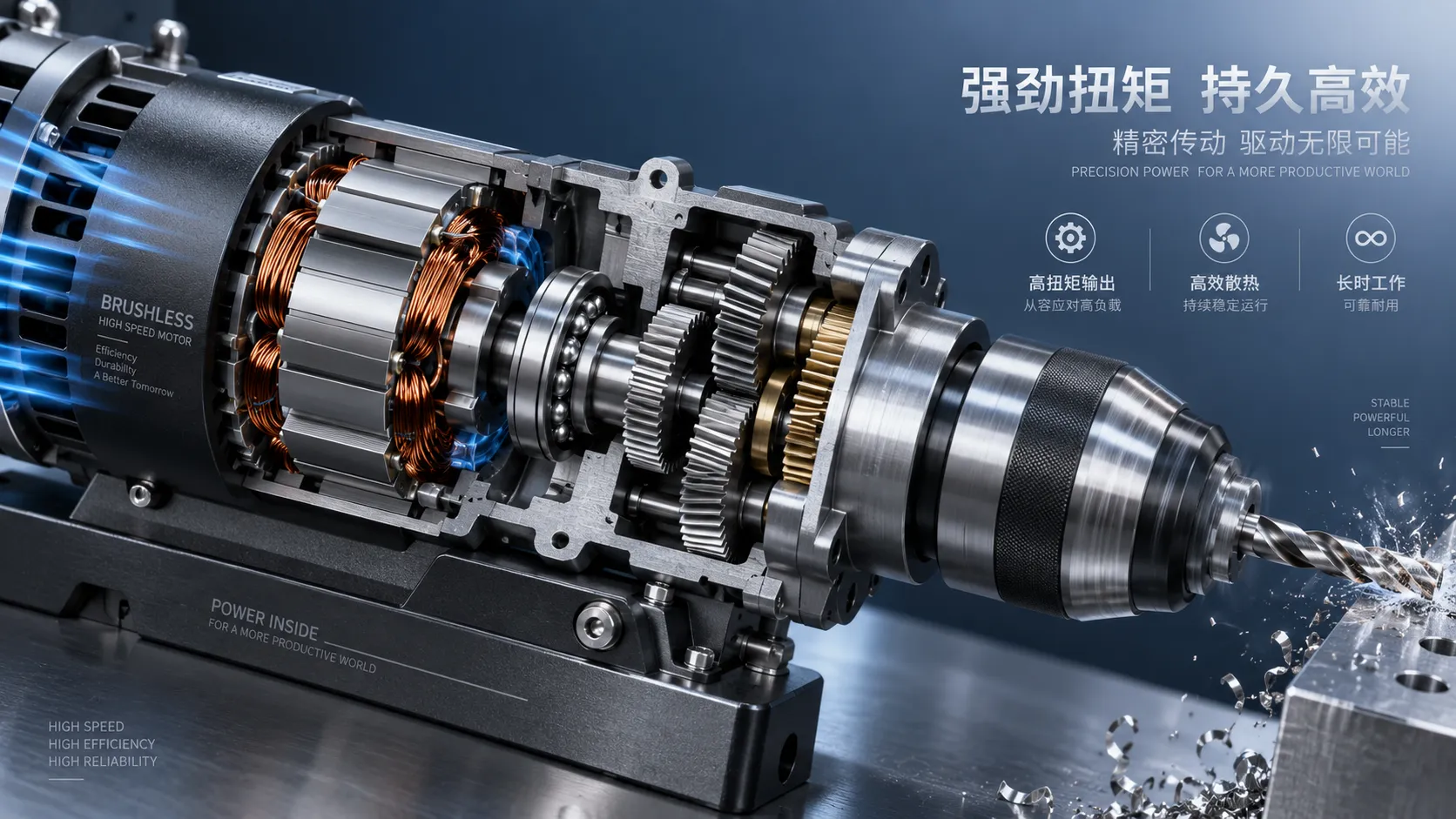
Selecting High-Speed Brushless Tool Motors for Torque, Heat, and Duty Cycle
High speed brushless tool motors: learn how to balance torque, heat, gearing, and duty cycle for reliable industrial tool performance and longer service life.
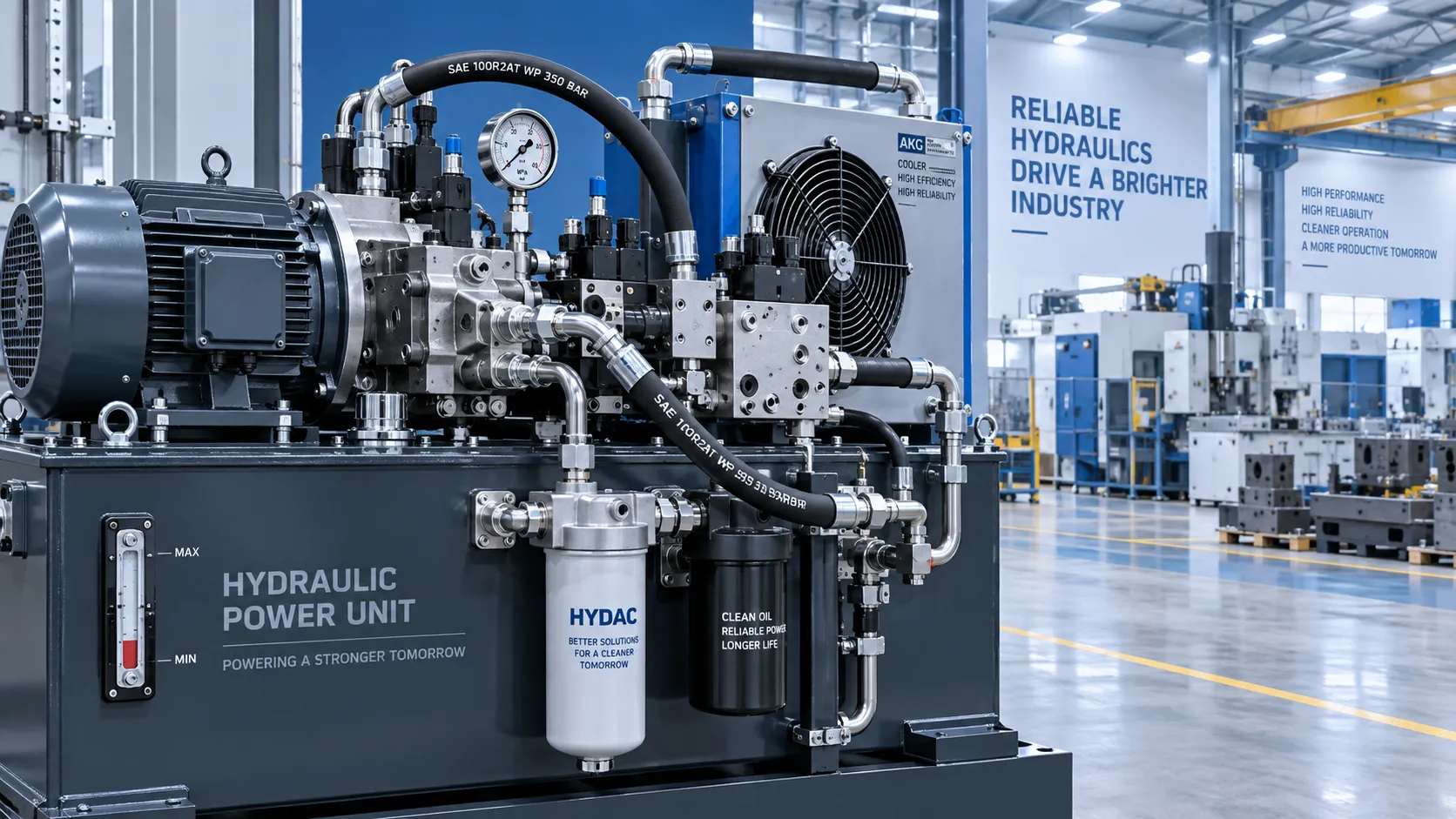
What Determines Industrial Hydraulic System Price for Heavy-Duty Equipment?
Industrial hydraulic system price depends on duty cycle, pressure, components, cooling, and integration. Compare quotes intelligently to secure reliable heavy-duty performance.

Welding Fume Extraction PPE: When Respirators Are Not Enough for Shop Safety
Welding fume extraction PPE: learn why respirators alone fall short and how source capture, ventilation, and layered controls improve shop safety.

How to Select Optical Metrology Solutions for Tight-Tolerance Manufacturing
Optical industrial metrology solutions for tight-tolerance manufacturing: evaluate accuracy, surface compatibility, workflow, and traceability to select with confidence.
Related News
- 00
0000-00
How to Compare Industrial Tool Suppliers for Quality, Lead Time, and Total Cost - 00
0000-00
How to Evaluate a Technology Integration Service Provider for Complex Projects - 00
0000-00
Product Comparison Resources in Europe: How Buyers Can Verify Specs and Suppliers - 00
0000-00
How to Evaluate an Industrial Metrology Solution Manufacturer for Production Use - 00
0000-00
How to Evaluate a Metal Joining Solutions Factory for Quality, Capacity, and Delivery Risk
Dr. Alistair Vaughn
Weekly Insights
Stay ahead with our curated technology reports delivered every Monday.