
What Drives Brand Premiums in Industrial Products: Quality, Certification, or Service?





In industrial sourcing, brand premiums do not come from a polished catalog or a familiar logo alone. They are usually earned through repeatable quality, trusted certification, and service that protects uptime when something goes wrong.
That matters even more in precision tools, welding systems, measuring instruments, and related industrial equipment. When the application is safety-sensitive or tolerance-driven, a higher price only makes sense if it lowers total risk.
For business evaluation work, the real question is simple: what actually supports brand premiums over time, and what is just marketing? The answer is rarely one factor. It is usually a stack of proof.
GPTWM follows this issue closely across the “last mile” of manufacturing, where assembly quality, metal joining reliability, ergonomic design, and metrology accuracy shape commercial outcomes. That perspective helps separate durable value from short-term pricing noise.
Why brand premiums rise or fall in industrial products
In consumer markets, emotion can drive price gaps. In industrial markets, brand premiums usually survive only when they improve yield, compliance, safety, or service continuity.
A torque tool that keeps calibration longer, a welding unit that reduces rework, or a measuring device with cleaner traceability can justify a premium quickly. A premium without evidence fades once cost pressure increases.
Three factors show up again and again: product quality, certification credibility, and post-sale service. The weight of each factor changes by application, but all three influence pricing power and buyer trust.
The practical checks that matter most
- Check failure consistency, not just average performance. Stable batch quality supports brand premiums far better than one impressive test sample or a polished technical brochure.
- Verify whether certification matches the target market and real application. A document has value only when it reduces import, safety, or audit risk in practice.
- Review service response in hours, not promises. Premium brands usually justify pricing through faster troubleshooting, parts availability, and clearer technical escalation.
- Measure operating cost over product life. Durable tools with better consumable efficiency often defend brand premiums even when unit price looks high upfront.
- Ask for proof from similar sectors. Performance in construction, automotive repair, aerospace maintenance, or precision assembly gives stronger signals than generic references.
- Track raw material and export rule exposure. Brands that manage volatility well usually preserve quality and delivery, which keeps brand premiums more defensible.
Quality usually creates the first layer of brand premiums
Quality is still the strongest base. In industrial products, it is not just about whether an item works. It is about whether it works consistently across shifts, operators, climates, and material conditions.
For example, in welding tools, arc stability, thermal protection, cable durability, and operator safety all shape perceived value. In precision metrology, repeatability, calibration drift, and data traceability matter even more than appearance.
This is where many inflated brand premiums start to break down. If quality is visible only in a demo but disappears in field conditions, the price gap becomes hard to defend.
What to verify behind quality claims
- Request tolerance data, wear life, and failure records by batch. Premium positioning becomes credible when quality stays controlled across volume production, not only pilot runs.
- Compare performance under real workload. Heat, dust, vibration, and operator variation often reveal whether claimed brand premiums come from engineering or presentation.
- Check calibration intervals and drift rates for measuring tools. Better stability often justifies a higher price because it reduces hidden inspection and revalidation costs.
- Look at ergonomic design as a quality signal. Lower fatigue, better balance, and safer handling can support output consistency and strengthen long-term brand premiums.
In one common sourcing scenario, two products may pass the same initial acceptance test. The difference appears three months later, when one line needs fewer adjustments, less retraining, and less downtime.
That delayed effect is why GPTWM often tracks evolutionary trends, not just launch specs. A product’s real contribution to manufacturing efficiency shows up over time, especially in high-cycle environments.
Certification can either validate or inflate brand premiums
Certification matters, but not all certificates carry equal commercial weight. Some reduce legal and operational barriers directly. Others are technically correct yet commercially weak.
In cross-border industrial trade, certification often affects customs clearance, customer audits, insurance acceptance, and field deployment. That means it can strongly influence brand premiums, especially in regulated categories.
Still, certification alone should never be treated as proof of superior performance. It confirms a threshold or framework, not always day-to-day excellence.
How to read certification value more accurately
- Map each certificate to a real business outcome. If it shortens approval time or lowers compliance risk, it may legitimately reinforce brand premiums.
- Confirm whether testing scope covers the exact model, configuration, and destination market. Partial coverage often creates risk hidden behind premium pricing.
- Review certificate renewal discipline and issuing body credibility. Outdated or weakly recognized certification rarely supports sustainable brand premiums.
- Check whether certification connects to traceability records. In precision and safety-critical segments, documentation quality often matters almost as much as the mark itself.
A useful example is handheld laser welding. Safety expectations, export controls, and operator training requirements can change quickly. In that environment, certification value rises when it keeps deployment smooth and liability low.
If a supplier uses certification only as a sales badge, the premium may be fragile. If certification prevents delays, non-compliance, or rejected tenders, the premium becomes much easier to defend.
Service often protects the premium after the sale
Service is often underestimated during supplier comparison. Yet in industrial settings, many brand premiums survive because service reduces the cost of failure after installation.
This includes spare part access, remote diagnosis, calibration support, application advice, warranty handling, and issue escalation. Good service does not just solve problems. It reduces disruption intensity.
That is especially true for tools integrated into a broader workflow, such as torque systems with IoT controls, inspection instruments tied to audit records, or welding units used in deadline-sensitive repair work.
Service signals worth comparing early
- Test response quality before ordering. Clear technical answers during evaluation often predict whether service can genuinely support future brand premiums.
- Ask about spare parts lead time by region. A premium product loses value fast when a small replacement part stops production for weeks.
- Review training support and troubleshooting depth. Better onboarding can reduce misuse, improve output, and make higher brand premiums financially reasonable.
- Check calibration, maintenance, and software update processes. Ongoing support quality often determines whether long-term operating cost stays under control.
A lower-priced supplier can look attractive until a failure occurs at peak demand. Then the missing service infrastructure becomes visible all at once.
That is why GPTWM’s commercial intelligence often connects product positioning with supply chain responsiveness. In practice, service capability is part of the product, not an extra feature.
A simple way to compare the real drivers
Not every category needs the same weighting. A commodity hand tool may rely more on durability and distribution. A metrology instrument may lean more on calibration integrity and documentation. A welding system may depend heavily on application support.
One common mistake is evaluating these drivers in isolation. In reality, strong brand premiums often come from the combination: reliable quality, recognized certification, and service that proves dependable under pressure.
Common blind spots that distort evaluation
- Overweighting unit price while ignoring downtime cost can make weak suppliers appear competitive, even when their lower price cannot support total value.
- Treating all certificates as equal often inflates perceived trust. The commercial effect depends on recognition, scope, and application fit.
- Ignoring field service geography creates avoidable exposure. Some brand premiums are justified mainly because local support is actually available.
- Relying on generic references instead of use-case evidence can hide performance gaps that only appear in specific industrial environments.
How to turn this into a better sourcing decision
A practical approach is to score each supplier against operating risk, not just purchase price. Start with the most failure-sensitive point in the application. Then work outward.
If measurement accuracy drives downstream acceptance, quality and traceability should lead. If export restrictions or safety audits are central, certification deserves more weight. If field uptime matters most, service may be the strongest driver of brand premiums.
GPTWM’s sector intelligence is useful here because supplier value does not exist in a vacuum. Raw material shifts, brushless motor efficiency limits, ergonomic standard changes, and regional demand patterns all affect whether a premium remains justified.
The best next step is simple: build a short comparison model using quality evidence, certification relevance, and service responsiveness as three separate score lines. Then test whether the premium lowers total exposure over the product life.
That is usually where real brand premiums prove themselves. Not in branding language, but in fewer disruptions, clearer compliance, and stronger performance when the work is actually being done.
Related News
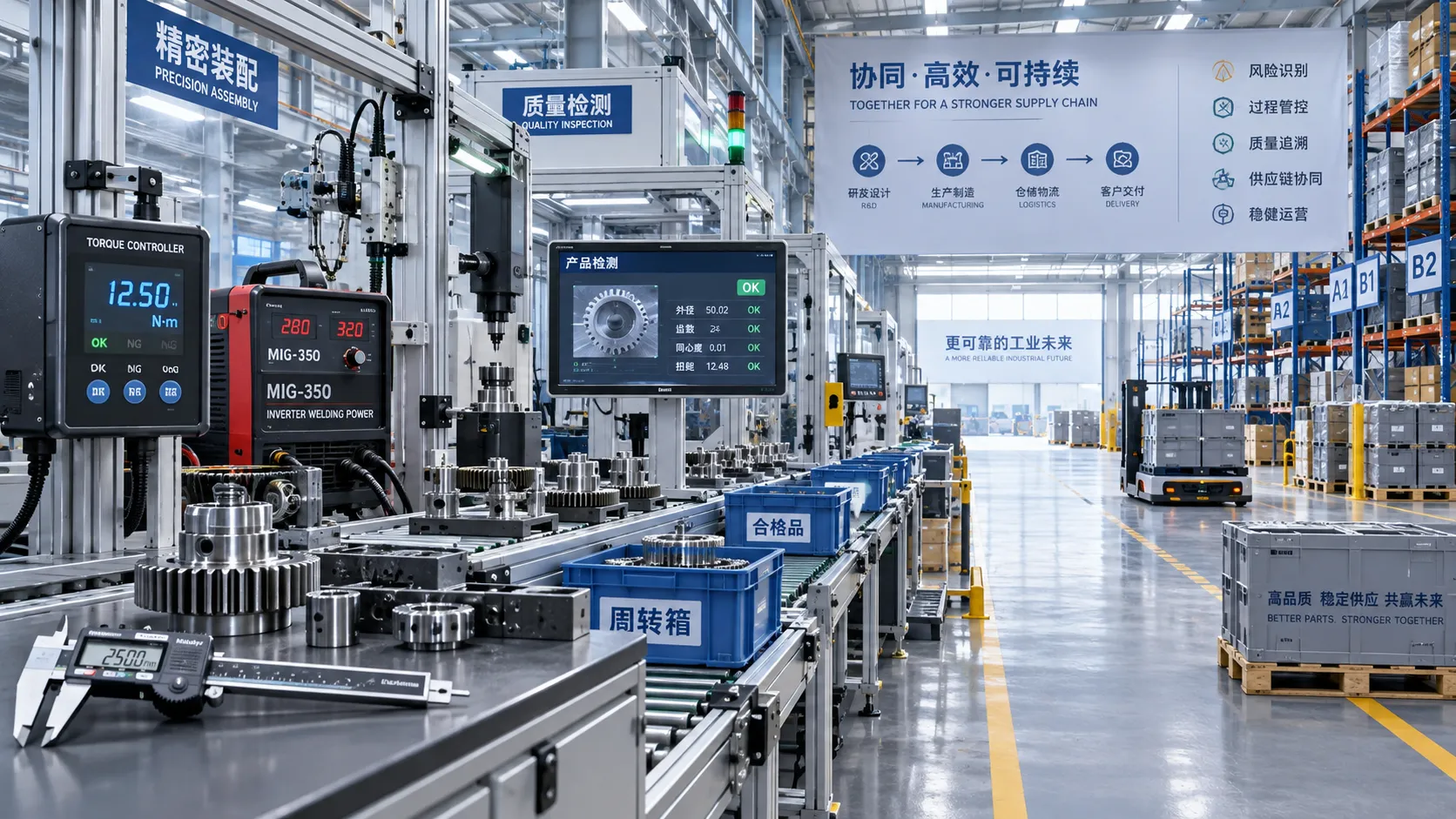
How Procurement Teams Can Map the Industrial Value Chain to Reduce Supply Risk
Industrial value chain procurement helps teams map hidden dependencies, qualify resilient sources, and reduce supply risk before disruptions stop production.

How Specification-Driven Articles Improve Precision Measurement System Selection
Specification-oriented articles precision measurement guidance helps teams compare accuracy, repeatability, environment, and data needs to select reliable systems with confidence.

How to Evaluate a Technology Integration Service Provider for Complex Projects
Technology integration service provider selection guide: evaluate interface ownership, delivery discipline, scalable architecture, and risk control for complex projects.
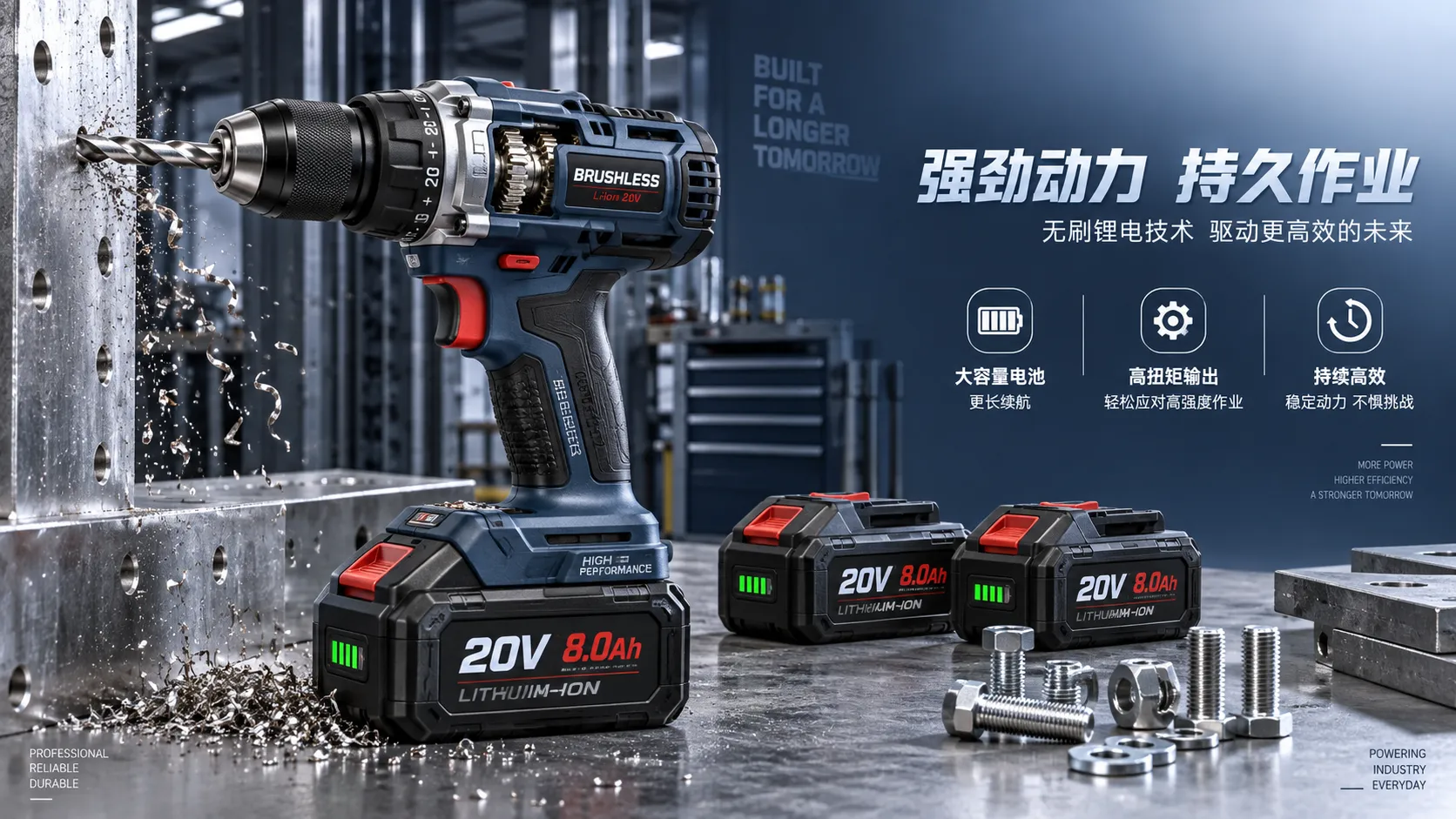
How Battery, Torque, and Duty Cycle Affect Cordless Power Tool Efficiency
Cordless power tool efficiency depends on battery output, torque, and duty cycle. Learn how to match tools to demanding jobs for stronger runtime and productivity.

Product Comparison Resources for Component Compatibility and Lifecycle Risk
Product comparison resources for components: evaluate compatibility, interfaces, service support, and lifecycle risk to reduce downtime, avoid redesigns, and make confident sourcing decisions.
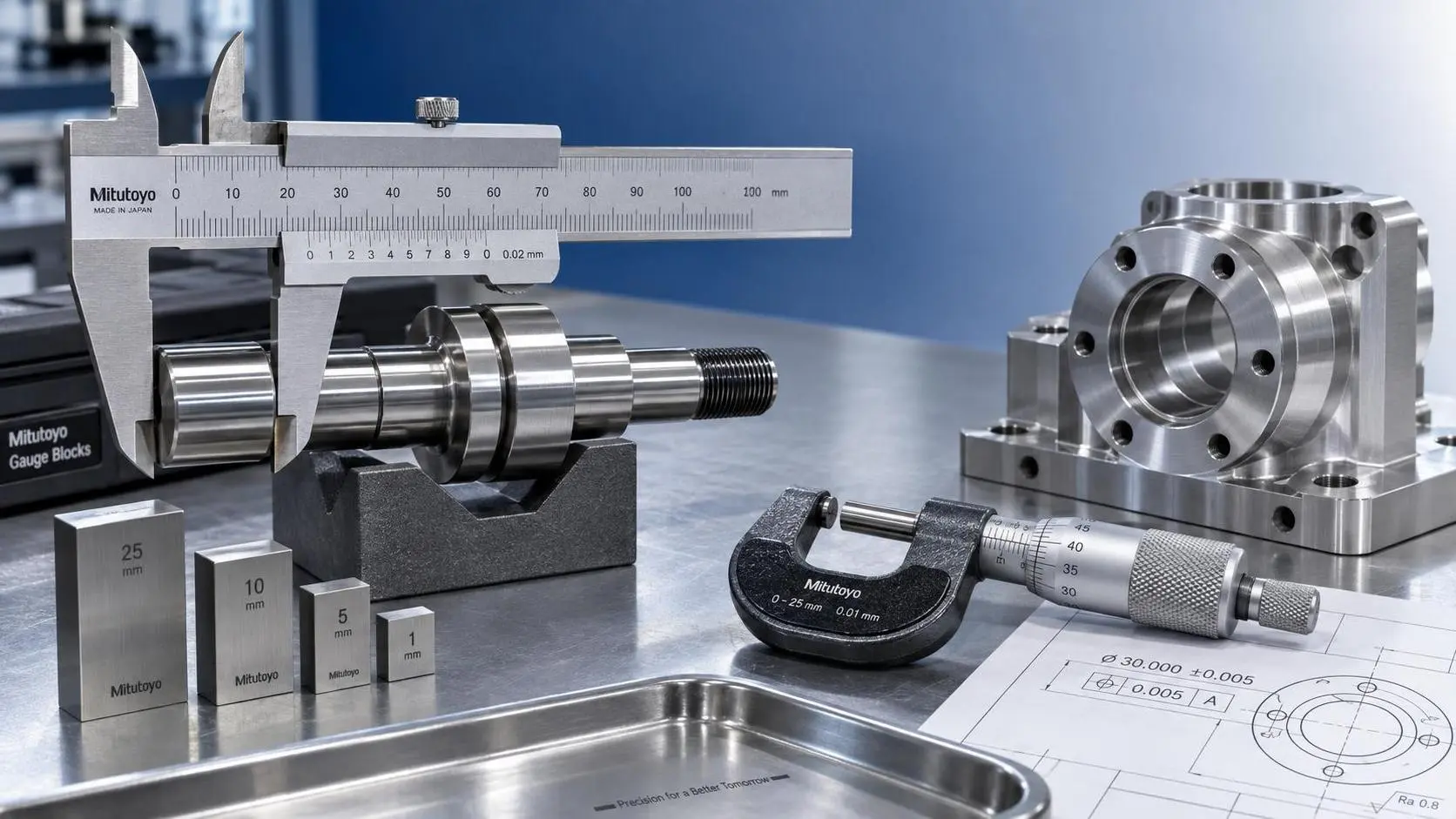
How to Select Vernier Precision Calipers for Tight-Tolerance Machining Inspection
Vernier precision calipers for tight-tolerance machining: learn how to select the right range, jaw design, accuracy, and verification process for reliable inspection.
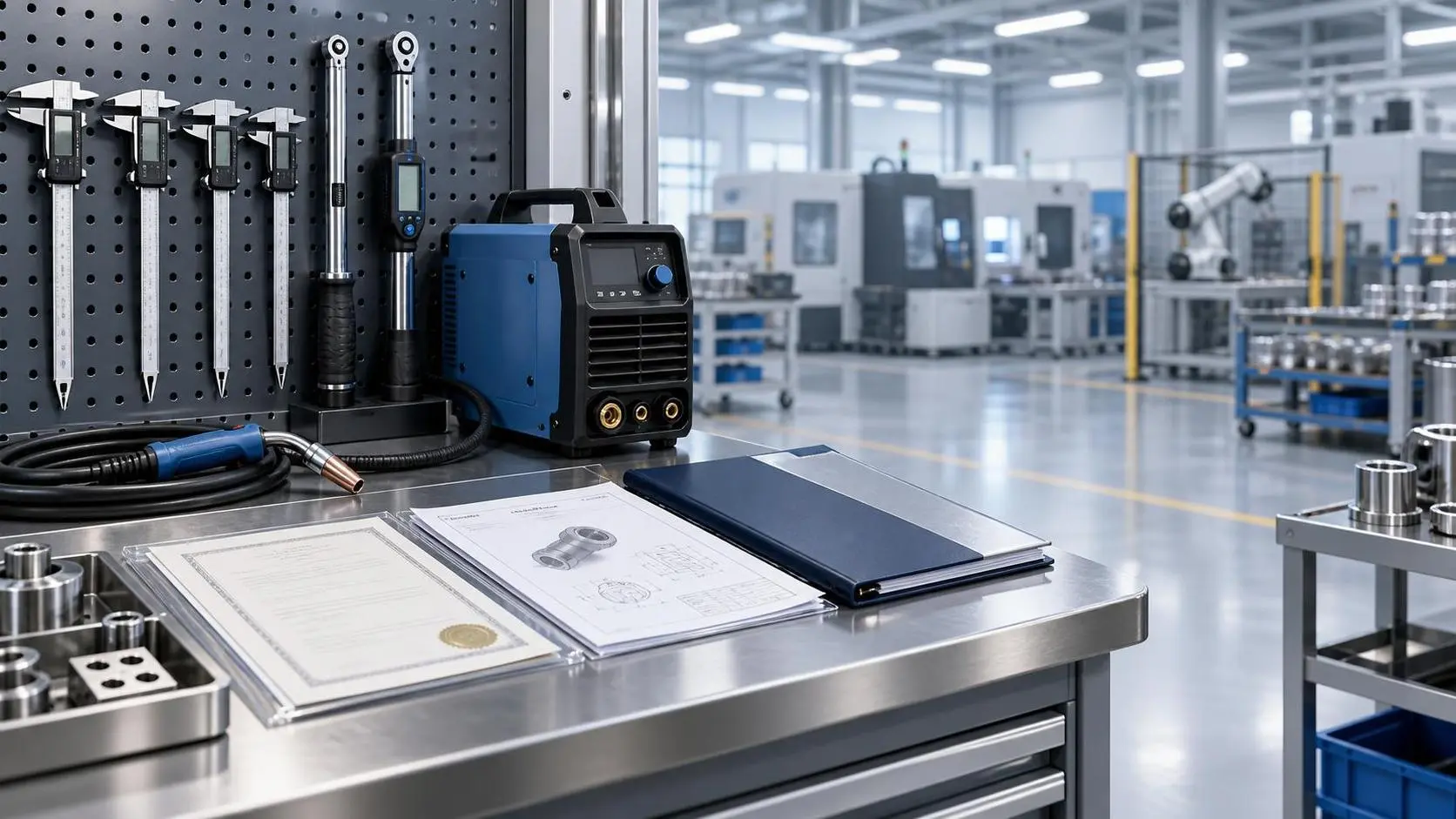
Product Comparison Resources in Europe: How Buyers Can Verify Specs and Suppliers
Product comparison resources Europe: learn how to verify industrial specs, compliance claims, supplier credibility, and delivery risk for smarter purchasing decisions.

How to Evaluate an Industrial Metrology Solution Manufacturer for Production Use
Industrial metrology solution manufacturer evaluation guide for production: compare accuracy, traceability, automation, software, service, and acceptance testing to reduce risk.

Which ISO Standards Matter Most for Precision Engineering Quality Control?
Precision engineering ISO standards explained: discover how ISO 9001, ISO/IEC 17025, ISO 10012, GPS, and ISO 3834 strengthen quality control, traceability, and compliance.
Related News
- 00
0000-00
How to Evaluate a Technology Integration Service Provider for Complex Projects - 00
0000-00
Product Comparison Resources in Europe: How Buyers Can Verify Specs and Suppliers - 00
0000-00
How to Evaluate an Industrial Metrology Solution Manufacturer for Production Use - 00
0000-00
How to Evaluate a Metal Joining Solutions Factory for Quality, Capacity, and Delivery Risk - 00
0000-00
How to Evaluate OEM Tool Solutions for Reliable Bulk Tool Orders
Dr. Alistair Vaughn
Weekly Insights
Stay ahead with our curated technology reports delivered every Monday.