
Manufacturing Efficiency Metrics That Matter: How to Measure Output, Downtime, and Waste





Manufacturing Efficiency Metrics That Matter: How to Measure Output, Downtime, and Waste
Manufacturing efficiency is no longer a back-office concern—it is a boardroom priority that shapes cost, resilience, and competitive advantage.
For decision-makers, measuring output, downtime, and waste with the right metrics is essential.
It reveals hidden losses, improves asset utilization, and supports smarter investment decisions.
This article explains which indicators matter most and how to use them to build a more productive, data-driven operation.
Why manufacturing efficiency needs a sharper definition
Many factories say they are improving manufacturing efficiency.
Yet the claim often rests on isolated numbers.
A higher daily output looks positive.
But if overtime rises, scrap increases, or equipment failures grow, true efficiency may be falling.
That is why manufacturing efficiency must be measured as a system, not a single result.
In practical terms, the core system has three parts: output, downtime, and waste.
The board-level view
Output shows whether assets generate value at the expected rate.
Downtime shows how often capacity is lost.
Waste shows how much input fails to become sellable product.
Together, these metrics translate factory performance into cost, margin, and cash-flow implications.
Output metrics that actually reflect manufacturing efficiency
Output is often the first number leaders review.
Still, gross volume alone can be misleading.
A better approach is to track output through several linked indicators.
1. Throughput
Throughput measures how many good units leave the process in a given time.
It is one of the clearest indicators of manufacturing efficiency.
Track it by line, shift, product family, and plant.
That makes bottlenecks visible instead of hidden inside monthly averages.
2. Capacity utilization
Capacity utilization compares actual output with practical available capacity.
This metric helps separate weak demand from weak execution.
If demand is strong but utilization is low, operational constraints are likely the issue.
3. First-pass yield
First-pass yield measures the share of units produced correctly the first time.
This matters because rework inflates output numbers while hurting manufacturing efficiency.
When first-pass yield falls, reported production can look healthy while margin quietly erodes.
4. Overall Equipment Effectiveness
OEE combines availability, performance, and quality.
It remains one of the strongest composite measures of manufacturing efficiency.
However, it only works when the data definition is consistent.
If plants use different downtime codes or quality rules, OEE loses strategic value.
Downtime metrics that expose hidden capacity loss
Downtime is one of the most underestimated barriers to manufacturing efficiency.
It is also one of the easiest areas to misread.
Short stops, waiting time, changeovers, and micro-failures often escape senior reporting.
Yet these events accumulate into major output losses over time.
Key downtime indicators
- Unplanned downtime hours: shows sudden losses from breakdowns or process instability.
- Mean time between failures: indicates equipment reliability trends.
- Mean time to repair: shows how quickly operations recover.
- Changeover time: highlights flexibility and scheduling discipline.
- Micro-stop frequency: captures small disruptions that damage manufacturing efficiency.
What to watch beyond the obvious
From recent operating patterns, a clearer signal is emerging.
Downtime is not just a maintenance issue.
It is often linked to planning errors, operator training gaps, tooling inconsistency, and material flow problems.
That also means better manufacturing efficiency requires cross-functional ownership, not isolated troubleshooting.
Waste metrics that protect margin and sustainability
Waste is where manufacturing efficiency becomes financially concrete.
Every scrap unit, excess movement, or energy loss has a cost.
In many operations, waste also drives customer risk and compliance pressure.
The waste indicators that matter most
- Scrap rate: the percentage of material that cannot be sold or reused as planned.
- Rework rate: the share of production needing correction before shipment.
- Material yield: how effectively raw material converts into finished goods.
- Energy use per unit: useful for energy-intensive lines and carbon accountability.
- Inventory obsolescence: reveals slow-moving or mismatched production decisions.
In real operations, scrap is often measured well.
Process waste is not.
Waiting, overproduction, extra handling, and poor line balancing can quietly reduce manufacturing efficiency.
The best measurement systems combine physical waste with time-based waste.
How to build a practical manufacturing efficiency dashboard
A useful dashboard should support decisions, not just reporting.
That means keeping the metric set focused.
Too many indicators create noise and reduce action speed.
A simple structure
Rules for better measurement
- Use one definition for downtime across all plants.
- Separate planned stops from unplanned losses.
- Track good units, not total units alone.
- Review metrics by asset, product, shift, and site.
- Link each metric to an owner and response window.
When these rules are applied, manufacturing efficiency becomes measurable in a way that supports accountability.
Common mistakes when measuring manufacturing efficiency
Several mistakes appear again and again.
They make improvement programs look active while results remain weak.
- Focusing on labor productivity while ignoring machine losses.
- Treating rework as acceptable output.
- Using monthly averages that hide daily instability.
- Comparing plants without common standards.
- Collecting data without a defined action path.
A more reliable model is to connect every manufacturing efficiency metric to a decision.
If a number cannot trigger action, it probably does not belong on the main dashboard.
Turning metrics into action
The value of manufacturing efficiency metrics lies in what happens next.
Good measurement should narrow priorities, not expand confusion.
A practical starting point is straightforward.
- Establish baseline values for output, downtime, and waste.
- Identify the biggest loss by cost impact, not visibility.
- Assign owners across production, maintenance, quality, and planning.
- Review weekly trends and monthly structural causes.
- Invest only after data confirms the true constraint.
This is where strategic intelligence becomes useful.
Platforms such as GPTWM help connect shop-floor signals with wider technology, tooling, and market shifts.
That broader view supports better timing on automation, maintenance strategy, and process upgrades.
In a more volatile industrial environment, that timing matters as much as the metric itself.
Conclusion
Manufacturing efficiency improves when measurement is disciplined, consistent, and tied to business outcomes.
The most useful framework is not complicated.
Track output with good-unit logic, monitor downtime with root-cause precision, and measure waste in both material and time terms.
That combination gives manufacturing efficiency real managerial value.
For organizations seeking stronger resilience and better returns, the next move is clear.
Audit the current metric set, remove vanity indicators, and focus on the losses that truly shape performance.
When manufacturing efficiency is measured well, operational improvement becomes faster, more targeted, and far more credible.
Related News
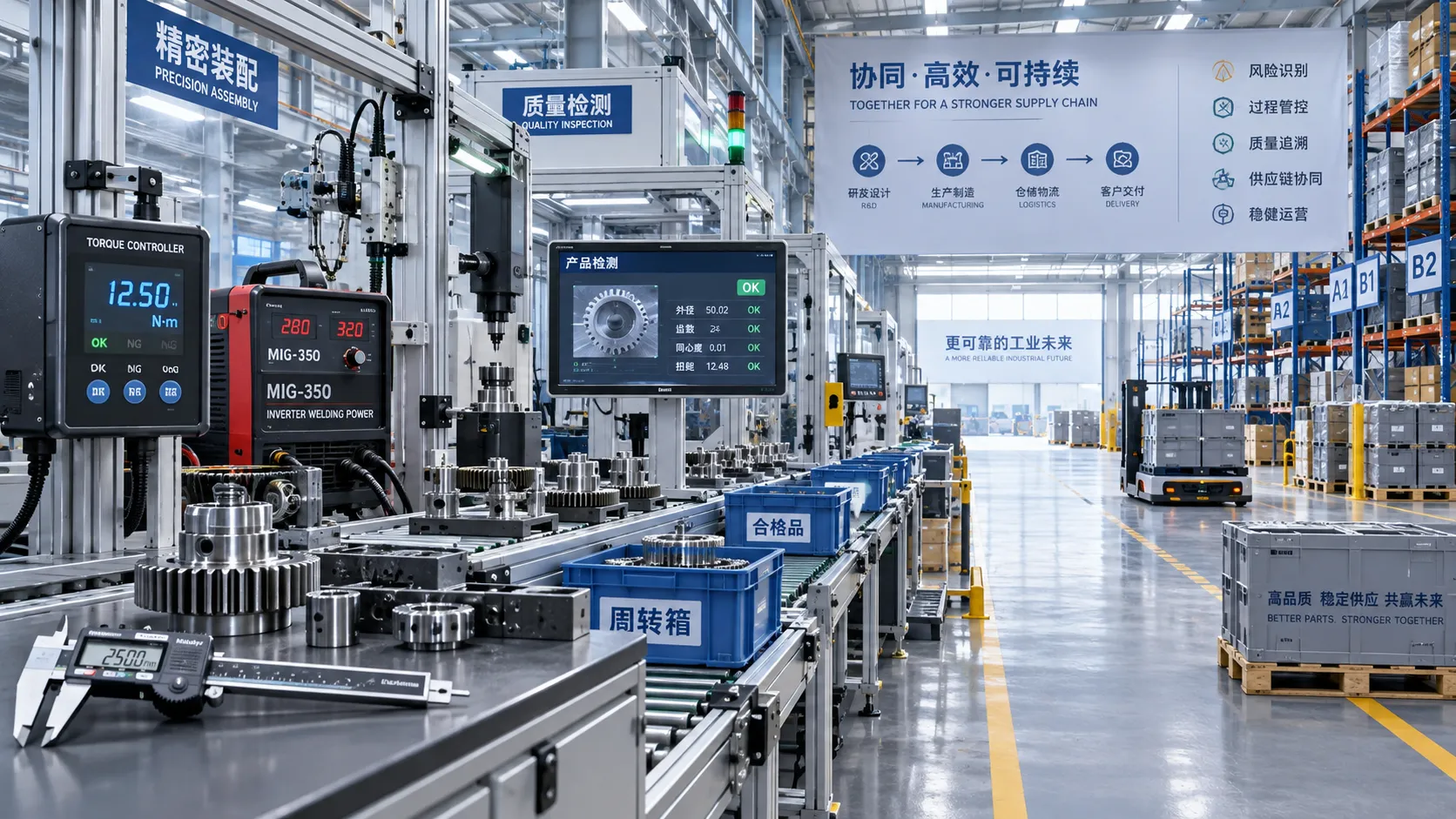
How Procurement Teams Can Map the Industrial Value Chain to Reduce Supply Risk
Industrial value chain procurement helps teams map hidden dependencies, qualify resilient sources, and reduce supply risk before disruptions stop production.

How Specification-Driven Articles Improve Precision Measurement System Selection
Specification-oriented articles precision measurement guidance helps teams compare accuracy, repeatability, environment, and data needs to select reliable systems with confidence.

How to Evaluate a Technology Integration Service Provider for Complex Projects
Technology integration service provider selection guide: evaluate interface ownership, delivery discipline, scalable architecture, and risk control for complex projects.

How Battery, Torque, and Duty Cycle Affect Cordless Power Tool Efficiency
Cordless power tool efficiency depends on battery output, torque, and duty cycle. Learn how to match tools to demanding jobs for stronger runtime and productivity.

Product Comparison Resources for Component Compatibility and Lifecycle Risk
Product comparison resources for components: evaluate compatibility, interfaces, service support, and lifecycle risk to reduce downtime, avoid redesigns, and make confident sourcing decisions.
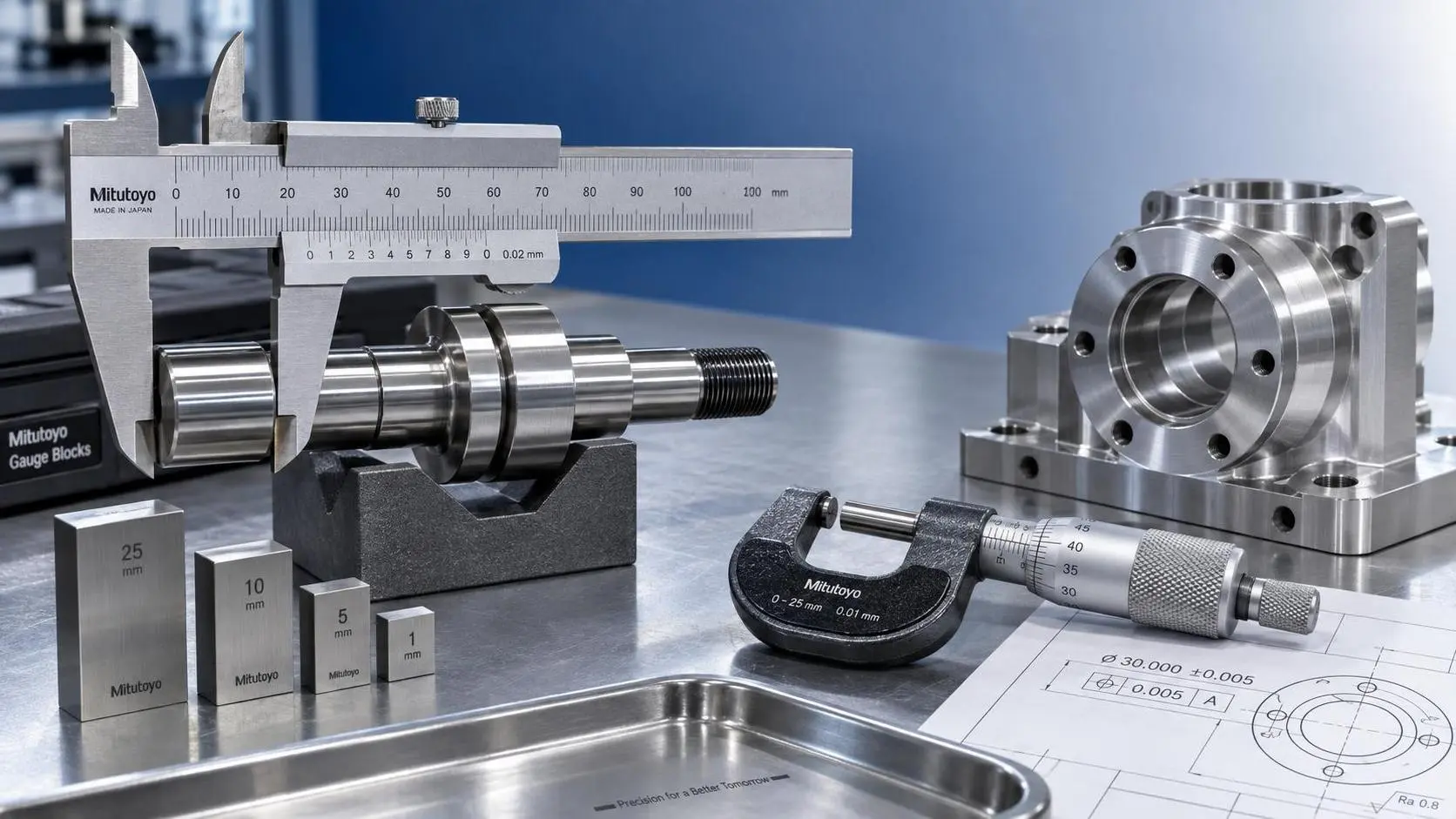
How to Select Vernier Precision Calipers for Tight-Tolerance Machining Inspection
Vernier precision calipers for tight-tolerance machining: learn how to select the right range, jaw design, accuracy, and verification process for reliable inspection.
Product Comparison Resources in Europe: How Buyers Can Verify Specs and Suppliers
Product comparison resources Europe: learn how to verify industrial specs, compliance claims, supplier credibility, and delivery risk for smarter purchasing decisions.
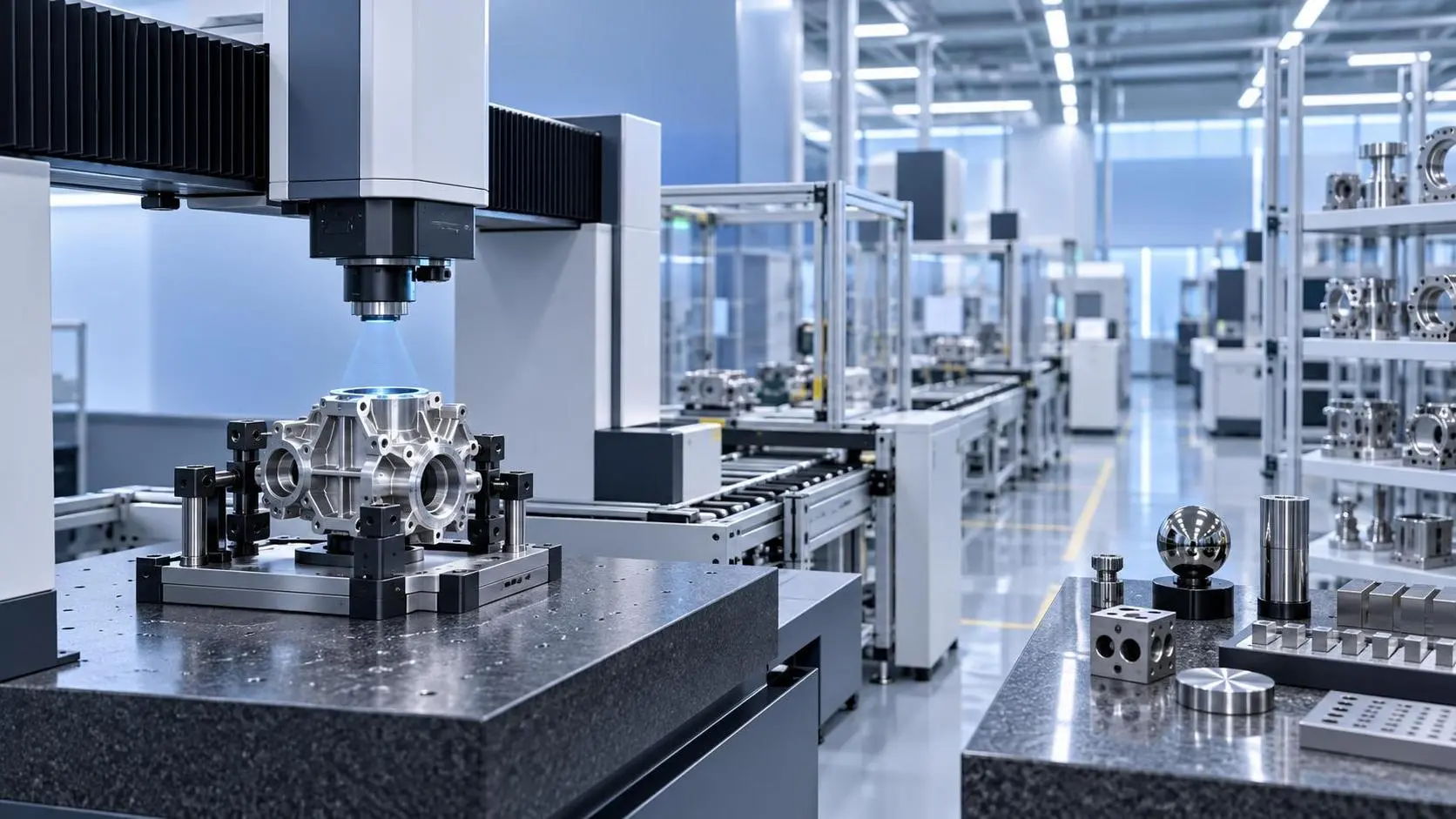
How to Evaluate an Industrial Metrology Solution Manufacturer for Production Use
Industrial metrology solution manufacturer evaluation guide for production: compare accuracy, traceability, automation, software, service, and acceptance testing to reduce risk.
Which ISO Standards Matter Most for Precision Engineering Quality Control?
Precision engineering ISO standards explained: discover how ISO 9001, ISO/IEC 17025, ISO 10012, GPS, and ISO 3834 strengthen quality control, traceability, and compliance.
Related News
- 00
0000-00
How Specification-Driven Articles Improve Precision Measurement System Selection - 00
0000-00
Product Comparison Resources for Component Compatibility and Lifecycle Risk - 00
0000-00
Which ISO Standards Matter Most for Precision Engineering Quality Control? - 00
0000-00
Selecting Metal Joining Methods for Aluminum-to-Steel Assemblies - 00
0000-00
How to Evaluate Industrial Manufacturing Systems for Throughput, Flexibility, and ROI
Prof. Marcus Chen
Weekly Insights
Stay ahead with our curated technology reports delivered every Monday.