
Brushless Motors vs Brushed Motors: Which Option Fits Industrial Equipment Better?





Brushless Motors vs Brushed Motors: Which Option Fits Industrial Equipment Better?
For industrial equipment buyers, motor selection now shapes far more than basic motion.
It influences uptime, maintenance cycles, energy use, operator experience, and asset life.
That is why the debate around brushless motors and brushed motors keeps gaining attention.
In many industrial settings, the better option depends less on hype and more on workload reality.
The key is understanding where brushless motors create measurable value and where brushed systems still make sense.
Why This Comparison Matters More Today
Recent market shifts make motor choice more strategic than it was five years ago.
Factories are pushing for tighter precision, lower downtime, and better energy discipline.
At the same time, labor costs and service delays are raising the price of avoidable maintenance.
This is where brushless motors often stand out.
They support higher efficiency, cleaner operation, and more consistent performance under digital control.
Still, brushed motors remain useful in cost-sensitive equipment with simple duty cycles.
So the decision is not about old versus new.
It is about fit, operating profile, and total business impact.
How Brushed and Brushless Motors Actually Differ
A brushed motor uses physical brushes to transfer current to the rotating commutator.
That design is familiar, easy to understand, and usually cheaper upfront.
A brushless motor replaces that contact system with electronic commutation.
This removes brush wear and allows smarter control over speed, torque, and thermal behavior.
Core differences at a glance
On paper, brushless motors usually look superior.
In practice, the right answer depends on operating intensity, service expectations, and control requirements.
Where Brushless Motors Deliver the Strongest Industrial Advantage
Brushless motors are often the better fit when output consistency matters every shift.
This is especially true in equipment tied to precision, repetitive use, or harsh duty cycles.
1. Higher uptime
With no brushes to wear down, scheduled maintenance becomes less frequent.
That matters for assembly tools, mobile service equipment, and automated production lines.
2. Better energy efficiency
Brushless motors convert more electrical energy into useful output.
Over a large installed base, that efficiency can lower operating cost in a meaningful way.
3. Improved control and repeatability
A brushless motor works well with variable speed control and torque management systems.
That supports precise fastening, cutting, conveying, and metrology-related positioning tasks.
4. Lower heat and cleaner operation
Less friction means reduced heat buildup and fewer contamination concerns from brush dust.
That can be valuable in enclosed systems or accuracy-sensitive environments.
These benefits explain why brushless motors are expanding across power tools, robotics, pumps, fans, and advanced welding support systems.
When Brushed Motors Still Make Sense
Even with the rise of brushless motors, brushed designs are not obsolete.
They remain practical in simple systems where budget pressure is high and runtime is limited.
- Low-cost devices with intermittent use often justify brushed motors.
- Basic equipment without advanced control electronics may be easier to deploy with brushed designs.
- Applications with short product life cycles may not recover the premium of brushless motors.
- Field environments with easy service access can tolerate brush replacement more comfortably.
In other words, brushed motors still work when simplicity matters more than efficiency optimization.
The mistake is assuming lower purchase price always means lower total cost.
The Real Decision Metric: Total Cost of Ownership
For industrial selection, upfront cost should never stand alone.
A more useful view is total cost of ownership across the equipment lifecycle.
Key cost questions to compare
- How many service hours will brush replacement require each year?
- What is the cost of unplanned stoppage during peak production?
- How much electricity can higher motor efficiency save over three to five years?
- Will process quality improve with steadier torque and speed control?
- Does the equipment need to integrate with smart control or predictive maintenance systems?
Once these questions are quantified, brushless motors often look stronger in medium- to high-utilization equipment.
That is especially true where downtime carries hidden costs across labor, throughput, and customer delivery.
Best-Fit Applications for Brushless Motors
From a practical buying perspective, certain use cases consistently favor brushless motors.
- Cordless industrial tools that need long runtime and stable output.
- Automated assembly systems that depend on repeatable torque delivery.
- Ventilation, pumping, or conveying equipment running for extended shifts.
- Precision equipment where vibration, heat, or contamination must stay controlled.
- Advanced welding support tools requiring reliable speed regulation.
In these scenarios, brushless motors align well with the broader shift toward intelligent, data-aware industrial operations.
That trend is becoming more visible across construction, automotive service, aerospace maintenance, and industrial fabrication.
Common Selection Risks to Avoid
Motor decisions often go wrong for predictable reasons.
A few checks can prevent expensive mismatches.
- Do not judge brushed and brushless motors only by unit price.
- Do not ignore the controller requirements of brushless motors.
- Do not overlook duty cycle, ambient heat, and contamination exposure.
- Do not assume every application needs the highest efficiency option.
- Do not separate motor choice from operator ergonomics and process control goals.
In actual operations, the best motor is the one that supports the full equipment system, not just the spec sheet.
A Practical Decision Framework
If the equipment runs often, demands precision, or sits in a costly production chain, start with brushless motors.
If the tool is simple, lightly used, and highly price-sensitive, brushed motors may still be the rational choice.
The most reliable path is to compare lifecycle cost, control needs, service risk, and performance consistency side by side.
That approach turns the brushless motors discussion into a business decision, not just an engineering preference.
As industrial equipment becomes more connected, efficient, and precision-driven, brushless motors will keep gaining ground. The smart move is to match that advantage to the applications where it pays back fastest.
Related News
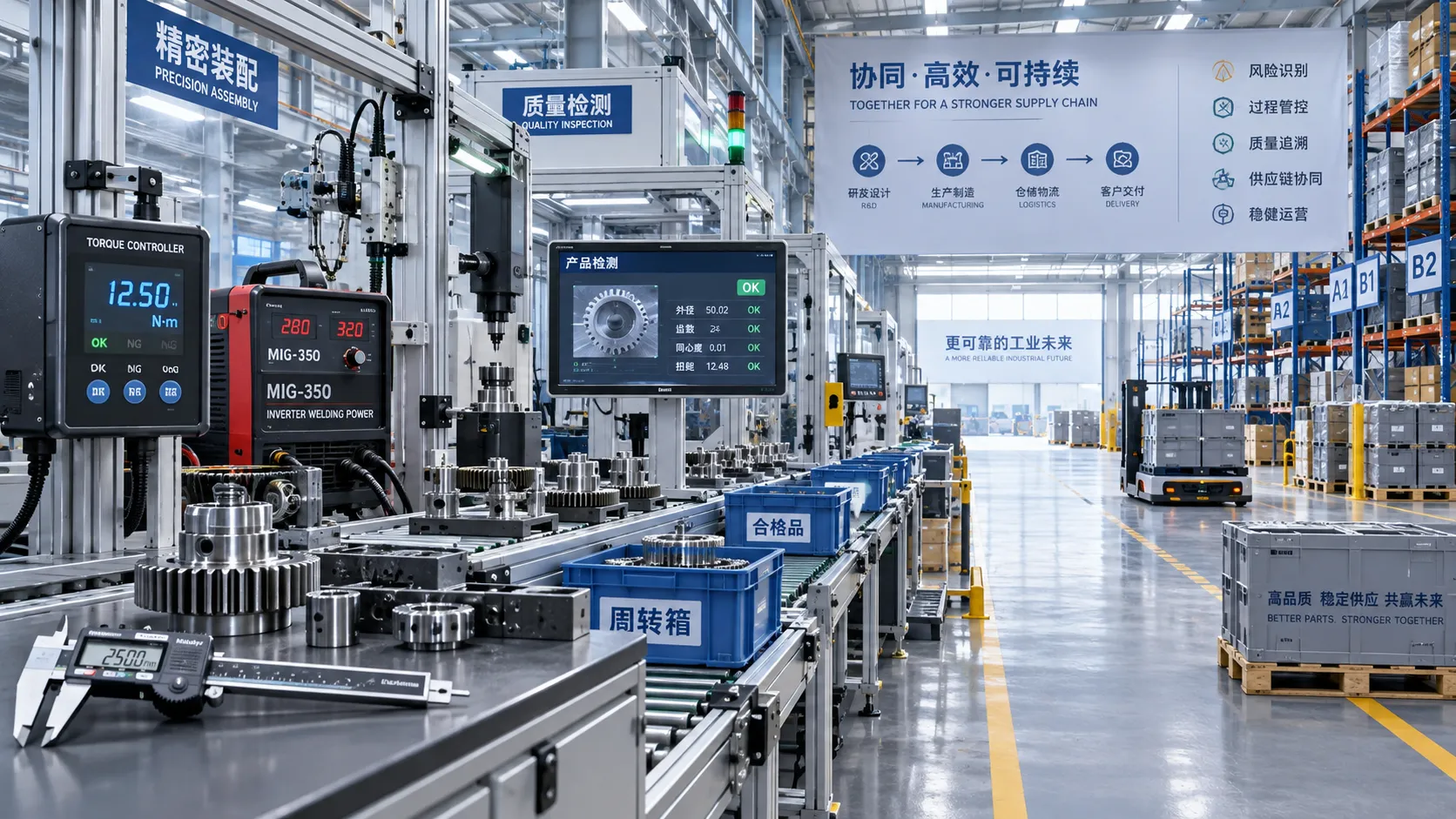
How Procurement Teams Can Map the Industrial Value Chain to Reduce Supply Risk
Industrial value chain procurement helps teams map hidden dependencies, qualify resilient sources, and reduce supply risk before disruptions stop production.
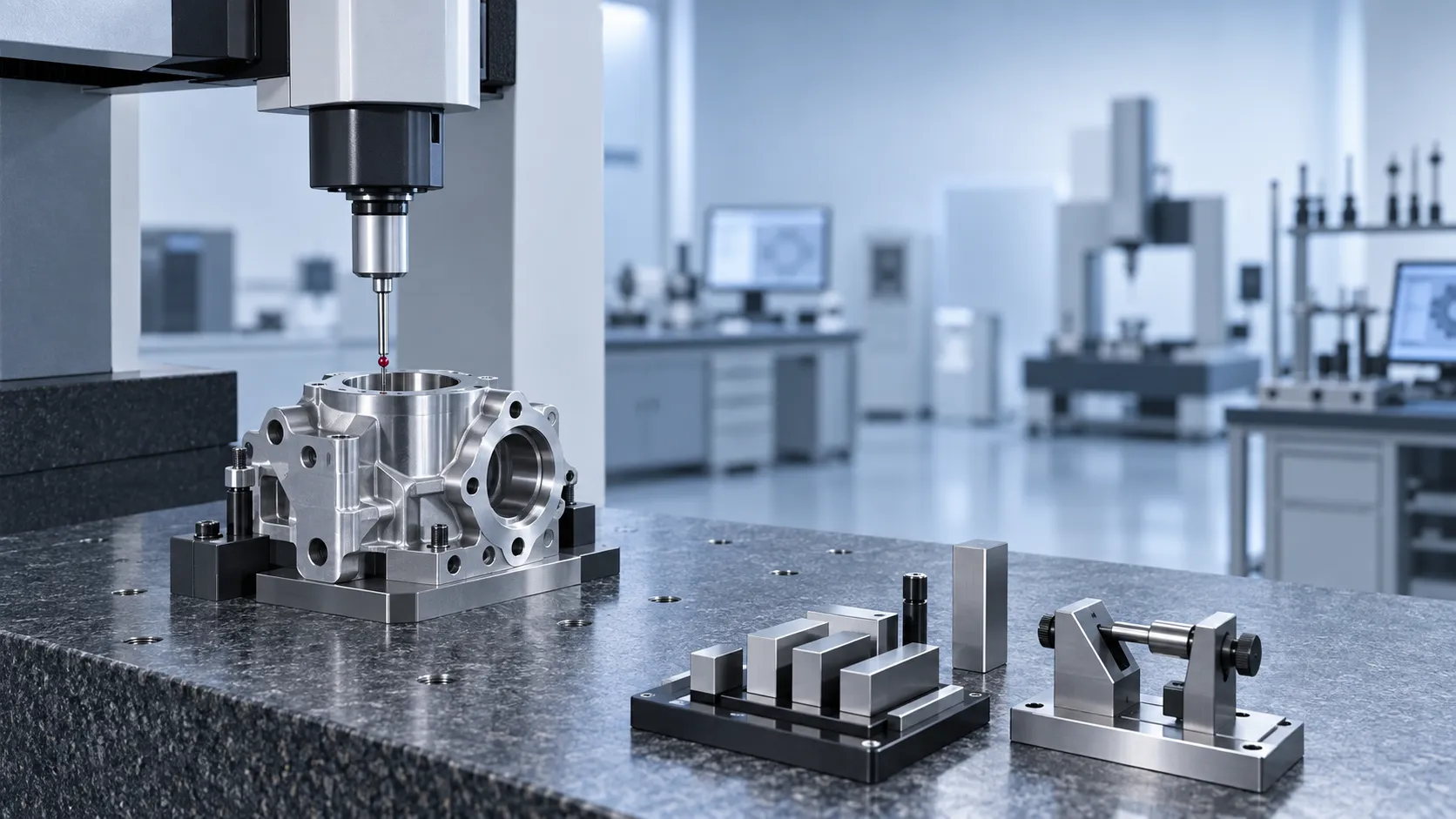
How Specification-Driven Articles Improve Precision Measurement System Selection
Specification-oriented articles precision measurement guidance helps teams compare accuracy, repeatability, environment, and data needs to select reliable systems with confidence.
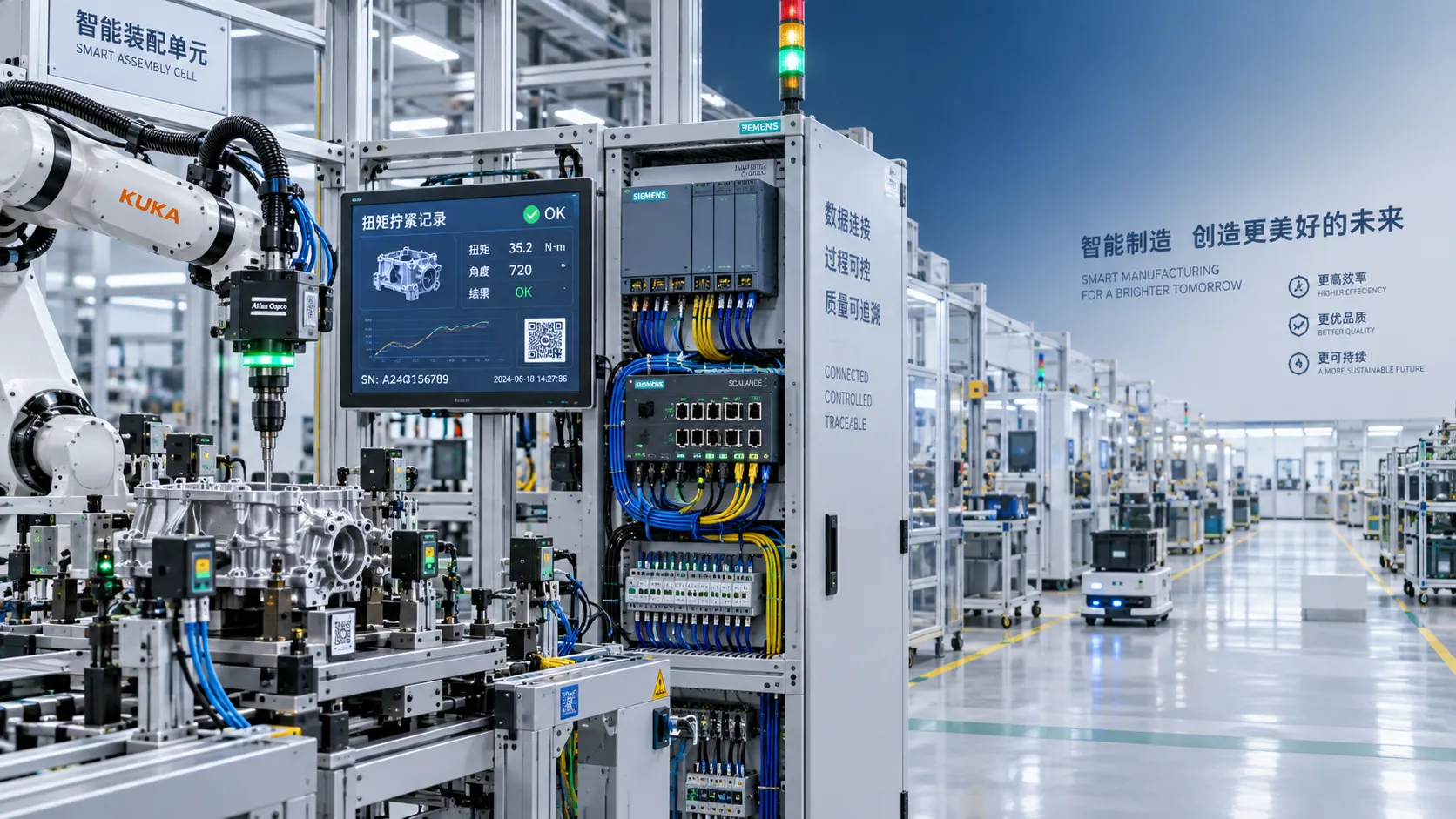
How to Evaluate a Technology Integration Service Provider for Complex Projects
Technology integration service provider selection guide: evaluate interface ownership, delivery discipline, scalable architecture, and risk control for complex projects.
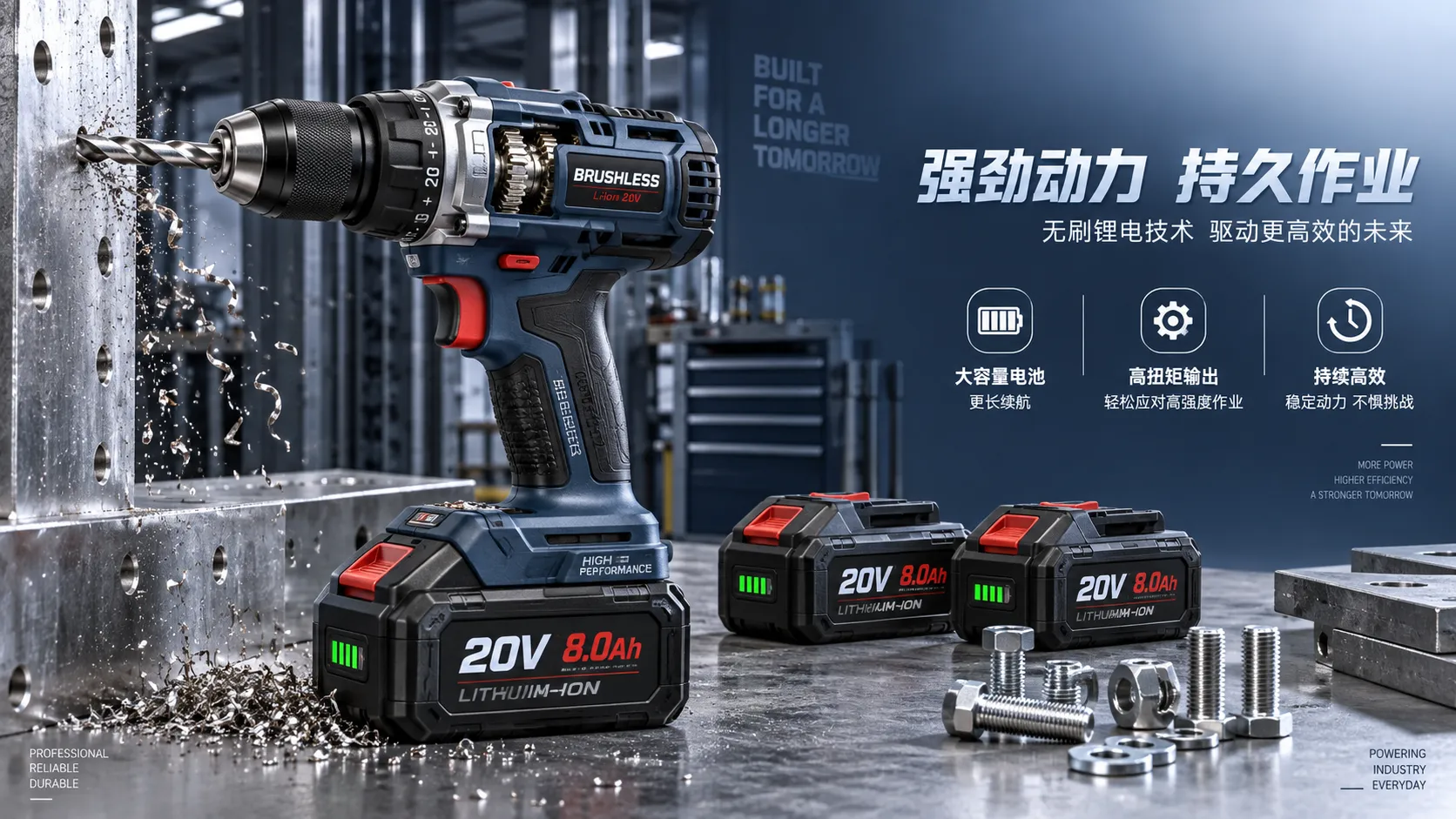
How Battery, Torque, and Duty Cycle Affect Cordless Power Tool Efficiency
Cordless power tool efficiency depends on battery output, torque, and duty cycle. Learn how to match tools to demanding jobs for stronger runtime and productivity.
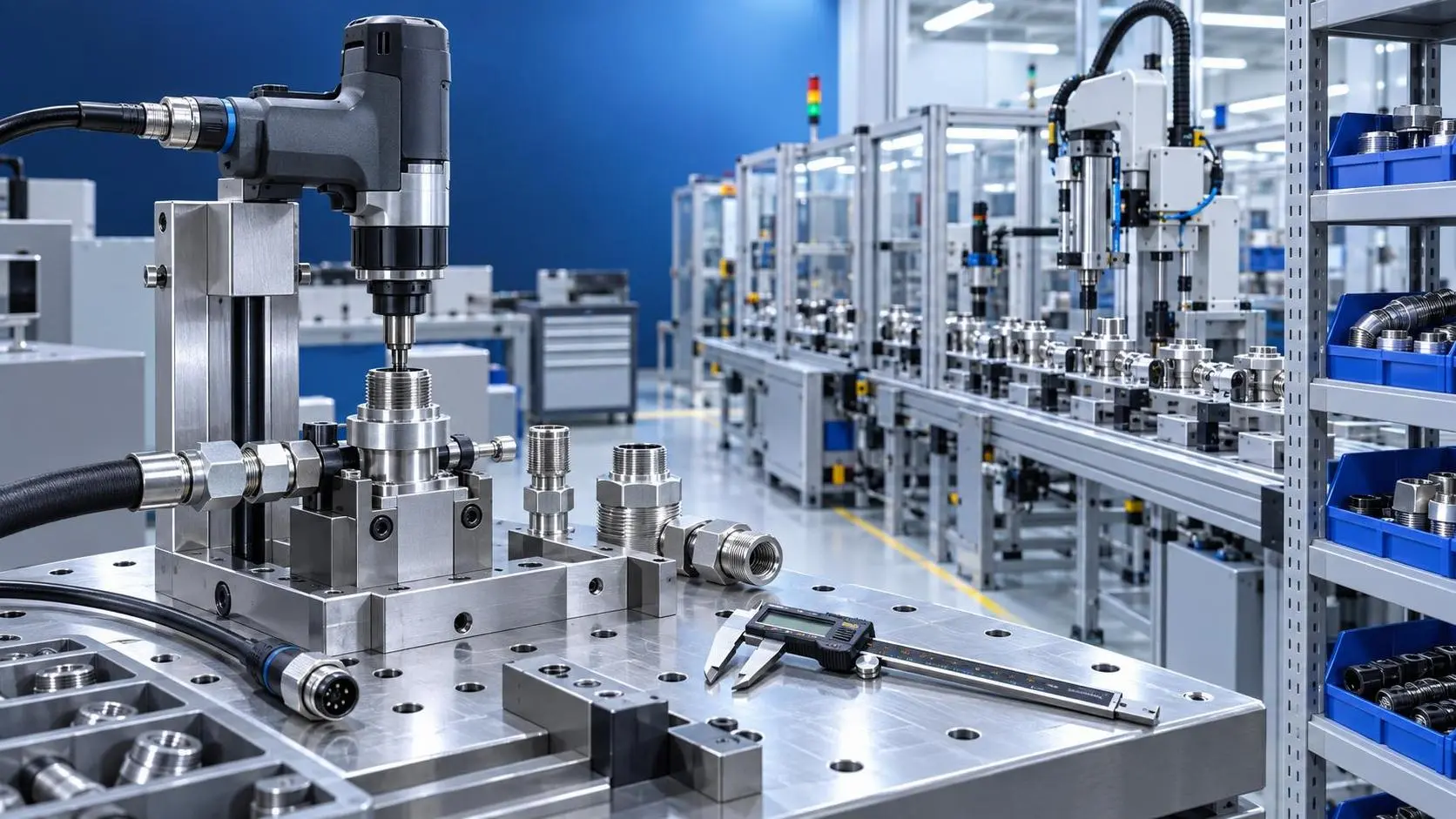
Product Comparison Resources for Component Compatibility and Lifecycle Risk
Product comparison resources for components: evaluate compatibility, interfaces, service support, and lifecycle risk to reduce downtime, avoid redesigns, and make confident sourcing decisions.
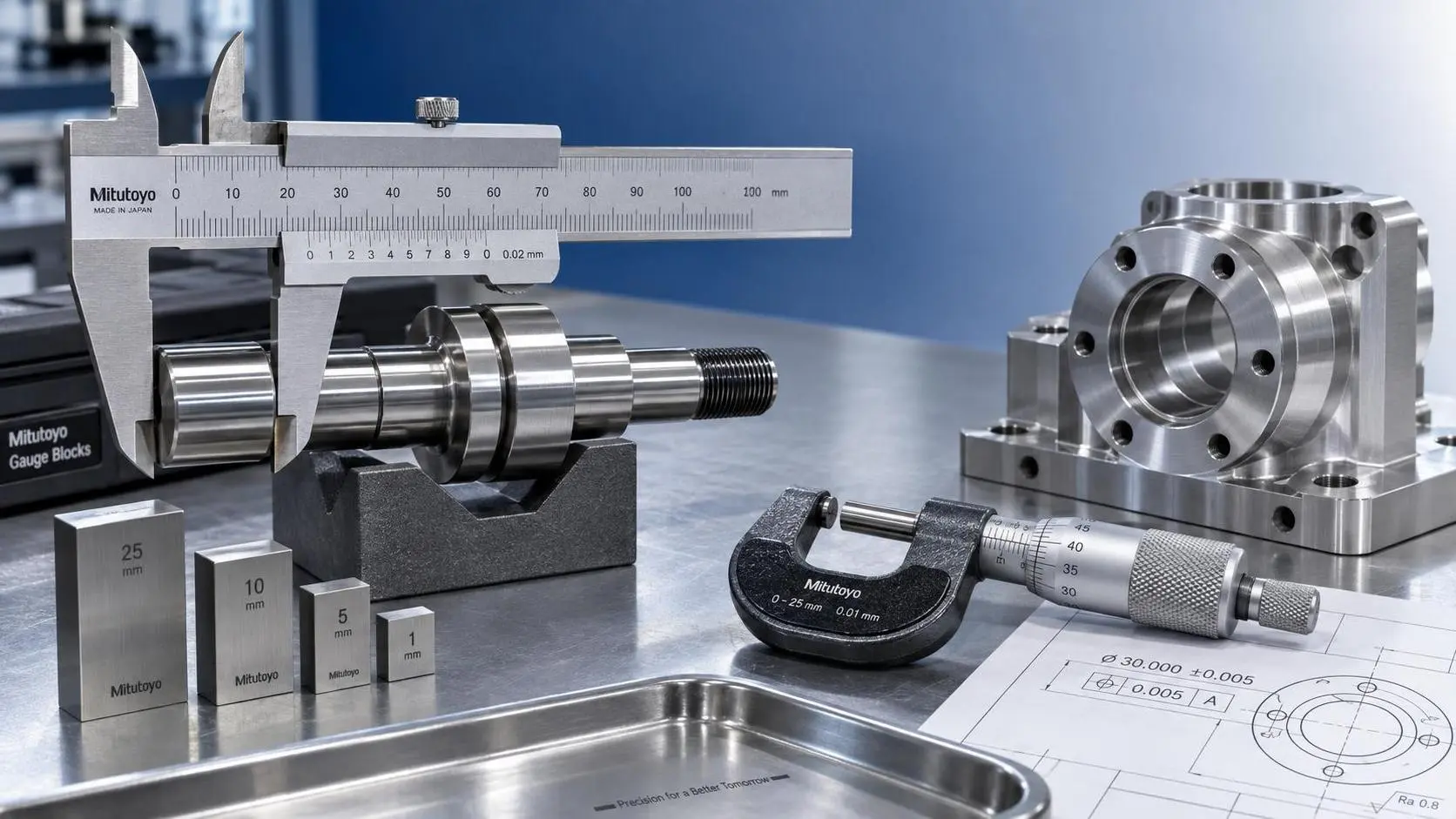
How to Select Vernier Precision Calipers for Tight-Tolerance Machining Inspection
Vernier precision calipers for tight-tolerance machining: learn how to select the right range, jaw design, accuracy, and verification process for reliable inspection.
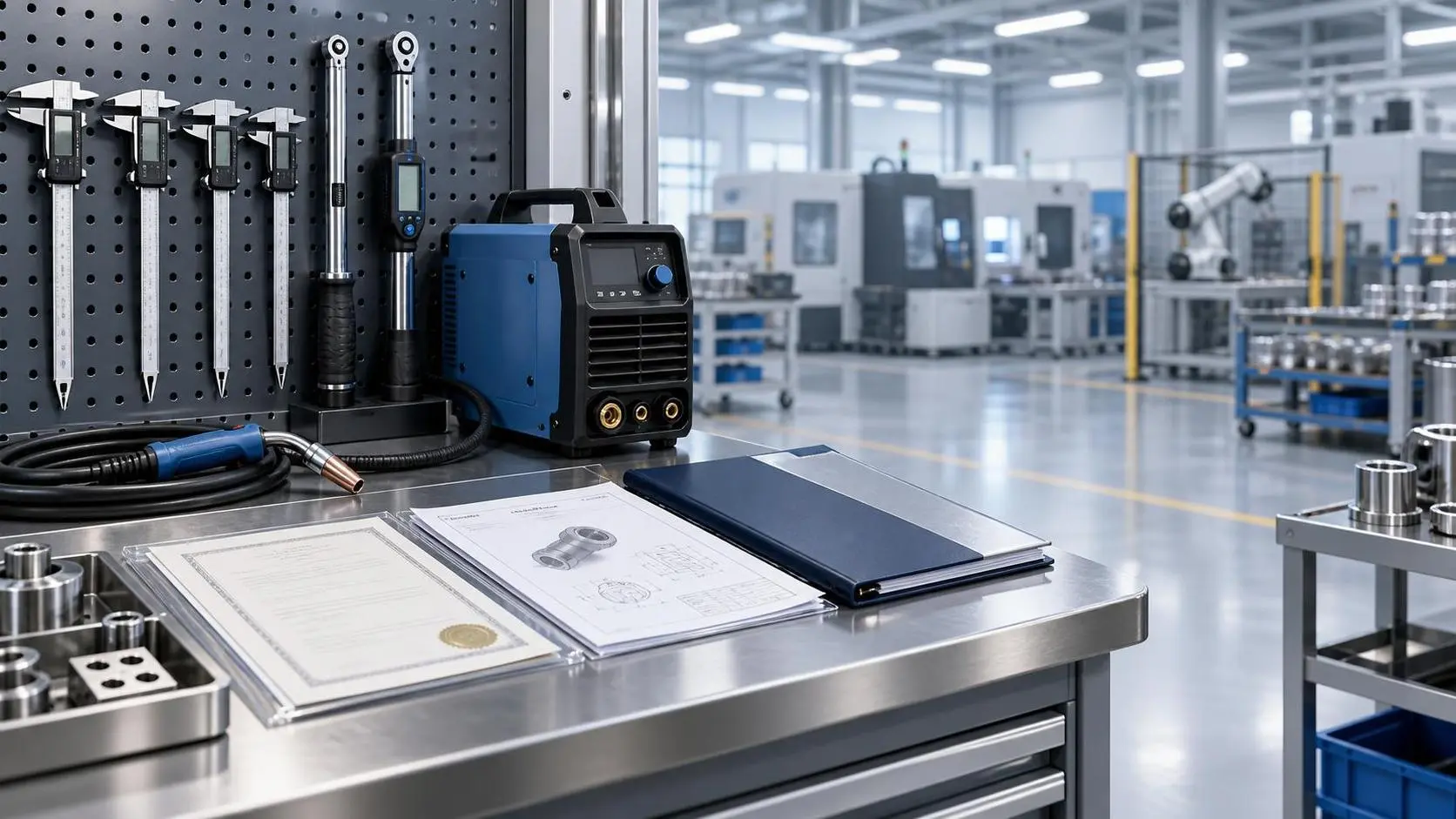
Product Comparison Resources in Europe: How Buyers Can Verify Specs and Suppliers
Product comparison resources Europe: learn how to verify industrial specs, compliance claims, supplier credibility, and delivery risk for smarter purchasing decisions.
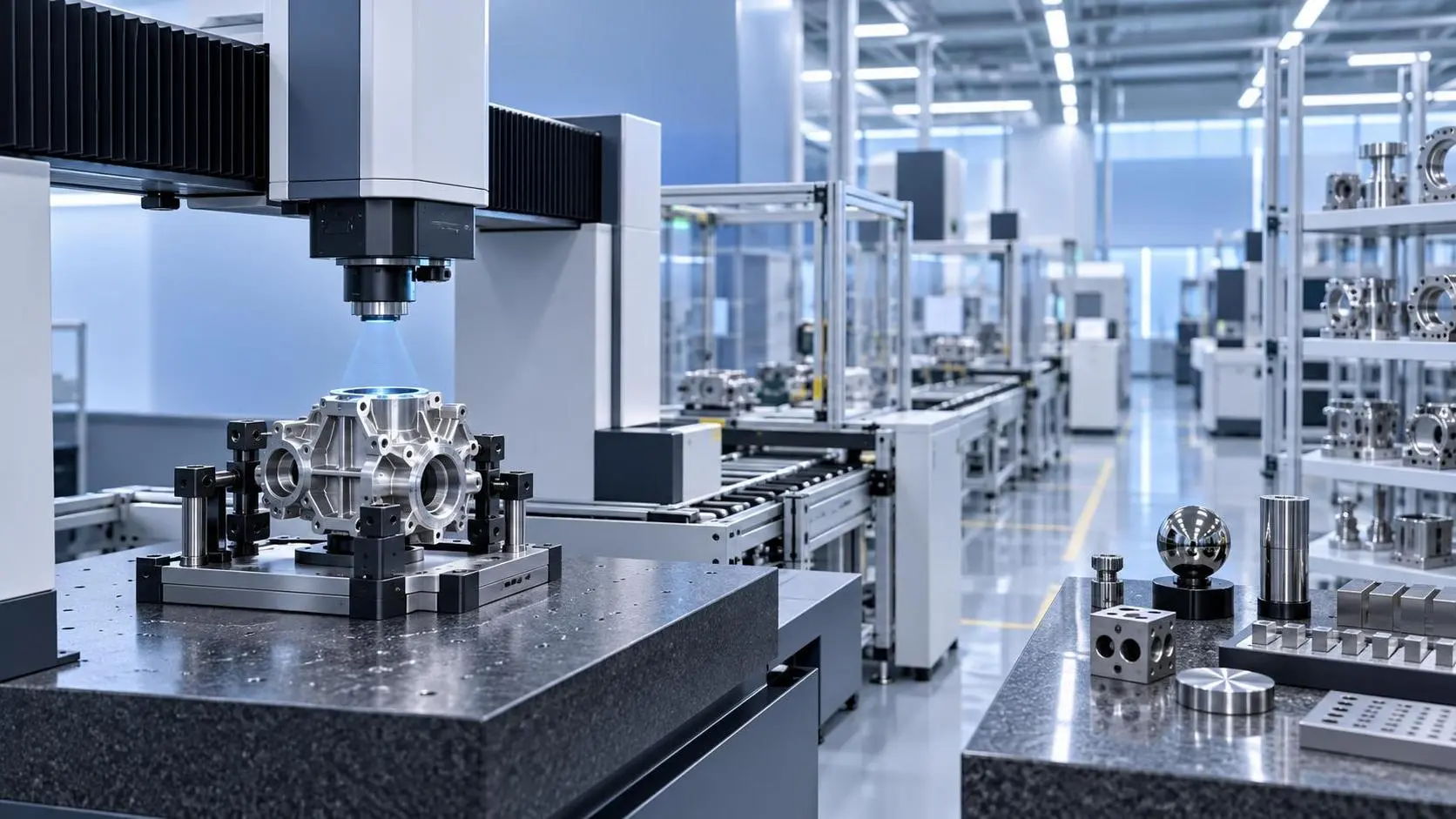
How to Evaluate an Industrial Metrology Solution Manufacturer for Production Use
Industrial metrology solution manufacturer evaluation guide for production: compare accuracy, traceability, automation, software, service, and acceptance testing to reduce risk.
Which ISO Standards Matter Most for Precision Engineering Quality Control?
Precision engineering ISO standards explained: discover how ISO 9001, ISO/IEC 17025, ISO 10012, GPS, and ISO 3834 strengthen quality control, traceability, and compliance.
Related News
- 00
0000-00
How Specification-Driven Articles Improve Precision Measurement System Selection - 00
0000-00
Product Comparison Resources for Component Compatibility and Lifecycle Risk - 00
0000-00
Which ISO Standards Matter Most for Precision Engineering Quality Control? - 00
0000-00
Selecting Metal Joining Methods for Aluminum-to-Steel Assemblies - 00
0000-00
How to Evaluate Industrial Manufacturing Systems for Throughput, Flexibility, and ROI
Prof. Marcus Chen
Weekly Insights
Stay ahead with our curated technology reports delivered every Monday.