
What Is Metrology Technology? Core Methods Used in Modern Quality Control





Why does metrology technology matter so much in modern quality control?
Metrology technology is the practical science of measurement used to confirm whether a process, part, or assembly meets defined requirements.
In quality control, it does more than produce numbers. It creates confidence that dimensions, alignment, surface condition, torque, and repeatability stay within acceptable limits.
That matters across general industry, especially where metal joining, industrial assembly, tooling, and maintenance depend on consistent tolerances.
A small measurement error can trigger scrap, rework, leakage, weak weld quality, unsafe fit, or downstream failure during service.
This is why metrology technology sits at the center of quality control and safety management. It supports compliance, traceability, and better decisions on the shop floor.
In practice, the value is not only in final inspection. The bigger benefit often comes from catching variation early, before it turns into a product or process problem.
That broader view also explains why industrial intelligence platforms such as GPTWM follow metrology trends closely.
When export standards shift, welding safety expectations rise, or precision tool demand changes, measurement strategy usually needs to change as well.
So, what exactly counts as metrology technology?
A common misunderstanding is that metrology technology only refers to lab instruments. It is actually a wider system of methods, devices, standards, and routines.
It includes handheld gauges, coordinate measuring machines, optical scanners, calibration tools, sensors, software, and documented measurement procedures.
The purpose is straightforward: measure reliably, compare results with specifications, and understand whether variation comes from the part, the process, or the measuring method.
In assembly and welding environments, metrology technology often supports questions like these:
- Is the component dimensionally correct before joining?
- Did heat input distort the geometry after welding?
- Are torque, gap, flatness, and alignment within tolerance?
- Can the same result be reproduced across shifts, sites, or suppliers?
When people ask what metrology technology is, the best answer is this: it is the measurement framework that turns quality from assumption into evidence.
Which core methods are used most often, and when do they make sense?
Modern quality control uses several metrology technology methods, and each one fits a different level of accuracy, speed, and complexity.
A simple comparison table helps clarify where each method is strongest.
Contact measurement remains common because it is practical, affordable, and fast for in-process checks.
CMM inspection becomes important when tolerance zones are tight or when multiple geometric relationships must be verified together.
Optical and laser-based metrology technology is gaining ground because production teams want faster feedback without physically touching the part.
Calibration, meanwhile, is less visible but absolutely foundational. If the measuring system is not verified, every downstream result is open to doubt.
Where is metrology technology most useful in real industrial workflows?
The most effective use of metrology technology happens before, during, and after production rather than only at the final checkpoint.
Before production, it helps validate incoming materials, fixtures, and critical tooling dimensions.
During production, it tracks drift. That can include hole position, weld distortion, torque output, runout, surface finish, or part orientation.
After production, it confirms whether the finished item still matches design intent and relevant standards.
In actual assembly environments, several scenarios appear repeatedly:
- Checking weld area distortion on fabricated frames
- Verifying tool calibration before safety-critical fastening
- Monitoring wear on gauges and fixtures used every shift
- Comparing supplier parts against master dimensions
- Capturing field measurements during maintenance or retrofit work
This wider role explains why metrology technology is now discussed alongside intelligent torque systems, digital records, and connected manufacturing data.
GPTWM often frames this as the last mile of manufacturing intelligence, where precise measurement connects design, craftsmanship, safety, and actual production output.
How do you judge whether a measurement method is good enough?
A better question than accuracy alone is fitness for purpose. The right metrology technology must match tolerance, risk level, material condition, and production speed.
For example, a handheld gauge may be perfectly suitable for a stable, low-risk dimension, but completely inadequate for a complex datum relationship.
A practical evaluation usually includes these checks:
- Resolution compared with tolerance band
- Repeatability across operators and shifts
- Environmental sensitivity, including heat, dust, and vibration
- Calibration interval and traceability records
- Data usability for audits, root cause work, or supplier review
When uncertainty is ignored, teams often overtrust measurements that only look precise on screen.
That is why measurement system analysis matters. It helps separate real process variation from variation introduced by the instrument or the operator.
If a method cannot support consistent decisions, it is not truly serving quality control, no matter how advanced it appears.
What are the most common mistakes when adopting metrology technology?
One frequent mistake is buying sophisticated equipment without defining the real measurement problem first.
Another is treating measurement as a final inspection activity instead of a process control tool.
More subtle problems show up in daily routines:
- Using one method for every feature, even when surfaces or tolerances differ
- Skipping calibration because instruments still appear to work normally
- Ignoring thermal effects on metal parts after machining or welding
- Collecting large amounts of data without decision rules
- Failing to connect measurement findings to corrective action
In safety-related environments, these mistakes can create false acceptance, delayed detection, or unnecessary shutdowns.
The safer approach is to define critical characteristics first, then choose metrology technology that supports those risks with the right level of evidence.
What should be reviewed before improving a metrology technology strategy?
Improvement usually starts with a short internal review rather than a major equipment decision.
A useful checklist includes process risk, measurement frequency, tolerance difficulty, reporting needs, and calibration discipline.
It also helps to ask whether the current system can support future requirements such as digital traceability, tighter export standards, or multi-site consistency.
That is where market and standards intelligence becomes valuable. GPTWM, for example, follows how tooling, joining methods, and measurement expectations evolve across construction, automotive, and aerospace maintenance.
Those signals can guide better timing for upgrades, training priorities, and method selection.
If the goal is stronger quality control, the next step is rarely “buy the newest system.”
More often, it means mapping critical measurements, confirming calibration status, reviewing uncertainty, and comparing whether current methods still fit process risk.
Metrology technology delivers its full value when measurement results are trusted, actionable, and tied directly to process improvement.
That makes it not just a technical discipline, but a practical foundation for safer operations, more reliable products, and smarter manufacturing decisions.
Related News
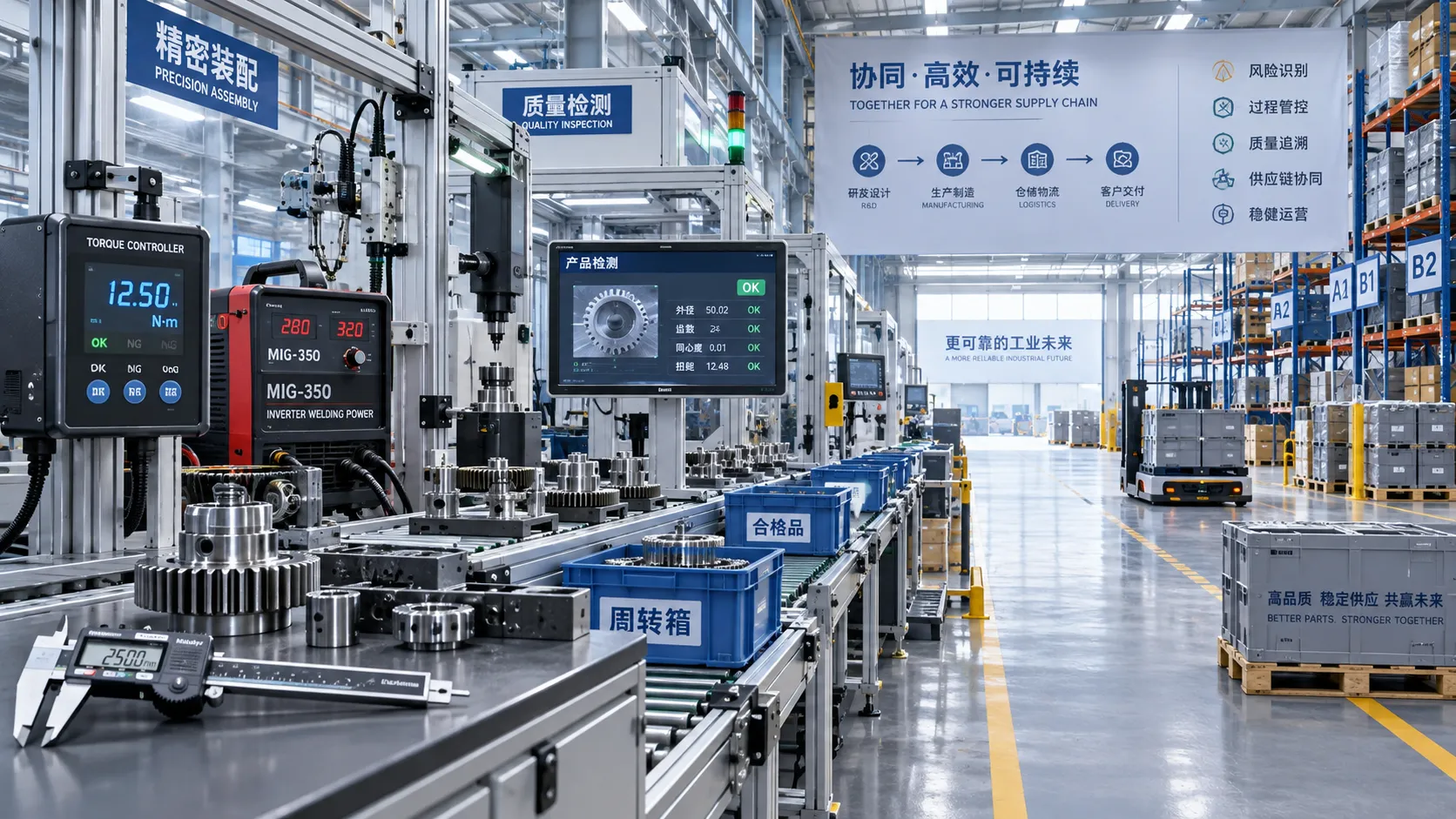
How Procurement Teams Can Map the Industrial Value Chain to Reduce Supply Risk
Industrial value chain procurement helps teams map hidden dependencies, qualify resilient sources, and reduce supply risk before disruptions stop production.
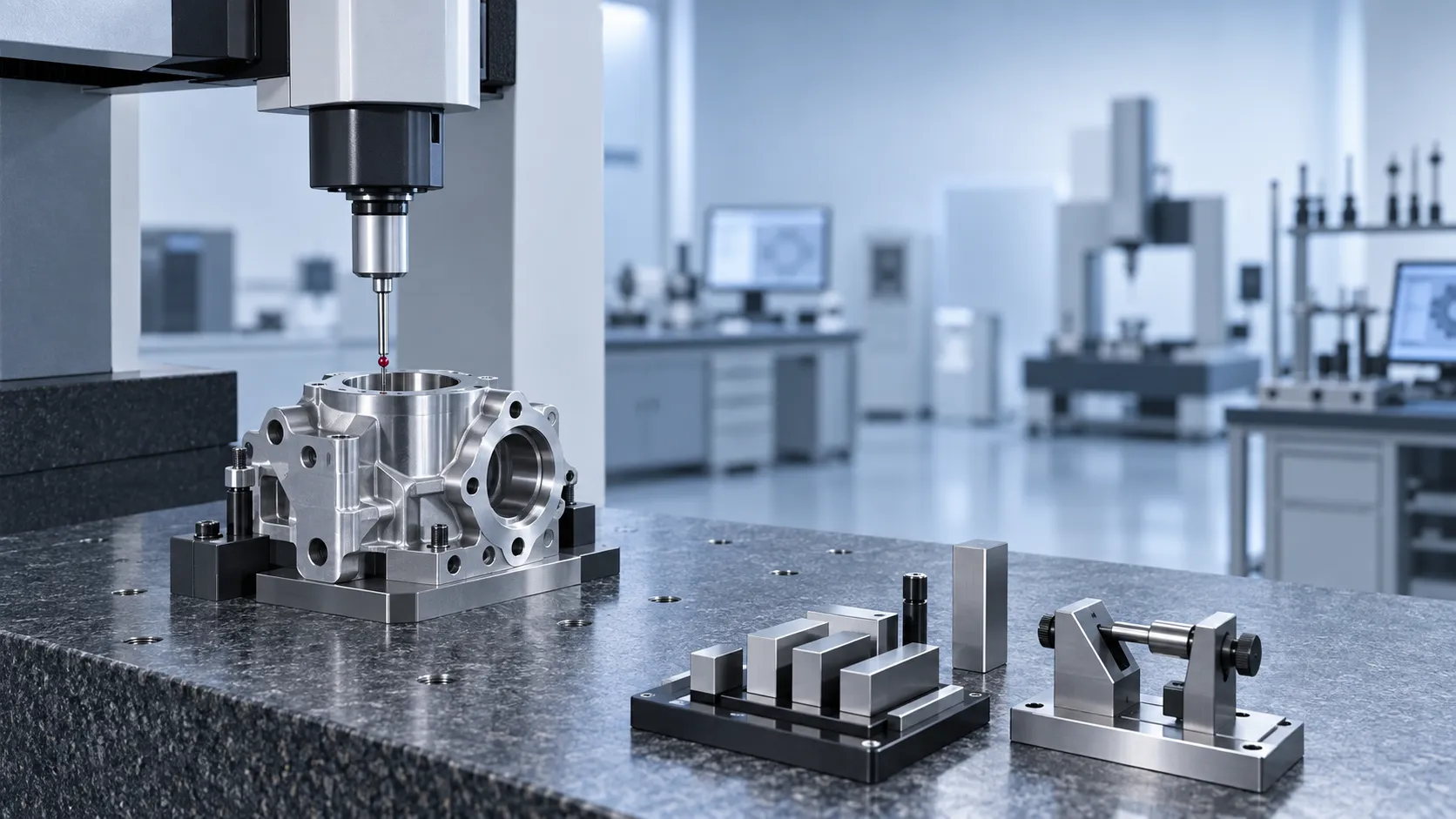
How Specification-Driven Articles Improve Precision Measurement System Selection
Specification-oriented articles precision measurement guidance helps teams compare accuracy, repeatability, environment, and data needs to select reliable systems with confidence.

How to Evaluate a Technology Integration Service Provider for Complex Projects
Technology integration service provider selection guide: evaluate interface ownership, delivery discipline, scalable architecture, and risk control for complex projects.
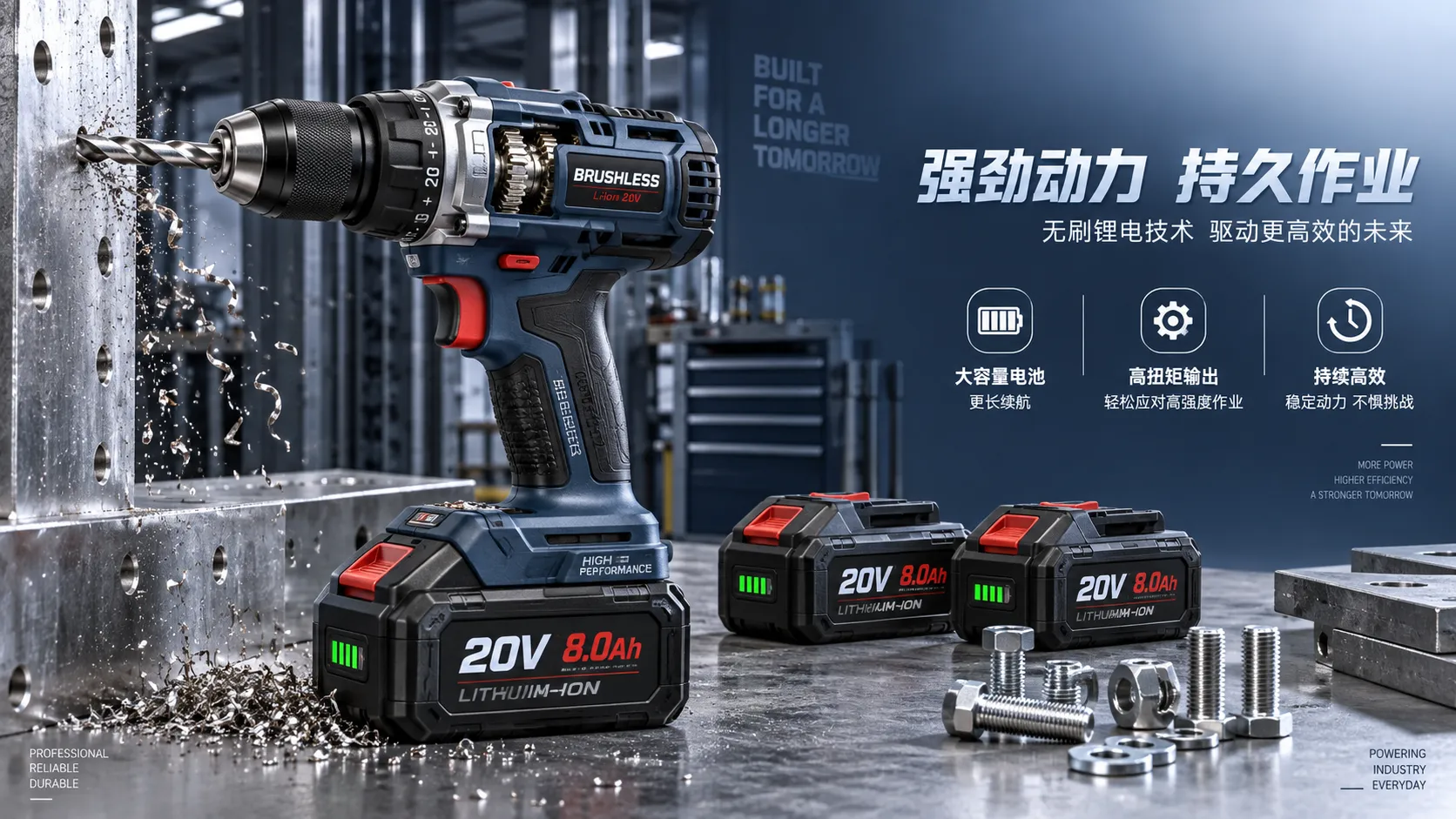
How Battery, Torque, and Duty Cycle Affect Cordless Power Tool Efficiency
Cordless power tool efficiency depends on battery output, torque, and duty cycle. Learn how to match tools to demanding jobs for stronger runtime and productivity.
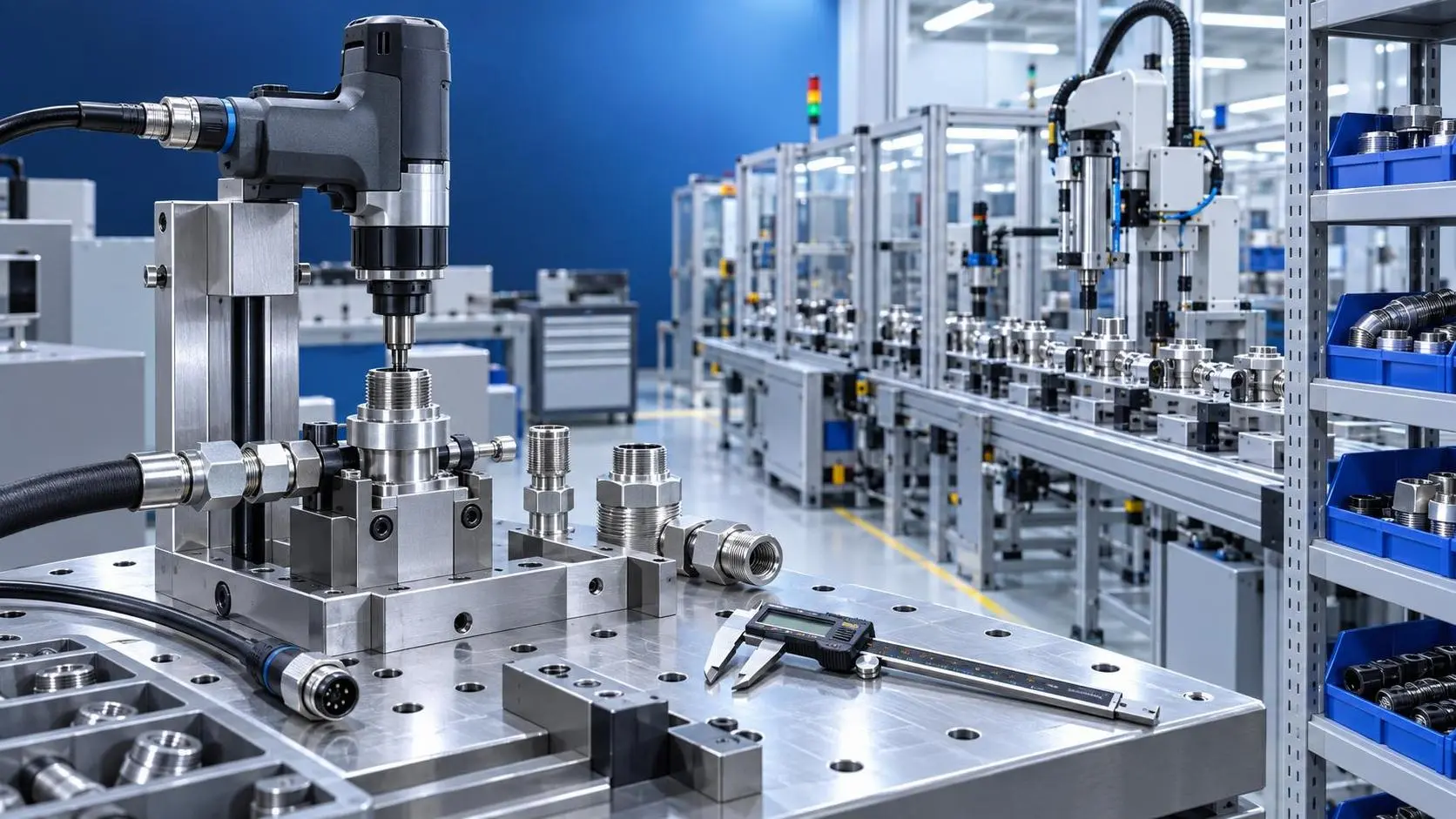
Product Comparison Resources for Component Compatibility and Lifecycle Risk
Product comparison resources for components: evaluate compatibility, interfaces, service support, and lifecycle risk to reduce downtime, avoid redesigns, and make confident sourcing decisions.
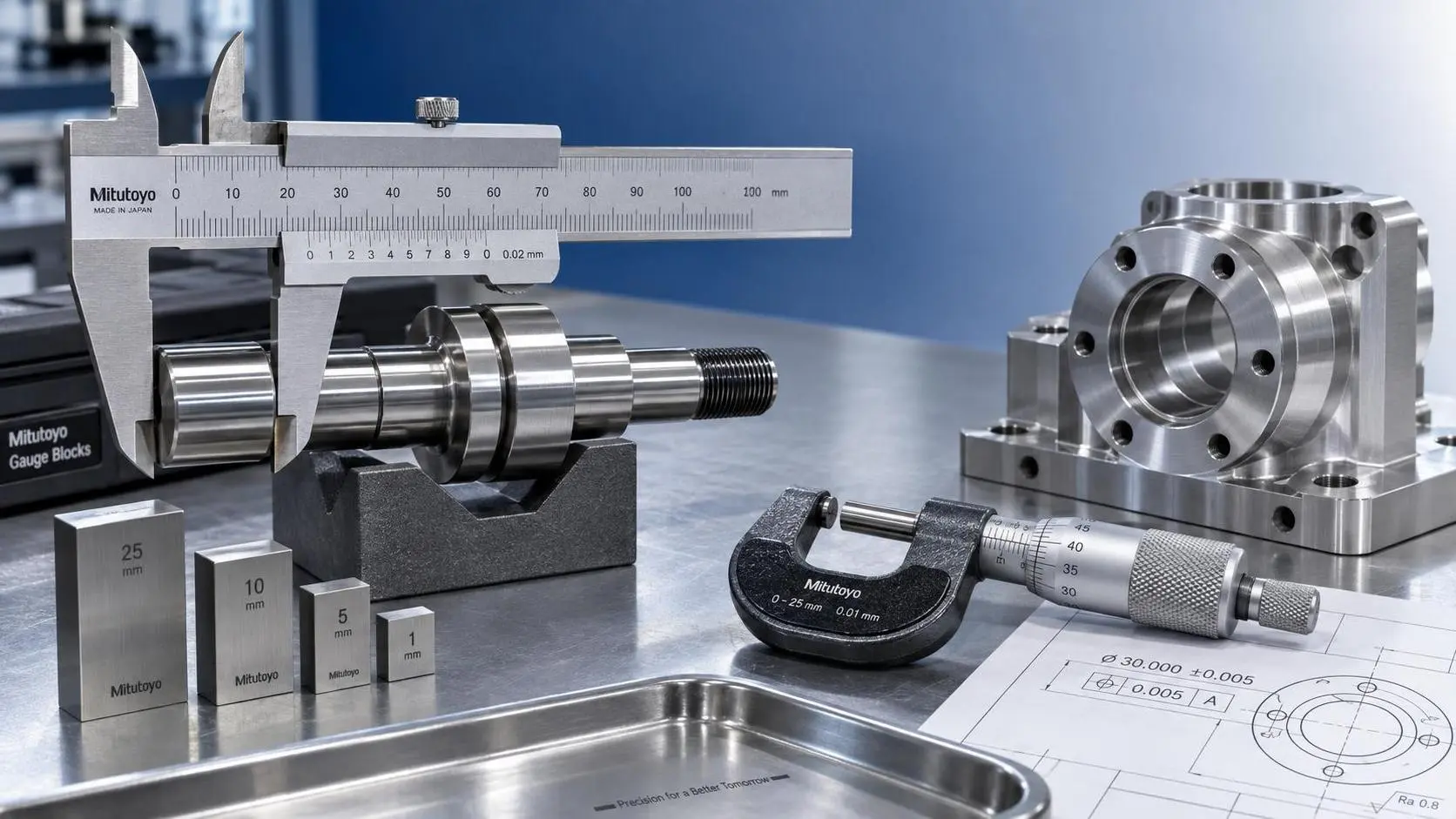
How to Select Vernier Precision Calipers for Tight-Tolerance Machining Inspection
Vernier precision calipers for tight-tolerance machining: learn how to select the right range, jaw design, accuracy, and verification process for reliable inspection.
Product Comparison Resources in Europe: How Buyers Can Verify Specs and Suppliers
Product comparison resources Europe: learn how to verify industrial specs, compliance claims, supplier credibility, and delivery risk for smarter purchasing decisions.
How to Evaluate an Industrial Metrology Solution Manufacturer for Production Use
Industrial metrology solution manufacturer evaluation guide for production: compare accuracy, traceability, automation, software, service, and acceptance testing to reduce risk.
Which ISO Standards Matter Most for Precision Engineering Quality Control?
Precision engineering ISO standards explained: discover how ISO 9001, ISO/IEC 17025, ISO 10012, GPS, and ISO 3834 strengthen quality control, traceability, and compliance.
Related News
- 00
0000-00
How Specification-Driven Articles Improve Precision Measurement System Selection - 00
0000-00
Product Comparison Resources for Component Compatibility and Lifecycle Risk - 00
0000-00
Which ISO Standards Matter Most for Precision Engineering Quality Control? - 00
0000-00
Selecting Metal Joining Methods for Aluminum-to-Steel Assemblies - 00
0000-00
How to Evaluate Industrial Manufacturing Systems for Throughput, Flexibility, and ROI
Prof. Marcus Chen
Weekly Insights
Stay ahead with our curated technology reports delivered every Monday.