
Industrial Applications of Brushless Motors: Where They Improve Efficiency and Maintenance





Industrial Applications of Brushless Motors: Where They Improve Efficiency and Maintenance
From automated assembly lines to precision welding systems, industrial applications of brushless motors are changing how factories think about uptime, power use, and maintenance planning.
That shift matters because motor choice now affects output quality, service intervals, worker safety, and total operating cost at the same time.
For GPTWM, this is not just a component story. It is a signal about smarter tools, cleaner control, and more predictable industrial performance.
Why brushless motors matter in modern industrial applications
Brushless motors remove mechanical brushes, which means less friction, less heat, and fewer wear parts during normal operation.
In real industrial applications, that design supports longer service life and tighter speed control under variable load conditions.
Another practical advantage is energy efficiency. Higher conversion efficiency helps equipment reduce wasted power during continuous use.
This becomes especially important in plants running multiple shifts, where even small motor gains create visible cost savings over time.
More importantly, electronic control gives engineers better torque response, smoother starts, and improved compatibility with intelligent systems.
Core performance benefits
- Lower maintenance because there are no brushes to replace.
- Higher efficiency during continuous-duty industrial applications.
- Better speed stability for precision equipment.
- Reduced heat generation in compact systems.
- Cleaner integration with sensors, controls, and IoT platforms.
Where industrial applications gain the most value
Not every machine needs a brushless platform. The strongest value appears where precision, uptime, and controllability directly affect output.
Automated assembly lines
Assembly systems rely on repeatable motion. Brushless motors help maintain stable speed and torque across long production runs.
That consistency improves fastening accuracy, part positioning, and cycle reliability in high-volume industrial applications.
When linked with intelligent torque tools, they also support data-driven quality control and easier traceability.
Robotics and motion systems
Robots need fast response and smooth acceleration. Brushless motors deliver both, especially in pick-and-place or multi-axis movement.
In these industrial applications, reduced vibration can improve repeatability and help protect delicate components or finished surfaces.
This is one reason advanced factories increasingly pair brushless systems with smart drives and precision feedback loops.
Welding and metal joining equipment
In welding, airflow stability, wire feed consistency, and portable tool performance all influence process quality.
Brushless motors improve these industrial applications by supporting smoother feed control and more efficient portable equipment operation.
For handheld or semi-automatic systems, lower maintenance is especially useful because downtime often disrupts field schedules.
HVAC, pumps, and fans
Fans and pumps are classic industrial applications where long operating hours make energy efficiency a major buying factor.
Brushless designs can reduce power consumption while offering variable speed control for changing process conditions.
Over time, the savings may outweigh the higher initial equipment cost, especially in large facilities.
Precision tools and metrology support
High-precision tools benefit from steady motion and controllable output. That is where brushless technology fits naturally.
Across industrial applications tied to measurement, calibration, and fine assembly, cleaner motor behavior supports more stable results.
How brushless motors reduce maintenance pressure
Maintenance teams usually notice brushless value in two places first: fewer routine replacements and fewer unexpected stoppages.
Because there are no brushes, there is less mechanical wear from contact inside the motor.
That lowers inspection frequency in many industrial applications and simplifies spare-parts planning.
Lower heat also helps surrounding components. Bearings, electronics, housings, and insulation often benefit from more stable temperatures.
From a lifecycle perspective, this supports condition-based maintenance rather than reactive repair.
Typical maintenance improvements
- Fewer service interruptions during production peaks.
- Lower labor time for routine motor maintenance.
- Better reliability in dusty or high-duty industrial applications.
- Easier integration into predictive maintenance programs.
Efficiency gains depend on system design, not motor choice alone
A common mistake is assuming every brushless upgrade automatically delivers strong returns. In practice, system design still decides the final outcome.
Drive quality, load profile, duty cycle, cooling, and control logic all shape efficiency in industrial applications.
If the motor is oversized, poorly programmed, or paired with unstable power conditions, expected gains may shrink.
That is why serious evaluation should focus on the motor-and-system package, not the motor label alone.
Questions worth asking before adoption
- Is the application continuous, intermittent, or highly variable?
- Does precision directly affect scrap, rework, or warranty risk?
- Will lower maintenance improve uptime in measurable ways?
- Can existing controls support intelligent motor management?
- Is energy cost high enough to justify a lifecycle investment view?
How decision teams evaluate industrial applications strategically
From recent market shifts, a clearer signal is emerging. Buyers increasingly assess motors through efficiency strategy, not isolated component pricing.
This approach aligns with GPTWM’s focus on linking traditional tooling knowledge with intelligent manufacturing decisions.
For industrial applications in construction equipment service, automotive maintenance, and aerospace support, reliability has become a commercial differentiator.
That also means distributors and equipment planners should track operating data, not just initial purchase specifications.
The most useful comparison often combines energy use, service frequency, process quality, and downtime cost in one model.
Simple evaluation matrix
Common risks when selecting brushless solutions
Brushless motors are not risk-free. Some industrial applications fail to meet expectations because adoption starts with marketing claims instead of use-case analysis.
One issue is underestimating controller complexity. Better motor performance depends on matching electronics, software, and operator requirements.
Another issue is ignoring environmental conditions. Dust, heat, vibration, and unstable power still affect system durability.
In practical industrial applications, the safest path is pilot testing under real load before wider deployment.
What the next phase of industrial applications looks like
The next wave is not just about stronger motors. It is about more connected, measurable, and adaptable industrial applications.
Brushless systems fit this direction because they work well with intelligent torque control, condition monitoring, and energy optimization tools.
For manufacturers, that creates a practical path toward lower downtime and better process visibility.
For distributors and market analysts, it highlights where equipment demand may move next.
The strongest opportunities will likely remain in industrial applications where precision, reliability, and lifecycle cost matter more than basic upfront price.
That includes smart assembly, advanced welding support, precision tools, and high-duty fluid movement systems.
If the goal is better efficiency with fewer maintenance disruptions, brushless adoption works best when tied to measurable operating priorities and real production data.
Related News
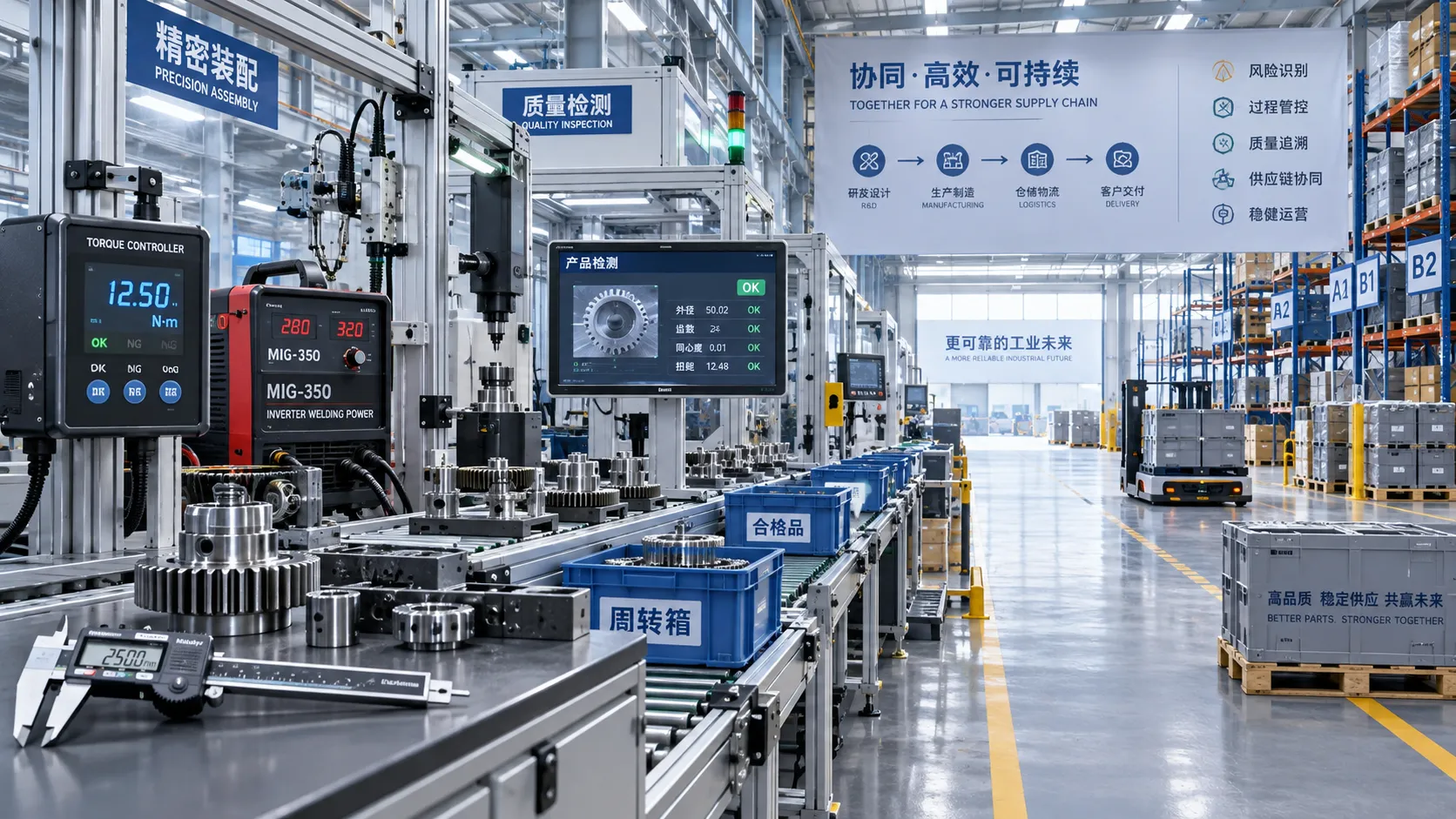
How Procurement Teams Can Map the Industrial Value Chain to Reduce Supply Risk
Industrial value chain procurement helps teams map hidden dependencies, qualify resilient sources, and reduce supply risk before disruptions stop production.
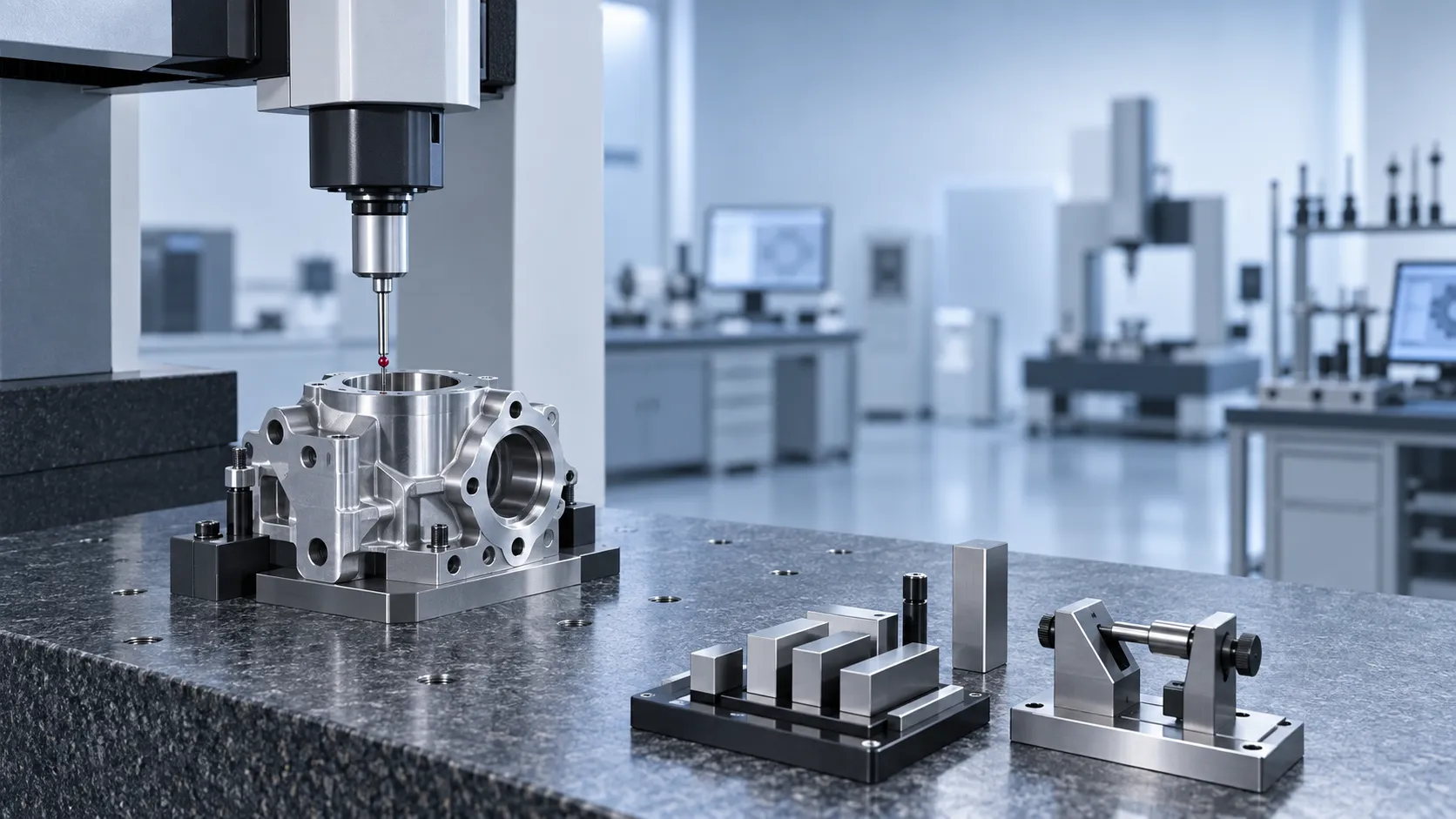
How Specification-Driven Articles Improve Precision Measurement System Selection
Specification-oriented articles precision measurement guidance helps teams compare accuracy, repeatability, environment, and data needs to select reliable systems with confidence.
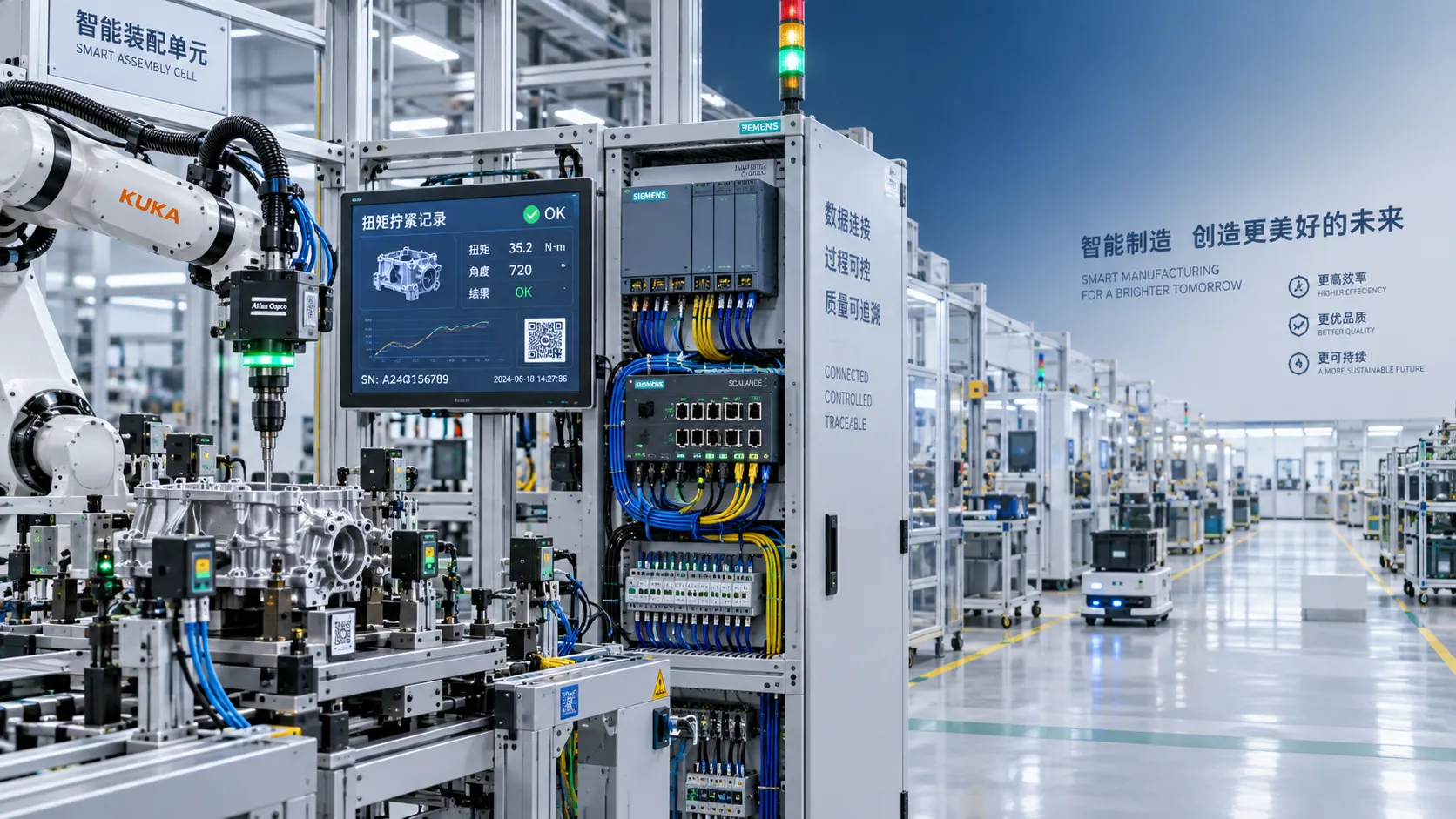
How to Evaluate a Technology Integration Service Provider for Complex Projects
Technology integration service provider selection guide: evaluate interface ownership, delivery discipline, scalable architecture, and risk control for complex projects.
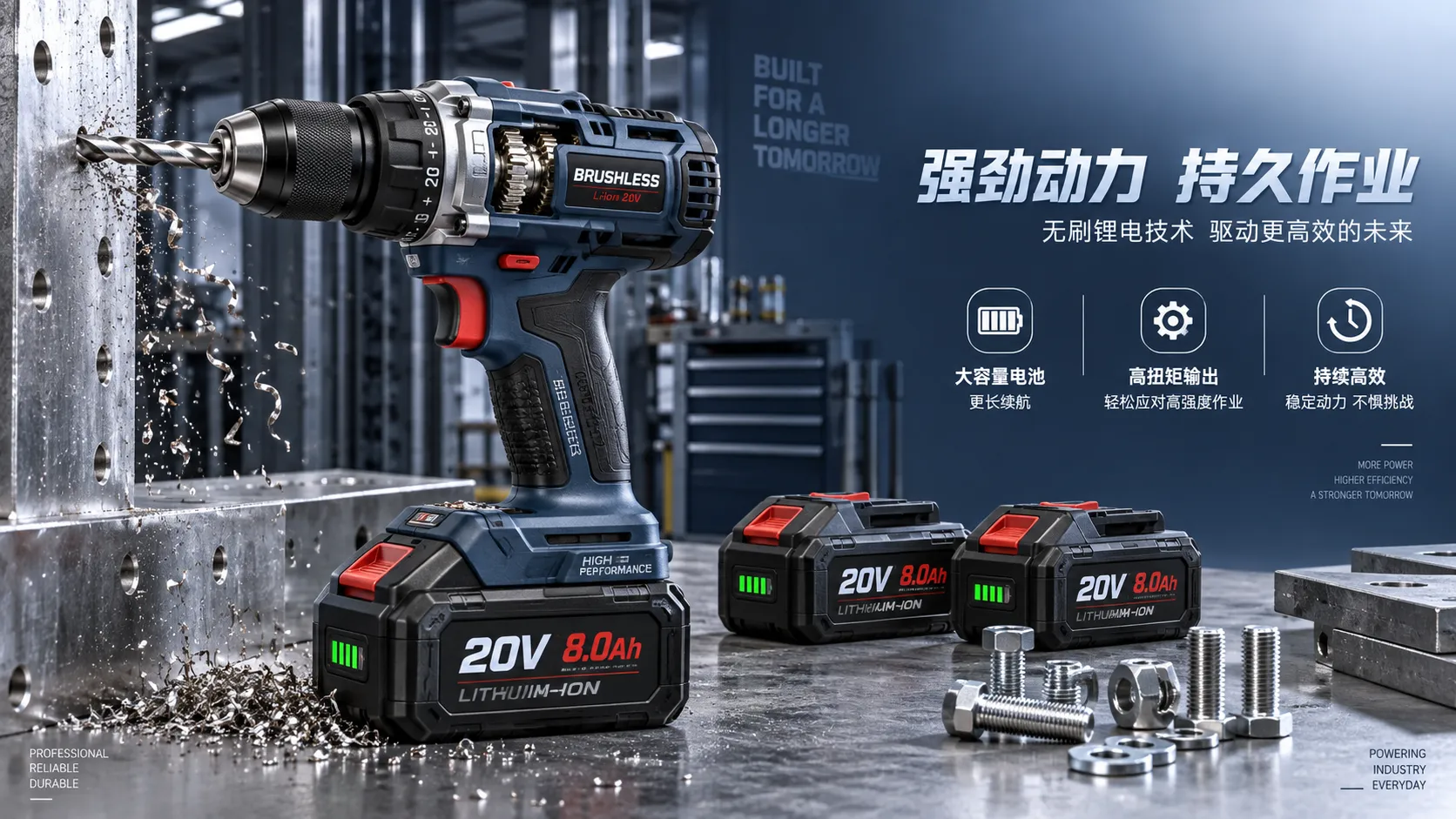
How Battery, Torque, and Duty Cycle Affect Cordless Power Tool Efficiency
Cordless power tool efficiency depends on battery output, torque, and duty cycle. Learn how to match tools to demanding jobs for stronger runtime and productivity.
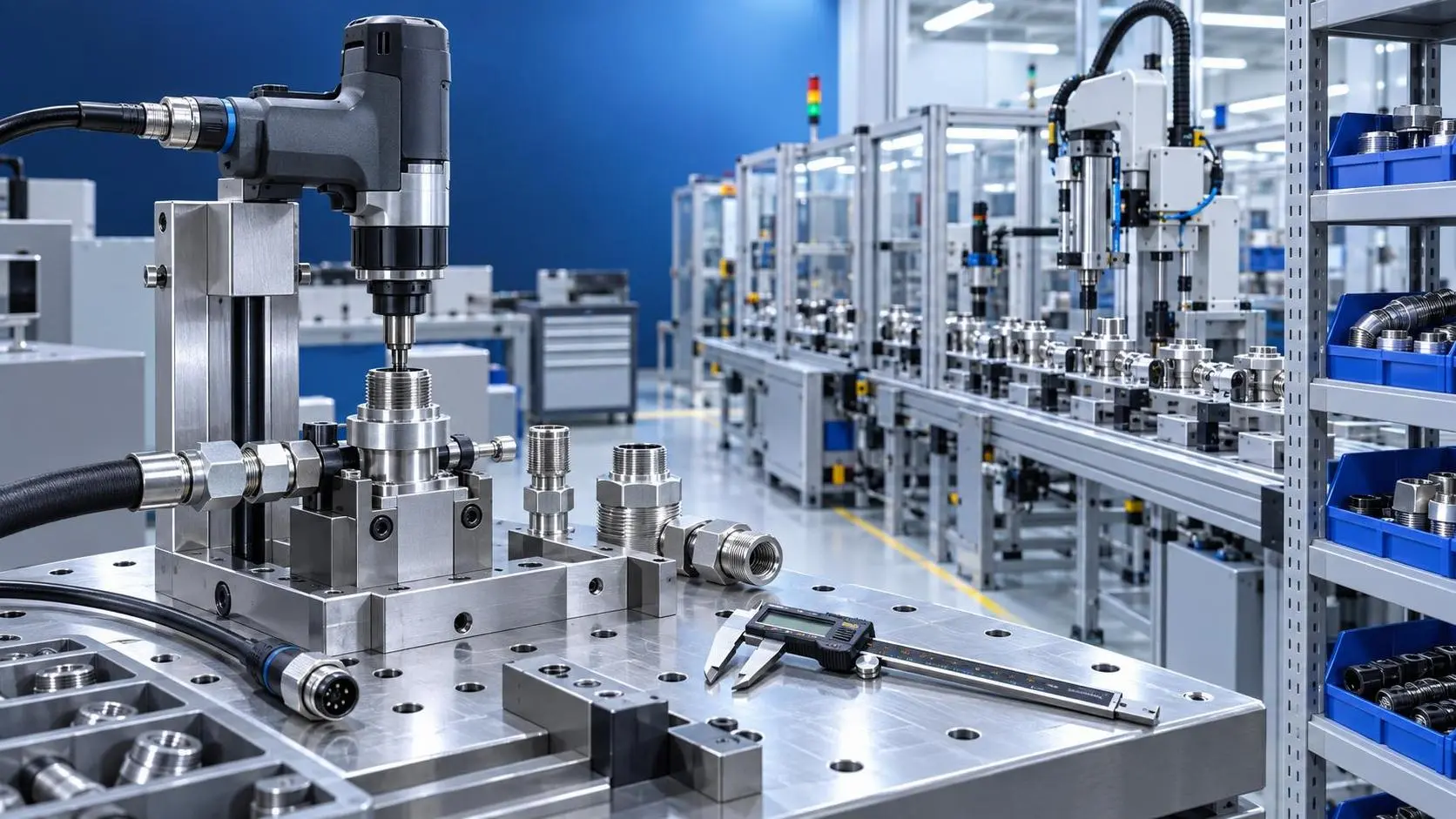
Product Comparison Resources for Component Compatibility and Lifecycle Risk
Product comparison resources for components: evaluate compatibility, interfaces, service support, and lifecycle risk to reduce downtime, avoid redesigns, and make confident sourcing decisions.
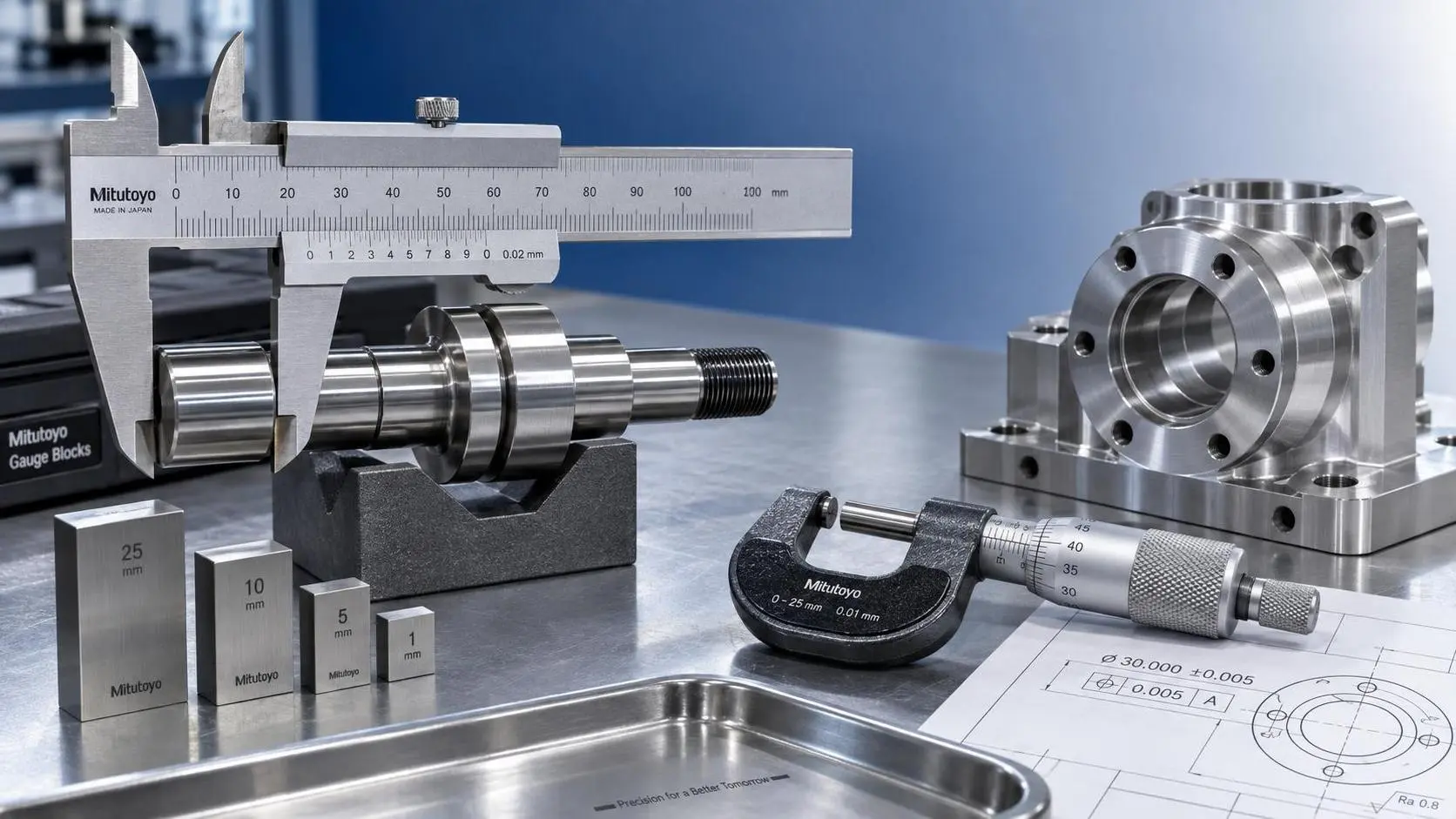
How to Select Vernier Precision Calipers for Tight-Tolerance Machining Inspection
Vernier precision calipers for tight-tolerance machining: learn how to select the right range, jaw design, accuracy, and verification process for reliable inspection.
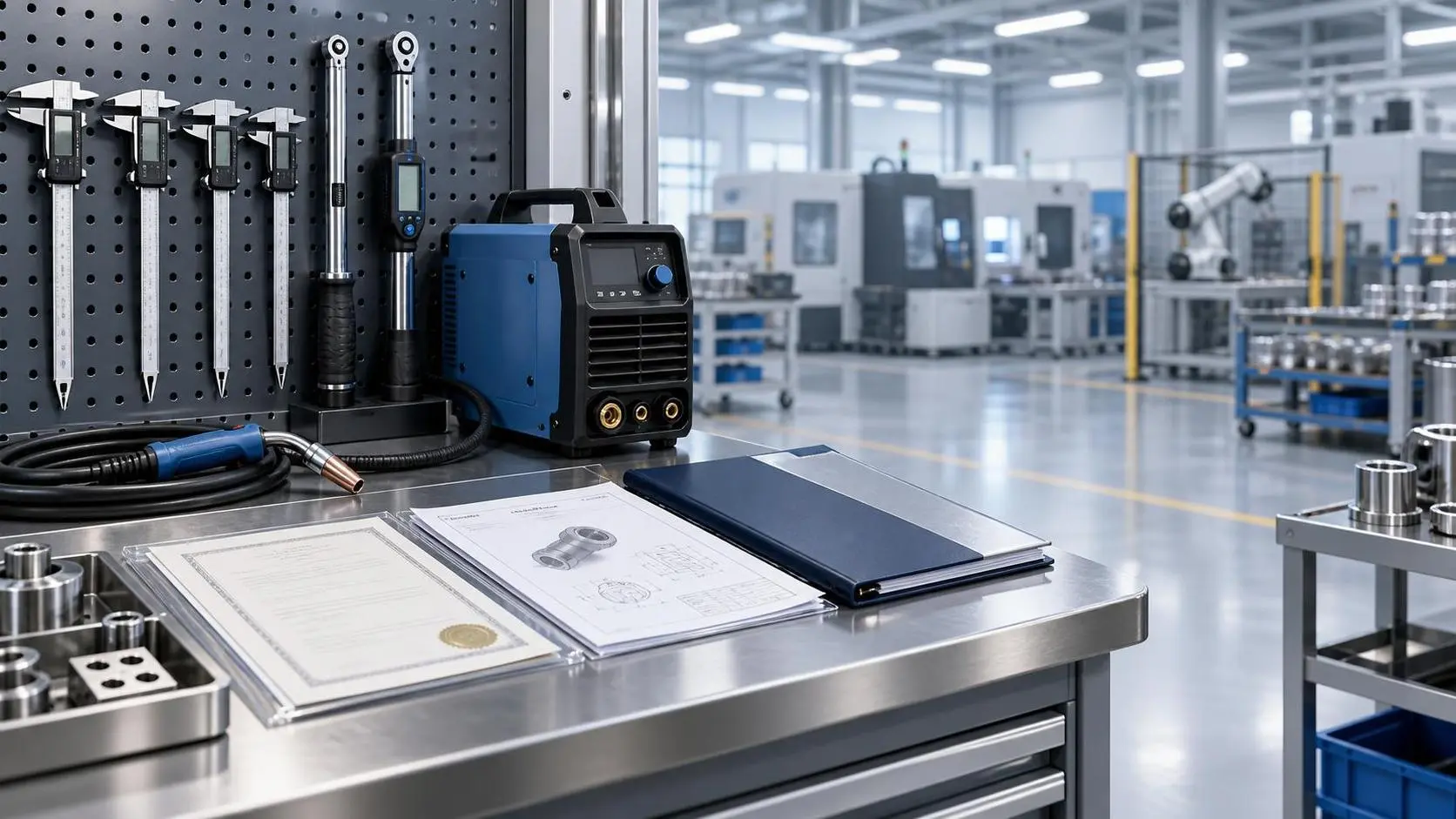
Product Comparison Resources in Europe: How Buyers Can Verify Specs and Suppliers
Product comparison resources Europe: learn how to verify industrial specs, compliance claims, supplier credibility, and delivery risk for smarter purchasing decisions.
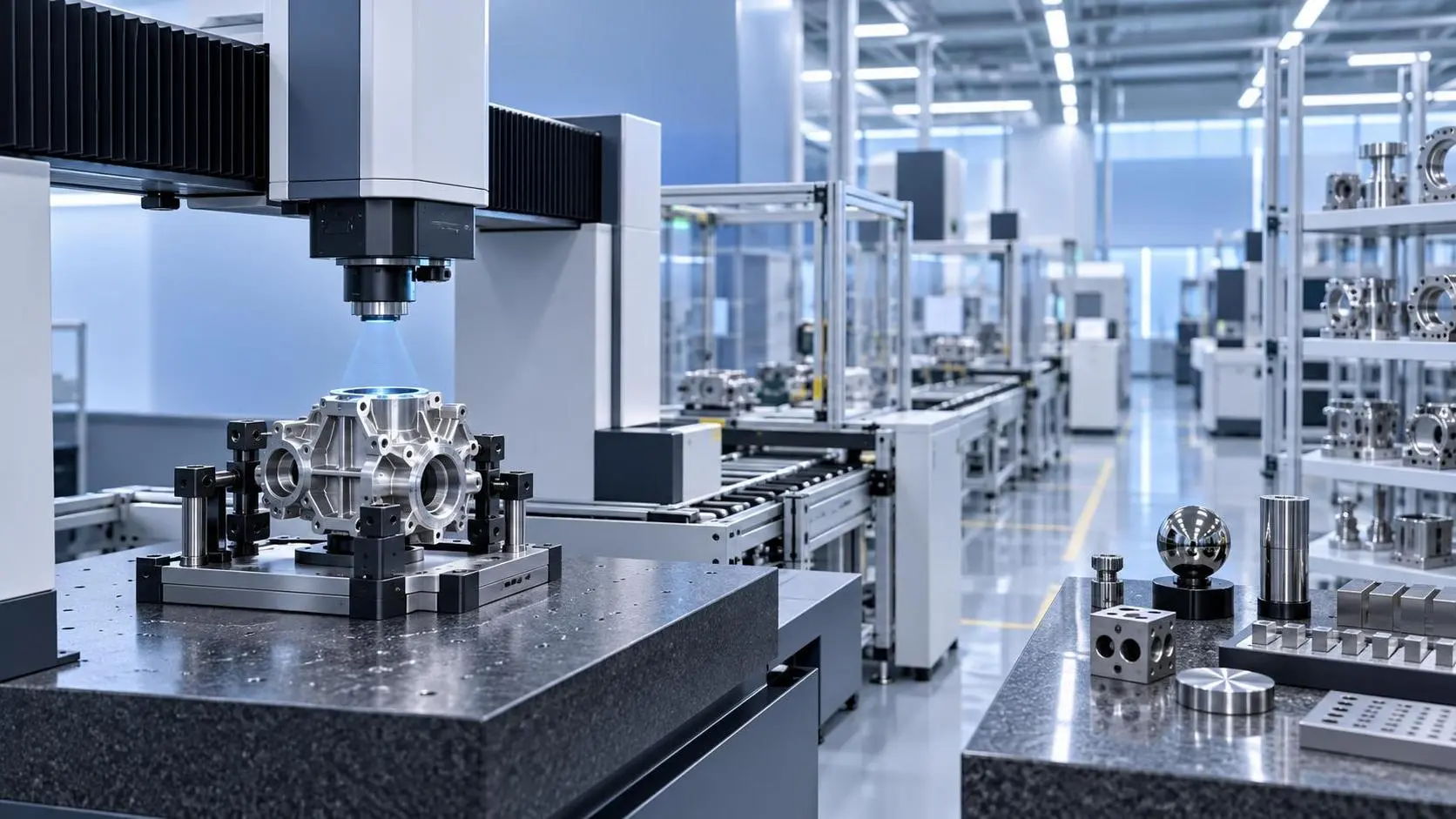
How to Evaluate an Industrial Metrology Solution Manufacturer for Production Use
Industrial metrology solution manufacturer evaluation guide for production: compare accuracy, traceability, automation, software, service, and acceptance testing to reduce risk.
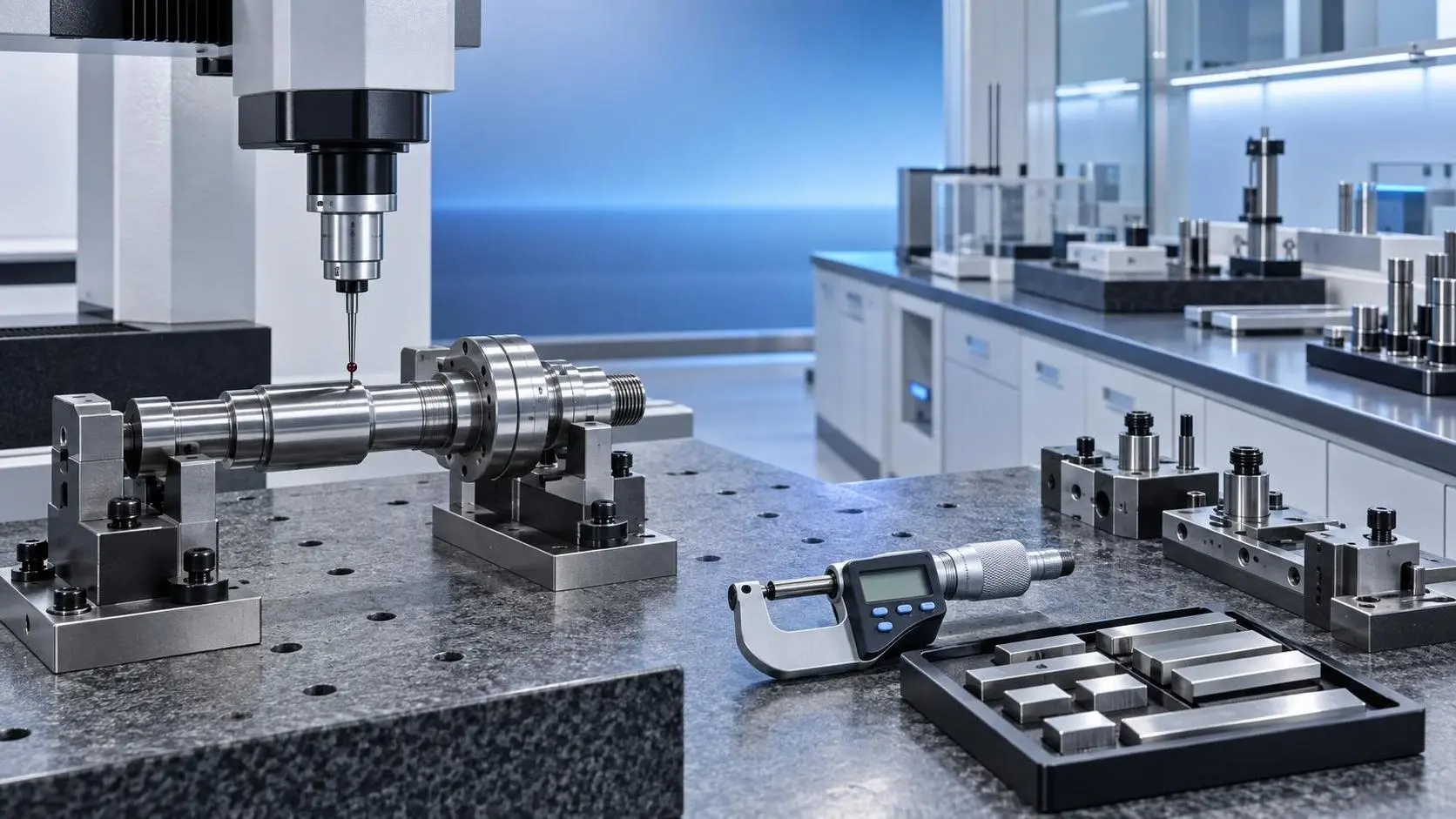
Which ISO Standards Matter Most for Precision Engineering Quality Control?
Precision engineering ISO standards explained: discover how ISO 9001, ISO/IEC 17025, ISO 10012, GPS, and ISO 3834 strengthen quality control, traceability, and compliance.
Related News
- 00
0000-00
How Specification-Driven Articles Improve Precision Measurement System Selection - 00
0000-00
Product Comparison Resources for Component Compatibility and Lifecycle Risk - 00
0000-00
Which ISO Standards Matter Most for Precision Engineering Quality Control? - 00
0000-00
Selecting Metal Joining Methods for Aluminum-to-Steel Assemblies - 00
0000-00
How to Evaluate Industrial Manufacturing Systems for Throughput, Flexibility, and ROI
Prof. Marcus Chen
Weekly Insights
Stay ahead with our curated technology reports delivered every Monday.