
Industrial IoT in Manufacturing: Which Data Points Actually Improve OEE and Maintenance?





Industrial IoT only pays off when the data changes plant decisions
Industrial IoT has moved beyond simple machine visibility. The harder question is which signals truly improve OEE, maintenance timing, and asset reliability.
In real factories, not every connected variable deserves dashboard space. Some values explain losses clearly. Others create noise, storage cost, and false urgency.
That distinction matters even more in assembly, welding, machining, and metrology-heavy environments, where cycle time, precision, and tool condition interact closely.
Seen from GPTWM’s industrial intelligence perspective, the last mile of manufacturing is where industrial IoT either becomes operational discipline or remains an unfinished pilot.
Why the right data point changes from one production scene to another
OEE combines availability, performance, and quality. Maintenance decisions add another layer: failure mode, asset criticality, spare lead time, and safety exposure.
Because of that, the best industrial IoT data set for a robotic welding cell is not the same as for a CNC machine or torque-controlled assembly line.
A high-mix shop often needs fast changeover visibility. A high-volume line usually needs micro-stop detection and cycle stability first.
Process-critical operations also care more about signal quality than signal quantity. Bad timestamps or poorly aligned tags can mislead root-cause analysis.
In practice, useful industrial IoT starts by asking one question: which data point can trigger a different action within a shift, a week, or a maintenance cycle?
On fast-cycle lines, availability losses usually hide in simple machine-state data
For packaging, repetitive assembly, stamping support, or feeder-driven lines, OEE often improves first through clear machine-state capture.
The highest-value industrial IoT points here are usually:
- Run, idle, fault, setup, and blocked states
- Actual versus standard cycle time
- Short-stop frequency and duration
- Changeover start and completion timestamps
- Reject count linked to time and station
These are not glamorous data points, but they often expose the biggest hidden loss buckets. A line may look busy while losing minutes in repeated micro-stops.
A common mistake is jumping straight to vibration analytics on every asset. If the largest loss comes from jams, starved stations, or long setup recovery, basic state logic wins first.
In welding and metal joining, process signals matter more than generic utilization charts
Welding cells create a different industrial IoT priority. Availability still matters, but quality losses can be more expensive than simple downtime.
For robotic or handheld-assisted welding environments, several signals deserve close attention:
- Current, voltage, wire feed speed, and arc-on time
- Shielding gas flow stability
- Torch temperature and duty-cycle exposure
- Consumable wear intervals and tip replacement frequency
- Rework events by part family, shift, and program
Arc-on time alone can be misleading. High arc-on time does not guarantee good throughput if rework rises or if part fit-up issues interrupt flow.
This is where GPTWM’s focus on metal joining and tool intelligence is relevant. The strongest industrial IoT programs connect process data with tool condition and quality outcomes.
Machining and precision tools need condition data tied to failure modes, not isolated sensor streams
CNC machining, spindle-intensive operations, and precision tool use usually justify deeper condition monitoring. But signal selection must follow likely failure modes.
Useful industrial IoT data in this setting often includes spindle load, vibration trend, bearing temperature, lubrication status, axis positioning alarms, and power signature changes.
Tool life tracking is especially valuable when product mix shifts often. A static replacement interval may be safe, yet still waste expensive inserts or create surprise scrap.
The key judgment is whether a signal predicts a known event. If rising vibration never correlates with bearing wear or chatter, it is only an interesting graph.
For maintenance, the most practical industrial IoT output is not raw data. It is a confidence-based action, such as inspect within 24 hours, replace at next planned stop, or continue running.
Torque-controlled assembly and metrology cells depend on traceability as much as uptime
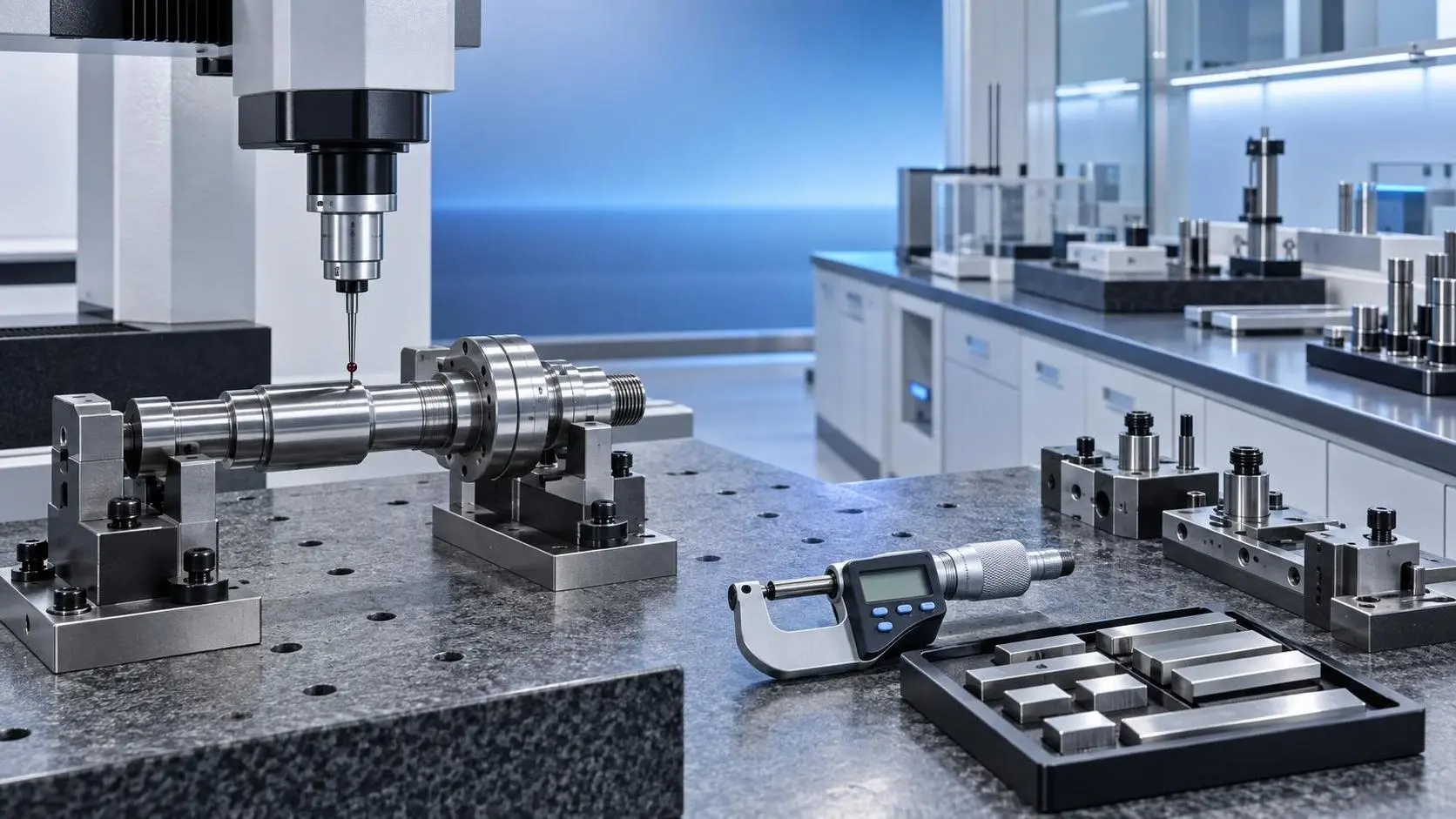
In precision assembly, the highest-value loss may not be machine stoppage. It may be undocumented torque variation, failed fastening sequences, or measurement drift.
Here, industrial IoT should capture tightening curves, pass-fail windows, tool calibration status, retry count, measurement offsets, and environmental conditions that affect accuracy.
This matters in automotive, aerospace maintenance, and export-sensitive production where compliance evidence is part of operational performance, not a separate paperwork task.
A subtle but costly mistake is tracking final pass rate without storing the path to that result. Repeated retries can hide process instability and inflate effective cycle time.
Different production scenes demand different industrial IoT priorities
The table below shows why the same plant should not deploy one fixed industrial IoT template across every work center.
Where industrial IoT projects often go wrong
The most common failure is collecting what is easy rather than what is actionable. Plants then get impressive dashboards and very small operational change.
Other frequent misjudgments include:
- Treating every asset as equally critical
- Ignoring manual intervention during root-cause mapping
- Using OEE as a single score without loss-tree detail
- Separating maintenance data from process-quality data
- Skipping sensor validation, timestamp alignment, and tag governance
Another trap is overestimating AI before stabilizing basics. Industrial IoT becomes far more useful after standards for states, causes, and event ownership are agreed.
A practical way to decide which data points deserve investment
A strong starting method is to rank data points against four filters: loss impact, action speed, measurement reliability, and scalability across similar assets.
That usually leads to a phased industrial IoT roadmap:
- Phase one: capture states, counts, cycle time, and major fault causes
- Phase two: link process variables to scrap, rework, and drift
- Phase three: add condition monitoring to critical failure modes
- Phase four: use predictions only where intervention rules are clear
This staged approach is often better than a broad sensor rollout. It protects data quality, clarifies ownership, and keeps industrial IoT tied to measurable operational gain.
What to do next if OEE and maintenance are the real targets
Begin with the losses already visible on the floor, not with the most advanced technology option. The right industrial IoT model follows the economics of the bottleneck.
Map each critical asset or process to one dominant question: why does it stop, why does it slow, or why does it produce variation?
Then define the few signals that can answer that question consistently. In many cases, five trusted data points outperform fifty loosely governed ones.
For operations shaped by welding, precision tools, torque control, or metrology, the strongest industrial IoT decisions come from linking machine behavior with process integrity.
A useful next step is to build a scene-based data standard, compare high-loss areas, and verify which signals support action within planned maintenance and production cycles.
Related News
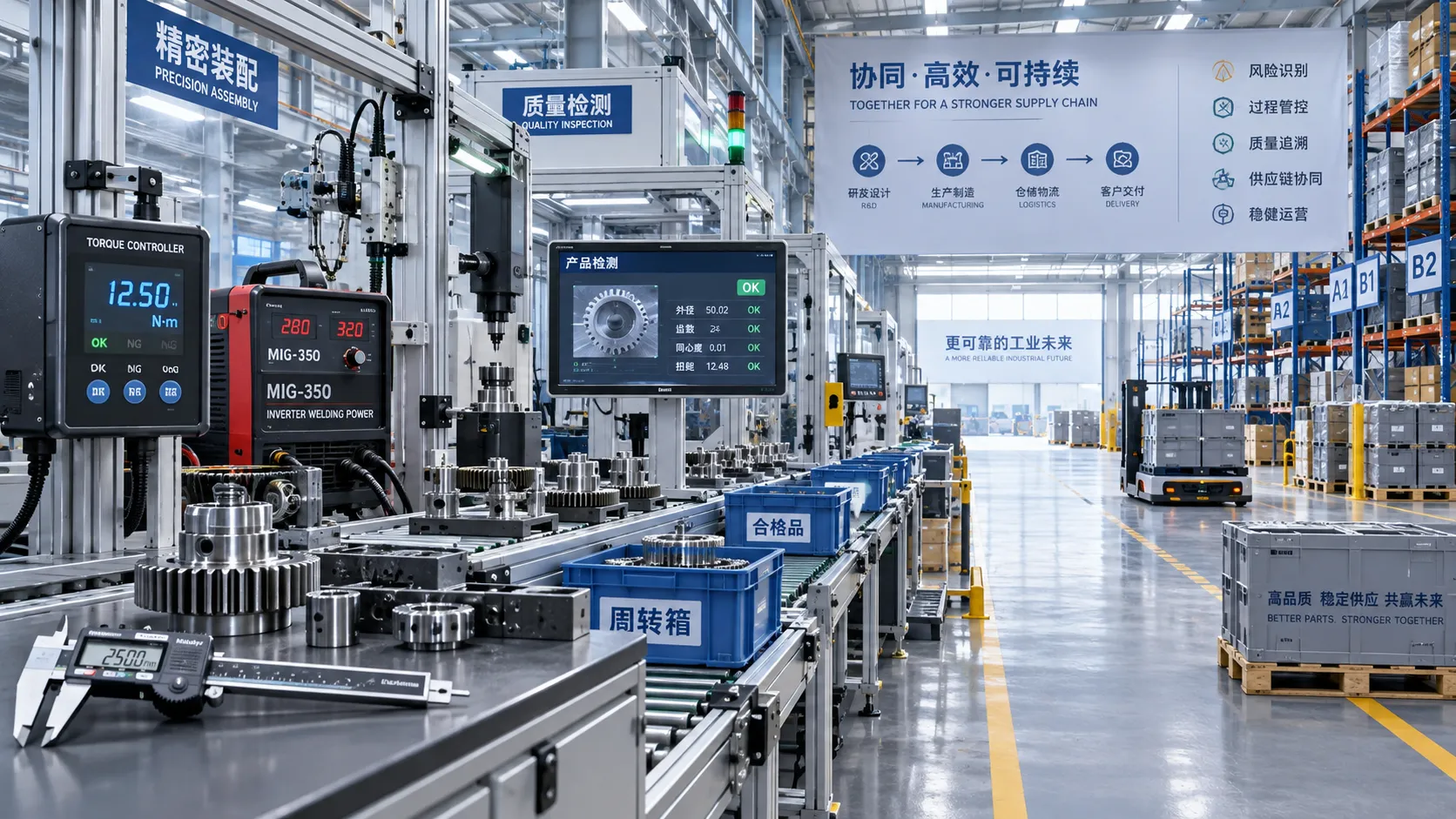
How Procurement Teams Can Map the Industrial Value Chain to Reduce Supply Risk
Industrial value chain procurement helps teams map hidden dependencies, qualify resilient sources, and reduce supply risk before disruptions stop production.

How Specification-Driven Articles Improve Precision Measurement System Selection
Specification-oriented articles precision measurement guidance helps teams compare accuracy, repeatability, environment, and data needs to select reliable systems with confidence.

How to Evaluate a Technology Integration Service Provider for Complex Projects
Technology integration service provider selection guide: evaluate interface ownership, delivery discipline, scalable architecture, and risk control for complex projects.
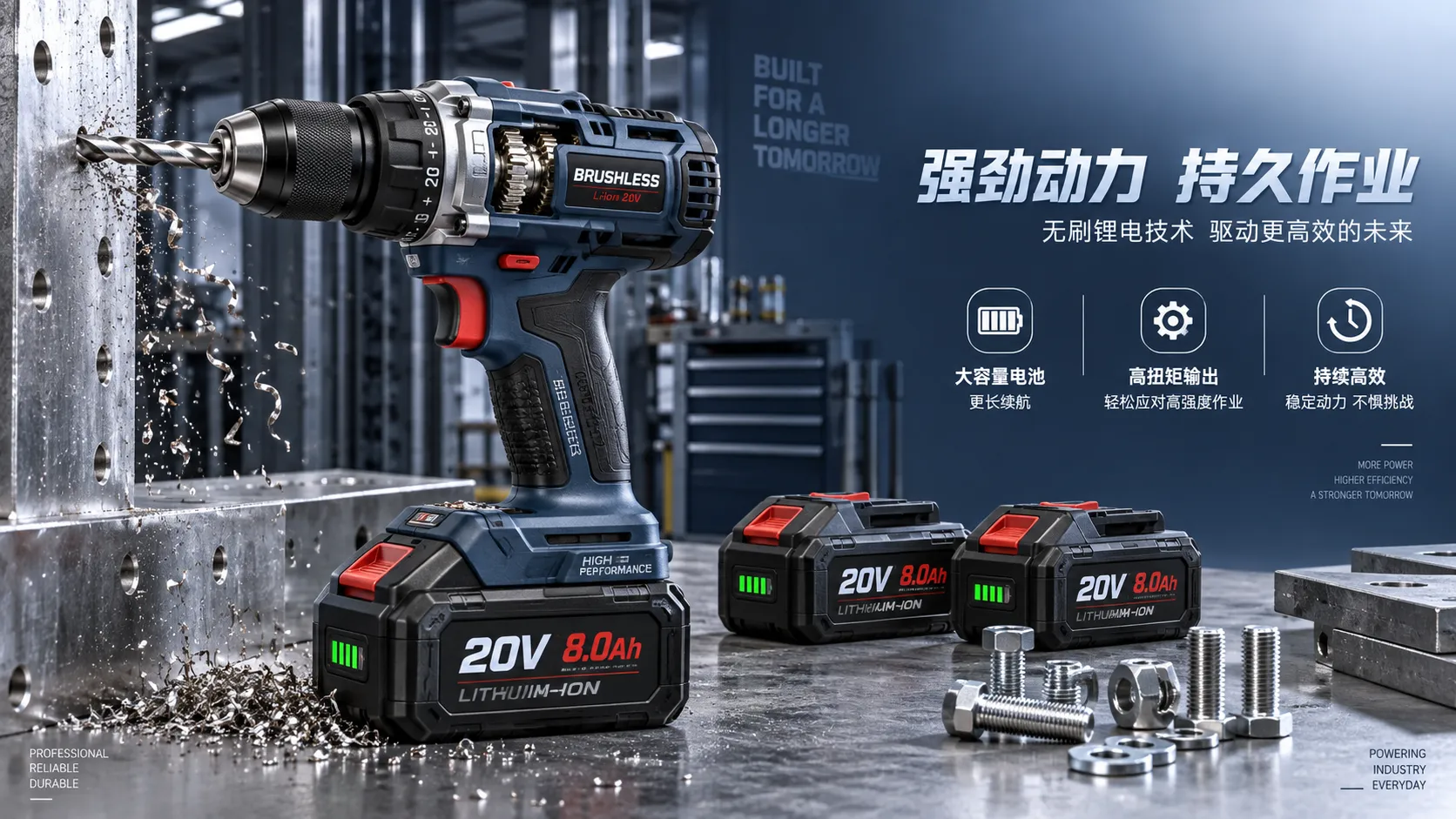
How Battery, Torque, and Duty Cycle Affect Cordless Power Tool Efficiency
Cordless power tool efficiency depends on battery output, torque, and duty cycle. Learn how to match tools to demanding jobs for stronger runtime and productivity.

Product Comparison Resources for Component Compatibility and Lifecycle Risk
Product comparison resources for components: evaluate compatibility, interfaces, service support, and lifecycle risk to reduce downtime, avoid redesigns, and make confident sourcing decisions.
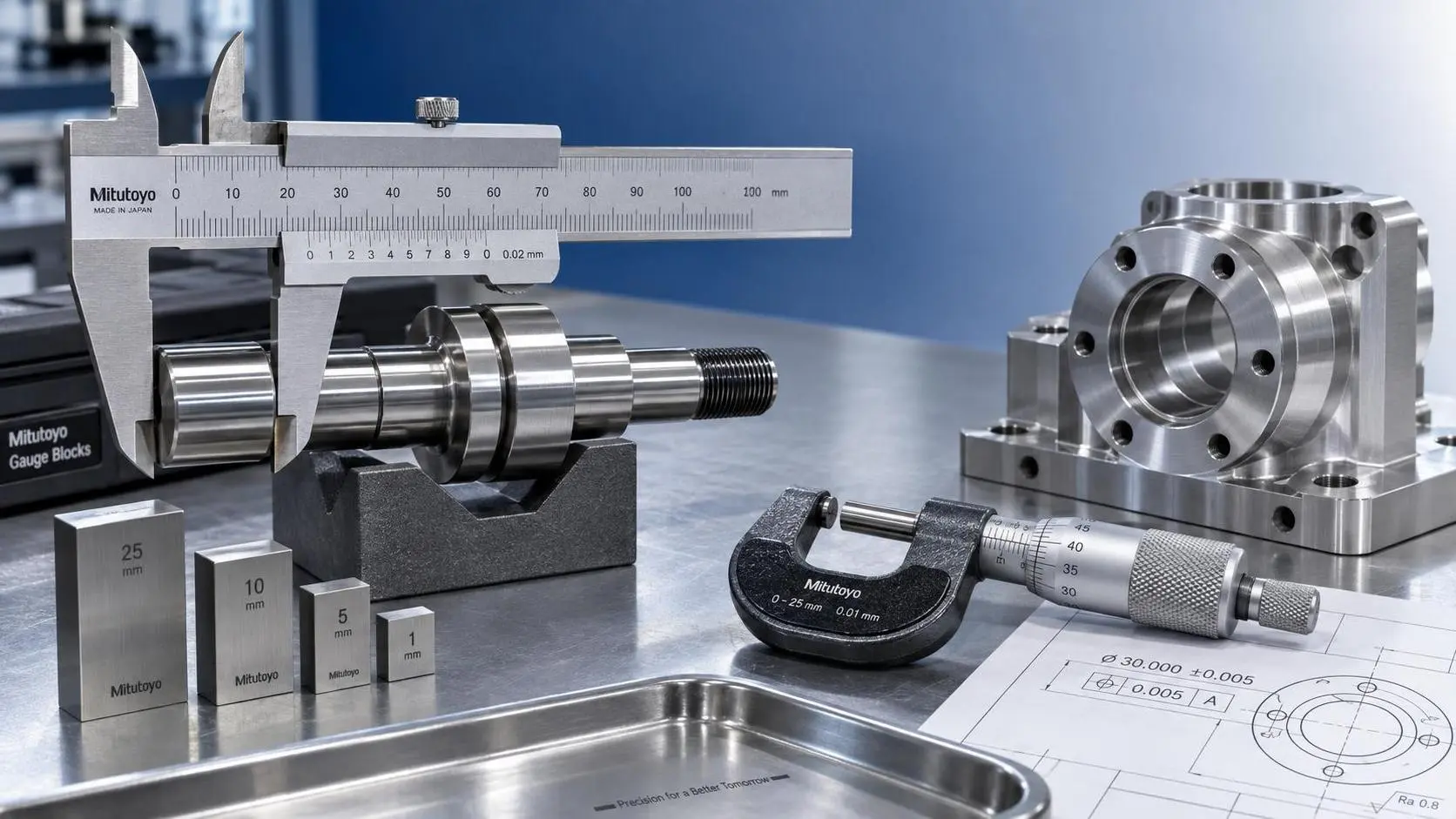
How to Select Vernier Precision Calipers for Tight-Tolerance Machining Inspection
Vernier precision calipers for tight-tolerance machining: learn how to select the right range, jaw design, accuracy, and verification process for reliable inspection.
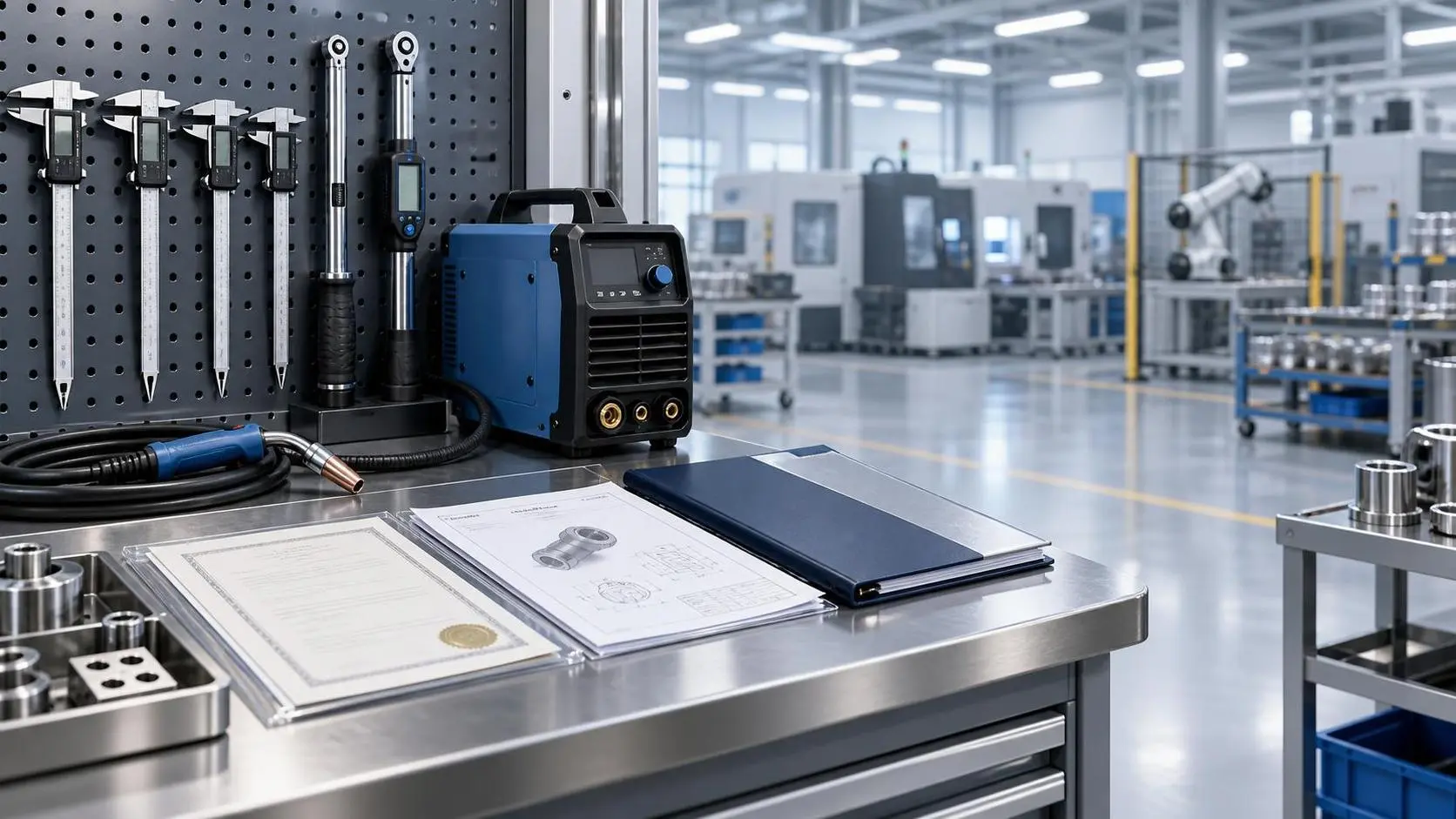
Product Comparison Resources in Europe: How Buyers Can Verify Specs and Suppliers
Product comparison resources Europe: learn how to verify industrial specs, compliance claims, supplier credibility, and delivery risk for smarter purchasing decisions.

How to Evaluate an Industrial Metrology Solution Manufacturer for Production Use
Industrial metrology solution manufacturer evaluation guide for production: compare accuracy, traceability, automation, software, service, and acceptance testing to reduce risk.
Which ISO Standards Matter Most for Precision Engineering Quality Control?
Precision engineering ISO standards explained: discover how ISO 9001, ISO/IEC 17025, ISO 10012, GPS, and ISO 3834 strengthen quality control, traceability, and compliance.
Related News
- 00
0000-00
How Specification-Driven Articles Improve Precision Measurement System Selection - 00
0000-00
Product Comparison Resources for Component Compatibility and Lifecycle Risk - 00
0000-00
Which ISO Standards Matter Most for Precision Engineering Quality Control? - 00
0000-00
Selecting Metal Joining Methods for Aluminum-to-Steel Assemblies - 00
0000-00
How to Evaluate Industrial Manufacturing Systems for Throughput, Flexibility, and ROI
Prof. Marcus Chen
Weekly Insights
Stay ahead with our curated technology reports delivered every Monday.