
Tool Lightweighting in Manufacturing: Where It Improves Ergonomics and Where It Falls Short





Tool Lightweighting in Manufacturing: Where It Improves Ergonomics and Where It Falls Short
Tool lightweighting is often presented as an easy win for modern manufacturing. In practice, it is more nuanced than that.
A lighter tool can reduce fatigue, improve control, and support ergonomic goals. Yet not every application benefits equally.
In some workflows, tool lightweighting improves comfort without hurting performance. In others, it introduces vibration, durability concerns, or balance issues.
That matters because ergonomic gains only create business value when they also protect throughput, quality, and lifecycle cost.
From a manufacturing strategy view, the real question is not whether lighter is better. It is where lighter is better, by how much, and at what cost.
This is especially relevant as industrial buyers compare ergonomic standards, automation readiness, and long-term workforce sustainability across global operations.
Why Tool Lightweighting Has Become a Serious Manufacturing Topic
The push toward tool lightweighting is not just about comfort. It is tied to labor pressure, injury prevention, and process consistency.
Many plants now operate with older workers, tighter labor pools, and higher expectations for repeatable output. That changes the economics of hand tools.
Even small reductions in wrist load or shoulder strain can matter in high-cycle assembly, welding preparation, fastening, and inspection work.
More noticeably, global manufacturers face growing attention to ergonomic compliance. Internal EHS programs now influence purchasing decisions more directly.
This also connects with broader trends tracked by GPTWM. Tool design is increasingly evaluated through both productivity metrics and human-factor performance.
So, tool lightweighting is no longer a cosmetic product feature. It is part of operational risk management and manufacturing efficiency planning.
Where Tool Lightweighting Clearly Improves Ergonomics
1. Overhead and elevated tasks
This is one of the strongest use cases for tool lightweighting. Overhead work multiplies fatigue quickly.
Lighter fastening tools, grinders, or welding accessories reduce shoulder loading and help operators maintain steadier positioning over longer shifts.
In aircraft maintenance, large equipment assembly, and steel structure work, this can directly improve endurance and reduce recovery time.
2. Repetitive, high-frequency hand operations
Tool lightweighting often delivers the best ergonomic value in repetitive jobs. Think hundreds or thousands of cycles per shift.
Torque tools, handheld metrology devices, and precision assembly tools benefit when lower mass reduces cumulative strain in fingers, wrists, and forearms.
Here, even modest weight reductions can support better consistency near the end of a shift, when quality drift usually appears.
3. Precision tasks requiring stable handling
A well-balanced lighter tool can improve fine motor control. That matters in inspection, calibration, delicate fastening, and rework operations.
When the operator fights less inertia, small directional adjustments feel easier. This can reduce overshoot and support more accurate placement.
The key phrase, however, is well-balanced. Tool lightweighting works best when center of gravity moves closer to the natural grip point.
Where Tool Lightweighting Falls Short
Reduced mass can increase vibration exposure
A lighter housing does not always mean a better ergonomic outcome. In power tools, less mass can mean less passive damping.
If vibration isolation is poorly engineered, operators may feel more hand-arm vibration, not less. That can cancel ergonomic benefits quickly.
Grinding, chipping, and high-speed cutting applications deserve special caution here.
Lower weight can compromise durability
Some tool lightweighting programs rely on thinner walls, aggressive material reduction, or lighter composite structures.
That may work in controlled assembly cells. It may not hold up in harsh welding, shipyard, foundry, or field-service environments.
If tools fail more often, maintenance costs rise and operator trust falls. Neither outcome supports lean manufacturing.
Balance matters more than raw weight
This is where many buying decisions go wrong. Teams compare tool weight on a specification sheet and ignore weight distribution.
A slightly heavier tool with better balance can feel easier to use than a lighter tool with a front-heavy or battery-heavy design.
In real operations, perceived effort often follows torque reaction, grip angle, and center of gravity more than total mass alone.
The Technical Trade-Offs Behind Tool Lightweighting
Tool lightweighting usually depends on materials, motor design, battery architecture, structural geometry, and accessory integration.
For cordless systems, battery weight can erase gains in the main body. For metal tools, stronger alloys may reduce weight but raise cost.
Brushless motors help because they support compact packaging and thermal efficiency. Still, smaller packaging can challenge heat dissipation.
Accessories also matter. A lightweight base tool can become awkward once sockets, guards, hoses, cables, or metrology probes are attached.
That is why technical evaluation should include the complete working configuration, not the empty tool shown in brochures.
- Check operating weight, not catalog weight.
- Review balance under actual attachments.
- Measure vibration, heat, and torque reaction.
- Compare expected life in the real environment.
How to Evaluate Tool Lightweighting Against Ergonomic Standards
A sound decision needs more than vendor claims. It needs measurable ergonomic and operational criteria.
In practical terms, teams should combine operator trials, time studies, maintenance records, and safety assessments.
Relevant frameworks may include ISO ergonomics guidance, hand-arm vibration assessment, and company-specific EHS thresholds.
The best signal is not user preference alone. It is sustained performance under normal production conditions.
Where Business Value Is Usually Highest
The strongest return from tool lightweighting usually appears in labor-intensive, repetitive, and skill-sensitive operations.
Examples include electronic assembly, automotive subassembly, aerospace fastening, maintenance repair, and portable metrology work.
In these settings, ergonomic improvement can support retention, reduce fatigue-related errors, and make training curves easier to manage.
By contrast, extreme-duty operations may gain more from suspension systems, reaction arms, or workstation redesign than from tool lightweighting alone.
That distinction matters because the wrong lightweighting strategy can shift cost without solving the real ergonomic bottleneck.
A Practical Decision Framework for Adoption
A practical rollout starts with task analysis, not product marketing. First identify where fatigue, injury risk, or quality drift is highest.
Then compare tool lightweighting options against the actual process conditions, including environment, duty cycle, attachments, and worker variability.
- Prioritize high-cycle and overhead tasks first.
- Run pilot trials with measurable ergonomic metrics.
- Include maintenance and durability teams early.
- Evaluate total cost over the tool life.
- Scale only after confirming performance stability.
This approach reduces the risk of chasing lighter tools that look advanced but fail in daily production.
It also aligns purchasing decisions with broader manufacturing intelligence, which is exactly where GPTWM places its long-range focus.
Conclusion
Tool lightweighting can be a powerful ergonomic strategy, but only when it is matched to the right task, environment, and performance requirement.
The biggest gains appear where lower mass reduces cumulative strain without creating new problems in vibration, balance, or durability.
The weak point of tool lightweighting is not the concept itself. It is oversimplified adoption based on weight alone.
Better decisions come from viewing tool lightweighting as one part of a full ergonomic system, alongside standards, process design, and lifecycle economics.
For manufacturers aiming to improve both human performance and industrial efficiency, the next step is clear: test lighter tools where the workload justifies them, and verify value with data before scaling.
Related News
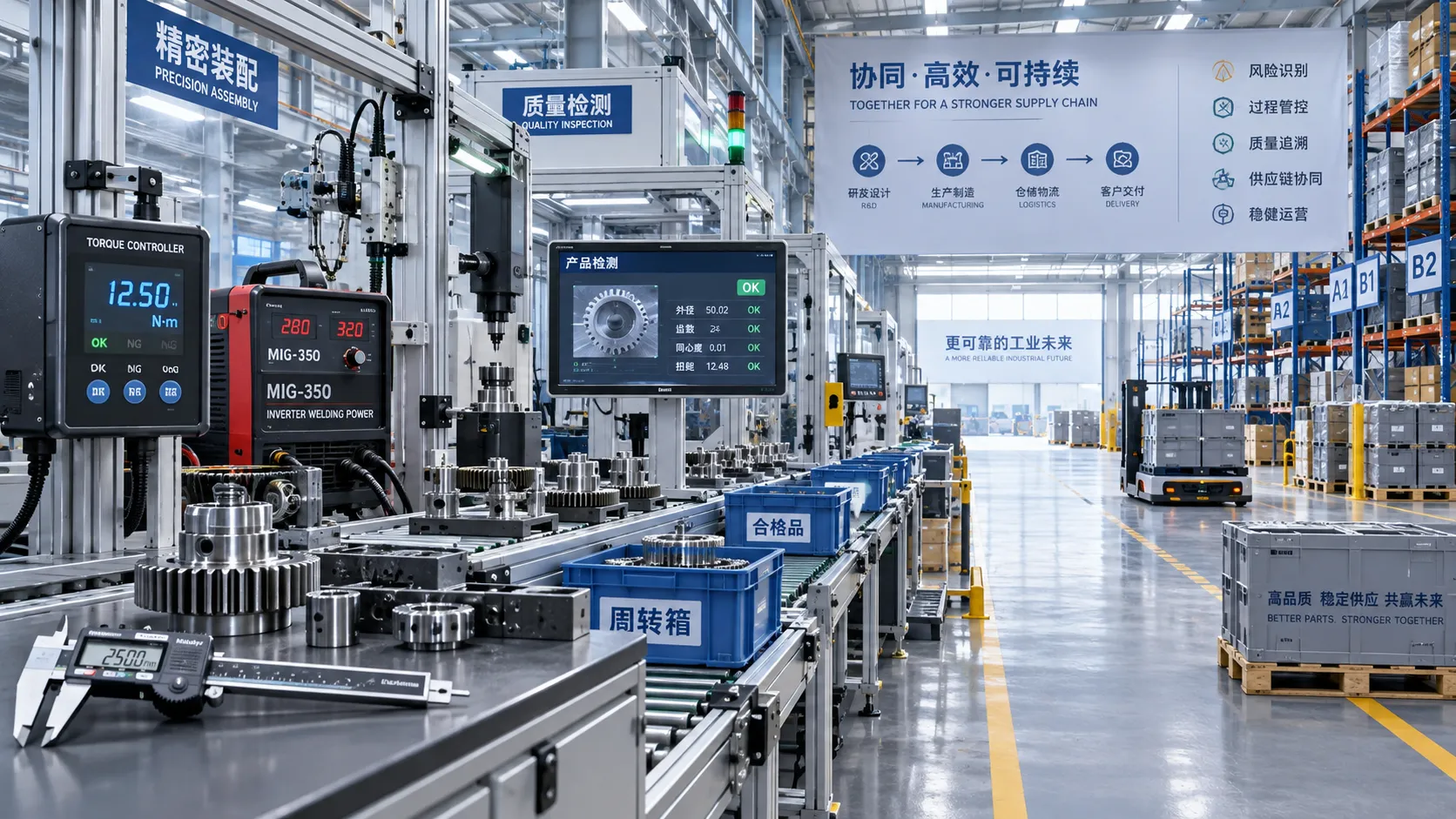
How Procurement Teams Can Map the Industrial Value Chain to Reduce Supply Risk
Industrial value chain procurement helps teams map hidden dependencies, qualify resilient sources, and reduce supply risk before disruptions stop production.
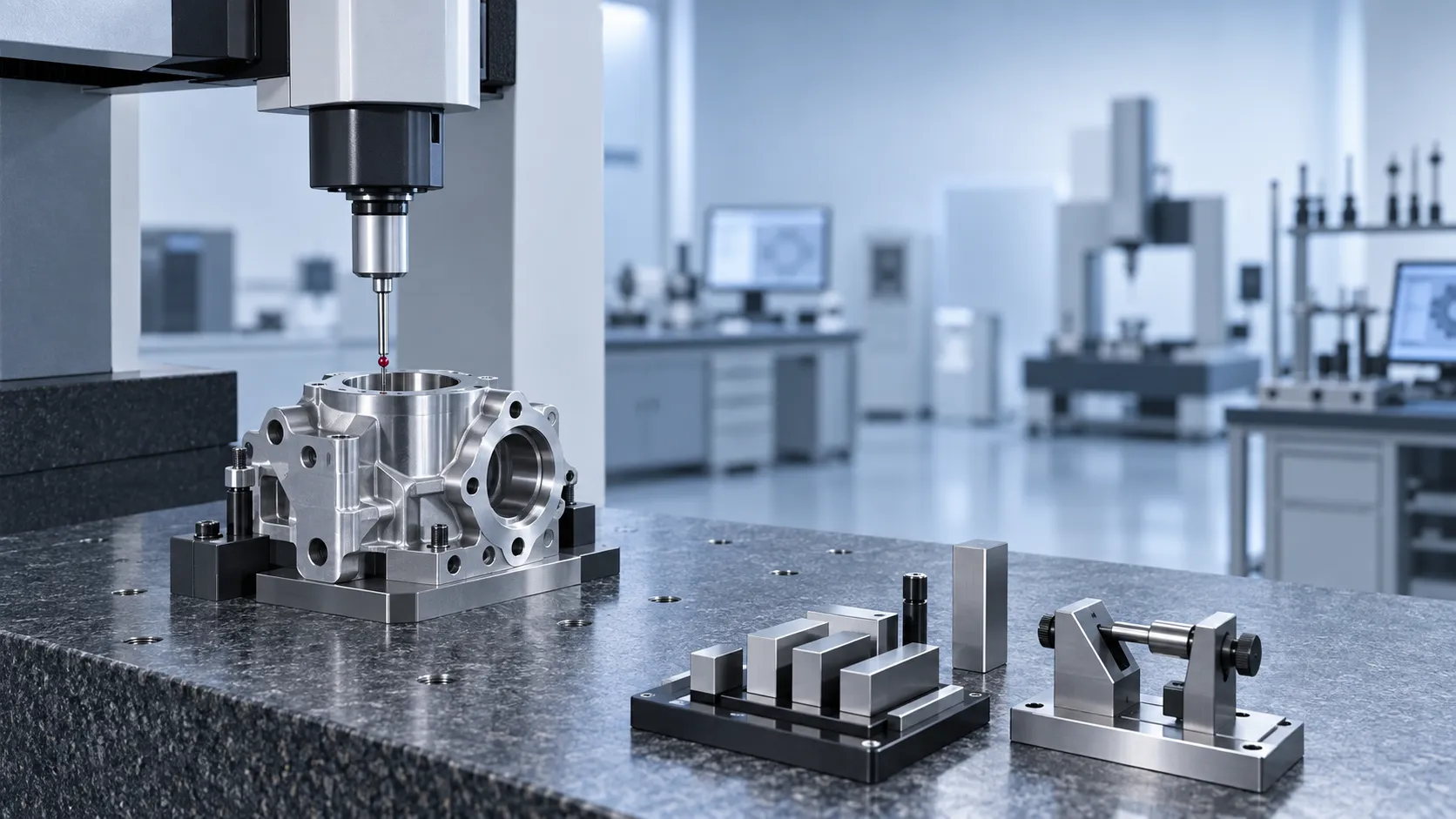
How Specification-Driven Articles Improve Precision Measurement System Selection
Specification-oriented articles precision measurement guidance helps teams compare accuracy, repeatability, environment, and data needs to select reliable systems with confidence.

How to Evaluate a Technology Integration Service Provider for Complex Projects
Technology integration service provider selection guide: evaluate interface ownership, delivery discipline, scalable architecture, and risk control for complex projects.
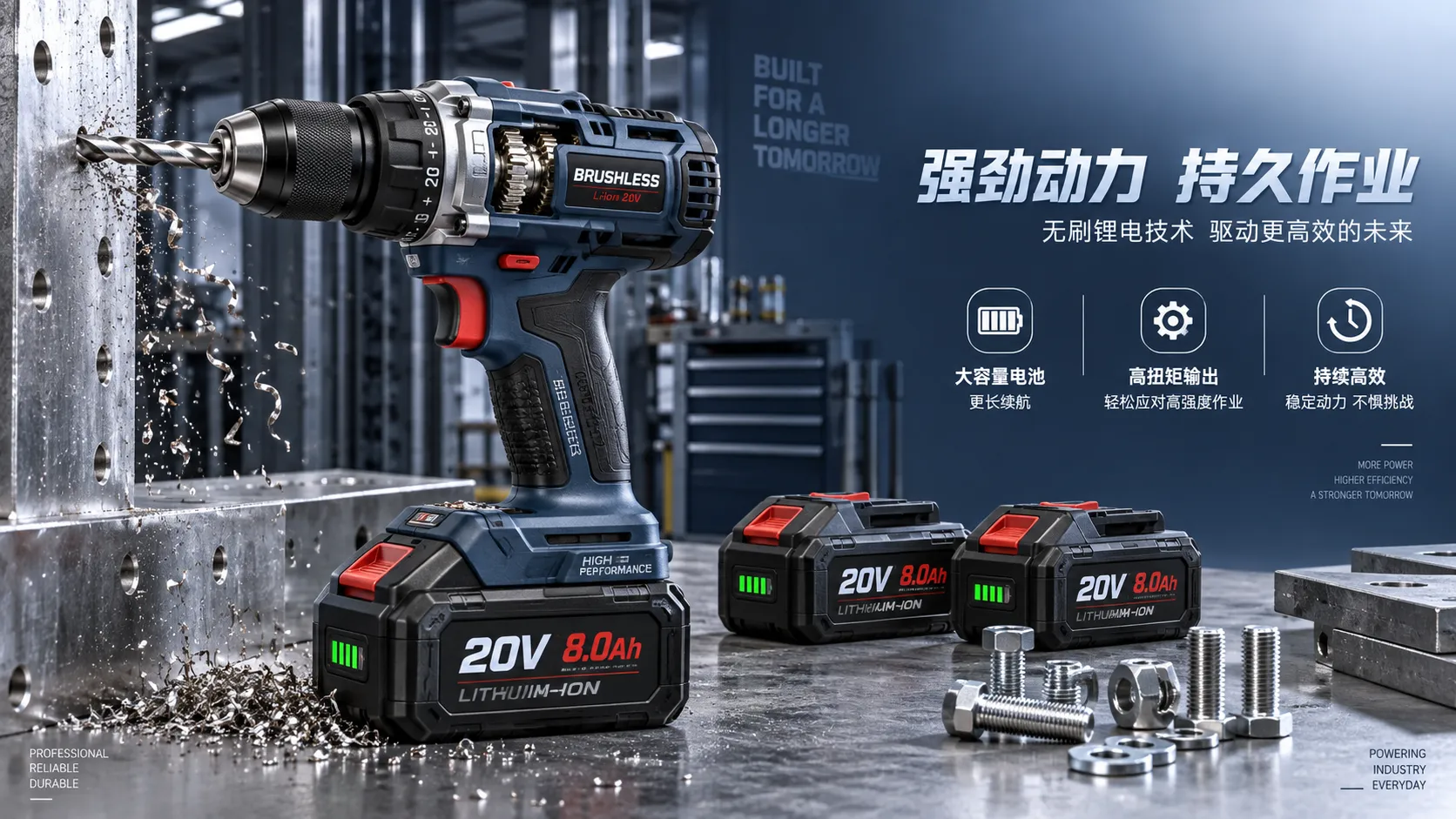
How Battery, Torque, and Duty Cycle Affect Cordless Power Tool Efficiency
Cordless power tool efficiency depends on battery output, torque, and duty cycle. Learn how to match tools to demanding jobs for stronger runtime and productivity.
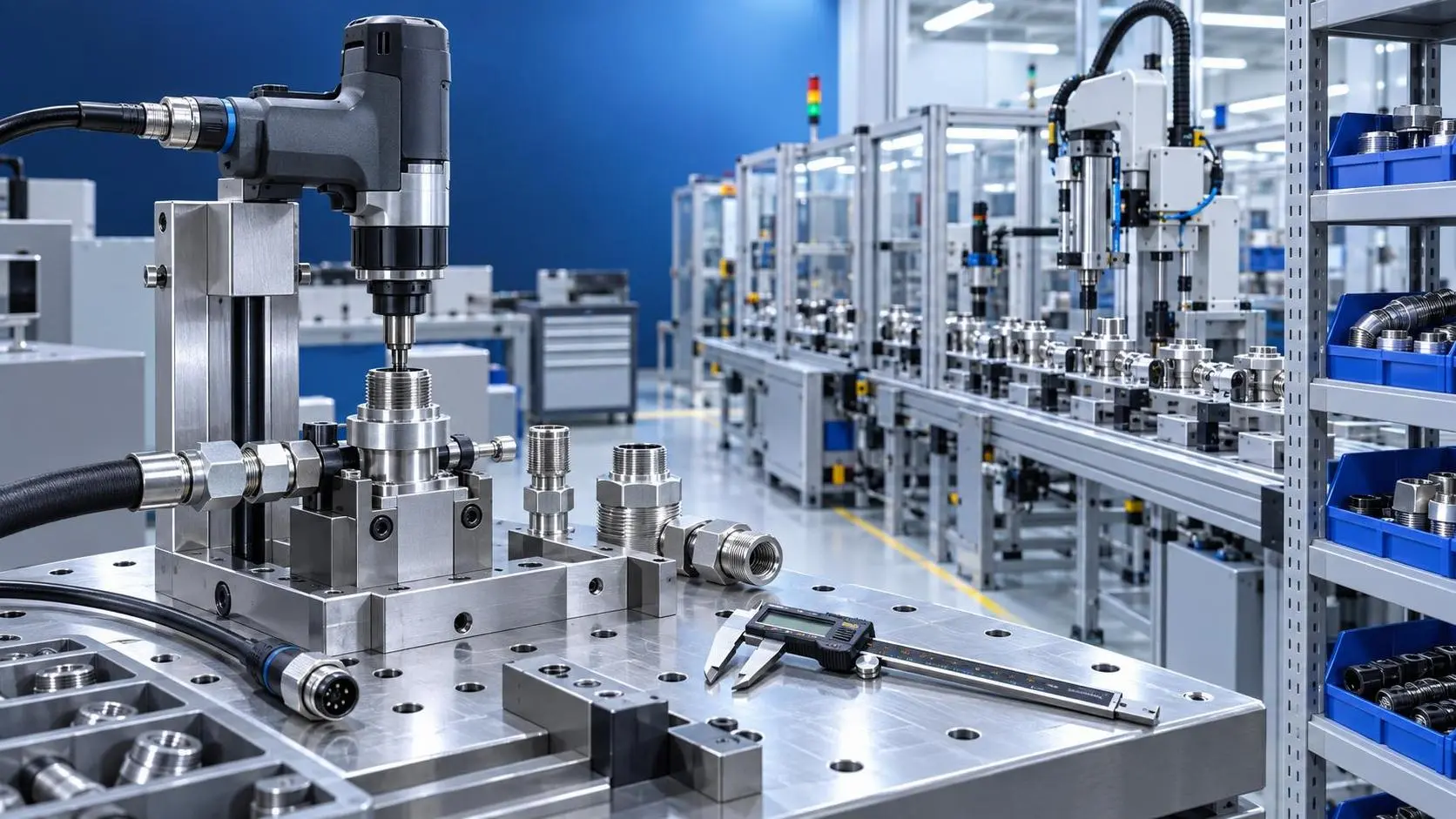
Product Comparison Resources for Component Compatibility and Lifecycle Risk
Product comparison resources for components: evaluate compatibility, interfaces, service support, and lifecycle risk to reduce downtime, avoid redesigns, and make confident sourcing decisions.
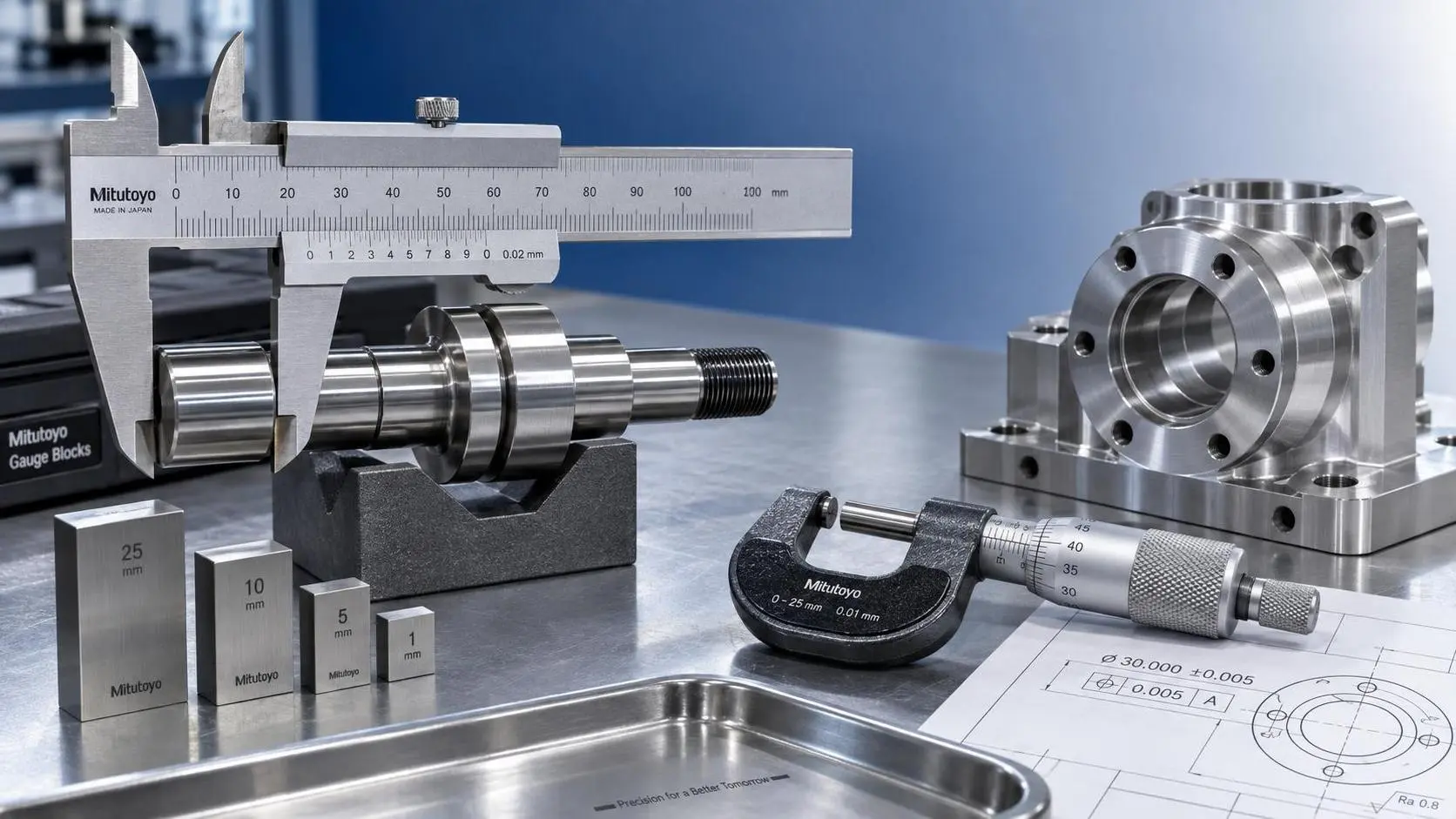
How to Select Vernier Precision Calipers for Tight-Tolerance Machining Inspection
Vernier precision calipers for tight-tolerance machining: learn how to select the right range, jaw design, accuracy, and verification process for reliable inspection.
Product Comparison Resources in Europe: How Buyers Can Verify Specs and Suppliers
Product comparison resources Europe: learn how to verify industrial specs, compliance claims, supplier credibility, and delivery risk for smarter purchasing decisions.

How to Evaluate an Industrial Metrology Solution Manufacturer for Production Use
Industrial metrology solution manufacturer evaluation guide for production: compare accuracy, traceability, automation, software, service, and acceptance testing to reduce risk.
Which ISO Standards Matter Most for Precision Engineering Quality Control?
Precision engineering ISO standards explained: discover how ISO 9001, ISO/IEC 17025, ISO 10012, GPS, and ISO 3834 strengthen quality control, traceability, and compliance.
Related News
- 00
0000-00
How Specification-Driven Articles Improve Precision Measurement System Selection - 00
0000-00
Product Comparison Resources for Component Compatibility and Lifecycle Risk - 00
0000-00
Which ISO Standards Matter Most for Precision Engineering Quality Control? - 00
0000-00
Selecting Metal Joining Methods for Aluminum-to-Steel Assemblies - 00
0000-00
How to Evaluate Industrial Manufacturing Systems for Throughput, Flexibility, and ROI
Prof. Marcus Chen
Weekly Insights
Stay ahead with our curated technology reports delivered every Monday.