
Industrial Automation in Mid-Size Factories: Where to Start and Which Processes to Prioritize





For mid-size factories, industrial automation is no longer a future project. It is a practical way to raise output, stabilize quality, and protect margins under daily pressure.
The hard part is not deciding whether to automate. It is choosing where industrial automation should begin, what to leave manual for now, and how to avoid expensive detours.
In mixed manufacturing environments, the best first move is rarely a full smart factory rebuild. It is usually a focused upgrade in one bottleneck process.
That is also where GPTWM brings value. Its Strategic Intelligence Center connects sector news, tooling trends, welding safety insights, and metrology intelligence into decisions that fit real factory conditions.
Start with the processes that already hurt performance
Industrial automation works best when it targets friction that is already visible in daily operations. If the pain is clear, the return is easier to measure and defend.
Before choosing equipment, walk the line and look for repeated delays, quality escapes, manual rechecks, or operator-heavy tasks that limit throughput.
- Map processes with frequent stoppages, rework, or overtime. These areas often create the fastest payback because industrial automation removes recurring waste rather than isolated inefficiency.
- Prioritize tasks with stable repetition and clear quality rules. Predictable work is easier to automate than variable craft-heavy steps that still depend on human judgment.
- Check where manual data entry slows decisions. Simple industrial automation in traceability or inspection records can unlock faster production control with limited investment.
- Focus on one line or product family first. A smaller automation pilot reduces risk, shortens learning time, and produces cleaner evidence for wider rollout.
- Review safety-sensitive operations early. Welding, fastening, lifting, and repetitive handling often justify industrial automation through both productivity and reduced exposure.
What usually makes a strong first target
Mid-size factories often have hybrid operations. Some steps are highly repeatable, while others still depend on operator skill, product variation, or customer-specific handling.
That is why first-phase industrial automation should go after repeated labor, quality drift, or measurement inconsistency rather than the most technically impressive machine.
- Automate inspection points where dimensional errors appear late. In-line metrology catches problems earlier, reduces scrap, and supports tighter process control.
- Upgrade assembly steps with torque, sequence, or positioning risk. Connected tools and guided workflows improve consistency without replacing the entire station.
- Target material handling between stations if queues keep growing. Basic conveyors, cobots, or automated transfer points often remove hidden waiting time.
- Improve welding cells where spatter, distortion, or operator fatigue create unstable output. Industrial automation here can raise repeatability and simplify quality assurance.
- Digitize maintenance checks on critical assets first. Even light industrial automation in monitoring can prevent downtime that costs more than the automation itself.
Compare automation opportunities by impact, not by hype
A useful mistake to avoid is chasing the most advanced solution first. The better method is comparing opportunities by business impact, implementation difficulty, and process stability.
GPTWM regularly tracks how tooling design, intelligent torque systems, handheld laser welding safety, and metrology upgrades affect real production economics. That perspective matters when budgets are tight.
- Score each process on downtime, labor intensity, defect cost, and training burden. This creates a practical shortlist instead of a technology-driven wish list.
- Separate “can automate” from “should automate now.” Some tasks are technically possible but commercially weak in the current production mix.
- Use existing scrap, OEE, and maintenance records before buying studies. Good industrial automation decisions usually begin with data already inside the plant.
A common factory pattern
In many metalworking or assembly plants, final inspection consumes more time than expected. Operators wait, measurements pile up, and defects appear after value has already been added.
In that case, industrial automation should not start at packaging or dashboards. It should start where earlier measurement can stop defects from traveling downstream.
Choose first-phase solutions that fit mid-size factory reality
The best industrial automation projects in mid-size factories are usually modular. They connect with current workflows, use familiar equipment where possible, and avoid long shutdown windows.
This is especially relevant in industries tied to fabrication, maintenance, construction supply, automotive components, and aerospace service support, where product variety stays high.
- Favor add-on automation over full replacement when equipment is still serviceable. Retrofitting sensors, controls, or connected tools often improves returns and lowers disruption.
- Make sure new systems support traceability from day one. Data without timestamps, part IDs, or operator linkage quickly loses decision value.
- Check spare parts, local service, and training requirements before approval. Industrial automation fails more often from support gaps than from hardware limits.
- Build around process capability, not presentation features. A simpler system with stable output is usually better than an advanced platform nobody fully uses.
- Link automation goals to customer-facing outcomes. Faster lead time, better consistency, and stronger compliance support long-term commercial positioning.
Why tooling and metrology matter more than expected
Factories often think industrial automation means robots first. In practice, connected torque tools, precision gauges, vision checks, and smart parameter control may create faster value.
That aligns with GPTWM’s focus on the last mile of manufacturing. Precision tools, joining quality, and metrology discipline often determine whether automation delivers real operational control.
Watch for the risks that slow automation payback
Most industrial automation setbacks are predictable. They usually come from poor process selection, weak operator adoption, unclear data ownership, or underestimating integration effort.
- Do not automate unstable processes too early. If cycle times, fixtures, or upstream material quality keep changing, automation may only lock in inconsistency.
- Avoid measuring success only by labor reduction. Better quality, lower rework, safer handling, and stronger traceability often carry equal or greater financial value.
- Plan operator involvement from the start. Industrial automation adoption improves when teams help define alarms, interfaces, maintenance routines, and exception handling.
- Protect data quality as carefully as machine uptime. Bad input, missing calibration, or weak naming standards can make connected systems misleading.
- Account for compliance and export-related requirements. Sector restrictions, safety rules, and documentation needs can change automation choices more than expected.
One risk that gets ignored too often
Some factories buy industrial automation to solve capacity issues, when the real constraint is scheduling, changeovers, or inconsistent incoming parts. The result is expensive underuse.
A quick pre-check helps. If the process cannot run consistently for a week under normal demand, fix the basics before adding automation layers.
Build an automation roadmap that can scale
A solid industrial automation roadmap is simple. It starts with one business problem, proves value on one process, and expands only after results are visible and repeatable.
This phased model is often the safest path for mid-size factories balancing growth, labor pressure, and capital discipline.
- Define one baseline before implementation. Track scrap, cycle time, downtime, changeover loss, and inspection effort so results are visible after launch.
- Set a ninety-day review window with clear ownership. Early industrial automation success depends on adjustments, not just installation completion.
- Standardize lessons from the first cell or line. Reusable training, interfaces, and reporting rules make the second deployment faster and cheaper.
- Keep vendor selection tied to long-term compatibility. Future expansion becomes easier when controls, software, and data structures do not conflict.
- Use external intelligence to validate timing. GPTWM’s coverage of raw material shifts, tooling evolution, and sector demand can sharpen investment priorities.
A practical next step
Pick three candidate processes. Rank them by repeatability, defect cost, labor pressure, and safety exposure. Then choose the one with the clearest return and the fewest dependencies.
Industrial automation does not need to begin with the biggest investment. It should begin where process control, measurable value, and operational readiness already meet.
For mid-size factories, that is usually enough to move from discussion to action. And once the first project proves itself, the broader roadmap becomes much easier to justify.
Related News
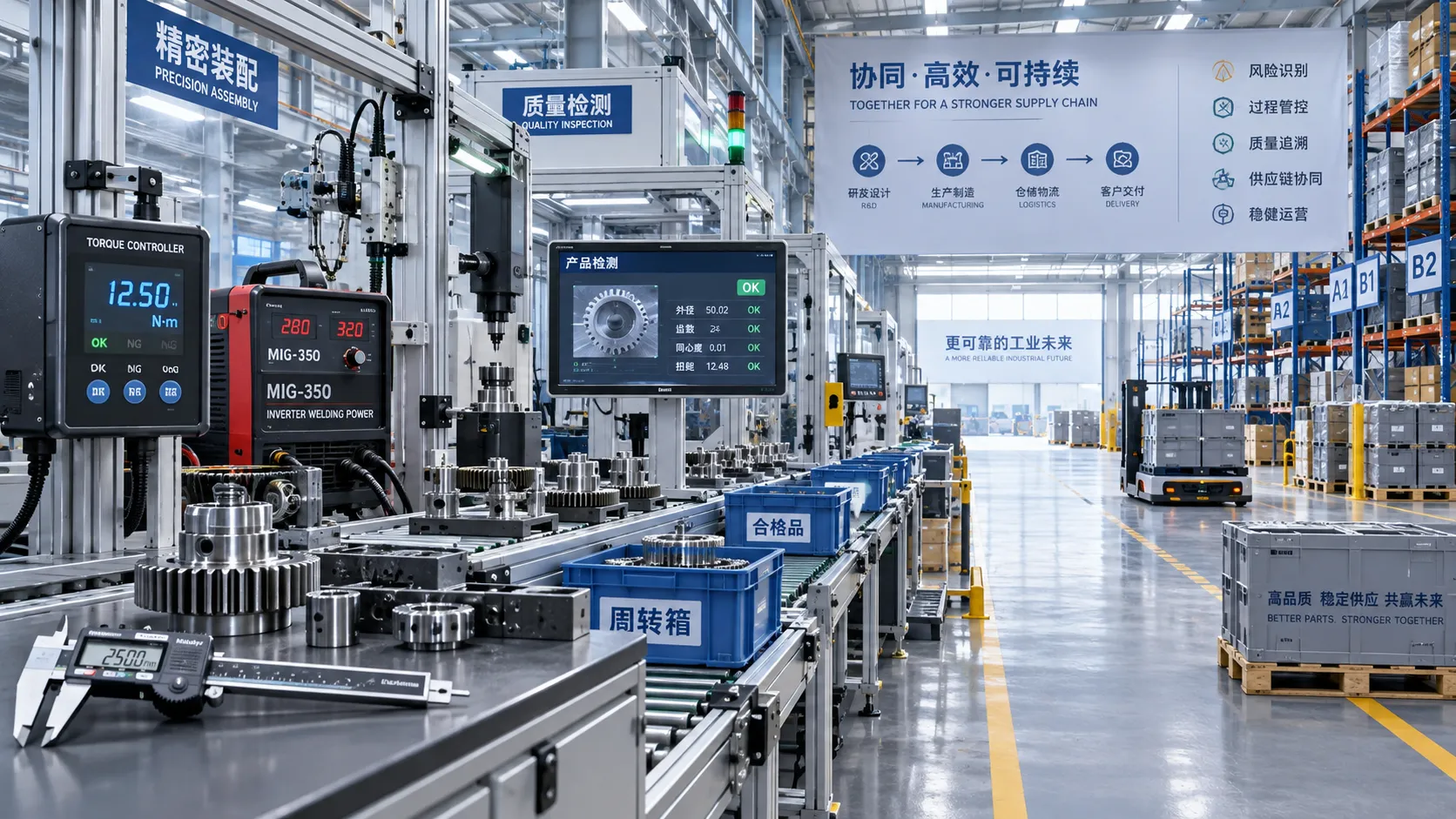
How Procurement Teams Can Map the Industrial Value Chain to Reduce Supply Risk
Industrial value chain procurement helps teams map hidden dependencies, qualify resilient sources, and reduce supply risk before disruptions stop production.
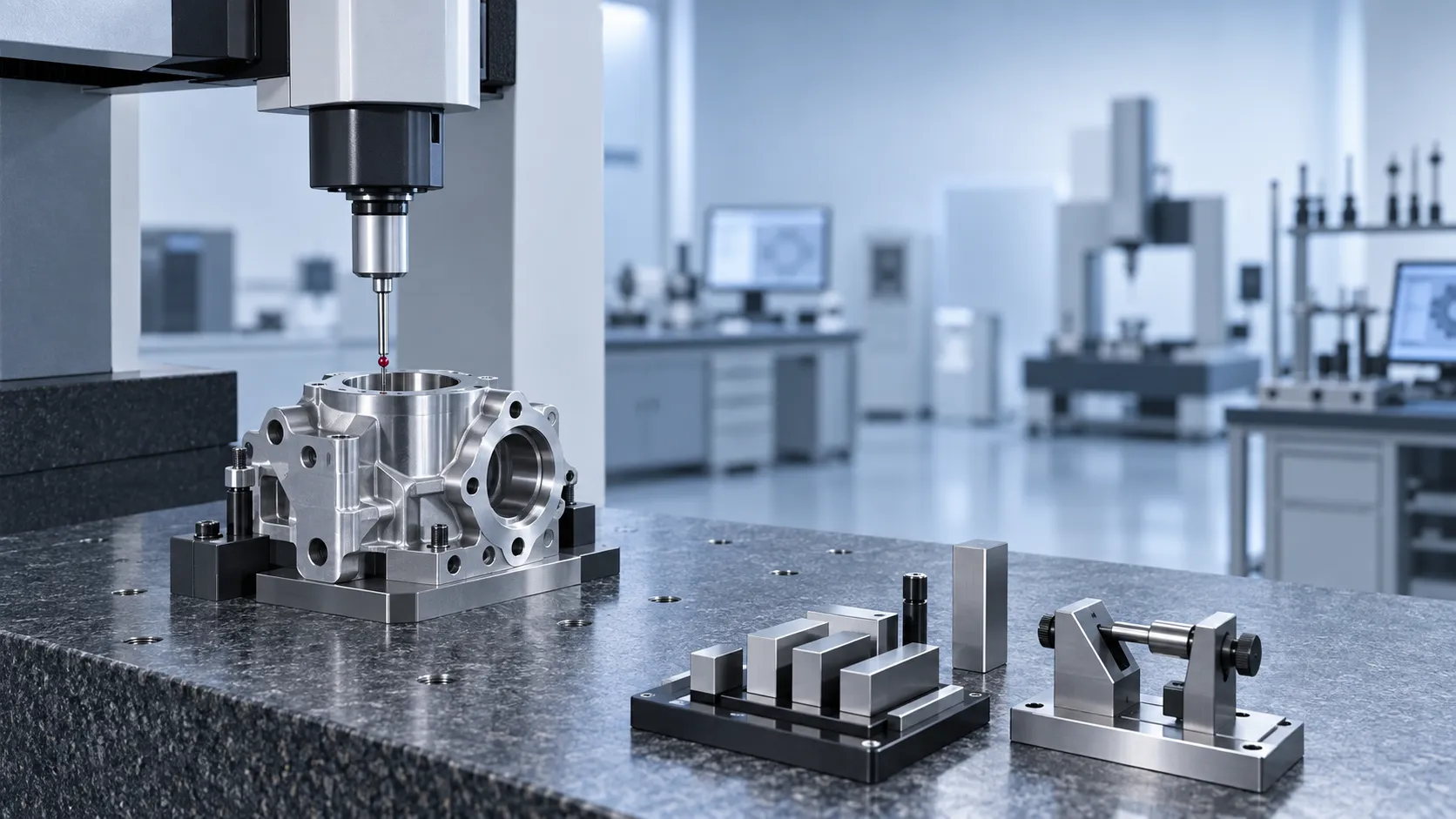
How Specification-Driven Articles Improve Precision Measurement System Selection
Specification-oriented articles precision measurement guidance helps teams compare accuracy, repeatability, environment, and data needs to select reliable systems with confidence.
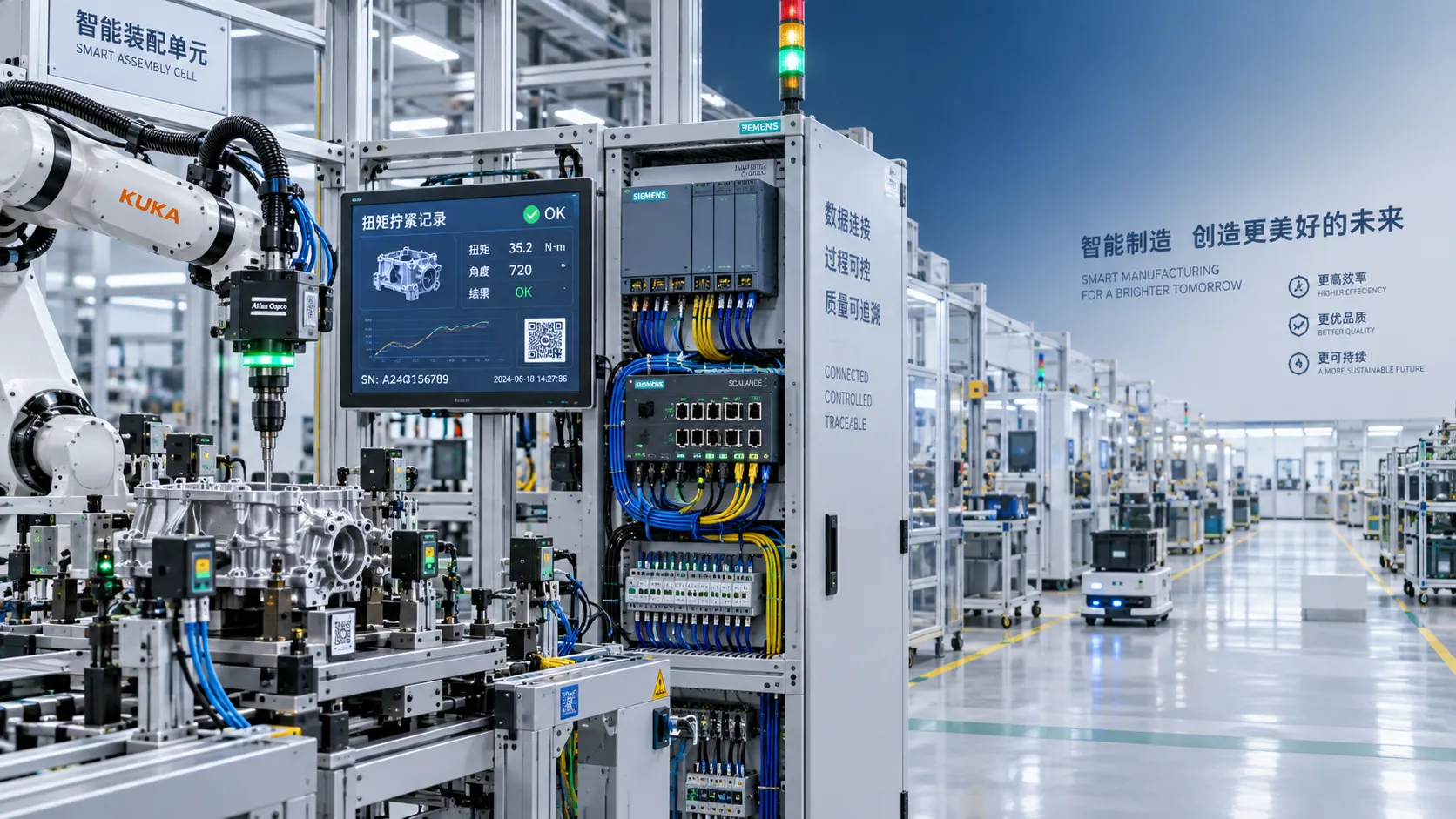
How to Evaluate a Technology Integration Service Provider for Complex Projects
Technology integration service provider selection guide: evaluate interface ownership, delivery discipline, scalable architecture, and risk control for complex projects.
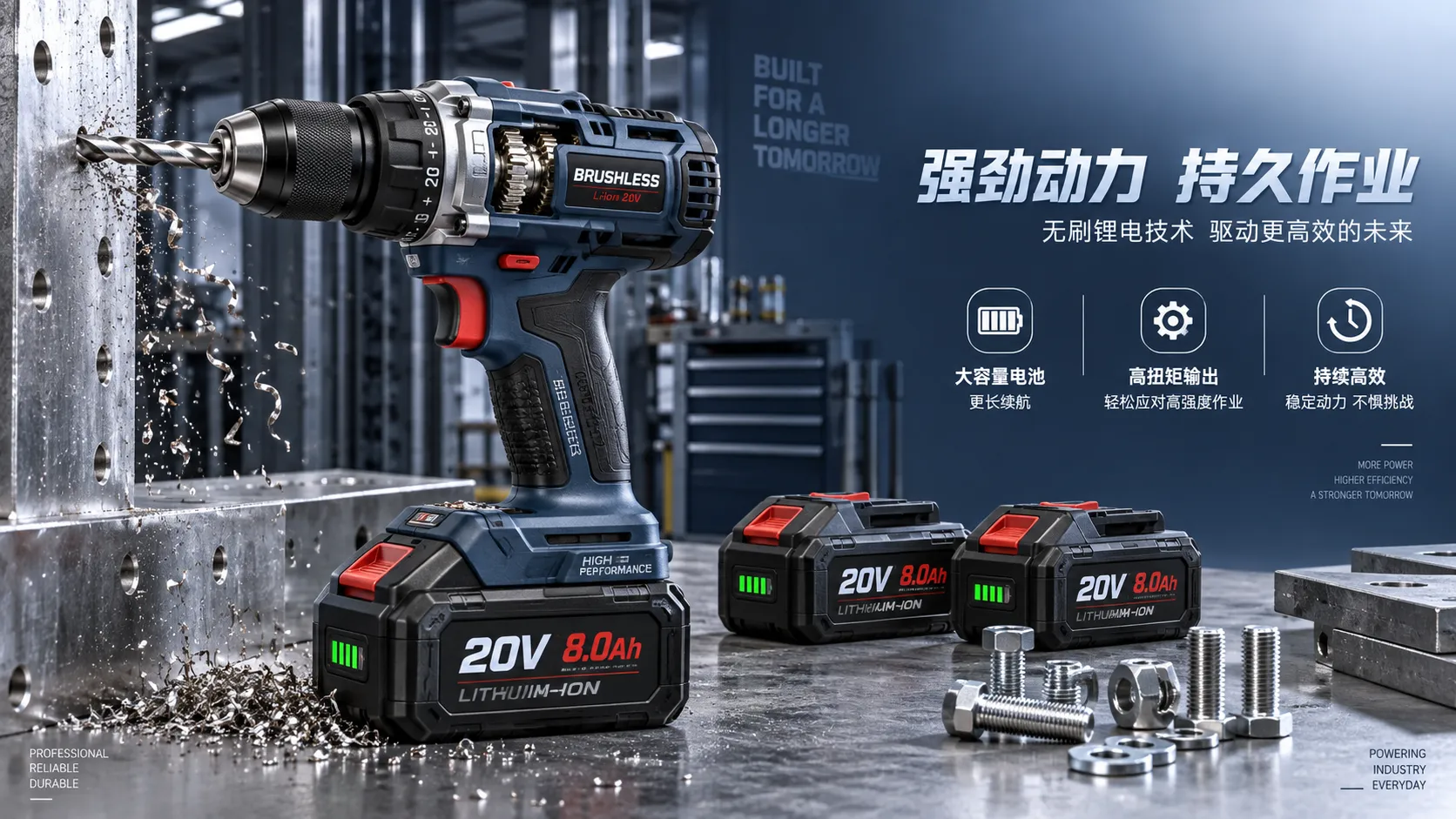
How Battery, Torque, and Duty Cycle Affect Cordless Power Tool Efficiency
Cordless power tool efficiency depends on battery output, torque, and duty cycle. Learn how to match tools to demanding jobs for stronger runtime and productivity.
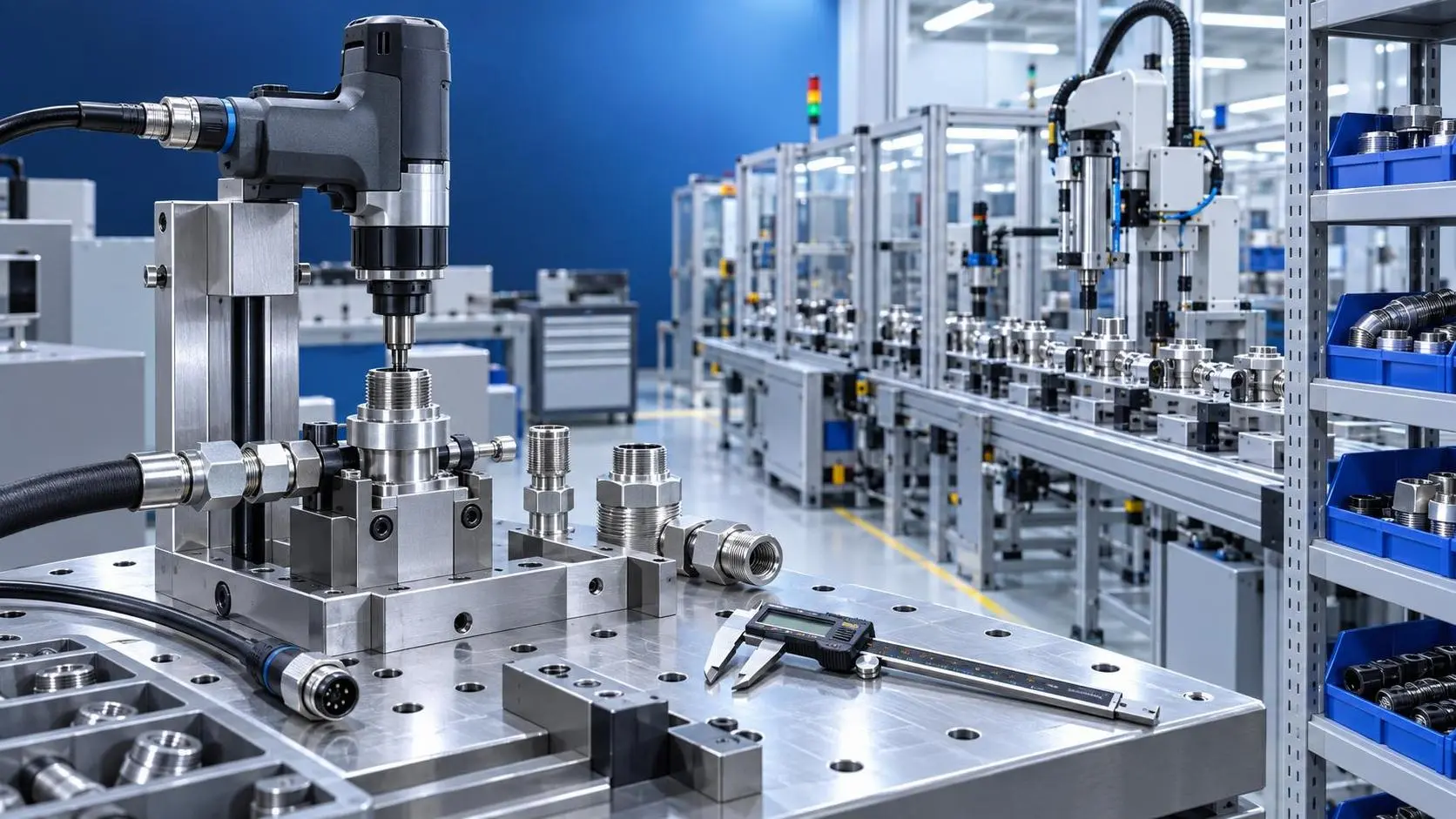
Product Comparison Resources for Component Compatibility and Lifecycle Risk
Product comparison resources for components: evaluate compatibility, interfaces, service support, and lifecycle risk to reduce downtime, avoid redesigns, and make confident sourcing decisions.
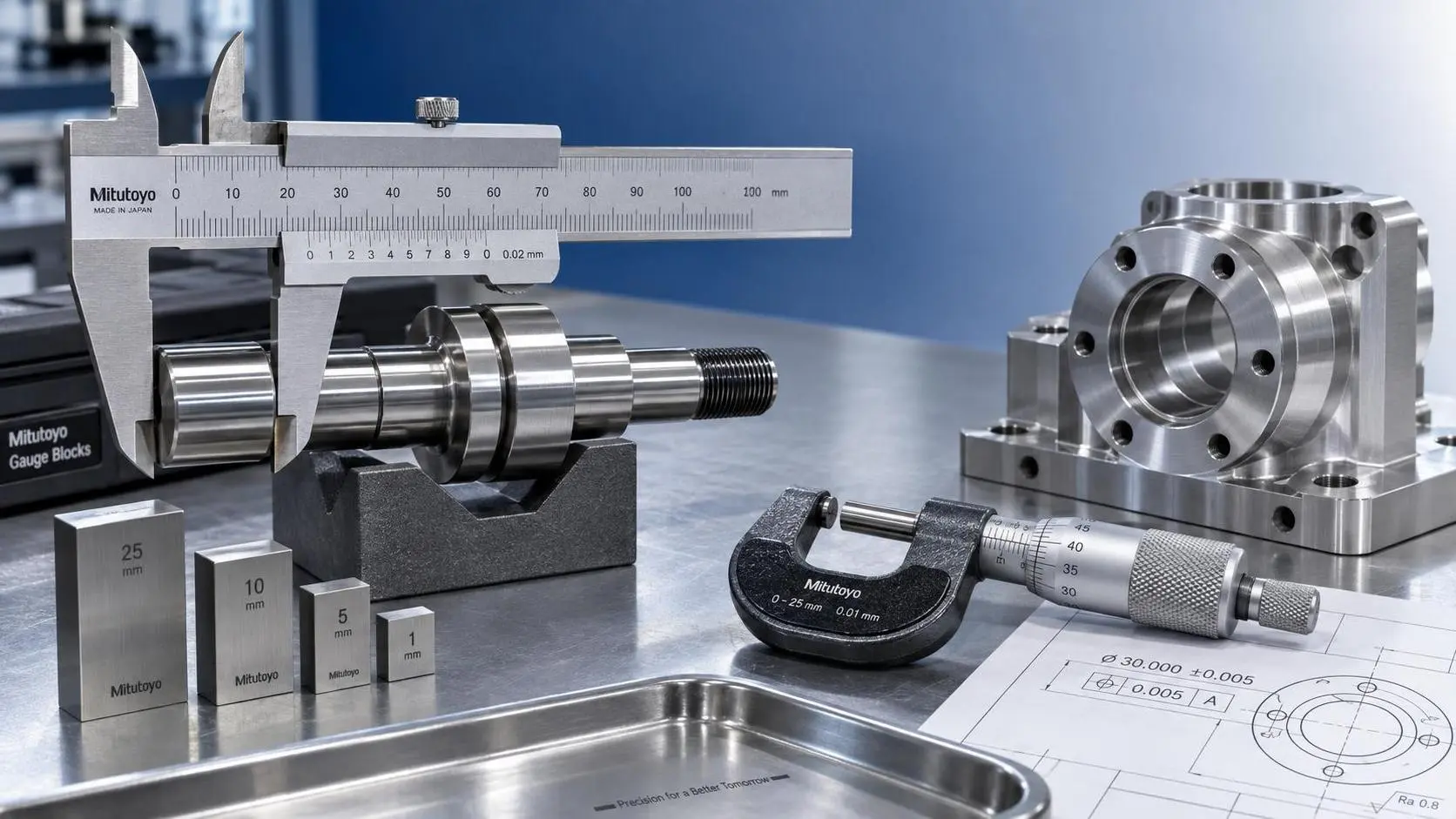
How to Select Vernier Precision Calipers for Tight-Tolerance Machining Inspection
Vernier precision calipers for tight-tolerance machining: learn how to select the right range, jaw design, accuracy, and verification process for reliable inspection.
Product Comparison Resources in Europe: How Buyers Can Verify Specs and Suppliers
Product comparison resources Europe: learn how to verify industrial specs, compliance claims, supplier credibility, and delivery risk for smarter purchasing decisions.
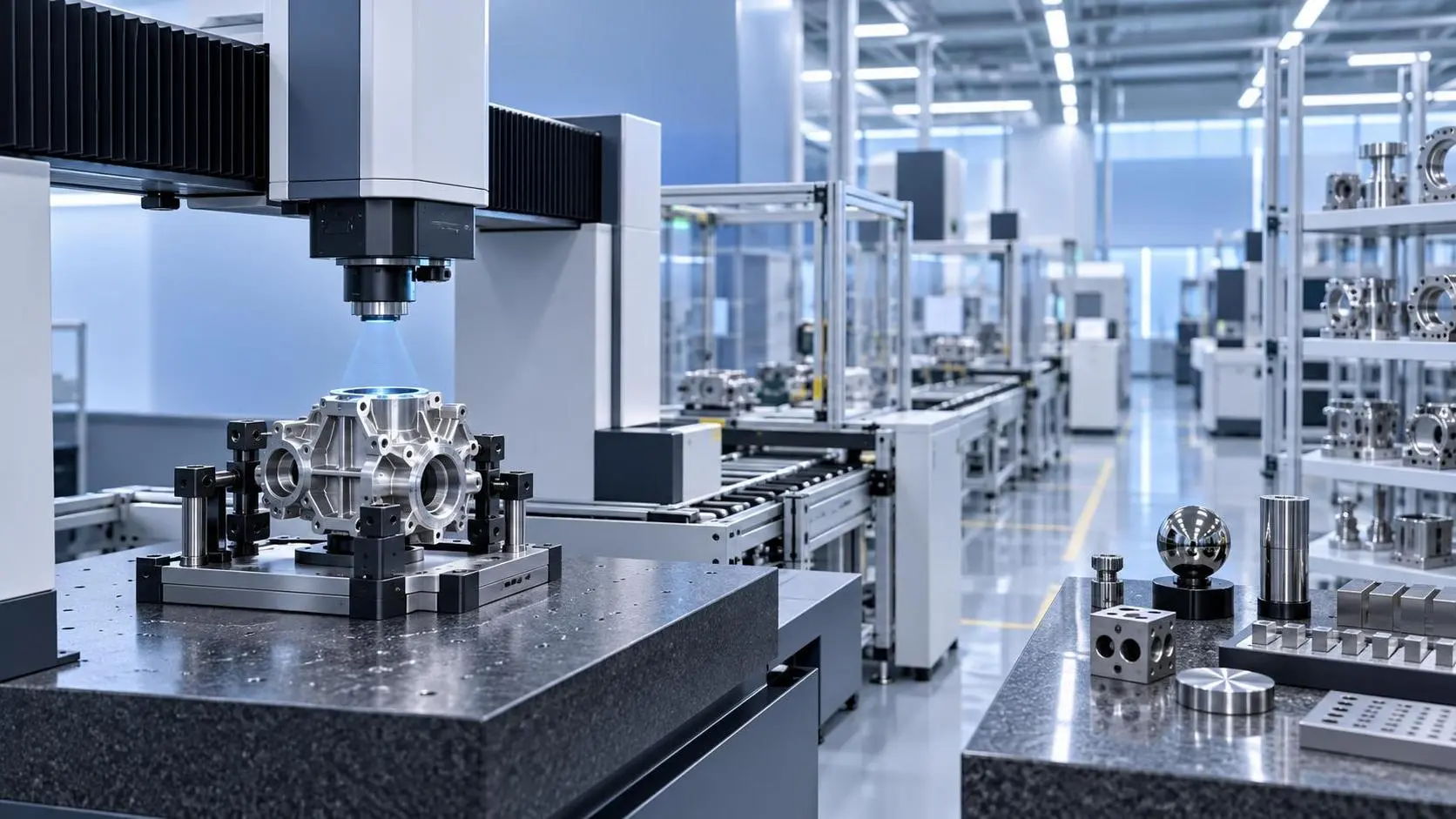
How to Evaluate an Industrial Metrology Solution Manufacturer for Production Use
Industrial metrology solution manufacturer evaluation guide for production: compare accuracy, traceability, automation, software, service, and acceptance testing to reduce risk.
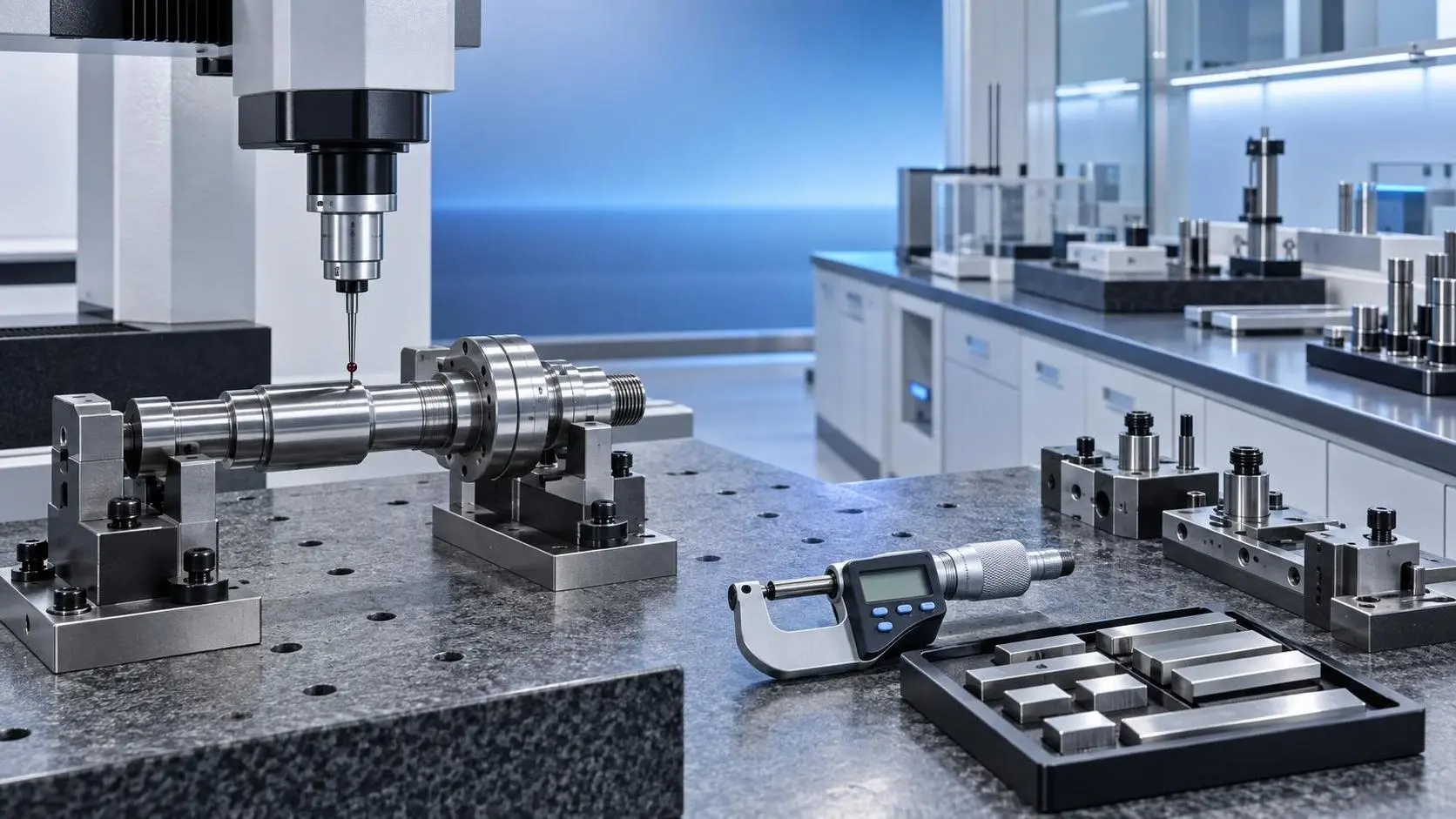
Which ISO Standards Matter Most for Precision Engineering Quality Control?
Precision engineering ISO standards explained: discover how ISO 9001, ISO/IEC 17025, ISO 10012, GPS, and ISO 3834 strengthen quality control, traceability, and compliance.
Related News
- 00
0000-00
How Specification-Driven Articles Improve Precision Measurement System Selection - 00
0000-00
Product Comparison Resources for Component Compatibility and Lifecycle Risk - 00
0000-00
Which ISO Standards Matter Most for Precision Engineering Quality Control? - 00
0000-00
Selecting Metal Joining Methods for Aluminum-to-Steel Assemblies - 00
0000-00
How to Evaluate Industrial Manufacturing Systems for Throughput, Flexibility, and ROI
Prof. Marcus Chen
Weekly Insights
Stay ahead with our curated technology reports delivered every Monday.