
What Is Industrial Intelligence and Where Does It Deliver Measurable Value?





Why is industrial intelligence getting so much attention now?
Industrial intelligence has moved beyond lab demos and innovation slogans.
It now sits inside daily manufacturing decisions, especially where precision, speed, and traceability directly affect output.
That is why the discussion has shifted.
The real issue is no longer whether industrial intelligence matters.
The more useful question is where it produces measurable value.
In practical terms, industrial intelligence combines data capture, process visibility, machine feedback, and decision support.
It connects equipment behavior with human judgment instead of trying to replace it.
This matters across assembly, welding, metrology, inspection, maintenance, and aftermarket service.
In these environments, small deviations create expensive consequences.
A torque error, unstable weld seam, or missed measurement trend can quickly become a delivery problem.
Platforms such as GPTWM highlight this “last mile” reality clearly.
Their industry tracking shows that intelligence delivers value when it improves execution, not just reporting.
That is especially relevant when raw material prices shift, export standards tighten, or tool performance limits become more visible.
What does industrial intelligence actually mean on the factory floor?
A common misunderstanding is that industrial intelligence means fully autonomous factories.
In reality, most valuable deployments are narrower and more targeted.
They usually begin by making hidden process conditions visible.
For example, a welding cell may capture arc stability, heat input variation, and operator settings in real time.
An assembly line may track torque compliance, cycle drift, and tool utilization.
A metrology workflow may compare measurement trends against tolerance history before defects spread downstream.
So industrial intelligence is best understood as an operational layer.
It turns machine signals, inspection records, and production context into actions that people can trust.
This is also why precision industries pay close attention to it.
In sectors linked to construction, automotive, aerospace maintenance, and industrial tools, the cost of uncertainty is high.
When GPTWM examines handheld laser welding safety, brushless motor efficiency, or IoT torque control, the underlying theme is consistent.
Industrial intelligence creates value when physical work and digital feedback reinforce each other.
Where does industrial intelligence deliver measurable value first?
The fastest gains usually appear in processes with repeatable steps and expensive errors.
That includes joining, fastening, inspection, calibration, and equipment maintenance.
More importantly, value should be judged by evidence, not by software features.
A useful way to frame the question is shown below.
The table matters because it keeps industrial intelligence tied to operating results.
In actual deployment, the best candidates are often not the most advanced lines.
They are the lines where variation is costly and data is still fragmented.
That is why assembly, metal joining, and measurement often become early priorities.
How can you tell whether a use case is truly worth implementing?
Not every industrial intelligence project deserves investment at the same time.
A better approach is to test each use case against operational friction.
If a process already runs predictably, collects reliable data, and has low consequence for failure, returns may be modest.
More promising cases usually show three signals.
- The process fails in ways that are repetitive but hard to trace quickly.
- Data exists, but it sits across tools, stations, and reports without connection.
- The financial effect appears in scrap, delay, warranty exposure, or compliance risk.
This is where industrial intelligence becomes more than digital monitoring.
It becomes a method for turning weak signals into earlier decisions.
For example, if metrology data shows a recurring drift before welding distortion appears, that relationship has measurable value.
If torque tools reveal abnormal usage before brushless motor performance drops, maintenance timing improves.
That is the kind of insight highlighted by intelligence-led industry platforms.
They do not just collect market signals.
They connect technical patterns with commercial consequences.
What are the most common mistakes when evaluating industrial intelligence?
One mistake is confusing data volume with useful intelligence.
More sensors do not automatically create better decisions.
Another mistake is starting with dashboards instead of process questions.
If the team cannot define which loss it wants to reduce, the system will struggle to prove value.
A third issue is ignoring ergonomics and workflow fit.
Industrial intelligence works best when tools, operators, and inspection logic remain aligned.
This is especially relevant in hand-guided tasks and last-mile production work.
GPTWM’s focus on tool intelligence and global ergonomic standardization reflects that reality.
A smart system that interrupts practical work too often will face resistance.
Needless complexity is another risk.
Many industrial intelligence initiatives fail because integration scope expands too early.
A narrower start usually works better.
Connect one process, define one loss category, and validate one improvement loop.
How should industrial intelligence be introduced without slowing operations?
The safer path is phased adoption.
Begin where measurement is possible and operational pain is already visible.
That often means a welding quality issue, a torque compliance gap, or recurring downtime around critical tools.
Before implementation, it helps to confirm a short decision checklist.
- Which signal matters most: quality, speed, traceability, safety, or maintenance?
- Can the baseline loss be measured before changes begin?
- Will the data lead to a real action, not just a report?
- Does the workflow support the change without adding unnecessary manual steps?
- Are external factors such as standards, export limits, or material volatility relevant?
These questions keep industrial intelligence grounded in execution.
They also reflect why market intelligence and technical intelligence should not be separated.
If material changes alter weld behavior, or compliance rules change documentation needs, the system must adapt.
That is where a strategic intelligence layer becomes useful.
It helps link shop-floor performance with broader industry movement.
So where should the next decision start?
Industrial intelligence delivers measurable value when it improves a real process under real constraints.
The strongest opportunities usually appear where precision, repeatability, and accountability already matter every day.
That is why assembly, welding, metrology, and maintenance remain central use cases.
A sensible next step is to map one high-friction process and identify its missing signals.
Then compare current losses against the cost of better visibility and faster intervention.
If the answer is still unclear, watch the indicators that GPTWM often brings into focus.
These include tool efficiency limits, safety adoption trends, metrology demand shifts, and changing global standards.
Industrial intelligence is most useful when it helps connect those signals with action on the ground.
That is where measurable value becomes visible, defensible, and repeatable.
Related News
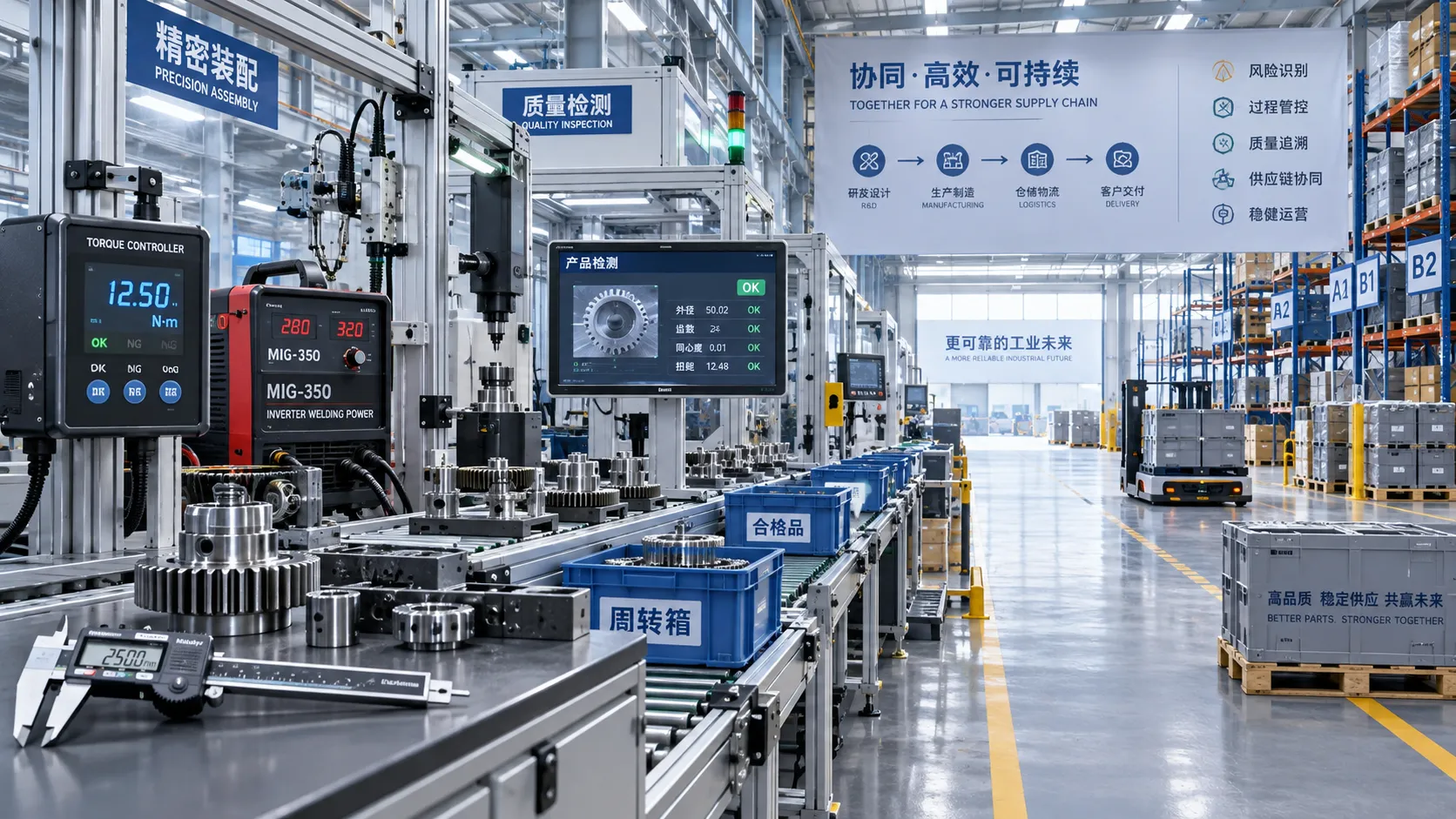
How Procurement Teams Can Map the Industrial Value Chain to Reduce Supply Risk
Industrial value chain procurement helps teams map hidden dependencies, qualify resilient sources, and reduce supply risk before disruptions stop production.

How Specification-Driven Articles Improve Precision Measurement System Selection
Specification-oriented articles precision measurement guidance helps teams compare accuracy, repeatability, environment, and data needs to select reliable systems with confidence.
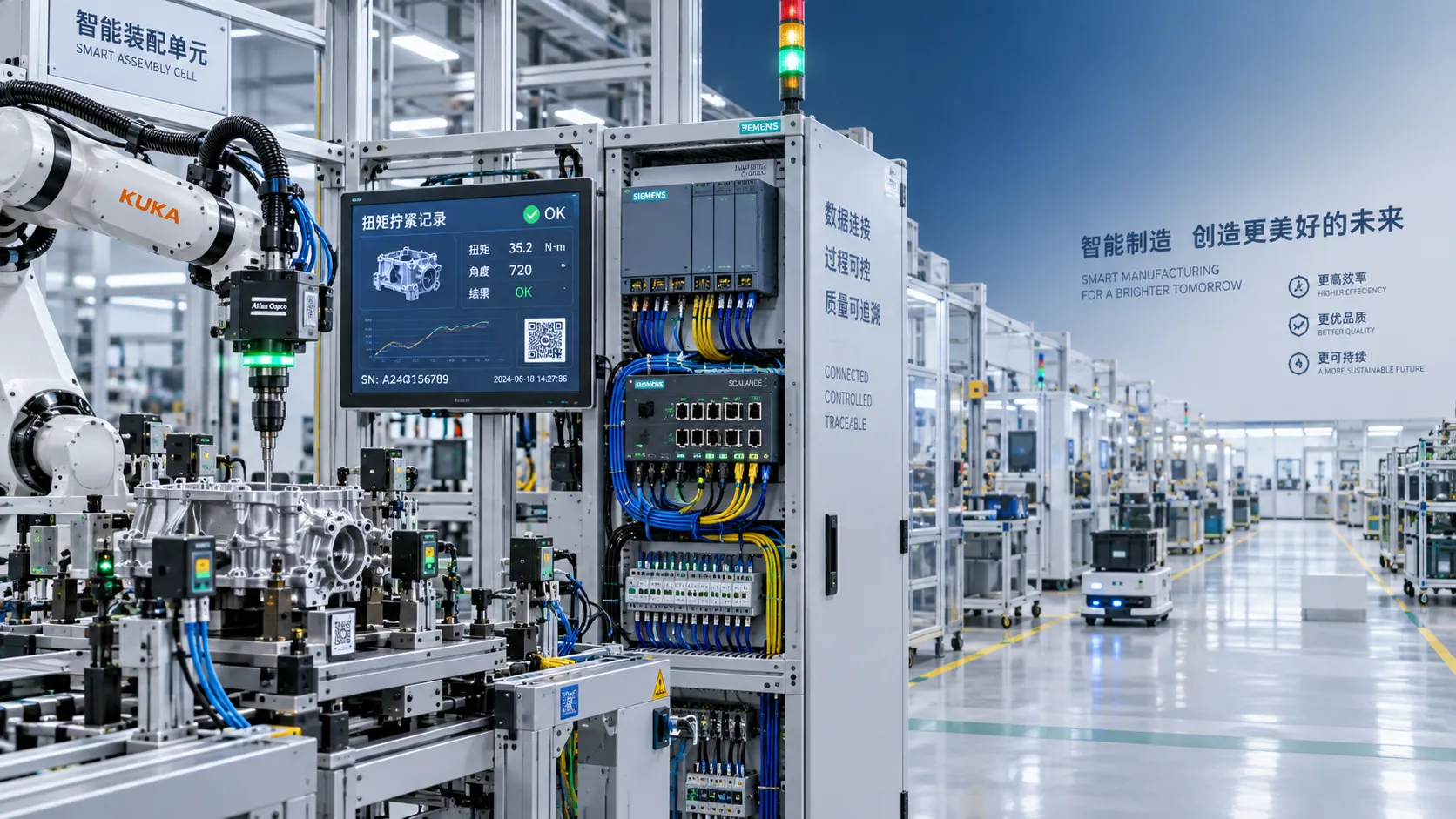
How to Evaluate a Technology Integration Service Provider for Complex Projects
Technology integration service provider selection guide: evaluate interface ownership, delivery discipline, scalable architecture, and risk control for complex projects.
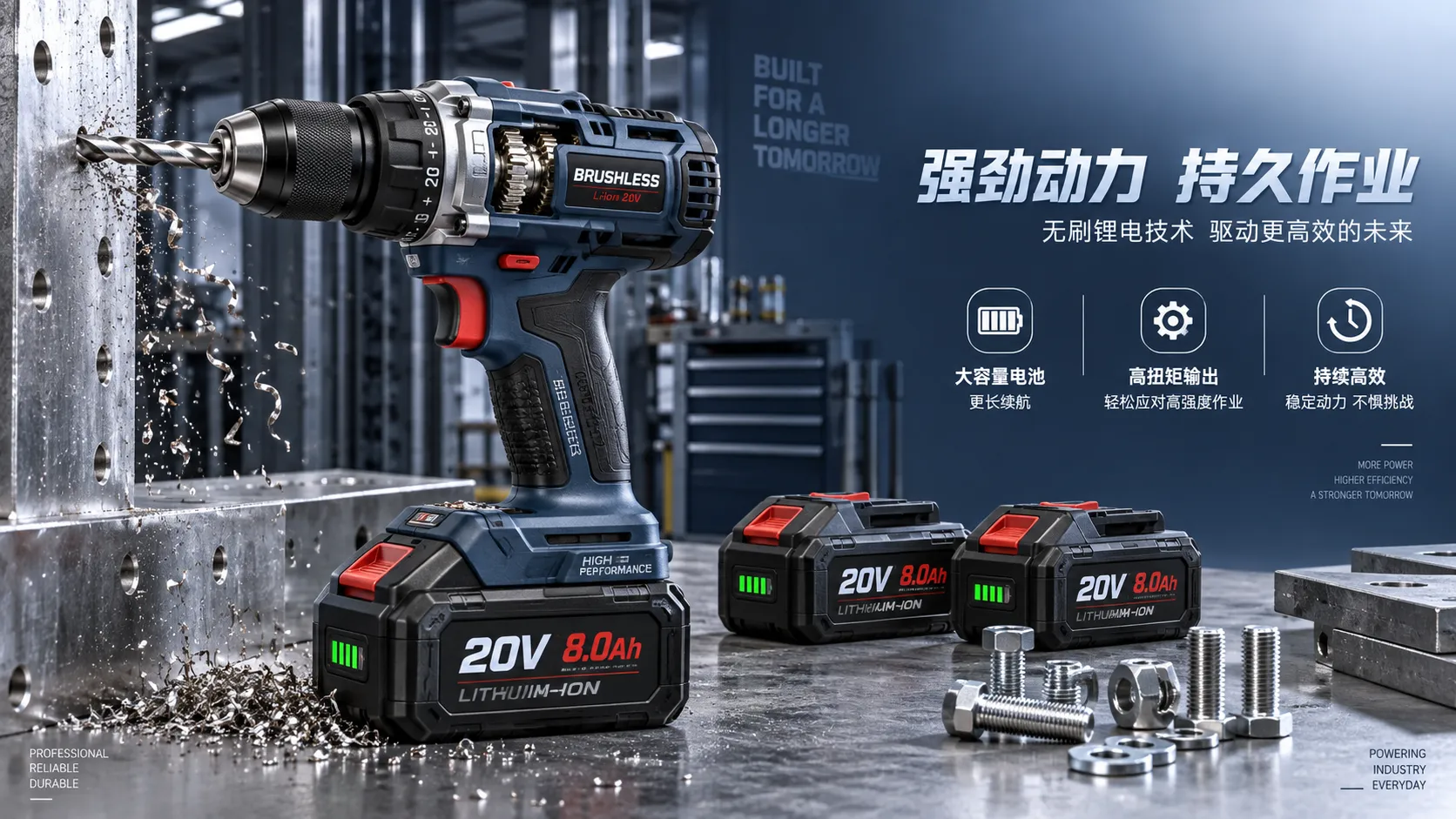
How Battery, Torque, and Duty Cycle Affect Cordless Power Tool Efficiency
Cordless power tool efficiency depends on battery output, torque, and duty cycle. Learn how to match tools to demanding jobs for stronger runtime and productivity.
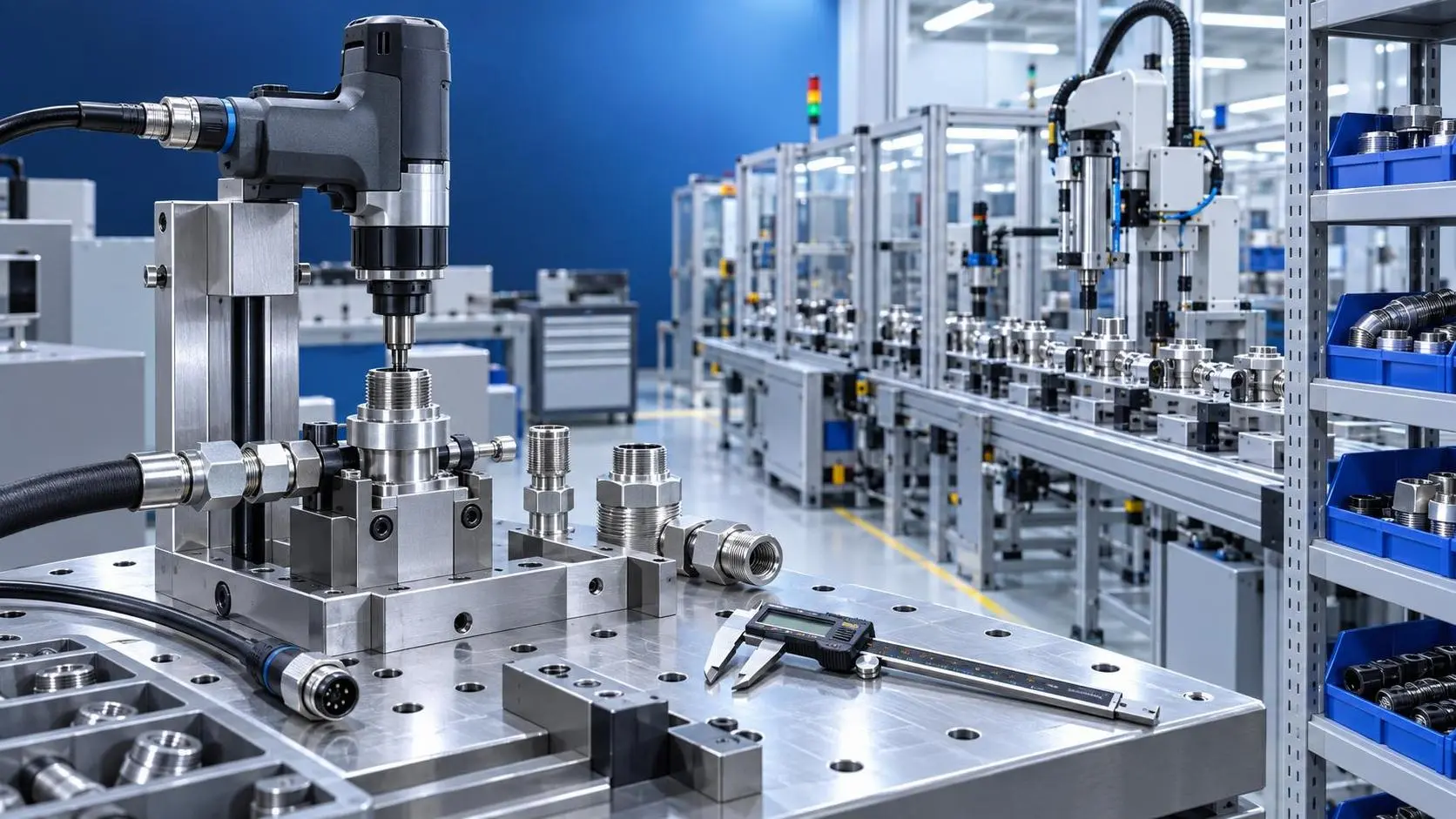
Product Comparison Resources for Component Compatibility and Lifecycle Risk
Product comparison resources for components: evaluate compatibility, interfaces, service support, and lifecycle risk to reduce downtime, avoid redesigns, and make confident sourcing decisions.
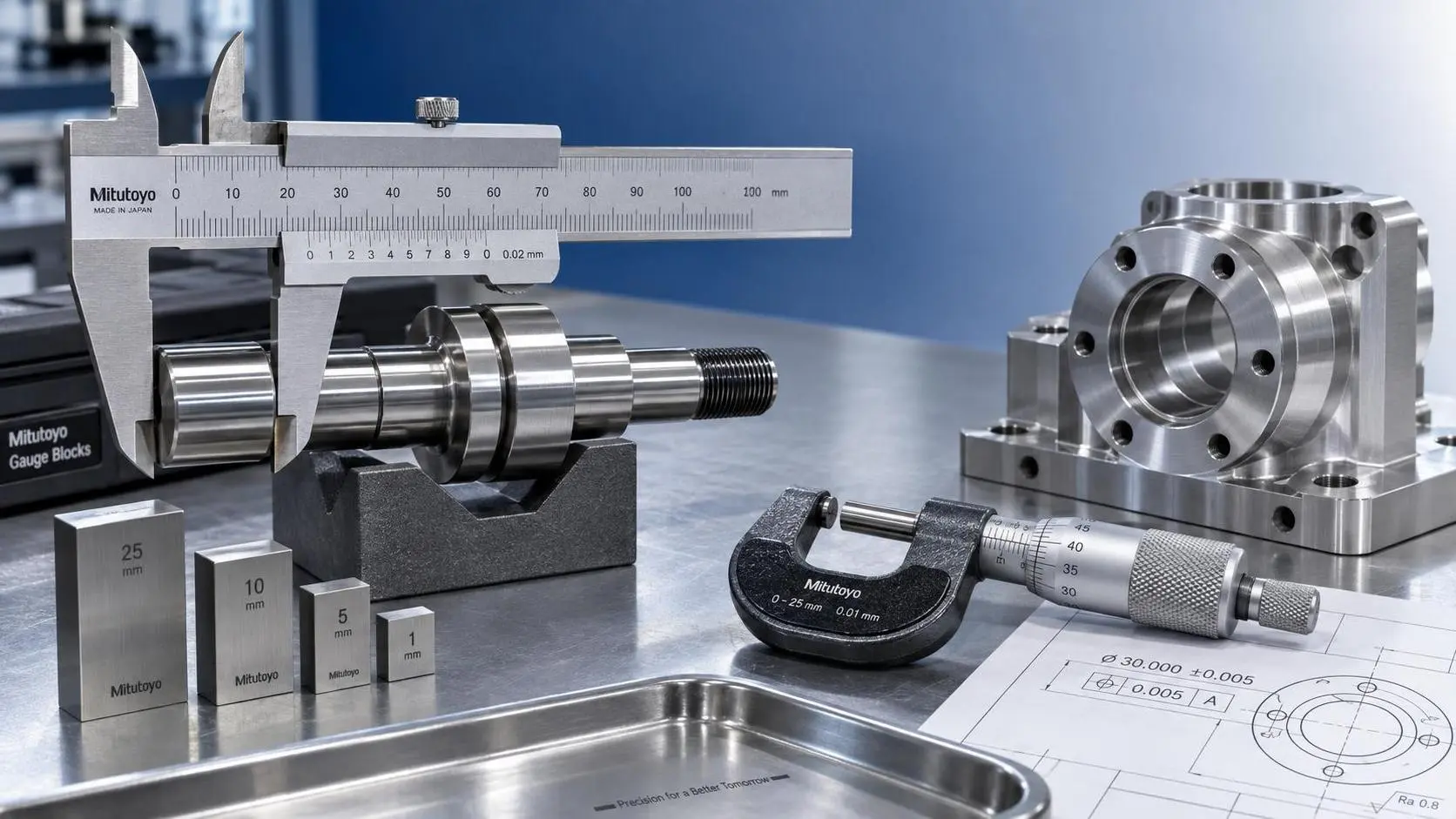
How to Select Vernier Precision Calipers for Tight-Tolerance Machining Inspection
Vernier precision calipers for tight-tolerance machining: learn how to select the right range, jaw design, accuracy, and verification process for reliable inspection.
Product Comparison Resources in Europe: How Buyers Can Verify Specs and Suppliers
Product comparison resources Europe: learn how to verify industrial specs, compliance claims, supplier credibility, and delivery risk for smarter purchasing decisions.

How to Evaluate an Industrial Metrology Solution Manufacturer for Production Use
Industrial metrology solution manufacturer evaluation guide for production: compare accuracy, traceability, automation, software, service, and acceptance testing to reduce risk.
Which ISO Standards Matter Most for Precision Engineering Quality Control?
Precision engineering ISO standards explained: discover how ISO 9001, ISO/IEC 17025, ISO 10012, GPS, and ISO 3834 strengthen quality control, traceability, and compliance.
Related News
- 00
0000-00
How Specification-Driven Articles Improve Precision Measurement System Selection - 00
0000-00
Product Comparison Resources for Component Compatibility and Lifecycle Risk - 00
0000-00
Which ISO Standards Matter Most for Precision Engineering Quality Control? - 00
0000-00
Selecting Metal Joining Methods for Aluminum-to-Steel Assemblies - 00
0000-00
How to Evaluate Industrial Manufacturing Systems for Throughput, Flexibility, and ROI
Prof. Marcus Chen
Weekly Insights
Stay ahead with our curated technology reports delivered every Monday.