
Material Science Basics: How Strength, Heat Resistance, and Wear Affect Part Selection





Material science sits behind every sound part decision, even when it is not named in the purchasing note or design review. When a component must carry load, survive heat, and resist surface damage, strength, heat resistance, and wear behavior become practical selection filters rather than academic terms.
That matters across industrial assembly, welding, inspection, construction maintenance, transport equipment, and precision tooling. A part that looks acceptable on paper can still fail early if the material does not match the real duty cycle, temperature swings, friction pattern, or dimensional tolerance expected in service.
For platforms such as GPTWM, which track industrial assembly, metal joining, and precision metrology trends, material science is also a market signal. It connects raw material volatility, process upgrades, safety rules, and tool performance into one decision framework that is easier to use in daily evaluation work.
Why material behavior shapes part selection
A part is rarely chosen for one property alone. Bolts, welded brackets, guide rails, caliper jaws, shafts, nozzles, housings, and wear plates all operate under mixed conditions. Load, temperature, contact stress, vibration, and environment overlap.
Material science helps explain that overlap. It looks at how composition, microstructure, processing, and surface condition affect performance. In other words, it shows why two metal parts with similar dimensions may deliver very different service life.
This is especially relevant in the last mile of manufacturing, where tolerances tighten and failure costs rise. A welding torch tip, for example, faces heat and wear together. A measuring component faces contact wear and dimensional stability. A handheld power tool gear sees impact, friction, and temperature buildup.
Strength is more than a high number on a datasheet
Strength usually gets attention first because it appears easy to compare. Yield strength, tensile strength, and hardness are common references. Yet material science shows that high strength alone does not guarantee safe or economical selection.
A strong material can still be too brittle for shock loading. It can distort during welding. It can also become difficult to machine, raising cost and slowing throughput. In precision applications, excessive hardness may increase edge chipping or create calibration drift after finishing steps.
Where strength decisions often go wrong
- Selecting peak strength when fatigue resistance matters more.
- Ignoring weld heat affected zones in joined assemblies.
- Using hardness as a complete proxy for service performance.
- Missing the tradeoff between strength and manufacturability.
In actual evaluation, the useful question is not simply “How strong is it?” A better question is “How much load can it carry after processing, assembly, and repeated use?” That shift reflects a more grounded material science approach.
Heat resistance affects stability, safety, and process limits
Heat resistance is often underestimated until deformation, softening, oxidation, or thermal fatigue appears. Many components do not operate in furnaces, yet still experience damaging heat from friction, arc exposure, motor load, or repeated duty cycles.
Material science treats heat resistance as a system issue. It includes retained strength at elevated temperature, thermal expansion, conductivity, oxidation behavior, and microstructural stability. These factors matter in welding tools, fixtures, bearings, seals, inspection equipment, and compact electric devices.
Current industrial interest in handheld laser welding, brushless tool systems, and compact high-output equipment has made thermal management more visible. Smaller, lighter systems often run closer to performance limits, which leaves less room for poor material matching.
In practical terms, heat resistance is not only about survival. It is also about keeping geometry, contact quality, and predictable function while temperature moves up and down.
Wear is a slow failure mode with major cost impact
Wear tends to be gradual, which makes it easy to miss during initial approval. Yet in many industrial settings, wear drives replacement intervals, maintenance labor, measurement error, and unplanned downtime more than dramatic overload failures do.
Material science separates wear into mechanisms. Abrasive wear comes from hard particles or rough contact. Adhesive wear grows when surfaces slide and transfer material. Erosive wear appears in fast particle flow. Fretting shows up under small repeated movement.
Those differences matter because the best countermeasure changes with the mechanism. Higher hardness may help in one case, while improved lubrication, coating choice, surface finish, or tougher substrate may work better in another.
Typical wear-sensitive parts
- Cutting and clamping surfaces in precision tools.
- Guide elements, rollers, and sliding interfaces.
- Nozzles, tips, and consumables near thermal processes.
- Inspection contact points in metrology devices.
This is where material science becomes directly commercial. Better wear matching can extend service intervals, stabilize output quality, and reduce hidden replacement cost across high-volume operations.
The properties interact, and that is the real challenge
Strength, heat resistance, and wear do not act independently. A material may be hard enough to resist wear at room temperature, then soften under thermal cycling. Another may keep strength at heat, yet oxidize and lose surface quality.
Part selection therefore needs context. Service temperature, duty cycle, surface pressure, joining method, lubrication state, and dimensional sensitivity all shape the right answer. Material science provides the language to compare those variables without reducing the decision to a single grade label.
This integrated view is especially valuable in sectors followed by GPTWM, including construction equipment support, automotive maintenance, aerospace servicing, and industrial tool distribution. These sectors demand lighter systems, smarter controls, and tighter quality targets at the same time.
A practical way to evaluate materials before release
A useful review process starts with function, not grade preference. The part must first be described by what it does, how it fails, and what operating conditions matter most. Only then does material comparison become meaningful.
Key questions worth documenting
- What is the dominant load: static, cyclic, impact, or combined?
- What temperature range appears in normal and abnormal use?
- Which wear mechanism is most likely at the interface?
- Will welding, coating, heat treatment, or machining alter performance?
- Which dimensions or surface conditions are critical to function?
After that, test evidence should match the real risk. Tensile data alone may be insufficient. Hardness maps, thermal exposure trials, friction tests, microstructure checks, and field return analysis can reveal more relevant behavior.
Supply conditions also deserve attention. Export restrictions, raw material swings, and specification substitution can quietly change part performance. That is one reason industrial intelligence platforms monitor both technical and market-side signals together.
Where better material science decisions create value
The immediate value is lower failure risk, but the broader effect is often more important. Sound material choices improve assembly consistency, reduce rework, protect calibration integrity, and support safer operation in heat-affected or wear-heavy environments.
They also improve communication across design, sourcing, quality, and service teams. When material science criteria are explicit, tradeoffs become visible. A higher-cost alloy may be justified by longer life. A lower-hardness option may be correct if impact tolerance matters more.
That kind of disciplined comparison is becoming more important as tools become lighter, smarter, and more connected. Precision products and industrial joining systems now demand material decisions that support both physical durability and process reliability.
What to review next
The next step is to build a short material science checklist around the actual part family under review. Start with failure history, operating temperature, contact condition, and process route. Then compare candidate materials against those factors instead of relying on familiar grades alone.
Where conditions are changing, such as new welding methods, brushless power systems, or tighter metrology requirements, update the evaluation criteria before problems appear in service. Small shifts in heat, wear, or loading can make an old material choice less suitable.
Material science is most useful when it turns scattered test data into a repeatable selection standard. That gives future part reviews a stronger base, and it supports decisions that are safer, more durable, and easier to defend across the industrial value chain.
Related News

How Procurement Teams Can Map the Industrial Value Chain to Reduce Supply Risk
Industrial value chain procurement helps teams map hidden dependencies, qualify resilient sources, and reduce supply risk before disruptions stop production.
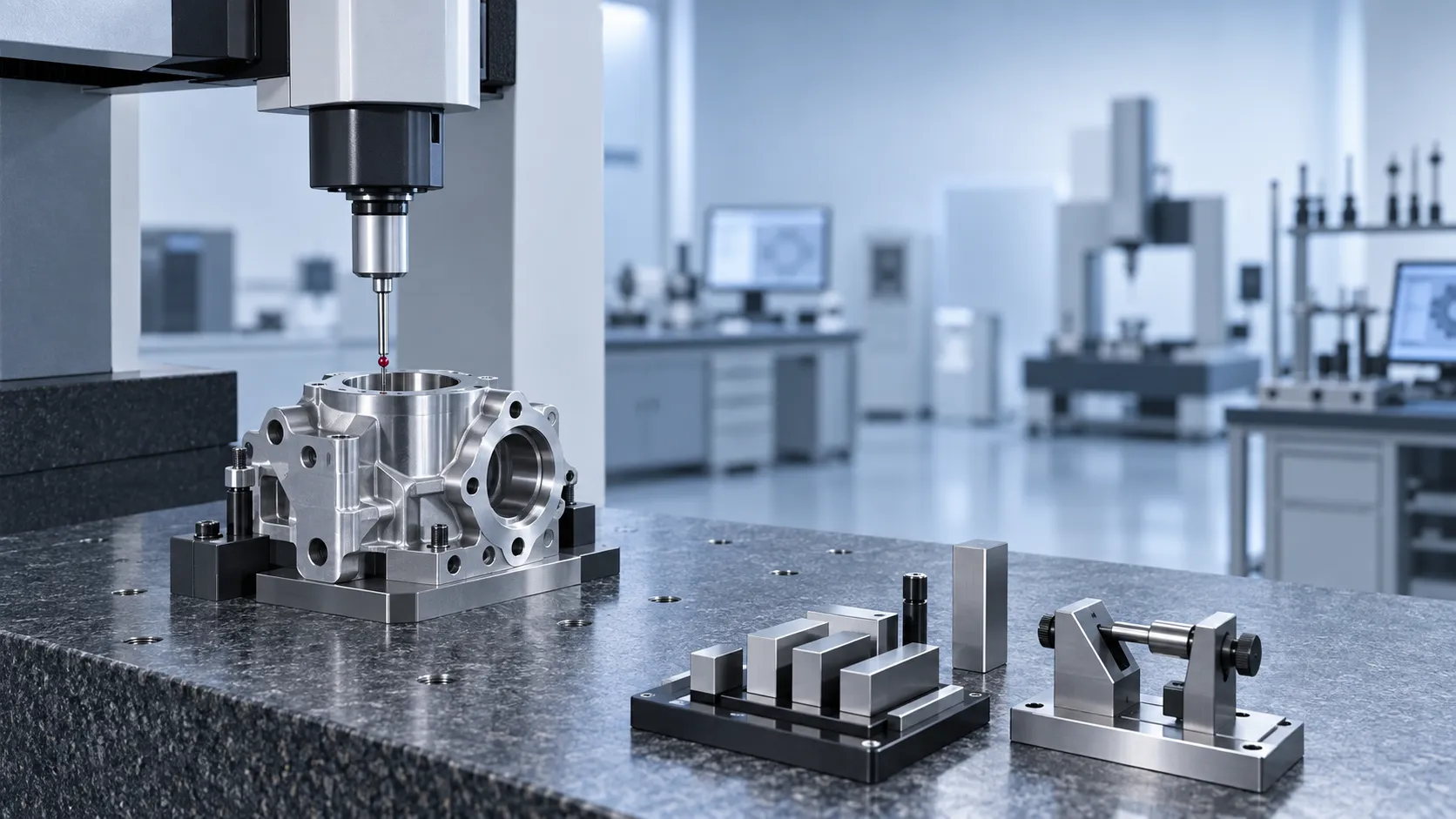
How Specification-Driven Articles Improve Precision Measurement System Selection
Specification-oriented articles precision measurement guidance helps teams compare accuracy, repeatability, environment, and data needs to select reliable systems with confidence.

How to Evaluate a Technology Integration Service Provider for Complex Projects
Technology integration service provider selection guide: evaluate interface ownership, delivery discipline, scalable architecture, and risk control for complex projects.
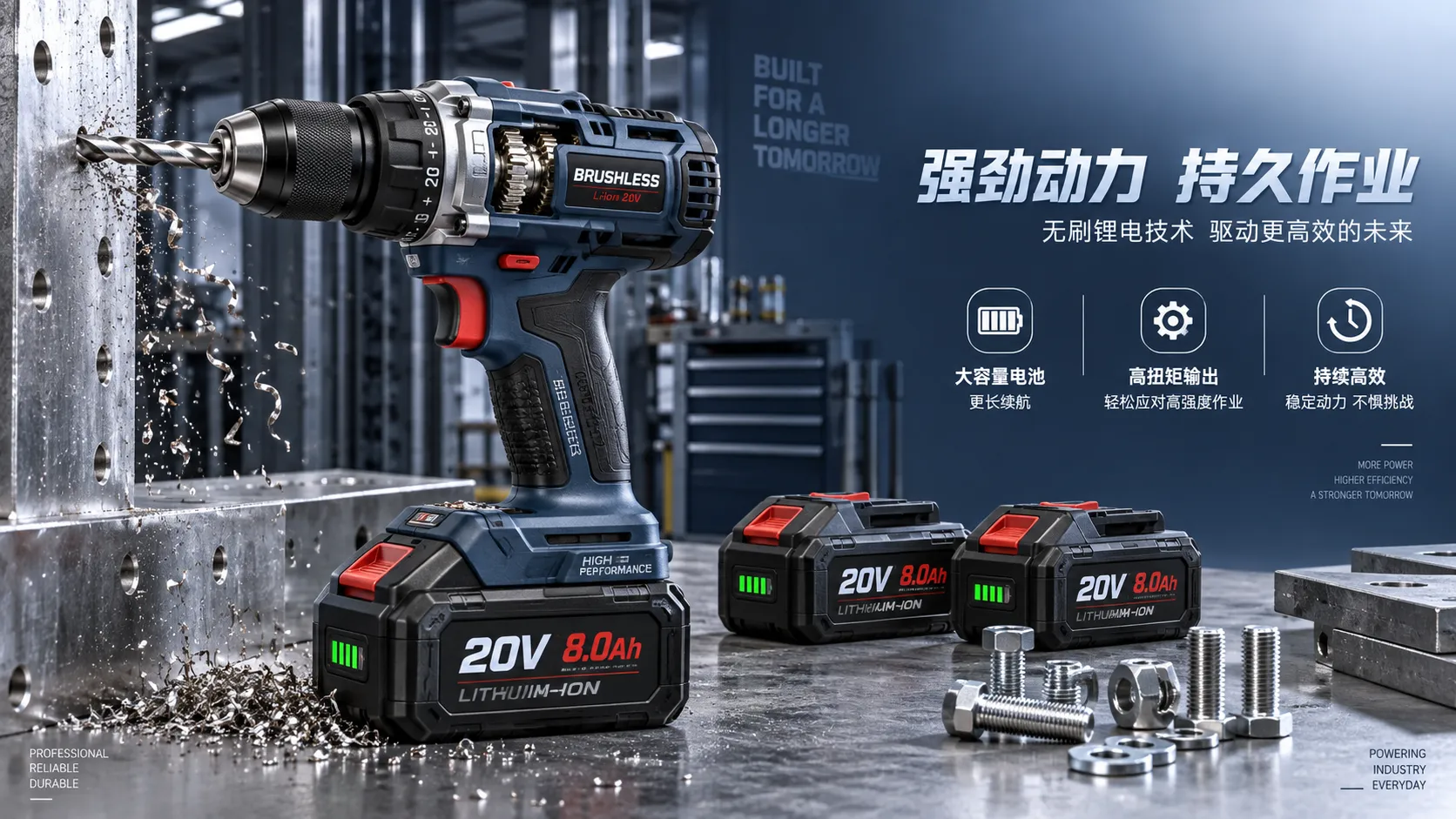
How Battery, Torque, and Duty Cycle Affect Cordless Power Tool Efficiency
Cordless power tool efficiency depends on battery output, torque, and duty cycle. Learn how to match tools to demanding jobs for stronger runtime and productivity.

Product Comparison Resources for Component Compatibility and Lifecycle Risk
Product comparison resources for components: evaluate compatibility, interfaces, service support, and lifecycle risk to reduce downtime, avoid redesigns, and make confident sourcing decisions.
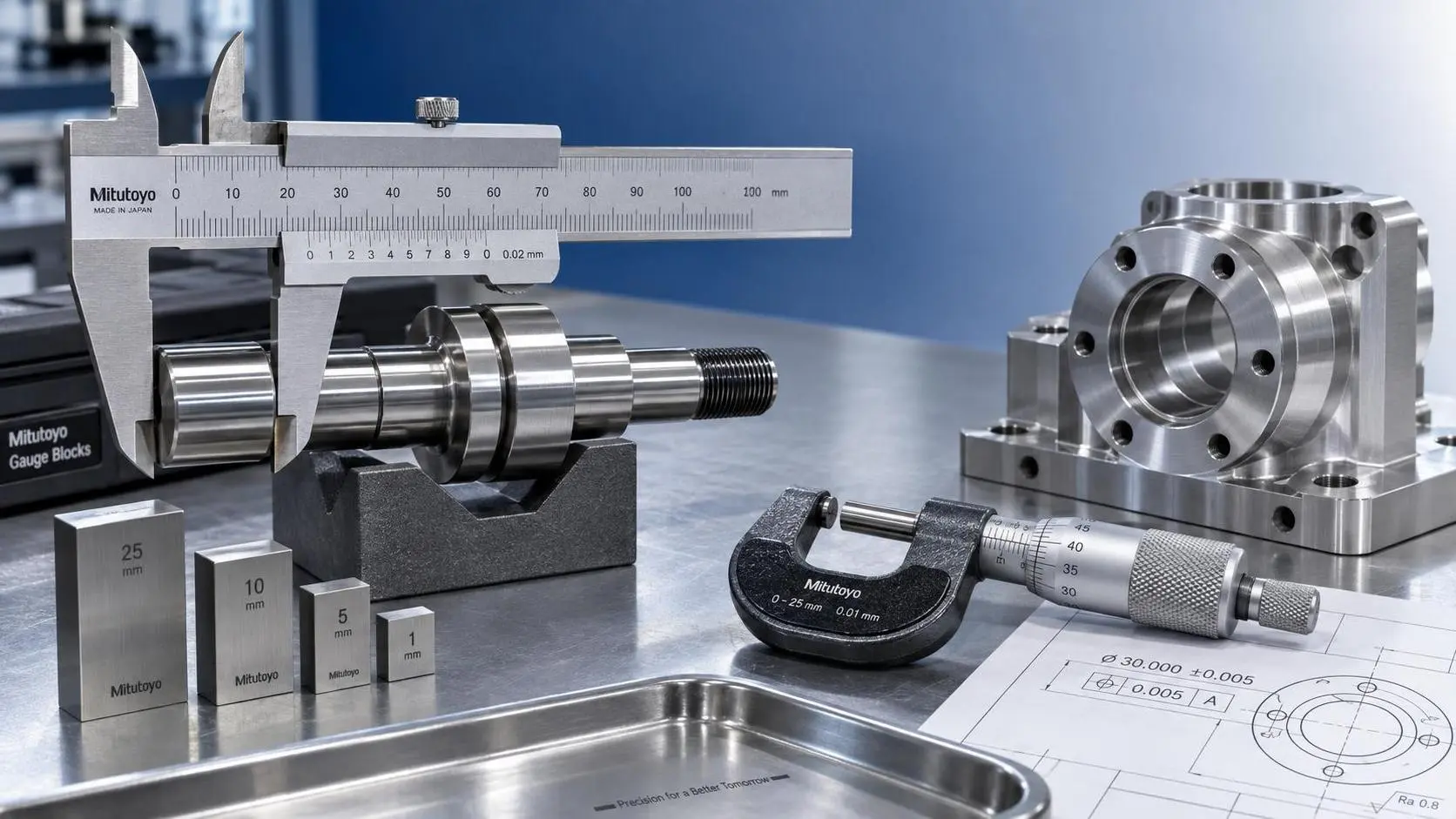
How to Select Vernier Precision Calipers for Tight-Tolerance Machining Inspection
Vernier precision calipers for tight-tolerance machining: learn how to select the right range, jaw design, accuracy, and verification process for reliable inspection.
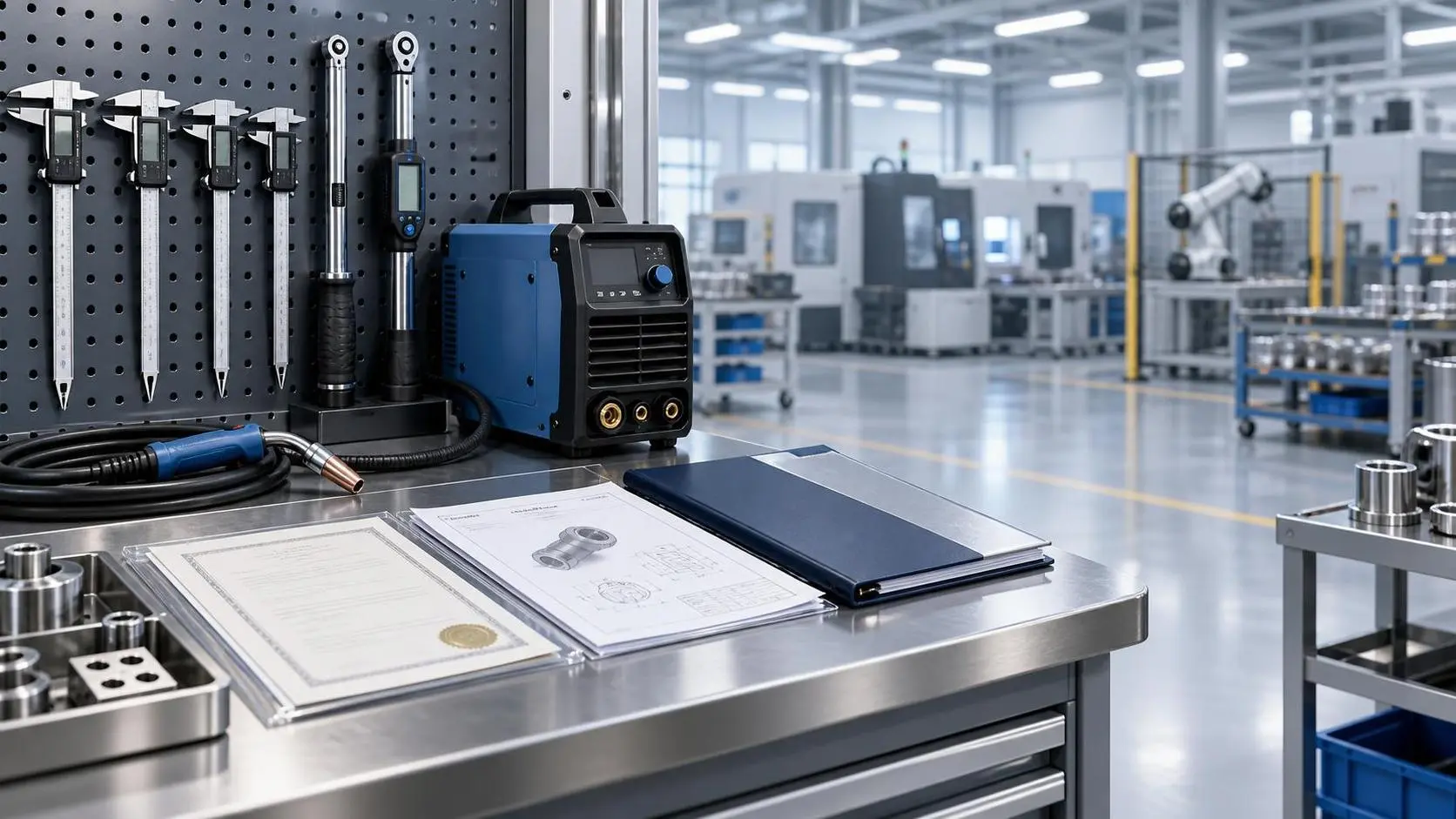
Product Comparison Resources in Europe: How Buyers Can Verify Specs and Suppliers
Product comparison resources Europe: learn how to verify industrial specs, compliance claims, supplier credibility, and delivery risk for smarter purchasing decisions.

How to Evaluate an Industrial Metrology Solution Manufacturer for Production Use
Industrial metrology solution manufacturer evaluation guide for production: compare accuracy, traceability, automation, software, service, and acceptance testing to reduce risk.
Which ISO Standards Matter Most for Precision Engineering Quality Control?
Precision engineering ISO standards explained: discover how ISO 9001, ISO/IEC 17025, ISO 10012, GPS, and ISO 3834 strengthen quality control, traceability, and compliance.
Related News
- 00
0000-00
How Specification-Driven Articles Improve Precision Measurement System Selection - 00
0000-00
Product Comparison Resources for Component Compatibility and Lifecycle Risk - 00
0000-00
Which ISO Standards Matter Most for Precision Engineering Quality Control? - 00
0000-00
Selecting Metal Joining Methods for Aluminum-to-Steel Assemblies - 00
0000-00
How to Evaluate Industrial Manufacturing Systems for Throughput, Flexibility, and ROI
Prof. Marcus Chen
Weekly Insights
Stay ahead with our curated technology reports delivered every Monday.