
Digital Factories Explained: Core Systems, Data Flow, and Where ROI Comes From




Digital factories have moved from pilot projects to operating models that shape cost, quality, and supply resilience. In practical terms, they connect machines, tools, people, and software so that production decisions are based on live information rather than delayed reports. For industrial organizations facing tighter margins, stricter traceability, and faster product cycles, that shift matters because the financial upside does not come from digitization alone. It comes from better control of variation, faster response to disruptions, and more reliable execution across the last mile of manufacturing.
That is especially relevant in assembly, metal joining, and precision measurement, where small process deviations can create expensive downstream effects. GPTWM has consistently highlighted this point through its coverage of intelligent torque control, handheld laser welding safety, metrology demand, and export-standard changes. Seen through that lens, digital factories are not a single technology purchase. They are a coordinated system for turning operational data into measurable business advantage.
What a digital factory really includes
A useful definition starts with integration. Digital factories combine production equipment, industrial software, sensor networks, quality systems, and decision workflows into one operating environment. The goal is not to digitize every activity at once. The goal is to create a reliable chain from signal to action.
In many plants, the visible layer is automation. Robots, CNC equipment, welding systems, smart fastening tools, and coordinate measuring devices generate the raw data. Under that surface sits the structure that gives those signals meaning.
The core system stack
- Shop-floor controls such as PLC, SCADA, machine controllers, and edge gateways.
- Execution systems such as MES for scheduling, work instructions, routing, and process enforcement.
- Quality and metrology systems that capture dimensions, torque values, weld parameters, and inspection history.
- Enterprise systems such as ERP, supply planning, maintenance, and procurement platforms.
- Analytics layers that turn production data into alerts, forecasts, dashboards, and improvement priorities.
When these layers work in isolation, data exists but insight is weak. When they connect, digital factories begin to reduce rework, shorten response time, and reveal hidden capacity.
How data flows from tool to decision
The most important question is rarely how much data a site collects. It is whether the data moves cleanly from production events to business decisions. A digital factory creates that path.
Consider a fastening or welding operation. A smart tool records cycle time, parameter settings, operator ID, and pass-fail results. A vision or metrology station adds dimensional checks. MES matches those records to a job, a serial number, and a production order. ERP then sees completed output, material consumption, and schedule impact. If a defect trend emerges, quality and engineering teams can trace the issue back to a specific process window.
This flow matters because delays distort action. If quality data arrives two shifts late, scrap grows. If downtime causes are coded inconsistently, maintenance investment misses the real bottleneck. Digital factories improve value when the right data reaches the right team quickly enough to change an outcome.
Why industry attention keeps growing
Several forces have made digital factories a board-level topic. First, volatility in raw materials and logistics has raised the cost of poor planning. Second, compliance pressure has increased across safety, export controls, and product documentation. Third, labor constraints have made standardized workflows more important than ever.
In sectors tied to construction, automotive service, aerospace maintenance, and industrial equipment, the pressure is even sharper. Precision is no longer only a quality issue. It influences warranty exposure, throughput, energy use, and customer confidence.
GPTWM’s intelligence focus reflects this broader shift. Topics such as brushless motor efficiency, intelligent torque systems, and demand for high-precision measuring instruments all point to the same reality. Competitive advantage is moving toward operations that can sense variation early, respond quickly, and document performance with confidence.
Where ROI actually comes from
The return on digital factories is often misunderstood. Many investment cases start with labor reduction, but the strongest gains usually come from avoided loss and improved operational discipline. In other words, ROI is less about replacing people and more about reducing expensive uncertainty.
High-impact value levers
- Lower scrap and rework through real-time parameter control and in-process quality checks.
- Less unplanned downtime through condition monitoring and more accurate failure signals.
- Higher first-pass yield because work instructions and tool settings stay aligned.
- Faster traceability during customer audits, recalls, or regulatory reviews.
- Better asset utilization by exposing hidden stoppages, micro-losses, and scheduling mismatch.
For metal joining and precision assembly, even a modest reduction in variation can produce outsized savings. A rejected weld, an incorrect torque sequence, or a missed tolerance reading often triggers labor waste far beyond the original operation. Digital factories cut these cascading costs by tightening feedback loops.
A second source of ROI comes from decision quality. Reliable production data improves quoting, maintenance planning, line balancing, and capital allocation. That matters when evaluating whether to add automation, redesign a cell, or shift production between sites.
Typical use cases across industrial operations
Digital factories are relevant across mixed production environments, not only fully automated plants. The strongest use cases usually begin where traceability, repeatability, or throughput problems are already visible.
Common starting points
- Assembly lines using connected torque tools to enforce process windows and capture proof of completion.
- Welding cells linking machine settings, operator actions, and inspection records for better consistency.
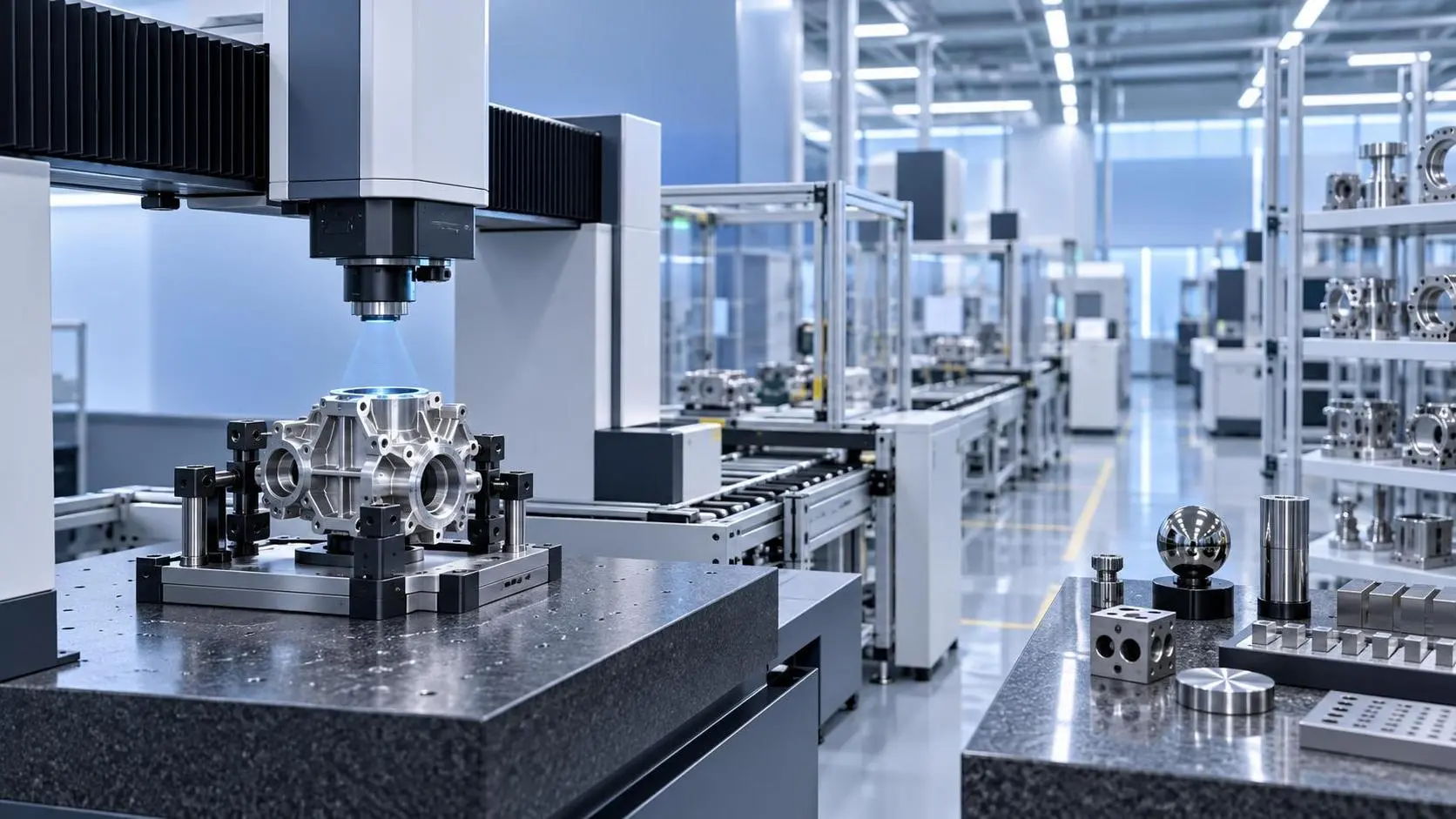
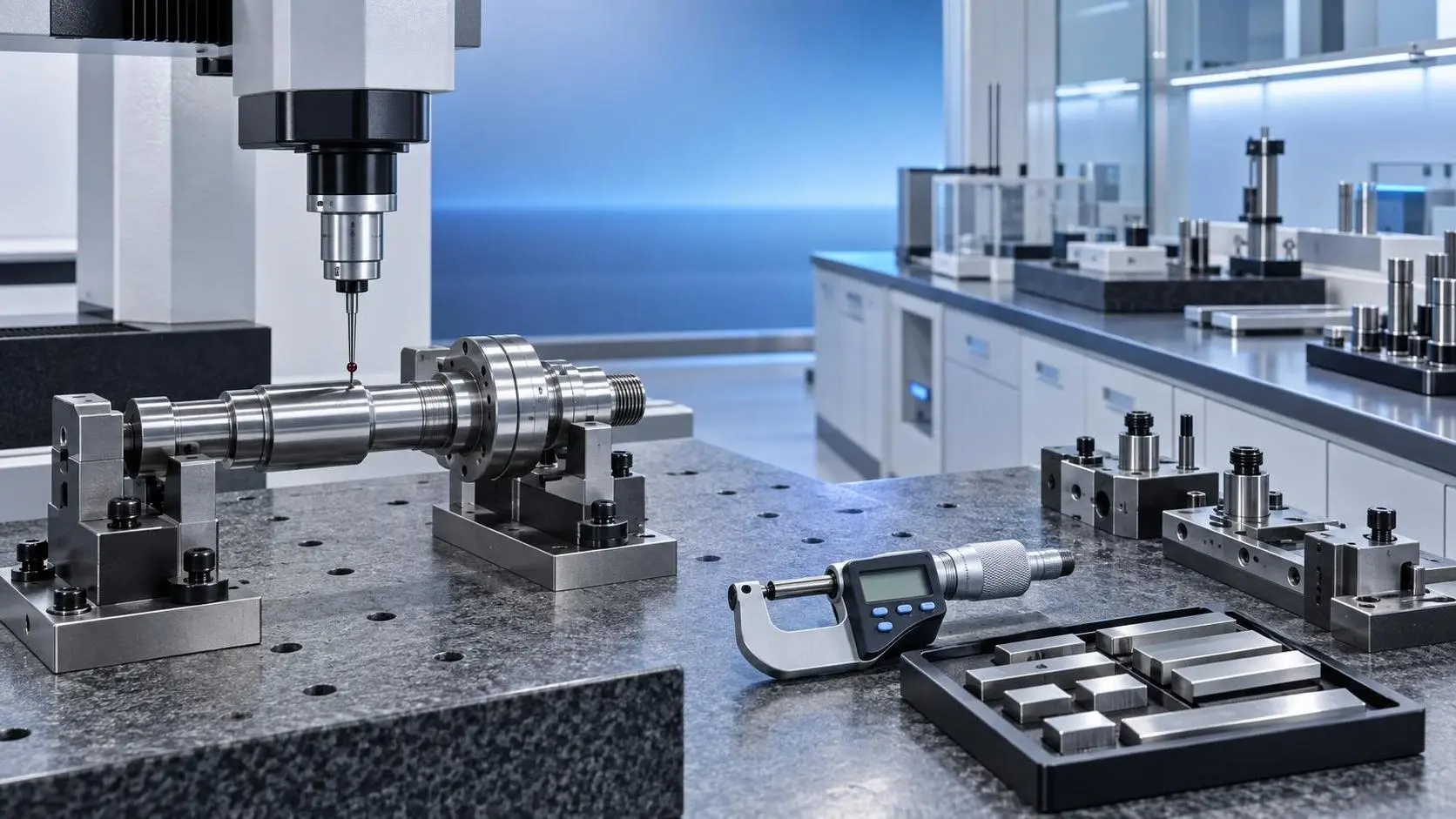
- Metrology-intensive production where measurement data feeds corrective action before defects multiply.
- Maintenance programs using machine health signals to prioritize service before failure stops output.
- Multi-site operations standardizing KPIs so performance comparisons become credible and useful.
These examples show why digital factories are especially valuable in the last mile of manufacturing. Final assembly, joining, verification, and hand-tool processes often carry a high quality burden, yet they have historically been under-digitized.
How to judge readiness without overbuilding
A common mistake is trying to launch digital factories as a broad transformation without a defined operational problem. A more durable approach starts with a business constraint and maps backward to the data required.
The first check is data integrity. If machine states, tool IDs, part numbers, or quality codes are inconsistent, analytics will be noisy. The second check is workflow ownership. Useful data still fails when nobody is responsible for acting on exceptions.
Integration design also deserves attention. Many digital factories stall because systems can collect data but cannot exchange it cleanly. Edge devices, MES, quality software, and ERP need practical interoperability, not just vendor claims.
A grounded evaluation checklist
- Identify one measurable loss area such as scrap, downtime, or traceability delays.
- Confirm which systems already hold the needed data and where gaps remain.
- Define response rules for alerts, deviations, and recurring process drift.
- Set ROI metrics before deployment, including baseline performance and review intervals.
- Expand only after one use case proves technical fit and financial relevance.
This is where sector intelligence becomes valuable. External signals on standards, tool technology, safety practices, and market demand help prevent short-term digital choices from becoming long-term operational constraints.
The next practical move
The most effective digital factories rarely begin with a perfect blueprint. They begin with a clear view of where value leaks from the operation and which data can stop it. For some sites, that means strengthening traceability in welding and fastening. For others, it means linking metrology results to production adjustments or using machine health data to stabilize uptime.
A sensible next step is to map one critical production flow from tool signal to business decision. That exercise quickly reveals whether the current environment supports faster action or only generates more reports. From there, investment choices become sharper, integration priorities become clearer, and the case for digital factories becomes easier to validate with evidence rather than assumption.
For organizations watching precision tools, assembly systems, and industrial intelligence closely, the opportunity is not simply to digitize. It is to build an operation where data, craftsmanship, and control reinforce each other in ways that protect margin and strengthen competitiveness.
Related News
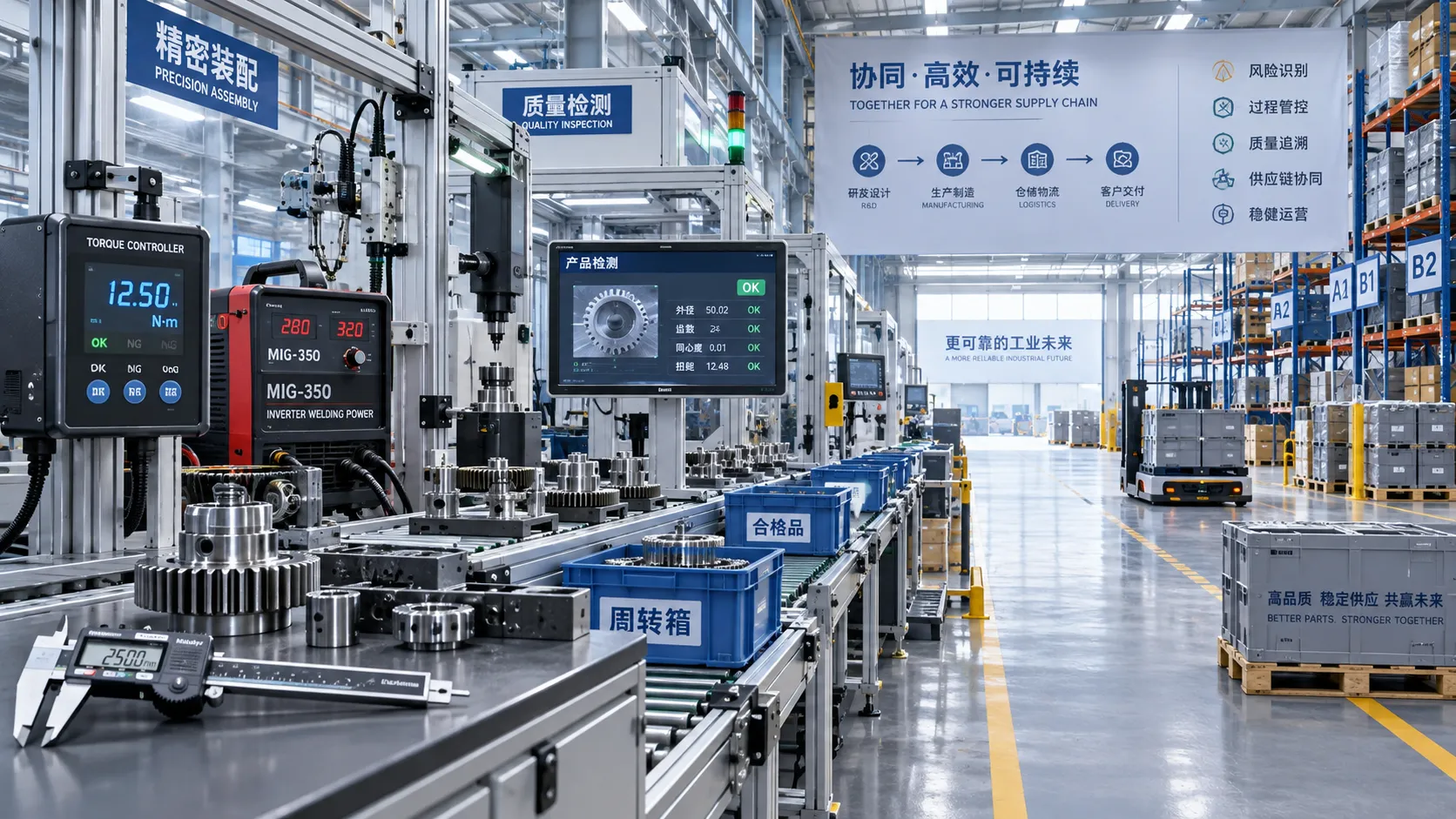
How Procurement Teams Can Map the Industrial Value Chain to Reduce Supply Risk
Industrial value chain procurement helps teams map hidden dependencies, qualify resilient sources, and reduce supply risk before disruptions stop production.
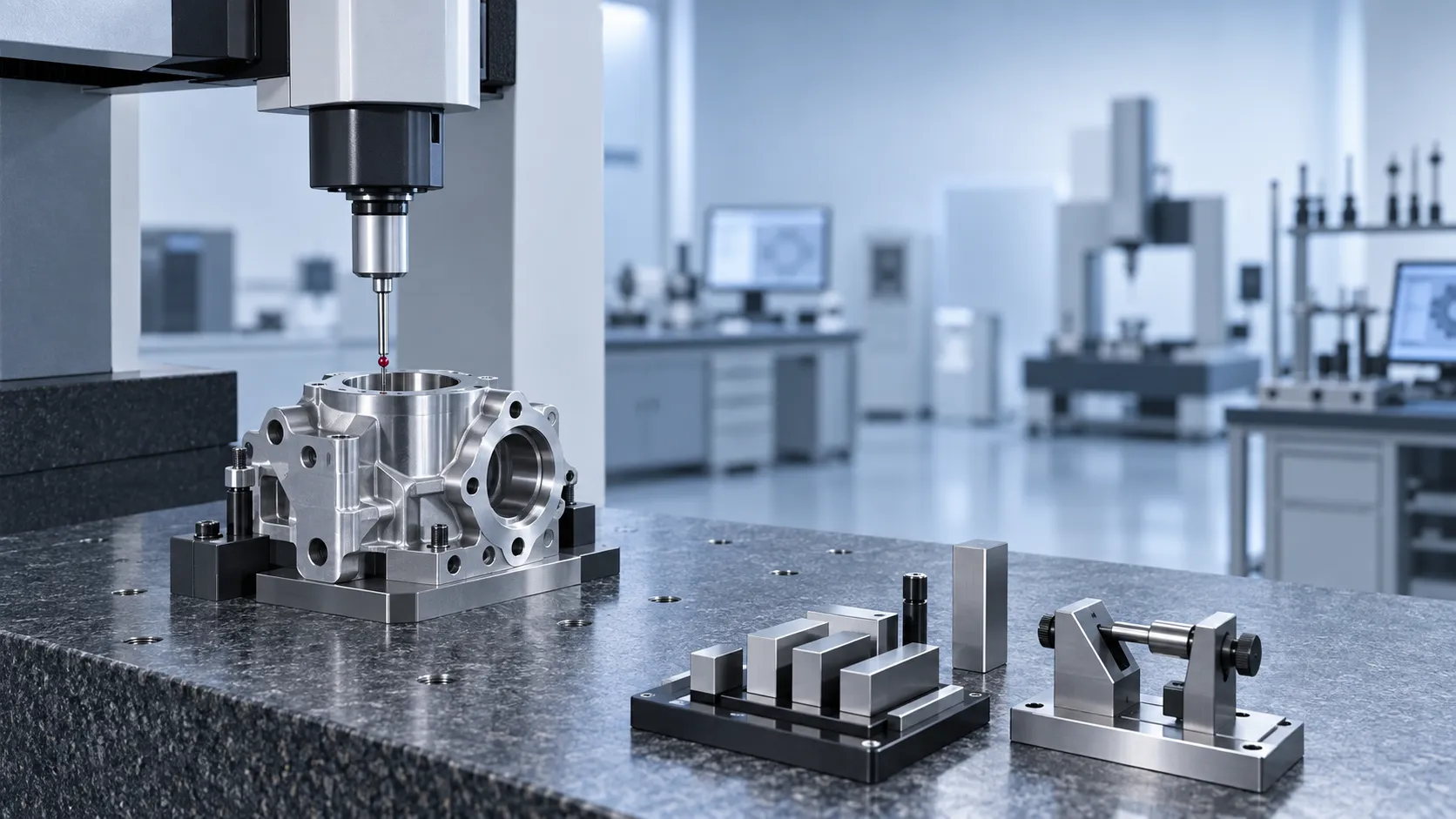
How Specification-Driven Articles Improve Precision Measurement System Selection
Specification-oriented articles precision measurement guidance helps teams compare accuracy, repeatability, environment, and data needs to select reliable systems with confidence.
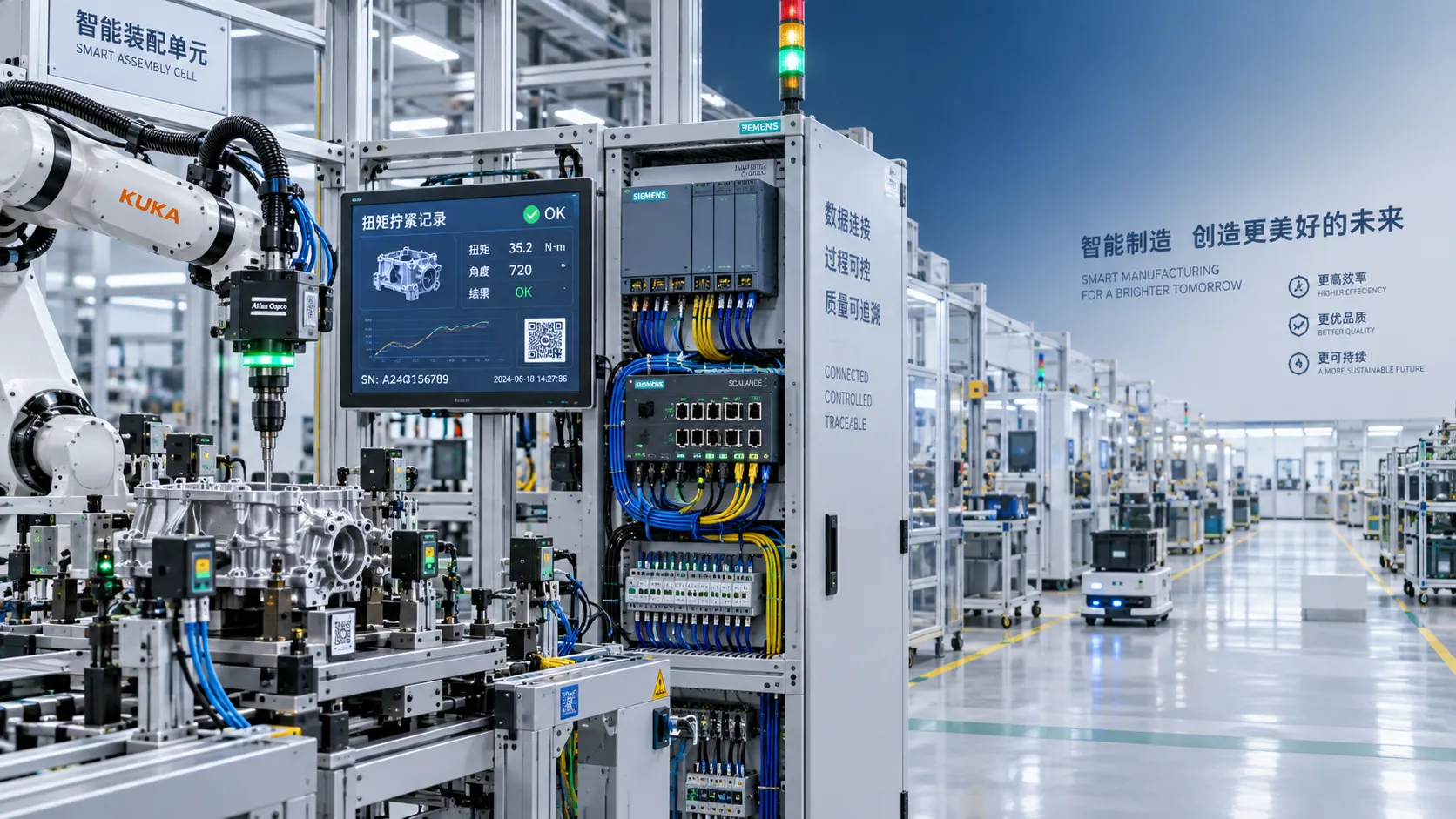
How to Evaluate a Technology Integration Service Provider for Complex Projects
Technology integration service provider selection guide: evaluate interface ownership, delivery discipline, scalable architecture, and risk control for complex projects.
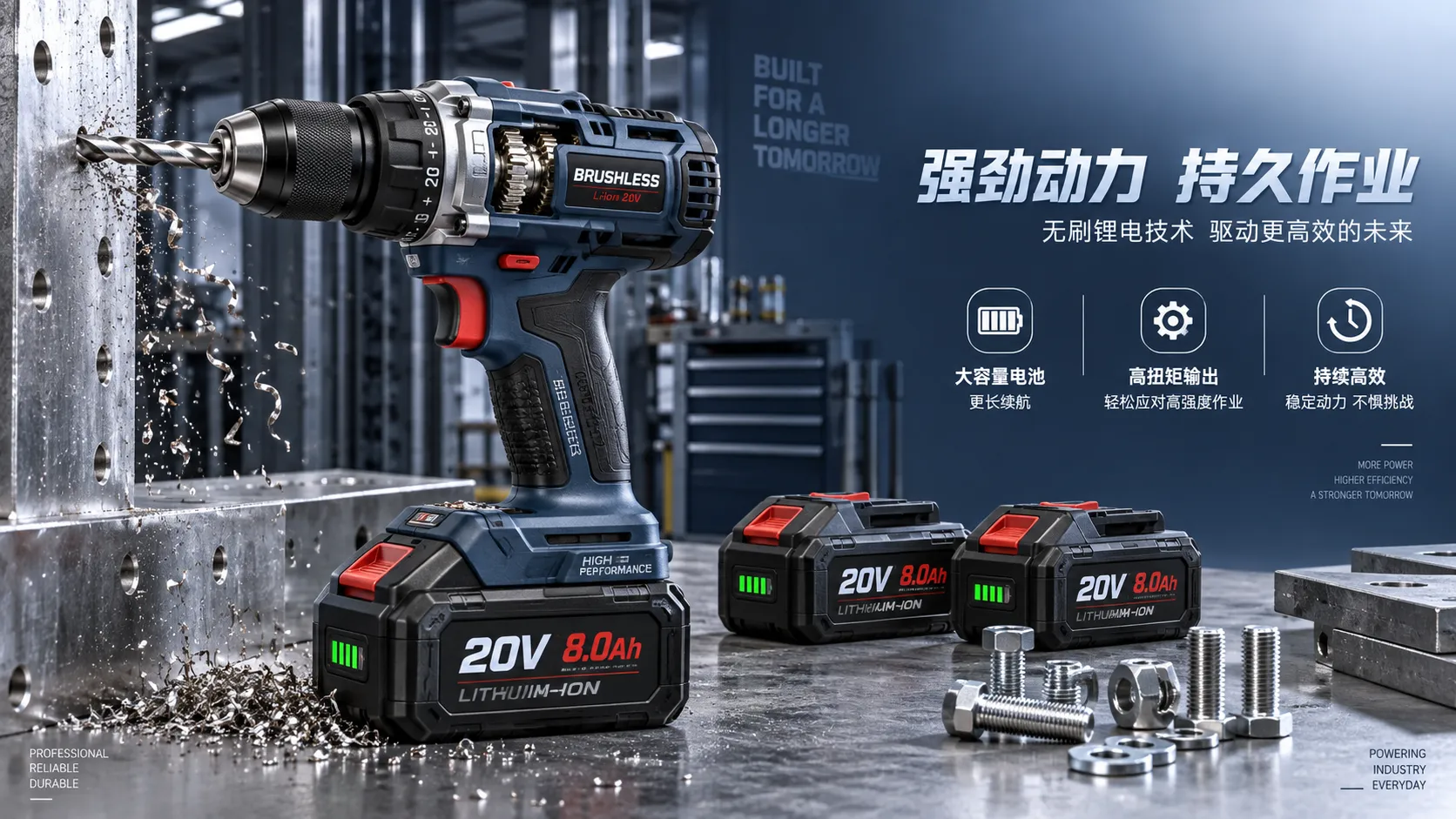
How Battery, Torque, and Duty Cycle Affect Cordless Power Tool Efficiency
Cordless power tool efficiency depends on battery output, torque, and duty cycle. Learn how to match tools to demanding jobs for stronger runtime and productivity.
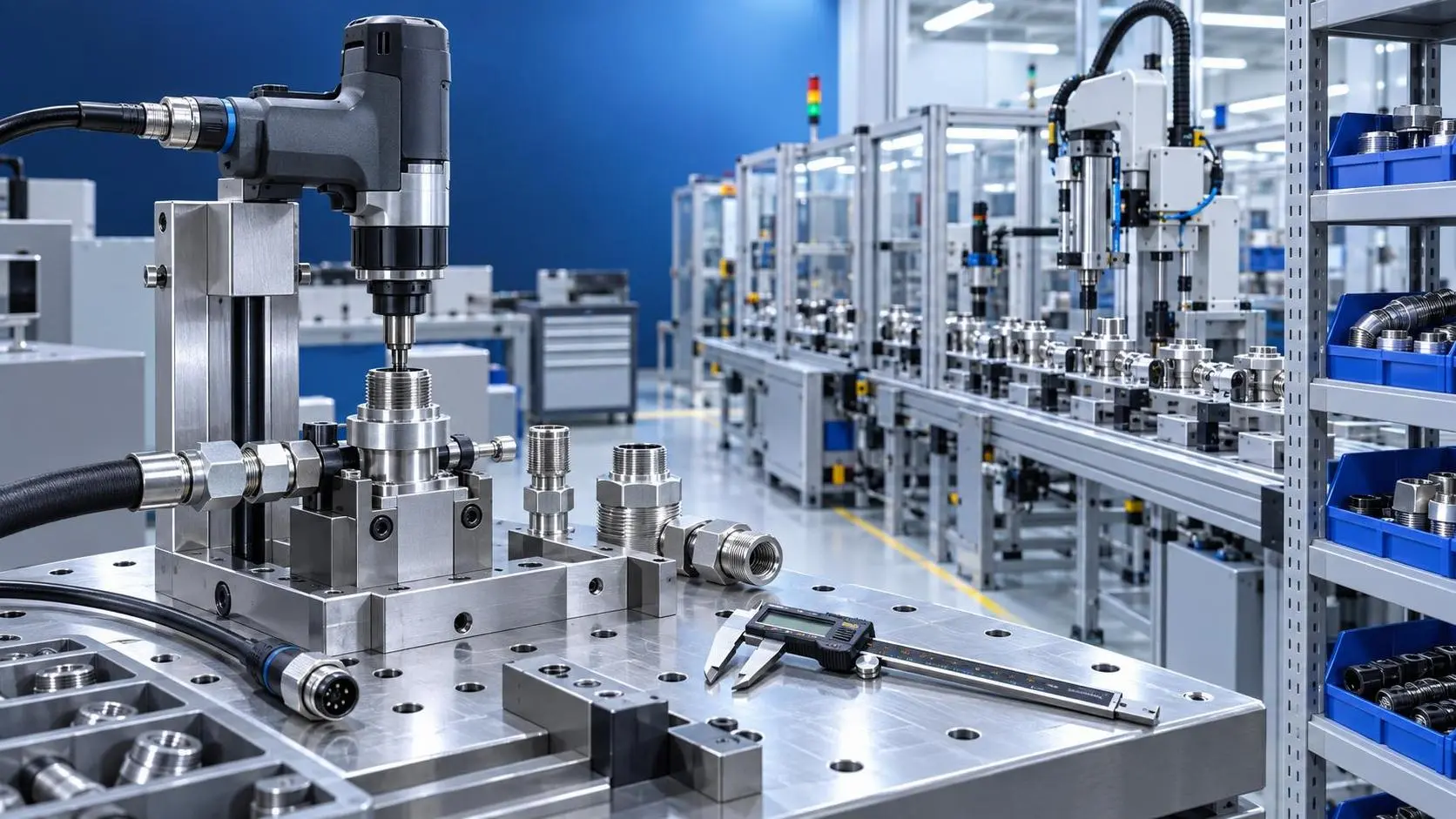
Product Comparison Resources for Component Compatibility and Lifecycle Risk
Product comparison resources for components: evaluate compatibility, interfaces, service support, and lifecycle risk to reduce downtime, avoid redesigns, and make confident sourcing decisions.
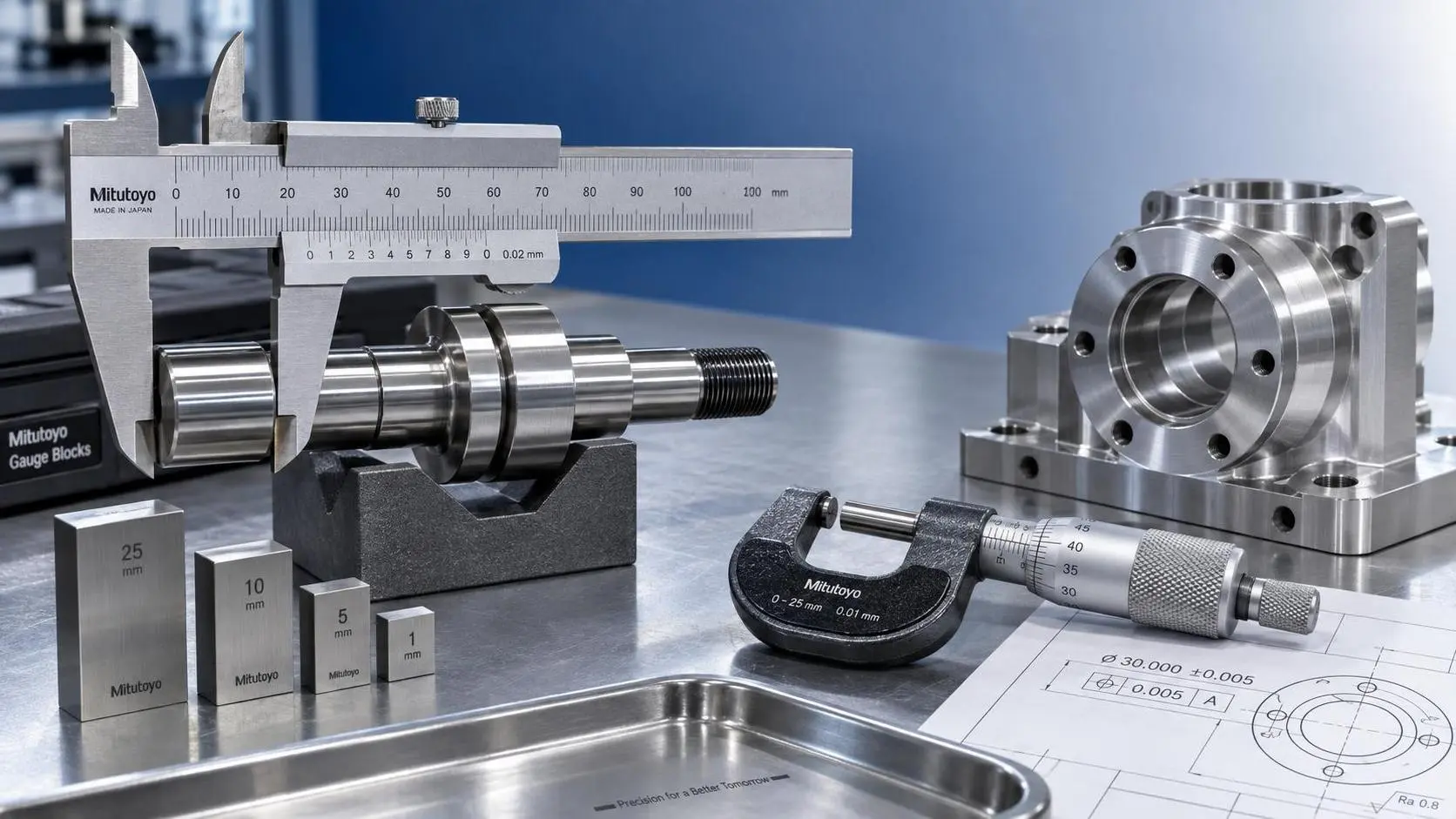
How to Select Vernier Precision Calipers for Tight-Tolerance Machining Inspection
Vernier precision calipers for tight-tolerance machining: learn how to select the right range, jaw design, accuracy, and verification process for reliable inspection.
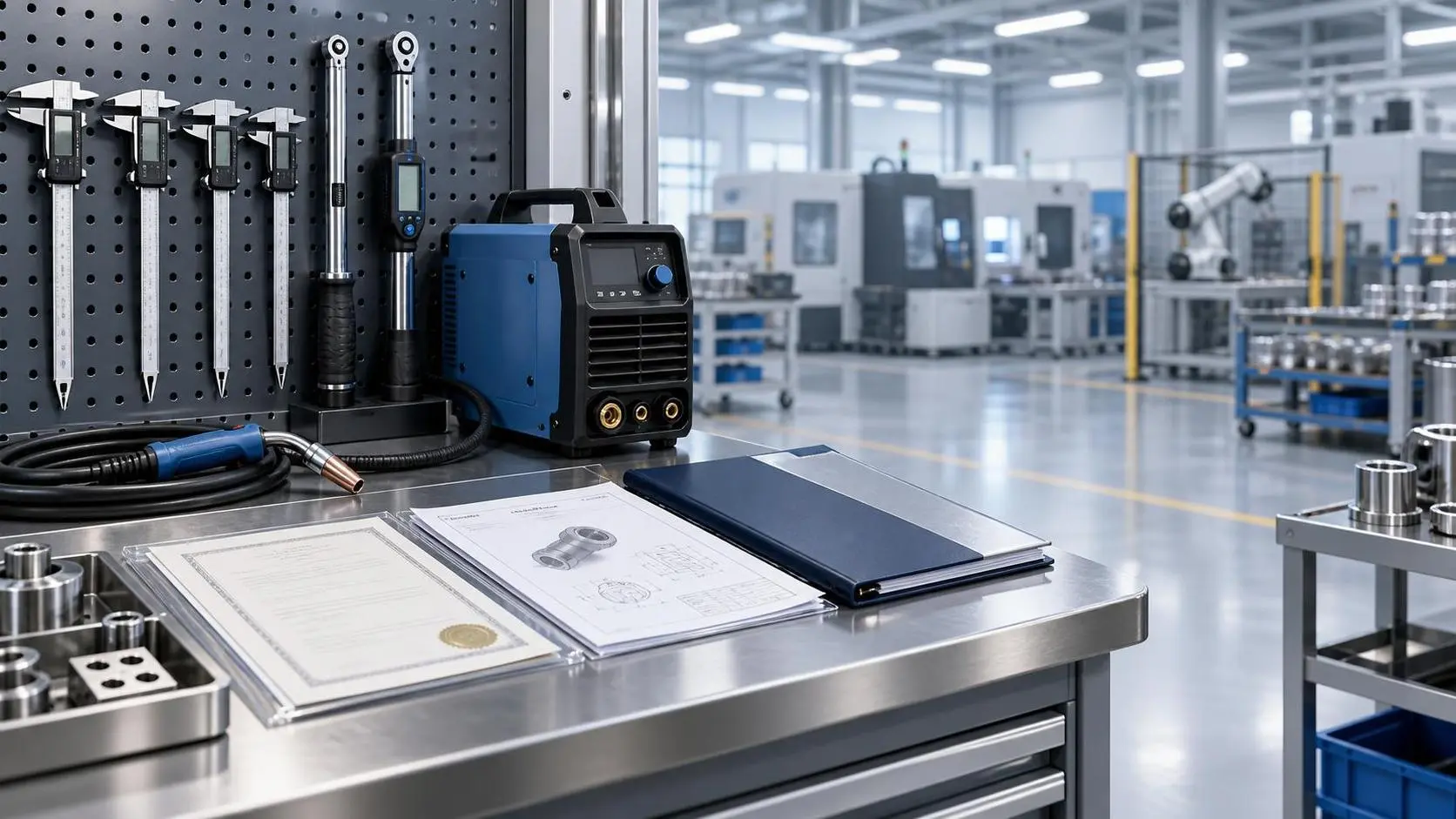
Product Comparison Resources in Europe: How Buyers Can Verify Specs and Suppliers
Product comparison resources Europe: learn how to verify industrial specs, compliance claims, supplier credibility, and delivery risk for smarter purchasing decisions.
How to Evaluate an Industrial Metrology Solution Manufacturer for Production Use
Industrial metrology solution manufacturer evaluation guide for production: compare accuracy, traceability, automation, software, service, and acceptance testing to reduce risk.
Which ISO Standards Matter Most for Precision Engineering Quality Control?
Precision engineering ISO standards explained: discover how ISO 9001, ISO/IEC 17025, ISO 10012, GPS, and ISO 3834 strengthen quality control, traceability, and compliance.
Related News
- 00
0000-00
How Specification-Driven Articles Improve Precision Measurement System Selection - 00
0000-00
Product Comparison Resources for Component Compatibility and Lifecycle Risk - 00
0000-00
Which ISO Standards Matter Most for Precision Engineering Quality Control? - 00
0000-00
Selecting Metal Joining Methods for Aluminum-to-Steel Assemblies - 00
0000-00
How to Evaluate Industrial Manufacturing Systems for Throughput, Flexibility, and ROI
Prof. Marcus Chen
Weekly Insights
Stay ahead with our curated technology reports delivered every Monday.