
What Is Material Science and How Does It Affect Product Performance?





Material science sits behind nearly every claim about product performance, even when it stays invisible to the end user. In industrial settings, it determines whether a welded joint survives thermal cycling, whether a torque tool keeps its accuracy, and whether a measuring instrument remains stable after years of use.
That is why the topic matters far beyond laboratories. In sectors tracked by GPTWM, including industrial assembly, metal joining, and precision metrology, material decisions shape durability, safety, maintenance intervals, efficiency, and total lifecycle value.
For anyone comparing products or evaluating industrial trends, material science offers a practical way to read past surface specifications. It explains why two tools with similar dimensions or power ratings can behave very differently in real production conditions.
Material science as the performance foundation
At its core, material science studies how materials are structured, how they respond to stress, heat, corrosion, friction, and time, and how those responses affect function. It links composition, processing, microstructure, and final behavior.
A product is never defined only by its design drawing. The same geometry can perform well or fail early depending on alloy quality, heat treatment, coating method, grain structure, or bonding compatibility.
This is especially important in the last mile of manufacturing. A handheld welding system, caliper, hydraulic component, or brushless power tool may look complete at assembly, yet its true quality is often decided much earlier by material selection and process control.
Why industry attention is growing
Material science has become more visible because product expectations are rising at the same time that operating conditions are becoming less forgiving. Lightweighting, tighter tolerances, higher duty cycles, and export compliance all increase material sensitivity.
Raw material volatility also matters. When input costs shift, some suppliers redesign parts, switch alloys, or adjust finishing steps. Those changes can influence fatigue life, thermal stability, or corrosion resistance long before any issue appears in a catalog.
GPTWM’s intelligence perspective is relevant here. Market signals about welding safety, brushless motor limits, smart torque systems, and demand for high-precision instruments all point to the same reality: better performance increasingly depends on better material choices, not only smarter electronics.
Performance is now judged more broadly
A product once evaluated only by output or price is now judged by consistency, service life, ergonomics, heat management, repairability, and compliance. Material science influences each of these areas in direct ways.
That broader view helps explain why advanced products can fail in ordinary use if materials are mismatched to the application. A strong material on paper is not always the right material in a real operating environment.
How materials change real-world product behavior
The effect of material science becomes clearer when performance is broken into the conditions products actually face. Strength alone is rarely enough. Stability under repeated use often matters more.
In practice, these properties interact. A harder material may resist wear but become more brittle. A lightweight alloy may improve handling but require more careful joining or protective treatment.
Material science helps balance those trade-offs rather than treating each parameter in isolation. That is one reason technical comparisons become more reliable when they include context about material behavior.
Where the topic shows up most clearly
Some product categories make the impact of material science easy to observe because failure modes are visible and costly. Three areas stand out across industrial supply chains.
Welding and metal joining
In welding, the base material, filler material, heat input, and cooling rate together decide joint quality. Poor compatibility can create cracking, distortion, weakened heat-affected zones, or unexpected corrosion paths.
As handheld laser welding expands, the margin for error narrows. Reflectivity, thermal conductivity, and thickness response all matter. Safety, repeatability, and final seam quality are closely tied to material science.
Precision tools and power tools
Tool housings, gears, shafts, fasteners, insulation materials, and handle components all influence field performance. Brushless systems may improve efficiency, but material limits still affect heat buildup, vibration control, and wear at critical interfaces.
Ergonomics also has a material dimension. Lightweight structures, grip surfaces, and impact resistance must work together. A tool that feels advanced but degrades quickly under shock or dust exposure does not deliver true value.
Metrology and measurement equipment
Precision measurement depends on stability more than appearance. If a frame expands too much with temperature, or if contact surfaces wear unevenly, readings drift. That creates hidden quality risks across inspection processes.
For this reason, material science is central to metrology. It supports repeatability, calibration retention, and long-term confidence in high-precision measuring instruments used in automotive, aerospace, and construction maintenance.
How to judge material choices more intelligently
A practical review of product performance should move beyond generic labels like stainless steel, alloy body, or reinforced composite. Those terms are too broad to explain service outcomes.
A better approach is to ask what operating stress the product will face, how often it will face it, and what failure would look like in that setting. Material science becomes useful when tied to risk, not just specification sheets.
- Check whether the material matches the temperature range, humidity, vibration, and chemical exposure of actual use.
- Look for evidence of surface treatment, heat treatment, or coating quality, not only base material names.
- Compare dimensional stability and fatigue resistance when precision or repeated loading is critical.
- Review joining compatibility in assemblies that combine metals, polymers, electronics, and adhesives.
- Watch for substitutions driven by cost pressure or supply disruption, especially in imported industrial products.
These checks are especially relevant when market conditions change quickly. A seemingly minor adjustment in alloy grade or supplier source can alter lifespan, maintenance planning, or regulatory fit.
Business value beyond engineering detail
Material science is often treated as a technical specialty, yet its business value is broader. Better material decisions can reduce warranty exposure, improve brand credibility, support export readiness, and stabilize product consistency across regions.
This is one reason industrial intelligence platforms like GPTWM matter. When data on raw material trends, ergonomic standards, torque control systems, and safety adoption is connected, material science stops being abstract and becomes actionable.
It also helps explain premium positioning. In many categories, higher value does not come from adding more features alone. It comes from selecting materials that preserve precision, reduce failure, and hold performance under demanding use.
Signals worth tracking next
Several trends deserve closer attention because they will keep raising the importance of material science in product evaluation.
- Lightweight industrial tools that must maintain structural stiffness and operator safety.
- Higher thermal loads in compact electric and brushless systems.
- Growing use of mixed-material assemblies in smart tools and connected devices.
- Stricter expectations for calibration stability in precision metrology.
- Greater scrutiny of sustainability, recyclability, and lifecycle durability.
A useful way to move forward
Understanding material science does not require deep laboratory knowledge to be useful. The practical step is to connect materials with application reality: load, environment, tolerance, maintenance, and expected service life.
When reviewing a product, compare not only what it is made of, but why that choice was made and how it behaves over time. That lens often reveals more than headline performance data.
For further evaluation, it helps to build a simple matrix covering material type, processing method, likely failure mode, and operating scenario. That approach creates a stronger basis for comparing tools, welding systems, and measurement equipment across categories.
In a market shaped by efficiency, compliance, and precision, material science remains one of the clearest ways to judge whether a product is merely functional or genuinely dependable.
Related News
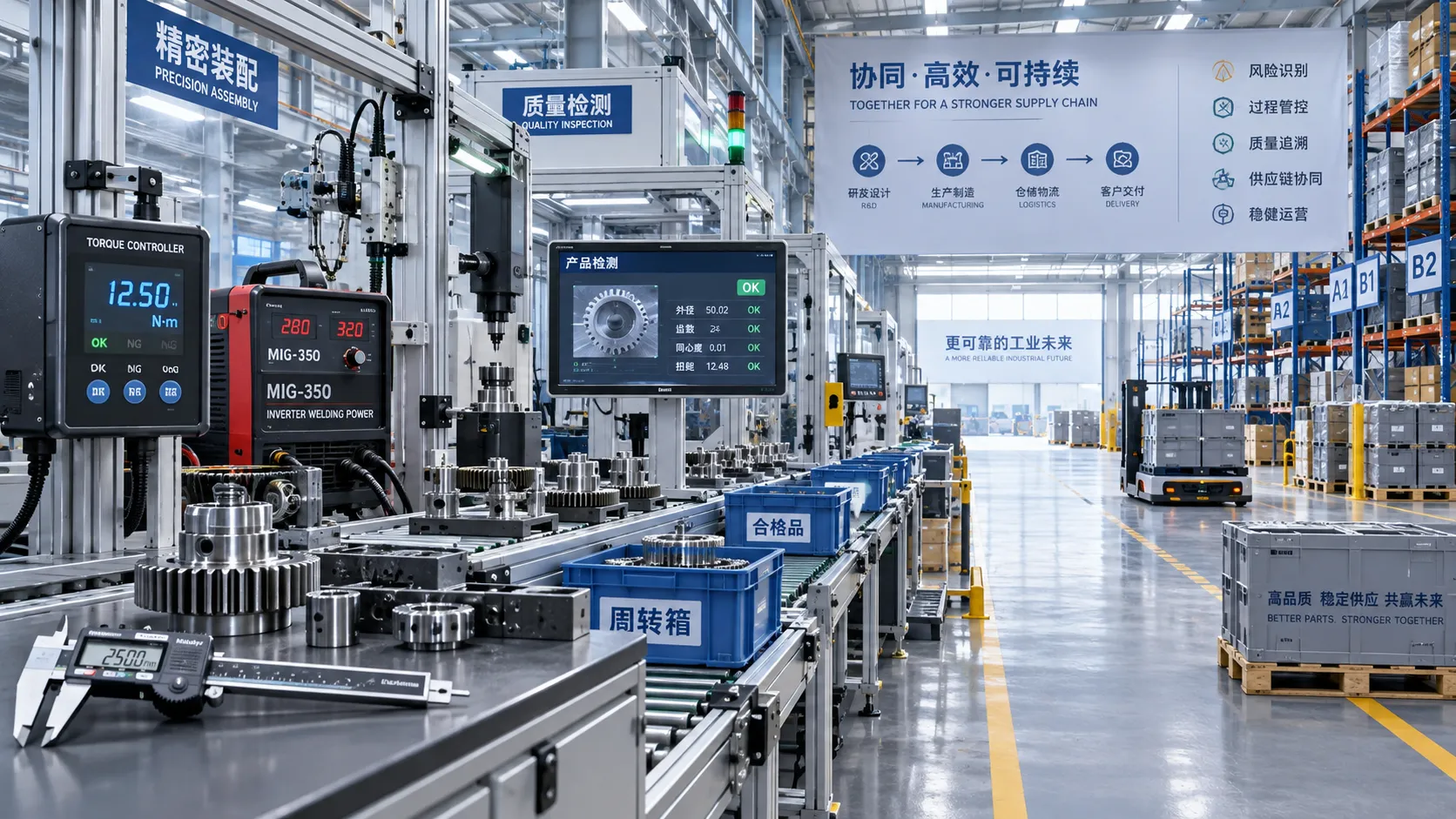
How Procurement Teams Can Map the Industrial Value Chain to Reduce Supply Risk
Industrial value chain procurement helps teams map hidden dependencies, qualify resilient sources, and reduce supply risk before disruptions stop production.

How Specification-Driven Articles Improve Precision Measurement System Selection
Specification-oriented articles precision measurement guidance helps teams compare accuracy, repeatability, environment, and data needs to select reliable systems with confidence.

How to Evaluate a Technology Integration Service Provider for Complex Projects
Technology integration service provider selection guide: evaluate interface ownership, delivery discipline, scalable architecture, and risk control for complex projects.
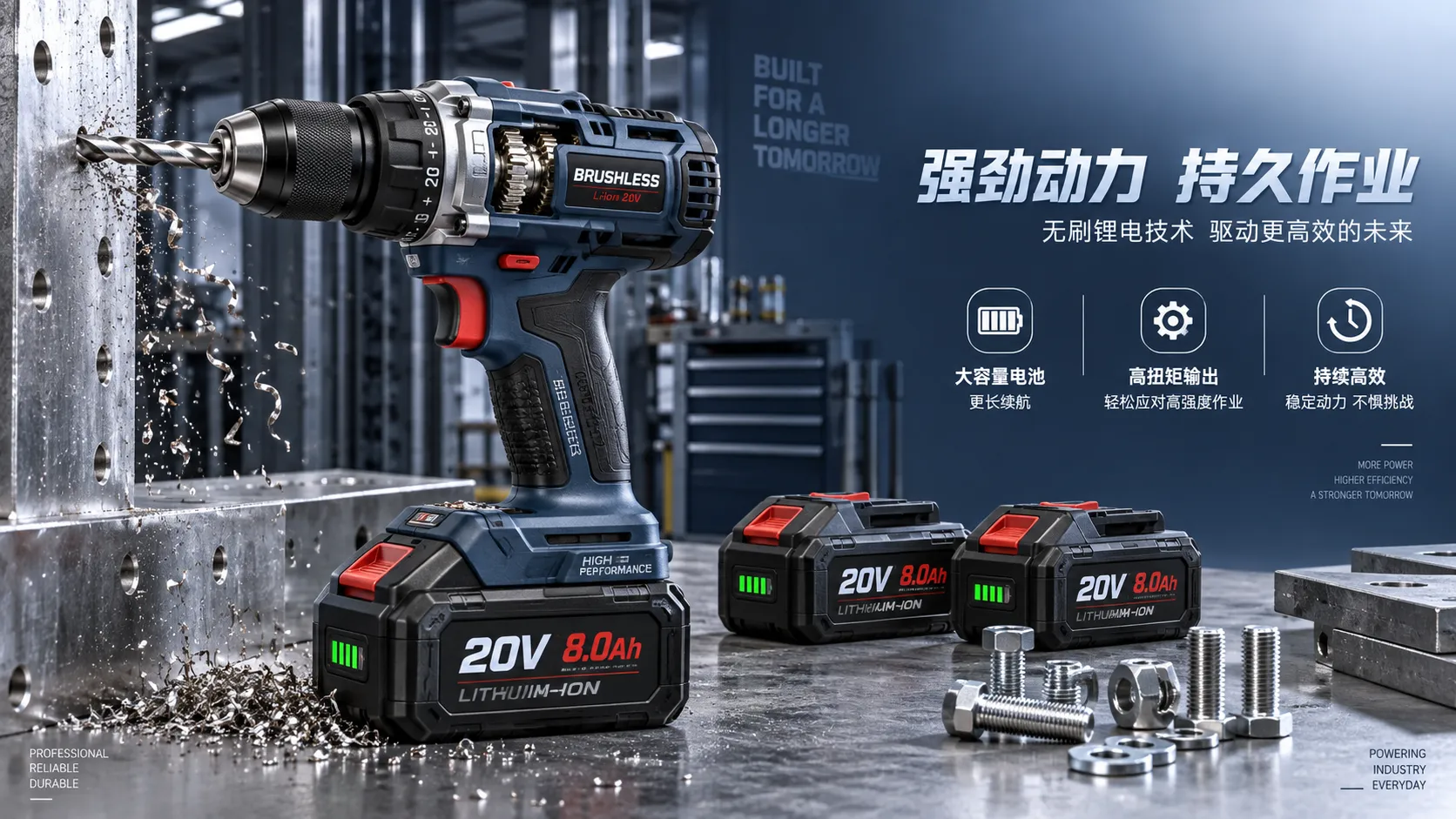
How Battery, Torque, and Duty Cycle Affect Cordless Power Tool Efficiency
Cordless power tool efficiency depends on battery output, torque, and duty cycle. Learn how to match tools to demanding jobs for stronger runtime and productivity.

Product Comparison Resources for Component Compatibility and Lifecycle Risk
Product comparison resources for components: evaluate compatibility, interfaces, service support, and lifecycle risk to reduce downtime, avoid redesigns, and make confident sourcing decisions.
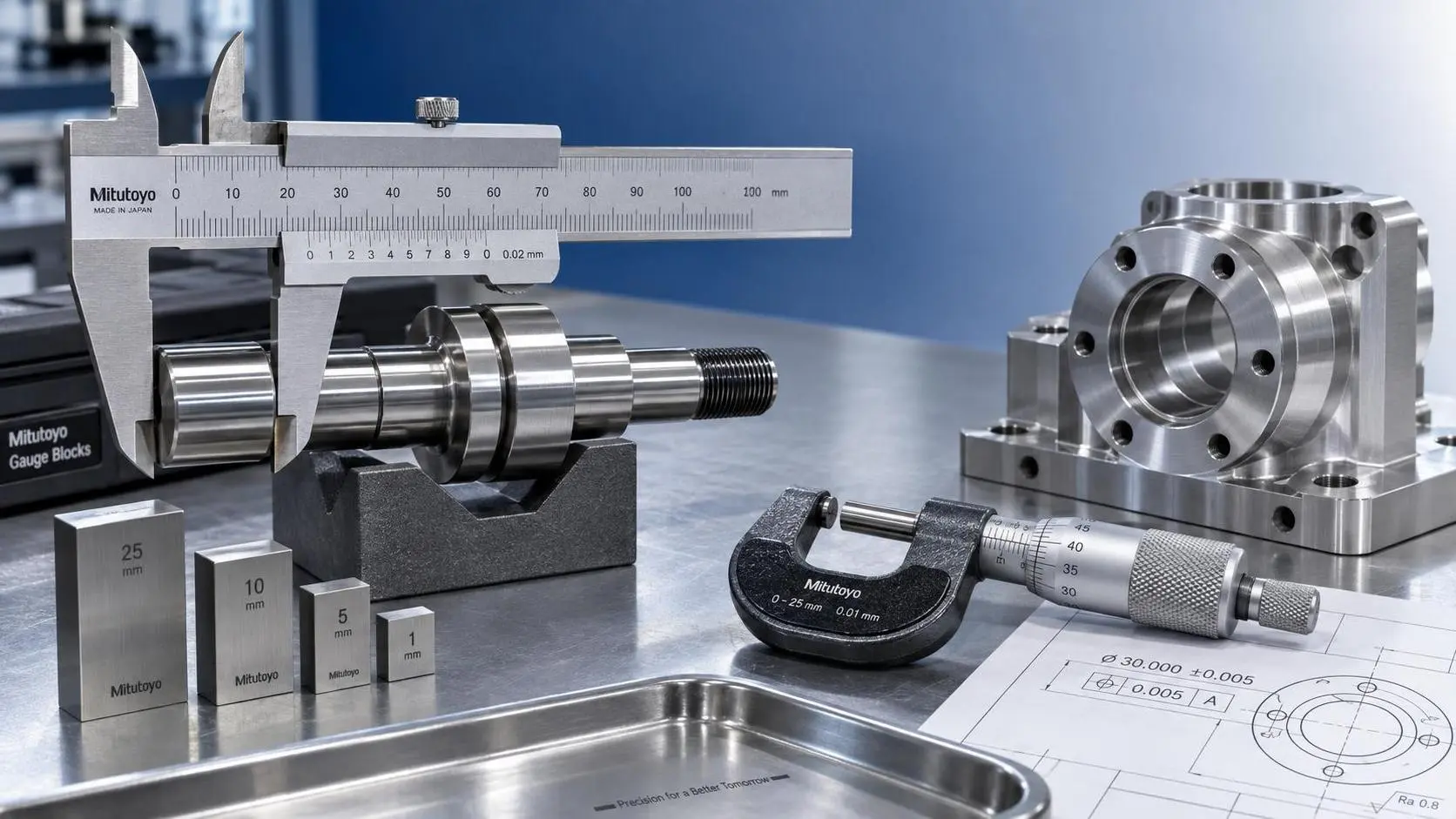
How to Select Vernier Precision Calipers for Tight-Tolerance Machining Inspection
Vernier precision calipers for tight-tolerance machining: learn how to select the right range, jaw design, accuracy, and verification process for reliable inspection.
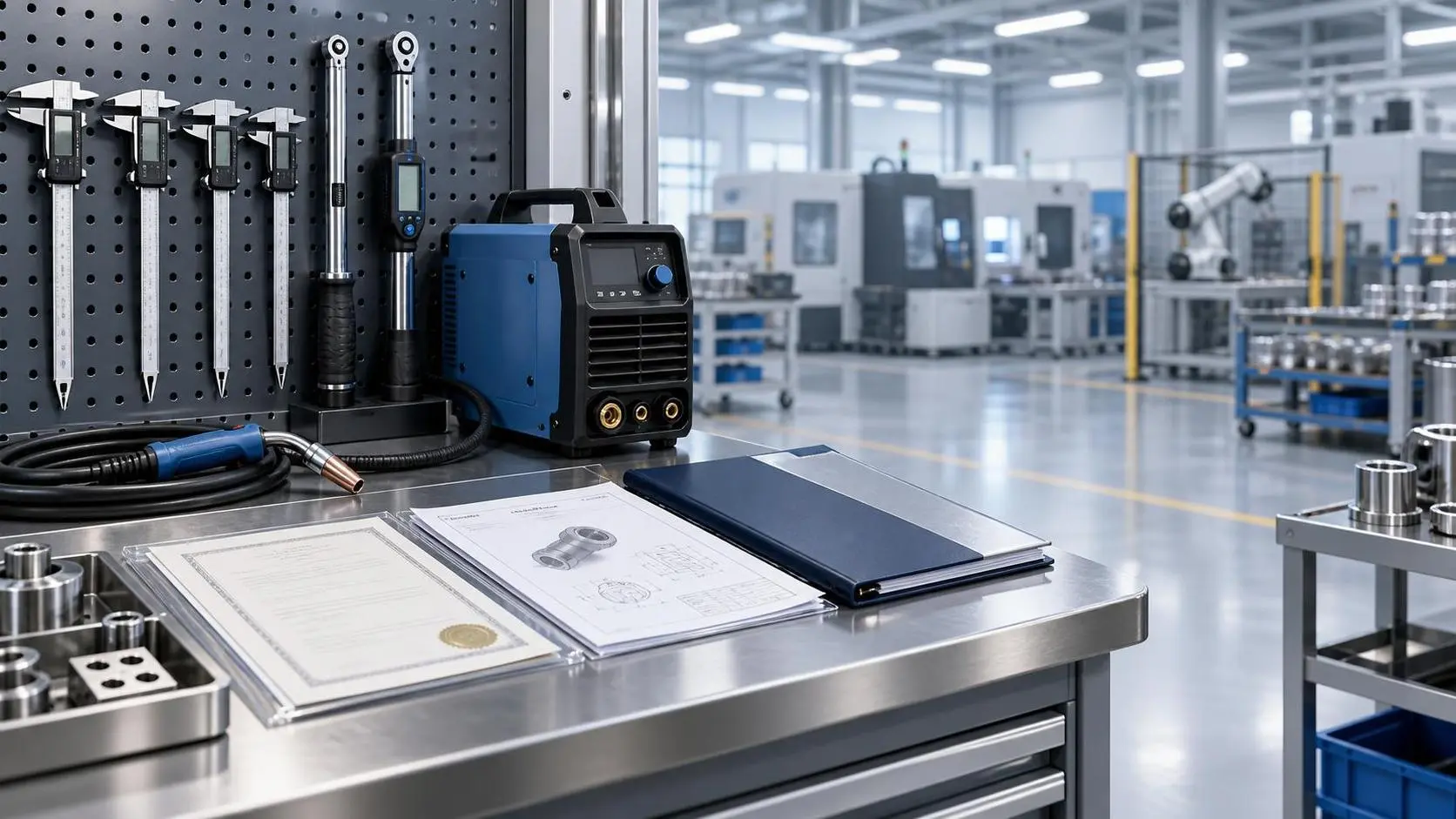
Product Comparison Resources in Europe: How Buyers Can Verify Specs and Suppliers
Product comparison resources Europe: learn how to verify industrial specs, compliance claims, supplier credibility, and delivery risk for smarter purchasing decisions.

How to Evaluate an Industrial Metrology Solution Manufacturer for Production Use
Industrial metrology solution manufacturer evaluation guide for production: compare accuracy, traceability, automation, software, service, and acceptance testing to reduce risk.

Which ISO Standards Matter Most for Precision Engineering Quality Control?
Precision engineering ISO standards explained: discover how ISO 9001, ISO/IEC 17025, ISO 10012, GPS, and ISO 3834 strengthen quality control, traceability, and compliance.
Related News
- 00
0000-00
How Specification-Driven Articles Improve Precision Measurement System Selection - 00
0000-00
Product Comparison Resources for Component Compatibility and Lifecycle Risk - 00
0000-00
Which ISO Standards Matter Most for Precision Engineering Quality Control? - 00
0000-00
Selecting Metal Joining Methods for Aluminum-to-Steel Assemblies - 00
0000-00
How to Evaluate Industrial Manufacturing Systems for Throughput, Flexibility, and ROI
Prof. Marcus Chen
Weekly Insights
Stay ahead with our curated technology reports delivered every Monday.