
What Is IoT Torque Control and How Does It Improve Assembly Accuracy?





What Is IoT Torque Control and How Does It Improve Assembly Accuracy?
IoT torque control is changing how manufacturers manage fastening quality.
Instead of treating torque as a final check, it turns every tightening event into usable process data.
That shift matters in assembly lines where a small torque error can create leaks, vibration, fatigue, or early field failure.
The basic idea is simple.
A connected tool measures torque, angle, time, operator activity, and job status in real time.
The system then compares actual results with predefined fastening rules.
If something drifts, it can warn, lock, record, or stop the sequence before the defect moves downstream.
This is why IoT torque control is increasingly relevant across automotive, aerospace, electronics, heavy equipment, and industrial maintenance.
It improves assembly accuracy, but it also strengthens traceability, compliance, and process learning.
For organizations focused on precision tools and intelligent manufacturing, it has become a practical control layer, not just a digital upgrade.
What IoT Torque Control Actually Means
IoT torque control combines torque tools, sensors, software, and network connectivity into one managed fastening system.
The torque tool no longer works as an isolated device.
It becomes part of a connected workflow that captures results, validates each cycle, and sends records to supervisory platforms.
In most deployments, the system includes smart nutrunners, electric screwdrivers, transducers, controllers, gateways, and MES or quality software.
Some systems also connect with PLC, ERP, and maintenance dashboards.
That broader connection is important because torque alone does not define joint quality.
Material variation, thread condition, lubrication, operator sequence, and tool calibration all influence the final result.
IoT torque control helps monitor these effects through data patterns rather than isolated manual inspections.
Core Functions in a Connected Torque System
- Real-time torque and angle measurement during every tightening cycle.
- Automatic comparison against target windows and fastening strategies.
- Operator guidance for correct bolt order, station sequence, and recipe selection.
- Traceability records linked to part number, batch, tool, and time stamp.
- Alerting when drift, missed fasteners, or abnormal joint behavior appears.
- Analytics for process capability, tool health, and recurring error causes.
How IoT Torque Control Improves Assembly Accuracy
Assembly accuracy improves when the system reduces variation before it becomes a defect.
This is where IoT torque control delivers its strongest value.
Traditional torque programs often depend on operator discipline, shift checks, and end-of-line inspection.
Those methods can catch some issues, but they usually react after the risk is already built into the product.
Connected control works earlier and with much finer resolution.
1. It Reduces Under-Tightening and Over-Tightening
Under-tightening can leave the joint loose under load.
Over-tightening can stretch the fastener, damage threads, or distort the clamped parts.
IoT torque control prevents both by using precise target windows and immediate feedback.
If a cycle falls outside the acceptable range, the result is flagged at once.
2. It Detects Joint Variability Faster
Not every torque issue comes from the tool.
Sometimes the real cause is inconsistent material thickness, coating friction, reused fasteners, or poor hole alignment.
A connected system can spot unusual torque-angle signatures that suggest these joint conditions.
That gives engineers a much earlier signal than waiting for failures or customer complaints.
3. It Enforces the Correct Tightening Sequence
Many assemblies require a defined fastening order.
Think of flanges, battery packs, structural frames, or sealed covers.
If bolts are tightened in the wrong pattern, load distribution becomes uneven.
IoT torque control can guide sequence step by step and block skipped positions.
4. It Supports Closed-Loop Correction
More advanced systems do more than record results.
They adjust torque strategy based on measured behavior.
This can include multi-step tightening, snug plus angle control, yield detection, or dynamic shutoff thresholds.
The result is tighter process control across varying joint conditions.
Why Traceability Matters as Much as Torque Value
In regulated or high-risk assembly, proof matters almost as much as performance.
That is another reason IoT torque control keeps gaining traction.
Every fastening result can be tied to a serial number, operator, station, date, and tool ID.
This traceability supports root-cause analysis, warranty defense, audit readiness, and continuous improvement.
It also changes how quality teams investigate problems.
Instead of searching through paper logs or sampled checks, they can review the exact tightening history of a specific product.
That shortens response time and improves confidence in corrective action.
Typical Data Captured by IoT Torque Control
Key Evaluation Criteria for Selecting an IoT Torque Control System
Not all connected fastening systems deliver the same control depth.
A smart buying decision starts with the actual joint risk, not the software demo.
From a technical and standards perspective, several checkpoints deserve close attention.
- Measurement accuracy and repeatability across the required torque range.
- Support for torque, angle, yield, and multi-stage tightening strategies.
- Real-time communication with MES, PLC, SCADA, or quality databases.
- User access control, data integrity, and audit trail reliability.
- Calibration workflow and alignment with internal metrology practices.
- Environmental fit for temperature, vibration, cable management, and duty cycle.
- Scalability from one critical station to multiple global production lines.
It is also worth checking how the vendor handles data ownership and export format.
If torque data cannot move easily into broader manufacturing intelligence, the value stays limited.
Common Implementation Risks and How to Avoid Them
Even a strong IoT torque control platform can underperform if the rollout is rushed.
In actual operations, the biggest problems are usually not software bugs.
They come from unclear joint specifications, weak calibration discipline, or poor process mapping.
- Define the critical joints first, then set torque strategies around failure risk.
- Validate the fastening recipe with real joint testing, not theoretical values alone.
- Align tool calibration intervals with usage intensity and quality sensitivity.
- Train operators on both tightening technique and system response logic.
- Review early trend data weekly to catch drift before it spreads.
A phased rollout usually works better than a plant-wide switch.
Start with safety-critical or warranty-sensitive assemblies.
That approach makes the return on process visibility much easier to prove.
Where the Trend Is Going Next
Recent market signals show that IoT torque control is moving beyond simple monitoring.
The stronger signal is the shift toward predictive and adaptive fastening control.
As more assembly data accumulates, manufacturers can compare stations, tools, materials, and operators with greater confidence.
This creates a path toward earlier fault prediction and better process standardization across sites.
For industrial intelligence platforms such as GPTWM, this trend is especially meaningful.
It connects tool performance, fastening science, and production economics in one decision framework.
That combination is exactly where modern assembly accuracy gains are being won.
Final Takeaway
IoT torque control improves assembly accuracy by making fastening measurable, traceable, and correctable in real time.
It helps reduce torque deviation, enforce sequence, detect joint abnormalities, and protect product quality before defects escalate.
Just as importantly, it creates a data foundation for smarter quality control and better manufacturing decisions.
For any organization assessing fastening accuracy, the practical question is no longer whether data matters.
The real question is how quickly IoT torque control can be aligned with critical joints, calibration discipline, and long-term process standards.
Related News
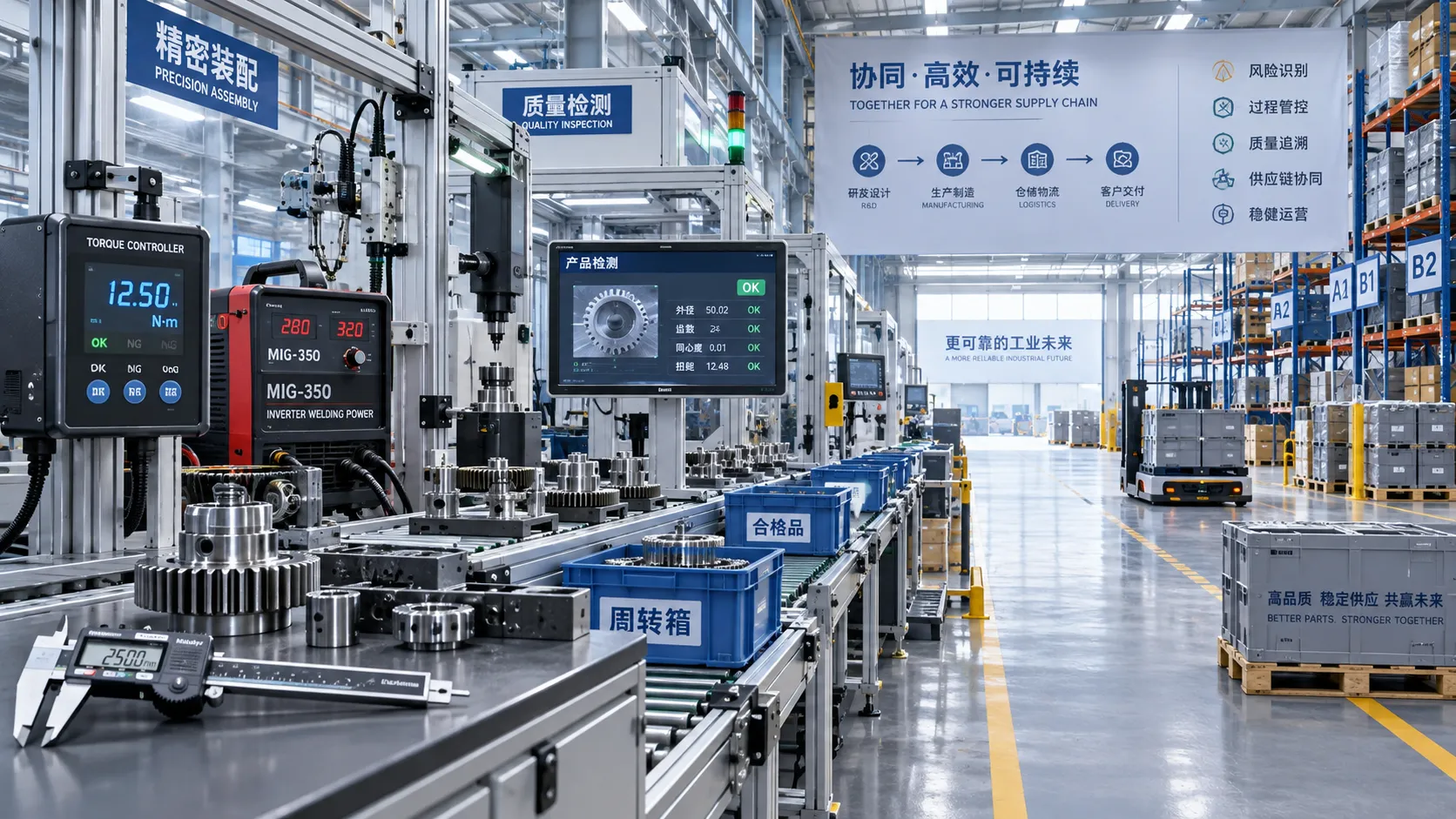
How Procurement Teams Can Map the Industrial Value Chain to Reduce Supply Risk
Industrial value chain procurement helps teams map hidden dependencies, qualify resilient sources, and reduce supply risk before disruptions stop production.
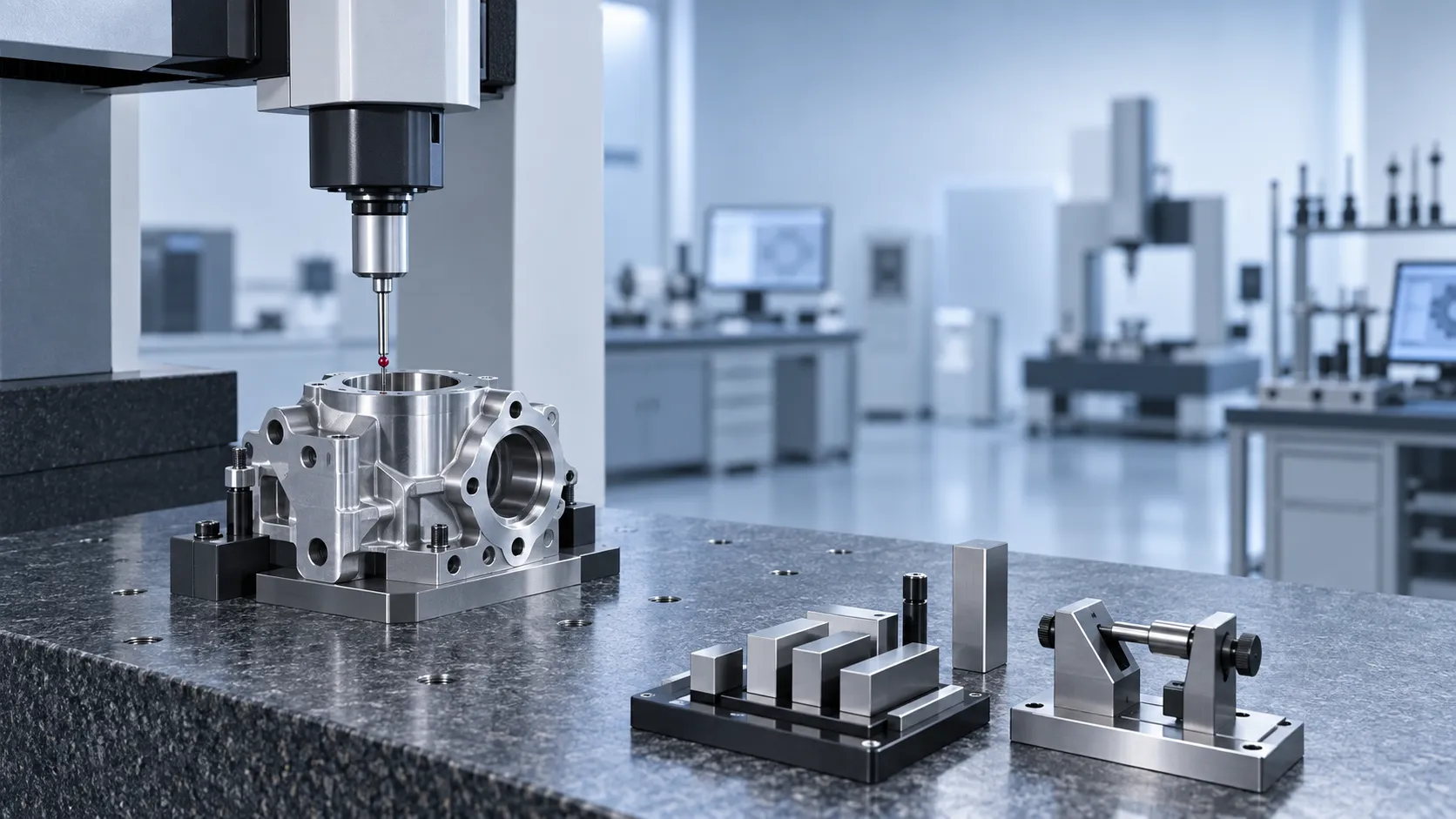
How Specification-Driven Articles Improve Precision Measurement System Selection
Specification-oriented articles precision measurement guidance helps teams compare accuracy, repeatability, environment, and data needs to select reliable systems with confidence.
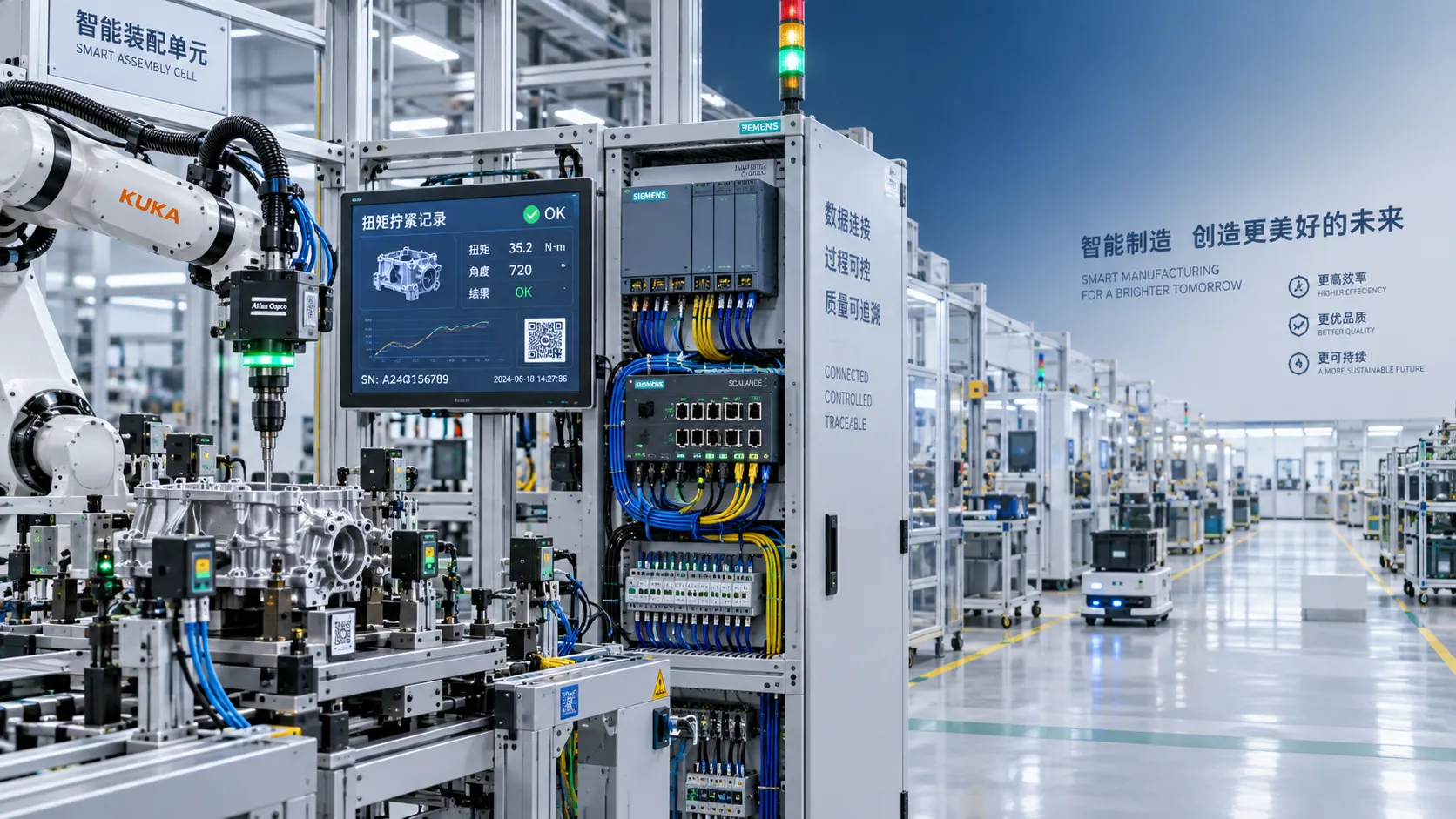
How to Evaluate a Technology Integration Service Provider for Complex Projects
Technology integration service provider selection guide: evaluate interface ownership, delivery discipline, scalable architecture, and risk control for complex projects.
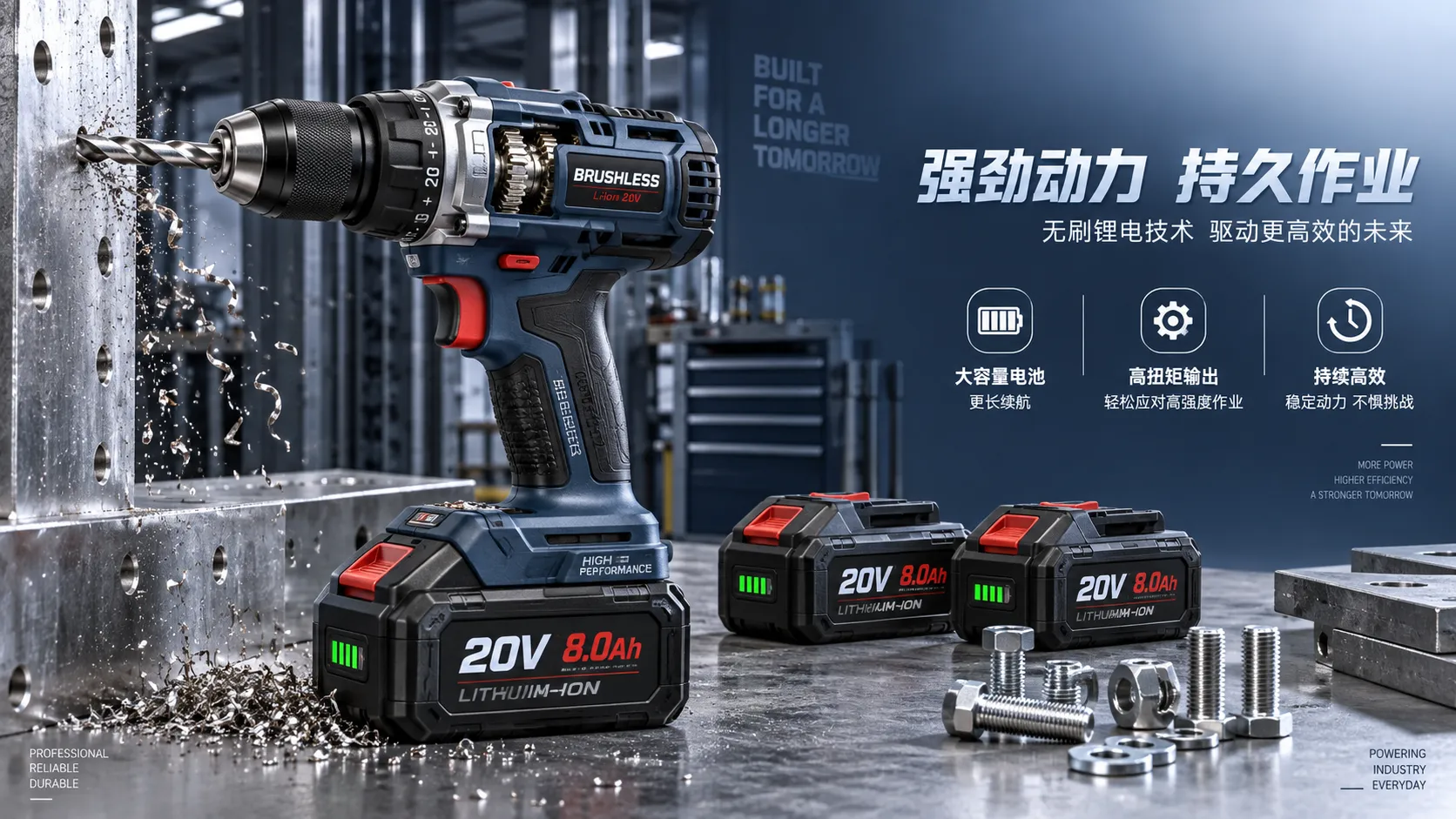
How Battery, Torque, and Duty Cycle Affect Cordless Power Tool Efficiency
Cordless power tool efficiency depends on battery output, torque, and duty cycle. Learn how to match tools to demanding jobs for stronger runtime and productivity.
Product Comparison Resources for Component Compatibility and Lifecycle Risk
Product comparison resources for components: evaluate compatibility, interfaces, service support, and lifecycle risk to reduce downtime, avoid redesigns, and make confident sourcing decisions.
How to Select Vernier Precision Calipers for Tight-Tolerance Machining Inspection
Vernier precision calipers for tight-tolerance machining: learn how to select the right range, jaw design, accuracy, and verification process for reliable inspection.
Product Comparison Resources in Europe: How Buyers Can Verify Specs and Suppliers
Product comparison resources Europe: learn how to verify industrial specs, compliance claims, supplier credibility, and delivery risk for smarter purchasing decisions.

How to Evaluate an Industrial Metrology Solution Manufacturer for Production Use
Industrial metrology solution manufacturer evaluation guide for production: compare accuracy, traceability, automation, software, service, and acceptance testing to reduce risk.
Which ISO Standards Matter Most for Precision Engineering Quality Control?
Precision engineering ISO standards explained: discover how ISO 9001, ISO/IEC 17025, ISO 10012, GPS, and ISO 3834 strengthen quality control, traceability, and compliance.
Related News
- 00
0000-00
How Specification-Driven Articles Improve Precision Measurement System Selection - 00
0000-00
Product Comparison Resources for Component Compatibility and Lifecycle Risk - 00
0000-00
Which ISO Standards Matter Most for Precision Engineering Quality Control? - 00
0000-00
Selecting Metal Joining Methods for Aluminum-to-Steel Assemblies - 00
0000-00
How to Evaluate Industrial Manufacturing Systems for Throughput, Flexibility, and ROI
Prof. Marcus Chen
Weekly Insights
Stay ahead with our curated technology reports delivered every Monday.